By Maria Jose Gonzalez-Bernat | Scientific Advisor, Marine & Coastal Protection
Remembering his childhood, Mario thinks of the abundance of fish, crabs and lobsters he and his father used to find while fishing, an activity that is now in decline on his island.
"There used to be so many things and today we are forbidden from fishing many things because of our irresponsibility in taking care of our resources," said Mario, who is now the leader of the San Luis Fishermen's Committee, whose members work on San Andres Island, Colombia.
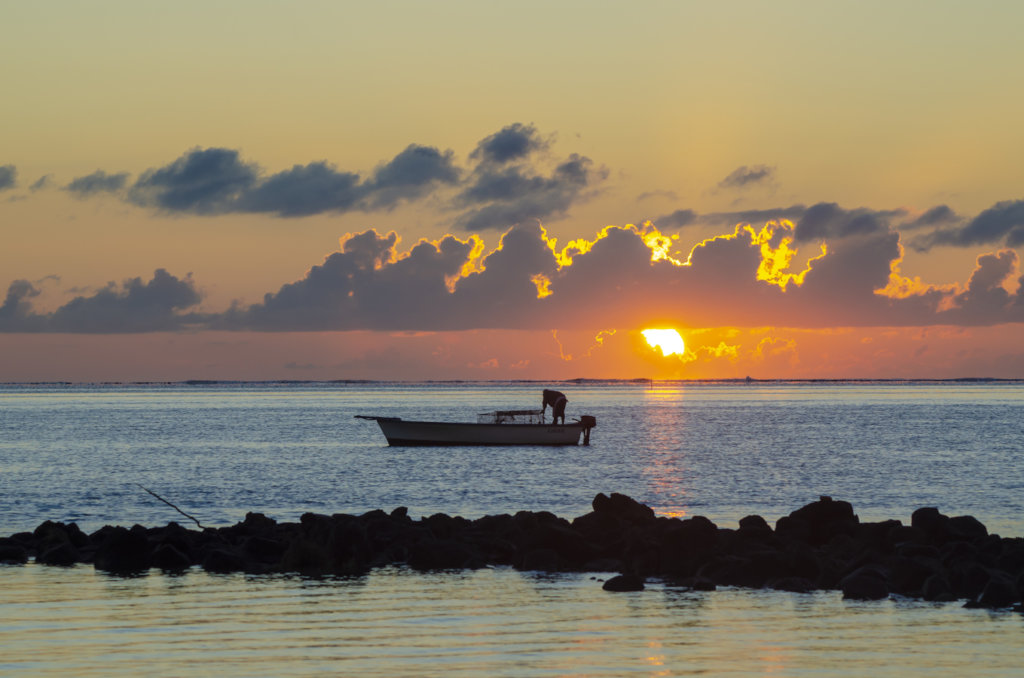
San Luis is a hamlet located on the east coast of San Andres with white sandy beaches and calm waters.
I was in San Andres in August to support the dissemination of a very important resolution for the conservation of the coral ecosystems of the Colombian Caribbean.
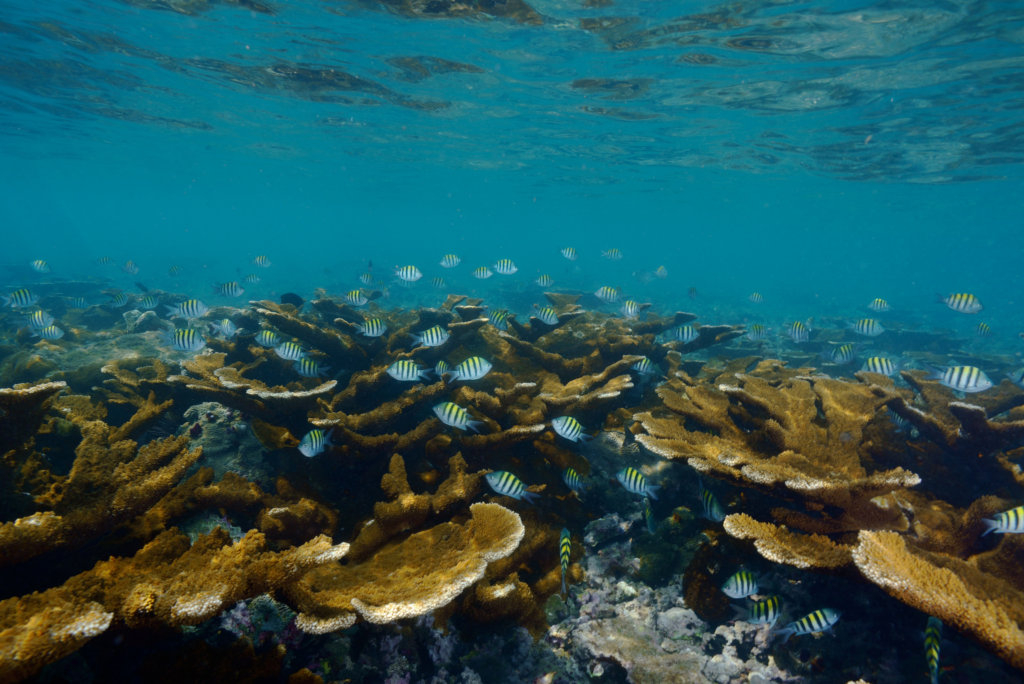
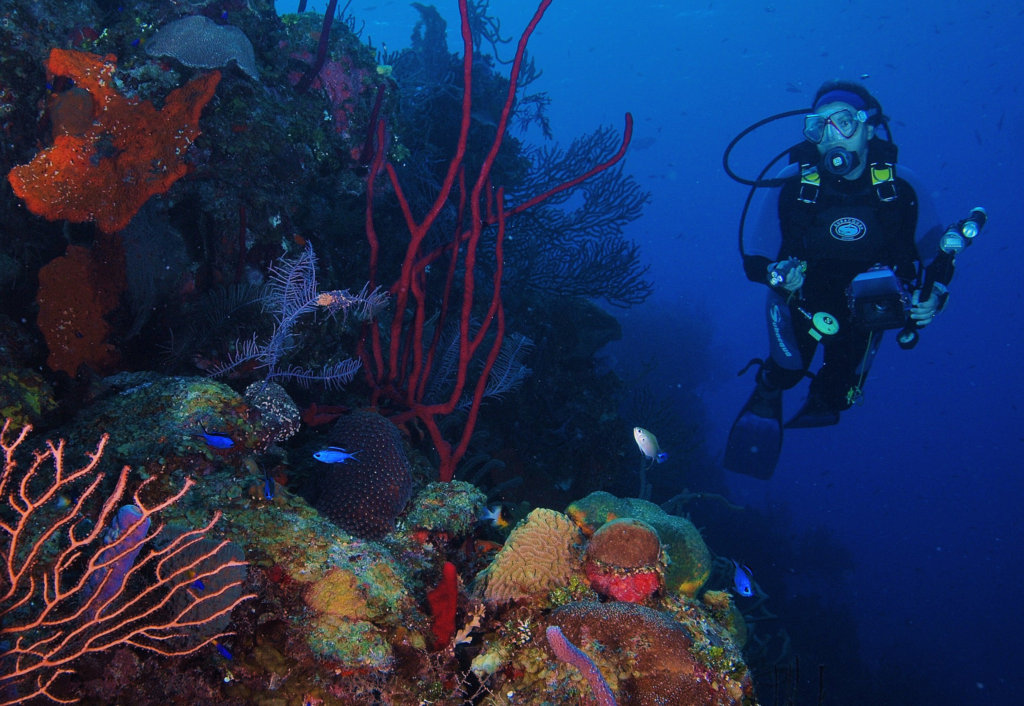
The law prohibits the capture and sale of several species of herbivorous and omnivorous fish that cleanse the corals of algae that take away light and space, thus supporting their survival.
Disseminating and socializing these type of regulations in local communities is very important so that their inhabitants, understanding the importance of these fish for the health of the reefs and for their economies, support the actions oriented to their conservation.
The resolution in Colombia is an important step for the protection of corals and herbivorous fish throughout the region. It recognizes the benefits of corals for fishing, tourism, pharmaceutical resources, and protection against the impacts of the climate crisis. It also recognizes the vital role several species of fish play in keeping these ecosystems healthy.
Both the resolution and the outreach we’ve been able to do in communities in San Andrés serve as examples for our work in all countries targeted in our regional plan for herbivorous fish (and thus coral) conservation. Not just Colombia and Mexico, but also Guatemala, Honduras, Costa Rica and Panama.
Outreach to local fishermen, and the organizations they support, allows us to positively impact public opinion and thus influence decision-making, which ideally will enable the protection of these vital fish species throughout the region.
As part of our public outreach campaign, we’ve also produced graphic aids for distribution in fishermen’s organizations, schools and community centers, so all members of coastal communities can play a role in protecting the fish that help keep their reefs healthy and bountiful.
Project reports on GlobalGiving are posted directly to globalgiving.org by Project Leaders as they are completed, generally every 3-4 months. To protect the integrity of these documents, GlobalGiving does not alter them; therefore you may find some language or formatting issues.
If you donate to this project or have donated to this project, you can receive an email when this project posts a report. You can also subscribe for reports without donating.