By Camilo Thompson | Attorney, Marine and Coastal Protection
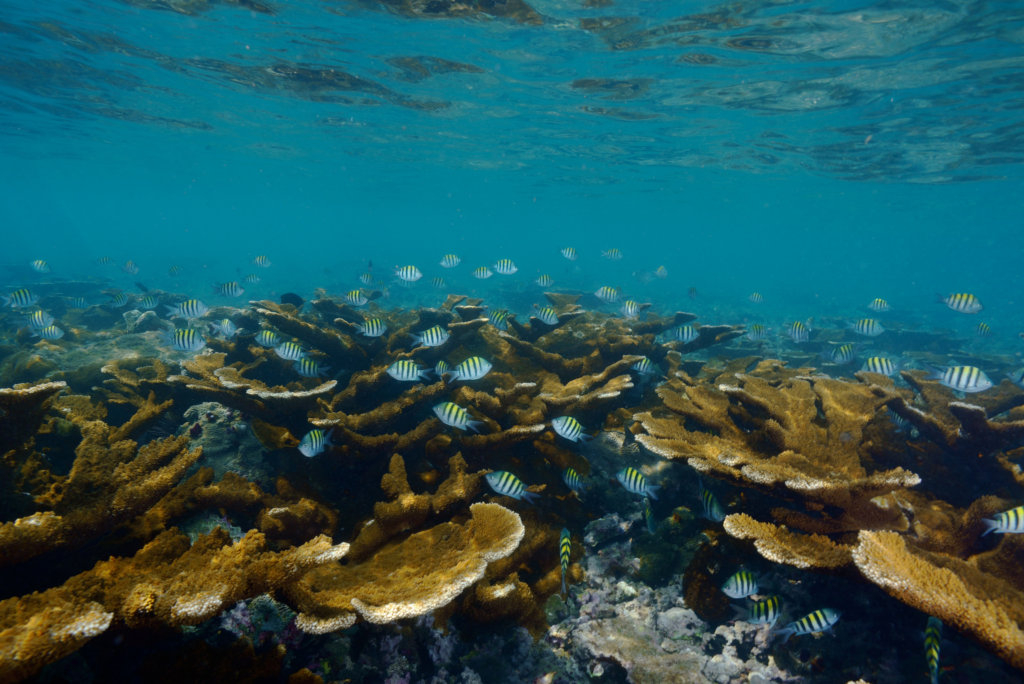
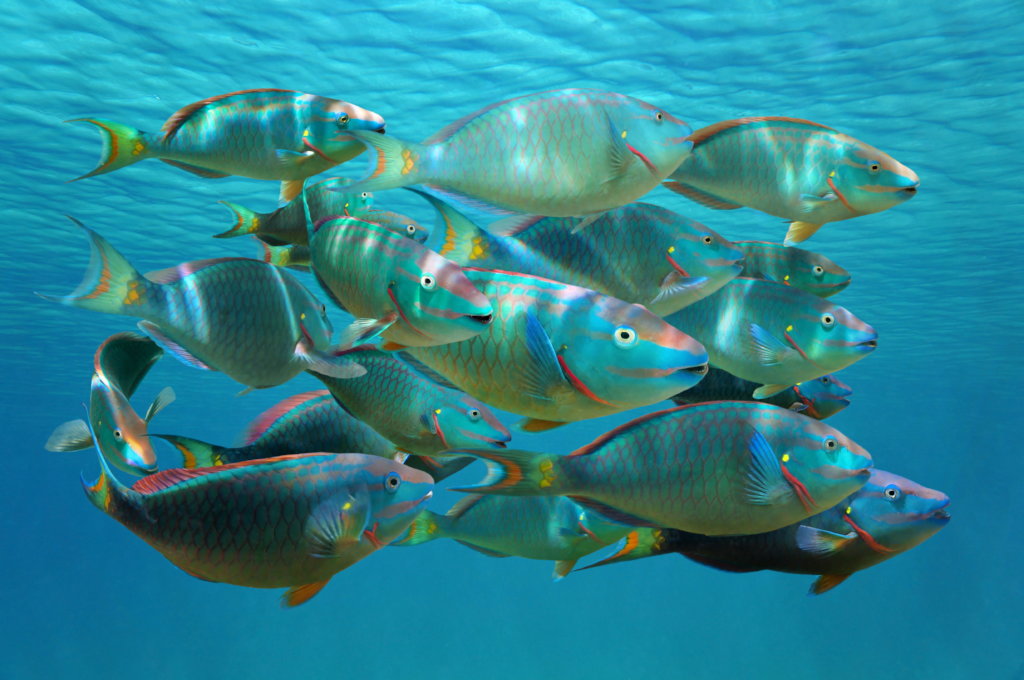
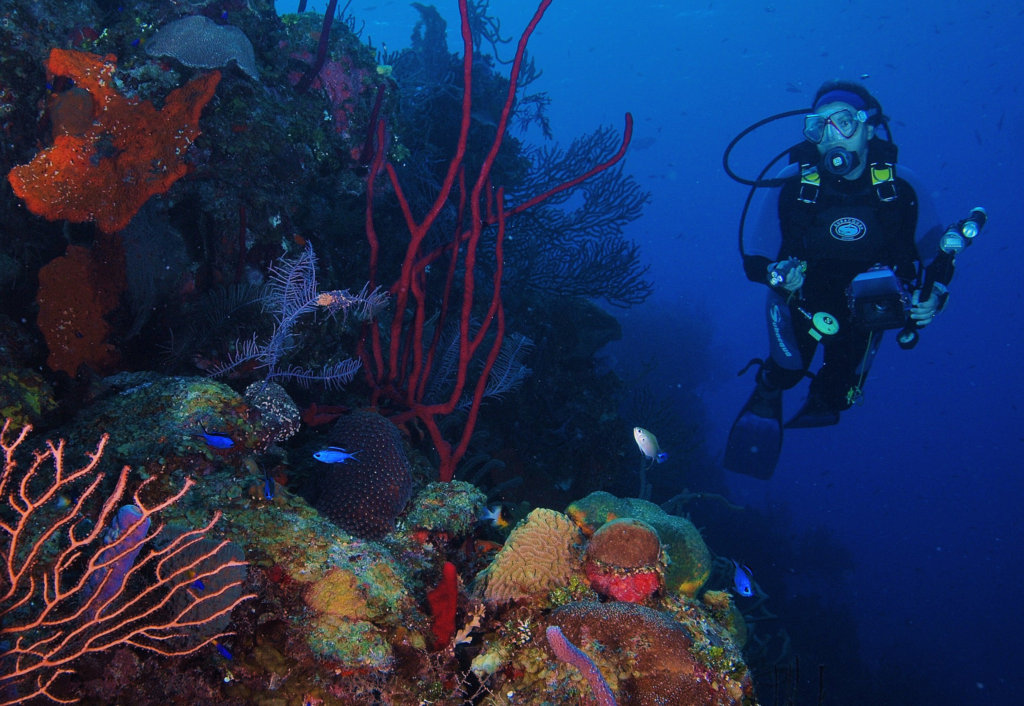
On December 7th 2018, AIDA participated in the eighth meeting of the Scientific and Technical Advisory Committee (STAC) to the Protocol Concerning Specially Protected Areas and Wildlife (SPAW) in the wider Caribbean Region. During the meeting AIDA advocated that the Committee prioritize the protection of parrotfish and other herbivores due to their integral role in maintaining the wellbeing of coral reefs. Herbivorous fish feed on macroalgae that covers coral reefs. Macroalgae growth deprives the coral of light and oxygen, therefore the absence of a healthy biomass of herbivorous fish that eat the algae and the high nutrients and contaminants runoff can cause severe damage to the marine ecosystem.
On June 3d 2019, AIDA participated in the tenth meeting of the Contracting Parties (COP) to the SPAW Protocol in Honduras. In this meeting, the COP approved the recommendations made by STAC to urgently define the terms of reference (objectives, scope, and strategies) for parrotfish and other herbivorous fish management associated with coral reefs, seagrasses, and mangroves in the Wider Caribbean Region. This decision will help build the governance frame for regional resources in the area that encloses the second largest coral reef in the world, belonging to the Gulf of Mexico and the Caribbean Sea ecosystems, and could play a key role in the protection -at a regional scale- of the Wider Caribbean.
As part of the Cartagena Convention, and as one of the countries yet to ratify their participation in the protocol, Mexico’s support is critical. The countries that belong to and share the Wider Caribbean Region need to consider having reciprocal regulations to protect the ecological functions, natural resources and ecosystem services provided by the coral reef system. The Mexican shoreline encompasses a portion of the Mesoamerican reef, playing an important role in protecting marine areas, conserving biodiversity, and regulating fishing along the reef. AIDA’s Marine team believes that the systemic perspective of these measurements is an opportunity to be part of the transition and the perfect time to ratify Mexico’s presence in the Protocol, enforcing the regulation measures to manage and regulate key marine species.
The approval of these recommendations is a strong step because it will allow AIDA to diffuse environmental norms to countries within the SPAW agreement and create a broader positive change. AIDA hopes to form a communal and differentiated understanding in the greater Caribbean region that marine ecology needs to be sustained and protected. We hope to recreate results like this in the future which will allow us to guide the development of environmental standards.
Project reports on GlobalGiving are posted directly to globalgiving.org by Project Leaders as they are completed, generally every 3-4 months. To protect the integrity of these documents, GlobalGiving does not alter them; therefore you may find some language or formatting issues.
If you donate to this project or have donated to this project, you can receive an email when this project posts a report. You can also subscribe for reports without donating.