By Magie Rodriguez | AIDA Marine Legal Assistant
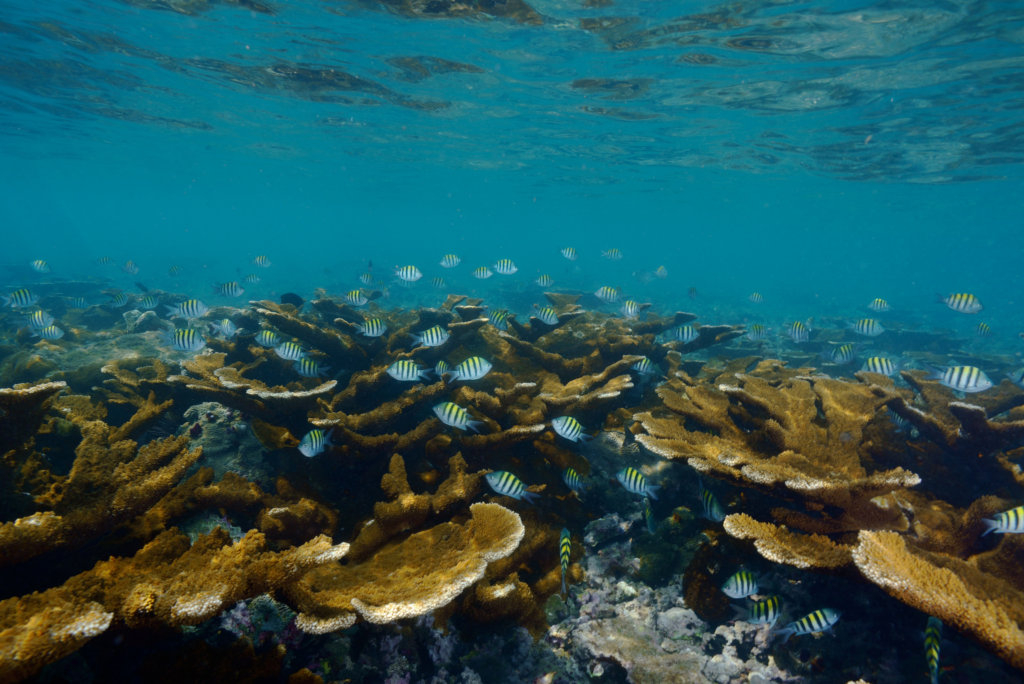
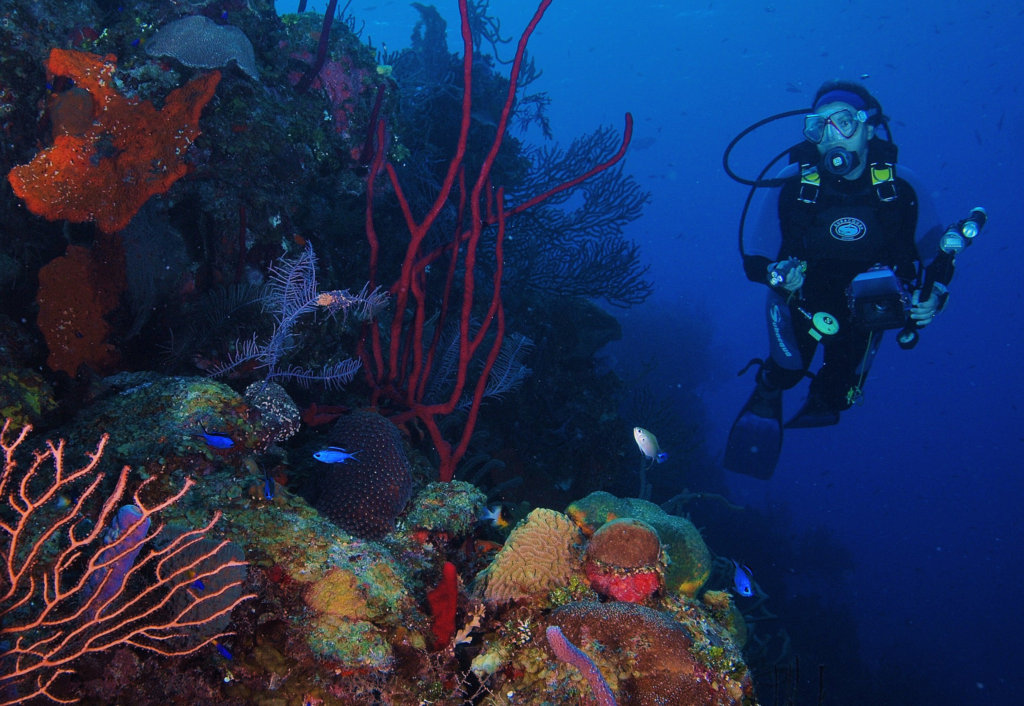
We all know coral reefs are fragile environments, highly vulnerable to climate change and pollution. But did you know they also had to compete for light and oxygen with the tiny macro-algae that cover their surface?
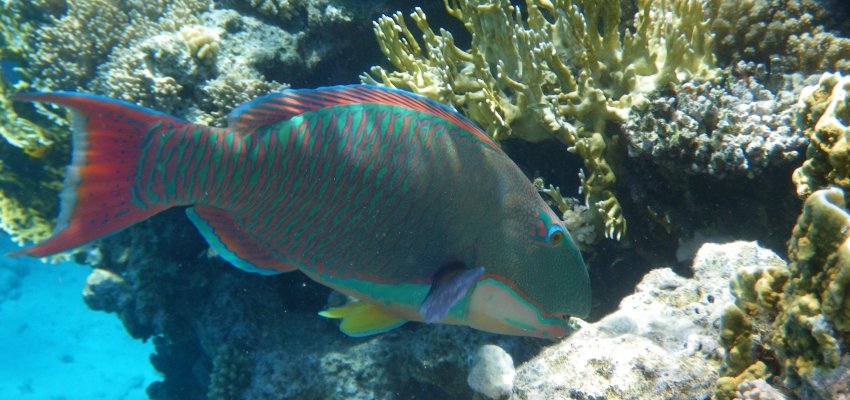
That’s why some of corals' best friends are herbivorous fish—species like parrotfish and surgeonfish that feed on algae, helping to keep corals healthy.
But across the Caribbean, unsustainable fishing practices are causing a decline in populations of parrotfish (and other herbivorous fish), putting the health of corals at risk.
That’s why, in AIDA’s marine program, we’re launching a large-scale project dedicated to the conservation of herbivorous fish throughout Latin America.
We’ll be focusing our work not just on Mexico, but also on the reefs of Guatemala, Honduras, Costa Rica, Panama and Colombia.
Our objective is the implementation of diverse strategies across these six nations to protect parrotfish, surgeonfish, damselfish and, by extension, the reefs they call home.
To restore the balance of the coral ecosystem, it’s necessary to achieve the recovery not just of herbivorous fish populations, but also of commercial species.
So we’re talking not just about fishing bans, but also about the general adoption of sustainable fishing tools that take into account the tourism potential of coral reefs.
The project will also contemplate adequate wastewater management strategies, consumer education, and collaboration between governments, NGOs, universities and scientists.
Corals are, among other things, a source of economic income and food for coastal communities that live from fishing and tourism. Plus, they are natural barriers against storms and hurricanes.
Corals do a lot for us and we have to take care of them. We’ve come to find that one of the best things we can do to keep corals healthy is to protect the herbivorous fish that call them home.
Links:
Project reports on GlobalGiving are posted directly to globalgiving.org by Project Leaders as they are completed, generally every 3-4 months. To protect the integrity of these documents, GlobalGiving does not alter them; therefore you may find some language or formatting issues.
If you donate to this project or have donated to this project, you can receive an email when this project posts a report. You can also subscribe for reports without donating.