By Bonni Theriault and Tom Neill | Project Leader
We are participating in the Global Giving Social Impact Academy to help us learn to better communicate our mission and impact. As part of this learning, we have been discussing how embracing failure to move the organization forward is an important aspect of impact. This report is being submitted as part of the Fail Forward contest and discusses one of our initial failures that forced us re-shape the strategy of the organization. The failure of our initial model challenged us to create a more self-sustaining model that generated greater local buy-in. Our revised, train-the-trainer model, has enabled us to be more successful in developing emergency care capabilities in Uganda, with long-term scalability and sustainability, thus furthering our goal of creating universal access to Emergency Care in Uganda to prevent needless death and disability from treatable causes.
Global Emergency Care’s Fail Forward:
The Importance of Training Local instead of Importing Foreign
In the beginning, Global Emergency Care was founded to help raise funds to construct an emergency department at a small, rural hospital in southwestern Uganda. Then, as now, emergency departments do not exist as part of the continuum of care provided at Ugandan hospitals. The GEC founders, four board-certified, emergency physicians from the U.S., thought that opening an emergency department would drastically reduce the incidence of preventative death and disability from treatable causes, in the surrounding communities. So, Global Emergency Care was formed. After the construction of the first emergency department in all of Uganda, the original plan was for a U.S. emergency physician, working for a different non-profit organization, to volunteer at the hospital for a three-year period. According to the plan, this physician would manage the day-to-day operations of the new emergency department and train the providers at the hospital in emergency care.
Looking back, one of the most surprising aspects of our plan to us was the lack of long-term vision. Because of our training in emergency medicine, we knew the positive impact that a functioning emergency department would have on preventing deaths from malaria, pneumonia, trauma, and other sources, but we were very green when it came to the long-term planning of sustainable program that would earn the trust and buy-in of the local community. The plan from the outset was to have a foreign emergency physician at the hospital for the first three years to get the program up and running and provide training to local providers.
The physician arrived with his family the same month that the emergency department was opening. Immediately, things spiraled out of control. Despite months of pre-departure training, the doctor and his family decided to leave the program after less than two weeks on site. We had a newly constructed emergency department in rural Uganda with no one trained to run it. This forced us into crisis mode to determine if we could replace the original doctor. After intense self-reflection and dialogue, we determined that a program that was dependent on one individual was in no way a sustainable way forward.
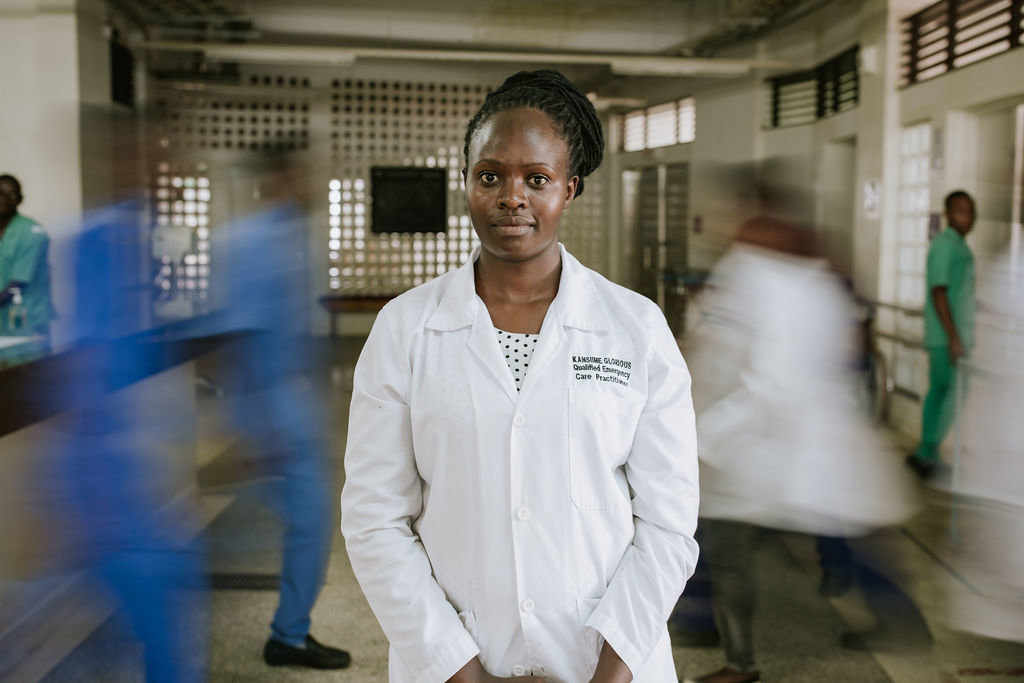
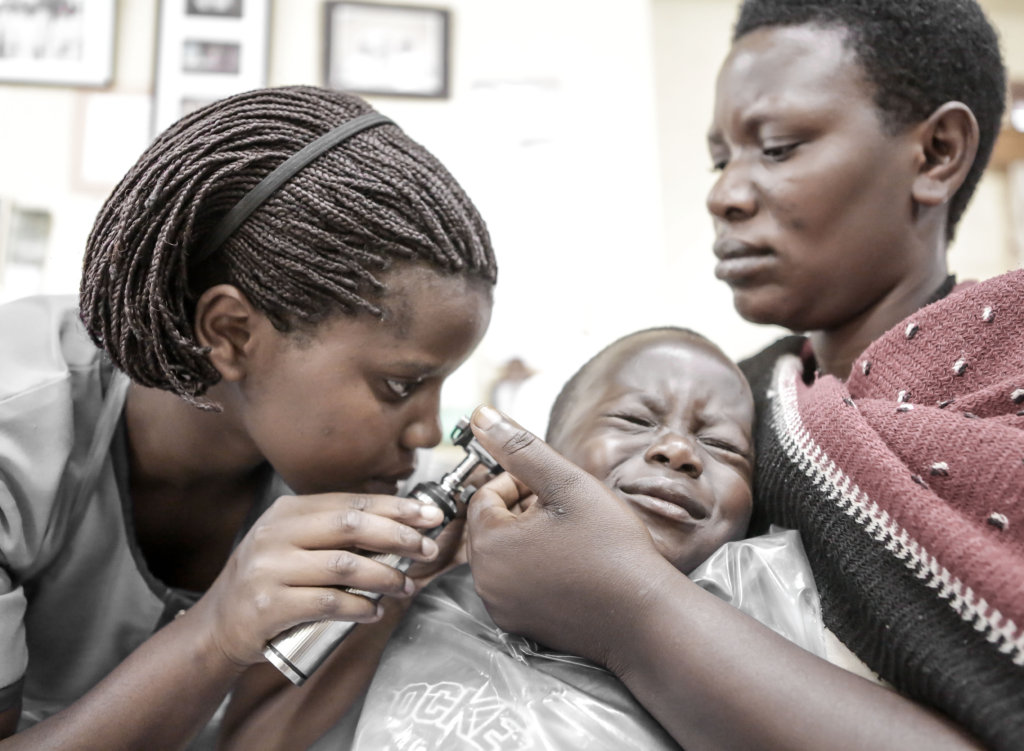
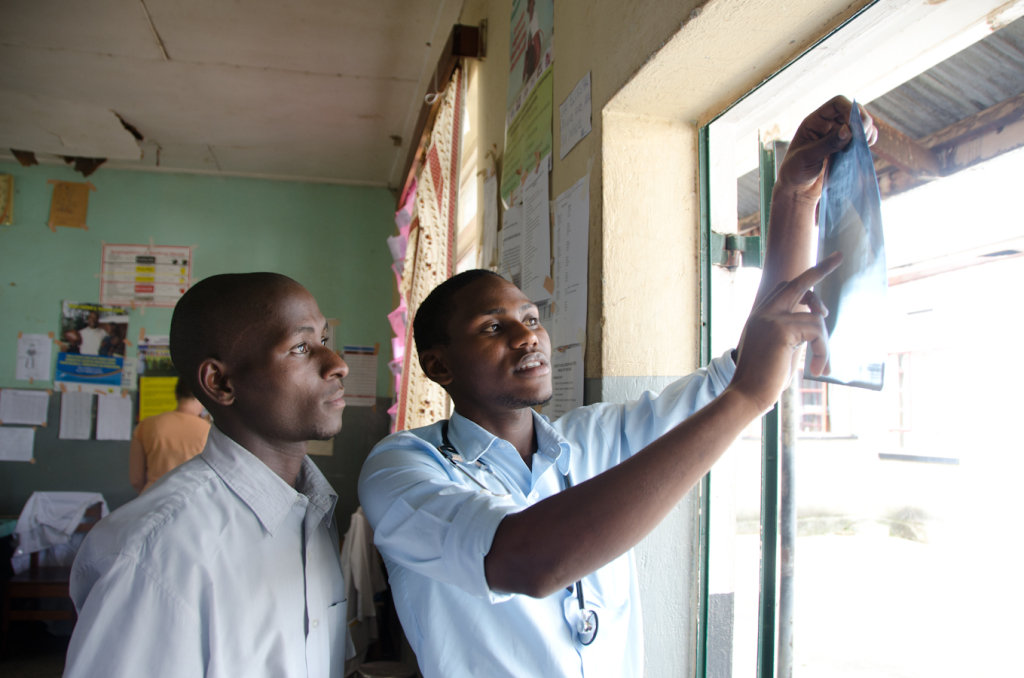
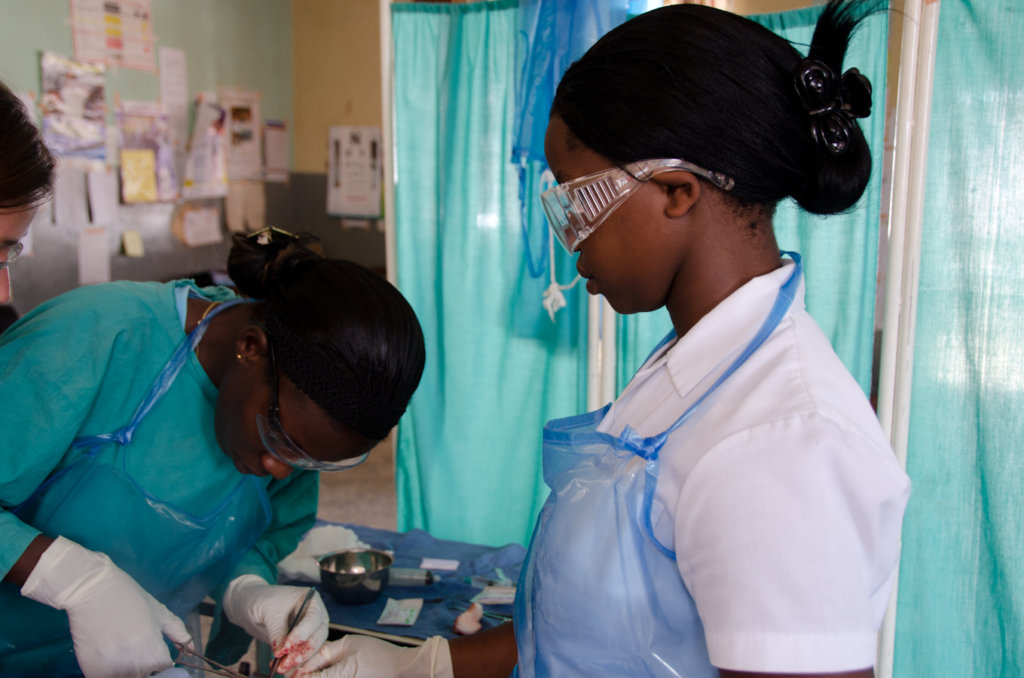
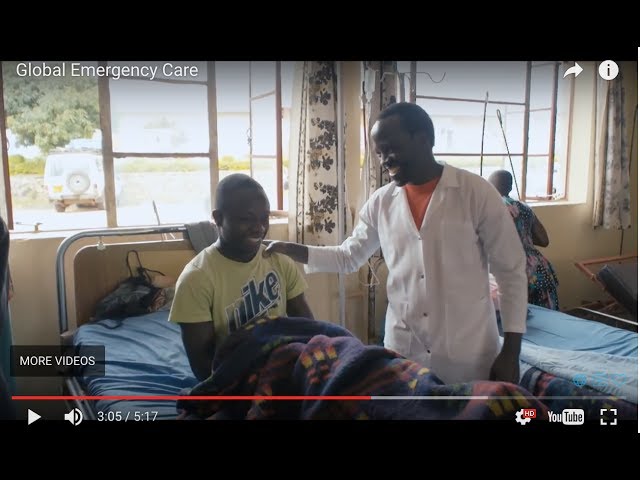
Our solution was that one of GEC’s founders would move to Uganda for a year to run the emergency department. With his skill set and dedication, we devised and implemented the first Emergency Care Practitioner training program to train nurses as mid-level emergency care providers to staff their own emergency department. Not only were local nurses trained in the necessary clinical skills, but they were also trained to become educators to teach the incoming classes of nurses. By designing and implementing a train-the-trainer model, GEC developed a replicable model that serves as a model for emergency medicine development in other similar resource-limited settings.
Although our failure was a problematic beginning for the organization, it forced us to strategically rethink our mission and vision to design a program that is replicable, affordable, and self-sustaining. We learned a lot about ourselves as a young organization from the importance of long-term planning, to the significance of trust and community. We learned that failure was a springboard for inventive problem solving and creative visioning. Furthermore, through this failure, we learned the importance of building local capacity and capabilities through education, and have made it the cornerstone of our program. Thus, our initial failure ended up leading to a much more successful, sustainable and scalable program today.
Links:
Project reports on GlobalGiving are posted directly to globalgiving.org by Project Leaders as they are completed, generally every 3-4 months. To protect the integrity of these documents, GlobalGiving does not alter them; therefore you may find some language or formatting issues.
If you donate to this project or have donated to this project, you can receive an email when this project posts a report. You can also subscribe for reports without donating.



Support this important cause by creating a personalized fundraising page.
Start a Fundraiser