By Emma Shiffman | Communications Adviser
INTRODUCTION
Between March 2019 and June 2019, Health Action International (HAI) made exciting progress with its Snakebite Project. HAI continued to implement the project in Kenya at the Bio-Ken Snake Farm, while our team in Amsterdam advocated for concerted action on snakebite at the global level. Efforts in Kenya have focused on building the capacity of communities and increasing evidence from health facilities, as well as pushing for essential policy change.
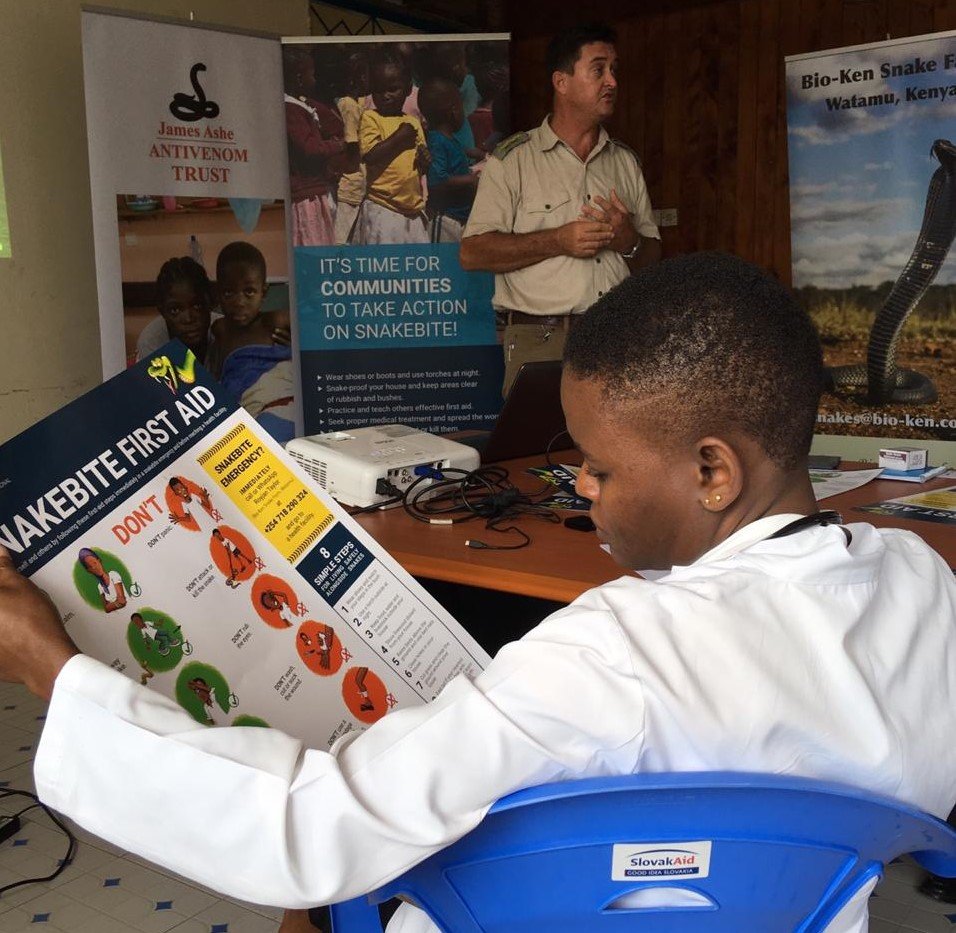
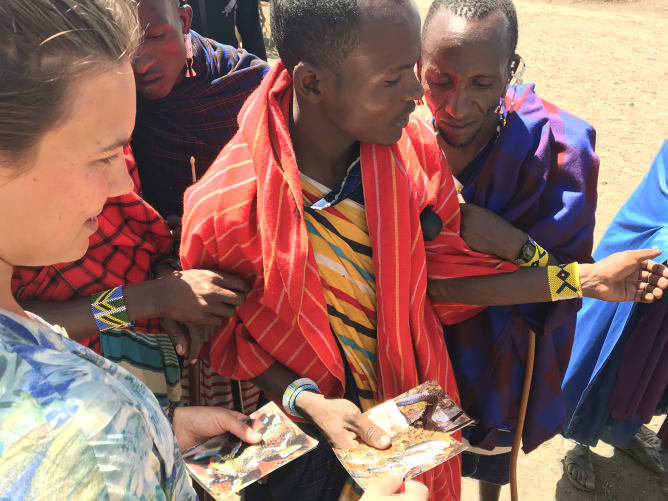
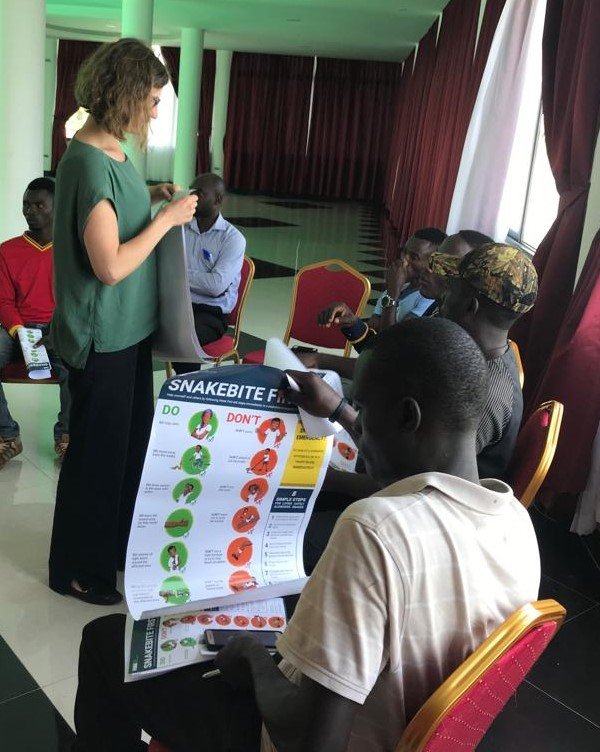
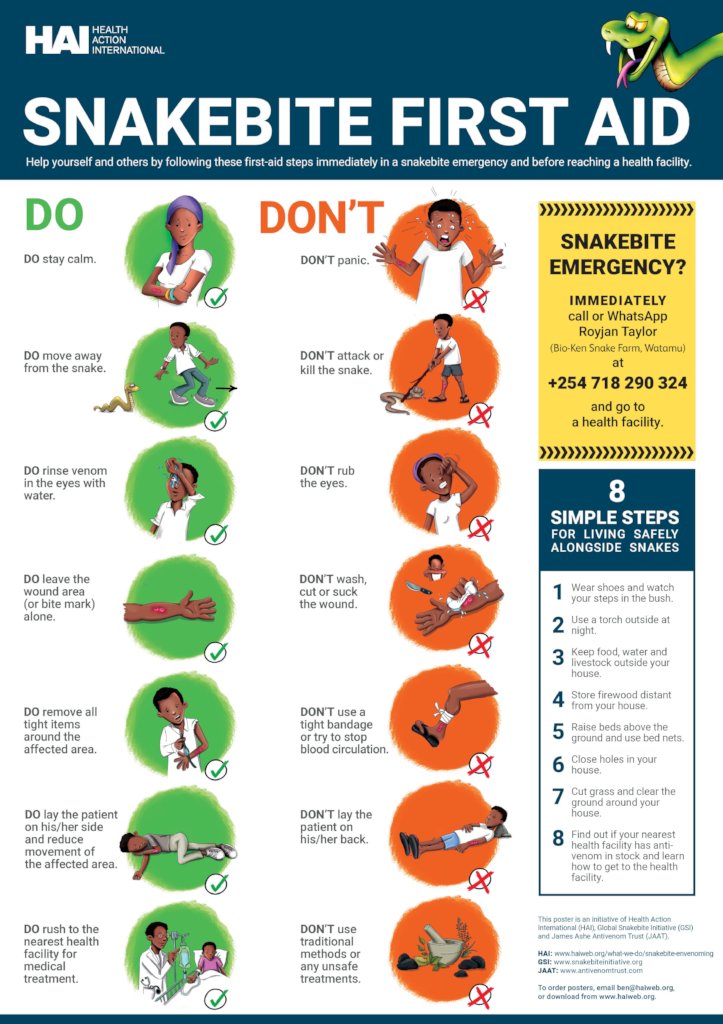
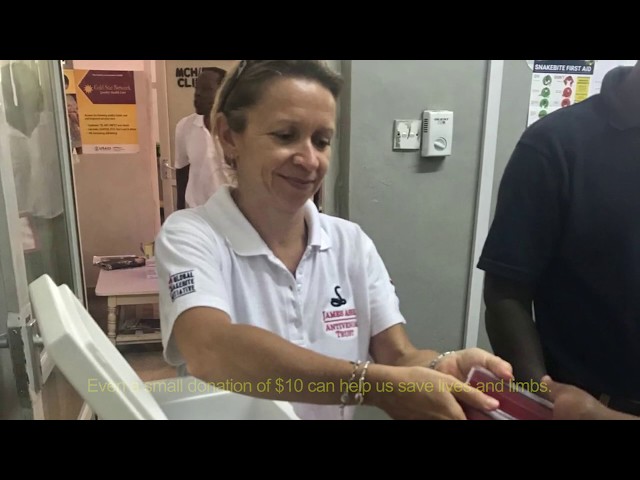
Research has been completed in the County of Kwale and has started in Taita Taveta. Additionally, we have received approval to commence research in Kajiado. While completing the research, data collectors provided community education and distributed first-aid posters created by HAI.
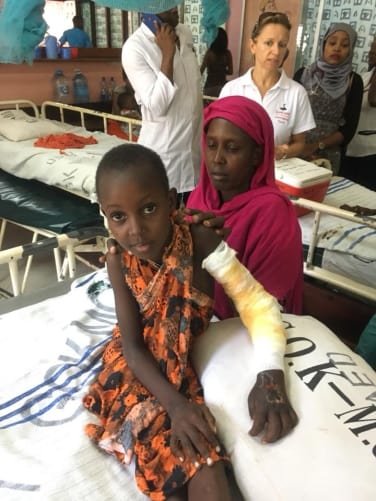
HAI has also received ethical approval to complete focus group discussions and community research so that we can understand ‘the real burden’ of snakebite as more than 70% of snakebites go unreported. The focus group discussions aim to understand the barriers victims perceive to exist when seeking effective healthcare. Through understanding this, more targeted community education and policy solutions can be achieved.
Finally, we advocated for, and contributed to, the National Snakebite Prevention and Management Guidelines, which have now been released in Kenya. That is the first step to saving lives and limbs.
The overarching aim of our work with the local ministries is to create a sustainable impact that is owned by the local government and communities.
EMPOWERING COMMUNITIES
Part of HAI’s work in our Snakebite Project is to collect data on snakebite incidents to build an evidence base for action. Several health officials from counties near Kilifi have been eager for their county to be included in data collection going forwards and to use HAI’s tools to spread awareness and build further capacity in their communities. In Kilifi, the combination of better data availability and community awareness through our interventions contributed to a budget being allocated for effective antivenom, thereby replacing ineffective alternatives. This is the model that we will be mirroring in other counties as the project spreads.
INCREASING GLOBAL ATTENTION
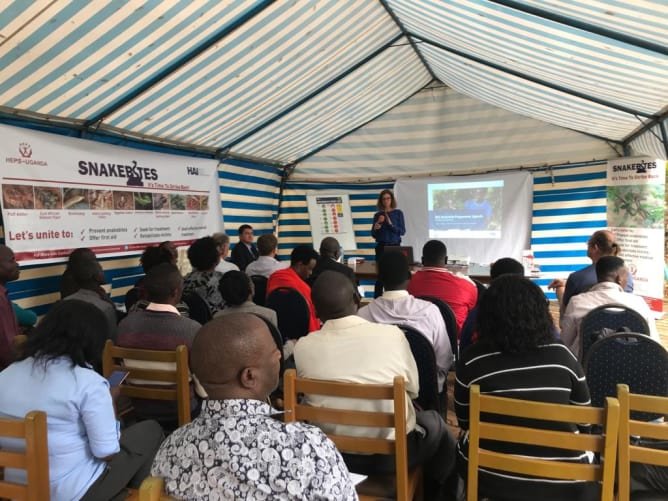
HAI has worked in close consultation with the World Health Organization (WHO) on a final version of the WHO global strategy for the prevention and control of snakebite, launched during the 72nd World Health Assembly in May 2019. Specifically, we’ve pushed for the integral role of civil society and the need for community-based activities and research to be covered comprehensively within the strategy. HAI also worked in partnership with Lillian Lincoln Foundation to organise a screening of the snakebite documentary Minutes to Die on 21 May 2019. This was an important event in the context of the WHO strategy launch, which told the story of snakebite so far and what needs to happen next. The event was attended by 115 people, and was broadcast via Facebook Live to the Brighton and Sussex Medical School, as well as the general HAI following of 8,158, making it an international screening.
COMMUNICATING SNAKEBITE
Our communications work has aimed at increasing awareness of snakebite among a wide audience, including the WHO and national ministries. These efforts have meant action is now being taken to tackle the tragedy of snakebite.
Media
From March to June 2019, no less than 25 articles were published in various languages mentioning HAI’s work on snakebite. This includes in The Guardian, Le Monde and La Libre.
Social Media
Our snakebite-related social media activity reached 190,259 people and resulted in 2,562 engagements (likes, retweets, reacts and shares).
Communications Materials
We received an increase in the number of requests for our first aid poster from all over Sub-Saharan Africa, including Tanzania, Namibia, Kenya, Uganda, Zambia, Zimbabwe, Central African Republic and three international organisations (Health Works, Plan:G, NLR)
Looking to the Future
We periodically support initiatives in other countries through our posters and expertise. With the funding we are able to attain through the GlobalGiving community, we aim to:
Links:
Project reports on GlobalGiving are posted directly to globalgiving.org by Project Leaders as they are completed, generally every 3-4 months. To protect the integrity of these documents, GlobalGiving does not alter them; therefore you may find some language or formatting issues.
If you donate to this project or have donated to this project, you can receive an email when this project posts a report. You can also subscribe for reports without donating.