By Rosemary Godfrey | Senior Course Manager, Rare
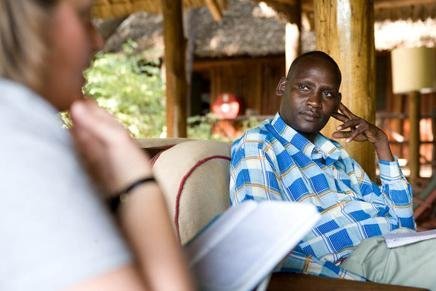
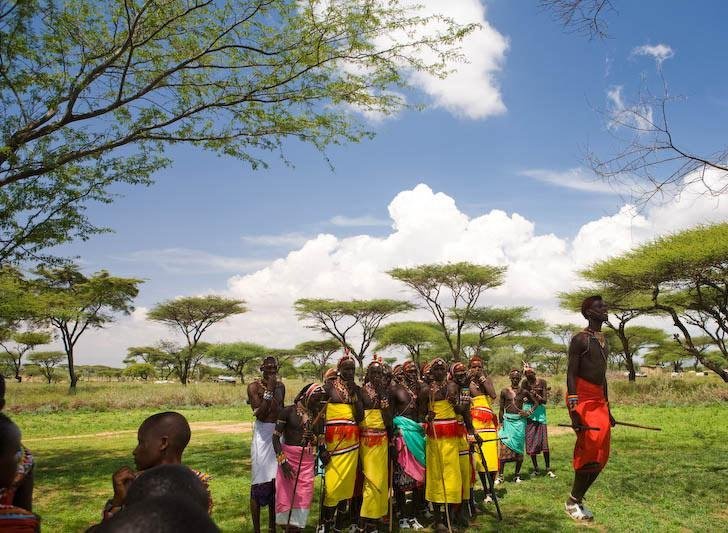
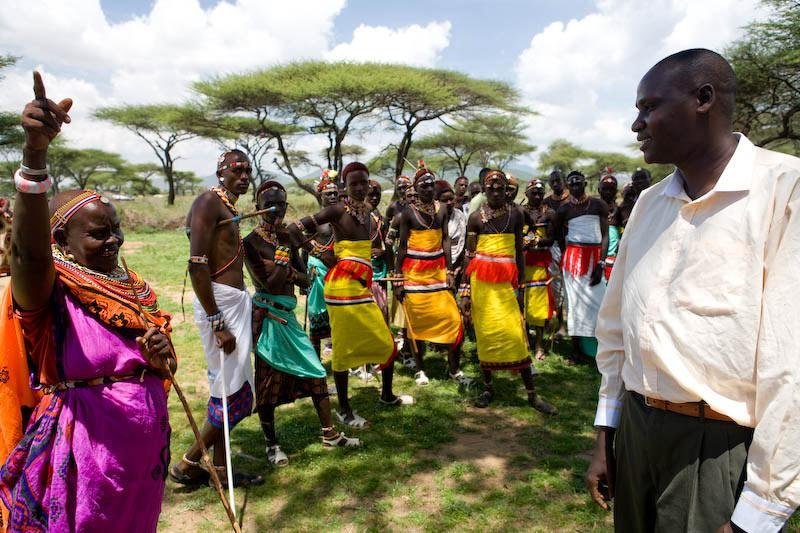
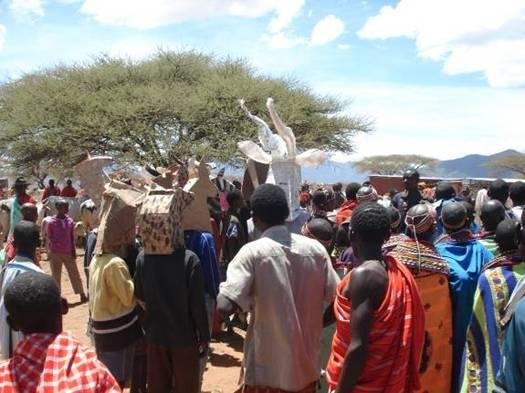
“In the Samburu district of Kenya, the traditional livelihood activities of livestock grazing and wild-honey harvesting are a central part of local culture. Local conservationist and Pride Campaign Manager Titus Letaapo, who was born in Samburu District in 1970, sees the growing environmental threats to the wildlife and people in the region as an opportunity to help create a more sustainable livelihood for community members, leading to lasting social and environmental change. Although his Pride outreach activities are just beginning, Letaapo is already changing local perceptions about conservation.
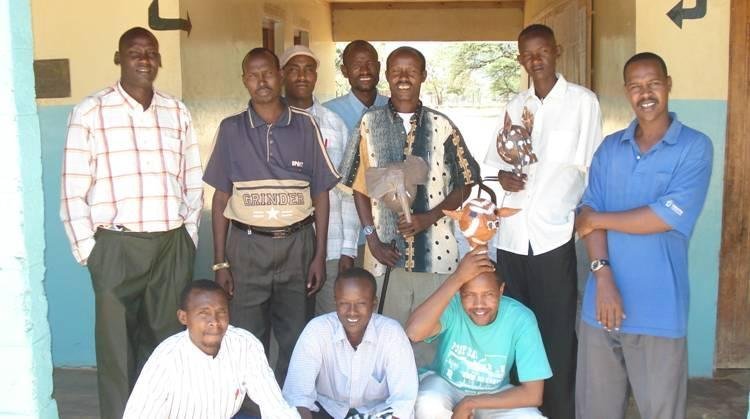
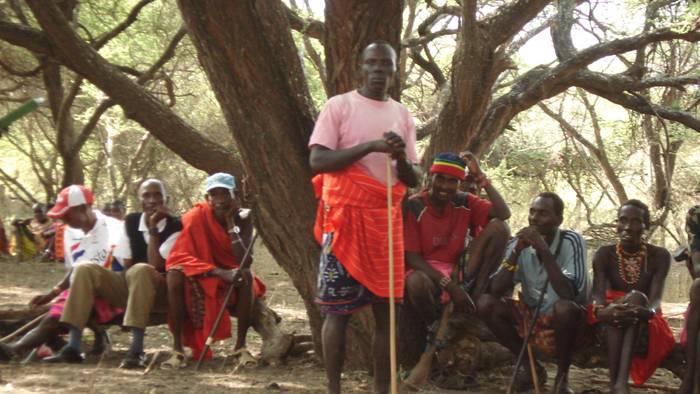
In partnership with his local organization Namunyak Wildlife Conservation Trust and with support from local partners such as Lewa Conservancy, and Earthwatch, Letaapo is utilizing his teaching background to educate and empower community members to combat overgrazing. This is one of the most prevalent threats to a region that is home to beautiful high altitude plains and where nearly 70% of the people earn a living from raising livestock, including cattle, sheep and goats. Letaapo has selected a group of community members to be part of a local grass management committee, and he has already started training them to integrate more sustainable grazing methods. His goal is to train at least 55 people by the end of his campaign, and he will encourage these individuals to pass along their knowledge to others in their community as well as protect their resources by working together to coordinate local grazing patterns and to create their own grazing by-laws.
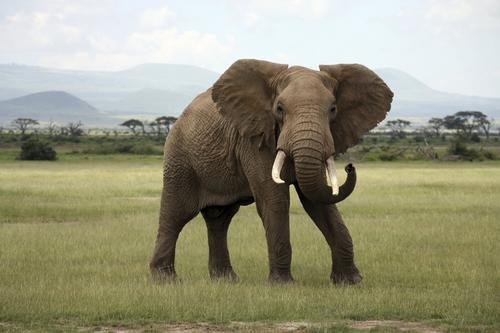
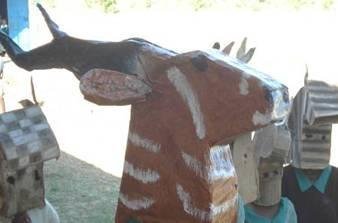
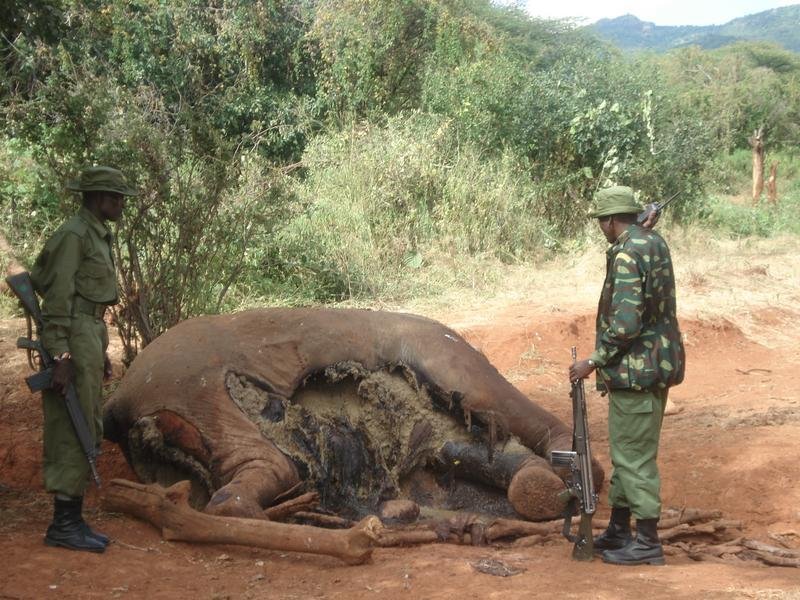
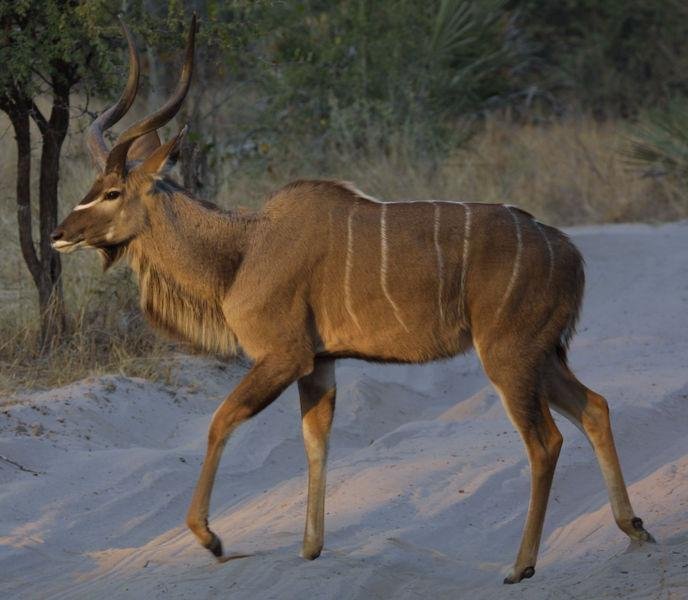
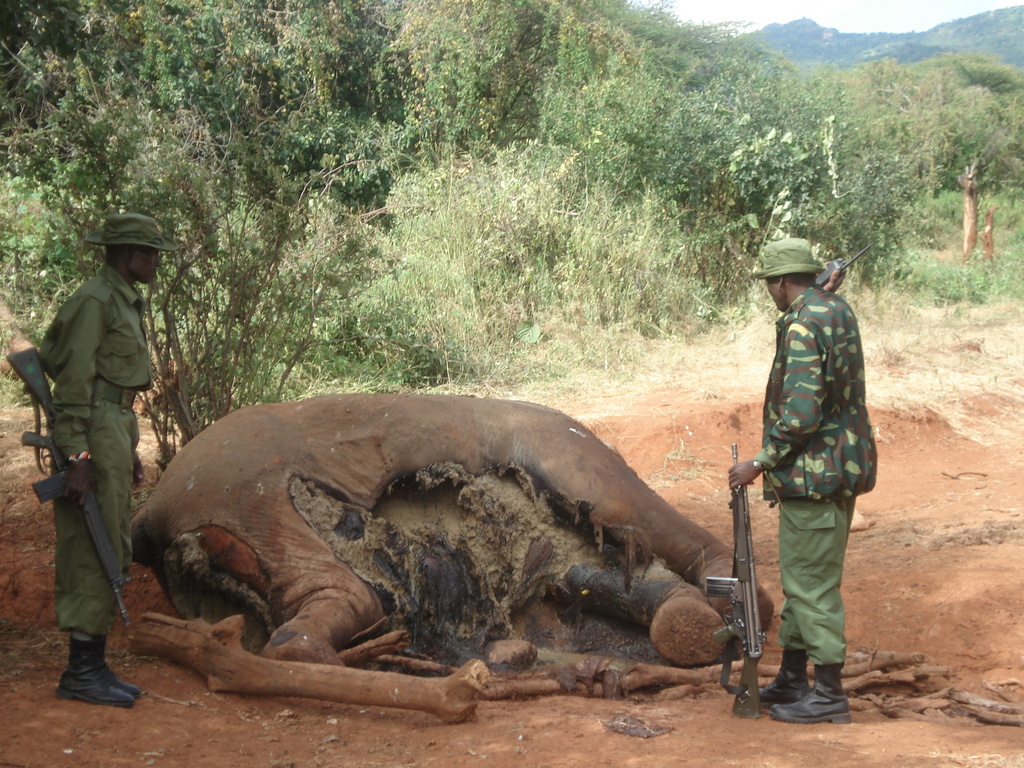
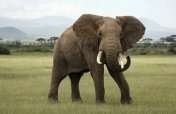
Letaapo is also working to set up new core conservation areas where grazing will not be allowed. These areas will be used as havens for local wildlife - including the Grevy’s zebra, Reticulated giraffe, African elephant, and the threatened Greater Kudu, the flagship species for his campaign—as well as ecotourism. The core conservation areas will also serve local communities in crisis, so that in times of extreme drought they will have a place to graze their livestock.
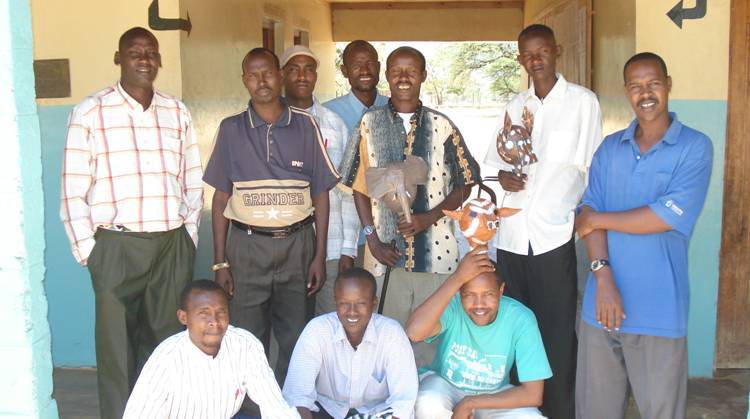
Forest fires in the region are generally caused by wild honey harvesting and charcoal production. To address this threat, Letaapo is again working to educate and inspire change at the individual and community level. He has facilitated training of 10 people as bee keepers, showing them safer, alternative methods of honey gathering that do not require open flames to smoke the bees from their hives. These individuals will then train others in their communities to utilize safer harvesting practices. With the help of Letaapo and a local community member named Rueben, 16 community members have started an agricultural plot to grow fruits and vegetables, giving them an alternative to burning wood for charcoal production. Letaapo’s goal is to start 6 agriculture plots and provide an alternative livelihood to 30 charcoal burners by the end of his campaign.
Links:
Project reports on GlobalGiving are posted directly to globalgiving.org by Project Leaders as they are completed, generally every 3-4 months. To protect the integrity of these documents, GlobalGiving does not alter them; therefore you may find some language or formatting issues.
If you donate to this project or have donated to this project, you can receive an email when this project posts a report. You can also subscribe for reports without donating.