By Daniela Maldini | Project Leader
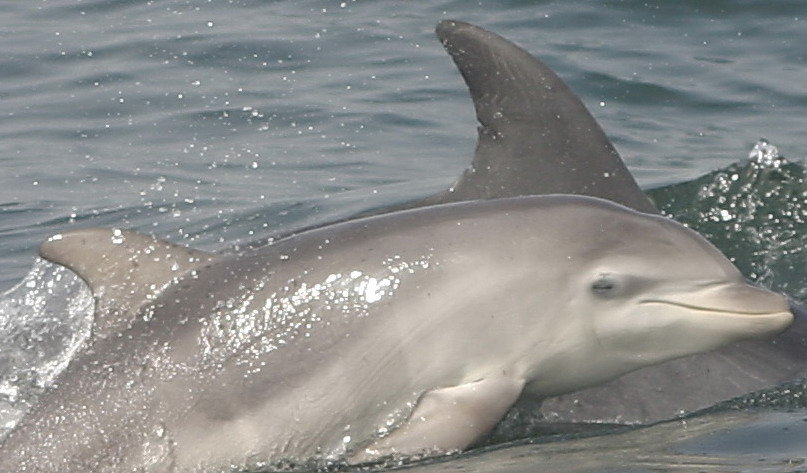
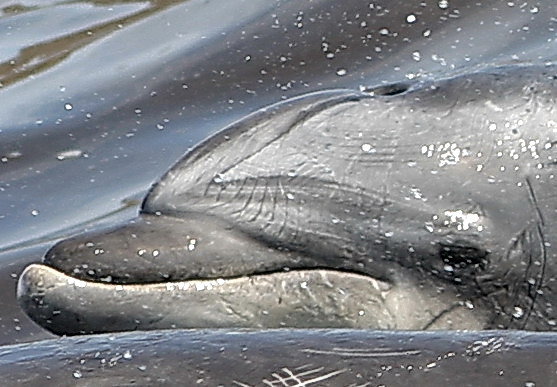
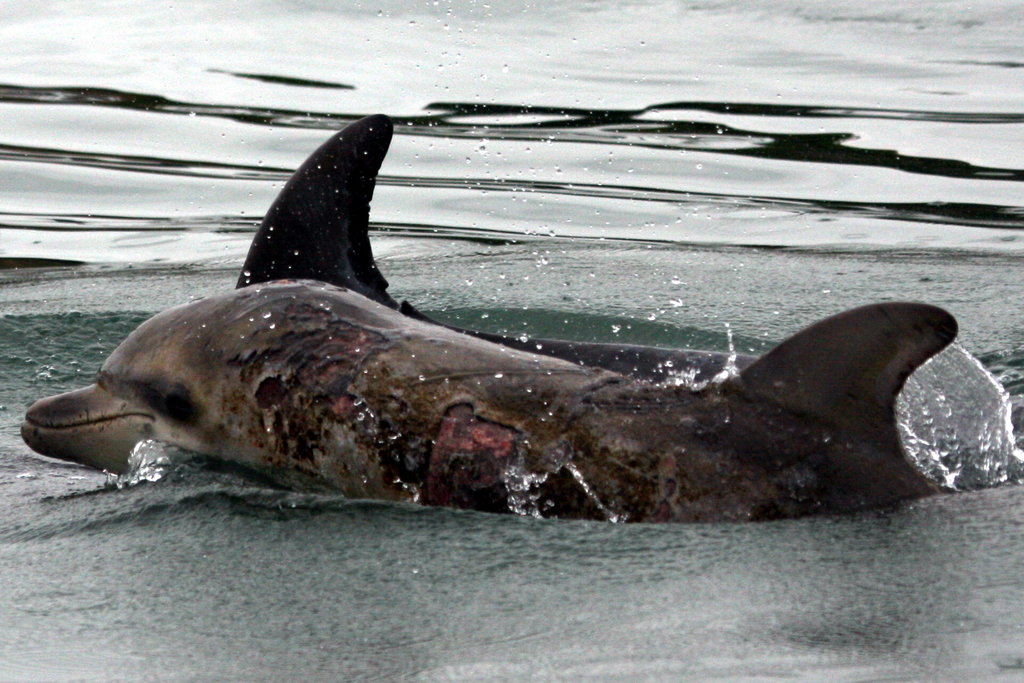
Telling males and females apart should be easy, but with many animal species, it is not so obvious. Unless sexual dimorphism (obvious gender differences in body characteristics and coloration patterns), deciding who is a male or a female can be tricky. n bottlenose dolphins, body shape, size and colorations are basically identical for males and females and there are no major external features that allow for sex differentiation. So we have to rely on other clues.
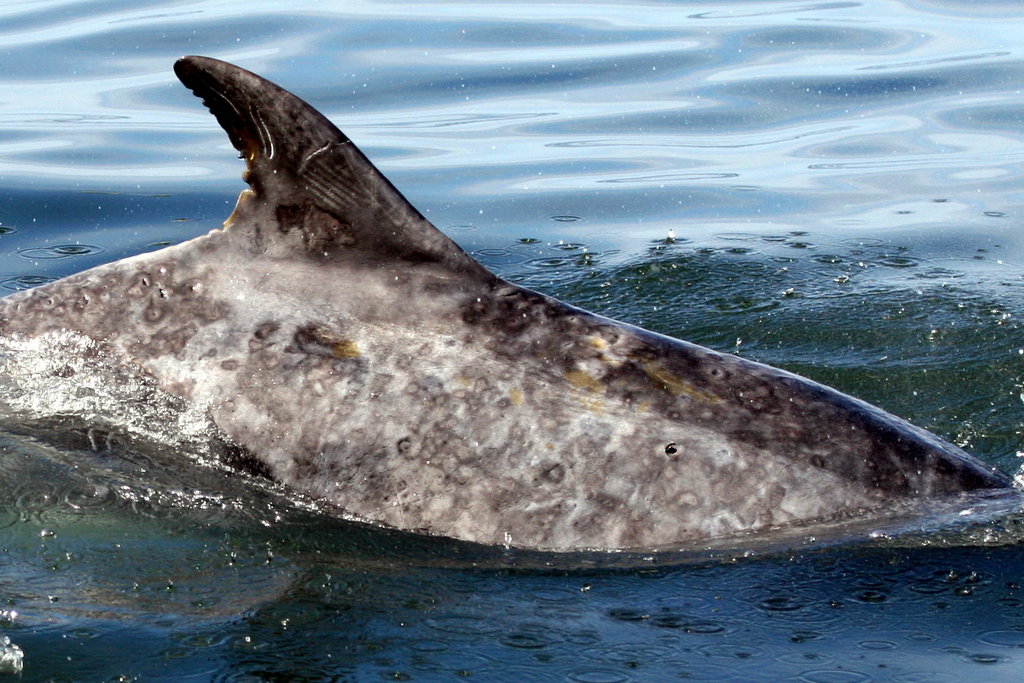
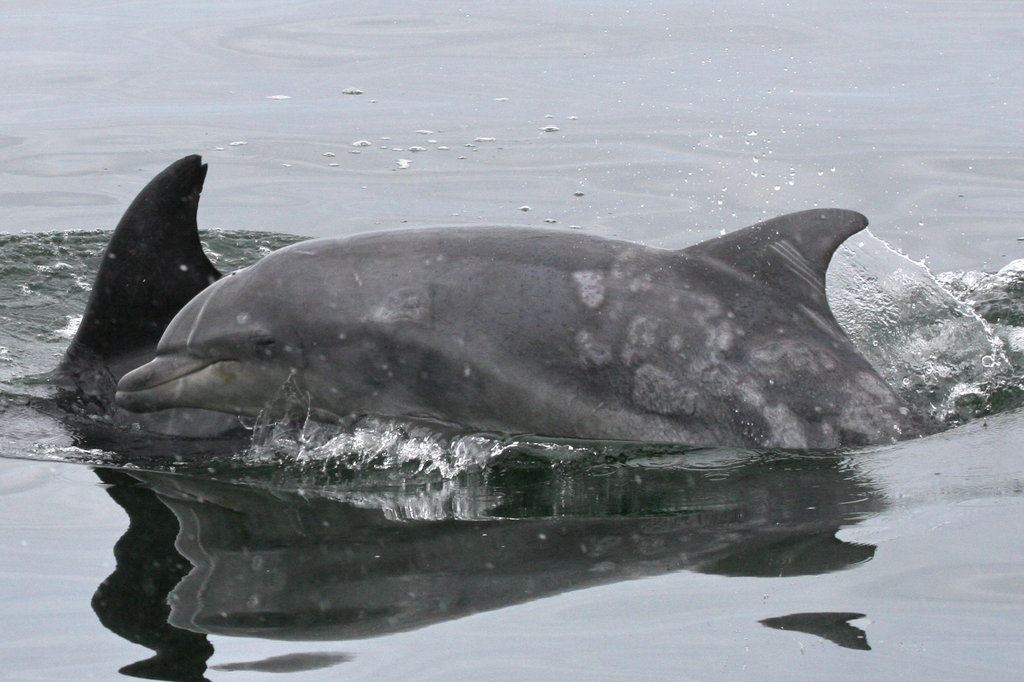
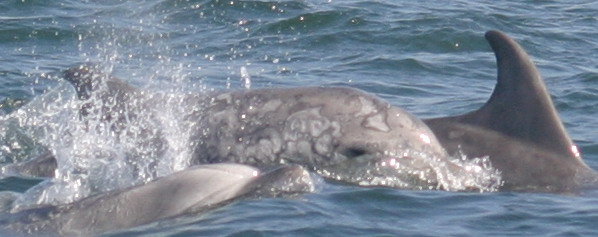
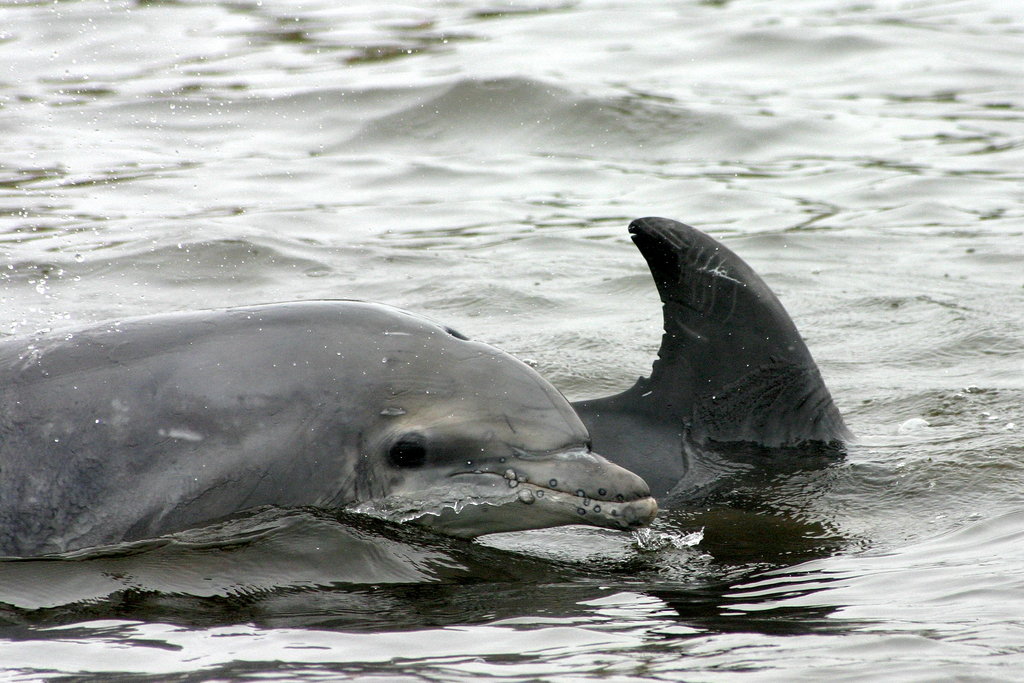
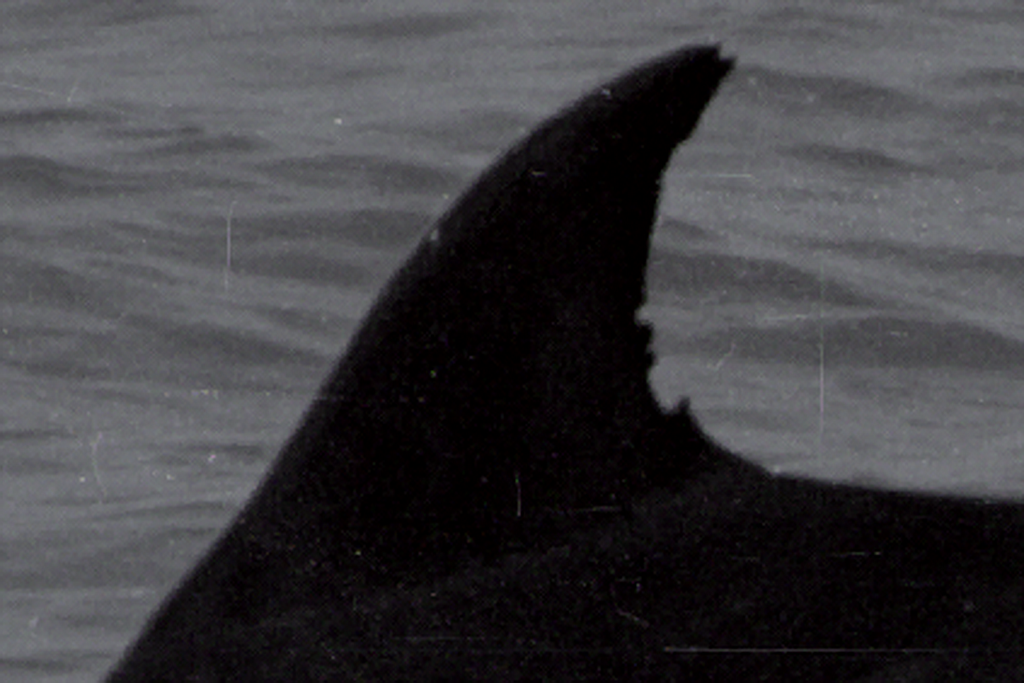
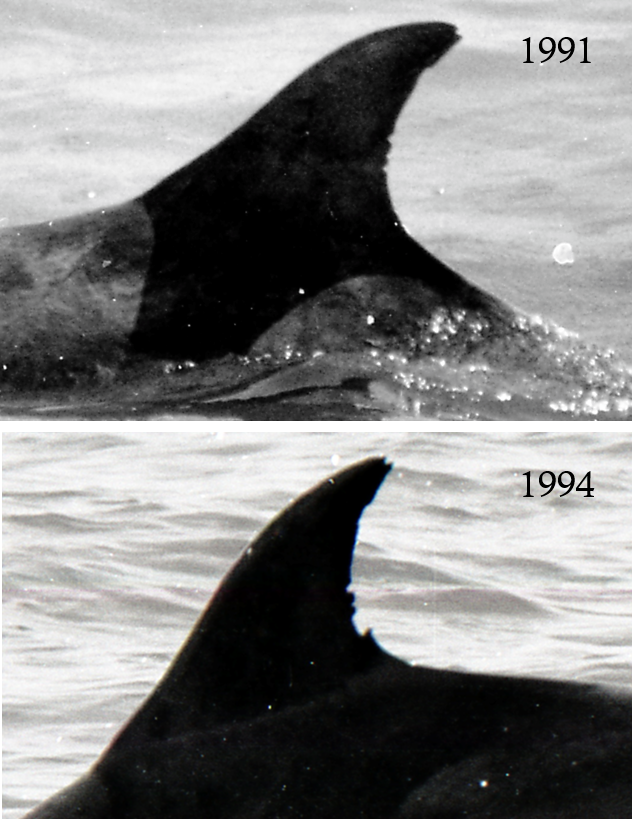
Dolphin Saddle was first seen in Monterey Bay in October 1990. It has a very distinctive dorsal fin. Saddle is a “putative male”. This means that we are relatively certain he is a male because we have photographed “him” over a five-year period consecutively and we never saw him accompanied by a calf. Given that a female reproductive interval (the time between calves) is 4-5 years, and given that Saddle is at least 33 years old (he was identified in Santa Barbara as an adult in 1987), we would expect to have seen a calf with him if he was a female during these five years….and infact Saddle has never been seen with a calf in any of the study areas where it has been sighted: Santa Barbara, San Diego and Santa Monica Bay.
But we are not 100% sure our assumptions are accurate yet and we are looking closely at all of our known females to determine the average interval between calves. The more females with calves we are able to follow, the better we are going to be at predicting the sex of an unknown animal.
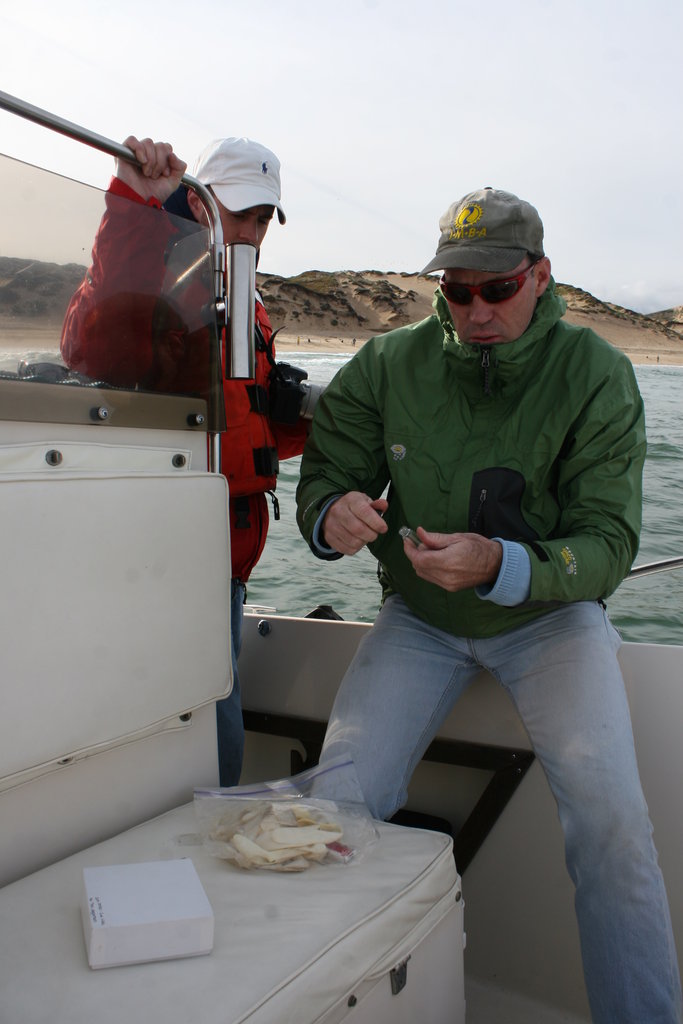
Of course there are other methods as well do determine the sex of a dolphin. The best would be to be able to collect a piece of skin from the animal and then do a genetic test in the lab to determine whether the animal has two X (female) or an X and a Y chromosome (male).
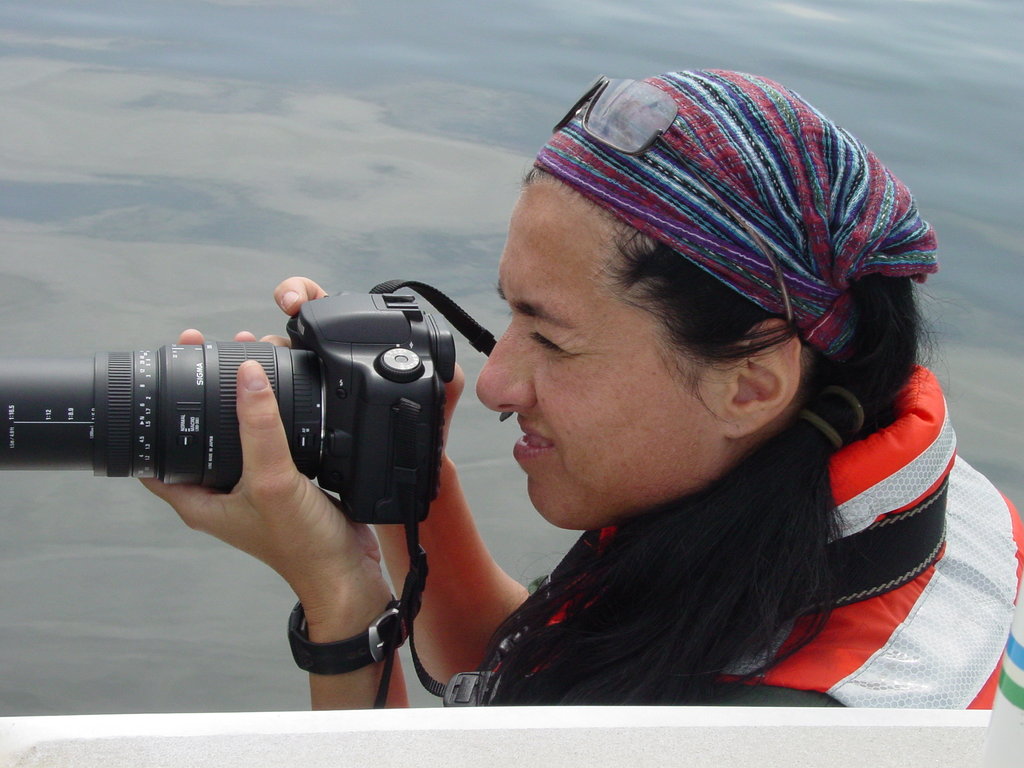
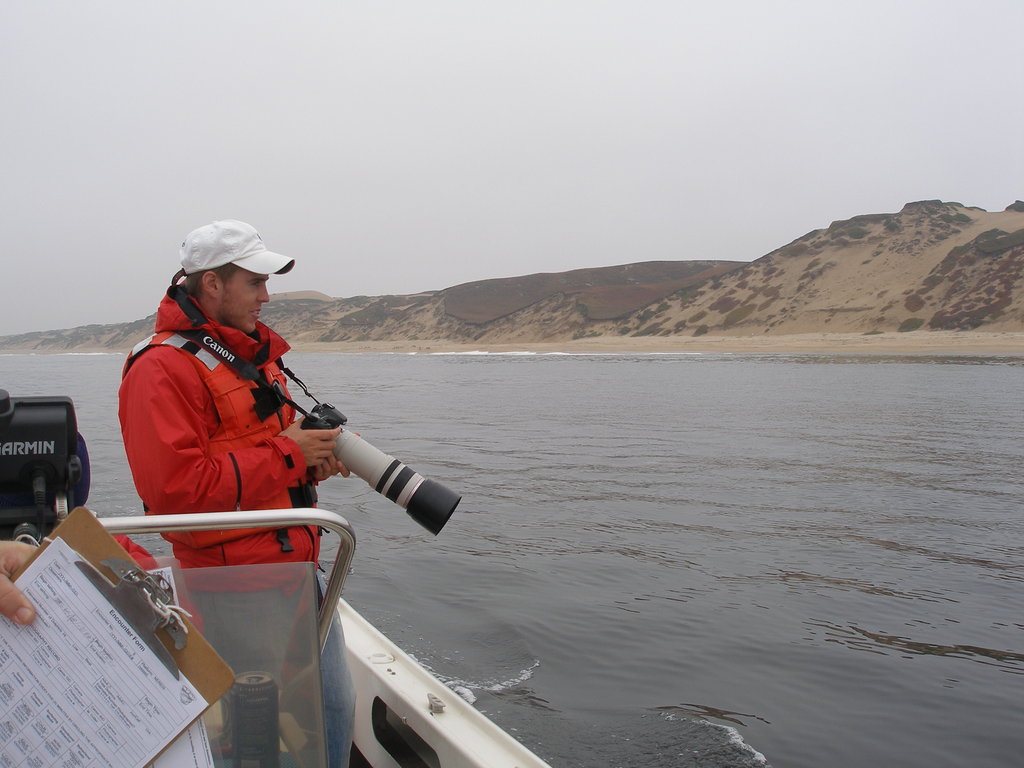
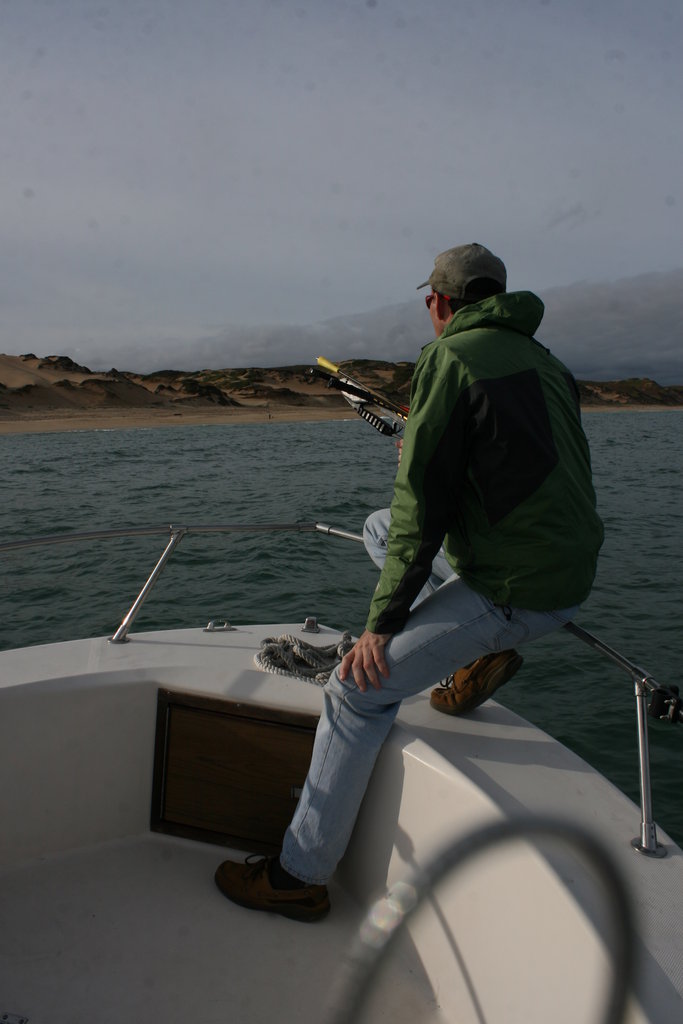
But collecting a piece of skin from a wild ranging animal that is free to come and go as it pleases and that does not have to cooperate with science if it does not want to, is not as easy as it seems. The most common method among scientists is to use a cross-bow (Medieval-style) armed with specially designed arrows that have a collecting cup at the tip instead of an arrow-point. The cup is made of stainless steel and it is designed to penetrate the animal’s blubber layer to extract a small plug the size of a pencil eraser. The shot actually results in a fast prick, much like an injection, and has been quite successful on a variety of dolphin and whale species worldwide.
People often cringe at the thought of seeing animals being harassed this way, and most scientists admit that they would prefer other methods, if there were easily available ones. But most other methods involve capturing the animal which is stressful, dangerous, and often not feasible in the wild (except for certain special areas where the water is calm and shallow). A capture is also extremely costly and risky. Many studies have been done on the reaction of the animal to the extraction of a small piece of skin and blubber using biopsies and it has been shown, thanks to multiple videos and careful monitoring of post-biopsy behavior, that the animals seem to react more strongly to a missed shot (such as the arrow hitting the water next to them), because of the noise it makes, rather than to a hit. Many animals return to bow-ride or to approach the boat right after the biopsy has been taken. Others are a bit more shy….but the shyness is temporary. In very rare cases, the animals are more cautious of the boat that approached them during biopsy sampling.
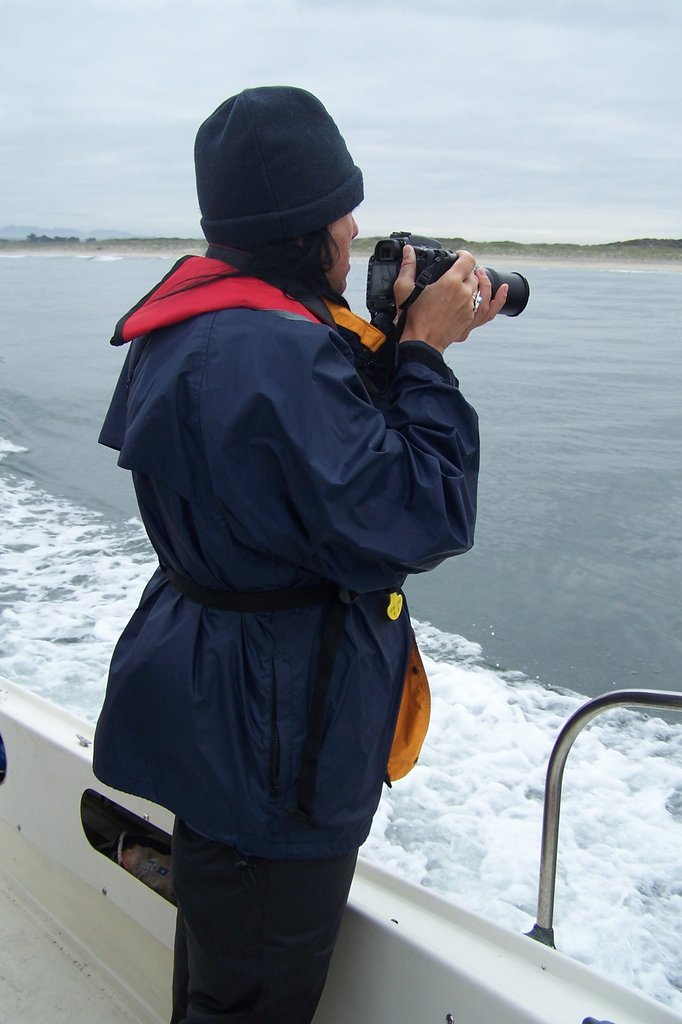
In the case of Saddle we have not been able to obtain a biopsy. Another way of determining sex is to take a lucky photo of the genital area of the dolphin's underside. This is not easy to do in murky water and unfortunately, California water is not so clear most of the time.
So we are left with the inference made from his sighting history since 1987, the photos we have, and the associations with other animals. Who is to say that in the near future we will have new information about this animal and either be proven right or wrong….For now, we are making an educated guess.
The analytical work associated with the project is proceeding slow but steady. At the moment we forged a collaboration with scientists located in San Diego to compare notes and get a full history of all the dolphins we photographed between 1990 and 2011 in Monterey Bay to match them to catalogs for Ensenada, Mexico, San Diego, Orange County, Los Angeles, Santa Barbara and San Francisco. Soon we will have a full picture of the dolphins history for the entire coastline over the last 30 years!!!
I hope you are enjoying the monthly updates we are providing. Each dolphin is unique and it is in the individuality of each animal that rests the key to understanding how they are surviving along the California coastline. Stay tuned for next month’s report and please keep supporting us if you can, your help is more critical than ever as the analysis of the data is a costly and time consuming process and it is the coronation of all the years spent in the field collecting the information.
Project reports on GlobalGiving are posted directly to globalgiving.org by Project Leaders as they are completed, generally every 3-4 months. To protect the integrity of these documents, GlobalGiving does not alter them; therefore you may find some language or formatting issues.
If you donate to this project or have donated to this project, you can receive an email when this project posts a report. You can also subscribe for reports without donating.