By Daniela Maldini | Project Leader
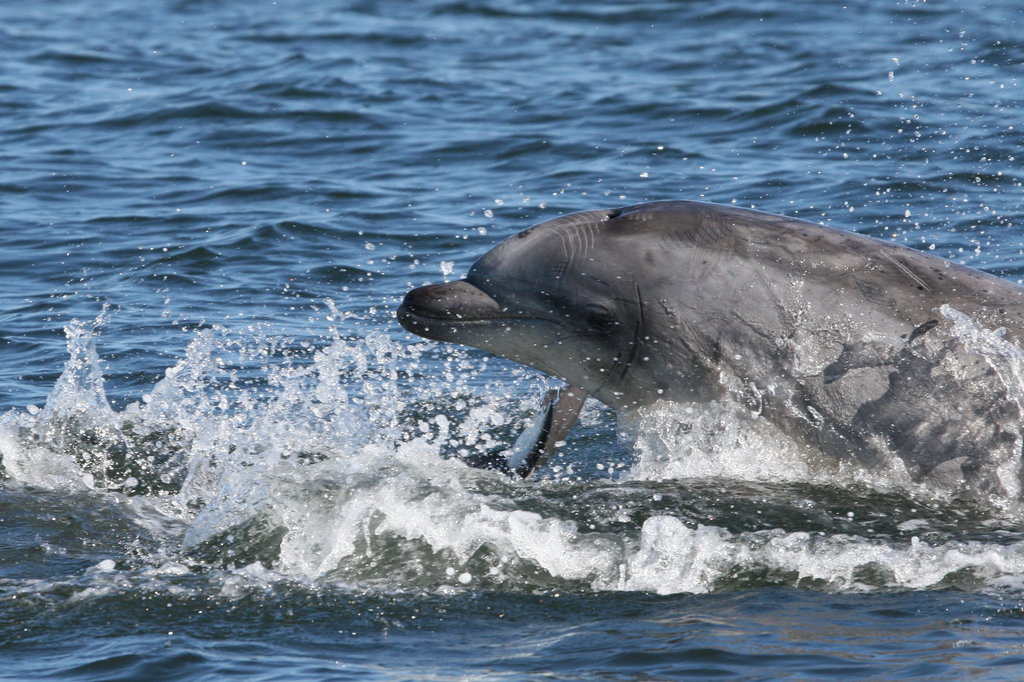
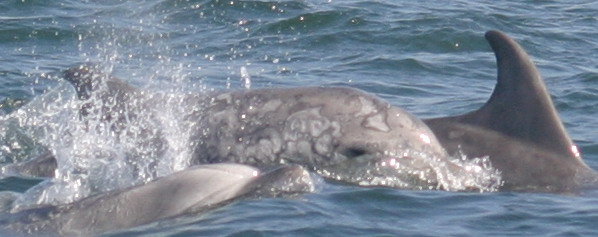
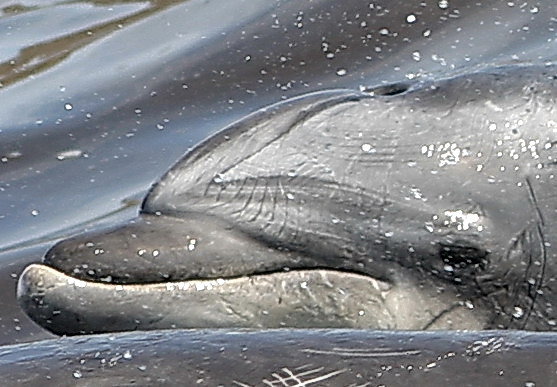
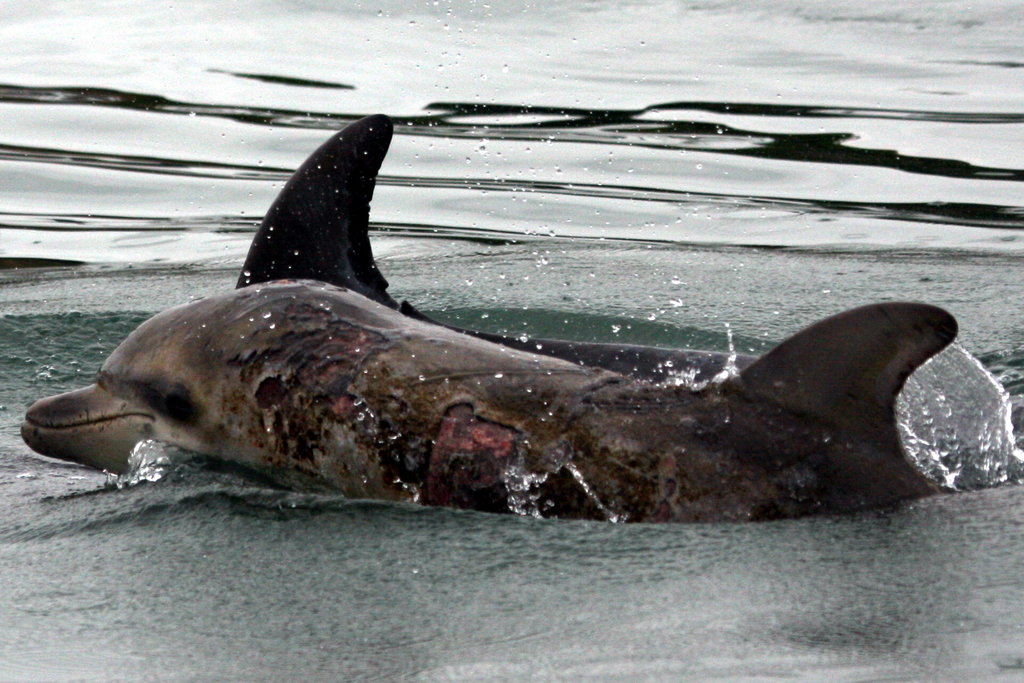
At about 37 years of age, Miss is still the center of male attention. She moved to Monterey Bay from the Southern California Bight (where she was probably born) in 1990 and used the bay’s waters consistently up to today. From our research, we know that these dolphins can make forays into other areas of the coastline at any time, so Miss does travel back and forth from southern to central California and back, but Monterey Bay seems to have become a core area for her. Our colleagues in San Francisco have also seen her in San Francisco Bay, which is the northernmost limit of these dolphins range as far as we know. This is interesting in itself as these dolphins did not use to frequent central California waters at all in historical times, and they seem to have moved north past Point Conception (considered the oceanographic boundary between Central and Southern California), during the very strong El Nino Southern Oscillation event of 1982-83, when water temperatures increased along the California coast and warmer water species moved north following this anomalous “warm water” conditions.
But the dolphins did not move back permanently to the south after normal conditions returned. They adopted Monterey Bay as a preferred area and are found there year-round and now are moving farther and farther north. Their habitual use of San Francisco Bay only started in 2010 and every year there seem to be more dolphins regularly using the northern boundary. This is potentially a climate change effect as colder waters are becoming warmer worldwide and the dolphins may prove to be, once again, the ambassadors of our changing world.
Over the years, Miss has raised several calves, in fact, she is the female that we have most regularly seen with a newborn every 4-5 years. The first calf we followed has become an independent adult named Bullett and we are currently trying to follow, through our photographs over the years, the other calves she had to see if we can determine who they are as an adult (it is a long and tedious process which involves going through hundreds of photographs in a meticulous way and this is what I spend most of my nights doing at the moment).
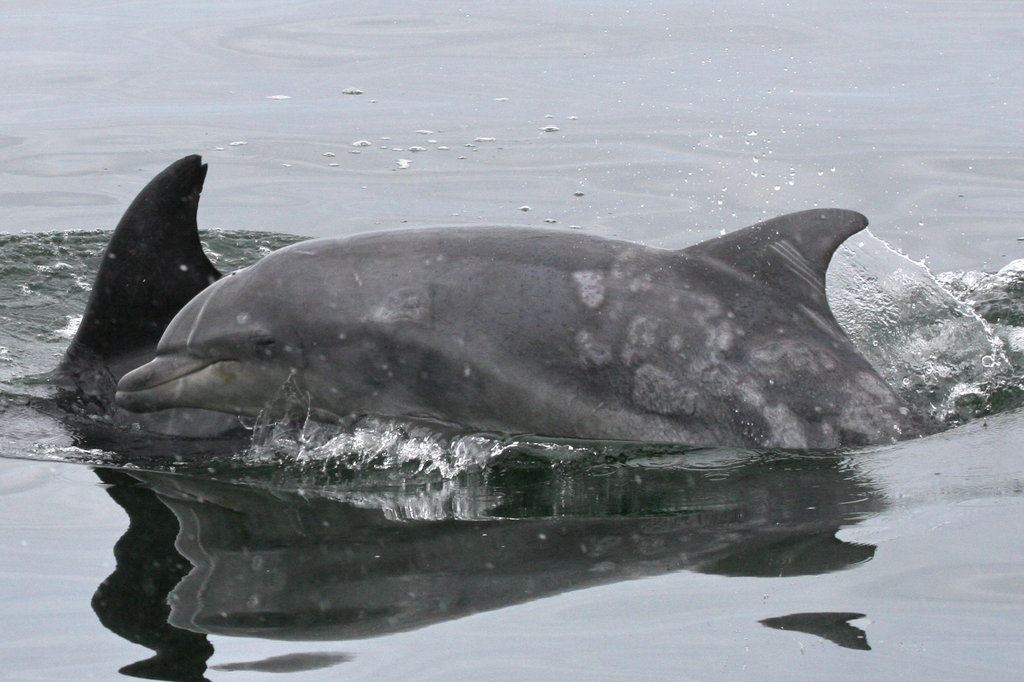
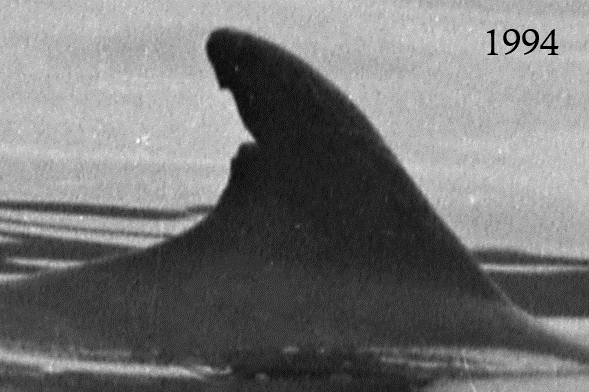
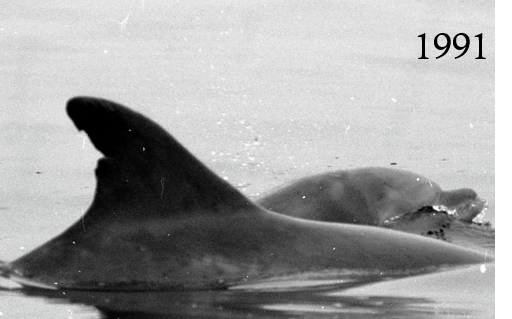
The name Miss originally came from the fact that she is missing a big chunk of her dorsal fin along the “trailing edge” (back portion), but the “center-stage” behavior of this accomplished female always struck me as regal and the name came to have a double-meaning.
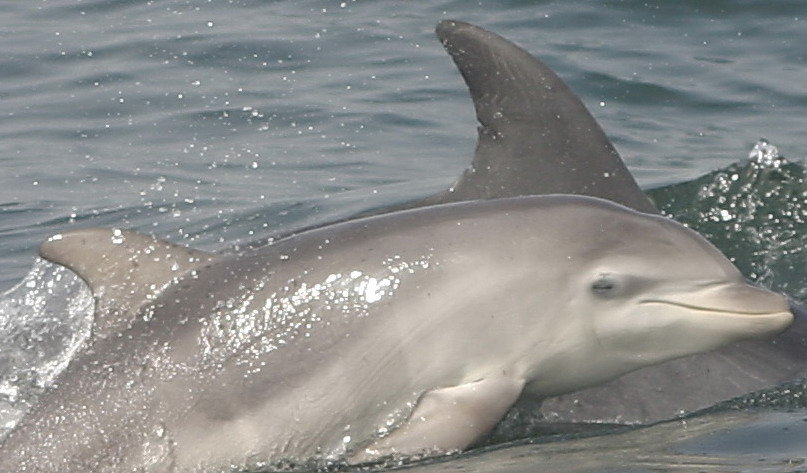
As an accomplished mother, Miss is always in the middle of a mother-calf group. These groups generally consist of several females with similar-age calves and females affiliated with these groups swim close together for several years until the calf they are raising becomes independent. Other studies in different parts of the world have shown that females join these groups to share “baby-sitting” duties with other mothers, to help one another with protecting calves from potential predators (sharks) and male dolphins, and to give one another some breathing space to forage without having to look after a lively and clumsy calf. Inexperienced mothers benefit from watching and perhaps imitating accomplished mothers while rearing their first calf and this may help in ensuring the calf’s survival during the 4-5 years it remains with its mother.
These groups are also a fantastic opportunity for the young ones to find paly mates and to forge bonds that will last in their adult age as they get to know and recognize one another and perhaps establish a sort of hierarchy as well.
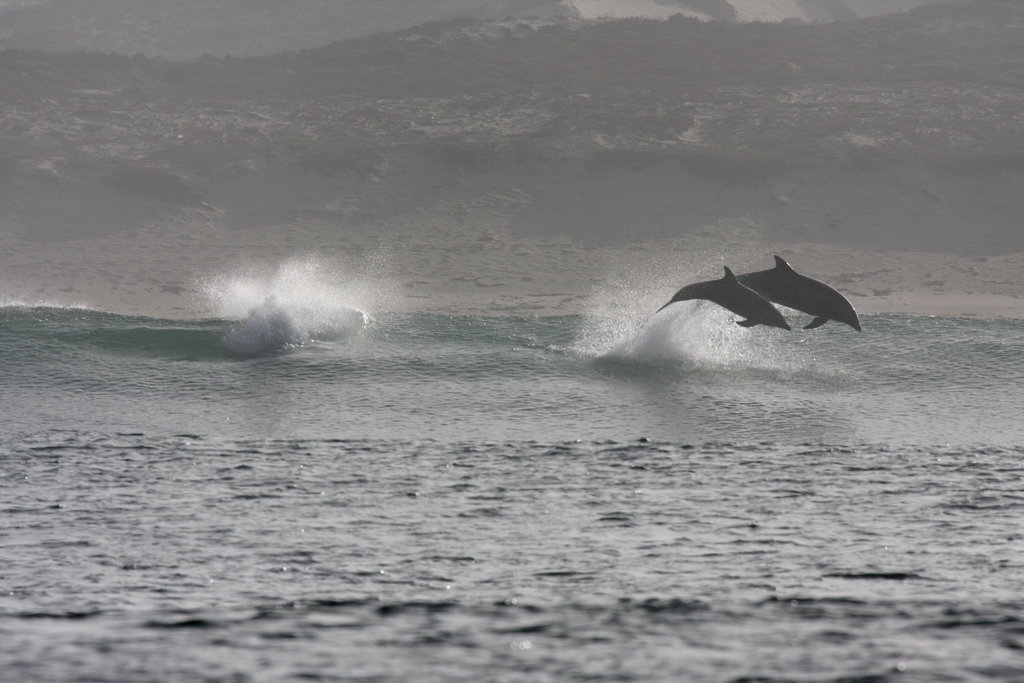
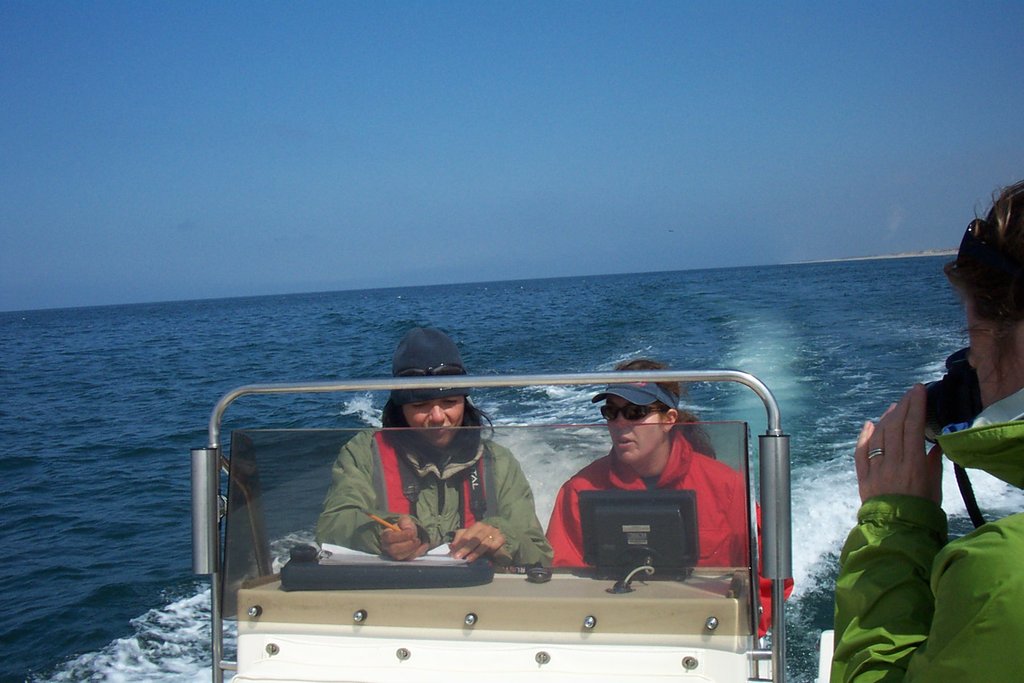
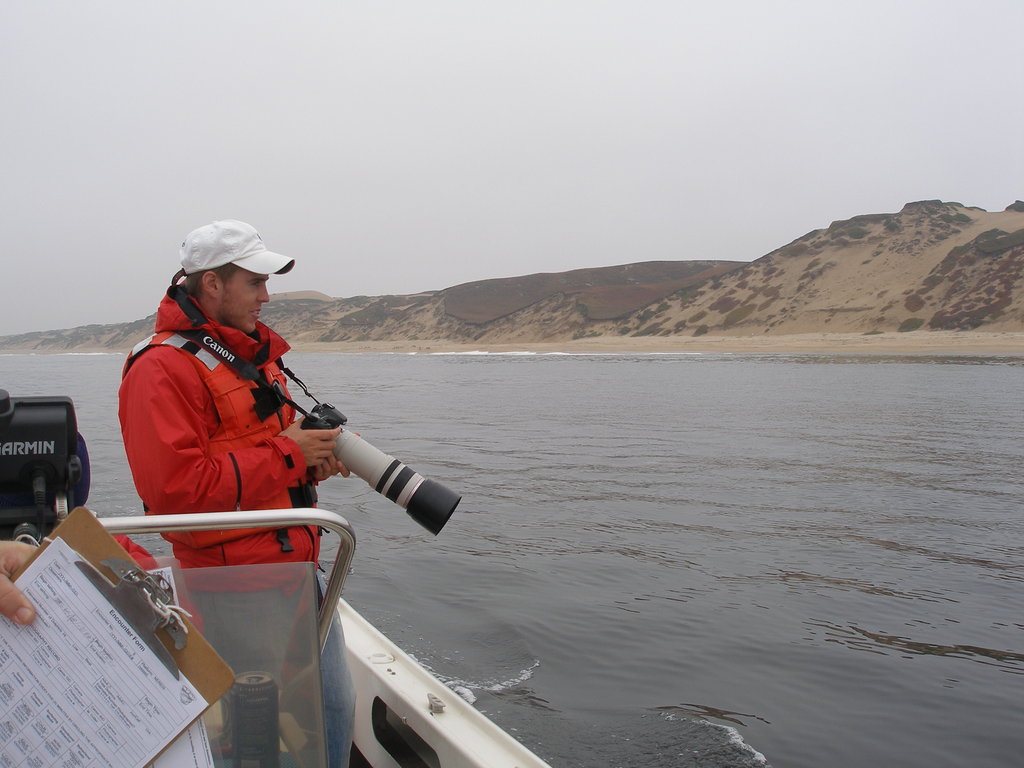
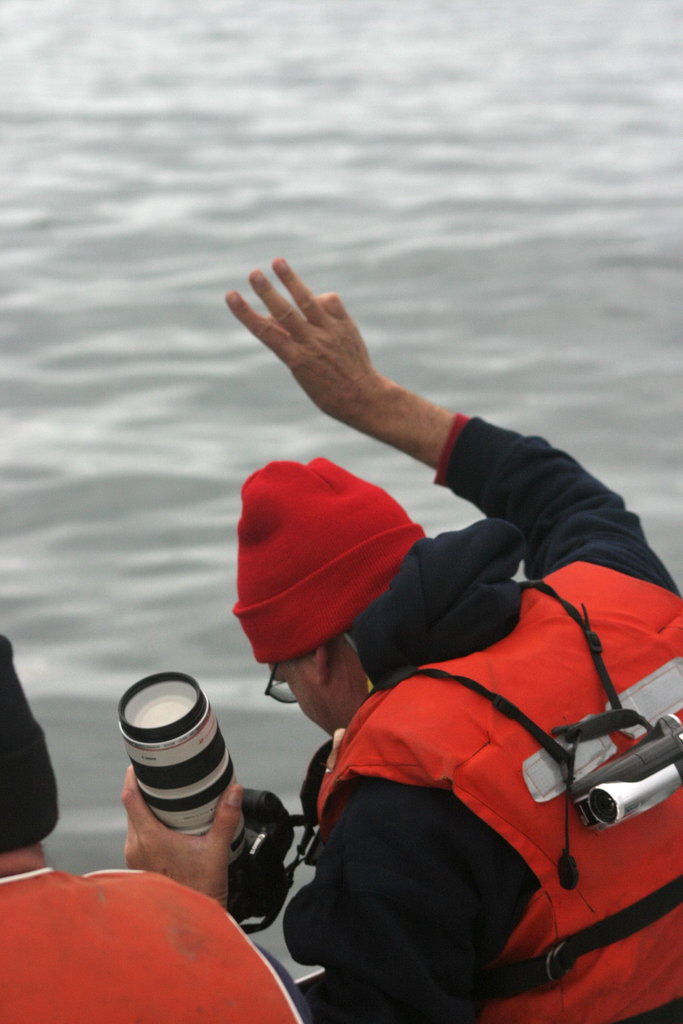
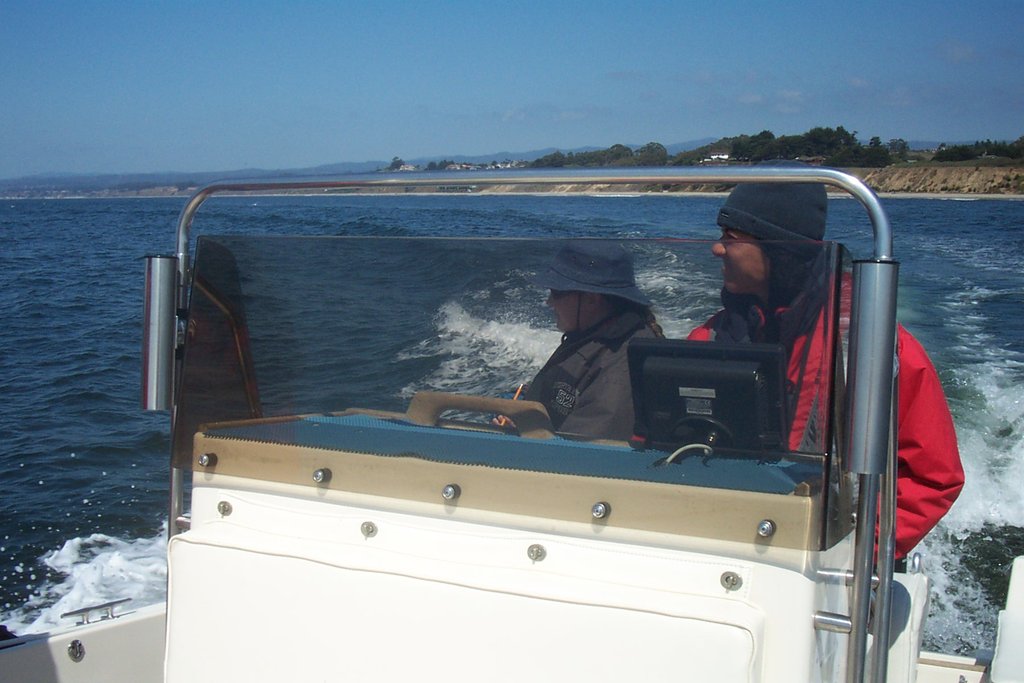
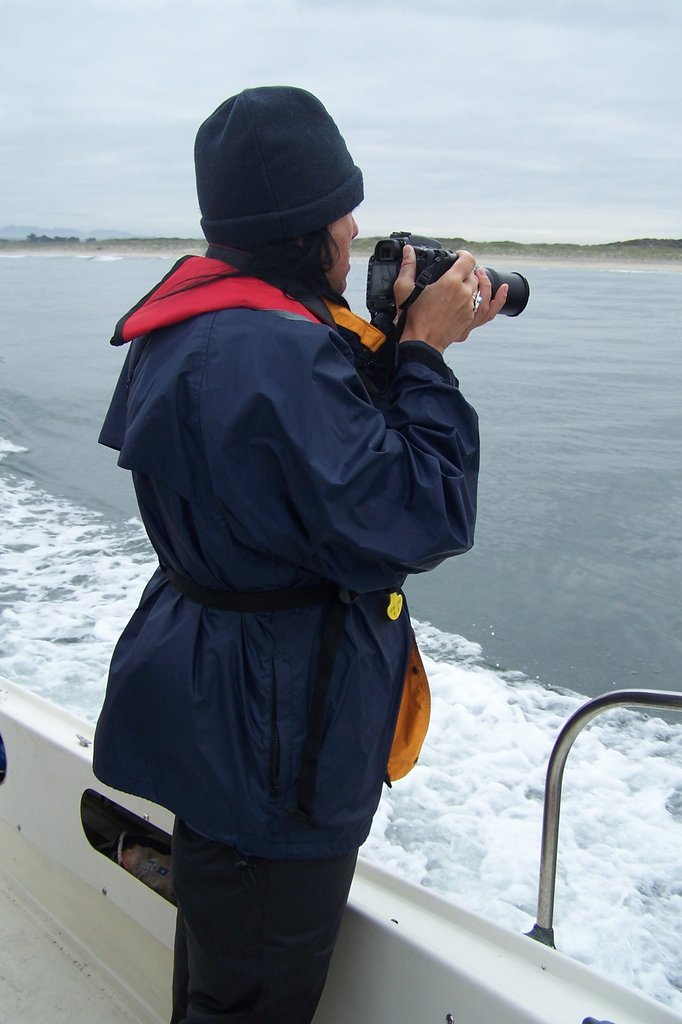
In Monterey Bay, mother-calf groups are seen swimming either in the front or at the back of a larger school of dolphins, and are often the ones that travel in very shallow waters, almost touching their bellies to the sand. They are also more wary of our research boat and we are very conscious of their need to keep the young ones away from potential dangers, as the calves are curious and playful and readily approach and investigate new things. Mothers often, “recall” a naughty calf by slapping their tail repeatedly on the water to get their attention and sometime use this behavior as a warning to us or other dolphins if we accidentally wonder to close to their baby.
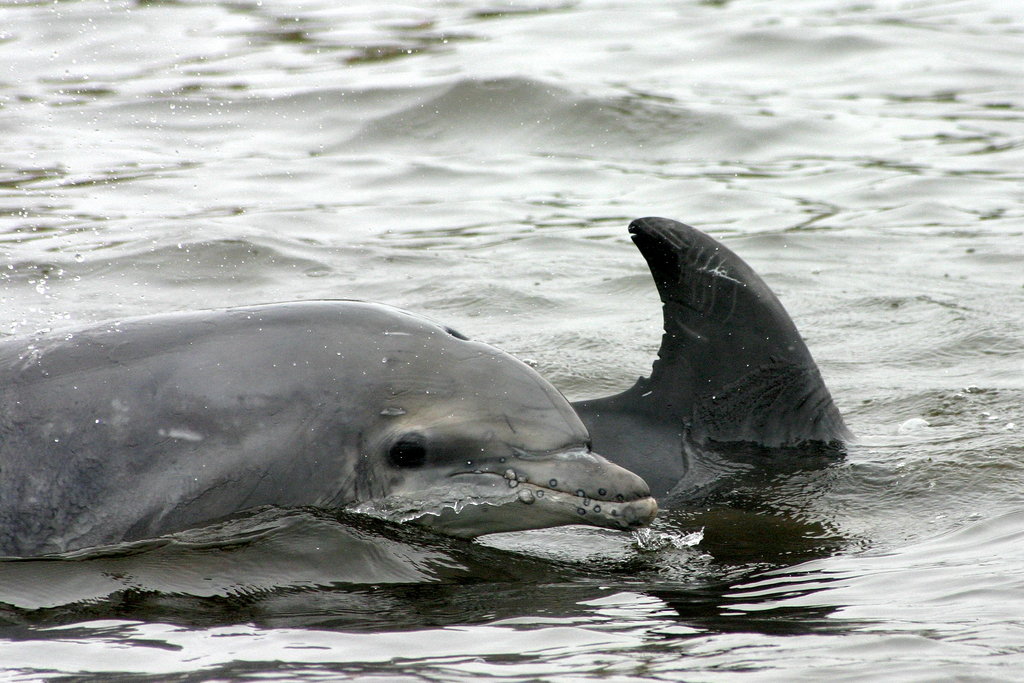
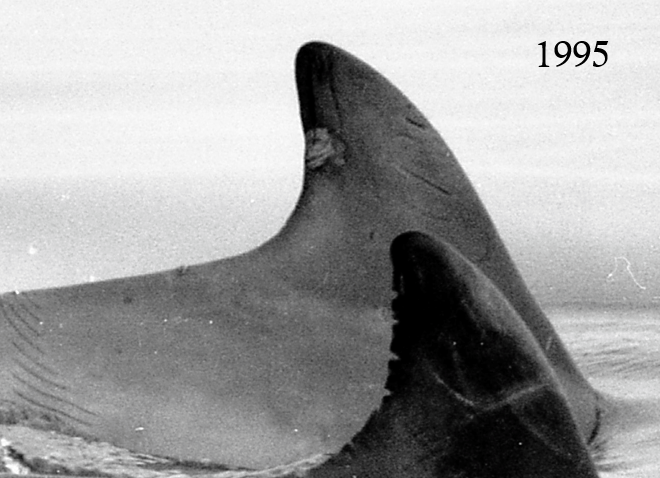
Miss’s first calf, Bullett had a unique dorsal fin. No major notches but a thick appearance and a rounded top which made the fin easily recognizable over time. Bullett was born in 1990 and started becoming independent n 1995, still around its mother but starting to associate with other adults as well. Unfortunately, without getting a glimpse of Bullett’s genital area (which is hard to do in Monterey Bay because the water is hardly ever clear enough), or without being able to collect a small piece of skin using biopsy sampling, we are not able to tell the sex of this animal. Maybe one day Bullett will have a calf and then we will know it is a she. Or maybe we will be able to capture a photo of Bulett leaping out of the water showing its belly, or better yet, we will be able to collect a small sample of its skin and genetically determine its sex.
Miss is an interesting dolphin for many reasons. She is the first dolphin in Monterey Bay that gave me an insight into how prolific dolphins could really be, as she was still weaning Bullett when she gave birth to another calf after barely 5 years from Bullett’s birth. This finding challenges the idea that females accompanied by their calves are reproductively unavailable to males (i.e., they do not go into estrus while mothering). Maybe they are not for some time after the calf is born but they are ready to reproduce once the calf is older and becoming more independent. Looking at Miss’ reproductive history and following her calves is giving us insights on female reproductive rates, calving success and mother/calf bonds.
As I mentioned in last month’s report, our study is now at a stage where data are being analyzed and readied for scientific publication and public consumption, but it took 25 years to get to this point as the process of following an animal that lives as long as the researcher is no small feat.
So far, the donations from Global Giving from the day we became a featured project have amounted to $9612 from 136 wonderful individuals who believed in us and have been the lifeline of this project. The majority of these funds is being held in our project account until we will have enough funds to be able to operate. We were able to use some of the money to analyze two samples for contaminants and 12 samples for mercury (which I will report on in one of my next monthly chats) and to conduct a few boat surveys. However, we are not able to operate to full capacity until our goal is reached. Without your support this project would have ceased to exist. At this time, we do not have any other source of funding (despite trying very hard to get support from agencies and private foundations) and in order to be able to deliver the goals of this project we need an additional $79,638.
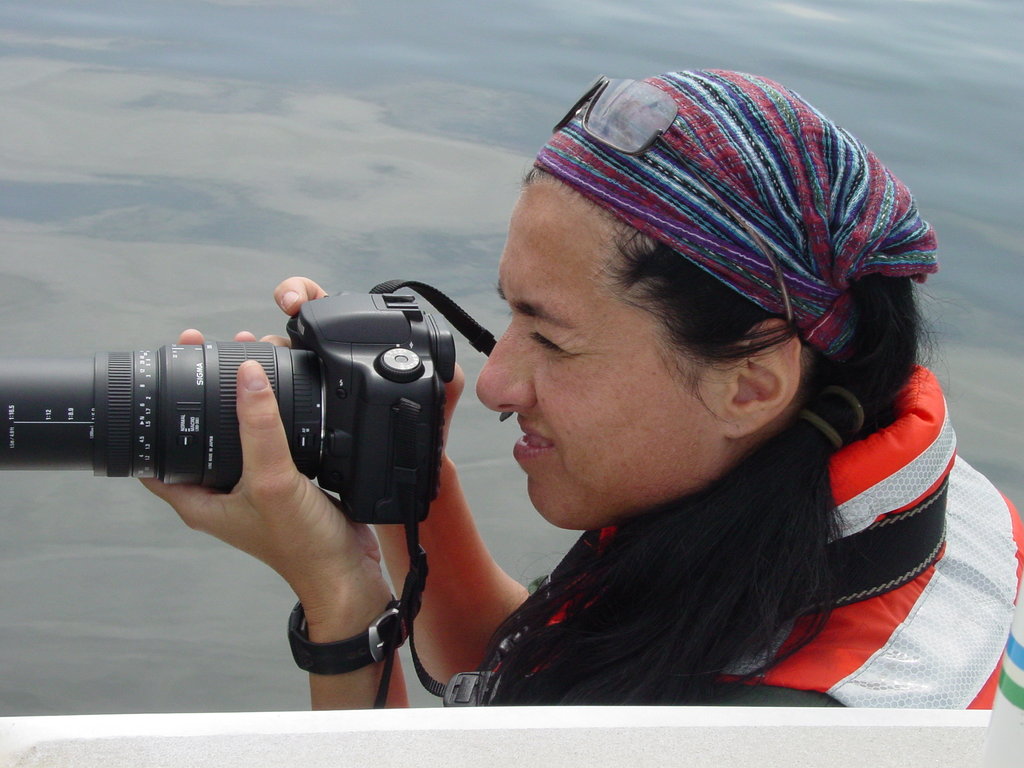
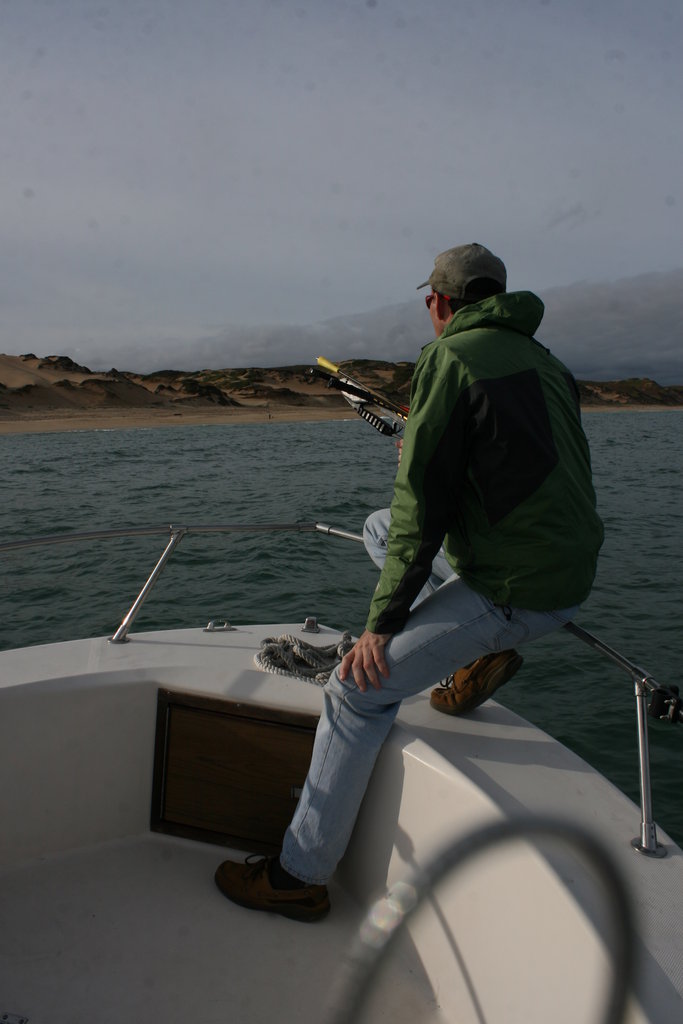
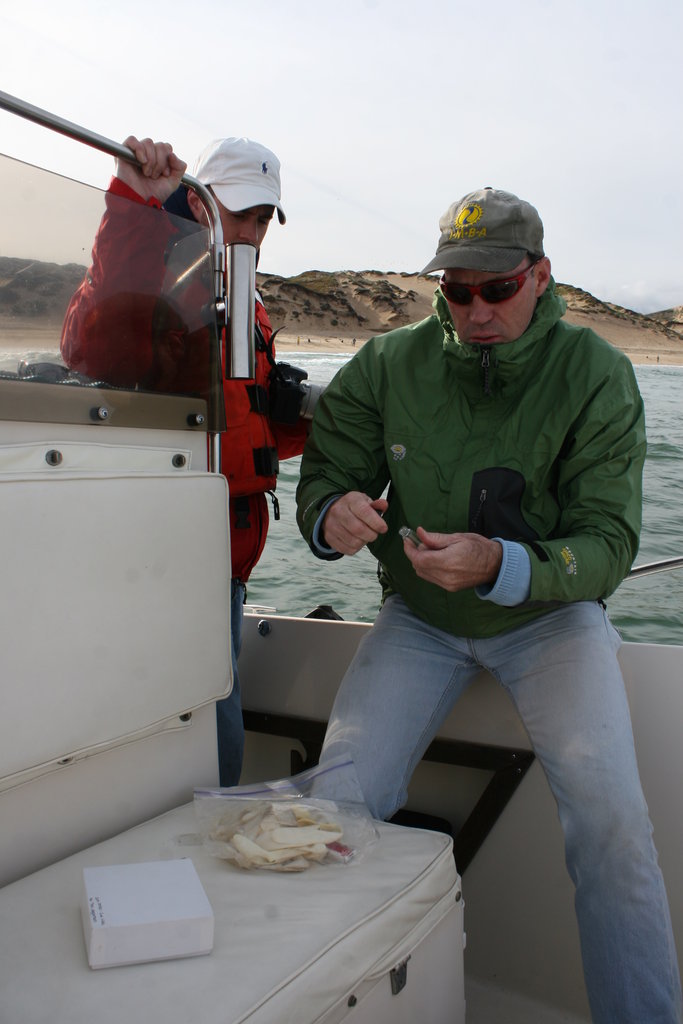
In order to put our boat in the water we need to be able to maintain it to safety standards, insure it, support the staff that is engaged in the work and support the time it takes to produce reports, analyze data and liaise with the public through lectures and on-the-ground work. In addition, samples need to be sent to the lab for analysis and one sample could cost up to 1500$ to analyze. I am sharing this information with you so that you know why and how much we need your help to continue to do this work which is a full-time endeavor for myself and three others, the bulk of our small non-profit.
I sincerely hope you are enjoying this new format of communication and that you value our work. This is part of my life’s work and it is a privilege to share with you what I am finding as I analyze this considerable dataset.
Sincerely,
Daniela
Project reports on GlobalGiving are posted directly to globalgiving.org by Project Leaders as they are completed, generally every 3-4 months. To protect the integrity of these documents, GlobalGiving does not alter them; therefore you may find some language or formatting issues.
If you donate to this project or have donated to this project, you can receive an email when this project posts a report. You can also subscribe for reports without donating.