By Daniela Maldini, Ph.D. | Chief Scientist
Dear Supporters,
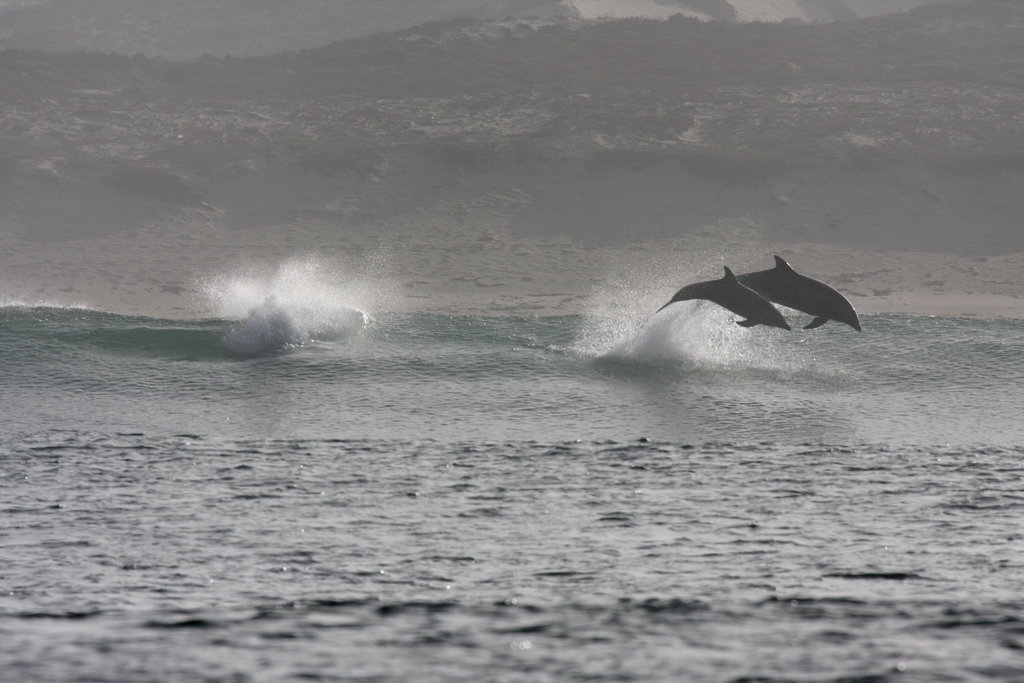
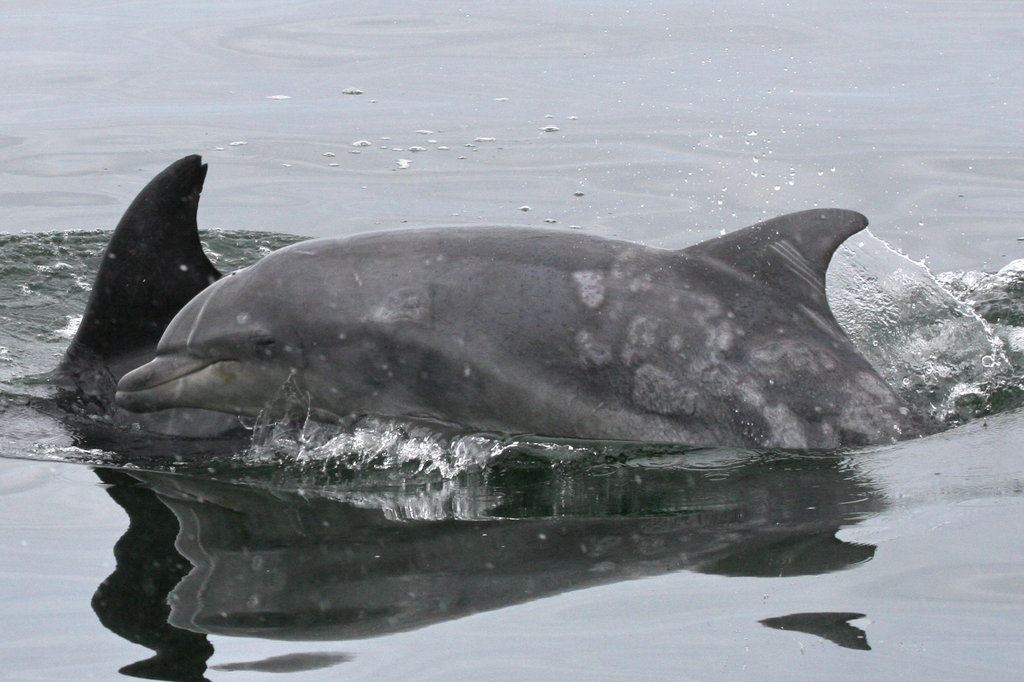
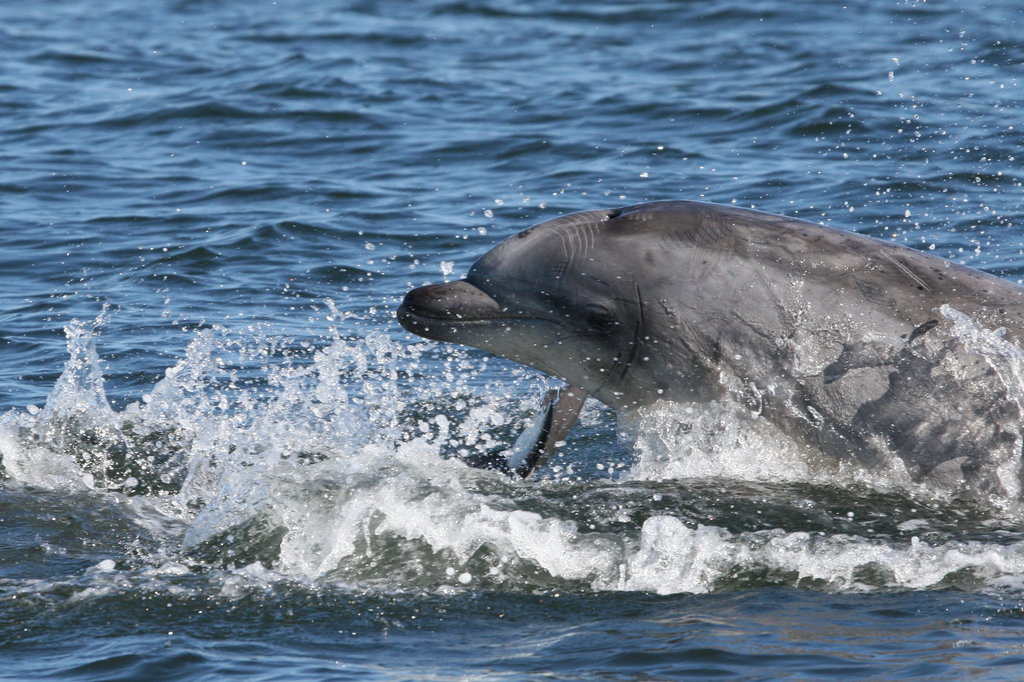
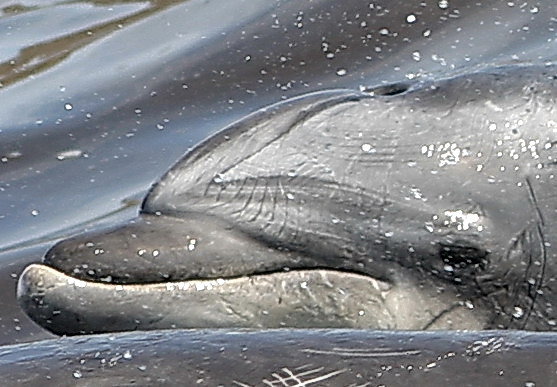
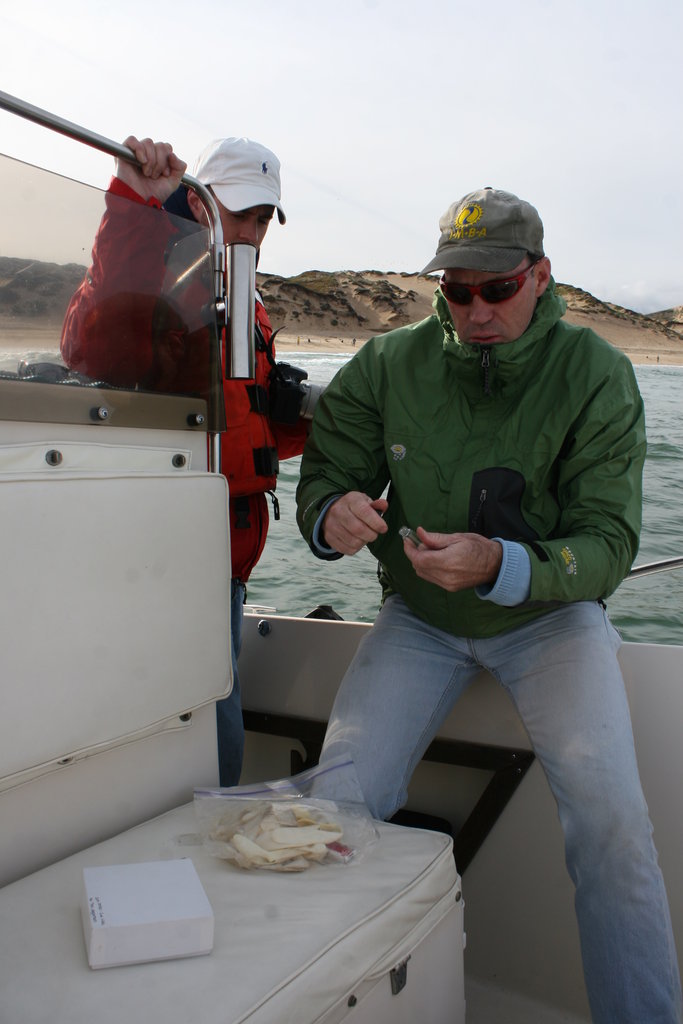
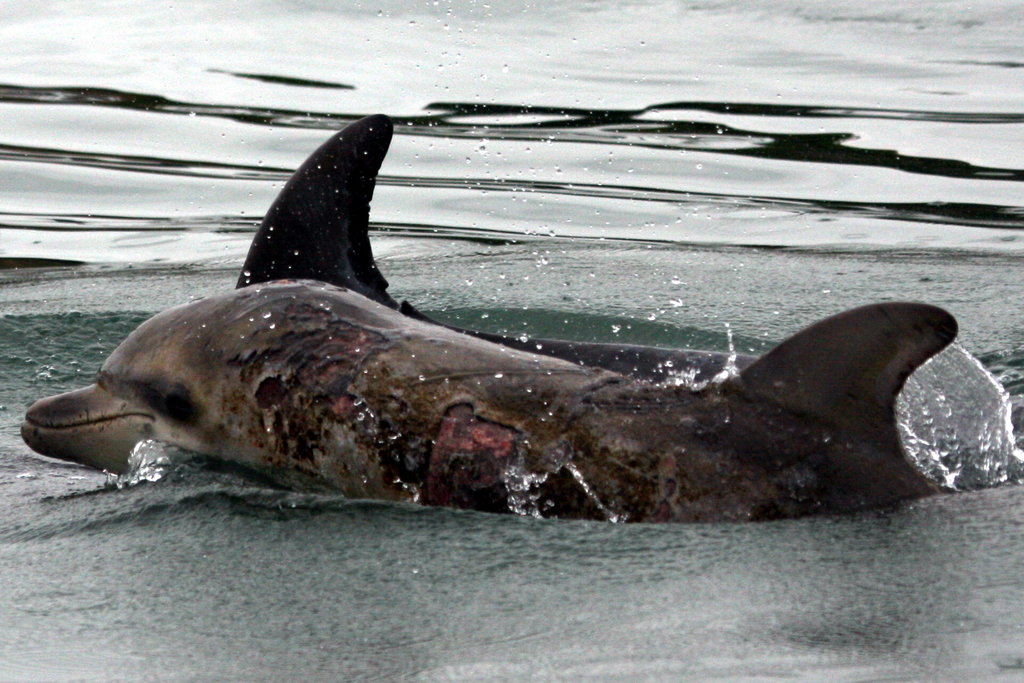
While we strive to reach our funding goal to be able to complete the analysis of our contaminant dataset, we have managed to analyse a subset of the samples from our wild dolphin population for mercury. All samples confirm that the mercury load for our dolphins is high.
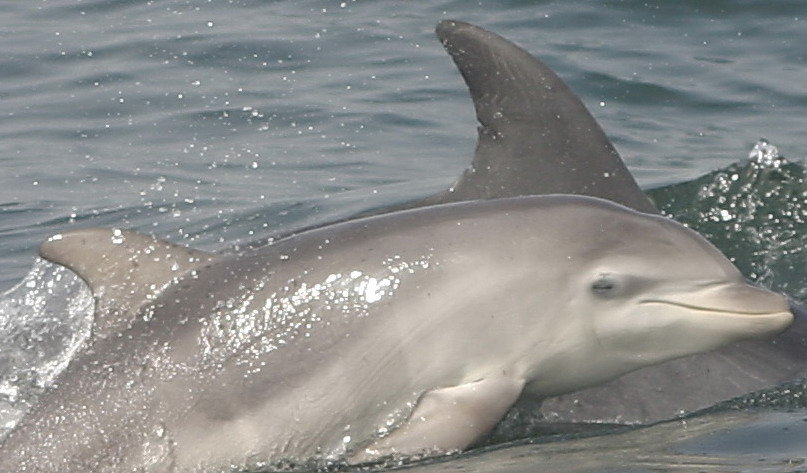
Methylmercury, the largest component of the mercury readings in our samples, is a worldwide contaminant of seafood and freshwater fish and it is well known for causing adverse nervous system effects, which can hit the brain during the development phase. Like humans, dolphins pass their mercury load, acquired through food, from the mother to the calf in utero.
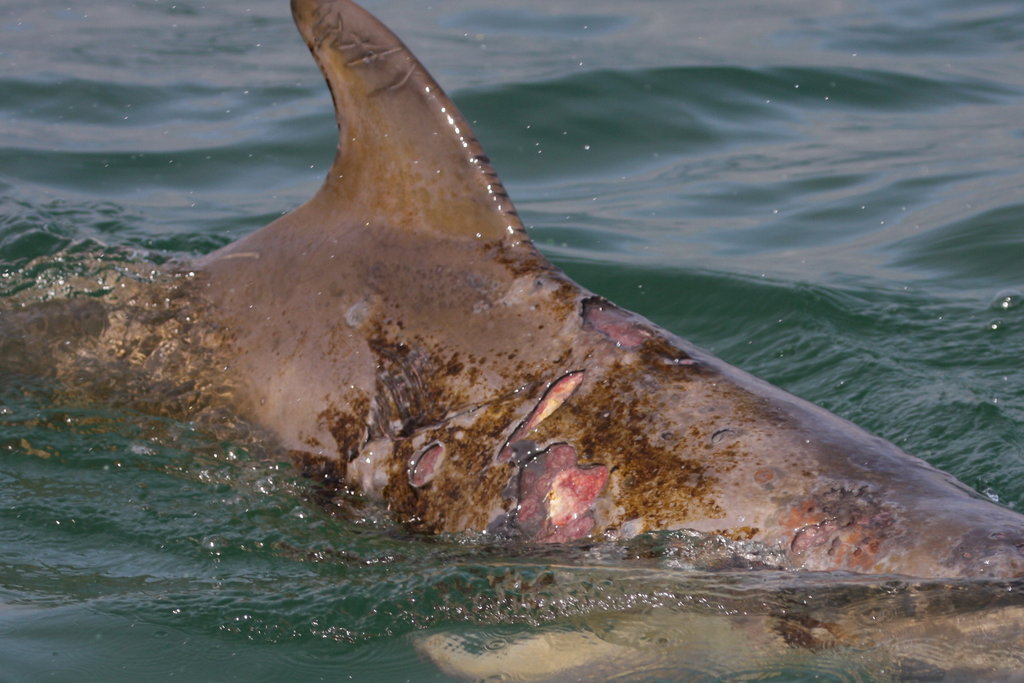
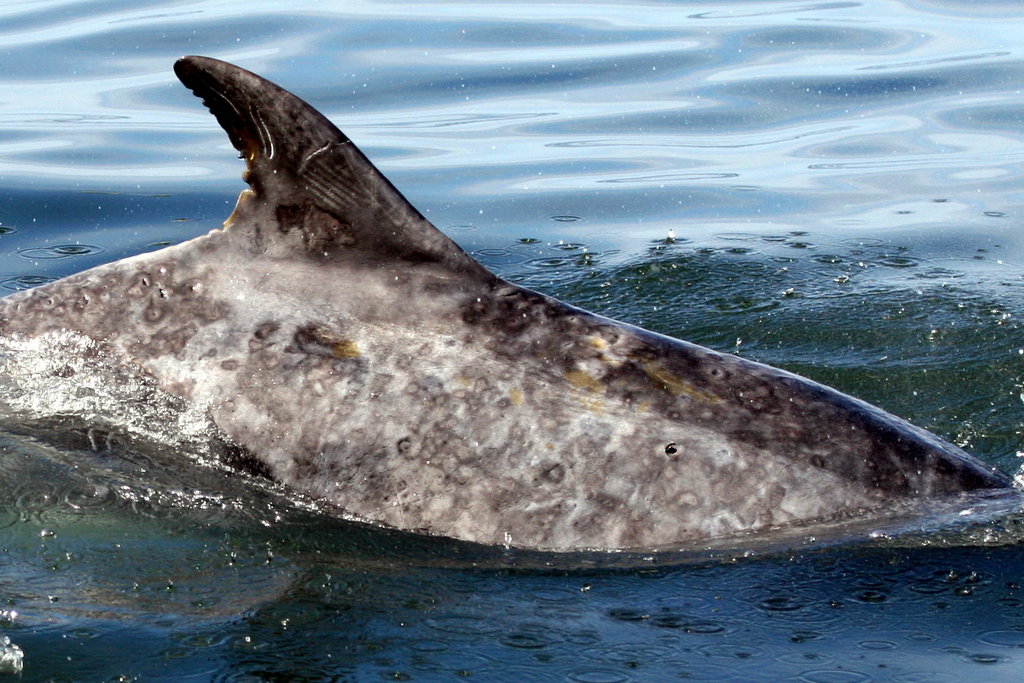
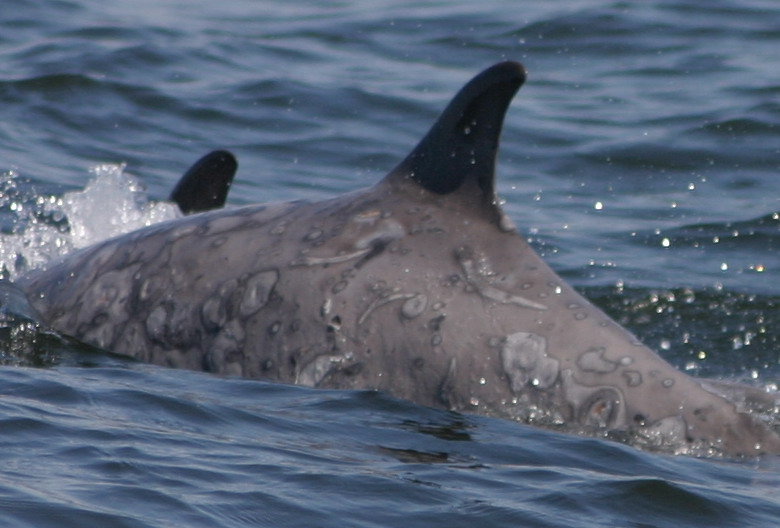
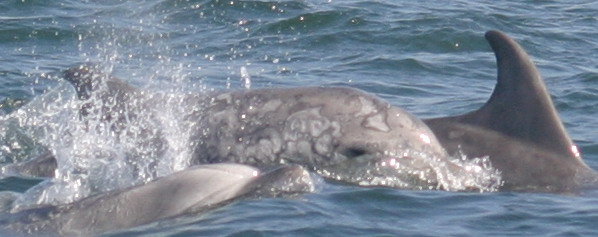
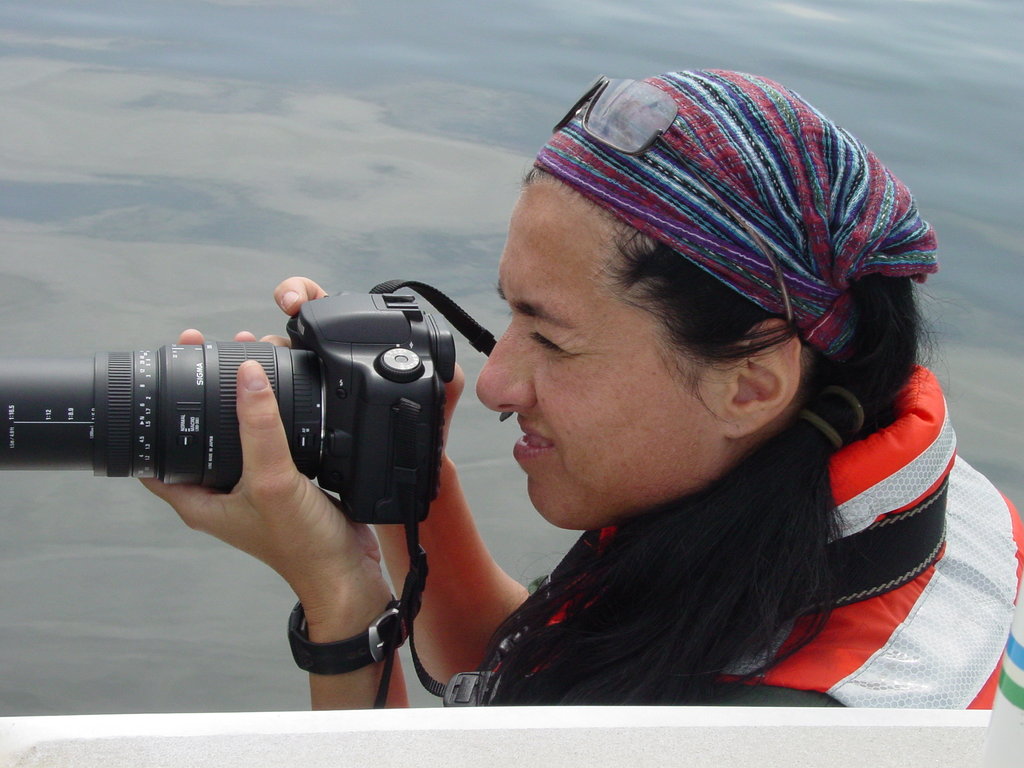
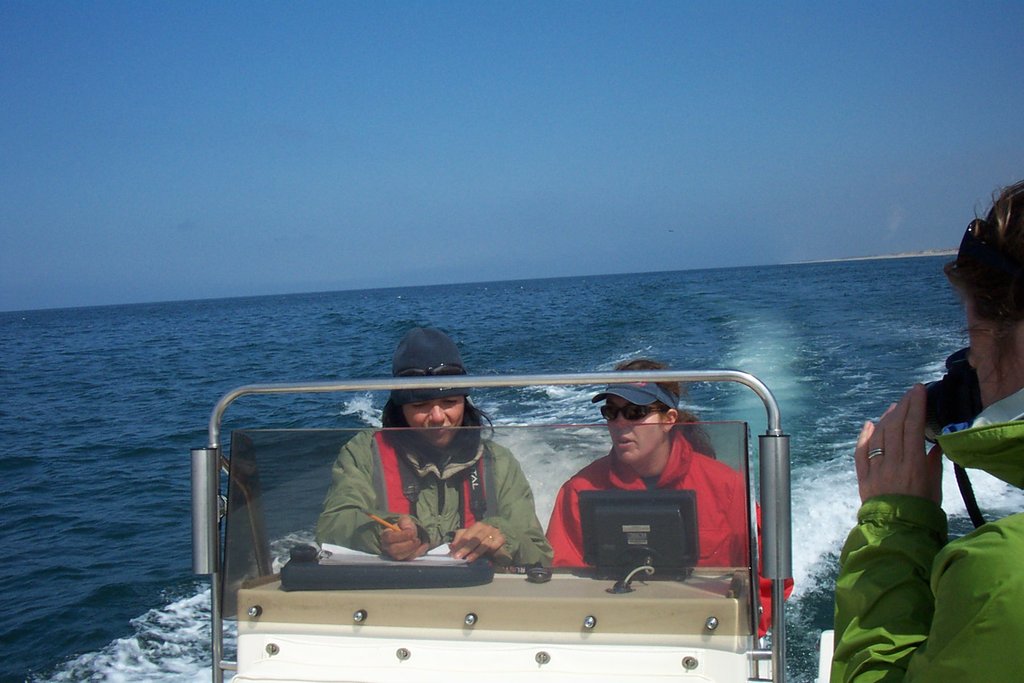
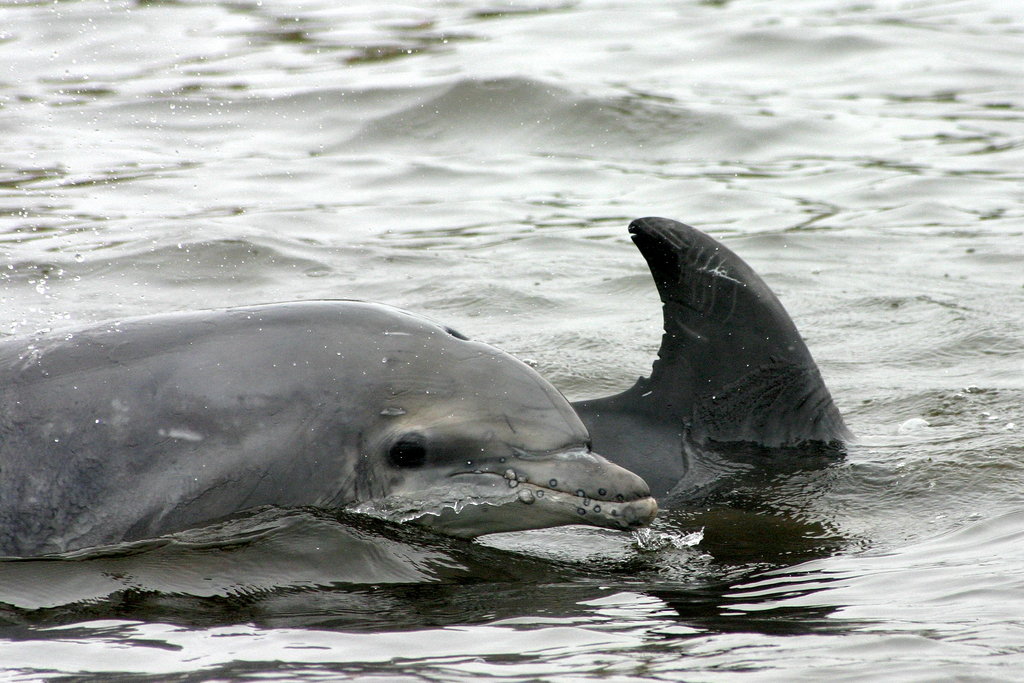
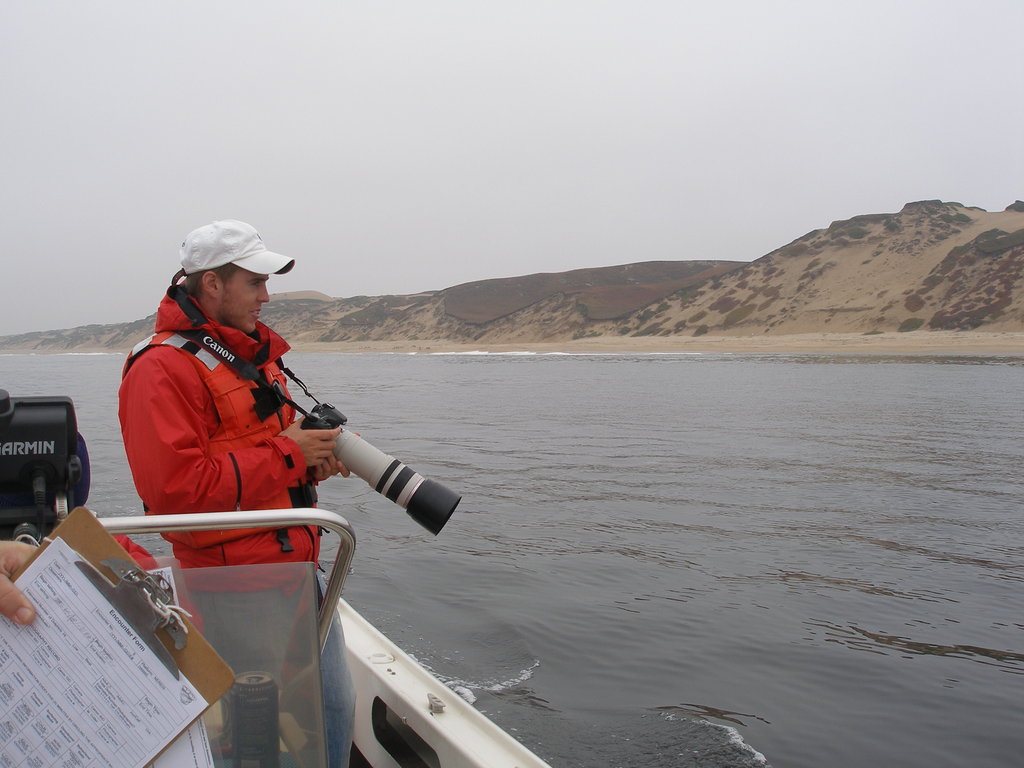
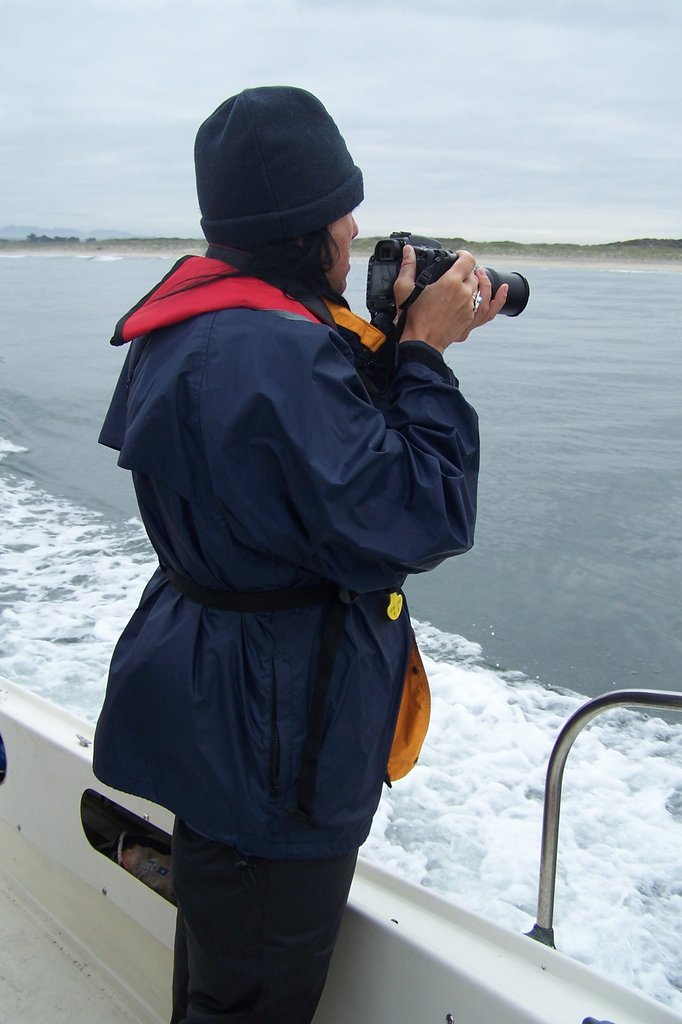
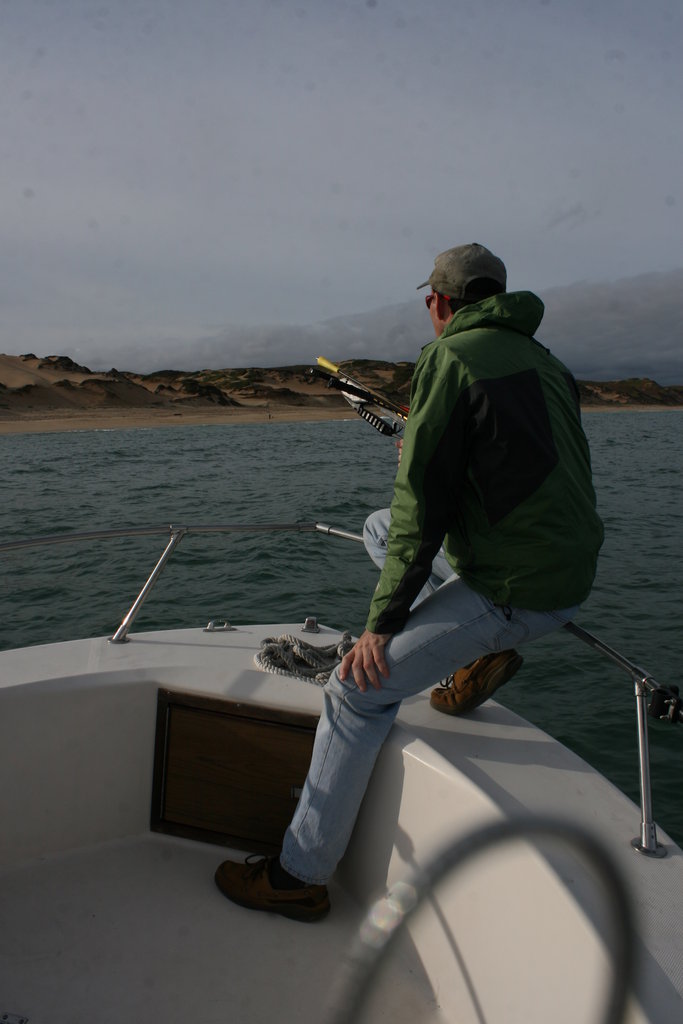
The recommended mercury exposure, according to the National Research Council and the U.S. Environmental Protection Agency (EPA) 0.1 parts per million, and all of our dolphins are above this value (average 1.83 parts per million for 19 dolphins tested). We are concerned with this and continue to monitor the longevity and health parameters of neonate dolphins through photographic documentation and behavioral observation.
We continue to ask for your support to be able to conduct a complete analysis of our currently in house biopsy samples to identify other chemicals that may be affecting these animals.
We are grateful to all of you for believing in us.
Project reports on GlobalGiving are posted directly to globalgiving.org by Project Leaders as they are completed, generally every 3-4 months. To protect the integrity of these documents, GlobalGiving does not alter them; therefore you may find some language or formatting issues.
If you donate to this project or have donated to this project, you can receive an email when this project posts a report. You can also subscribe for reports without donating.