By Daniela Maldini | Chief Scientist
Walvis Bay, Namibia
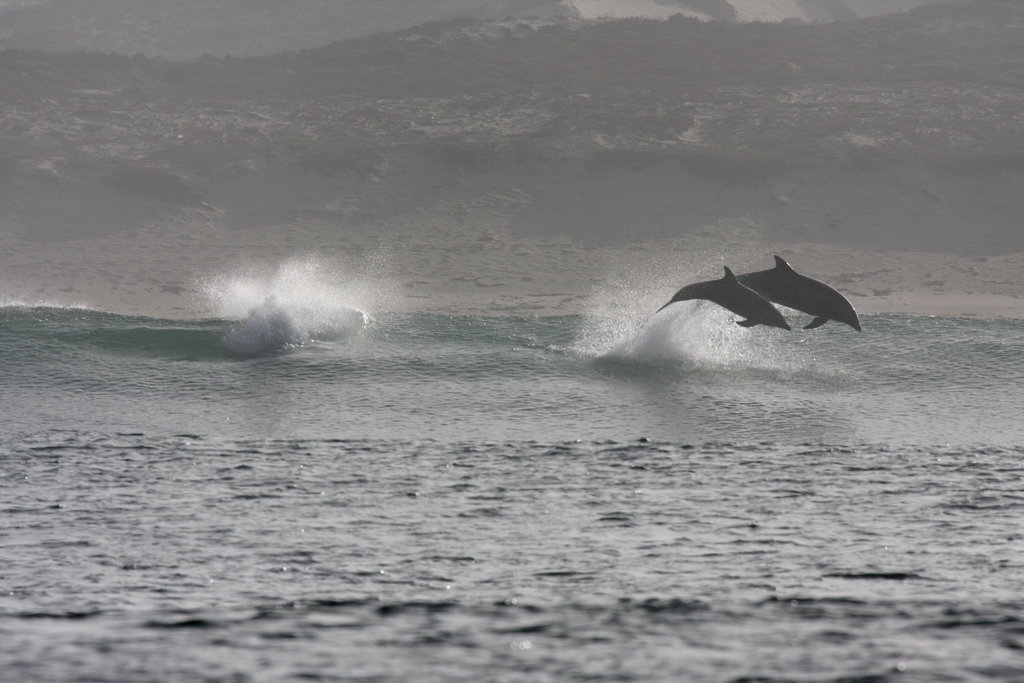
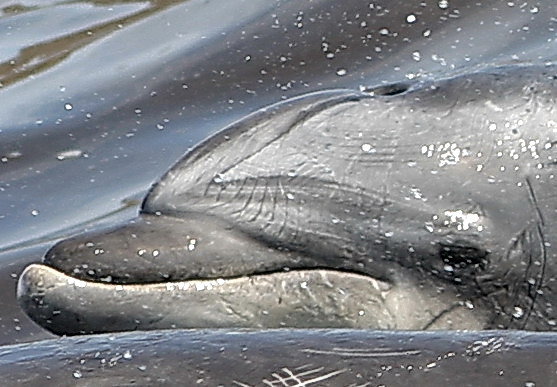
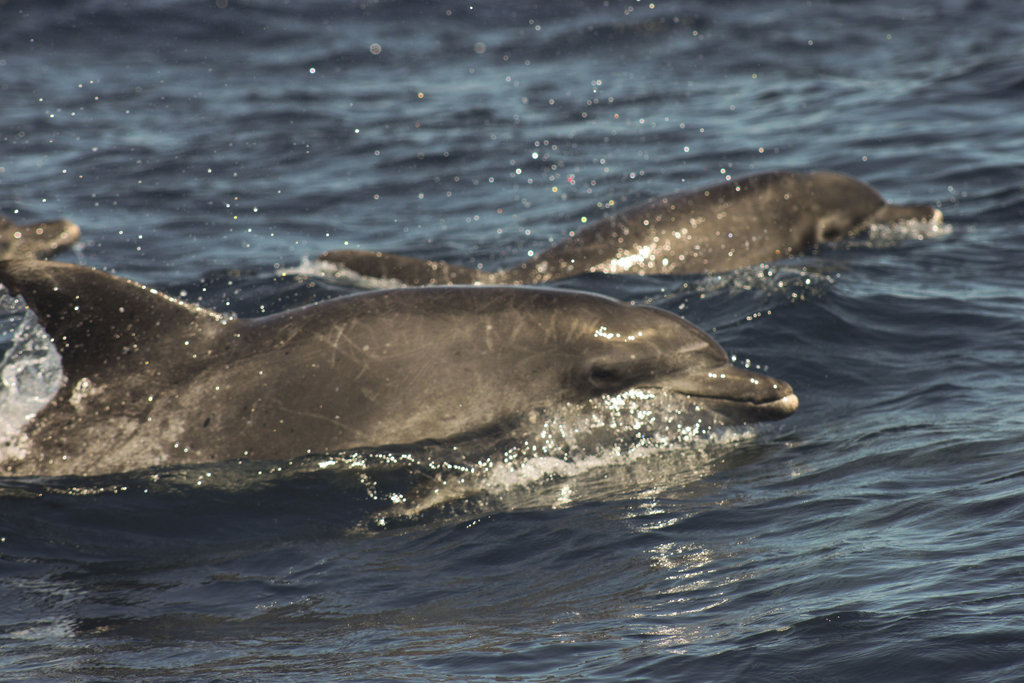
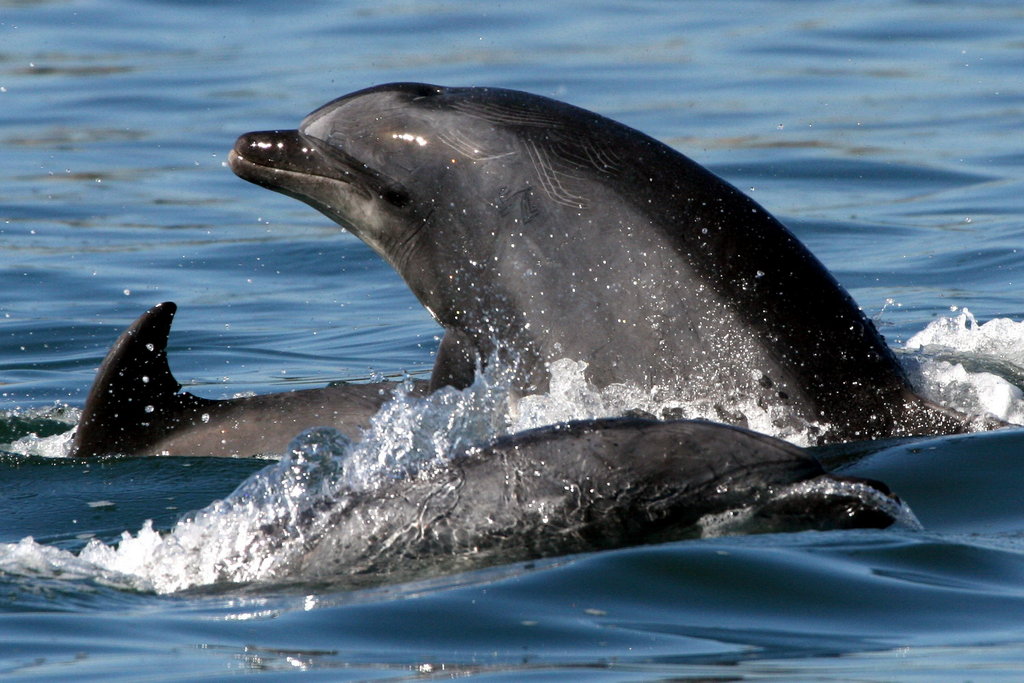
I am reflecting upon the past 20 years as I look out over the Atlantic ocean and see the desert sand blowing from the dunes into the water. The place I am in now is actually very similar to my beloved California coast. If I close my eyes I can see it. Yet I am so far away. I am working on a poulation of bottlenose dolphins that lives along the coastline here in Namibia and in a manner very similar to the California dolphins that my project of 20 years has been studying. Except that these dolphins live in a much less congested and overcrowded coastline. However, development is arriving here as well and the dolphins are going to be facing the same threats and the same challenges the California coastal dolphins have already faced, and are facing every day: pollution from noise and chemicals, encroaching of their habitat by fishing gear, ship traffic, pleasure crafts and mining andindustrial operations. Humanity loves to repeat itself over and over....
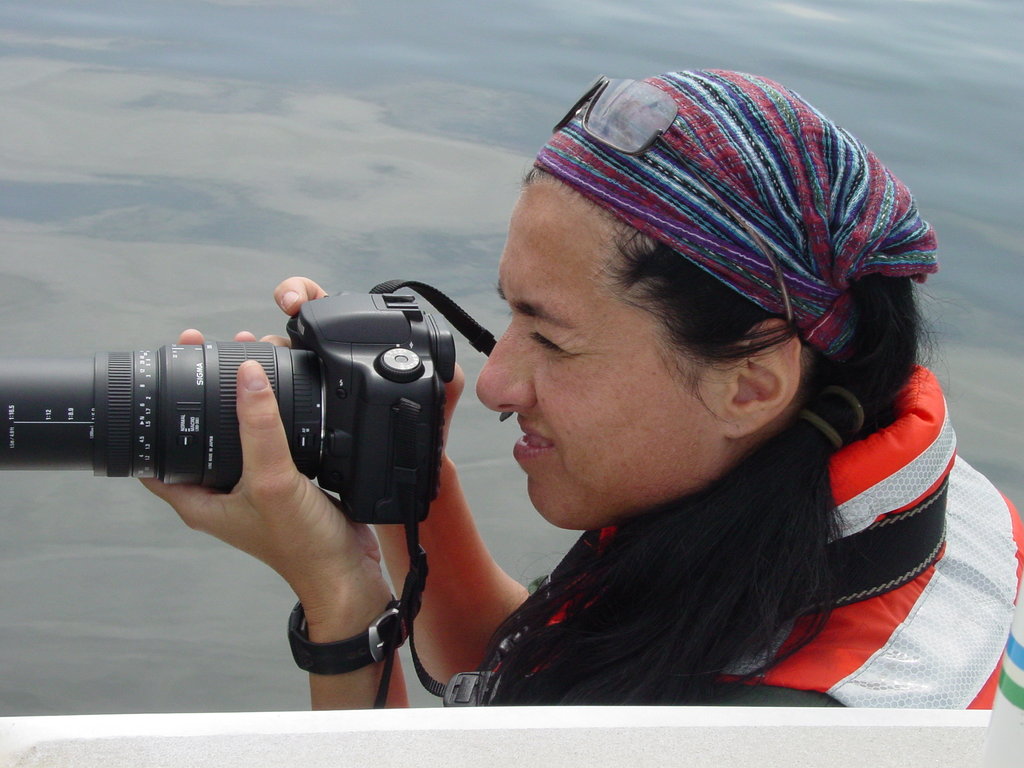
In the past year I have been working non-stop to try to collate the data that Okeanis has been collecting over the years since its inception, and all the information that came before Okeanis was even founded. I guess I have been around longer than the organization itself, and my intention has always been to tell the story of the California dolphins. I never realized when I started that this would be a lifetime endeavour. These dolphins have accompanied me through life like a family, and have seen my development as a scientist and as a person. They survived with me heartbreaks and divorce, relocations and unemployment and all of life's little joys and sorrows. And after 20 years, we are still working together the dolphins and I, to try to understand each other, and to patch together a story of their life along the California coast.
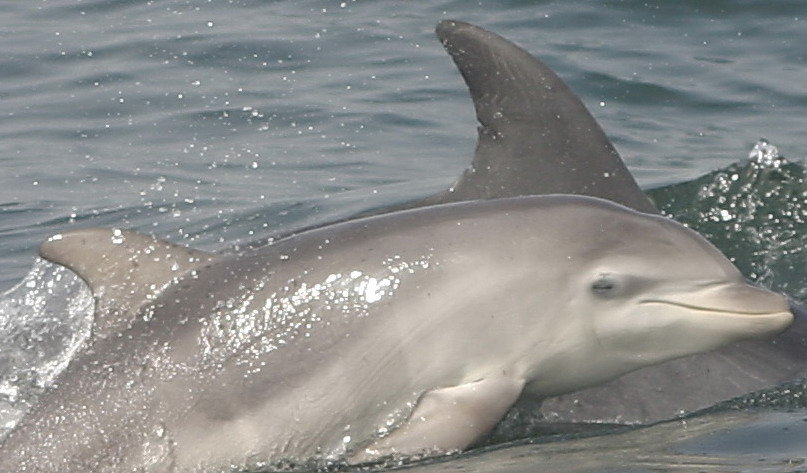
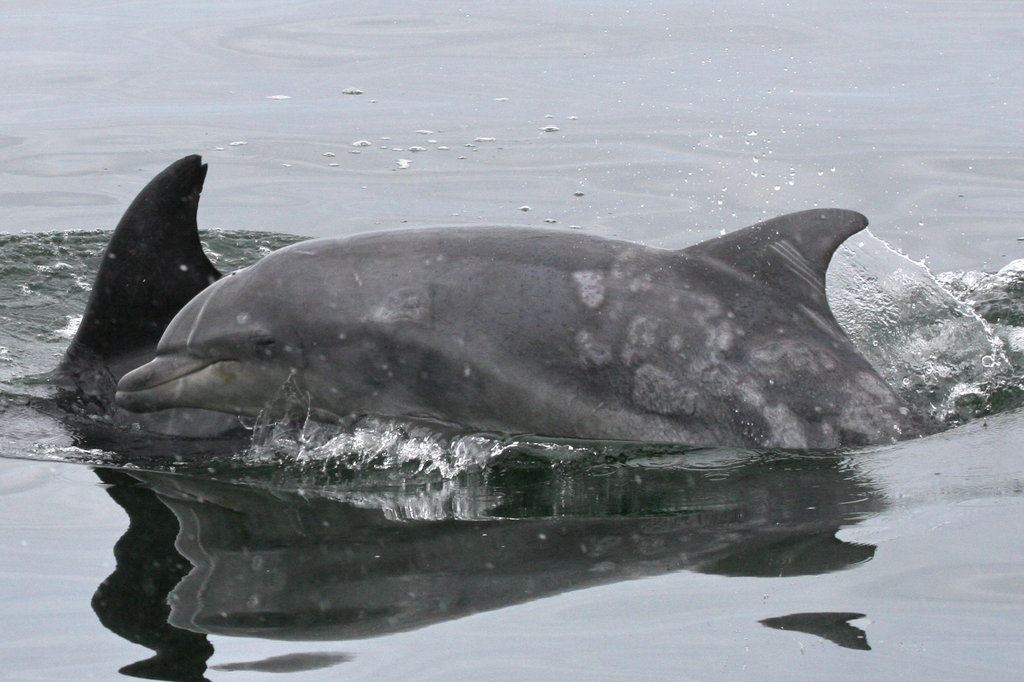
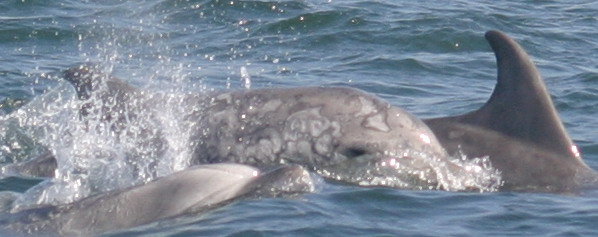
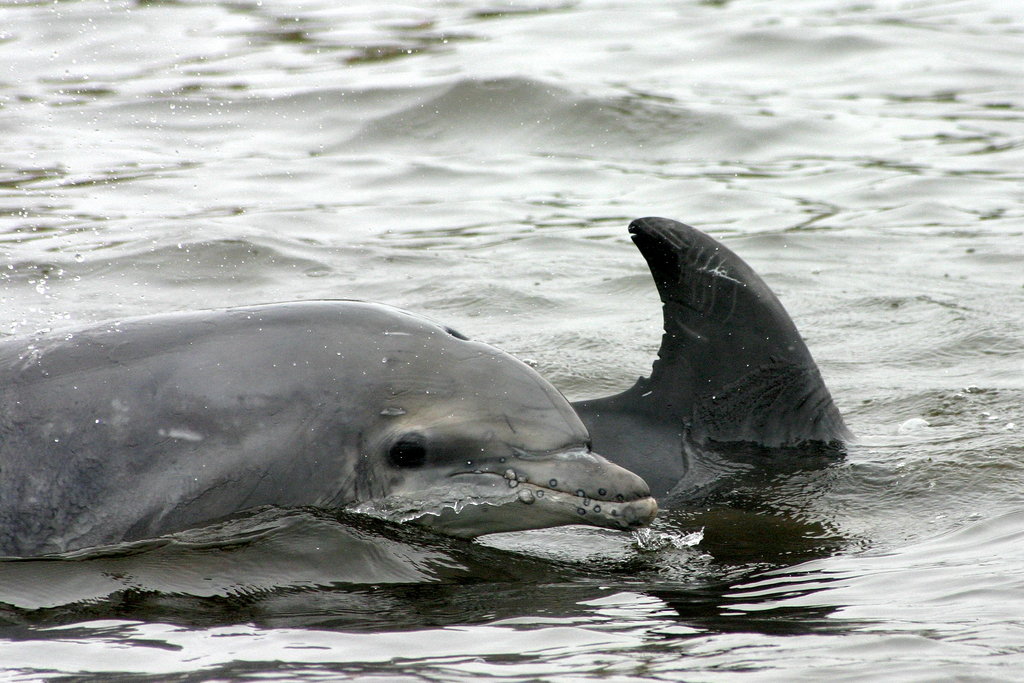
Althoug we cannot exactly talk o each other in words the dolphins are nonetheless telling me their story through the photographs I have collected. Each photograph of a dolphin's dorsal fin is a map. It tells you the identity of the dolphin by looking at the nicks and notches found along the trainling edge (the back) of the dorsal. It tells you about the scars on the dolphin body. Sometime their shape and position reveals the story about the interactions a dolphin had, a wound from a shark bite, a collision with a sharp object, an altercation with another dolphin. Even the number of rakemarks from other dolphins' teeth can sometime tell me about the status of the animal in a hyerarchy. If a wound is fresh I can tell this from the photo as well, and I can look at sequences of photos of the same animal over the years to find out how long it takes for scars to heal.
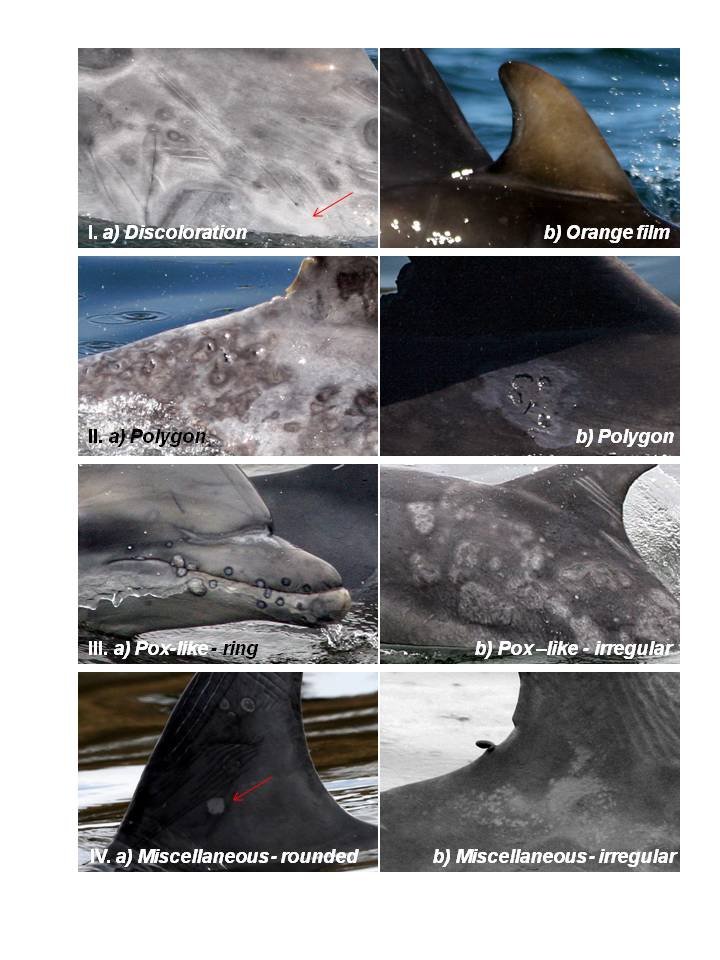
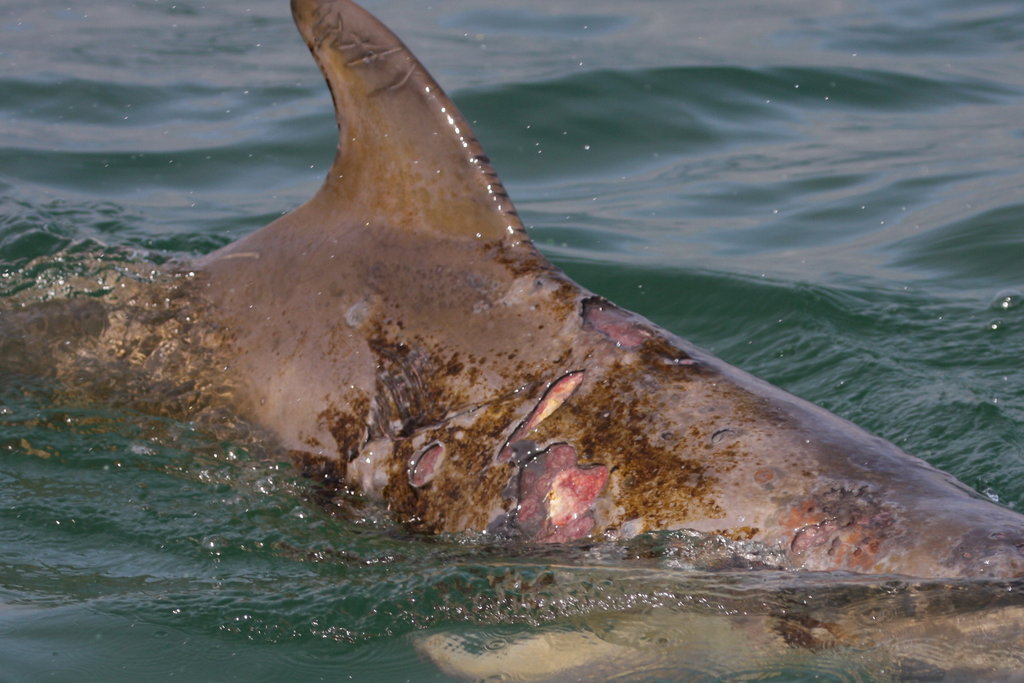
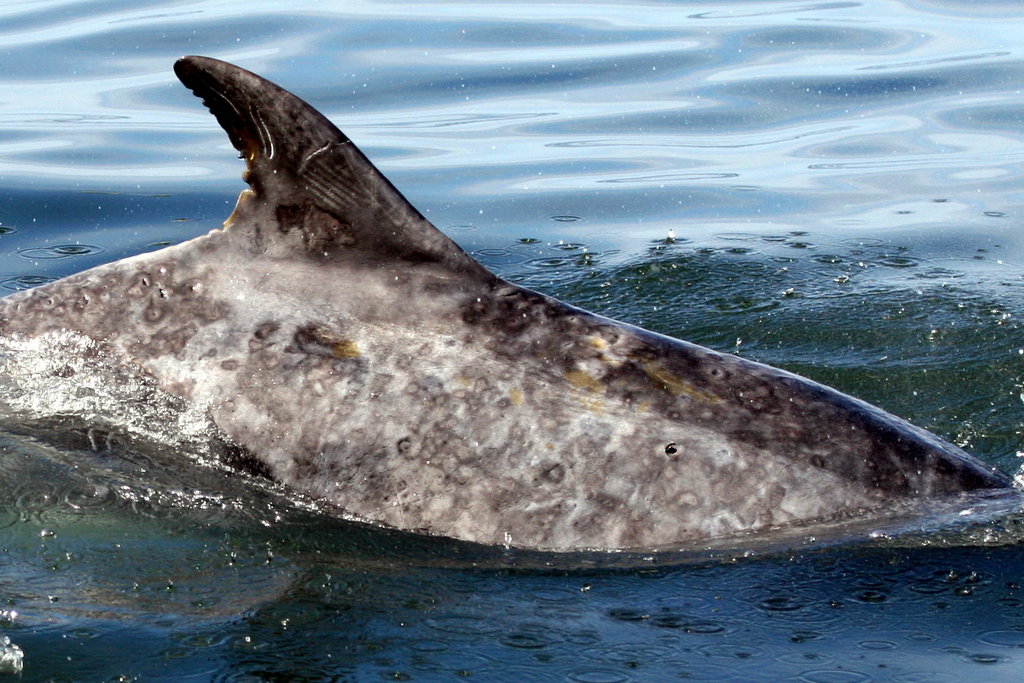
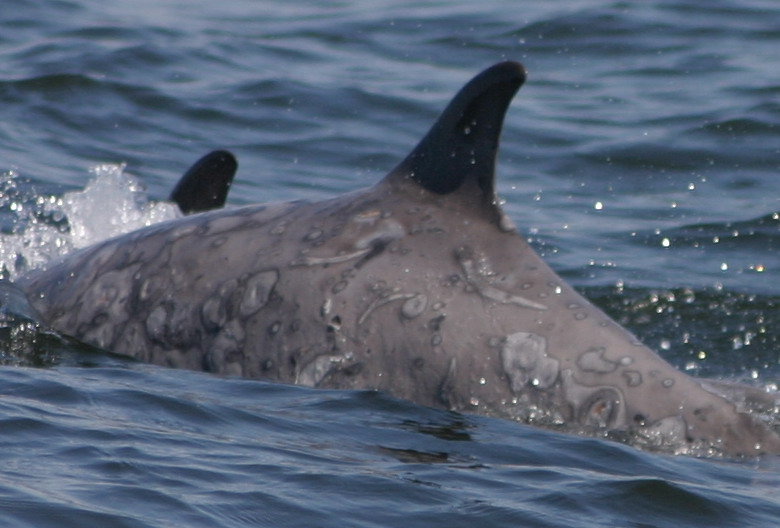
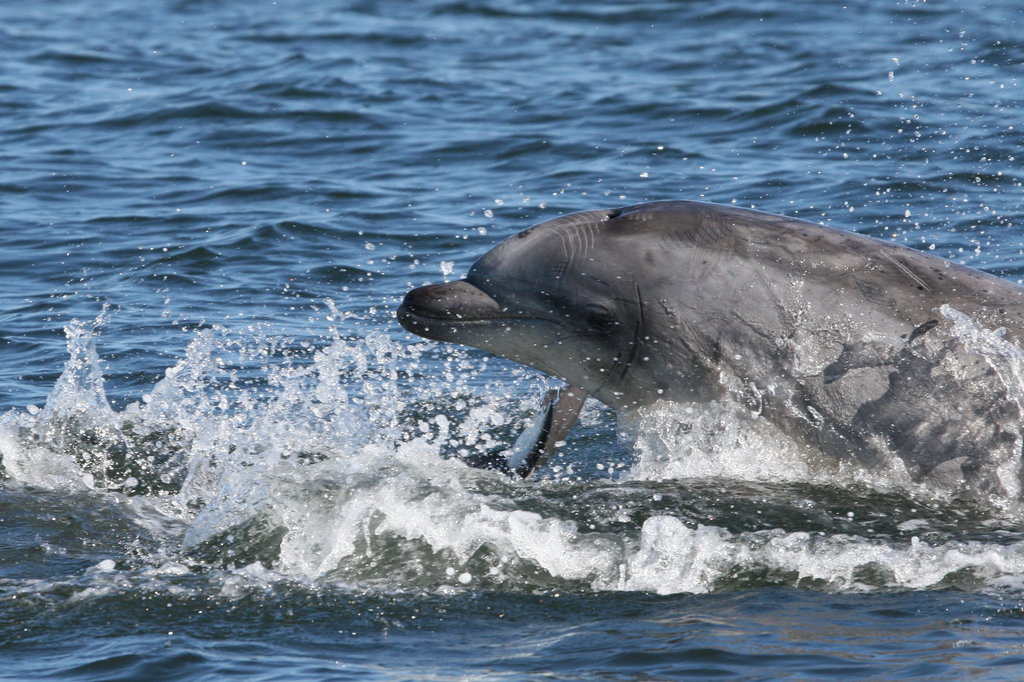
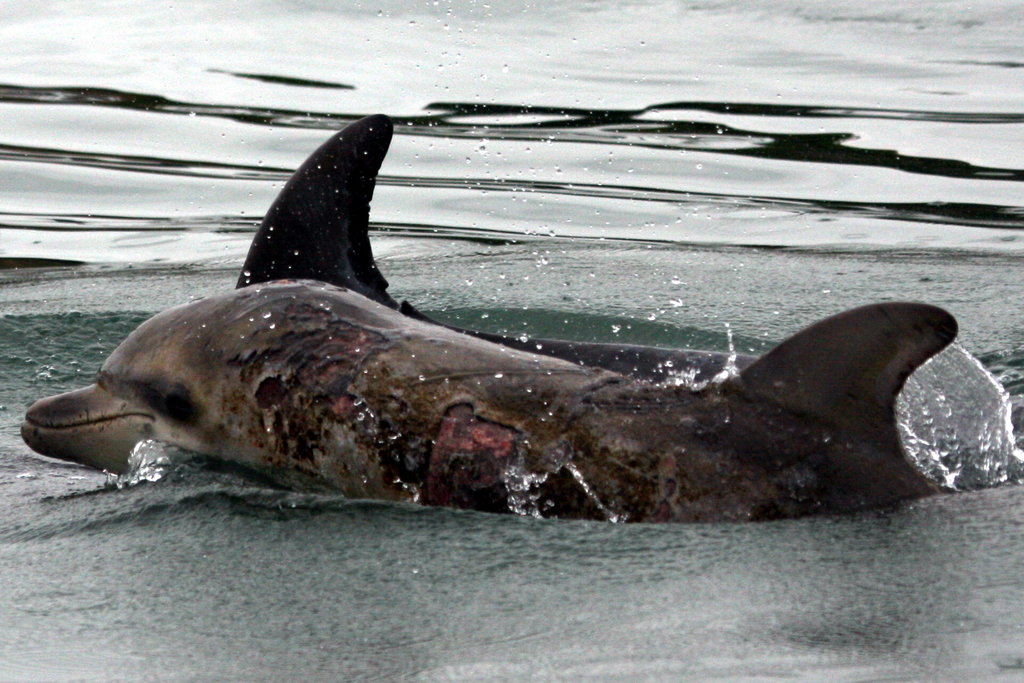
California dolphins are affected by a variety of skin conditions which show as coloration patterns (often fungal in nature) or scabs and pustules on the body or round marks that become red and infected. California dolphins seem to suffer from a herpes-like condition, a form of pox-virus, which shows up on their body as round marks with either dark or light edges. What we are finding by looking at sequences of photos of the same individual over the years is that this condition seems to be latent in the animal, just like herpes is in people. Remember those stressful times at the office that caused that painful sore to come out on your mouth? Well, this seems to be the same thing that happens to the dolphins. One year their skin appears fine and the next year they are affected by a severe skin condition.
Our data indicates that there are periods of time when more dolphins appear to show this condition. Could it be stress? We are investigating this more closely because we do not know yet the exact relationship between the condition and the status of an animal. We do know that water temperature changes can cause stress, so as an animal moves from warmer to colder waters like these dolphins do (moving from San Diego to San Francisco on a regular basis now), the skin can undergo chemical changes that may cause stress. But there are other possible stressors, such as the contaminants that these animals are exposed to.
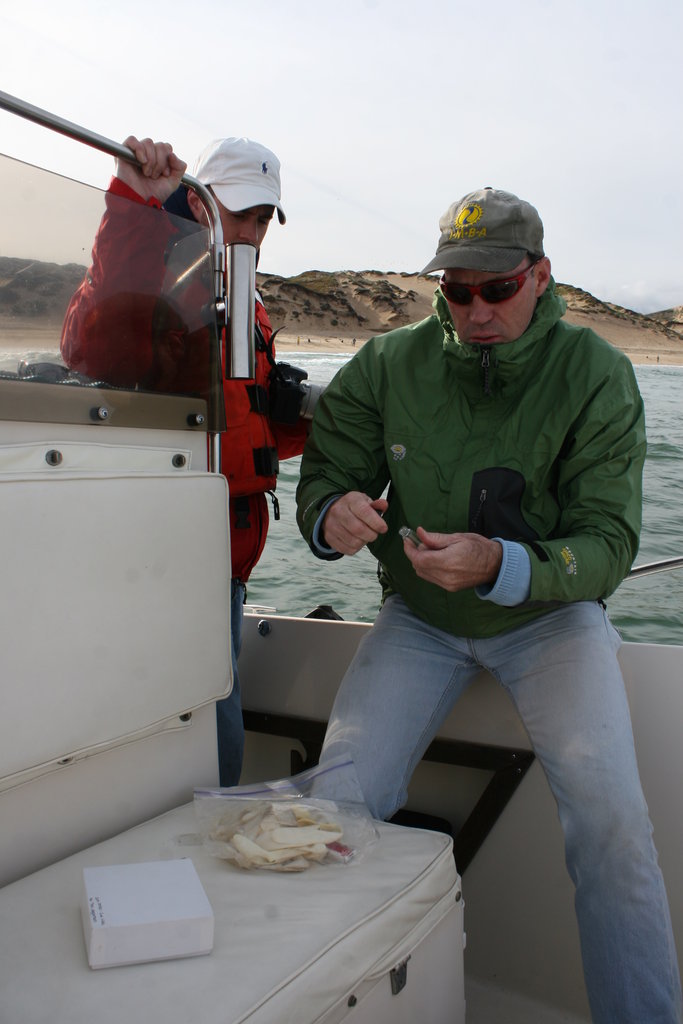
We have collected 46 skin and blubber samples for these animals to analyze them for contamination. Each sample is very expensive to analyze (over 1000$) and in order to be able to compare samples we need to run them all at the same time, with the same metrics, at the same lab. We have been unable to do this because we have not been able to raise enough money to send all the samples to the lab. So we are waiting for our finances to pan out. In the meantime we continue to work with the data we have.
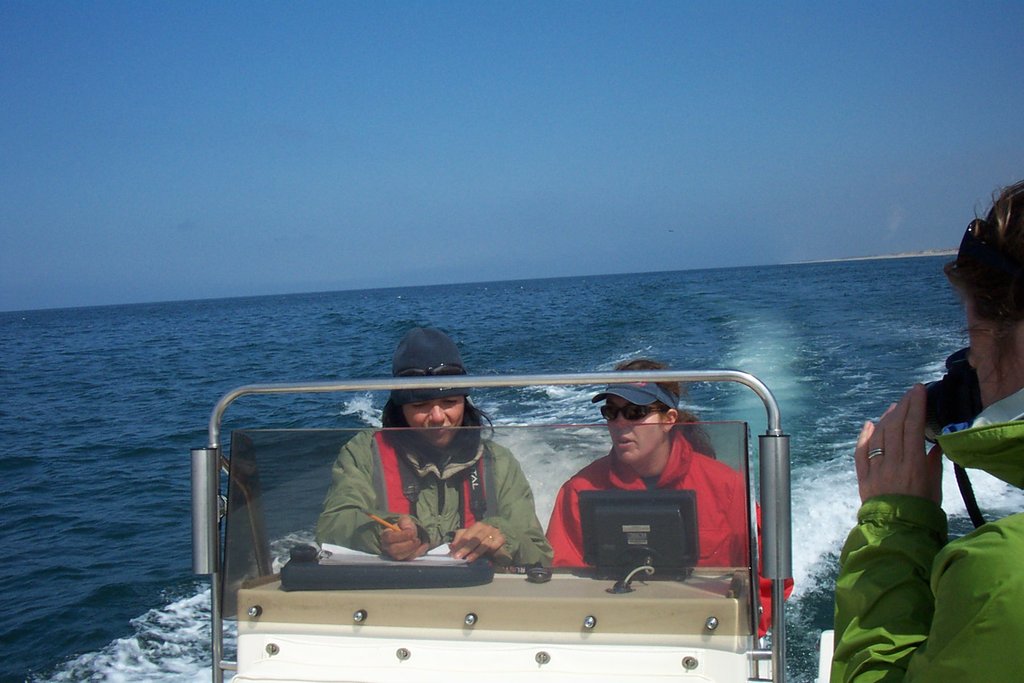
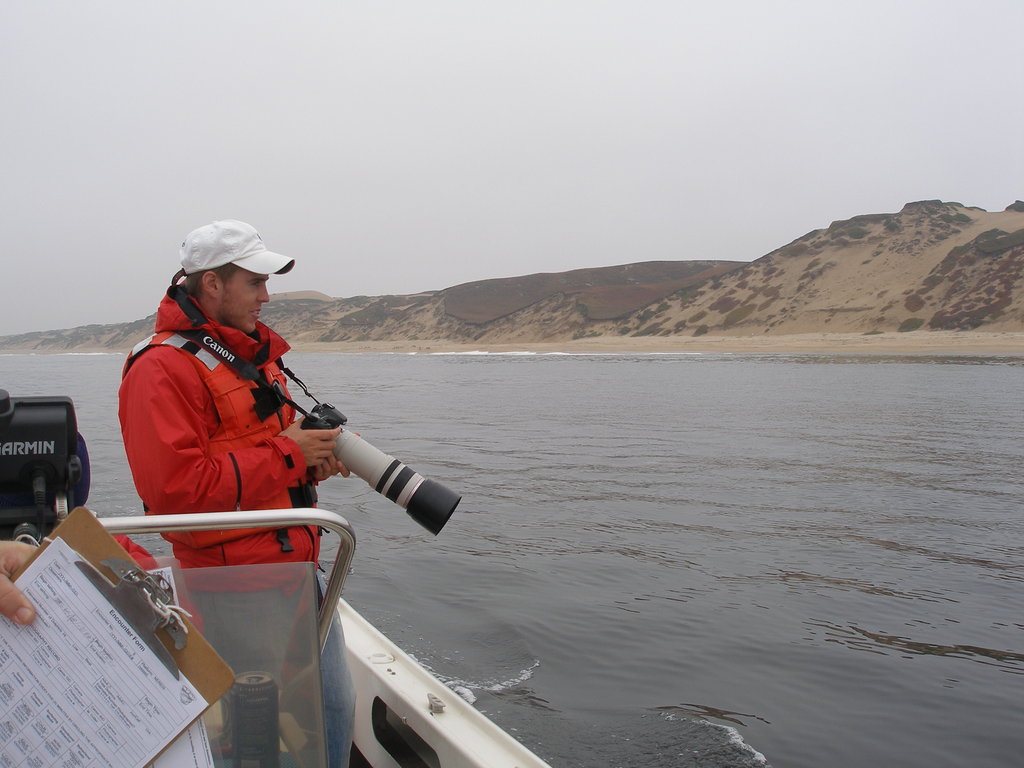
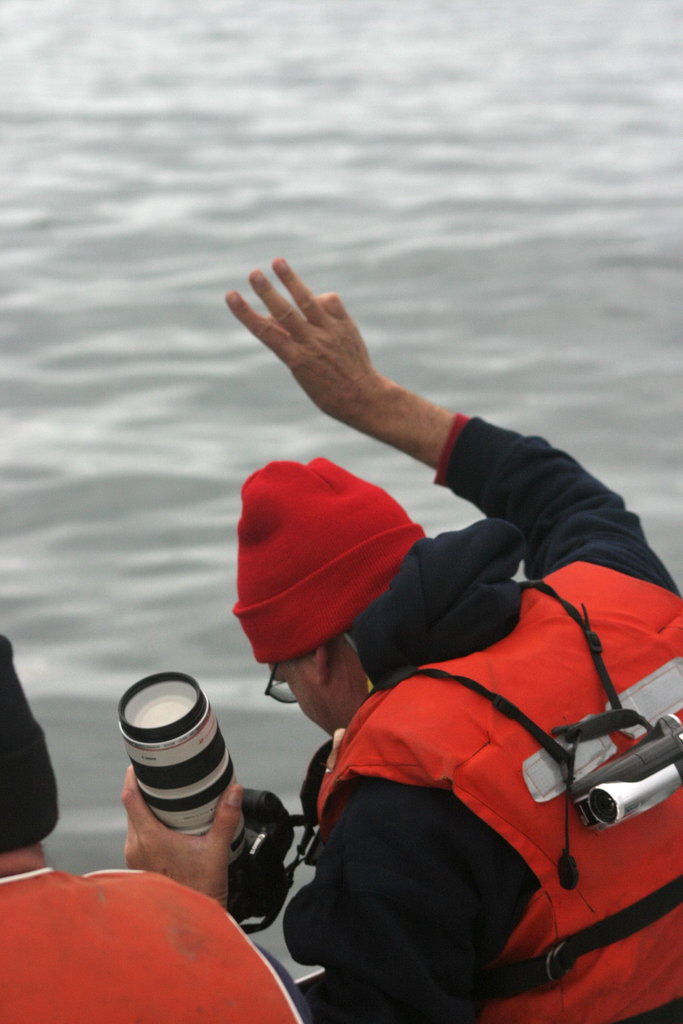
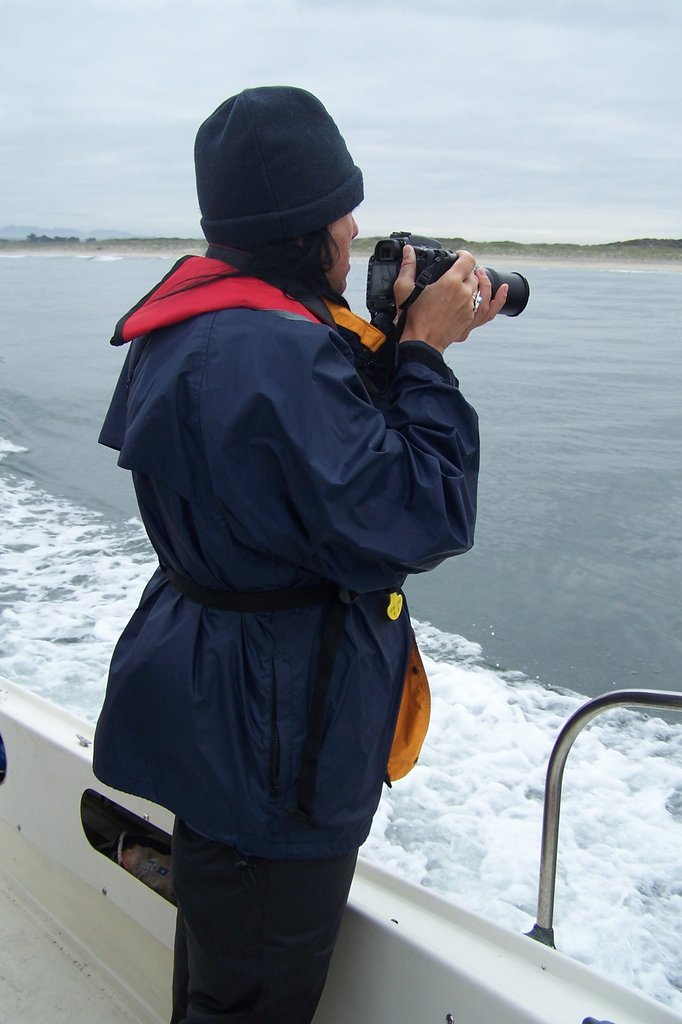
Last year we took a bit of a pause from major field work....we need to get the data in order to be able to publish our results. I think it is difficult to convery how long and laborious the process of analyzing each photo we took over a 12 year period is. We have over 10,000 photographic records and each photo is entered into a database, graded for quality, compared to a catalog to identify the individual and then looked at for information about that individual.
Our catalog contains about 350 dolphins. Some of these animals are over 50 years old and have been roaming the waters between San Diego and San Francisco for as long as I have been alive. We are starting to understand their group composition and their movement patterns.
Dolphins started moving north from their habitual feeding ground in San Diego and the Southern California Bight in the 1980s after a major El Nino event warmed the waters north of Point Conception and pushed the dolphins north looking for new feeding grounds. Ever since some animals have made a new life in more northerly latitudes and as a few years ago these dolphins have started entering San Francisco Bay, an historical event.
Climate change is pushing these animals farther and farther north. We are finding that the first animals to move were the same females that dared moving to Monterey Bay and Central California in the 80s....These few individuals are the "rule breakers" and the pioneers in this population.
These are some of the tidbits from the project for this reporting period. Do not forget to visit our website (address below) to look at the catalog and to read a bit more from our publications.
Thank you for continuing to support us. Being such as samll organization with only a few individuals doing all of the work, we have very limited time and resources to get to do it all. So your help and the contributions that Global Giving makes to our project are truly a gift to us.
Links:
By Daniela Maldini, PhD | Chief Scientist
By Daniela Maldini, PhD | Chief Scientist
Project reports on GlobalGiving are posted directly to globalgiving.org by Project Leaders as they are completed, generally every 3-4 months. To protect the integrity of these documents, GlobalGiving does not alter them; therefore you may find some language or formatting issues.
If you donate to this project or have donated to this project, you can receive an email when this project posts a report. You can also subscribe for reports without donating.