By Frank Peterson | President
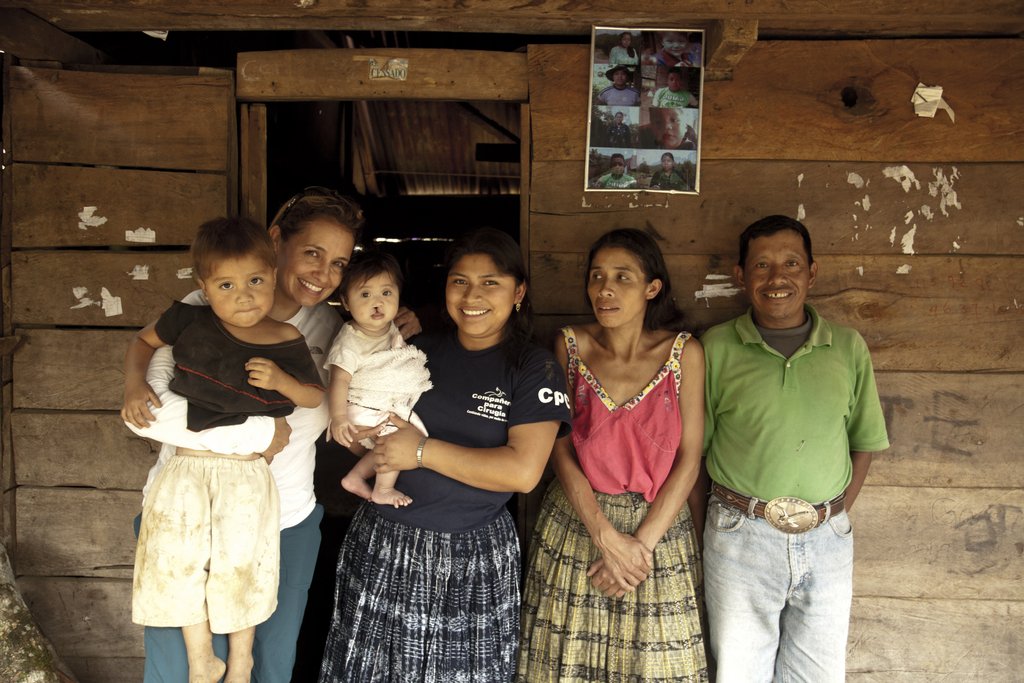
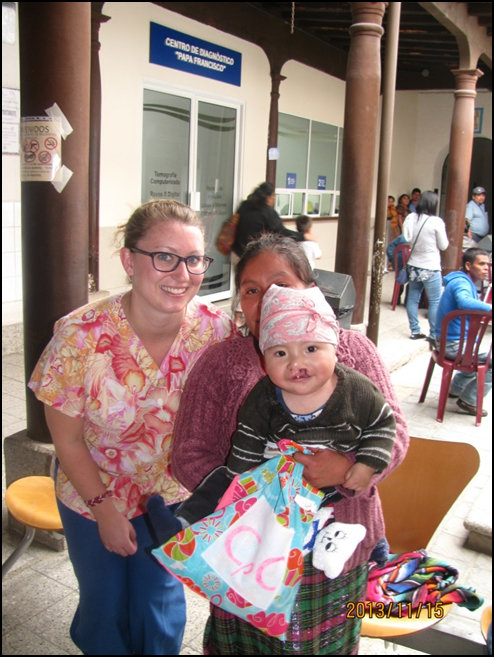
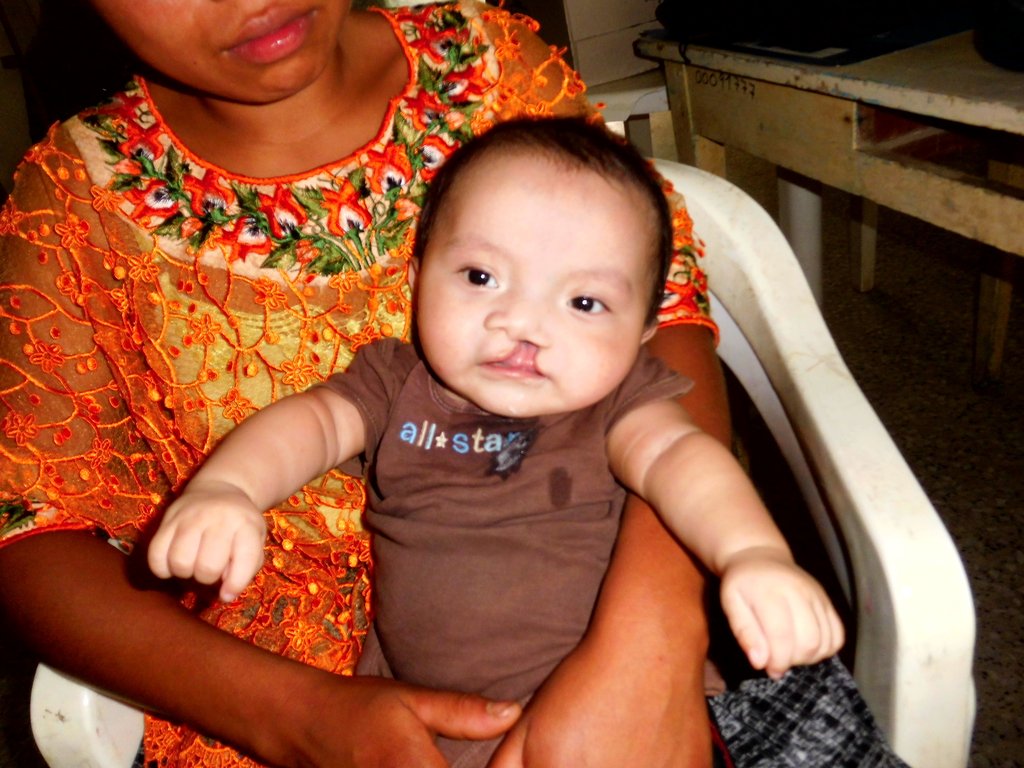
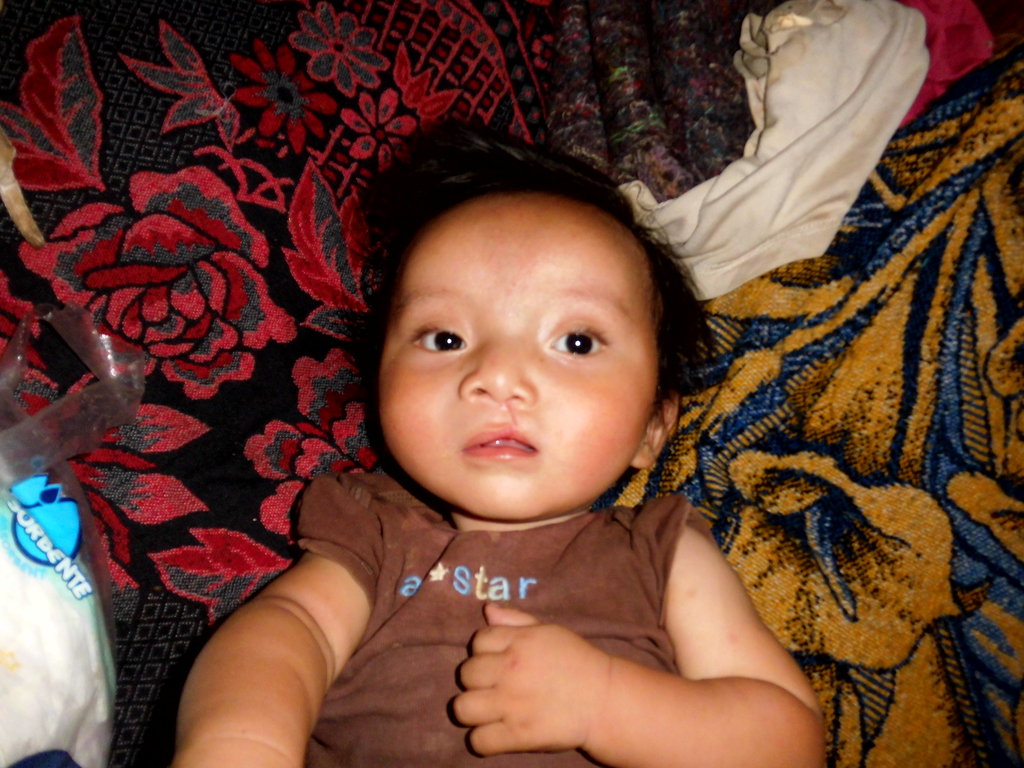
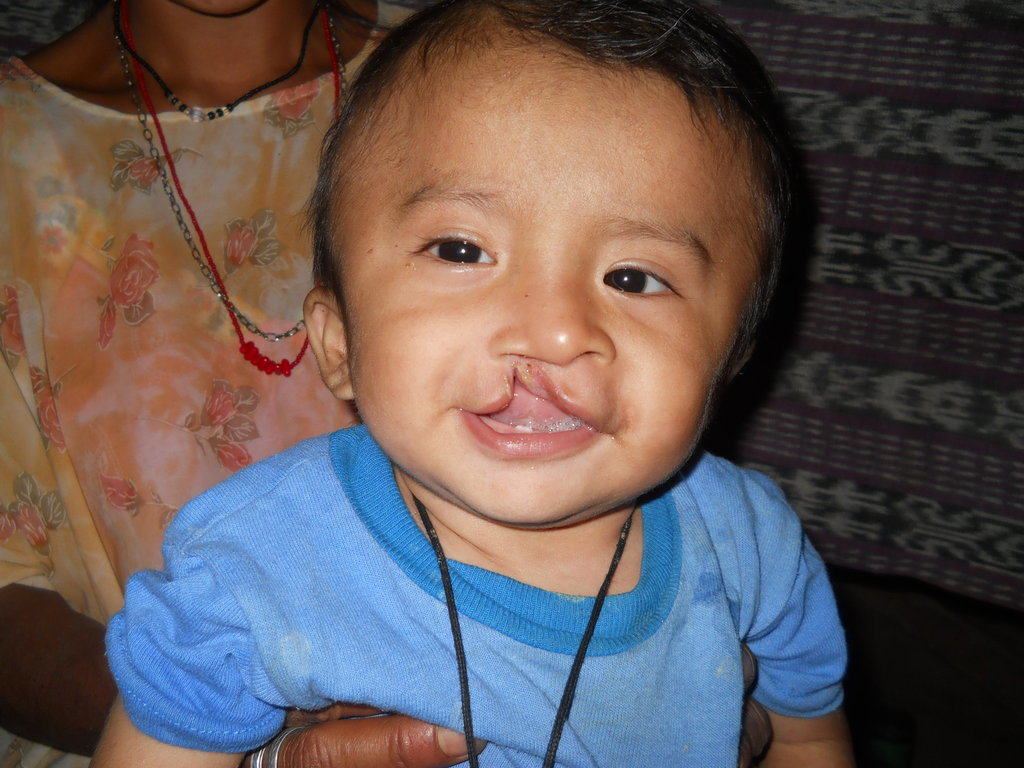
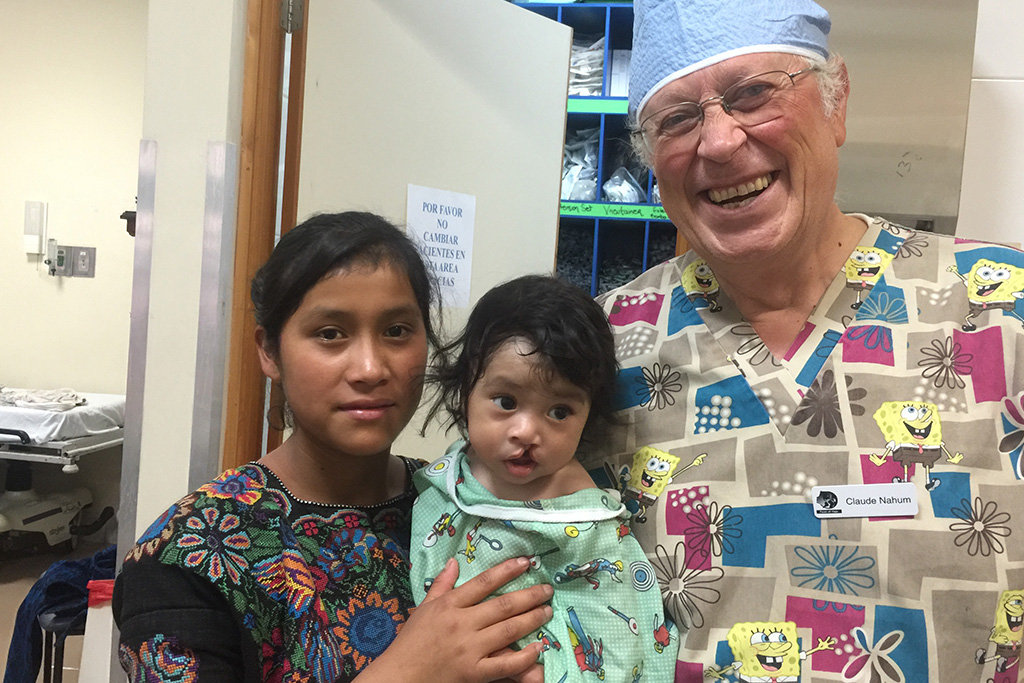
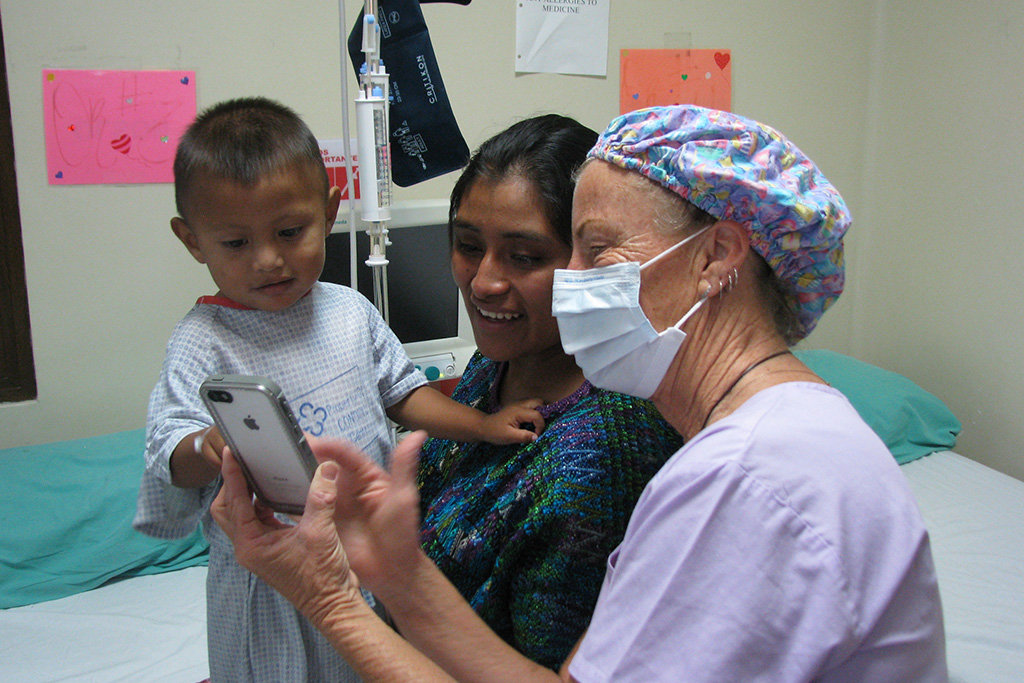
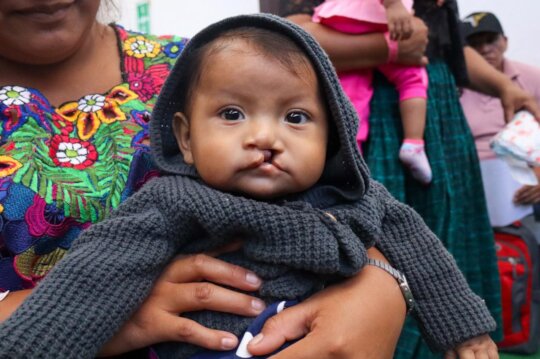
In this report I would like to tell you about our activities of the last three months and include a vignette that shows the importance of a new initiative we are developing. Our in-home program to care for children with a cleft defect has become widely known in the rural areas in which we work. Because we use local to provide infant nutritional support, link families to surgical teams, provide education on care of infants with cleft defects, the program has become integrated within the rural health system. Ten years ago, almost all of the children in our nutrition program were brought to our rural medical mission events—many in a very malnourished state. Now, over 80 percent are referred to us by midwives and local government health promoters. Over the last three months the number enrolled in the program varied from approximately 150 to over 200, depending on the number of children who recently had surgery. Because the infants health can be maintained while in the program, they typically qualify for surgery at an earlier age than previously. With shorter resident time in the program, cost per child is reduced and available funds can be used to help more children each year. Already this year over 60 children have had cleft repairs and we expect a total of about 250 for the year.
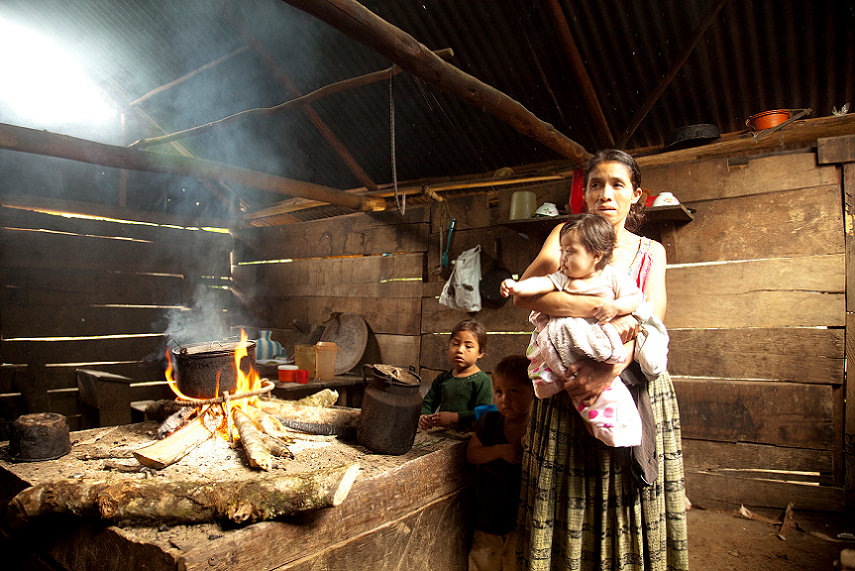
Over the last three months we have made significant progress in building a team of organizations that are committed to educate young students and the parents who already have a child with a cleft on how to prevent this birth defect. What is already known is that approximately 4/5ths of all cleft anomalies are the result of some environmental trigger when a genetic predisposition is present. In Guatemala this trigger is primarily the mycotoxins that are present in the corn which is the staple food in rural communities. We are currently working to create the education program on how to prevent clefts and also how to fund this new effort.
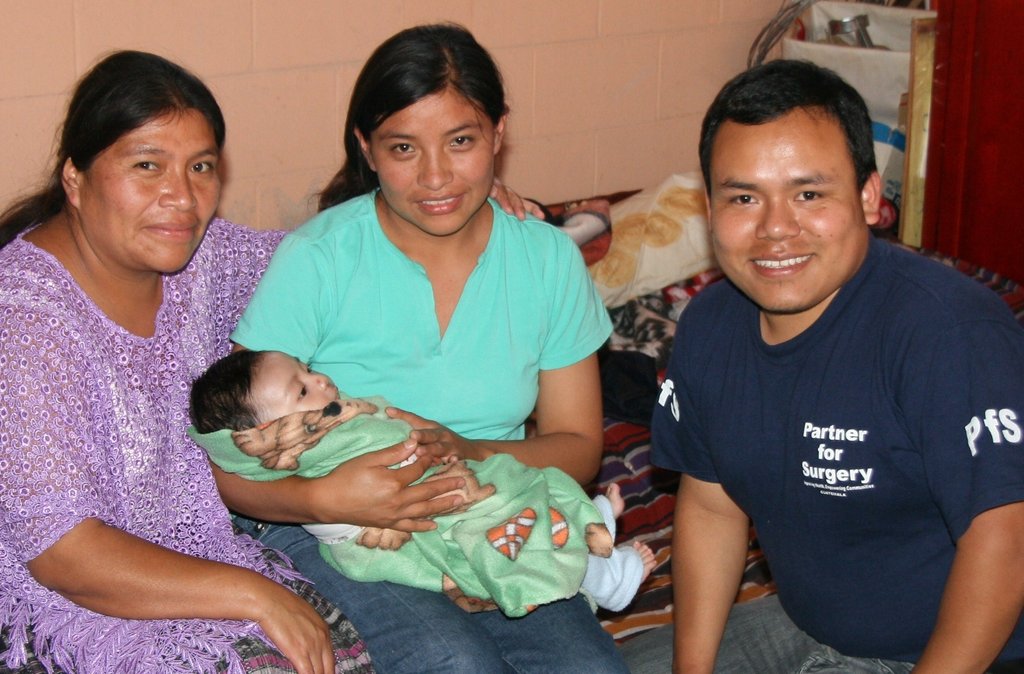
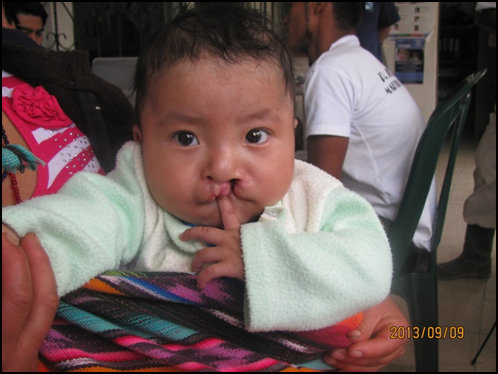
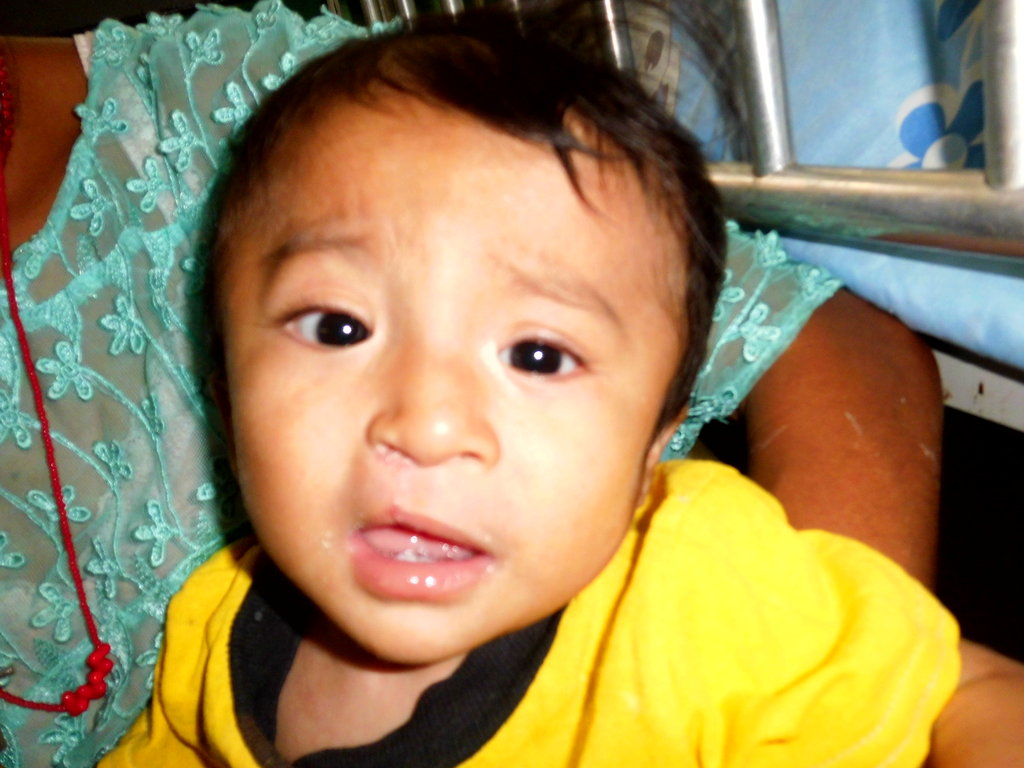
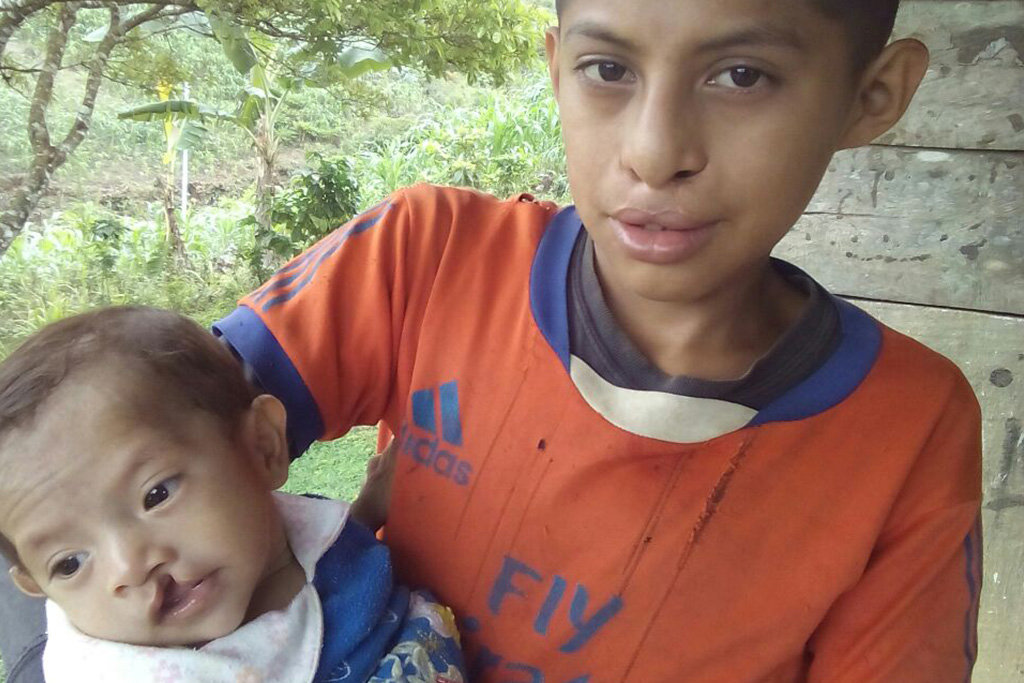
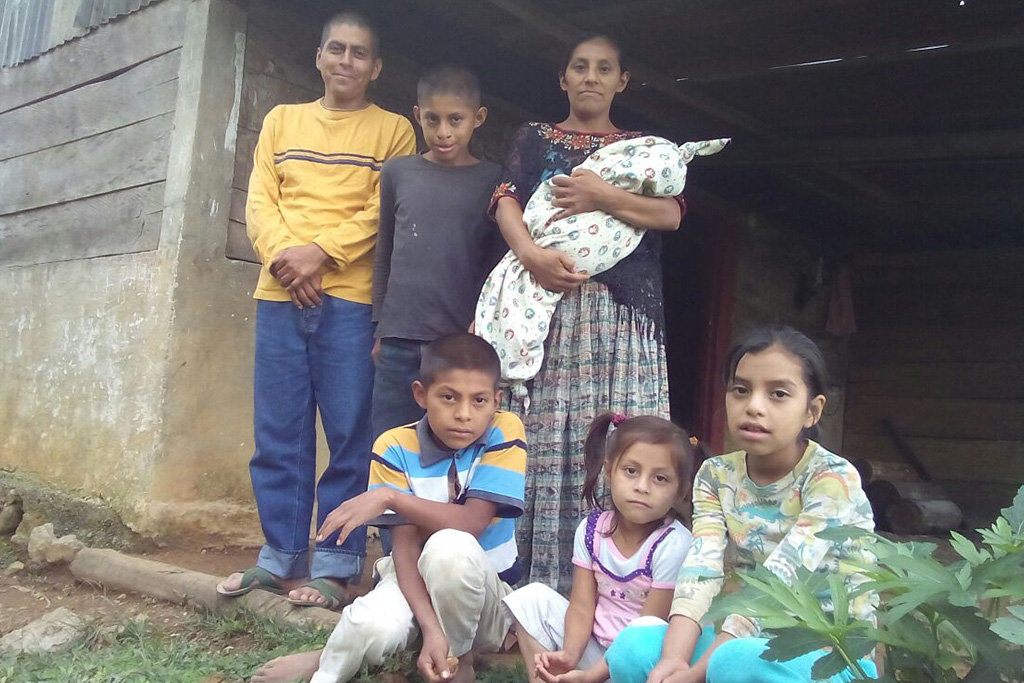
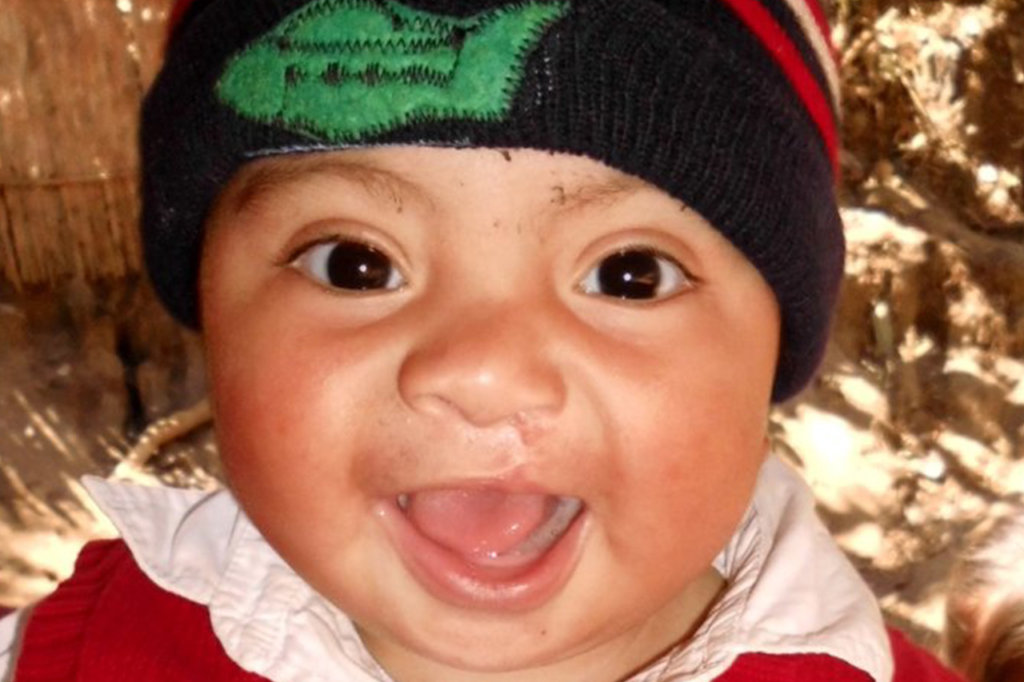
Fredy’s family is an example of what typically happened before we had a nutrition program for children with clefts. Fredy was born with a cleft lip and palate 12 years ago. When he was one year old his parents took him to a surgical team that repaired his lip but because no organization was monitoring his progress he did not have his palate repaired. Fredy has had little opportunity for school because his open palate made it difficult to understand his speech. Now with the palate surgery he just received and the speech therapy he is now receiving from our health promoters, he will have an improved chance of integrating into his rural society. Fredy has an 8 month old sister, Dulce, who also has a cleft lip and palate but she is in our nutrition program and she will be able to have all the care she needs to develop normally in the future.
Funding to continue the nutrition program and to add the prevention education aspect is our biggest challenge. Please consider continuing your support of the GlobalGiving project and would be grateful if you could recommend to us other organizations that may be interested in working with us.
Links:
Project reports on GlobalGiving are posted directly to globalgiving.org by Project Leaders as they are completed, generally every 3-4 months. To protect the integrity of these documents, GlobalGiving does not alter them; therefore you may find some language or formatting issues.
If you donate to this project or have donated to this project, you can receive an email when this project posts a report. You can also subscribe for reports without donating.