By Femilya Handra | Project Leader
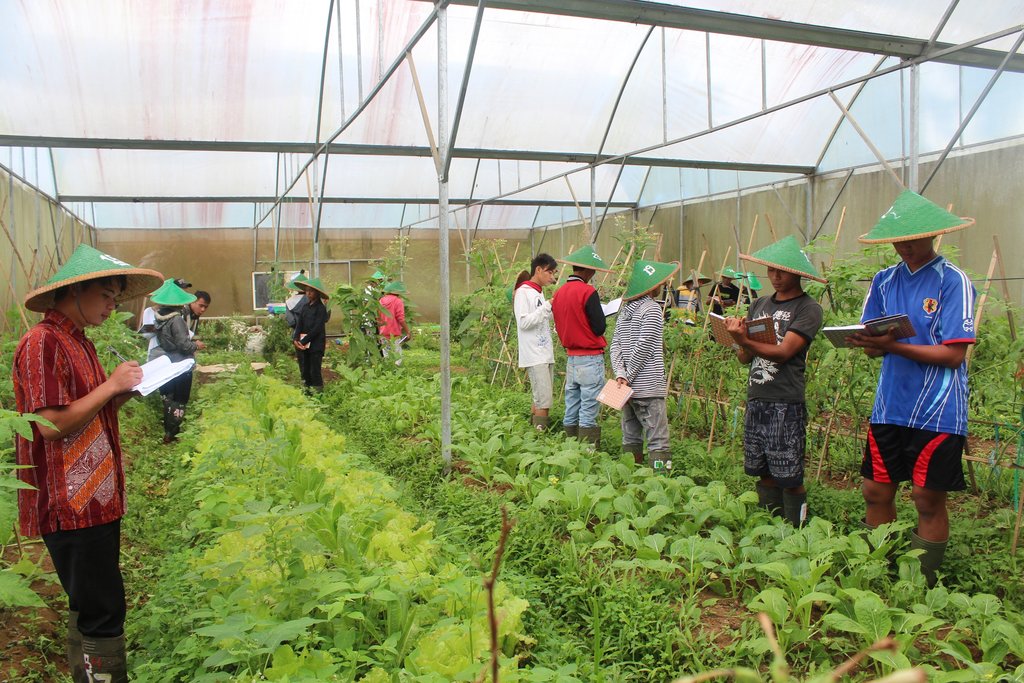
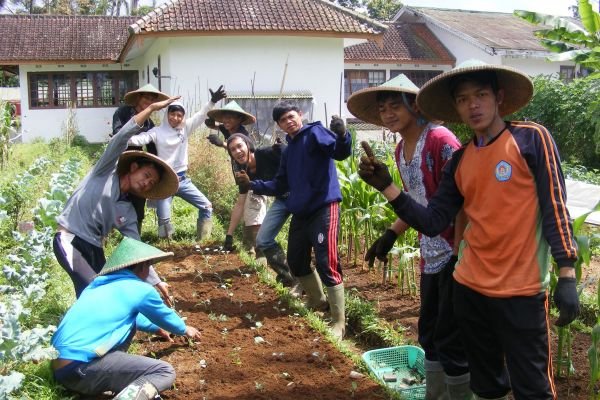
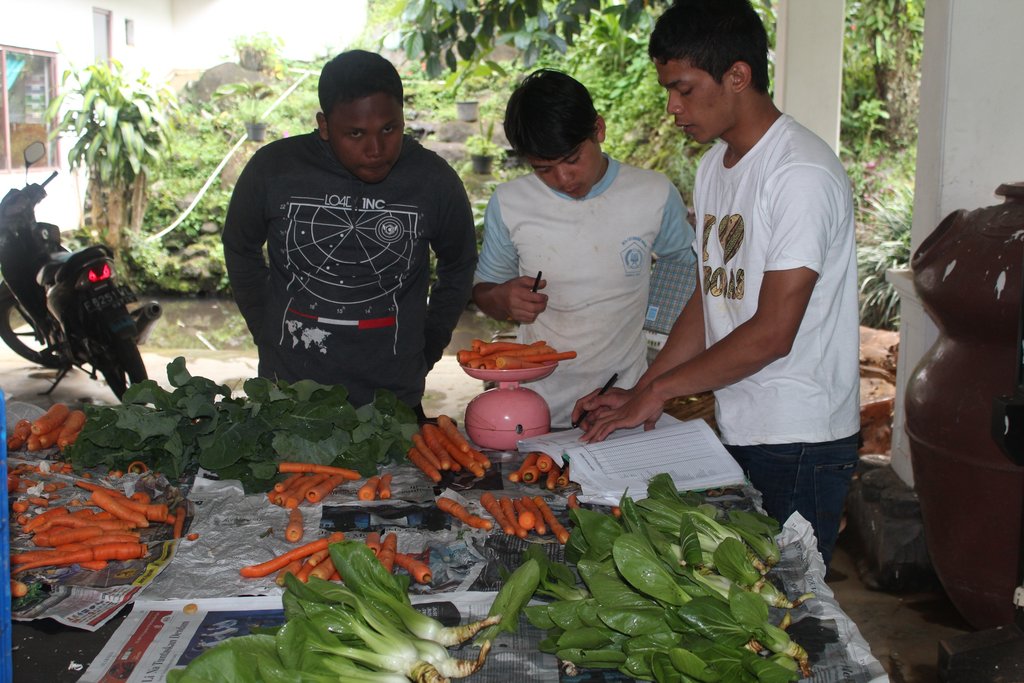
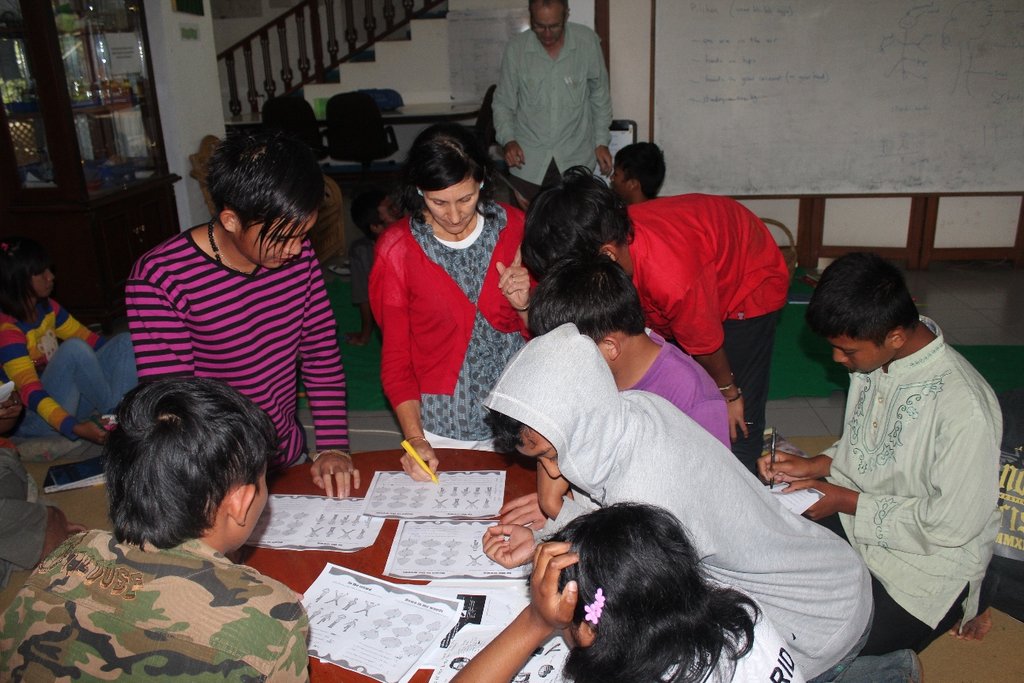
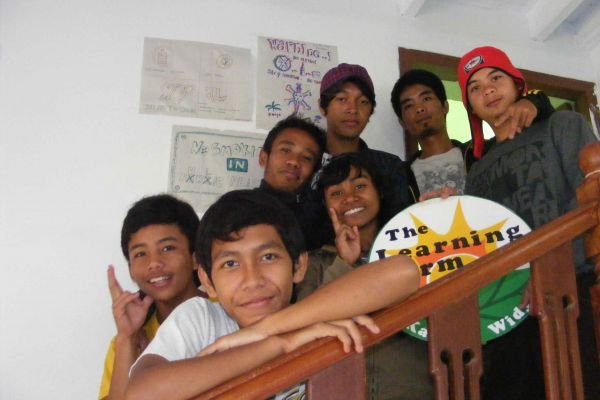
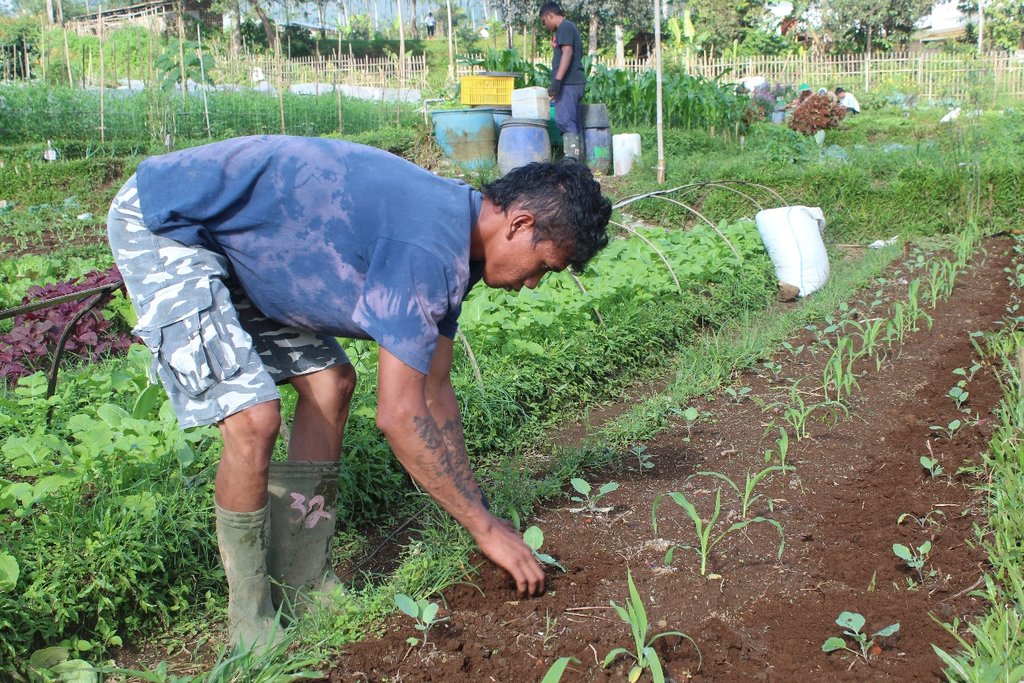
The Learning Farm is striving to improve the quality of our program. In the long run we’d like to implement a fully-integrated farming system. We want the students to understand that the technique we are teaching them is not the only form of organic farming. Recently we have introduced another way of making compost which is called vermicomposting.
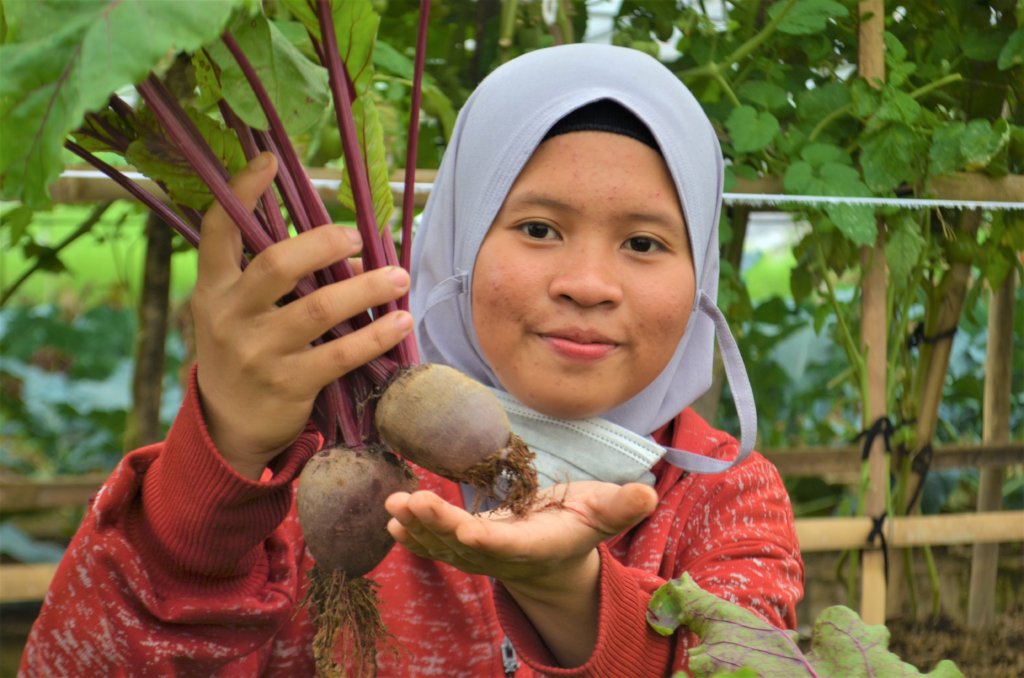
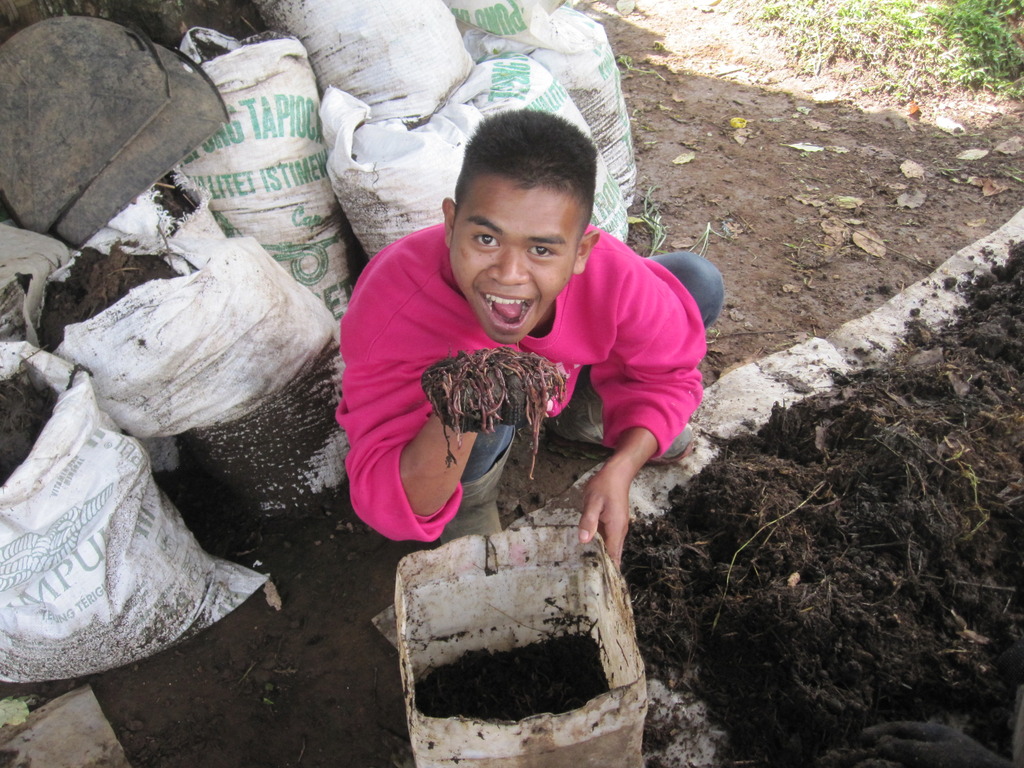
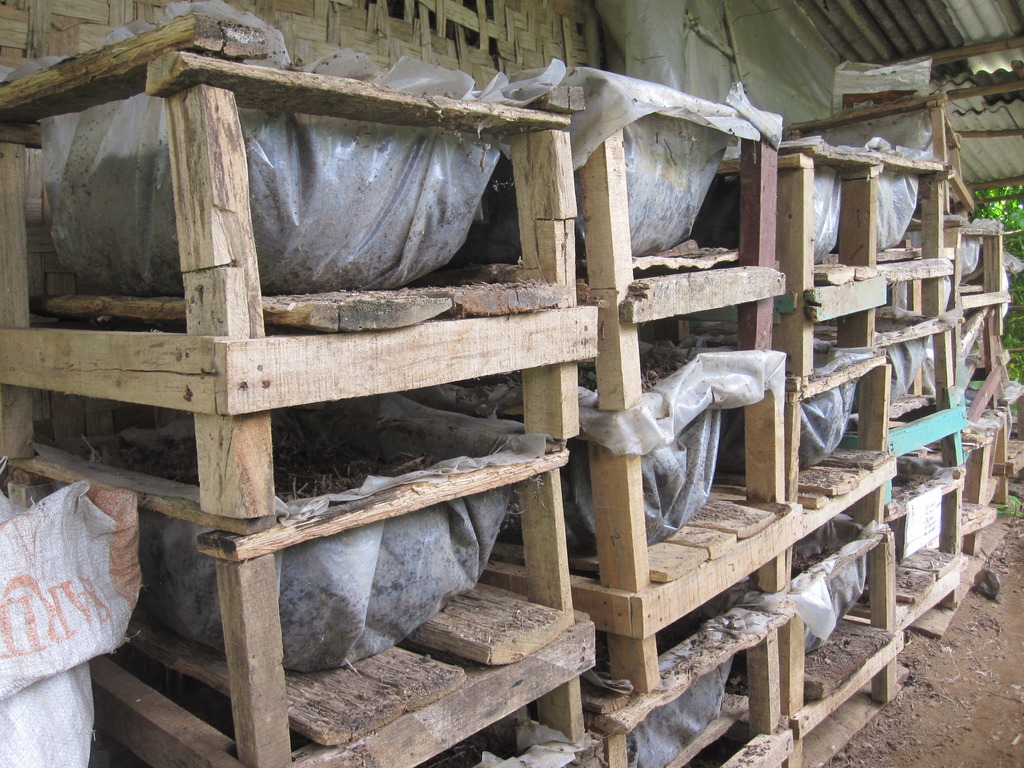
Vermicomposting uses worms and microorganisms to convert organic materials to a valuable soil amendment and source of plant nutrients. Vermicompost improves the soil structure, stabilizes soil pH, increases moisture infiltration in soils, and improves its moisture holding capacity. It differs from traditional composting as it doesn't require a lot of space and less work as you don't have to turn the pile in the process. Vermicompost also makes the plant grows faster, the leaves grow bigger, and decreases attacks from the pests.
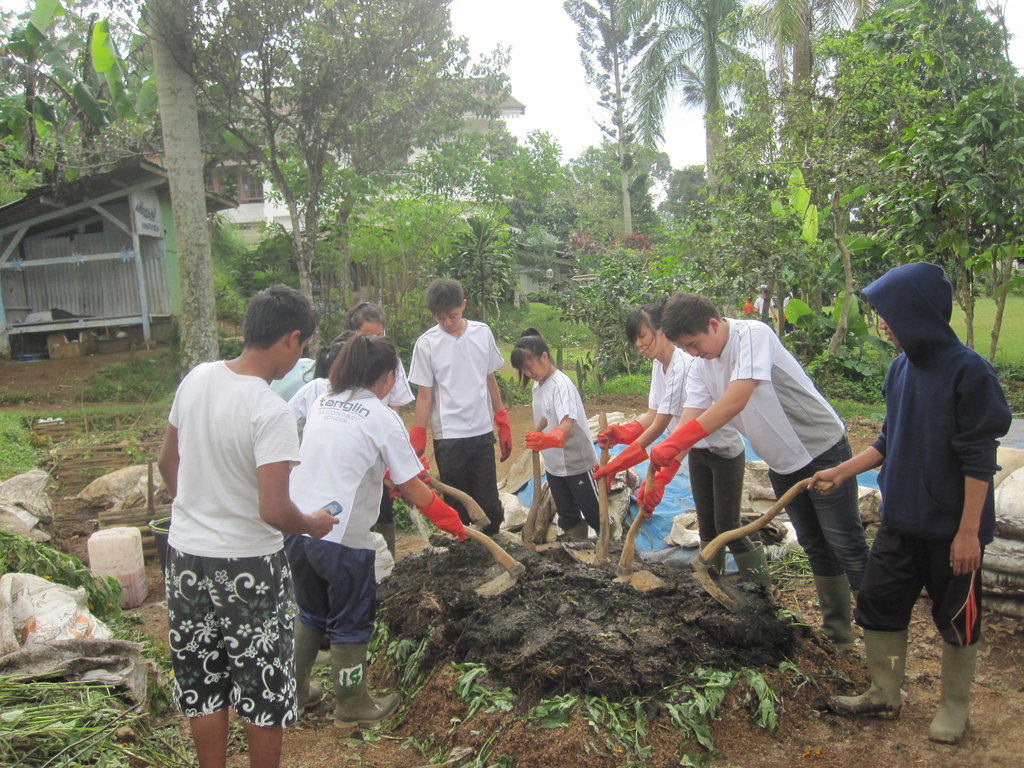
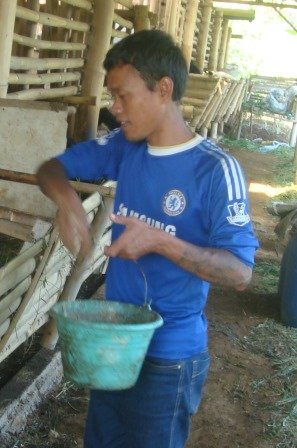
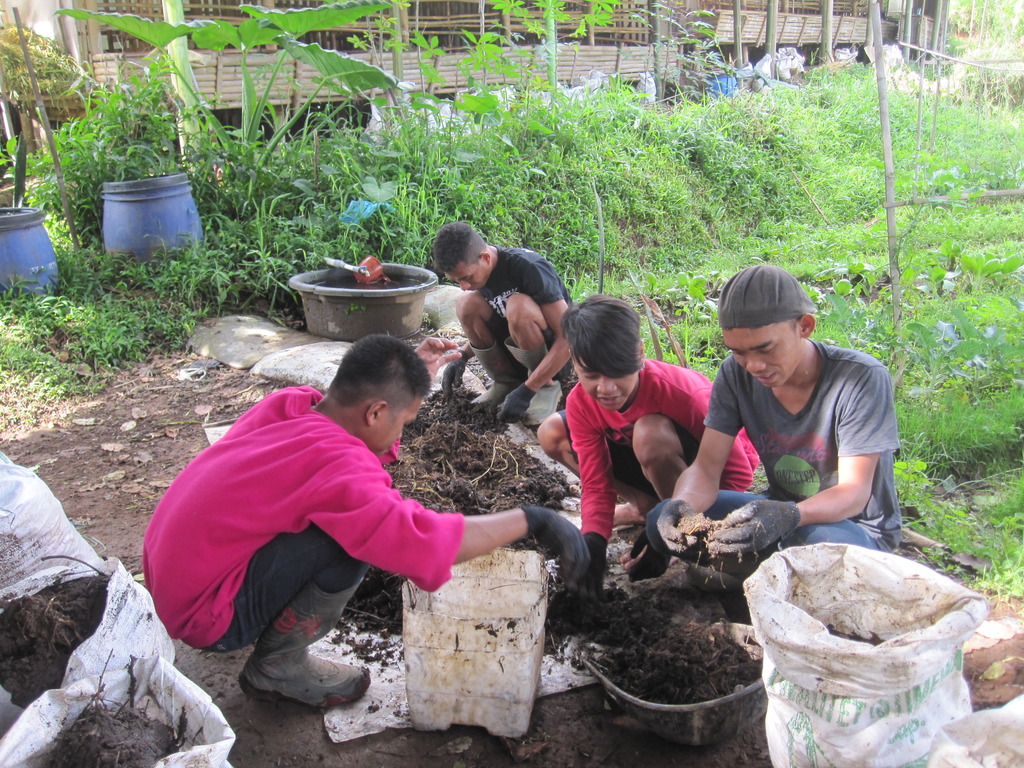
Out of few species of earthworms that can be used for vermicomposting, we are using Lumbricus rubellus. The students are working at the “worms farm” every Monday to add the manure or to harvest the compost.
Links:
Project reports on GlobalGiving are posted directly to globalgiving.org by Project Leaders as they are completed, generally every 3-4 months. To protect the integrity of these documents, GlobalGiving does not alter them; therefore you may find some language or formatting issues.
If you donate to this project or have donated to this project, you can receive an email when this project posts a report. You can also subscribe for reports without donating.