By Julia Zajkowski | Senior Protection Officer UNHCR Indonesia
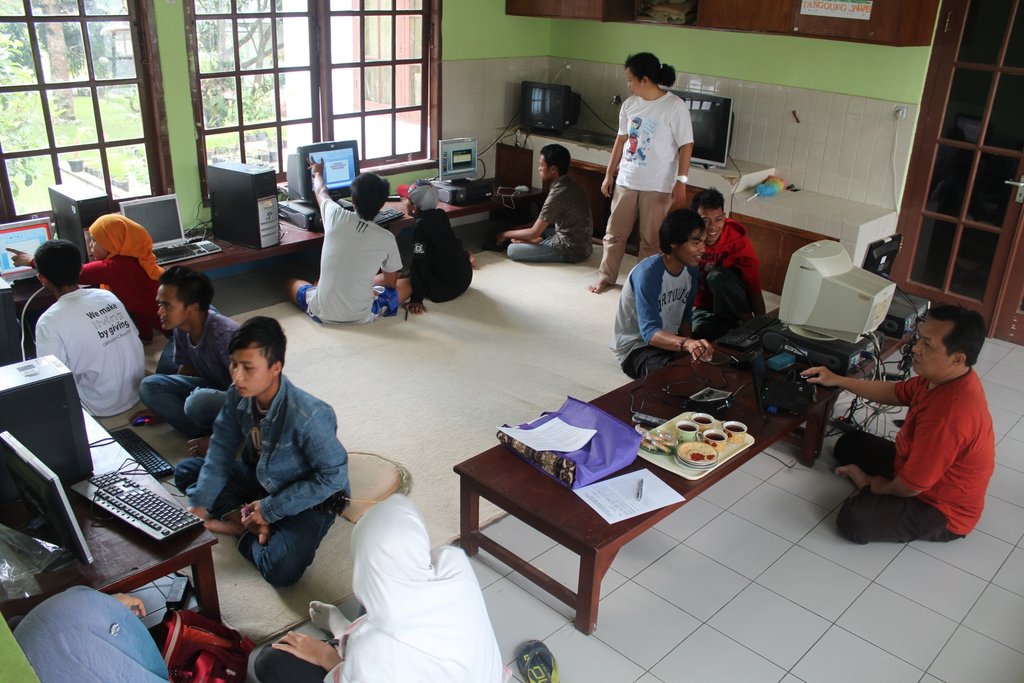
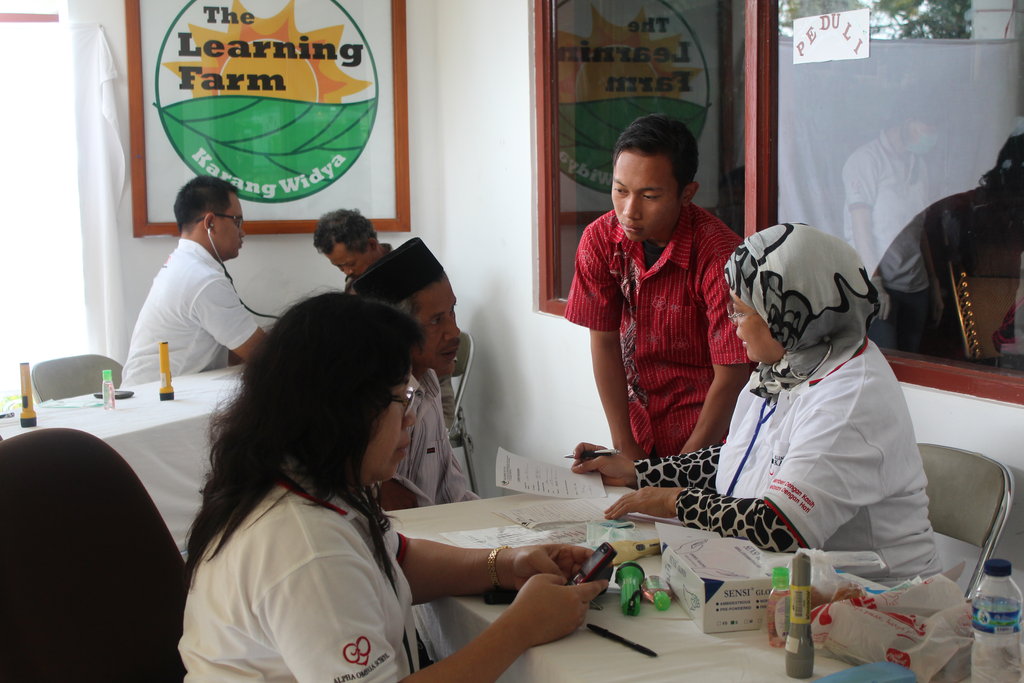
The term youth is broadly defined by the UN as the age group from 15 to 24 years old, which marks the transition from childhood into young adulthood. It is a period when young people develop independence, self-sufficiency and maturity. In Jakarta and surrounding areas, there are approximately 1.900 refugees and asylum-seeker youths who are living independently, with limited assistance from UNHCR and partners. These young peoples are unable to work legally in Indonesia, and while UNHCR and partners are working to increase access to post-primary education and livelihood skills training, there are still major challenges for refugee youth to achieve full independence. The current outlook for durable solutions for refugees in Indonesia is also unfortunately limited.
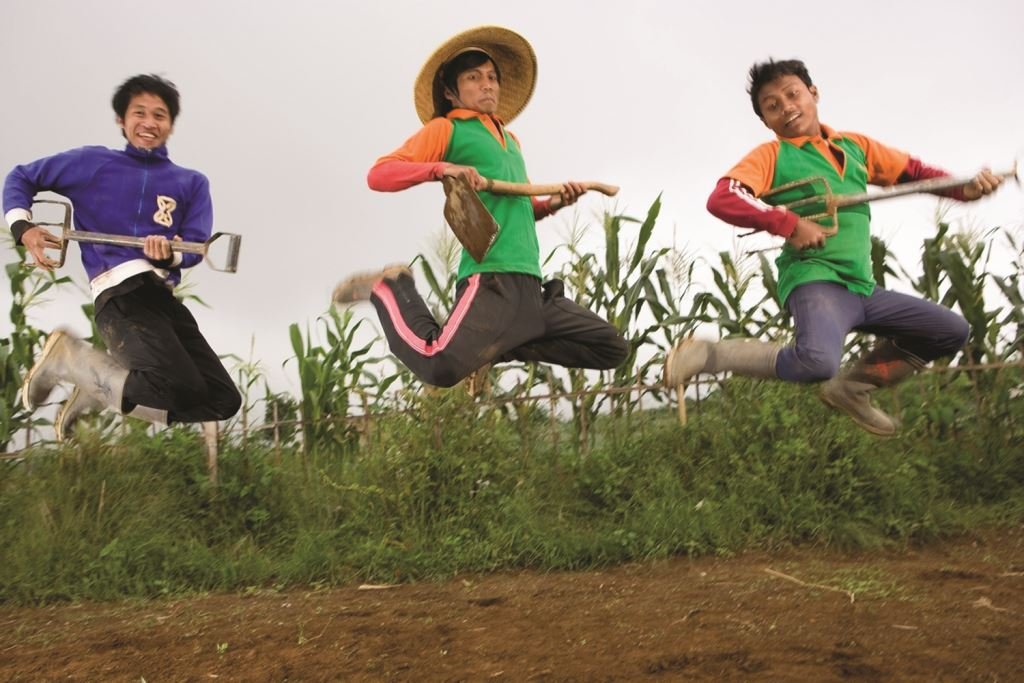
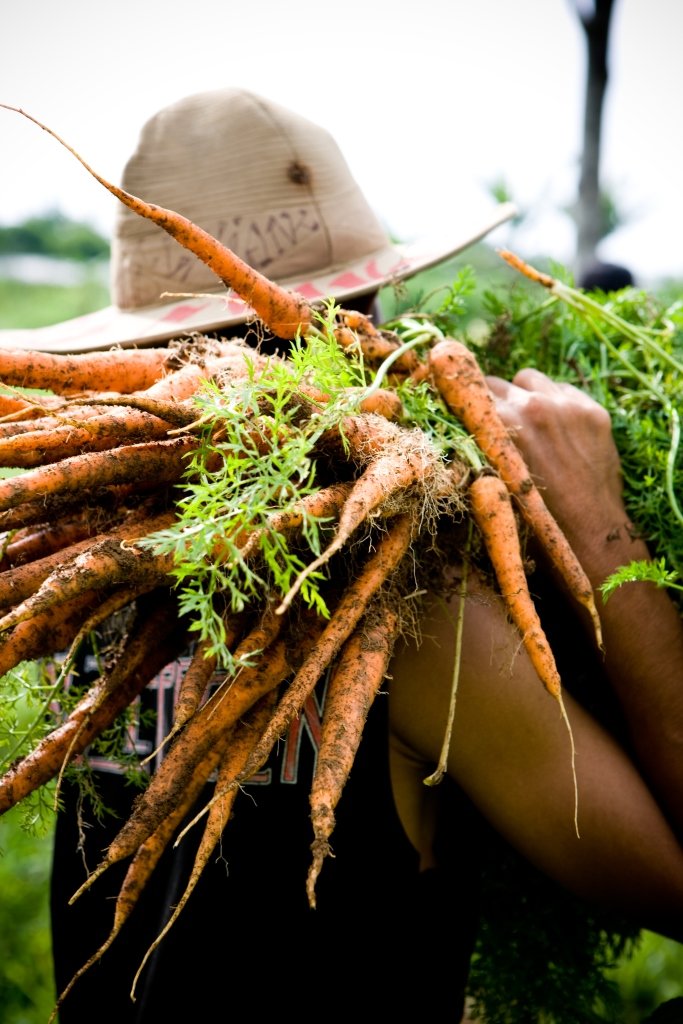
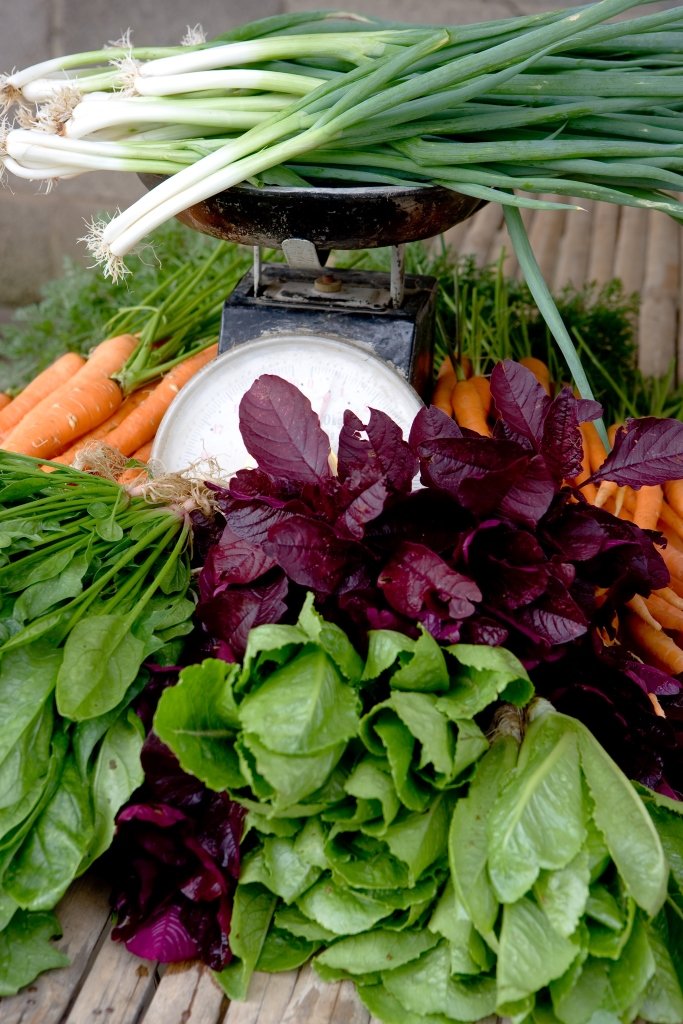
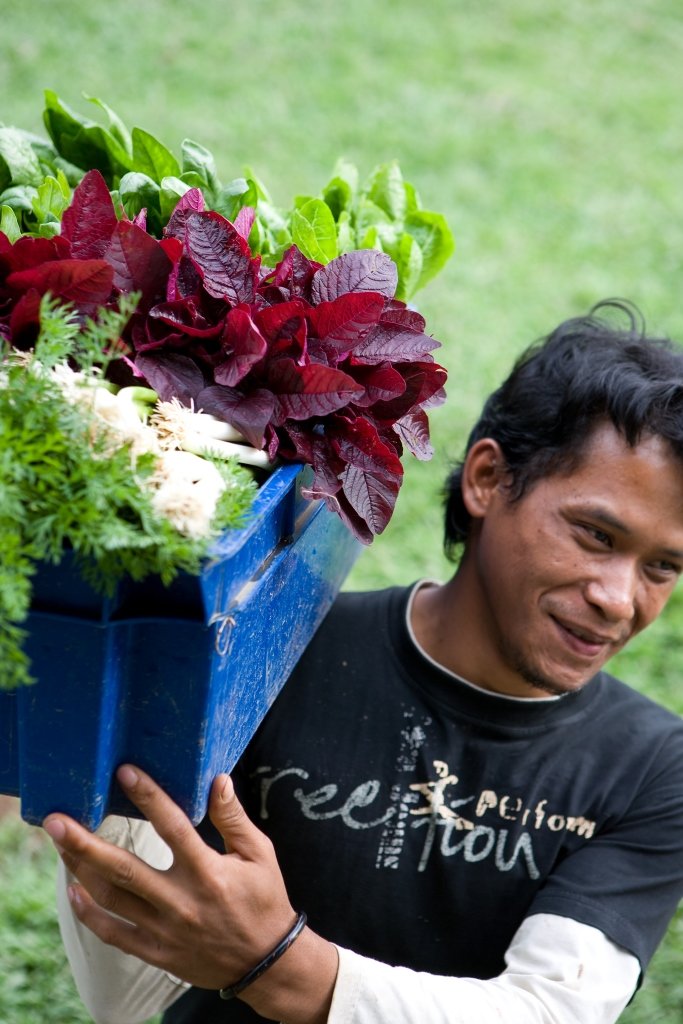
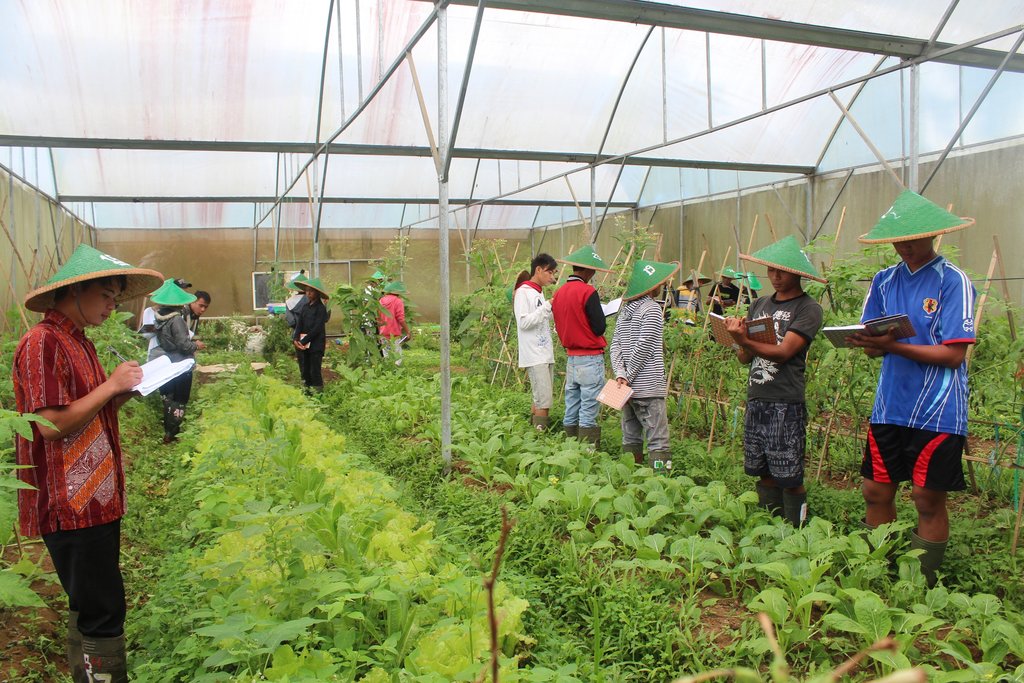
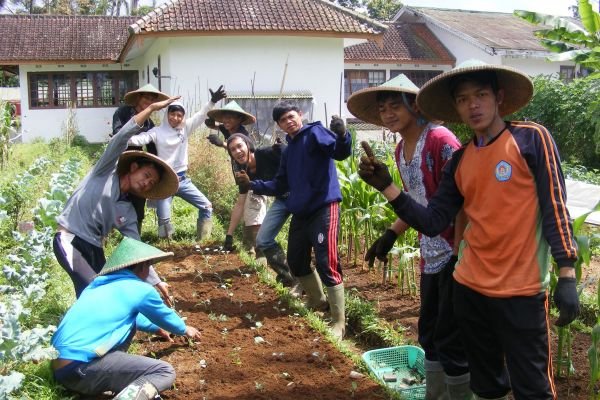
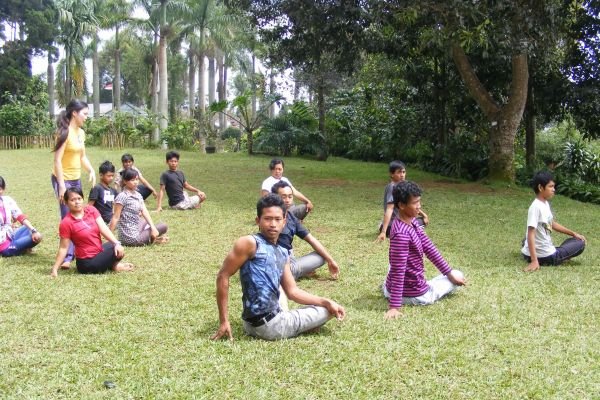
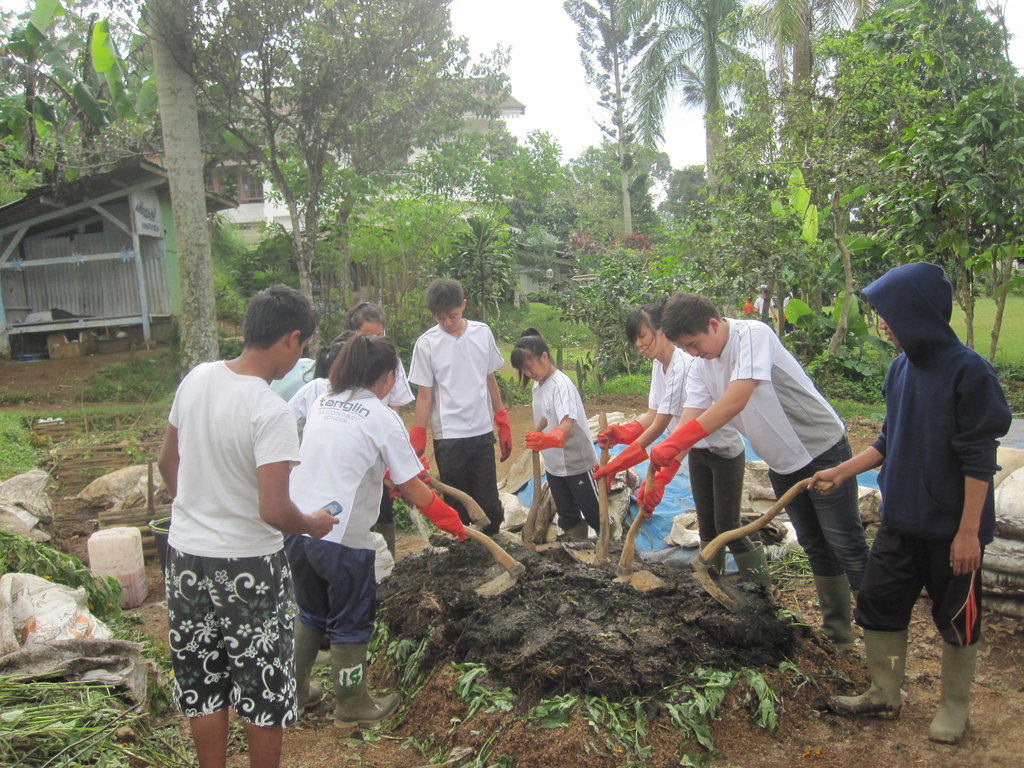
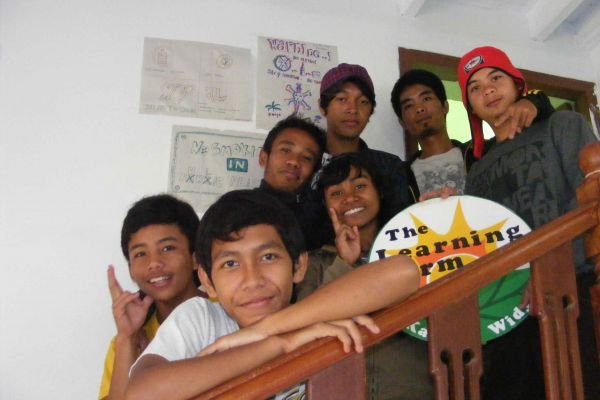
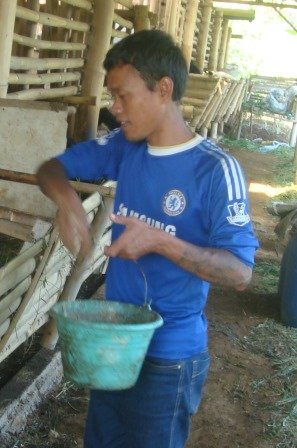
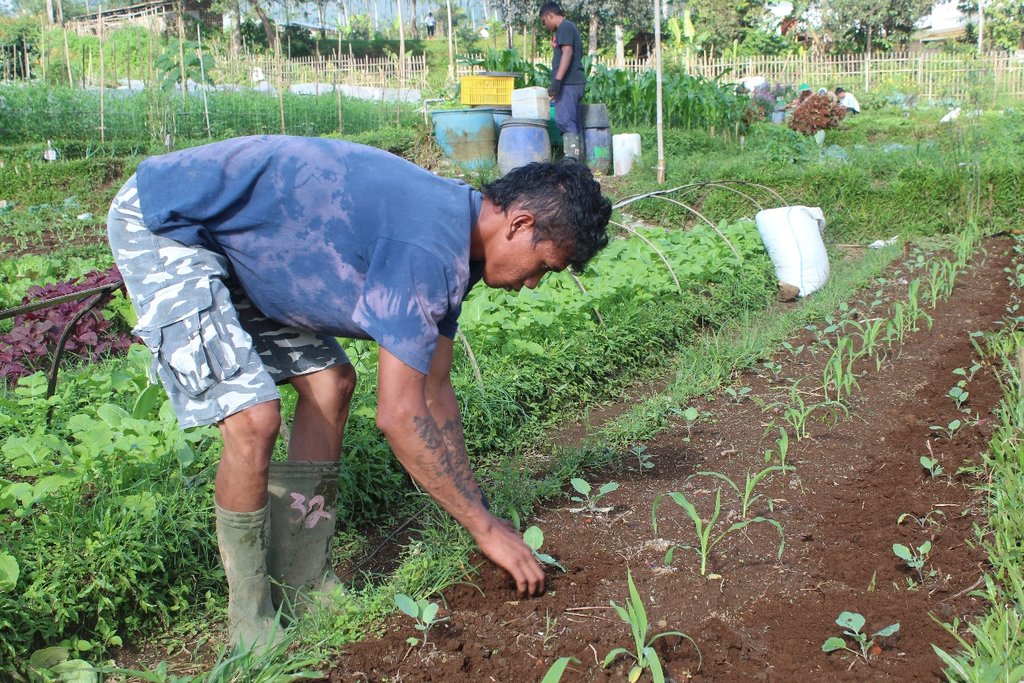
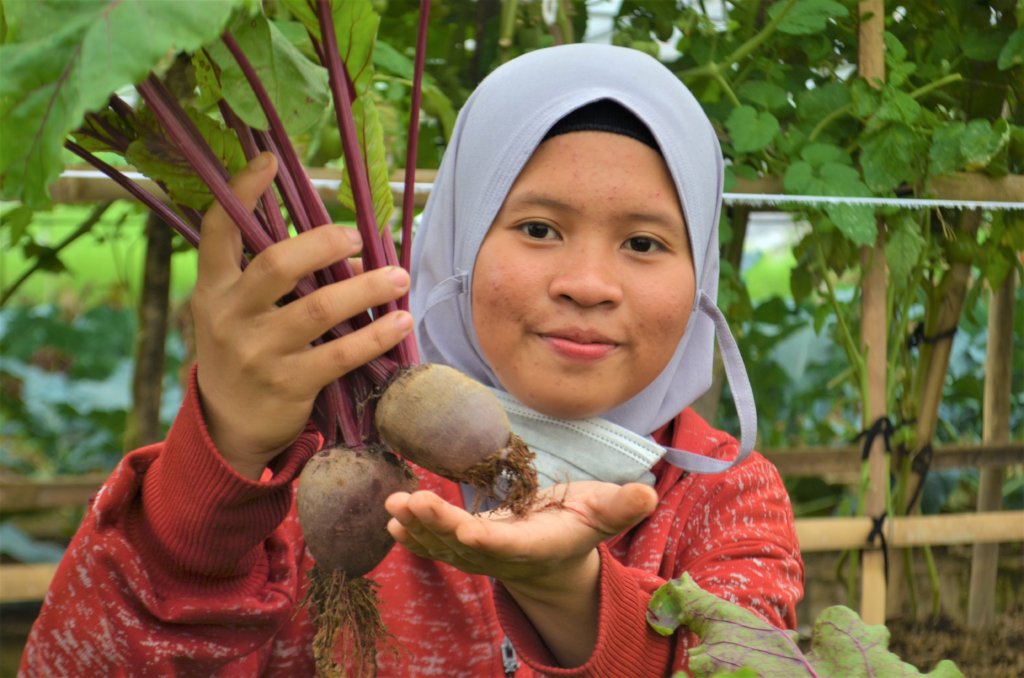
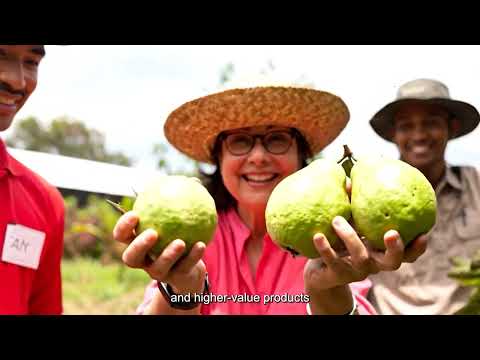
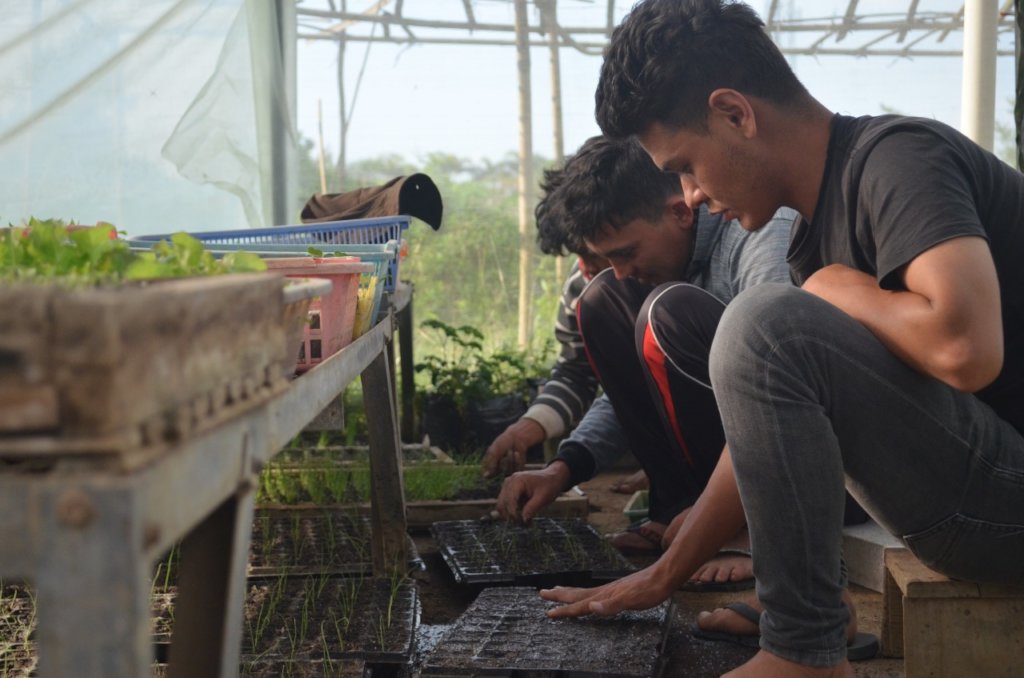
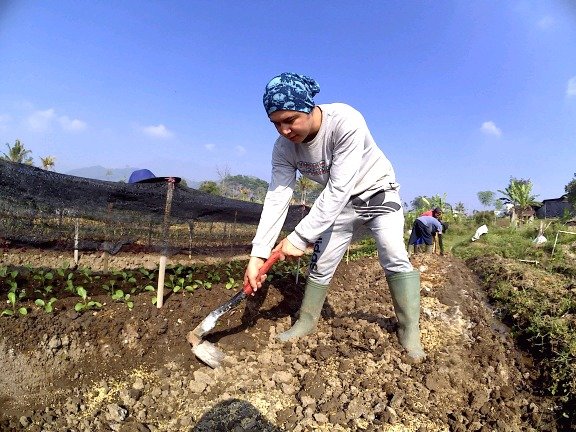
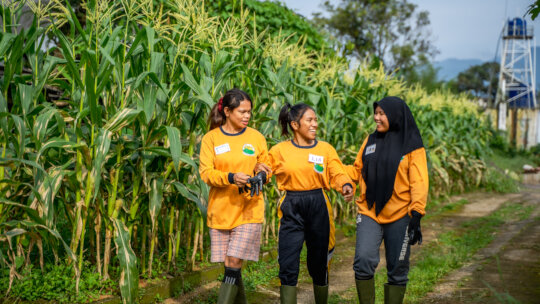
Since November 2016, The Learning Farm, has sought to offer solutions for refugee communities by extending its program to refugee youth. The Learning Farm teaches organic farming methods which serve as learning and therapeutic tools that provide a sense of order for these young people, fostering their resourcefulness and building their sense of self confidence.
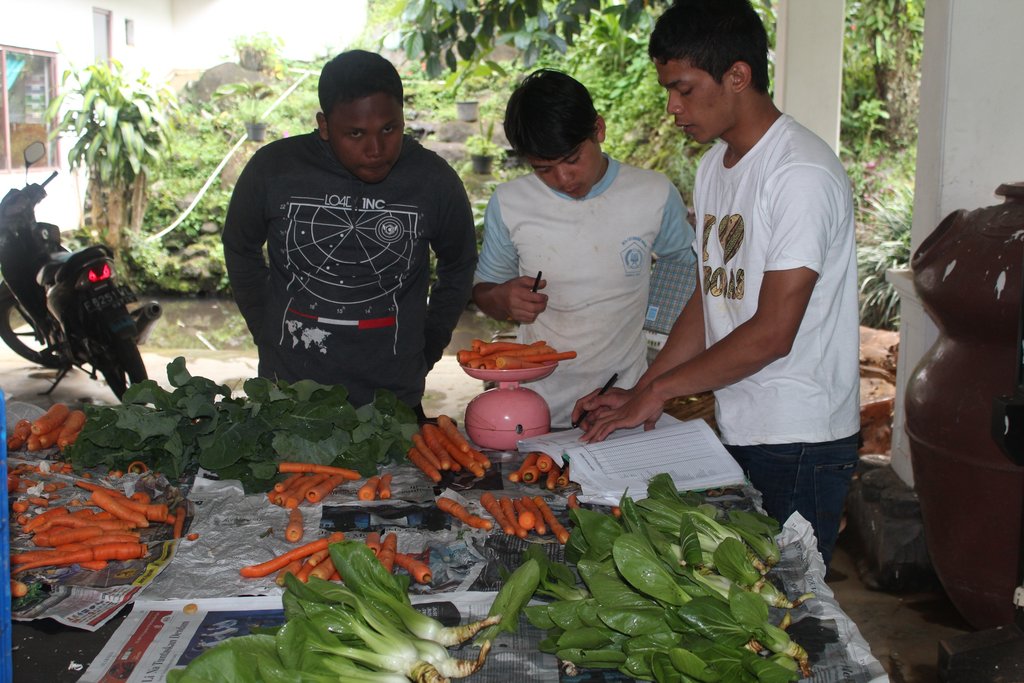
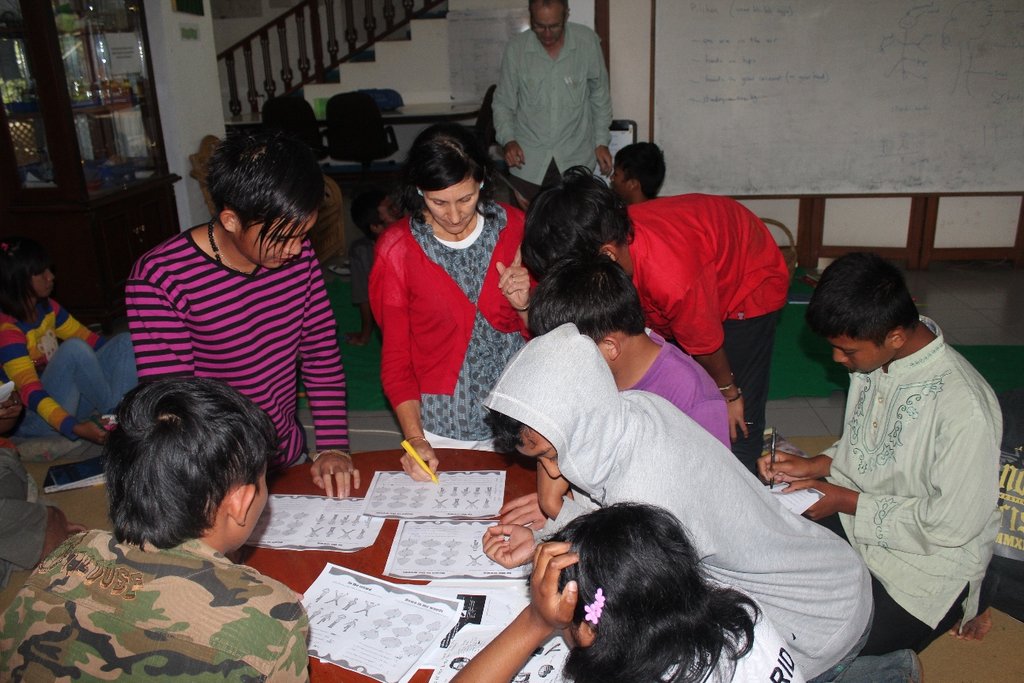
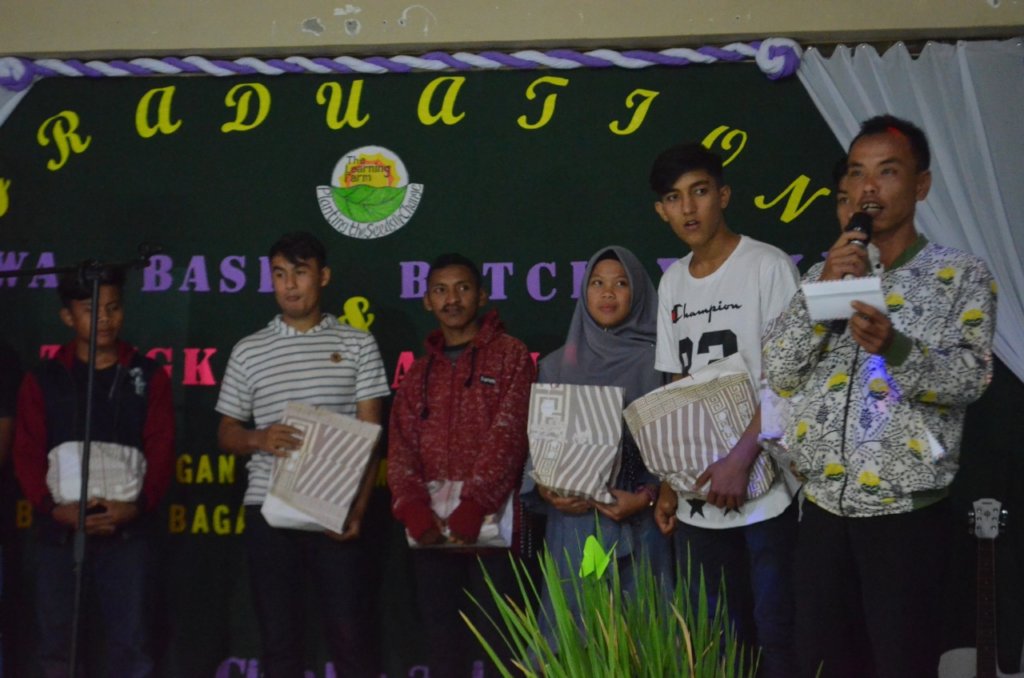
Through this inclusive approach, The Learning Farm has offered a chance for refugee youth to practise their skills and opportunities to contribute positively to the community. Refugee graduates from The Learning Farm are serving their communities by volunteering to teach organic farming, Bahasa Indonesia, English, and showing leadership in many other ways. The refugee participants are deeply grateful for the valuable learning experiences, friendship and home they found in The Learning Farm.
On behalf of UNHCR, I would like to express our heartfelt gratitude to The Learning Farm colleagues and board members. The Learning Farm is an impressive example of solidarity on the part of the global community, which will have a positive impact on this generation of young people – offering hope and solutions for refugees.
Project reports on GlobalGiving are posted directly to globalgiving.org by Project Leaders as they are completed, generally every 3-4 months. To protect the integrity of these documents, GlobalGiving does not alter them; therefore you may find some language or formatting issues.
If you donate to this project or have donated to this project, you can receive an email when this project posts a report. You can also subscribe for reports without donating.