By Jayant Sarnaik | Project Leader
Dear Supporter,
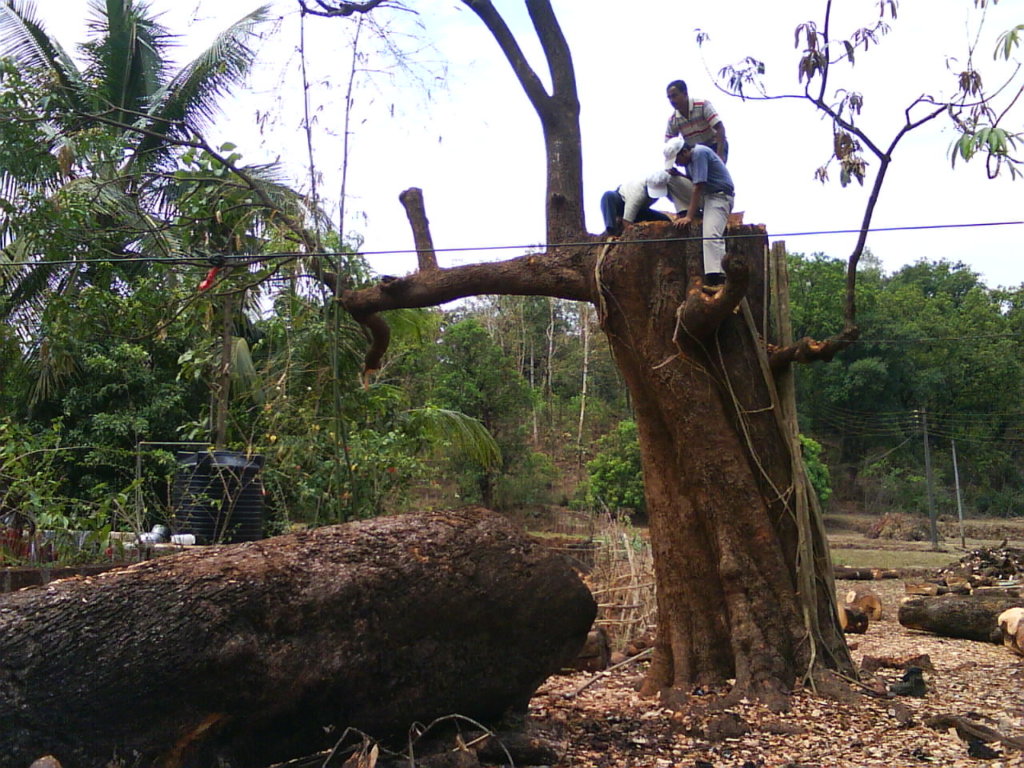
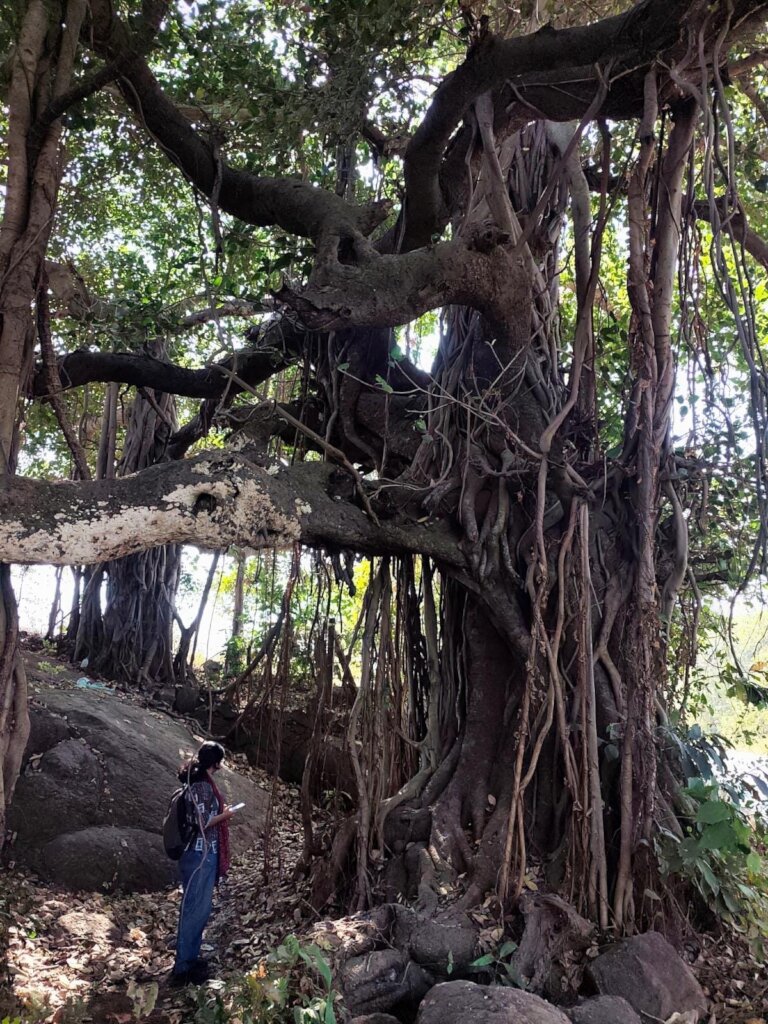
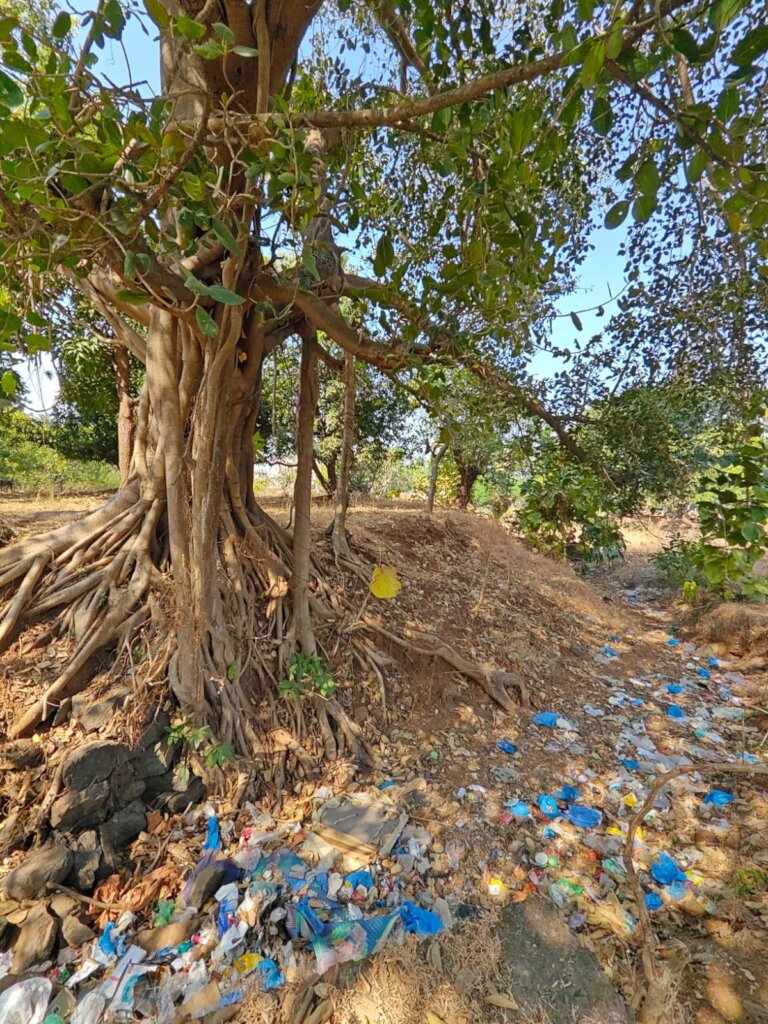
I have been always amazed and fascinated by ancient Banyan trees whenever I see them. In India, we are fortunate to some extent that the Banyan tree is worshipped and considered sacred. For this one reason, thousands of Banyan trees are surviving in very challenging situations- facing the constant threat of felling due to massive growth in urban areas and plastic pollution in India.
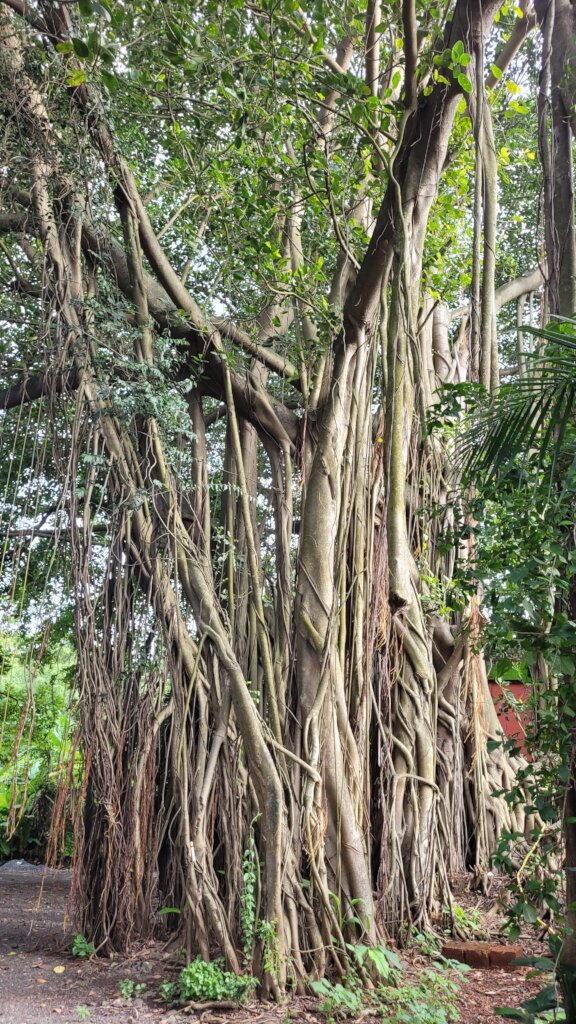
What has been most intriguing part of this journey to me is the presence of the Banyan trees in large numbers in coastal areas. It struck me very clearly when I saw hundreds of Banyan trees in Honolulu, Hawaii in 2016. Since then I was thinking there must be some reason for their distribution and higher density in coastal regions. During our work on mangrove conservation on west coast of Maharashtra, I traveled to many coastal villages specially in Raigad district and found out that there is indeed a similarilty between what I saw in Honolulu and what I experienced in Alibaug, Shriwardhan and Harihareshwar on west coast of Maharashtra- presence of large number of healthy Banyan trees..
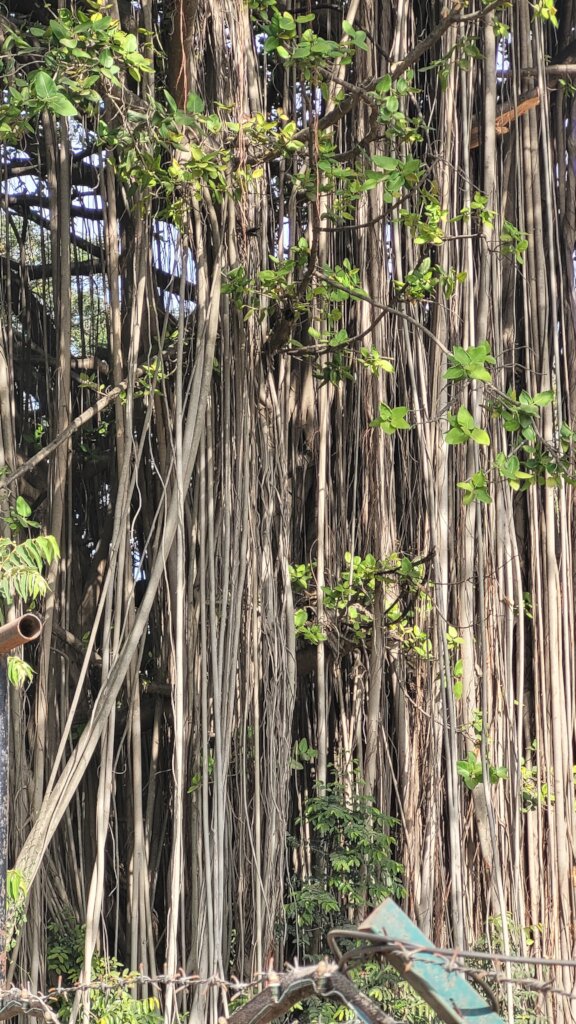
Our field team started tagging these trees first in Alibaug which is a major tourist destination only to find utter neglect of local communities and tourists. As a result, we found that the root structure of Banyan trees is often burnt and this is due to the fact that tourists did not care where to throw the plastic waste. Banyan trees with large canopies became ideal spot to eat and drink and throw the garbage once done. Local people on the other hand wanted to get rid of this waste and just burnt plastic. It resulted in burning of the root structure and very unhealthy status. The tree is very clever in that it has hundreds of roots spread over large area and it can survive these threats. The point is how insensitive we as humans have become.
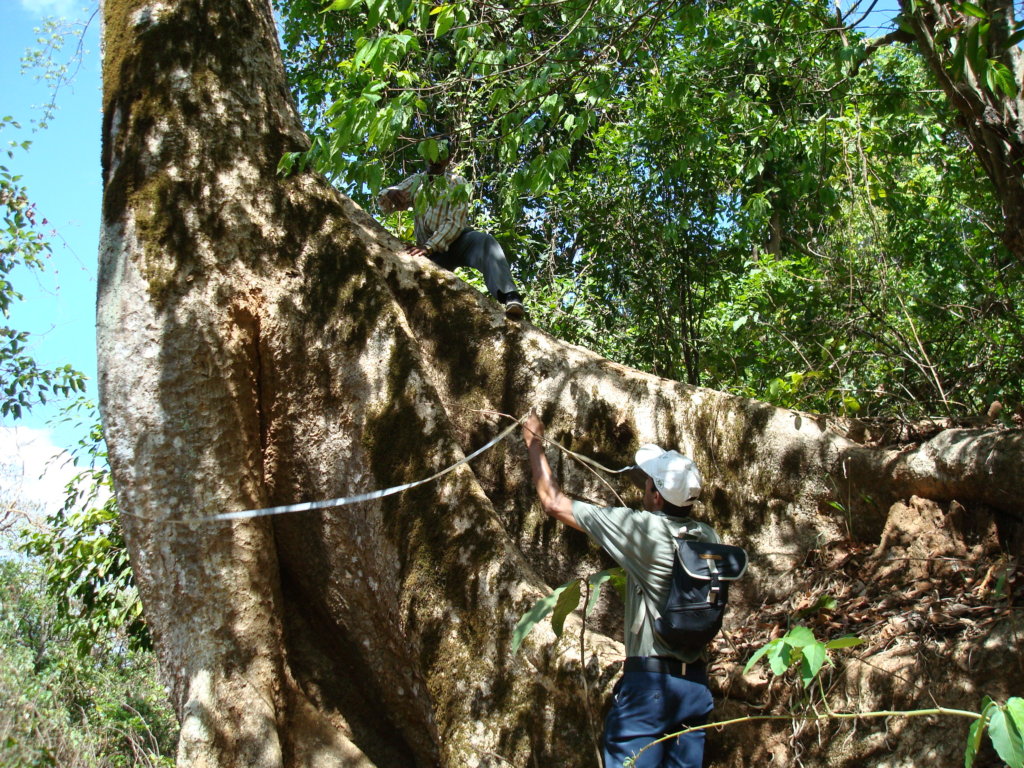
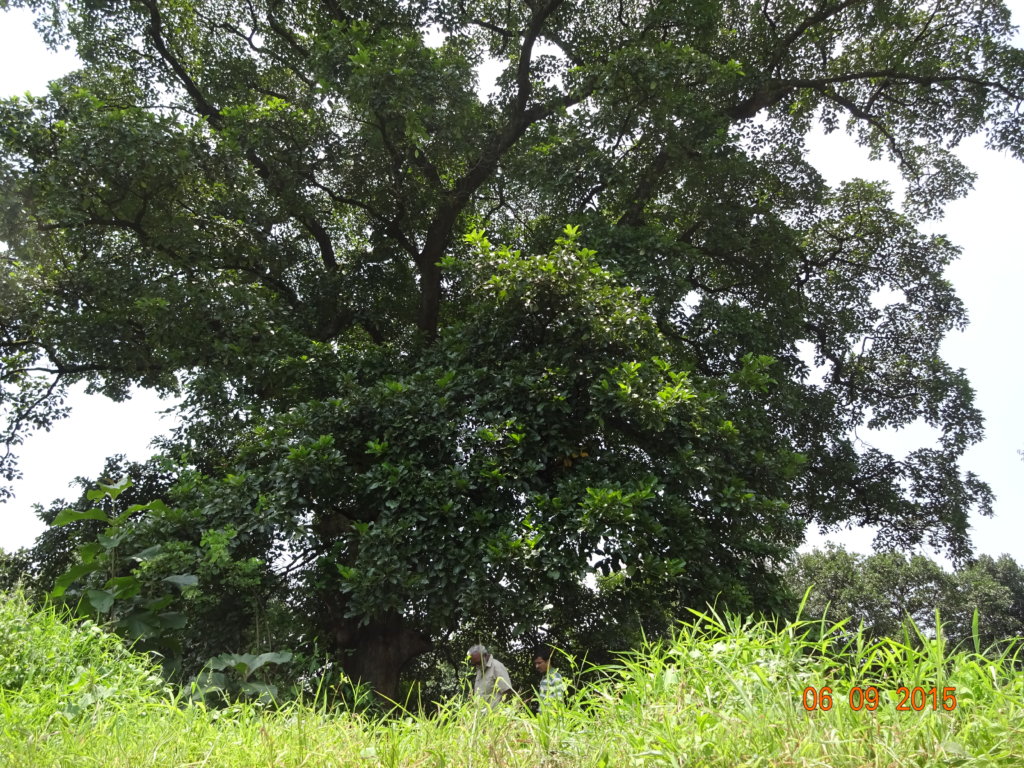
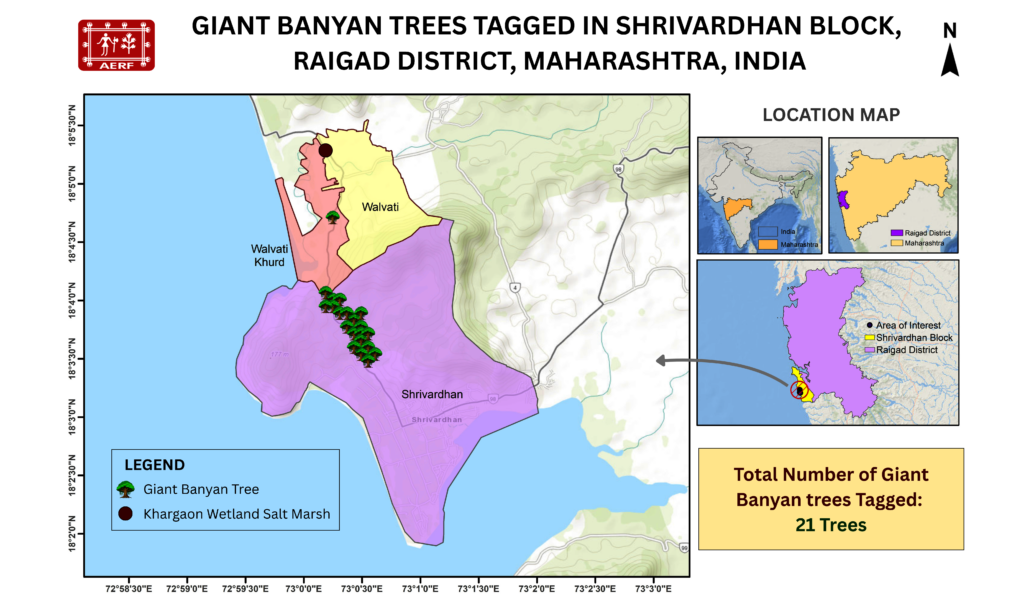
In stead of working on waste management strategies which will take more time and money with no guarantee of positive impact, we focused on mapping trees on coast of Shriwardhan. Our team found some amazing specimens and this area is fortunately still quite serene. Our team mapped around 30 trees in the last quarter and we will now start engaging with local communities for saving these heritage trees from the threats of urban development..
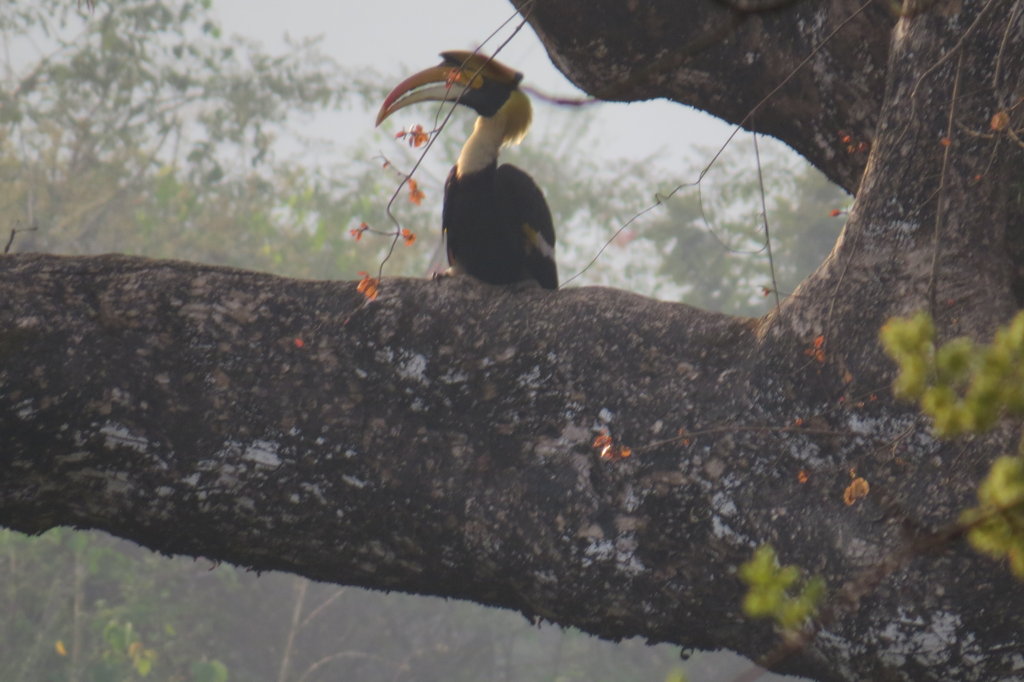
The ecological role of Banyan trees very well known. They supply fruits to hundreds of bird species for most of the period in the year. The frugivorous birds such as hornbills and barbets survive because of these trees produce fruits in millions. Birds are major dispersers of many rare trees however they need energy to fly and do their job. The Banyan tree is food bank for all such birds.
Thanks for continued support to this important initiative.
Best
Project reports on GlobalGiving are posted directly to globalgiving.org by Project Leaders as they are completed, generally every 3-4 months. To protect the integrity of these documents, GlobalGiving does not alter them; therefore you may find some language or formatting issues.
If you donate to this project or have donated to this project, you can receive an email when this project posts a report. You can also subscribe for reports without donating.



Support this important cause by creating a personalized fundraising page.
Start a Fundraiser