By Collins Nakedi | Project Leader
A period should end a sentence, not a girl’s education – Period!
The Issues
Menstruators in the East Pokot community, a low-income pastoral tribe in Baringo County in Kenya, often face a lack of access to menstrual products. Without proper sanitary supplies, they resort to using dirty rags, cow dung and even leaves to manage their periods. The combination of period poverty, stigmatization, and inadequate reproductive and sexual health education has major consequences for menstruators’ wellbeing. It can also prevent menstruators from staying in school, thereby ending their education.
About the Campaign
The purpose of this project is to promote accessibility to free sanitary pads and panties that will improve access to basic education for the girl child through supporting the enrollment, retention, and completion rates as well as empowering them to overcome menstrual frustrations for girls in school. Stigmatization and lack of support have made it hard to contain the downfall of girl child performance prevalence in East Pokot. Stigmatization erases the self-confidence of girls and therefore effectively antagonizing learning and self-empowerment efforts.
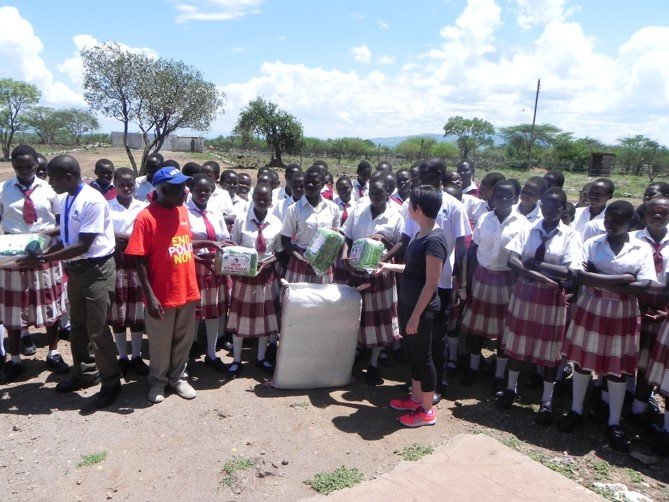
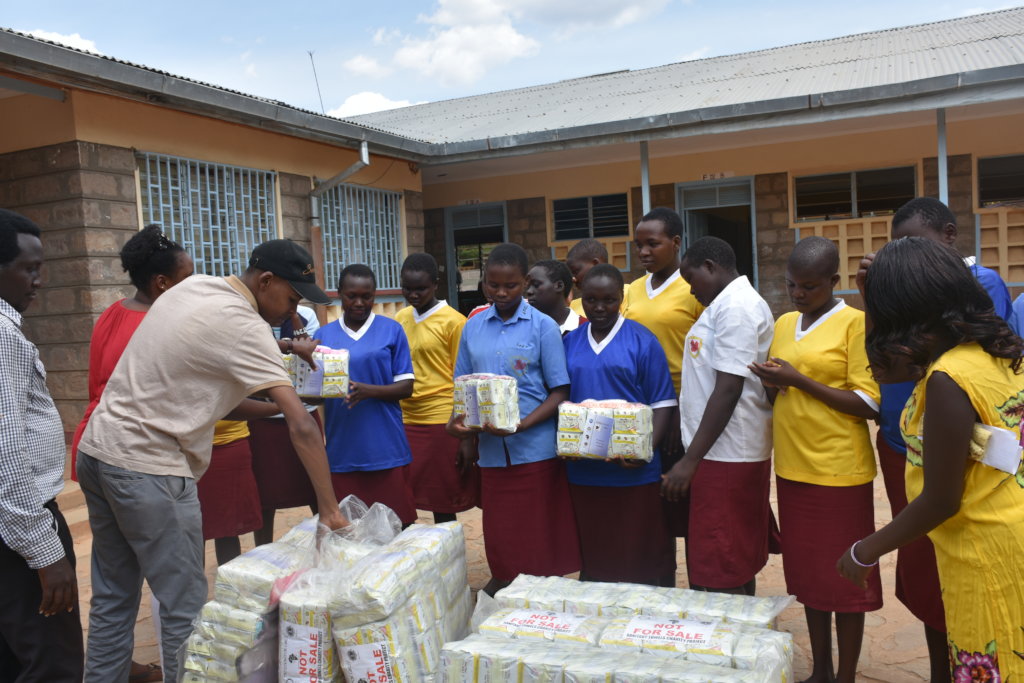
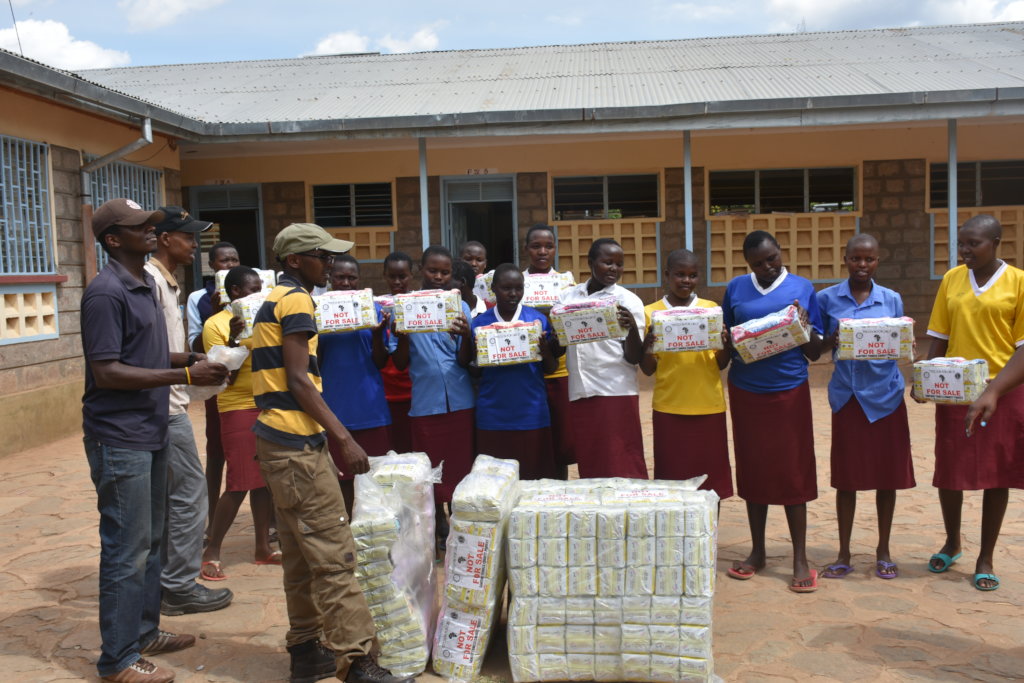
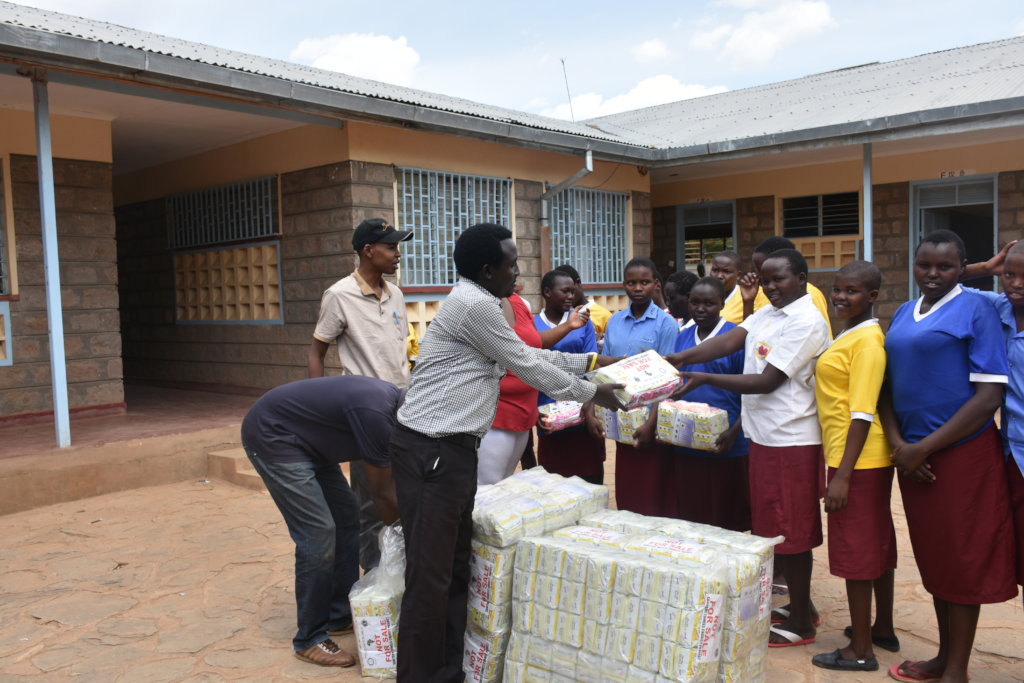
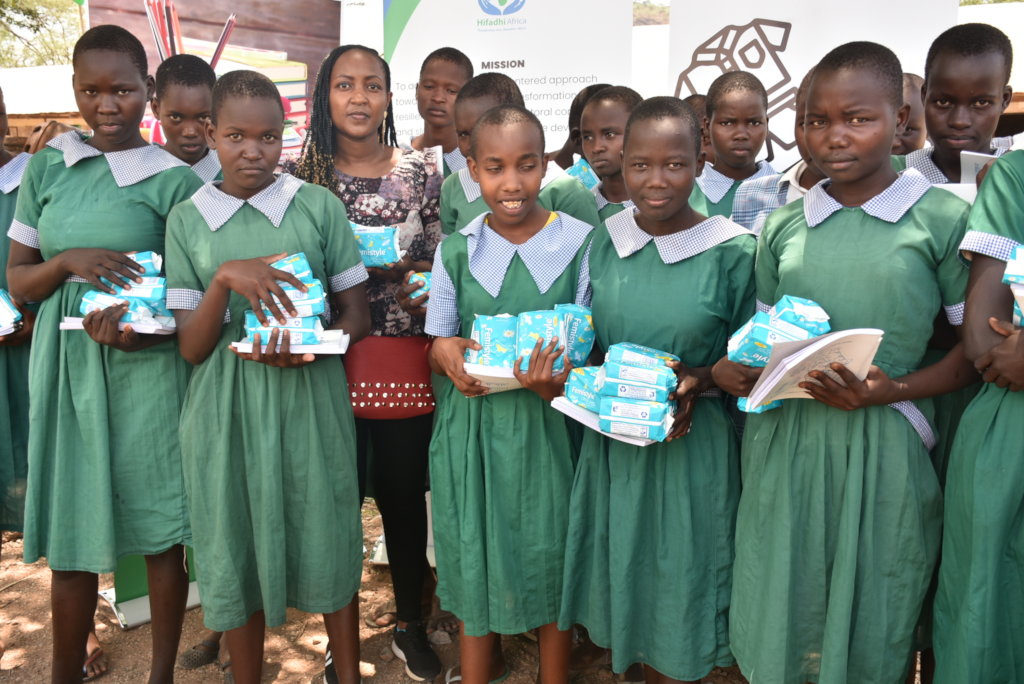
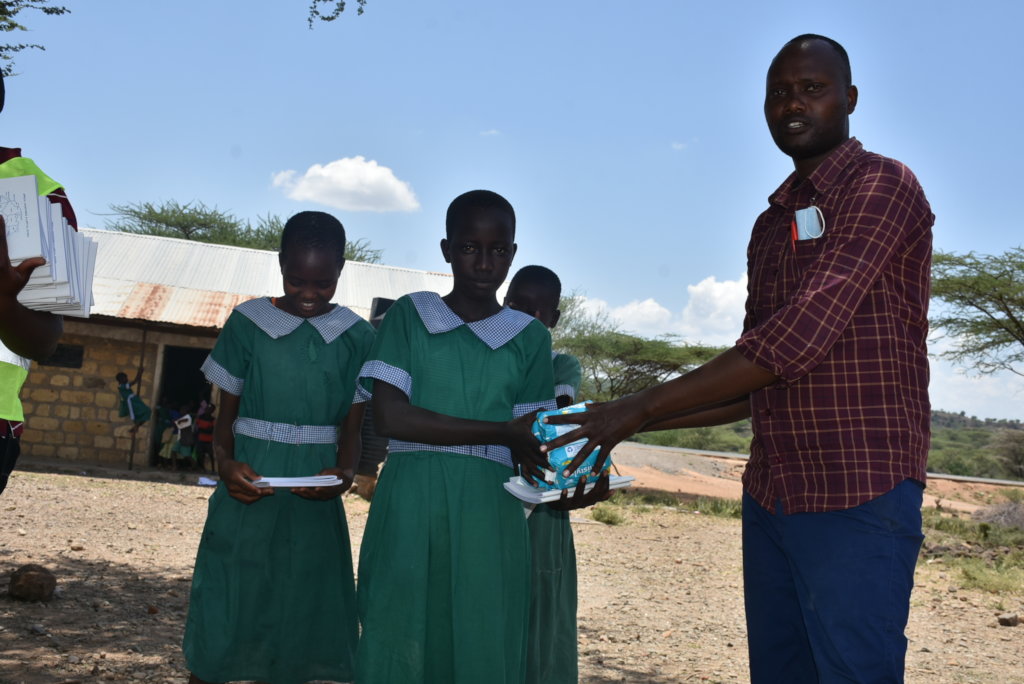
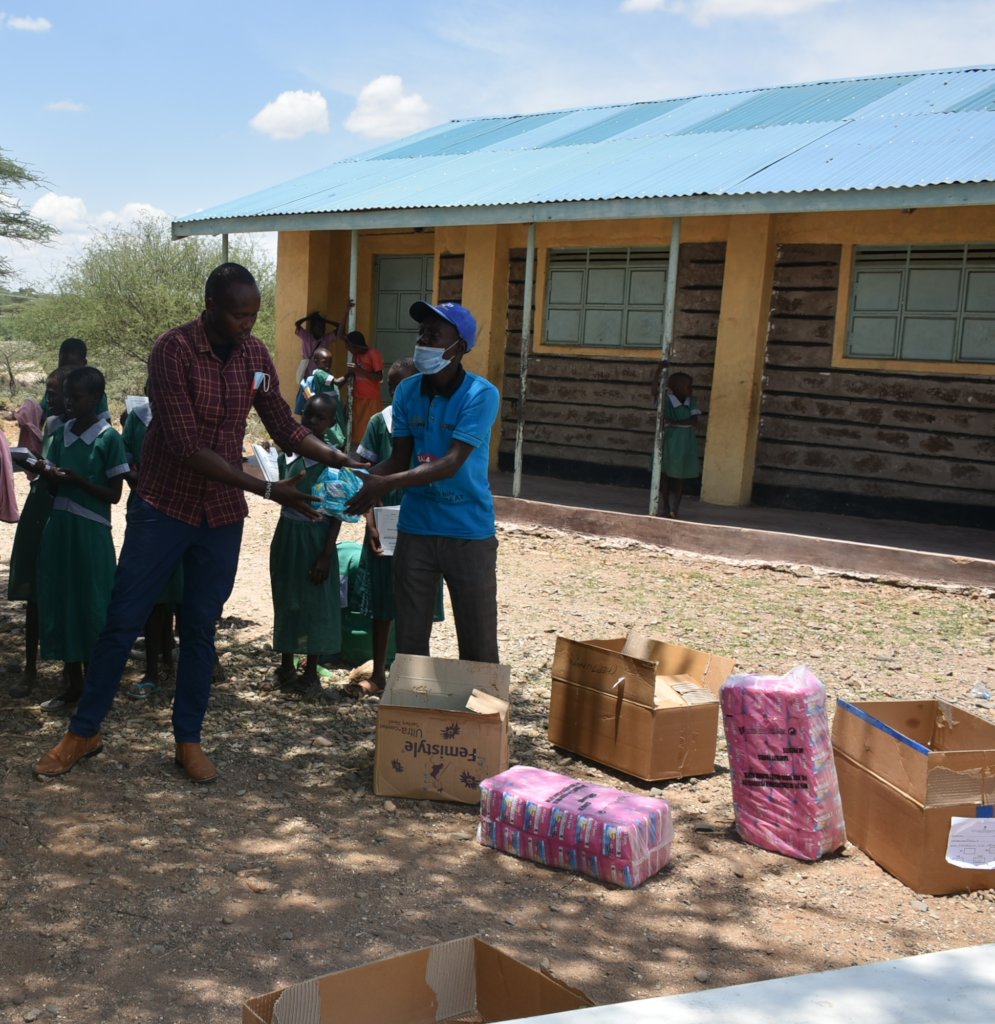
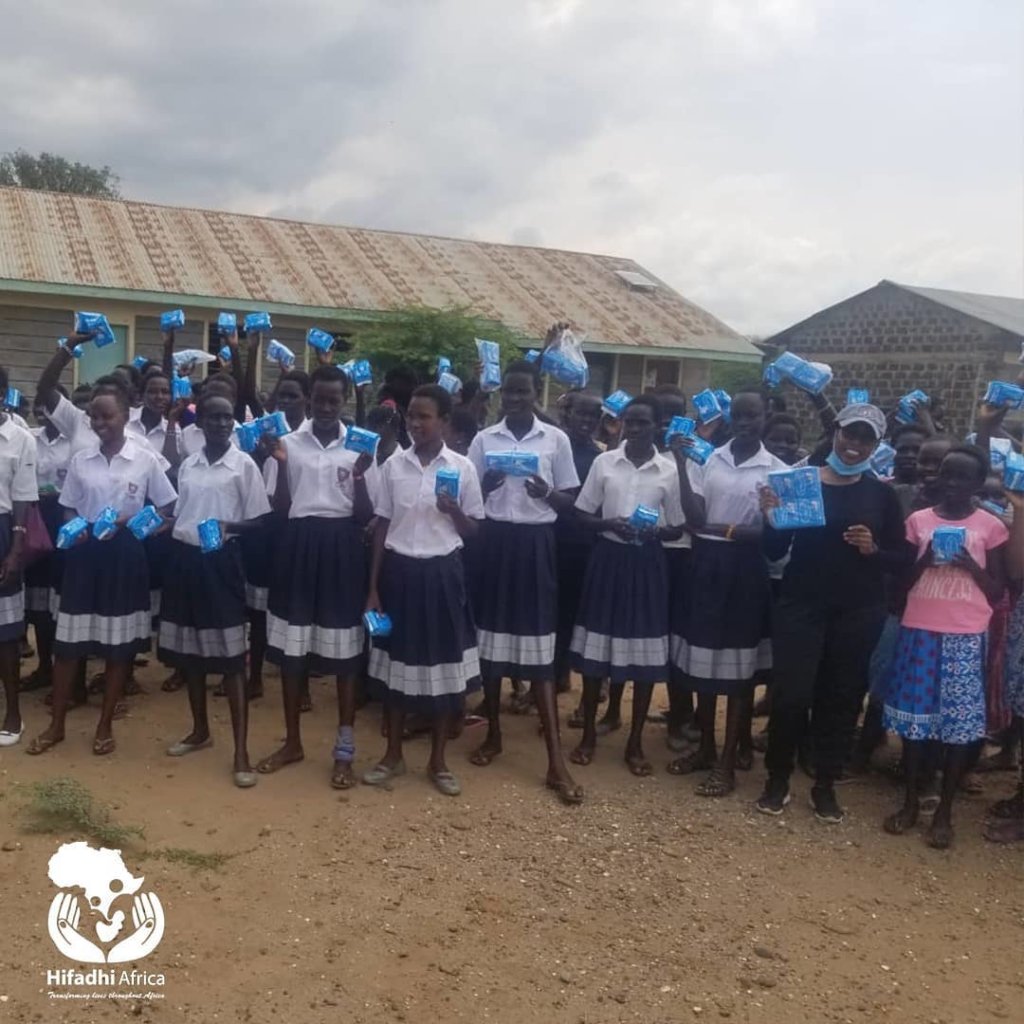
The $1,337.50 raised with your efforts through GlobalGiving partnership enabled the distribution of 9,000 sanitary pads and 3000 pieces of underwear to 750 adolescent girls in 10 primary schools and 3 secondary schools.
The package includes: 12 packets of Sanitary Towels (non-reusable) to last a whole year, 4 pairs of underwear (this enhances personal hygiene and complimentary use of sanitary towels), and a health information manual (that contains answers to frequently asked questions by teenage girls: what is a monthly cycle, PMS, what helps with PMS, and good hygiene).
Creating a menstrual equity movement
Sanitary Pads to Needy Students in Kenya campaign involves implementing menstrual hygiene management workshops, all of which are created and run by women and girls groups at Nginyang Polytechnic instead of simply distributing products.
Call to Action
Hifadhi Africa is grateful that the Sanitary Pads to Needy Students in Kenya campaign isn't alone in the fight for menstrual equity. Your partnership and continued support with us shall make sure our programs fit the individual menstrual hygiene needs of each community where we work. We intend to establish an Ambassadorial Program to connect and engage menstrual equity activists across East Pokot.
Project reports on GlobalGiving are posted directly to globalgiving.org by Project Leaders as they are completed, generally every 3-4 months. To protect the integrity of these documents, GlobalGiving does not alter them; therefore you may find some language or formatting issues.
If you donate to this project or have donated to this project, you can receive an email when this project posts a report. You can also subscribe for reports without donating.