By Sharad Agarwal, CEO, HLFPPT | Project Leader
Perceive Failures as Opportunities for Mid-Course Corrections
By Sharad Agarwal, CEO, HLFPPT
The idea of bringing every individual under the continuum of care merits consistent and collaborative efforts of risks, failures and success.
We started HLFPPT with the mission to ‘Offer Innovative, Affordable and Sustainable Reproductive Health Solutions’. For the last 24 years, we have been reaching out to underserved communities in far-flung, remote regions of India with health services and awareness.
Our endeavor has taken us through measurable milestones of learning, growth and achievements.
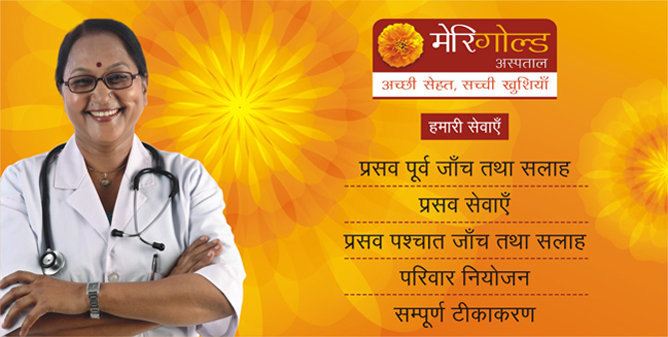
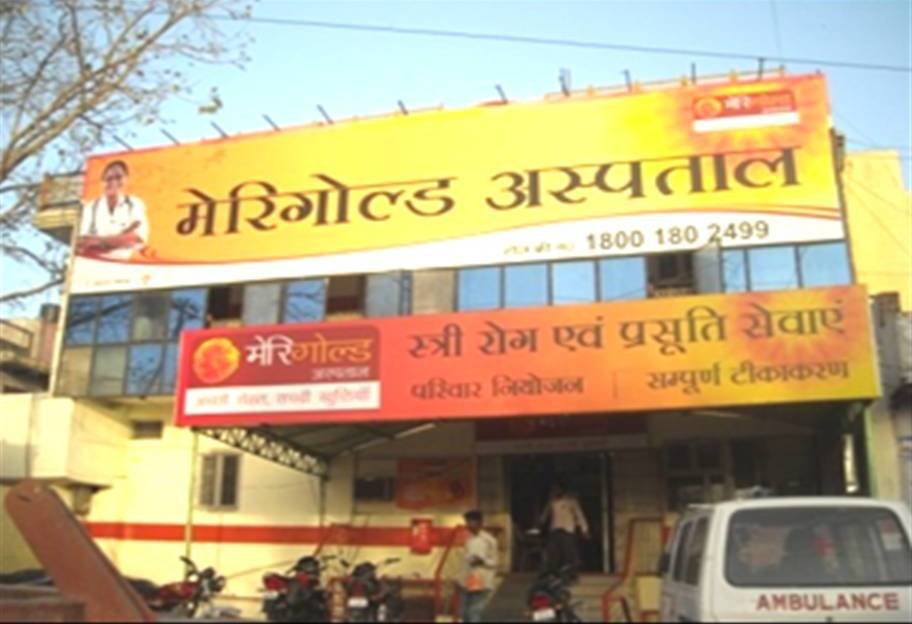
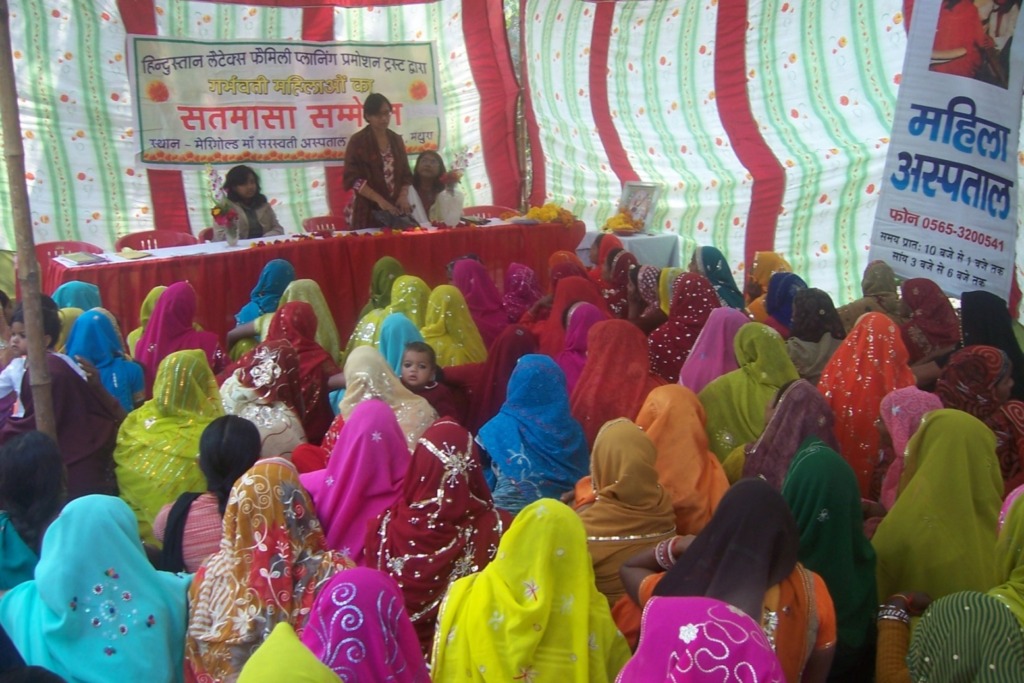
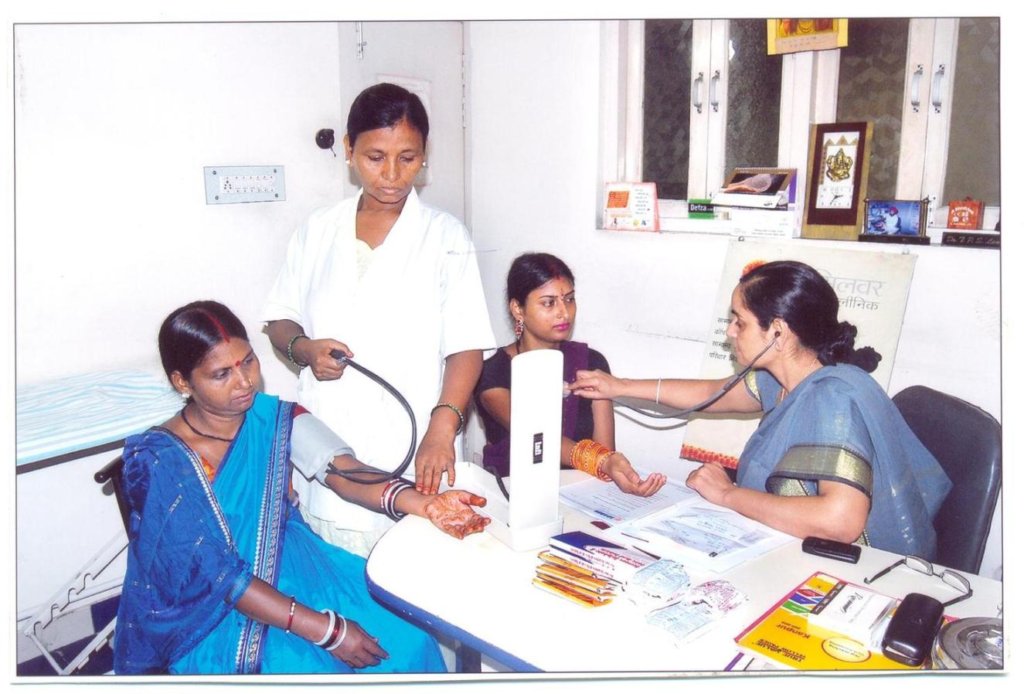
In 2007, we initiated Merrygold Health Network (MGHN) to offer quality care (Maternal & Child Healthcare services) to pregnant women, newborn babies and families at subsidized, affordable rates. It is essentially targeted at communities living in villages and urban slums – those who can’t afford private healthcare services. We started catering to this segment with antenatal check-ups (ANCs), safe deliveries, post pregnancy care, neonatal care, vaccinations, family planning counseling and services, etc. However, we faced initial failures in instituting this network and gradually learnt from them.
Never Skip Training of Community Health Volunteers
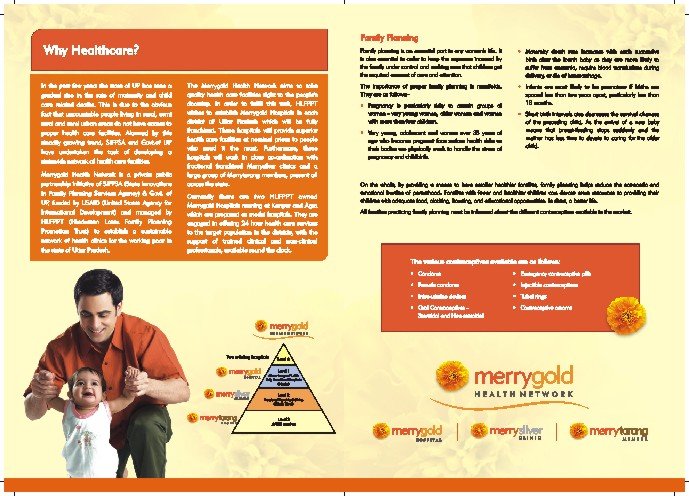
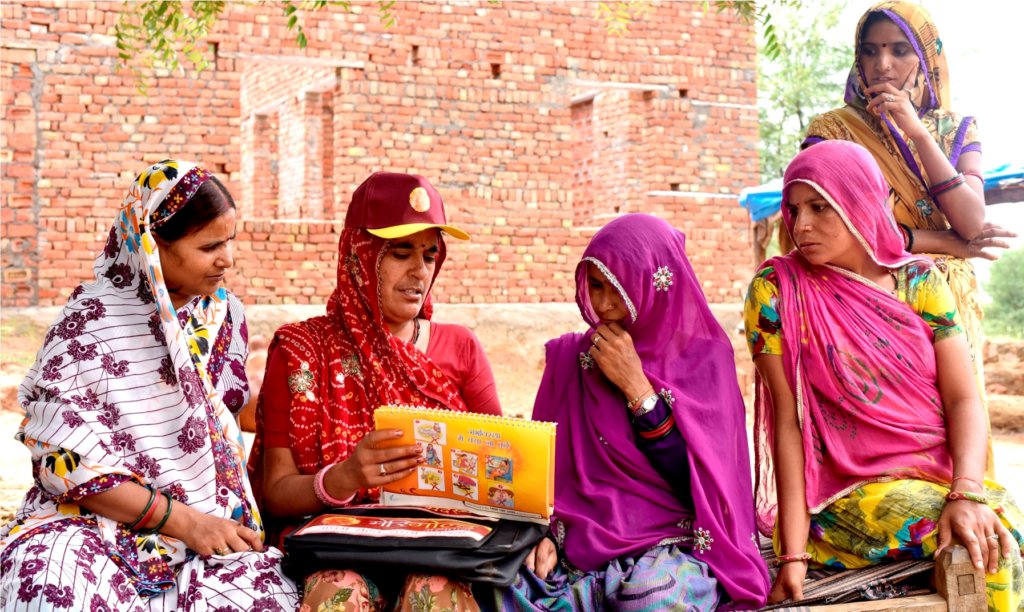
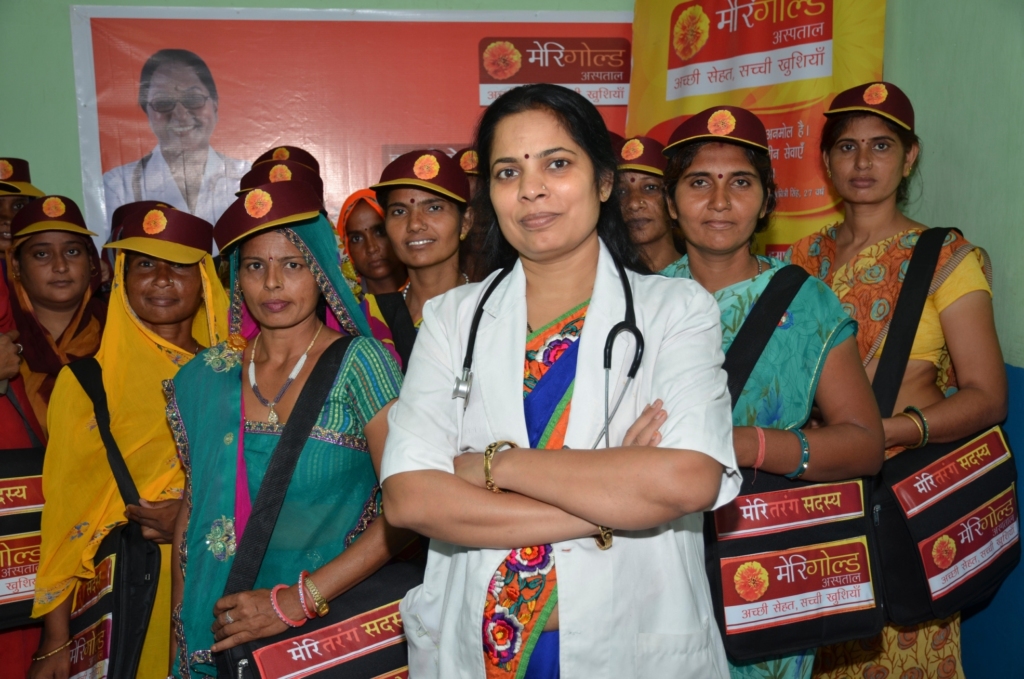
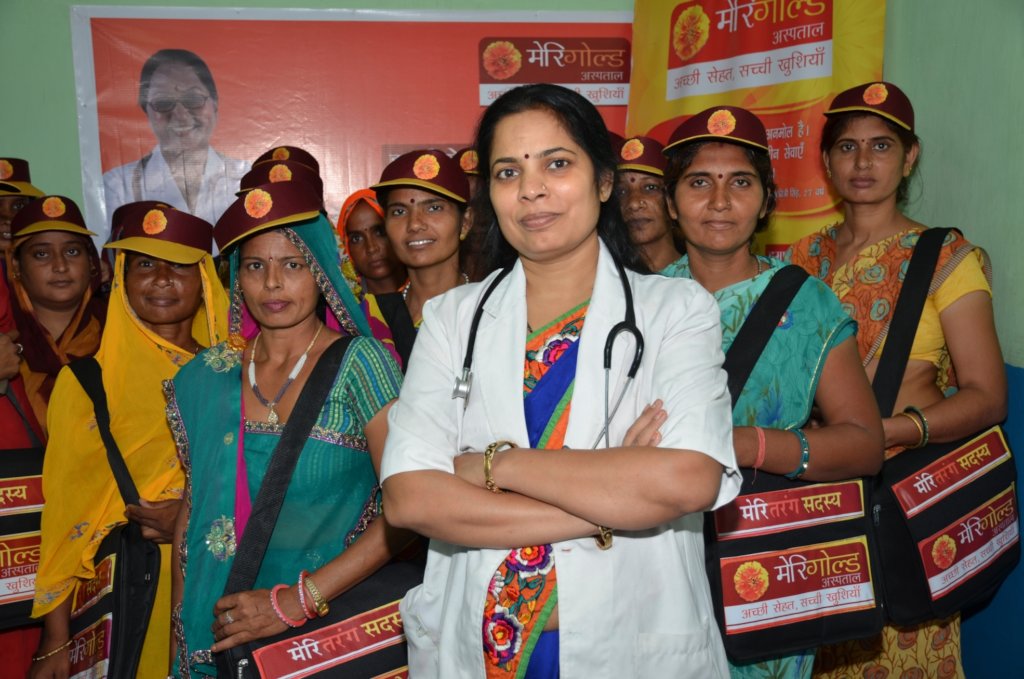
MGHN is a Social Franchising Health Network based on Public Private Partnership Model. It is tiered into Hospitals at district level, Clinics at block level and Community Health Volunteers (Merrytarang Members) at village/community level who sensitize people about the significance of maternal & child health, create awareness and link them with MGHN hospitals and clinics. These volunteers are generally the first point of contact for health-related needs at rural communities.
However, wemade a big mistake by involving Informal Health Providers, Rural Practitioner and AYUSH (Ayurveda, Yoga & Naturopathy, Unani, Siddha and Homoeopathy) Practitioners as Health Volunteers under our network. We had assumed that their influence shall help us in reaching out to community members. But this proved wrong. These practitioners were not much interested in ANCs and in many cases they also indulged in unsafe medical practices on pregnant women. This was not acceptable to us as it was putting our quality and health network at risk.
We had realized that from long-term perspective this won’t work. At that point, we faced the dilemma of either firing our cadre of 5,000 health volunteers or lose credibility among donors and community members forever. We shared our concern with our donors and with their support changed the strategy and created a new cadre of practitioners (Merrytarang Members) who were open to learn. Even though making this change required more efforts than continuing with the status quo, we chose the former.
Share Your Vision with Donors and Team Members alike
What started with 3 demonstration sites in Uttar Pradesh has today transformed into a network of 700+ hospitals across seven states in India, making us the largest social franchising health network in the country. This has been possible because we were committed to serve the community, considered failures as opportunities for mid course-corrections and maintained transparency with our teams and donors.
Implementers in Maternal & Child Healthcare are often baffled by failures as they are working in project mode only. However our experience says that if we set long-term objectives and work in sustainable mode, then only we can be open to change.
Hence, it is essential for Programme managers to share their experiences and vision not only with donors but also with implementers, outreach health workers, volunteers, etc.
Destigmatise Failure: Be Ready for Change
It is equally important to perceive failures positively – as opportunities for mid-course correction and learning. Failures are never permanent unless when we don’t learn from them and adapt.
So, while designing programmes, we kept flexibility and scope for mid-course corrections and during implementation we constantly reviewed our progress to make those changes. For instance, we had initially planned for having one hospital per district under MGHN. But we realised soon that this was diluting our impact and we were unable to maintain consistency of services. So, we corrected our plan and re-strategised our geographic spread.
Similarly, we had initially planned for referral links to AYUSH Providers under our network, but later corrected this as accuracy and authenticity of services were getting compromised.
Keep Patience
A key to overcome failures is to have faith and take calculated risks. In Uttar Pradesh for almost 2 years we took the risk of operating a huge health network without any external funding support. We did this through our own funds as we had faith in MGHN. Today the Govt of India has recognized MGHN as the only PPP model for health and in UP we would be scaling it up to cover 1000 private providers under SF model.
We need to have patience and be receptive to open criticism. If you are success-conscious, you have to start acknowledging your failures and learn from them.
Project reports on GlobalGiving are posted directly to globalgiving.org by Project Leaders as they are completed, generally every 3-4 months. To protect the integrity of these documents, GlobalGiving does not alter them; therefore you may find some language or formatting issues.
If you donate to this project or have donated to this project, you can receive an email when this project posts a report. You can also subscribe for reports without donating.