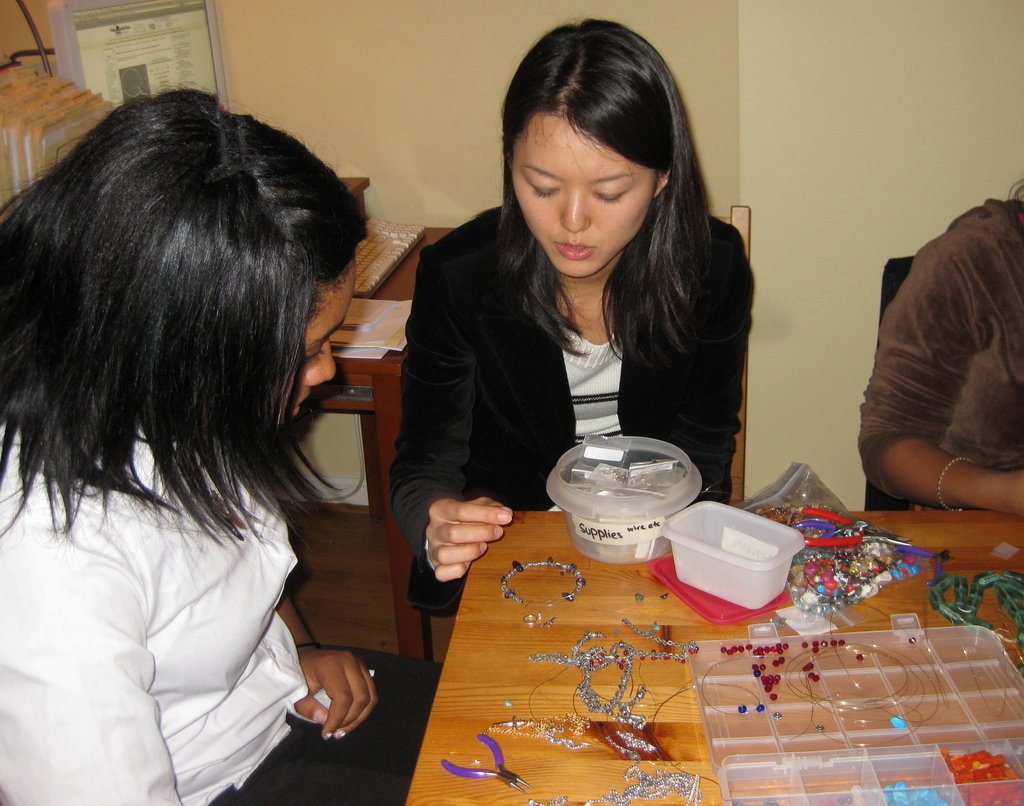
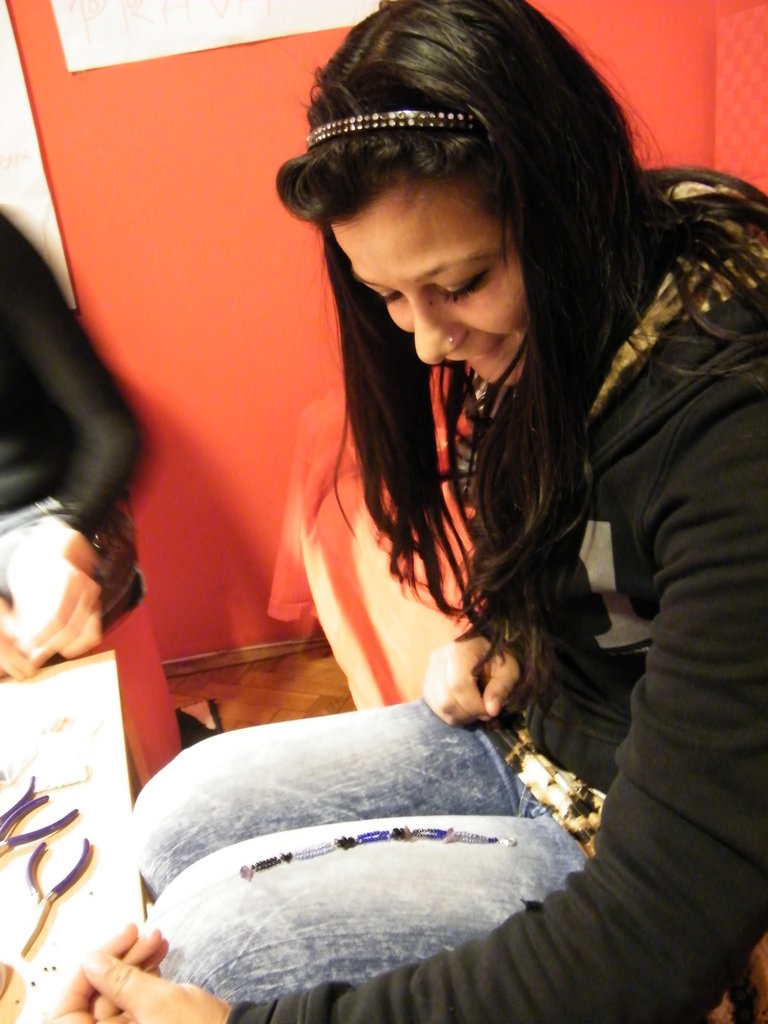
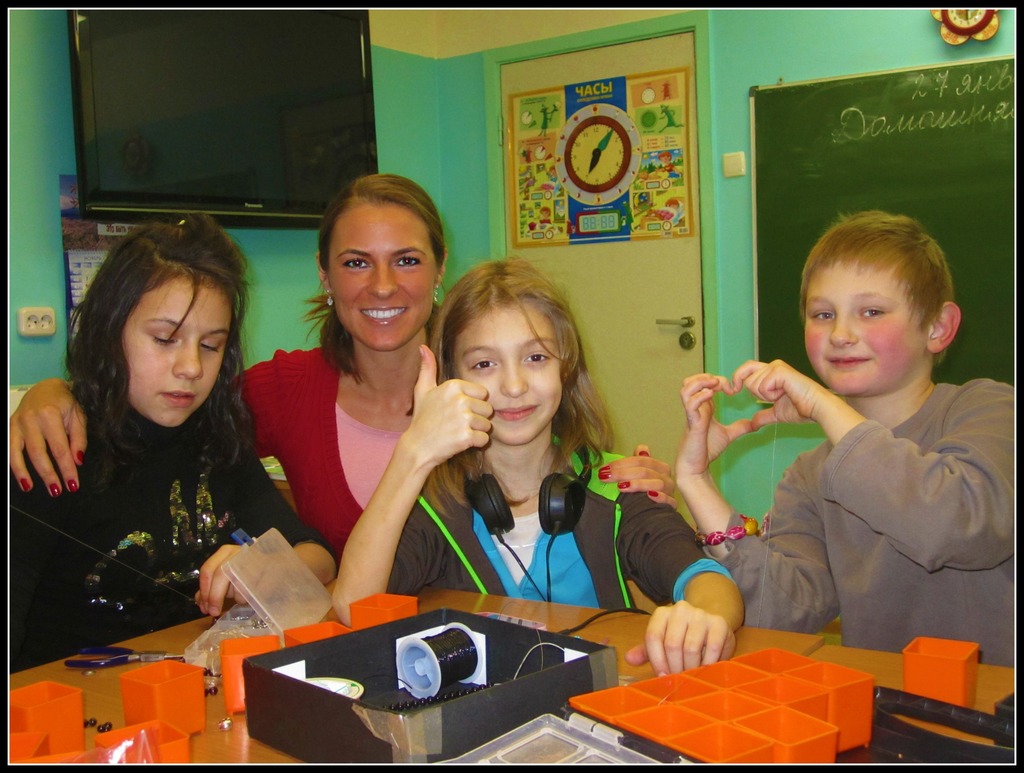
This week, I decided on a role-play activity to bridge the gap between cultural barriers and the everyday issues facing our survivors. Role-play is a tool to assist girls to cope with life stressors and equip them with information to avoid situations of danger in the future. I ask the girls to remember their favorite fairy tales from childhood. Not surprisingly, the most popular Russian ones are shouted first.
“Cinderella! The Snow Queen! The Scarlett Flower!” We focus on Cinderella, prompting a new participant, Maria, to speak up.
She bluntly states,
“I know what it is like to experience your mother’s death and then work all the time for a father who is always drunk.”Maria could identify with Cinderella because she was forced to clean, cook, and have sex for money with her father’s friends, all before the age of 16. Her father prohibited her from attending school and bit her as punishment. The other girls immediately offer words of support, nodding in sympathy and agreement.
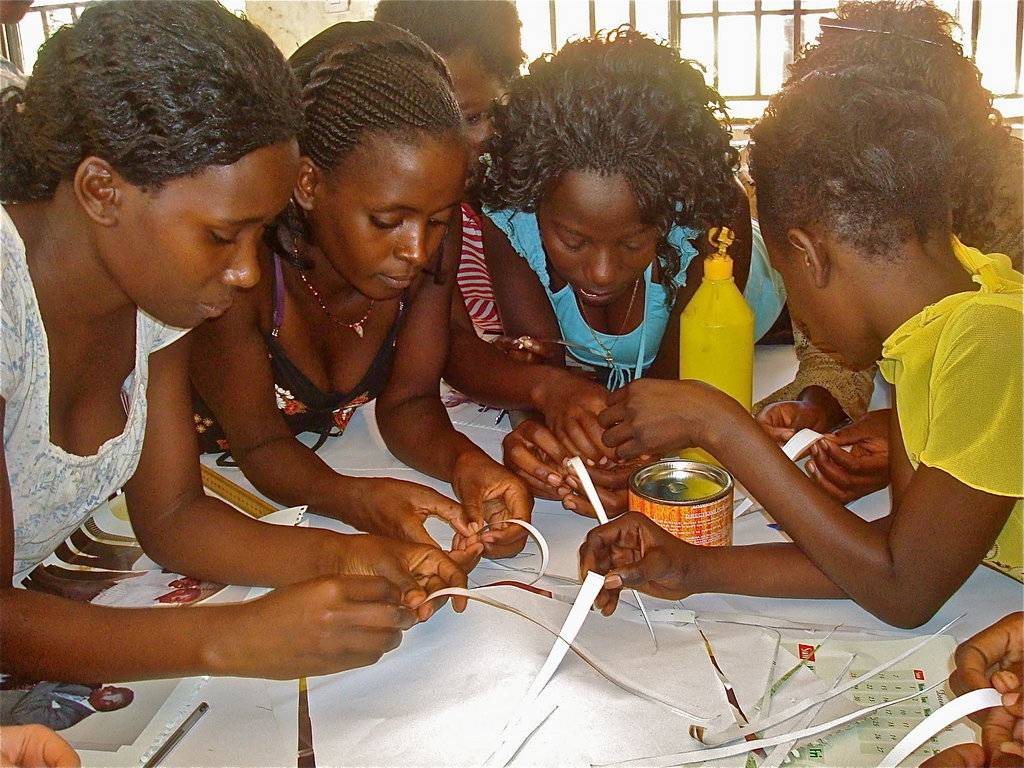
The truth is, human trafficking has existed and been written about for centuries. Relating this rather complicated and nuanced phenomenon to a common fairy tale allows me to better explain human trafficking, and helps the girls to open up and share their own experiences in a therapeutic manner. I pass out crayons and paper and encourage them to draw Cinderella's story and her situation of expoitation. As we discuss the pictures I ask, "Who could the main hero call or character call on for help? What type of help did the character need? What do behavioral traits of traffickers look like, and how do they keep victims in fear and under control?" As several girls put themselves in Cinderella's situation and enthusiastically offer up thoughtful answers, I am reassured that this group is
Free Aware Inspired Restored. Warmly,
Elena Timofeeva
FAIR Girls Russian Director of Programs