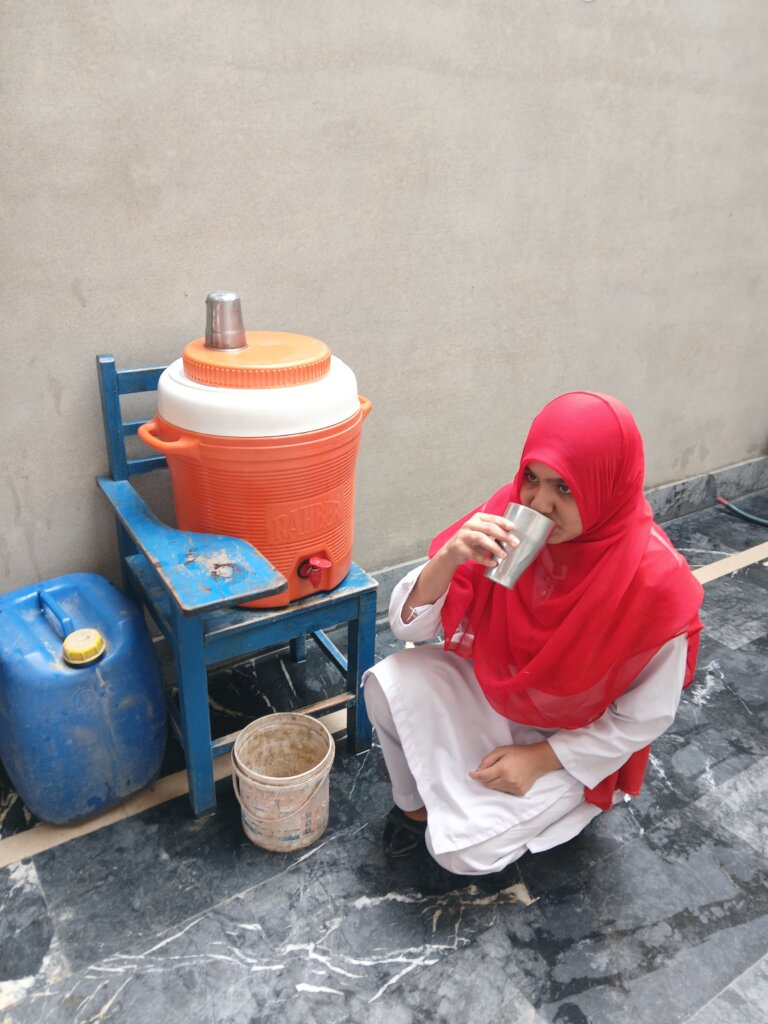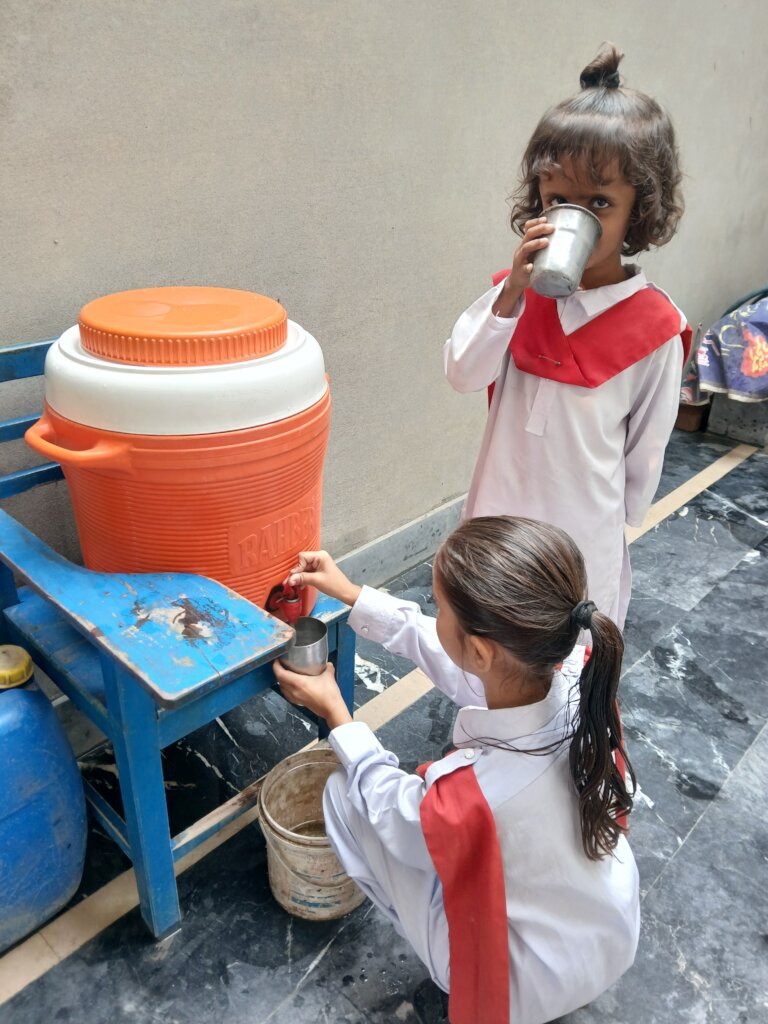
Faisalabad, often referred to as the "Manchester of Pakistan," is a major industrial hub, particularly renowned for its textile sector. While this industry has fueled economic growth and employment, it has also contributed significantly to environmental degradation-especially in the form of water pollution. The city's underground water, once a reliable source of drinking water, is now increasingly unsafe due to unchecked industrial effluent, particularly from textile dyeing and processing units.
In many underserved communities, especially urban slums and disaster-prone areas, children face daily exposure to contaminated drinking water. Schools often lack proper water purification systems, leading to High rates of waterborne diseases such as diarrhea, cholera, and typhoid, increased absenteeism due to illness, Poor hygiene practices from lack of awareness and resources, Long-term health risks and stunted development. This problem disproportionately affects young children in schools.
1. Clean Water Access - Installation of purification systems at schools ensures daily access to safe drinking water. 2. Hygiene Education - Interactive sessions teach children proper handwashing, water handling, and sanitation. 3. - Encourages responsibility and hygiene among students. 4. Safe Storage of filter water in community-based school
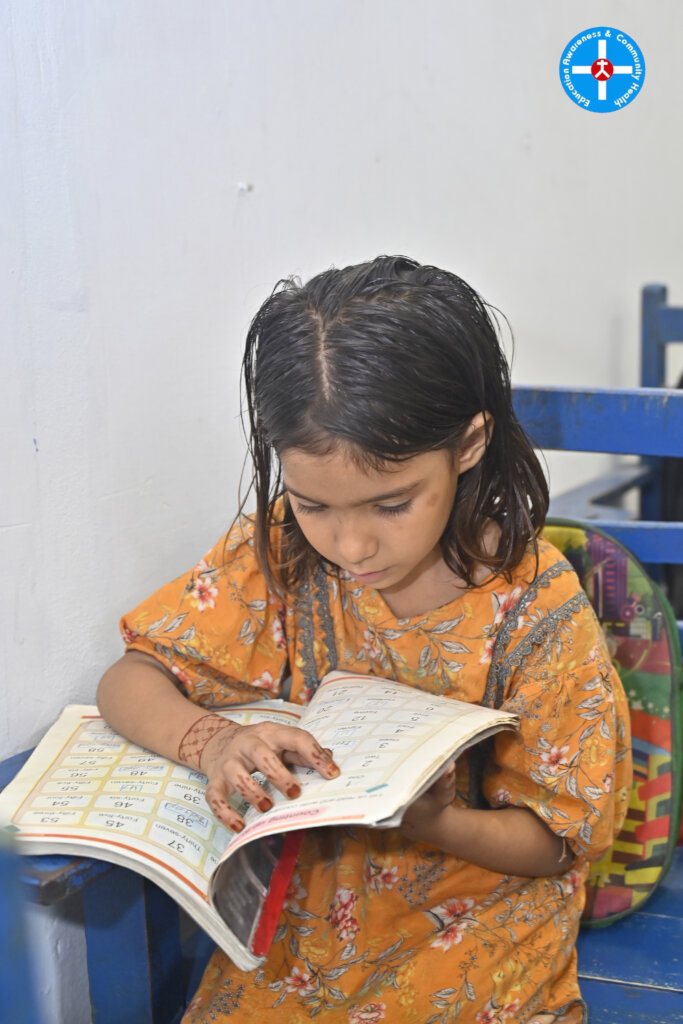
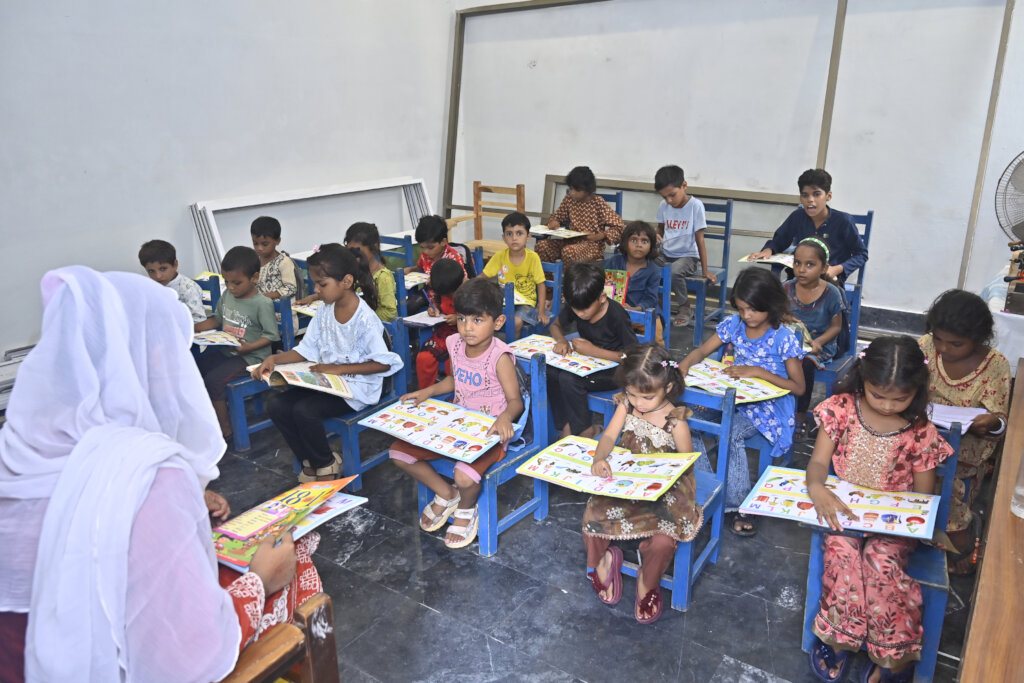
1. Improved Health Outcomes - Significant reduction in waterborne diseases like diarrhea, cholera, and typhoid - Better hydration and nutrition support overall physical and cognitive development - Lower healthcare costs for families and communities 2. Enhanced Educational Performance - Fewer sick days lead to improved school attendance and academic achievement - Healthy children are more attentive, engaged, and able to learn effectively
This project has provided additional documentation in a PDF file (projdoc.pdf).



Support this important cause by creating a personalized fundraising page.
Start a Fundraiser