By Sarah Galvin | Director, PHASE Worldwide
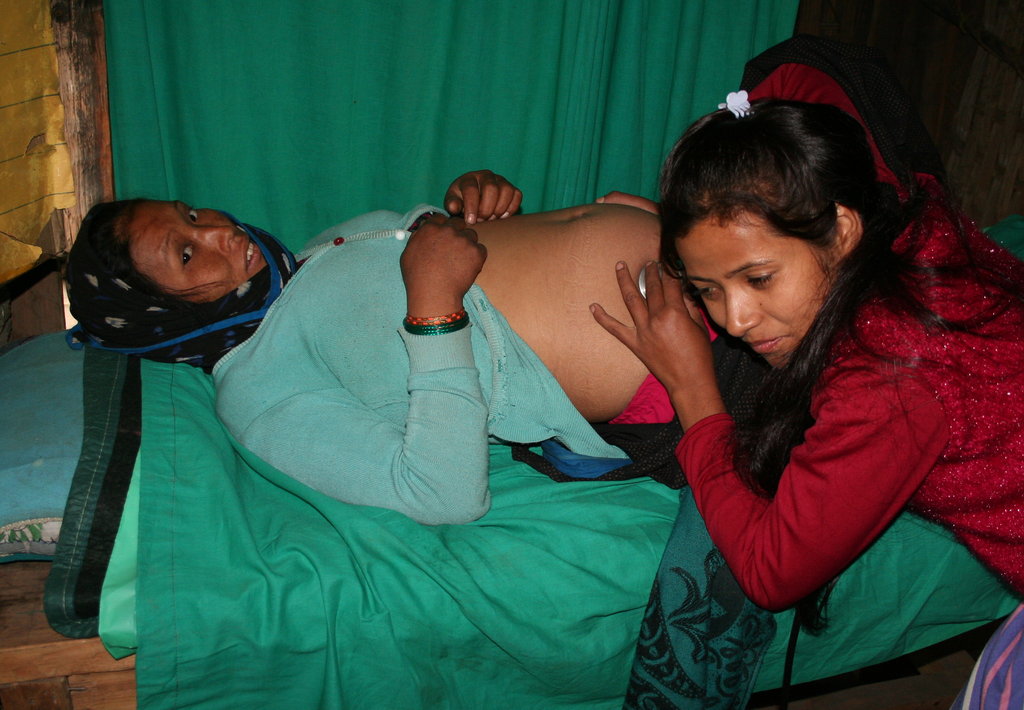
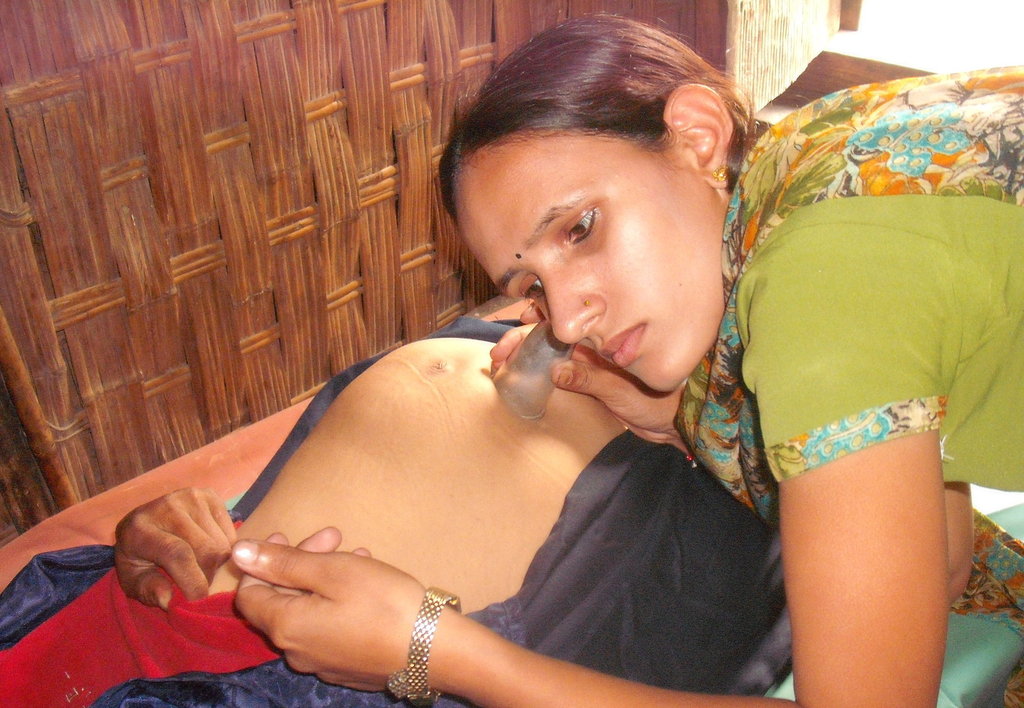
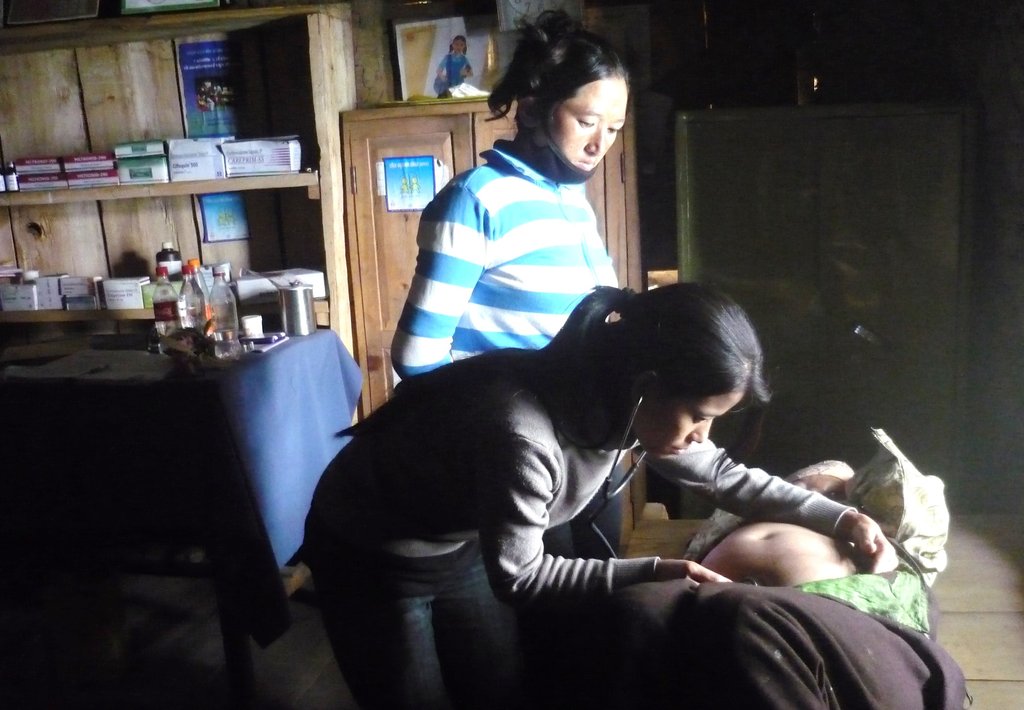
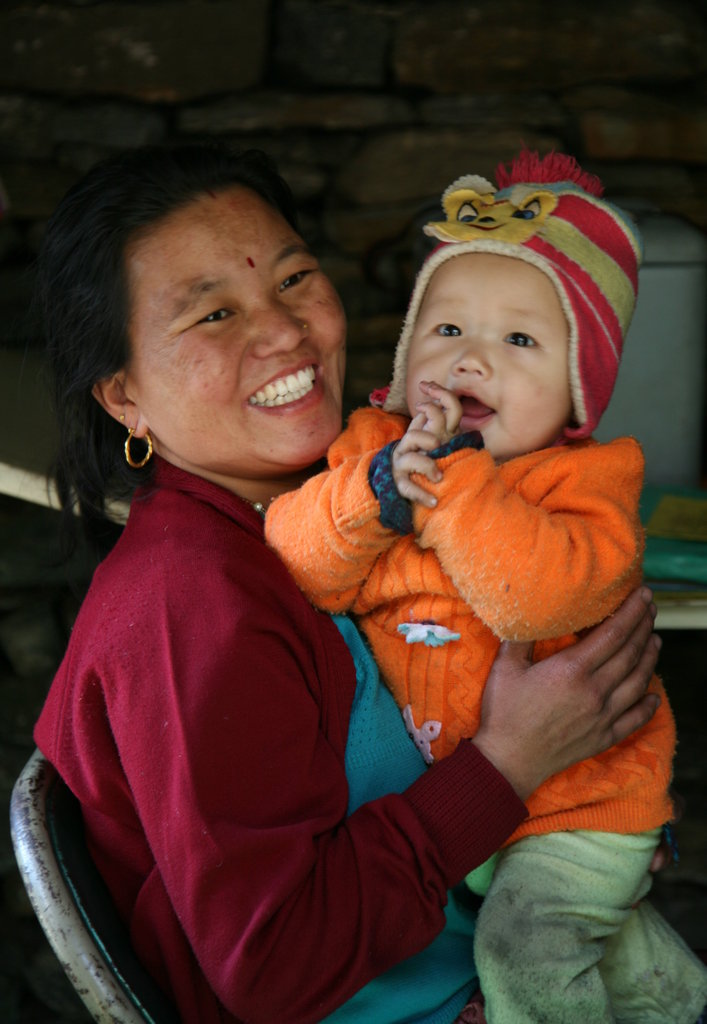
PHASE have delivered 40 babies in the Gorkha region between July 2012 and June 2013, not all of these were straight forward but the training PHASE health workers receive mean that they can deal with many challenging situations. Over the same time period PHASE health workers have provided 73 expectant mothers with all four of their anti-natal checks - we continue to encourage mothers to access this important service.
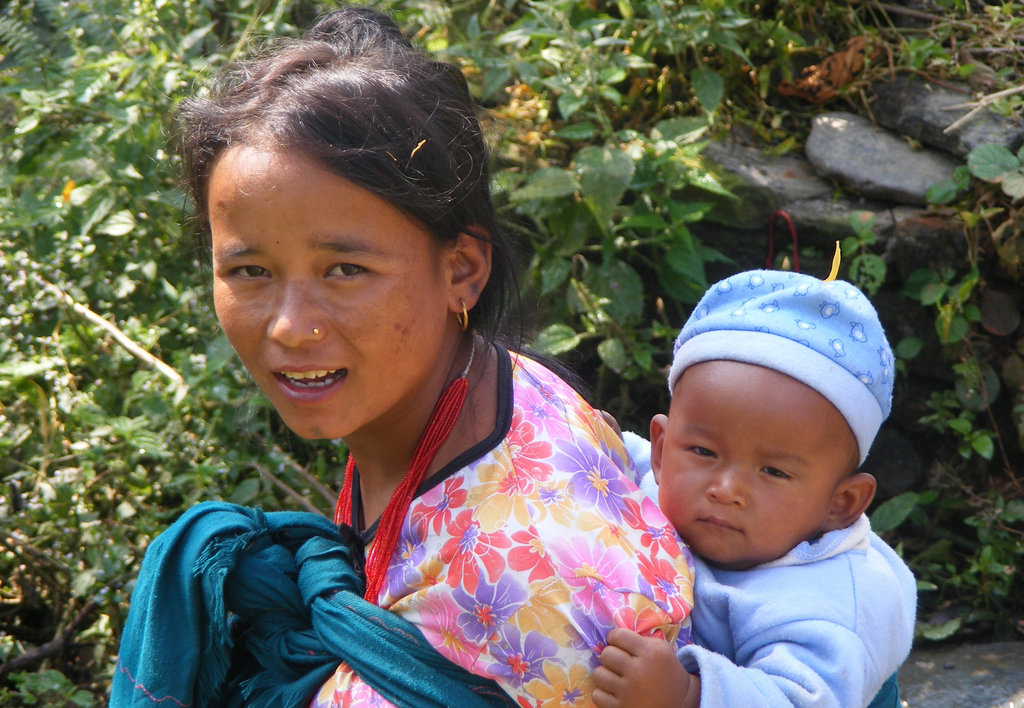
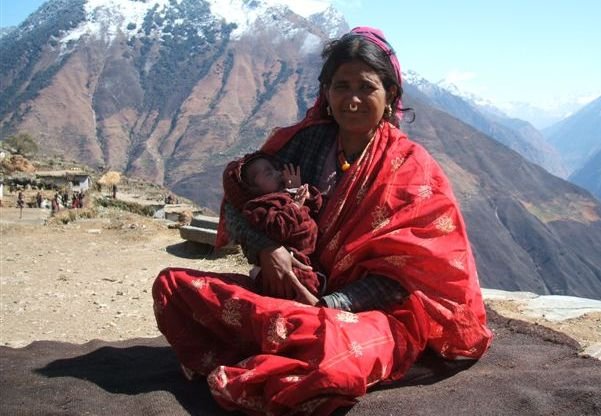
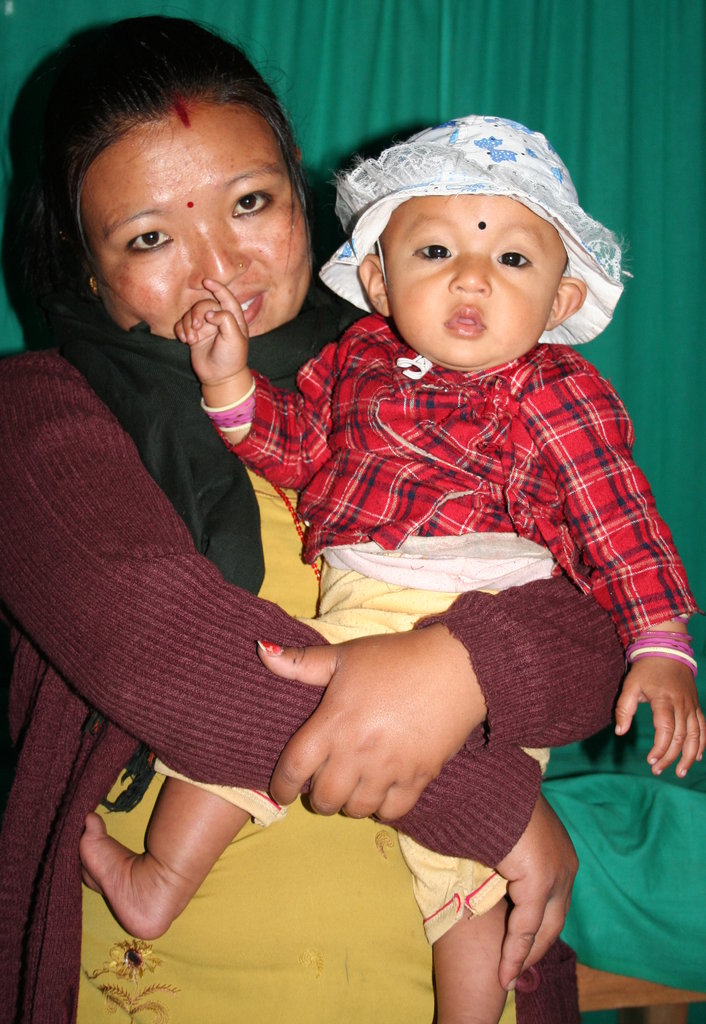
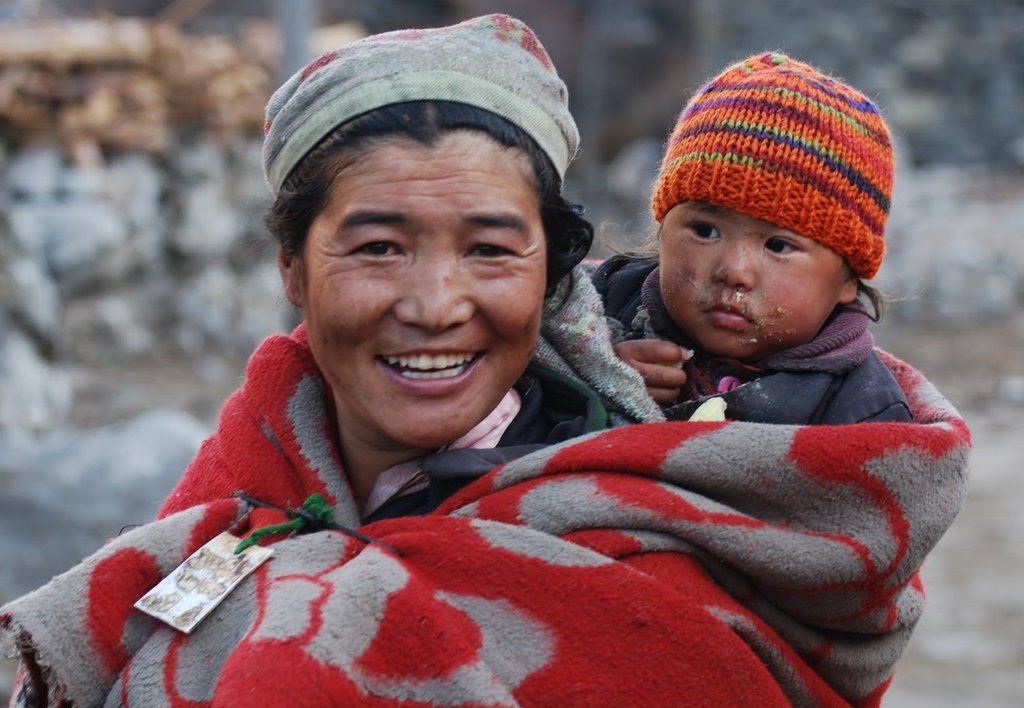
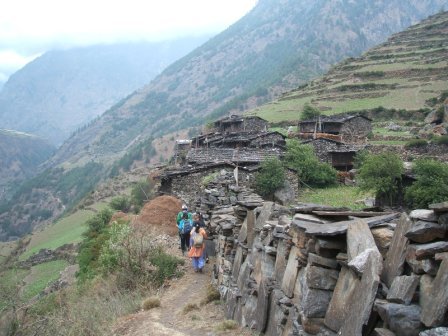
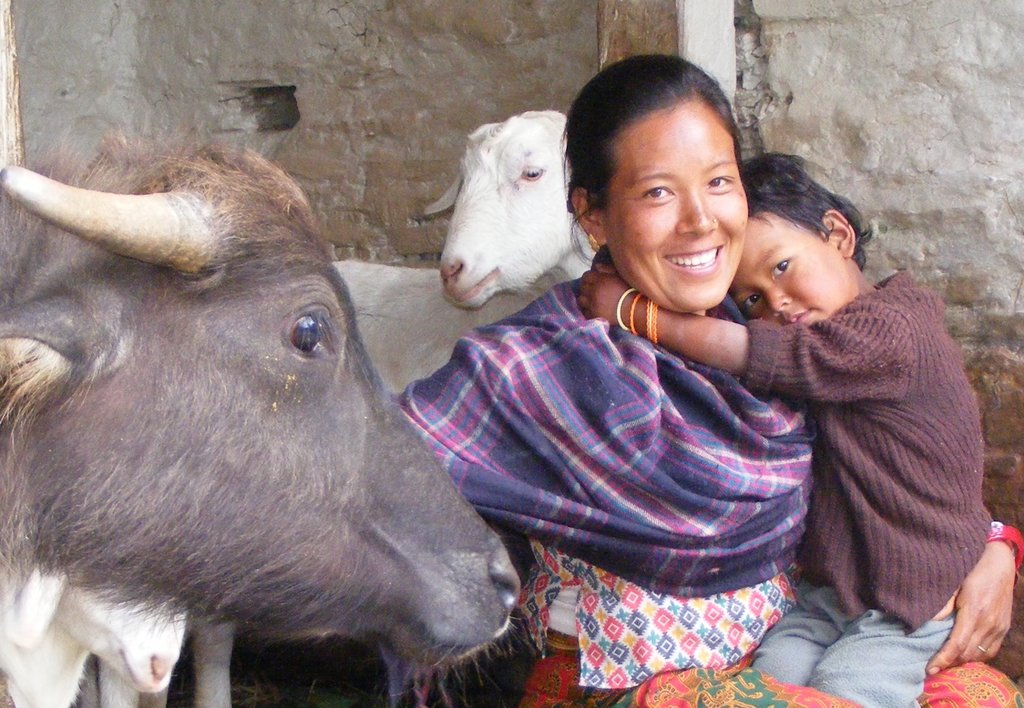
Here is a story about one mother and baby in Gorkha district - Dolma Lama lives in the village of Prok in, four days walk away from the nearest road. She is a 29 year old mother of two children under five. Dolma just manages to survive on the crops from her family’s land and the extra income her husband brings in from working for tourist treks as a Sherpa guide for a few months each year.
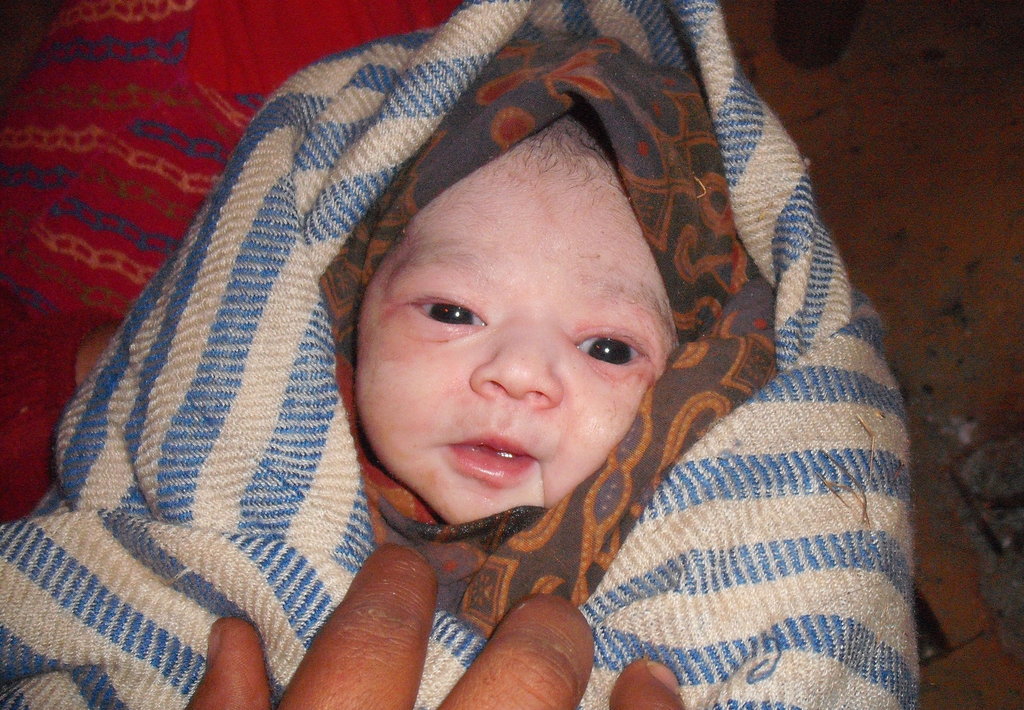
When she fell pregnant the third time, she attended the PHASE health workers’ outreach clinic every month and took iron supplements as advised. She went into labour one afternoon and as her previous labour had been short and easy and her mother in law was quite experienced and comfortable with helping her they didn’t send for a PHASE health worker immediately. The baby was born in the evening around 10pm and everything seemed fine. The baby was wrapped up and given a small amount of yak butter and flour, the traditional first “meal” in the Sherpa community.
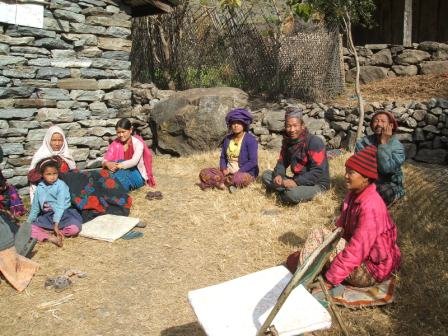
After about an hour, Dolma’s mother in law began to worry – the afterbirth (placenta) hadn’t appeared and it seemed to her that Dolma was bleeding more than she should. She remembered then that she had attended a health education session with the PHASE nurses where they had emphasised that immediate breastfeeding of the baby was important to bring the placenta out. In spite of still having her doubts, she suggested that Dolma try this. They both were relieved that the bleeding seemed to slow down after the baby had suckled for a bit, but still no sign of the afterbirth!
After more worrying and waiting, Dolma’s husband left to find the PHASE nurses. It was now the middle of the night and he set off carrying a torch and some food – it was a two hour hike to the nurses’ base station!
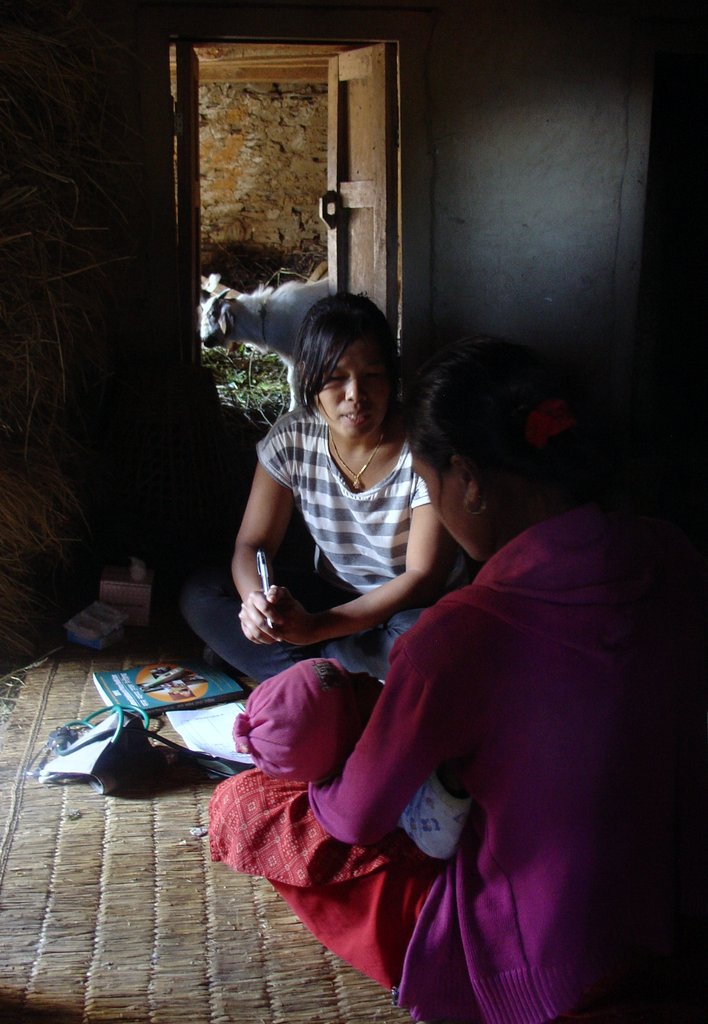
Mani and Ritu, the two nurses stationed in Bihi, were woken up by shouting underneath their window – not really an unusual situation! They packed their emergency equipment, and Mani set off with the two men, whom they knew from previous visits to Prok. Ritu stayed behind to run that day’s clinic in Bihi.
Just a few years previously, a mother of three had died in a neighbouring village of this problem: she couldn’t deliver the placenta, and there were no health workers to treat the blood loss and infection that set in after a few days.
For Dolma, fortunately, the Oxytocin injection (to get the womb to expel the placenta) and antibiotics that Mani carried in her bag, as well as Mani’s skill and experience, meant that the afterbirth was safely delivered only 10 hours after the baby and the iron tablets Dolma was given helped her recover quickly and without complications.
Please help us raise further funds for our Delivered with Love campaign this September and enable us to support more new mothers and their babies. To make a donation, please visit: www.globalgiving.co.uk/projects/safe-births-in-nepal
Project reports on GlobalGiving are posted directly to globalgiving.org by Project Leaders as they are completed, generally every 3-4 months. To protect the integrity of these documents, GlobalGiving does not alter them; therefore you may find some language or formatting issues.
If you donate to this project or have donated to this project, you can receive an email when this project posts a report. You can also subscribe for reports without donating.