By LORENA AGUIRRE | director de programas
There is a moment in every Ebola outbreak when fear takes over. When people stop touching each other. When families abandon the sick rather than risk becoming sick themselves. When health workers calculate — consciously or not — whether it is worth going back inside.
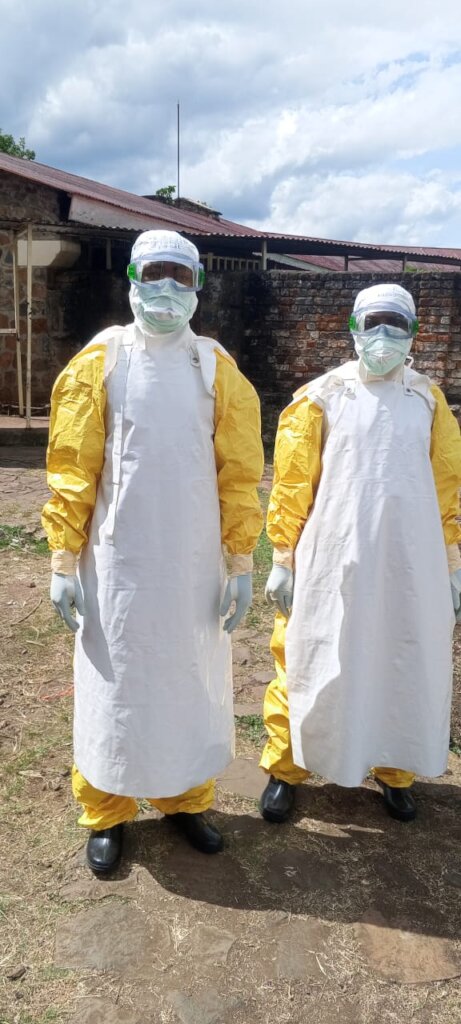
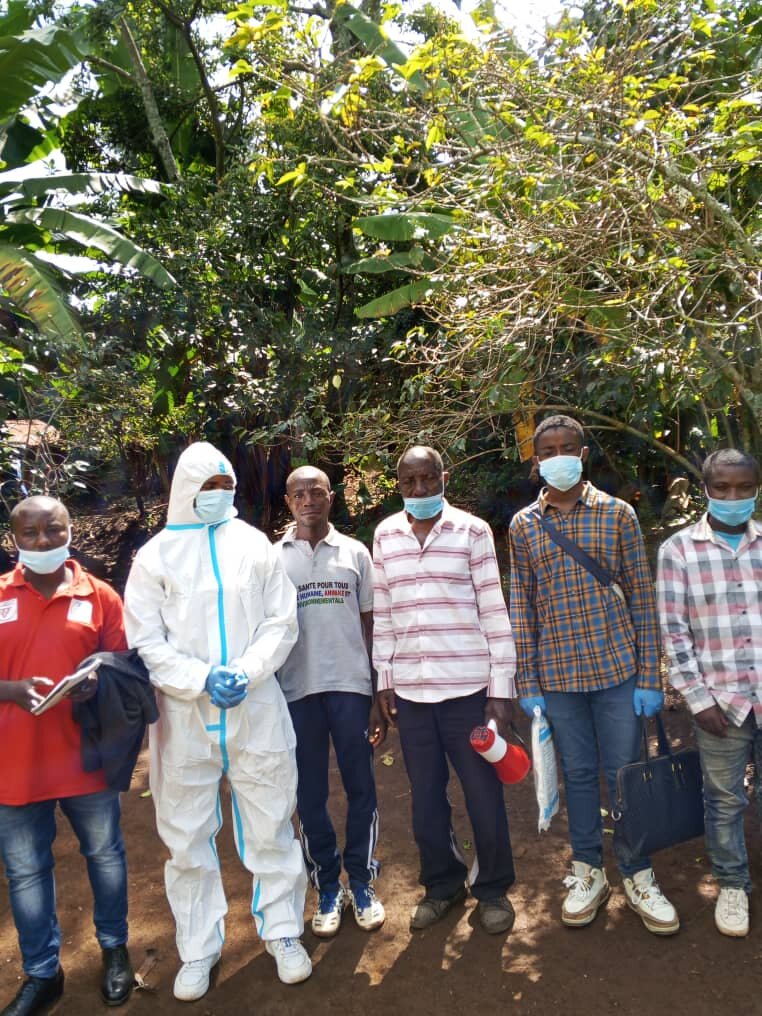
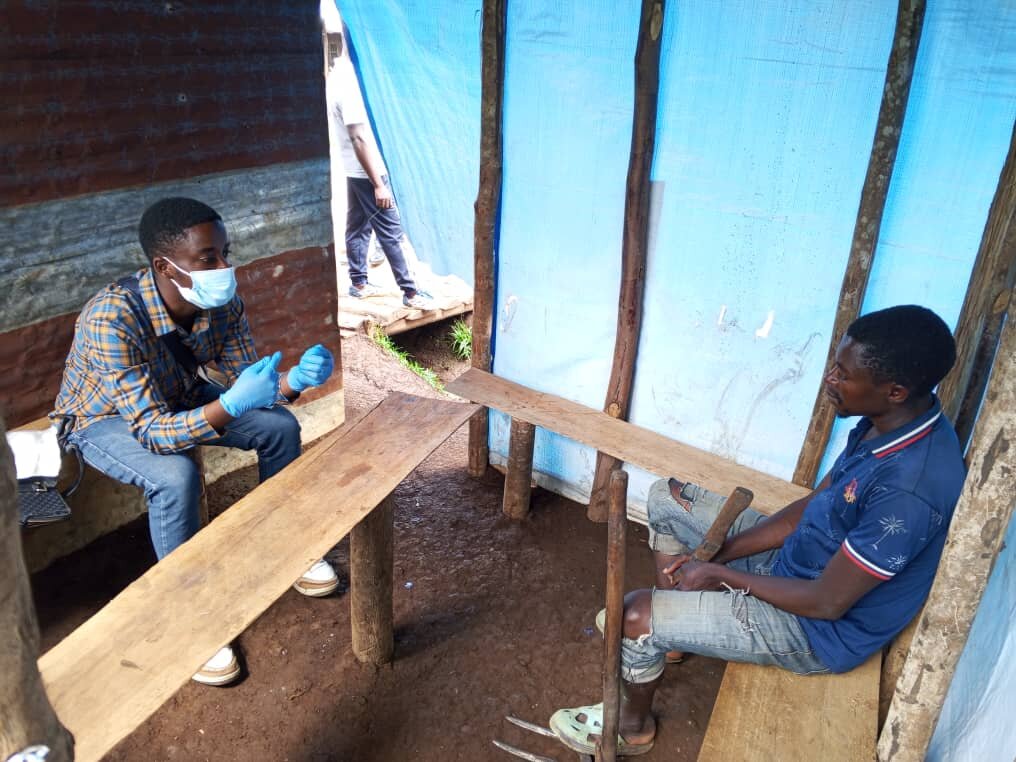
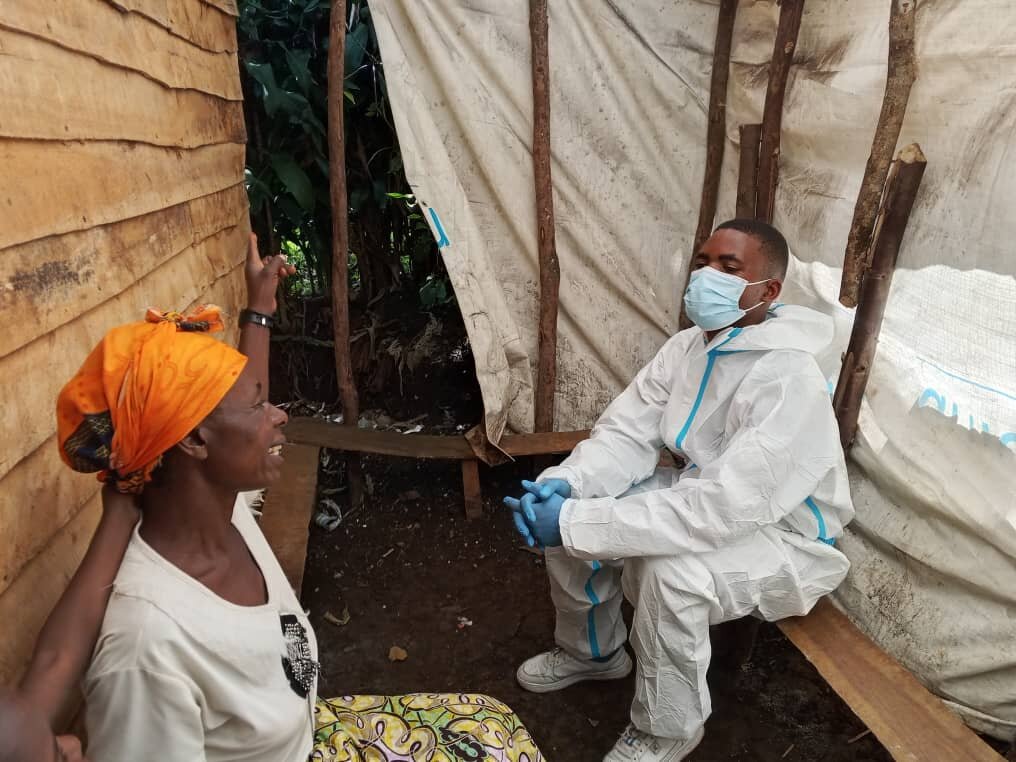
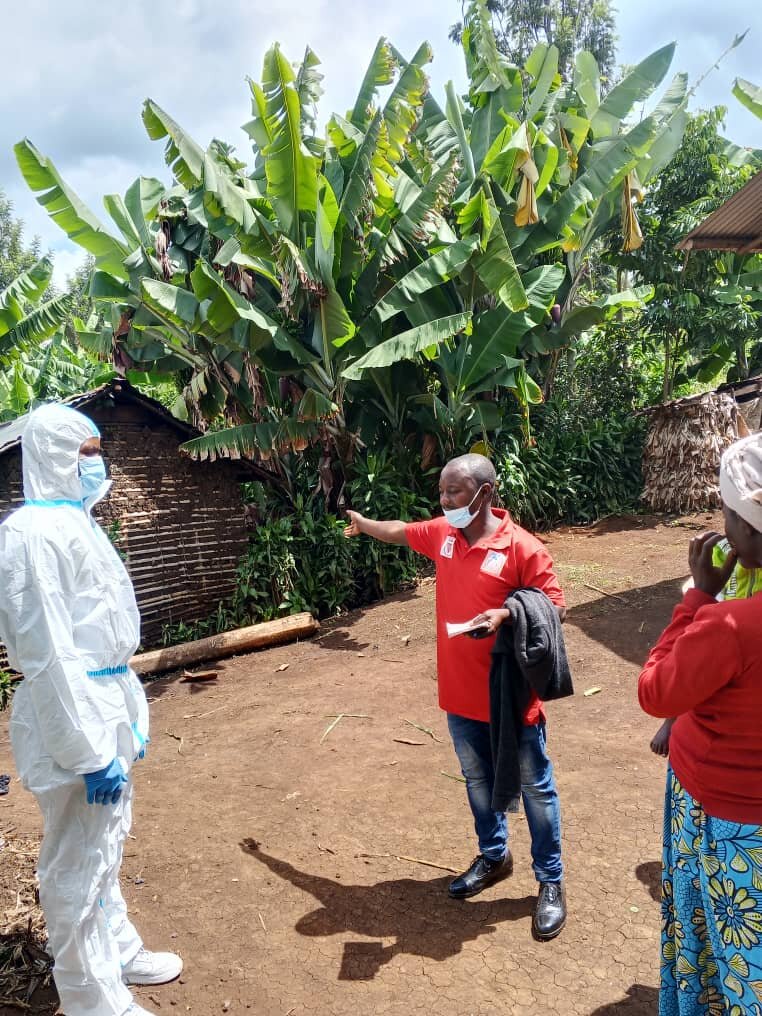
At Lwiro Hospital, they went back inside. Every day.
The second largest Ebola outbreak in history — and we were already there
On May 15, 2026, the Democratic Republic of Congo declared an Ebola outbreak. Two days later, the World Health Organization declared it a global health emergency. In just a few months, it became the second largest Ebola outbreak ever recorded — nearly 8,000 confirmed cases, almost 4,000 deaths, spreading across seven provinces with no approved vaccine and no cure for the Bundibugyo strain tearing through eastern Congo.
South Kivu — already living through war, armed conflict, hunger, and trauma — was hit too.
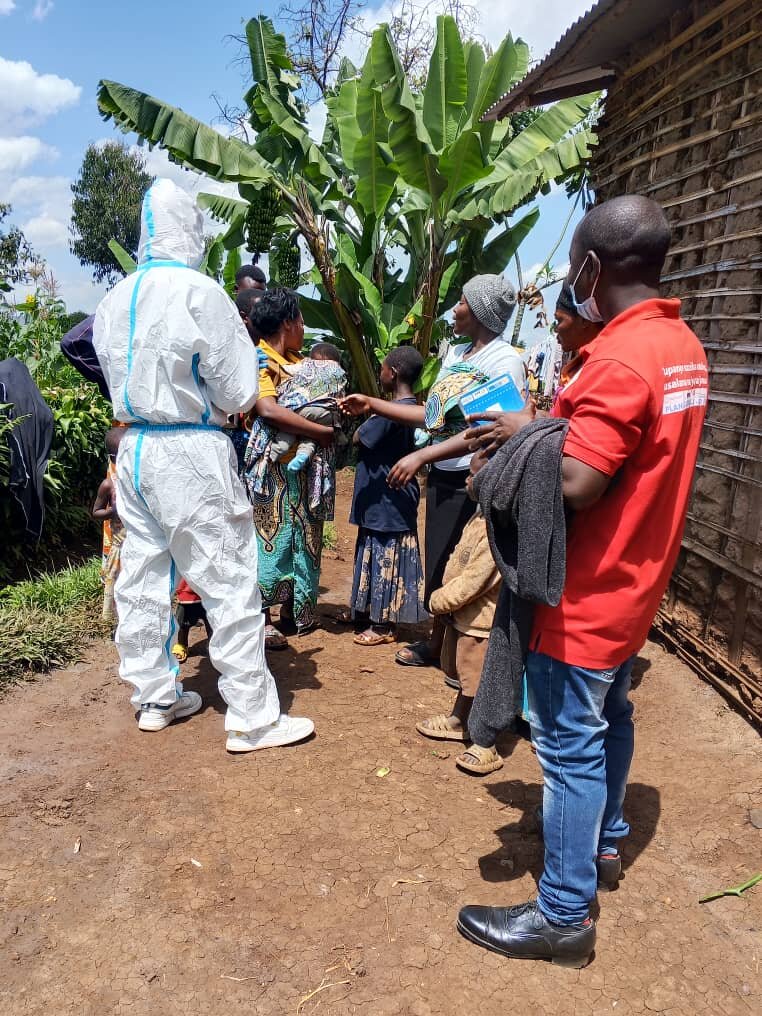
And when it was, COOPERA and Centro Mutima were already there. Not arriving. Already inside. Already knowing the nurses by name, already trusted by the communities, already part of the fabric of a place that has been surviving against the odds for years. That presence — built over two decades of work — meant that when everything collapsed, we did not have to start from zero.
Lwiro Hospital is now the official reference centre for infectious diseases in South Kivu. That recognition was not handed to us. It was earned, patient by patient, in tents in the open air, with critical shortages of everything, in the middle of a conflict zone.
1,942 people. Every single one of them a life.
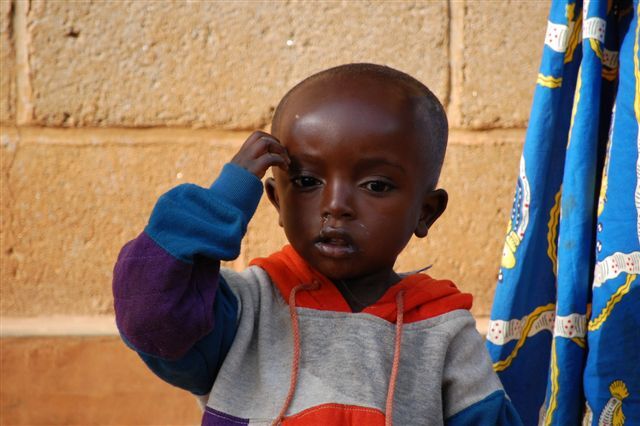
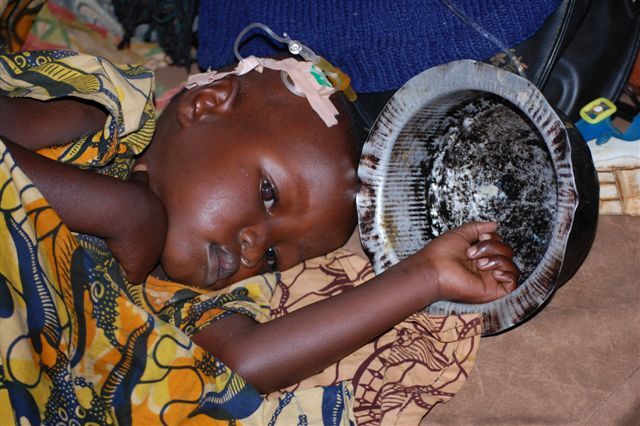
Between the start of the outbreak and today, 1,942 people came through the doors of our treatment centre. Fathers. Mothers. Children. Elderly people who had already survived so much. They came because there was nowhere else to go.
951 of them went home.
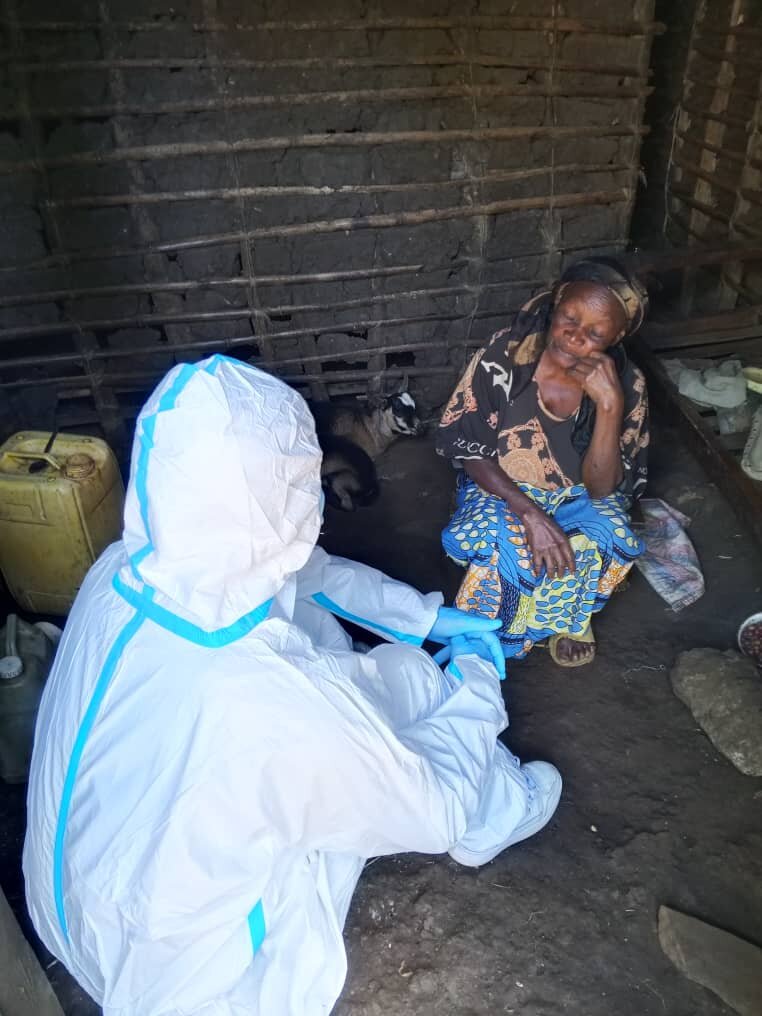
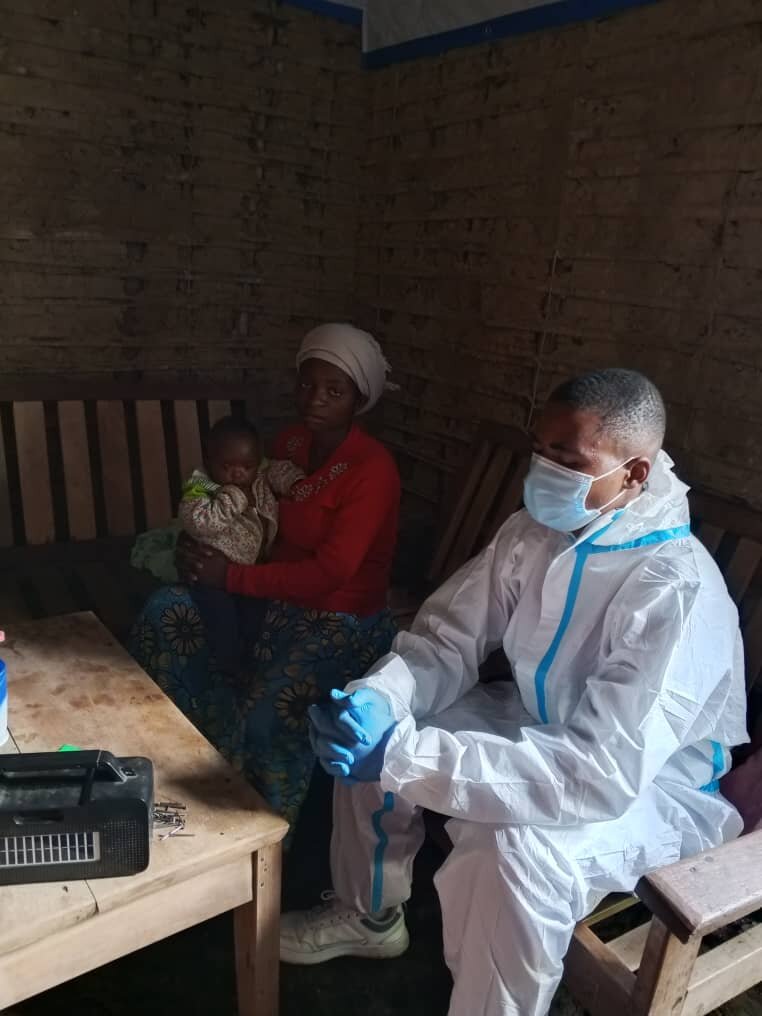
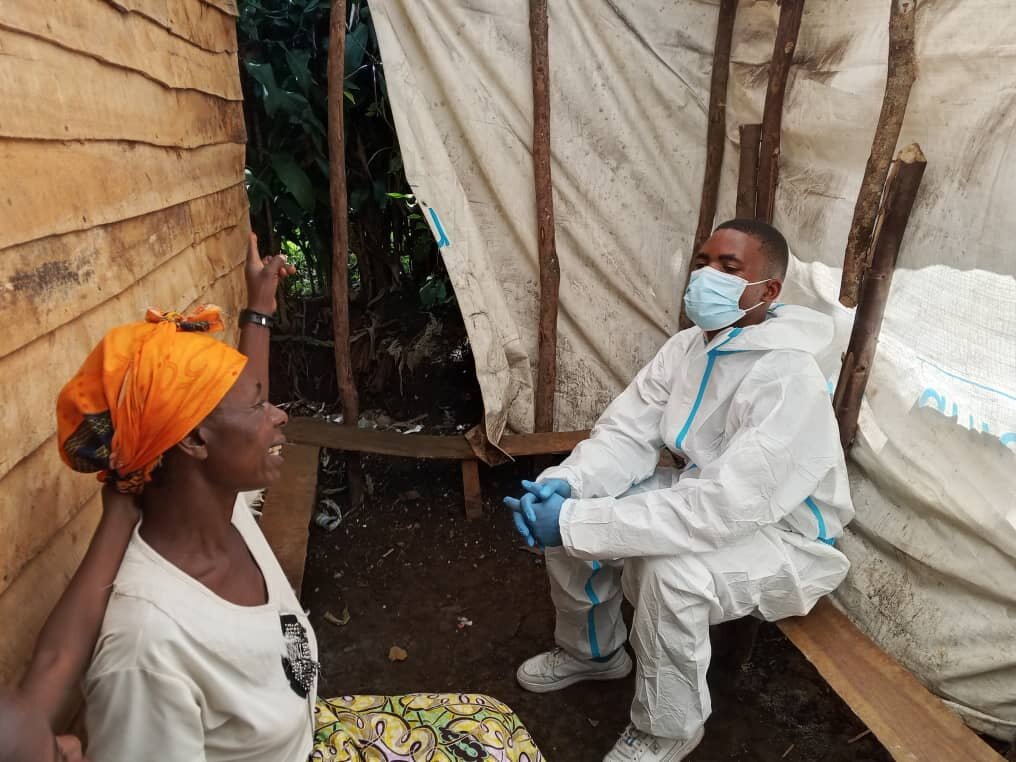
We will not hide the other number. 991 people died in our care. We will not hide it because they deserve to be counted. They deserve to be named. Our psychosocial team — the same people who sit every day with trauma survivors at Centro Mutima — was there with them. In isolation. In the dark. Holding the space for people who could not have their families beside them, who could not be held, who could only hear a voice through protective equipment telling them they were not alone.
In previous Ebola outbreaks in Kivu, the Bundibugyo strain killed more than 65% of those infected. At Lwiro, in outdoor tents with critical shortages and a conflict raging outside, 49% of our patients survived. That number is not a statistic. It is the result of people who chose to stay when every instinct said run.
What you sent — and why it mattered more than you know
Across the country, one of the most heartbreaking images of this outbreak was patients escaping treatment centres in search of food. More than 150 escapes since late May — people so desperately hungry that they ran from the only place that could save them, back into communities where they could spread the virus.
At Lwiro, patients stayed. Because they had food. Because they had hygiene supplies. Because hundreds of ordinary people — people like you — sent what they had.
Vaccines. Medical equipment. Protective gear. Tents. Food, because there is no catering service in a Congolese hospital in the middle of an Ebola outbreak. Diapers. Soap. The unglamorous, essential things that keep a human being alive and dignified when the system has nothing left to give.
Every box that arrived at Lwiro was a message: someone, somewhere, knows you are there. Someone thinks your life is worth saving.
We are not done
As of late September 2026, the outbreak continues. North Kivu — right on our doorstep — has become the new epicentre, with treatment beds full and cases surging. Health workers across the region have been attacked nearly 260 times. Eight have been killed. Forty-three more have died of Ebola itself — people who went in to save others and did not come back out.
Our team at Lwiro is still there.
As long as this outbreak lasts, we will not leave. Not because it is easy. Because it is right. And because the people of South Kivu have been left behind too many times already.
Thank you for being part of the reason we could stay.
Project reports on GlobalGiving are posted directly to globalgiving.org by Project Leaders as they are completed, generally every 3-4 months. To protect the integrity of these documents, GlobalGiving does not alter them; therefore you may find some language or formatting issues.
If you donate to this project or have donated to this project, you can receive an email when this project posts a report. You can also subscribe for reports without donating.



Support this important cause by creating a personalized fundraising page.
Start a Fundraiser