By Patricia Aragones | Fabretto VP European Development
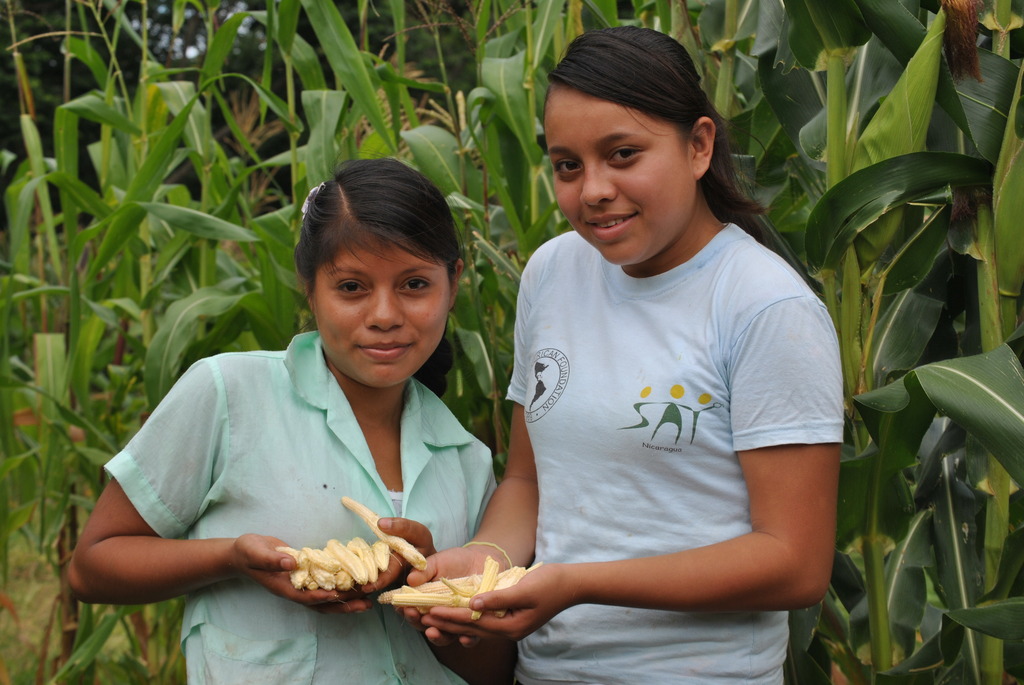
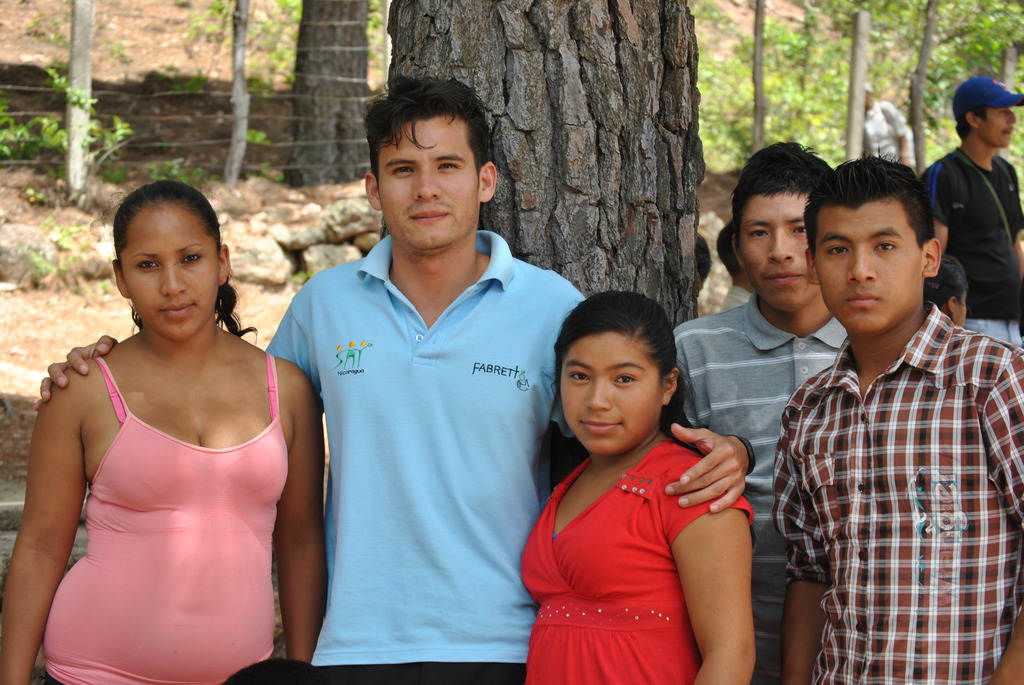
Fabretto’s SAT rural secondary education program has a 97% retention rate this year. This is a great achievement, especially compared with an estimated 75% retention rate in all Nicaraguan secondary schools (CEPAL). SAT places a high value on diversity and gender equity, and 46.5% of the currently enrolled students are female. Unlike the local public schools, SAT does not exclude students based on age or parental status, and as a result, SAT has welcomed many older students (age 18-26) who are pursuing a high school diploma after a hiatus from organized education.
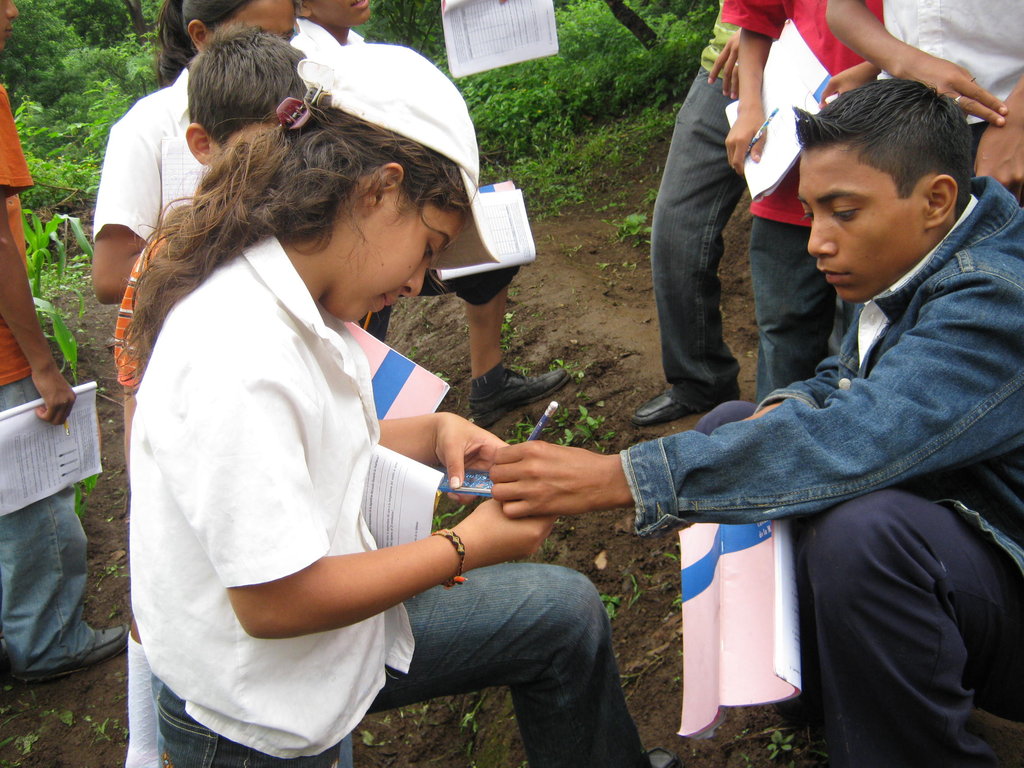
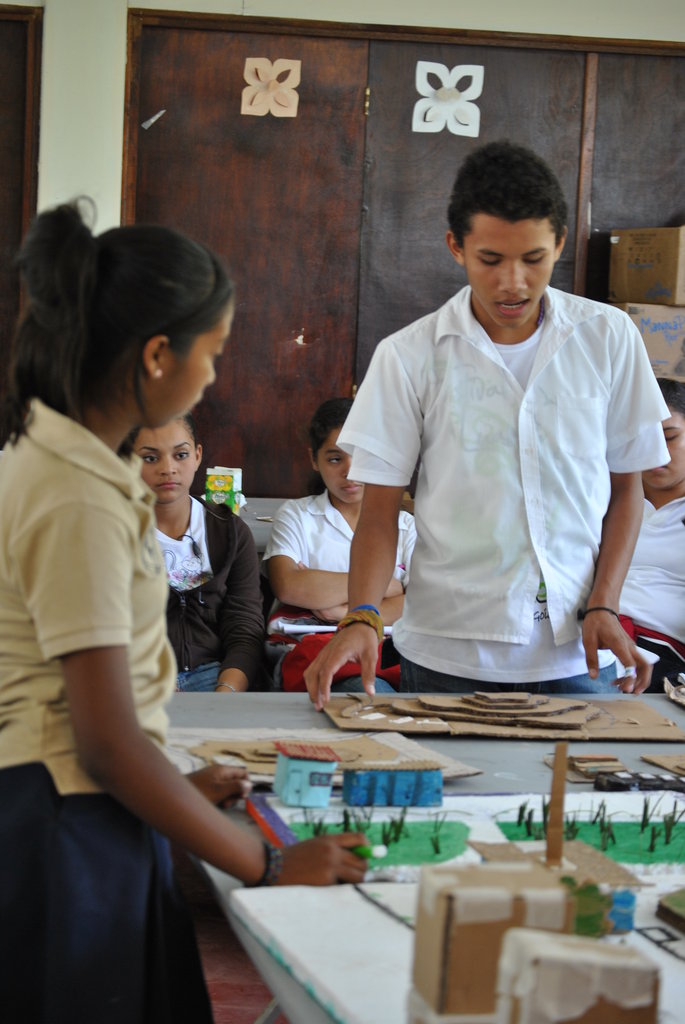
The forty SAT tutors have received continuous training throughout the year to improve teaching skills, knowledge of curriculum, and understanding of the program’s unique methodology. FUNDAEC staff provided training for the tutors who teach fourth and fifth year students, and Fabretto staff trained the remaining tutors.
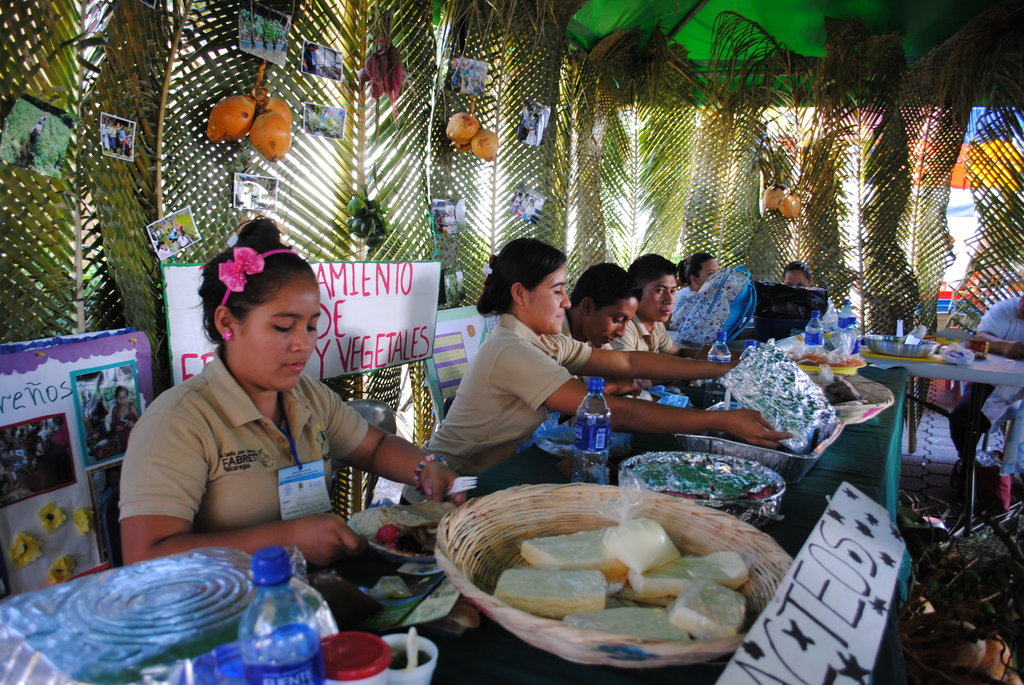
The SAT small business initiatives and two student cooperatives are thriving, and students continue to pursue new initiatives with the support of their tutors. As of October 2013, SAT students participate in the following profitable business activities: baking rosquillas traditional biscuits, fermenting fruit to make wines, beekeeping, producing cajetas (Nicaraguan candies), buying and selling used clothing, and producing coffee. With the income generated by these businesses, students can simultaneously contribute to the family income and continue their studies in the SAT program.
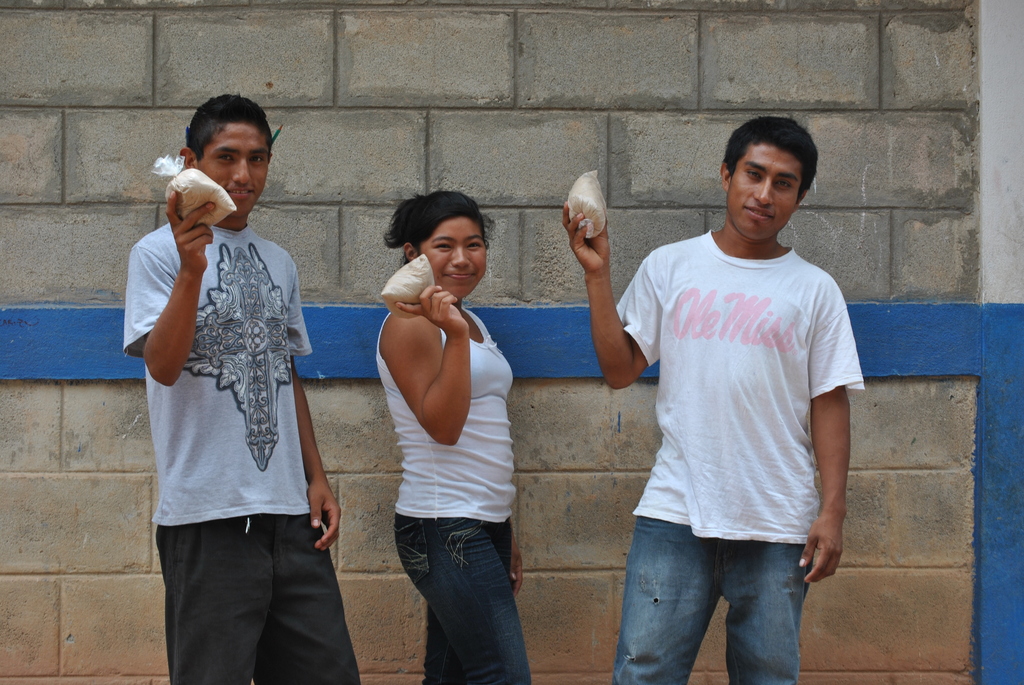
One dedicated tutor, Danys Ramirez, supported a group of students in executing a business plan, obtaining a loan, and purchasing an electric mill for the rural community El Carrizo near San José de Cusmapa in April 2013. The mill, owned and operated by two SAT students and their families, contributes directly to community development and enables other students to pursue business ventures of their own, including the rosquillas biscuits and the cajetas (Nicaraguan candies). In August 2013, Danys and his fourth and fifth year students in began a new initiative to produce pinol, a popular corn-based drink.
An independent study of SAT graduates provided evidence that the program enables students and graduates to become successful entrepreneurs and make a difference in their communities. The July 2013 survey identified eleven small businesses operated by SAT graduates in the communities around San José de Cusmapa. The most profitable business, a honey bee farm in the community La Jabonera, generates over $200 per month for its three owners, all SAT graduates from the class of 2011.
Fabretto looks forward to concluding the year with the graduation of fifty-two students this December. At the end of the year, Fabretto’s monitoring and evaluation team will generate a detailed report reflecting upon the 2013 school year.
Links:
Project reports on GlobalGiving are posted directly to globalgiving.org by Project Leaders as they are completed, generally every 3-4 months. To protect the integrity of these documents, GlobalGiving does not alter them; therefore you may find some language or formatting issues.
If you donate to this project or have donated to this project, you can receive an email when this project posts a report. You can also subscribe for reports without donating.