By Lianne Pimentel | Project Leader
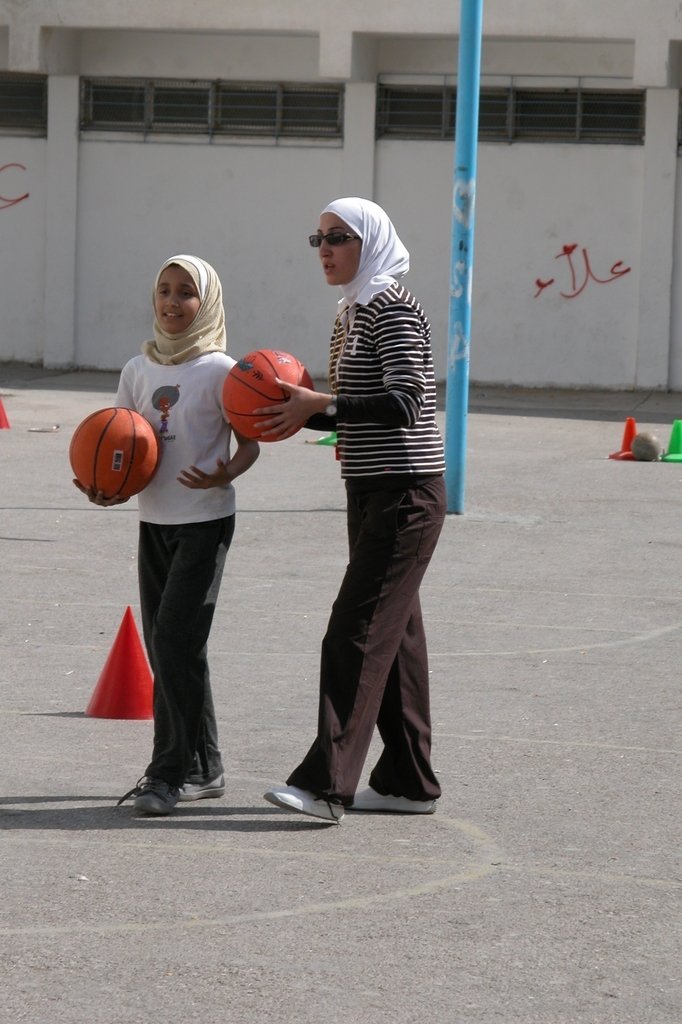
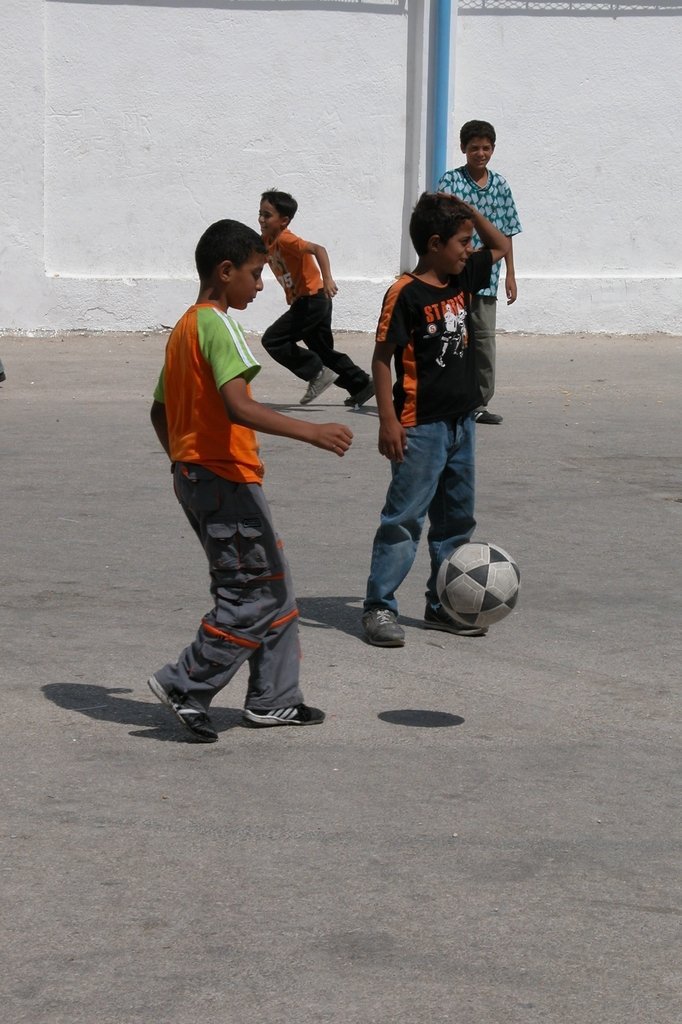
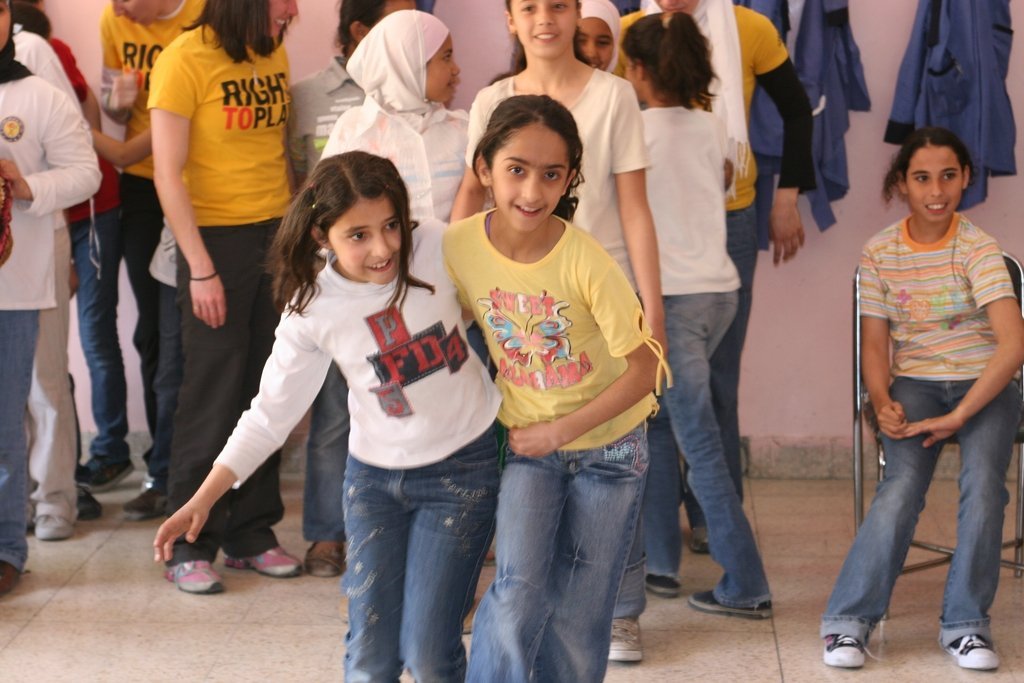
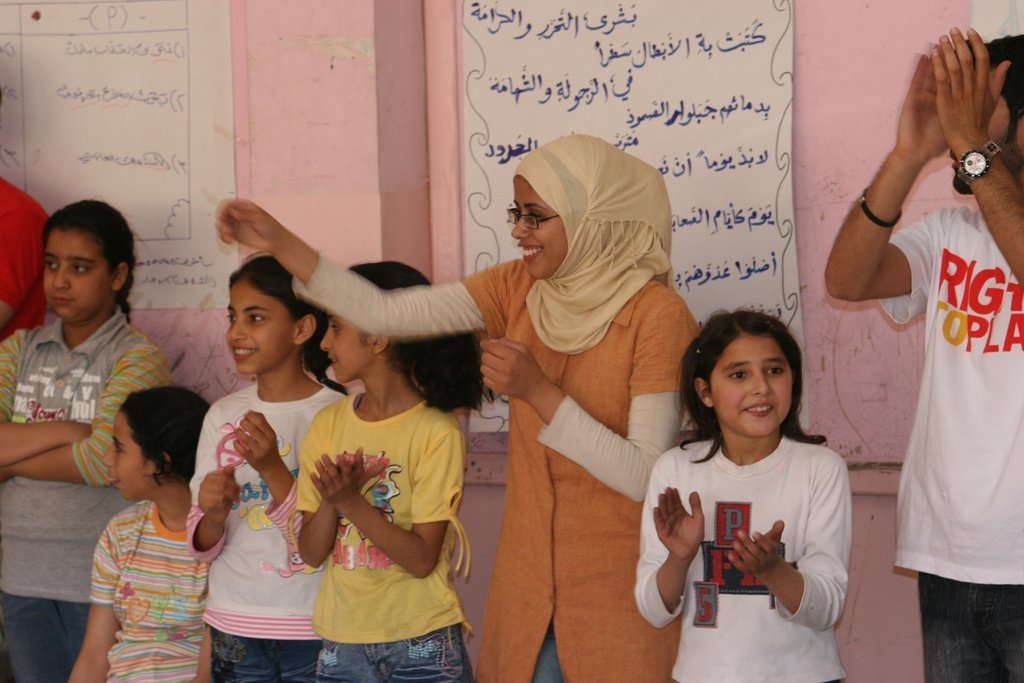
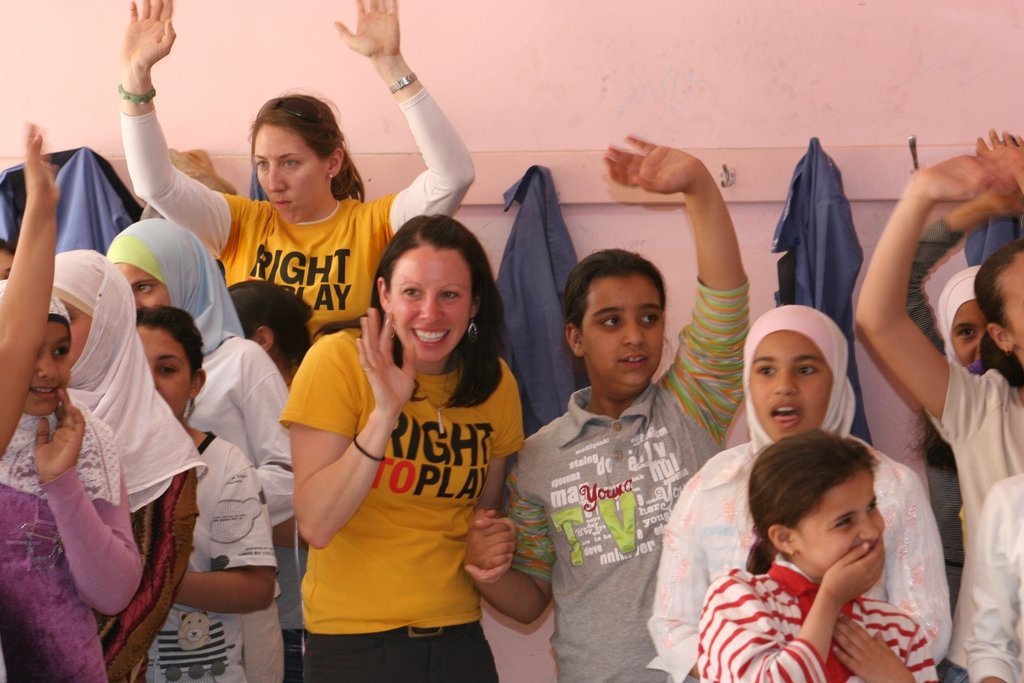
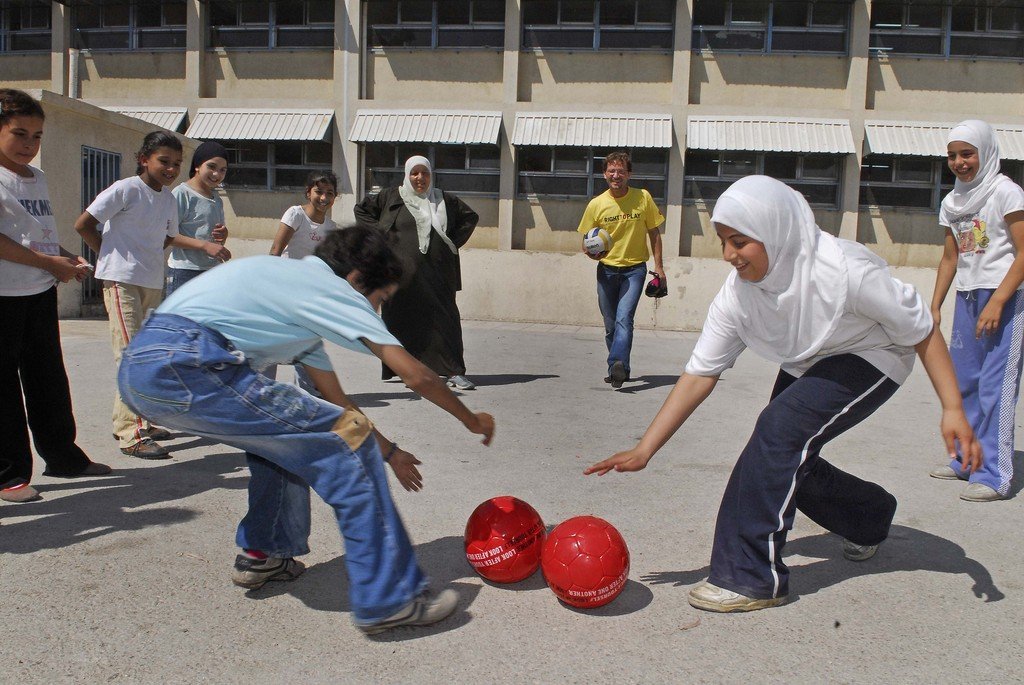
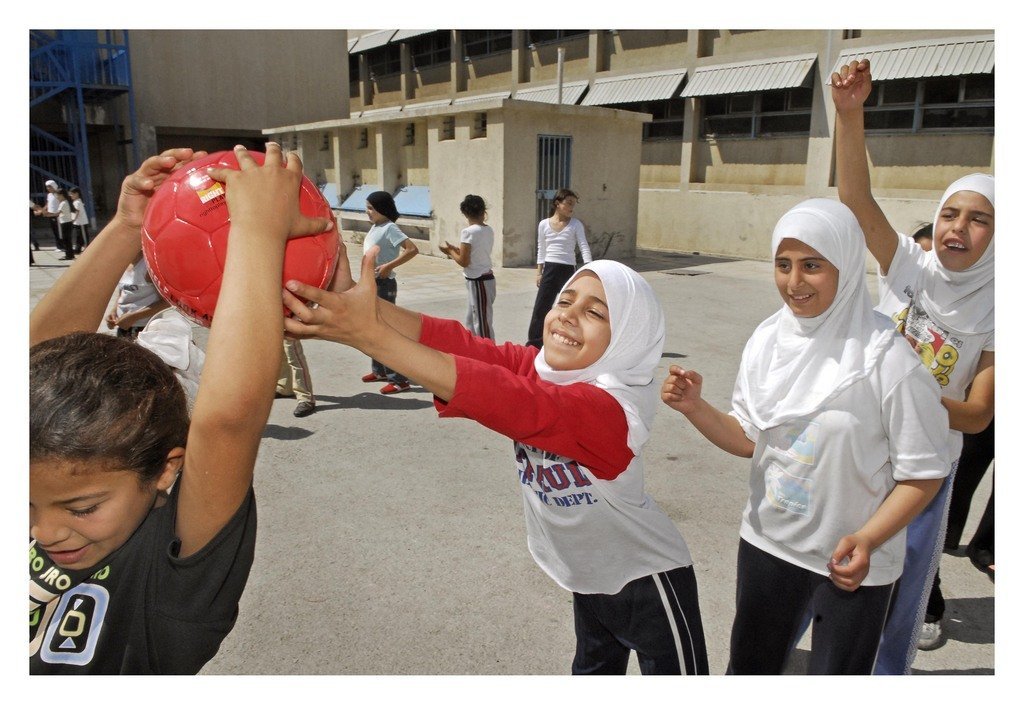
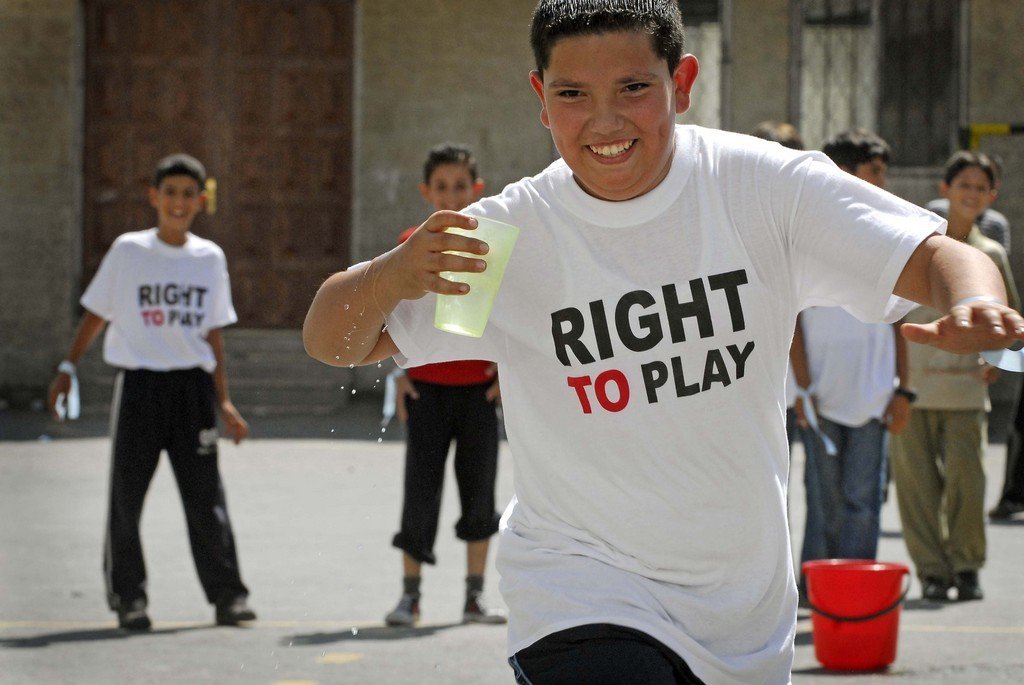
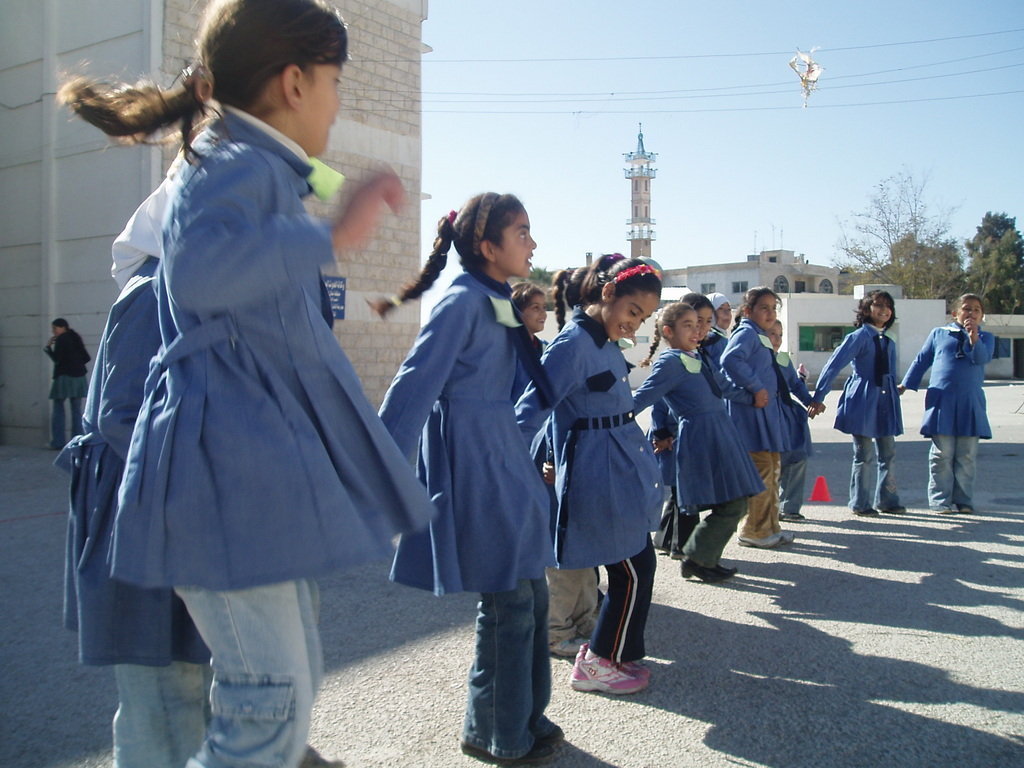
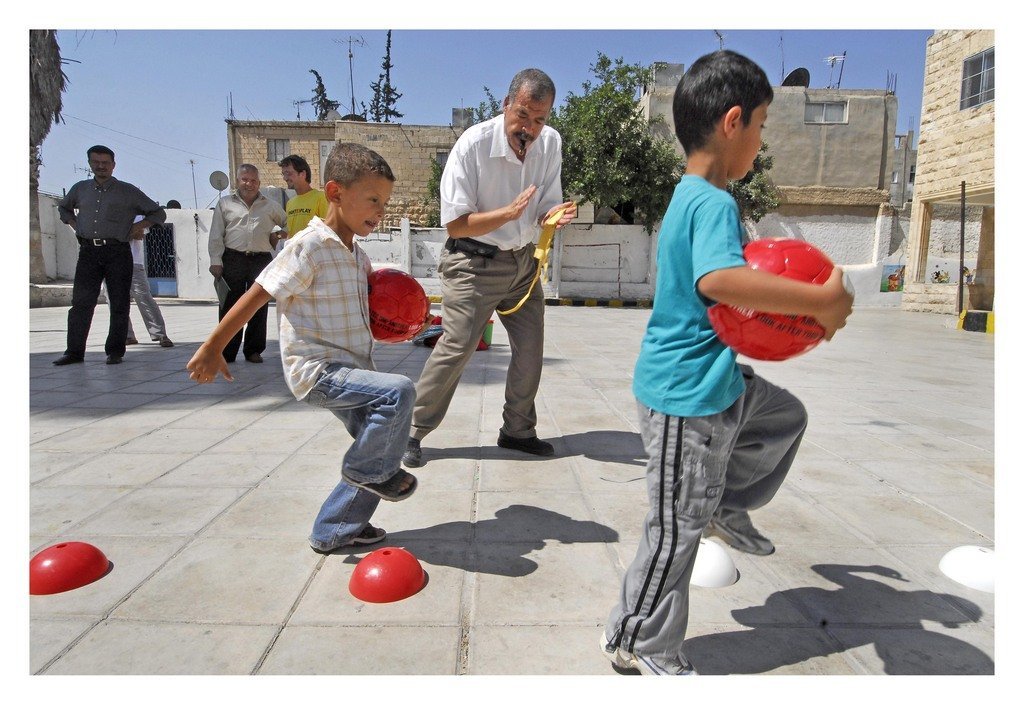
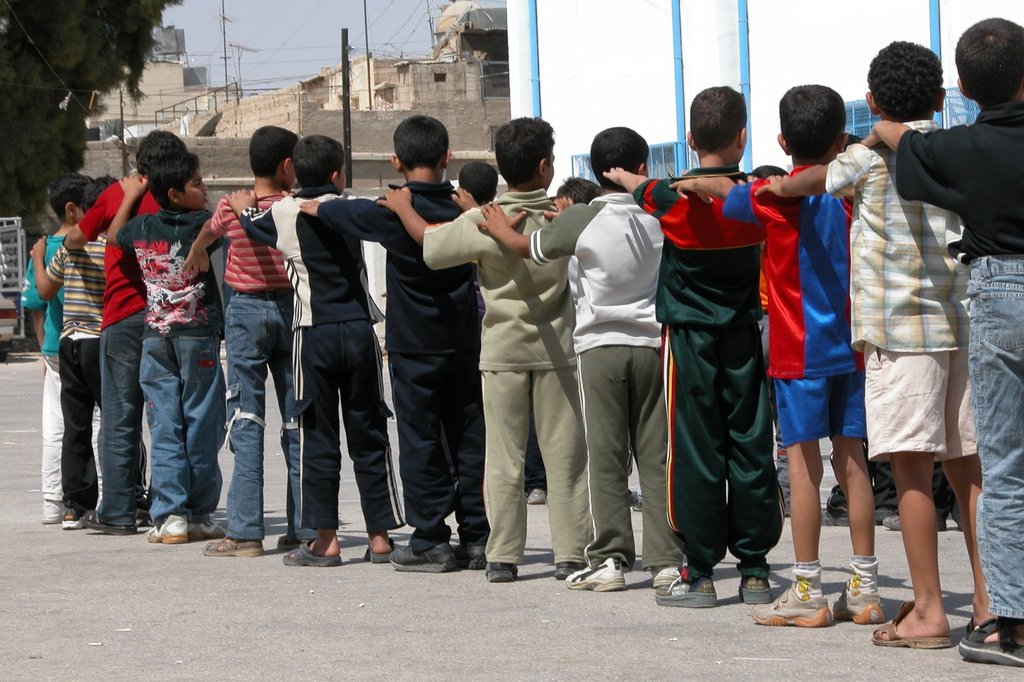
In Jordan, Right To Play trains teachers and staff of partner organizations to implement programs that promote inclusion, leadership development, early childhood and child development programs, health education and disease prevention activities. The methodology uses sport and play activities as a means of actively engaging children in learning the life skills and knowledge critical for their healthy development. As appropriate, Right To Play provides curricula and lesson plans for incorporation by partner schools and organizations into their regular activities.
Schools and organizations that partner with Right To Play in Jordan are typically seeking to increase access to sport and play programming. However, they have a limited level of knowledge and skills on how to utilize or implement sport and play programs that can create positive impacts on psychosocial development, youth engagement and child rights. They generally come equipped with strong assets, including local contextual knowledge, community acceptance, a track record of stability and a perceived sustainable future.
Individuals from these organizations are selected to be trained in the use and implementation of Right To Play’s technical resources and training methodology. The purpose of the training is to acquire knowledge and develop facilitation skills to prepare them for implementation of the activities with children in and out of schools in target communities. These partner organization staff members and teachers then conduct regular weekly sport and play based activities for their cohort of children and youth. Regular monitoring, refresher training and support are provided by Right To Play’s in-country staff.
At the core of Right To Play’s work are its holistic child development programs, which promote cognitive, social, emotional and physical development. Complementing this work are topic specific interventions that relate to specific needs or areas of interest in local communities. All of Right To Play’s work emphasizes its commitment to afford all children regardless of identity the opportunity to play and learn together. Right To Play has specific methodological approaches that it uses to ensure accessibility to its activities by all children, and in using these techniques it is anticipated that attitudes toward those persons living with disabilities or with traditionally stigmatized identities will change. Right To Play also has specific approaches to health education and disease prevention that teach children basic information about preventable diseases – including malaria, measles, polio and tuberculosis – and how the diseases are transmitted, detected, prevented and treated. Right To Play’s youth leadership activities engage youth in meaningful activities and develop, in youth, a sense of efficacy, pride, confidence and belonging. Youth receive opportunities for practical leadership experiences in the community, including planning, implementing and evaluating initiatives.
The curricular approach that is used is through regular activities with a stable cohort of children on a weekly basis for roughly 40 minutes each week. The core of each weekly activity includes a sporting activity or play session that is designed to foster knowledge development in one of the desired dimensions of change, whether it is health knowledge or gender equality. Metacognition is used to foster behavior change. This involves an opening and closing discussion that takes place around each activity in which the key messages from the program resources are introduced and reinforced. Children are asked to share their experience during the activity, what this implies about a topic and how they will apply it in their lives.
Links:
Project reports on GlobalGiving are posted directly to globalgiving.org by Project Leaders as they are completed, generally every 3-4 months. To protect the integrity of these documents, GlobalGiving does not alter them; therefore you may find some language or formatting issues.
If you donate to this project or have donated to this project, you can receive an email when this project posts a report. You can also subscribe for reports without donating.