By Ariana LaMagra | Sudan Aid
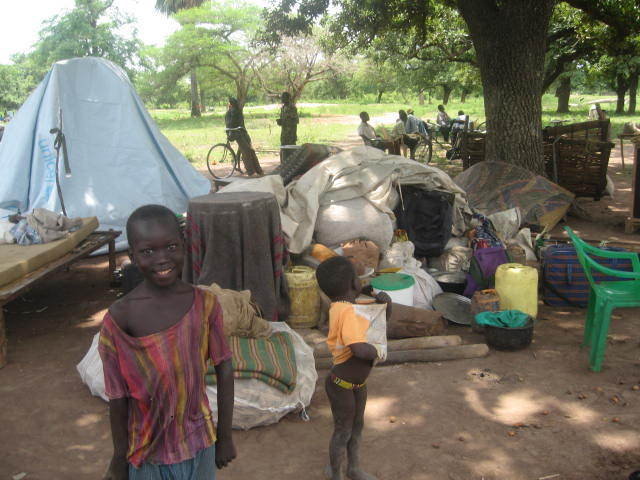
Violent tribal clashes between the Dinka Agar of Rumbek East County and the Jur Beli of Wulu County in May and June caused 600 people to flee to Makernhoum in Lakes State, where WfWI-Sudan’s CIFI farm is located. Karak Mayik and the WfWI-Sudan staff and participants took the lead in assisting the hundreds of internally displaced people (IDPs) by enrolling some of the women in the WfWI-Sudan program and buying food and clothing for the others out of their own pockets.
Following a welcomed three-month lull in tribal violence in Lakes State, South Sudan, clashes between the Dinka Agar of Rumbek East County and the Jur Beli tribe of Wulu County resumed on May 28th, unleashing a wave of attacks that destabilized the region for a month. As of June 28, the UN reported that the violence had caused the forced displacement of 8,214 in Rumbek and Cueibet in South Sudan, where Women for Women International-Sudan is housed. Women for Women International-Sudan (WfWI-Sudan) has helped thousands of women since its inception in 2007 through its program of support to women survivors of war; but on June 3rd, WfWI-Sudan expanded its humanitarian reach to support some 600 internally displaced persons stranded at the organization’s farm in Makernhoum.
Far from the reaches of the humanitarian crisis that ravages Darfur, Dinka and Wulu rivalries run deep and threaten the security of Lakes State in South Sudan where WfWI-Sudan’s offices are located. Lakes State is one of the most dangerous of the ten states in southern Sudan, where internal clashes threatened the safety of the Sudan chapter’s staff and participants earlier this year during a three month-long conflict that ended in March. Such intra-state tensions are especially disruptive given their lasting effects on the greater population – the violence not only threatens the lives of Lakes State residents, but also displaces thousands and causes the forced closure of schools and medical facilities. The internally displaced are usually women and children, often forced into vulnerable situations with no food, water, or shelter as their villages and households are destroyed. The clashes of early 2009 displaced at least 414 people according to WfWI-Sudan.
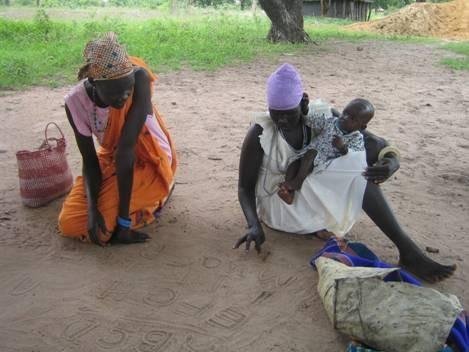
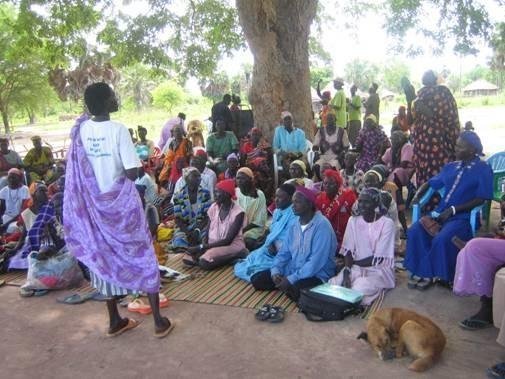
When the women of the CIFI farm arrived for work on June 3rd, they saw what one WfWI-Sudan staff member described as a “sea of humanity…. They were desperately in need of water, food, cooking utensils, clothes, blankets, medical services...” The WfWI-Sudan driver rushed back to town to inform the local authorities and the WfWI-Sudan office of the situation. As one of the WfWI-Sudan staff members told us, when “the same information reached the local state authorities, …they were largely unable to do anything about it. As soon as this information reached us in our offices in Rumbek town, [Karak] organized part of her staff to rush to the site and estimate the gravity of the situation. It was a total human catastrophe and there was nobody on site to help.” WfWI-Sudan’s resources are meager and stretched thin as it is. To take on the responsibility of assisting 600 internally displaced people (IDPs) was a major task, one not even the local state government was capable of addressing. Lacking resources, infrastructure, and government autonomy, the local authorities are frequently unprepared to address the humanitarian crises that arise after conflicts in the region. Despite this, the WfWI-Sudan staff and participants made the collective decision to take the lead in assisting the 600 IDPs stranded in Makernhoum. They were able to enroll some of the displaced women as WfWI-Sudan participants; for others, the staff and participants pooled resources out of their own pockets to purchase 80 bags of sorghum, six bags of used clothes and ten plastic sheets. They also opened the gate to the farm to allow them access to the water well. Karak took the initiative to contact local UN office and the Southern Sudan Relief and Rehabilitation Commission to assist the displaced. Happily, the UN agencies responded swiftly and were able to provide additional food and medical services with their ample resources.
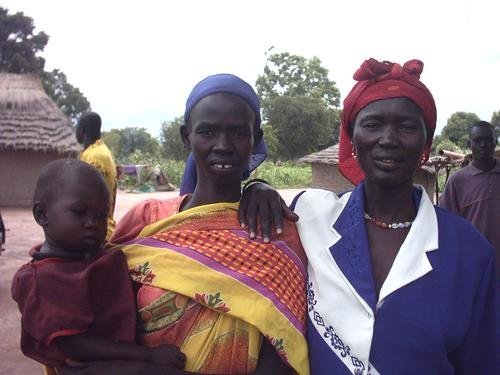
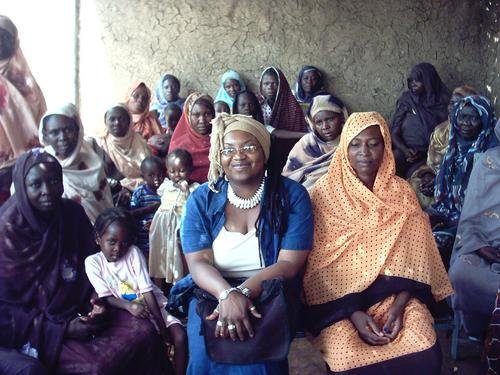
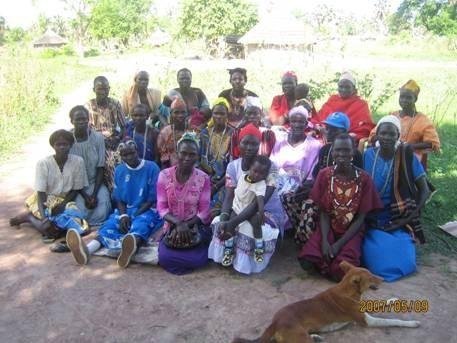
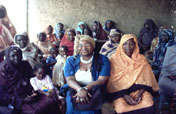
Perhaps the most remarkable outcome of this exercise in humanitarian assistance was the relationship the participants in the WfWI-Sudan program forged with the women IDPs. Once stranded themselves, the women of WfWI-Sudan were now in a position to help other survivors of conflict. They welcomed them to the farm and shared with them their stories of Women for Women International. “Our women welcomed [all of the] IDP women to the farm, telling them success of the program and [that] it is for [all of the] women of Sudan, not only Rumbek women…” one staff member told of the experience.
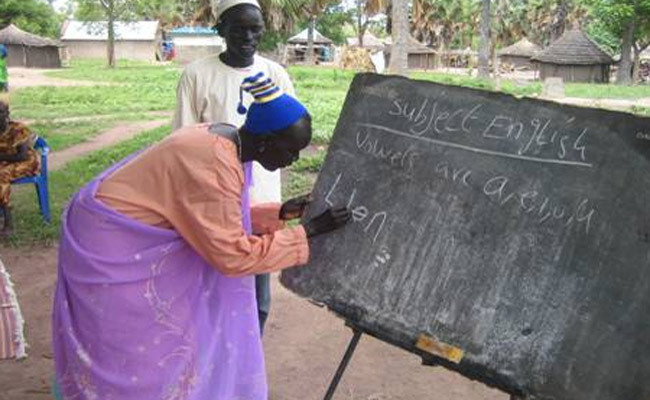
With their sponsorship funds and income from the farm, the women donated money to the cause of providing the IDPs necessary commodities like food and clothing; with the knowledge they gained from their training, the women were able to spread the word of the WfWI-Sudan program and even help to enroll some of the internally displaced women in need of assistance. The farm they own provided water and shelter for the 600-some stranded IDPs.
Peace has returned to the Lakes State region, the Agar-Jur Beli conflict has been quelled for now. “Now the place is calm,” one WfWI-Sudan staff member told us, “and the government has come in to collect the guns from the local inhabitants and warned them sternly that the government will no longer tolerate any other form of violence.” But the outbreak in attacks that began on May 28th proved worse than the last, killing and displacing many more people and causing health services and schools in the area to close. The current lull in violence feels fragile to the WfWI-Sudan staff and participants who have seen resurgences in tribal conflicts occur time and again. “Lakes State is in the grip of this tribal violence, which knows no boundaries for old people, young children, pregnant mothers…” says Karak.
At a moment of extreme need, the women of WfWI-Sudan assumed responsibility for a humanitarian crisis outside the reach of the local authorities. Their generosity, enthusiasm, and skillfulness ensured the survival of the internally displaced at Makernhoum and ensured that their immediate needs were met. The assistance provided by WfWI-Sudan is a testament what can be accomplished in a nation torn by conflict when women are empowered with the tools to lift themselves and fellow survivors of conflict out of poverty and instability. As Karak and the participants of WfWI-Sudan showed through their leadership, in deed stronger women build stronger nations.
Project reports on GlobalGiving are posted directly to globalgiving.org by Project Leaders as they are completed, generally every 3-4 months. To protect the integrity of these documents, GlobalGiving does not alter them; therefore you may find some language or formatting issues.
If you donate to this project or have donated to this project, you can receive an email when this project posts a report. You can also subscribe for reports without donating.