By Women for Women International | Project Sponsor
Since gaining independence in 1956, Sudan's various constitutions have granted equal rights and duties to all Sudanese people, irrespective of gender, but these rights have not been brought to bear. For example, in 2000, the Governor of Khartoum issued a decree barring women from working in public places.
For the most part, Sudanese women remain confined to the private sphere where they are responsible for domestic chores, which is traditionally unpaid work. In Sudanese society, a woman's primary traditional social role is marriage and bearing children. Having many children is a wife's principal function and her ability to do so is often the only measure of her worth. Because of this, Sudanese fertility rates are among the highest in the world, as are maternal death rates during childbirth where 590 women die for every 100,000 live births. This emphasis on traditional roles also contributes to high primary school drop-out rates leading to rampant illiteracy among the female population.
Another issue for Sudanese women is the practice of female genital cutting (FGC). According to experts, FGC is more commonly practiced in Sudan than anywhere else in the world. Almost 90 percent of the country's female population experiences this custom, often in its most extreme form. A woman who does not undergo the FGC procedure risks being shunned. Communities impose harsh sanctions against an uncircumcised women and their families to ensure compliance, including restricting her association with other circumcised girls, calling her derogatory names, and denying her status and access to positions that adult women in that community may occupy.
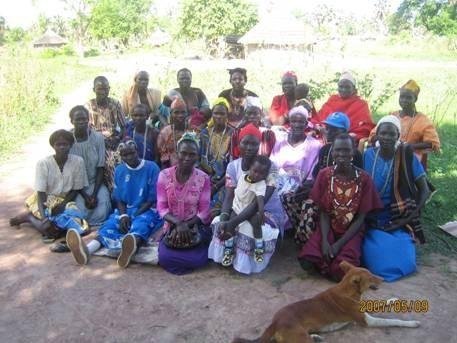
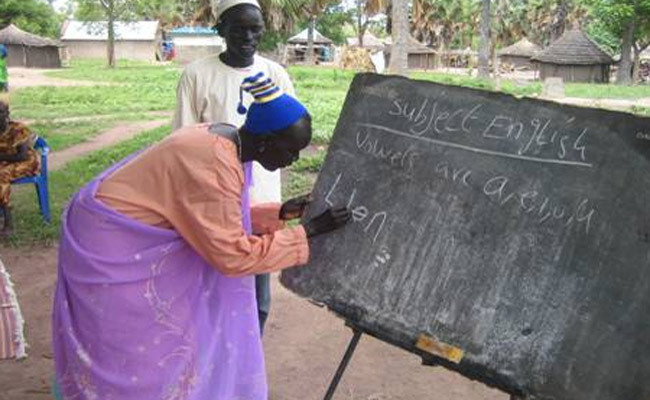
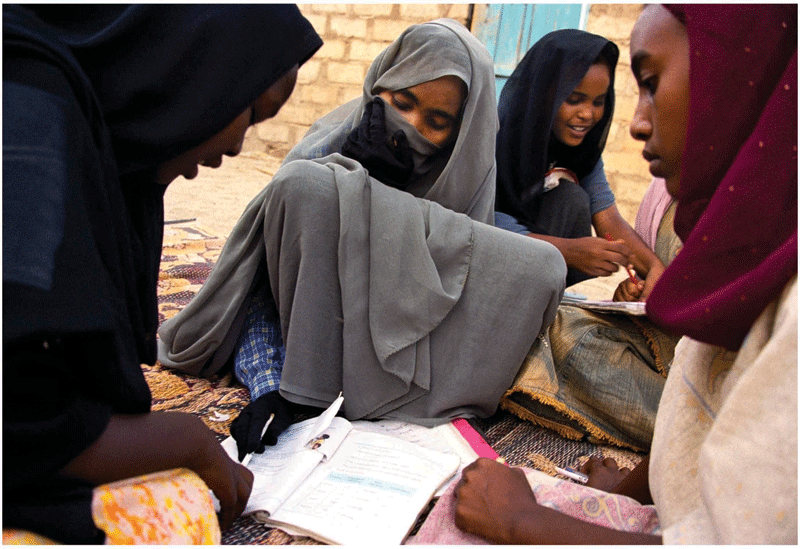
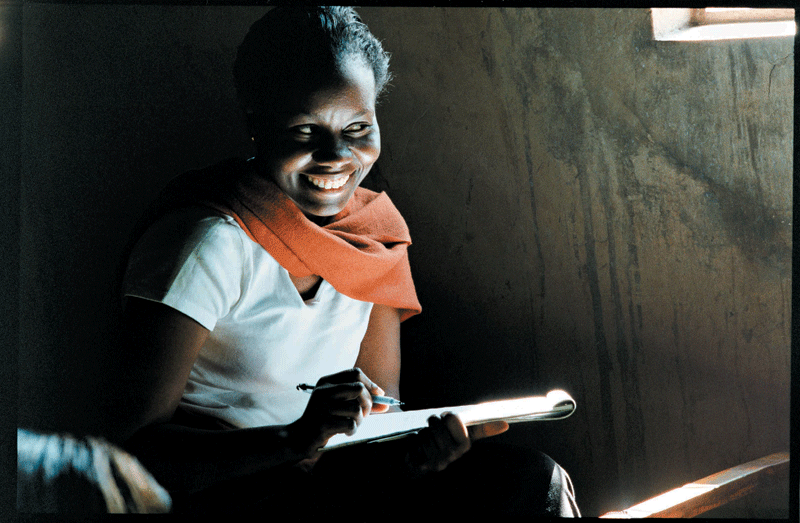
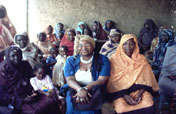
Part of Women for Women International’s mission is to provide rights awareness and leadership education to the women of Sudan. This training offers women a safe space to discuss their social, political, and economic rights. Through this rights-based approach, women realize their value and their potential.
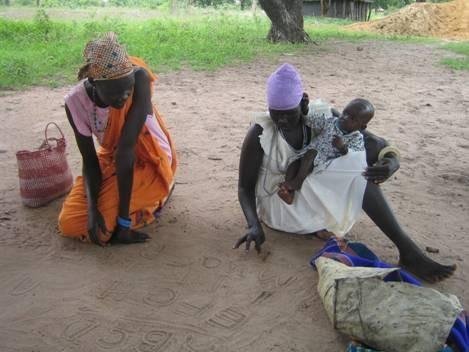
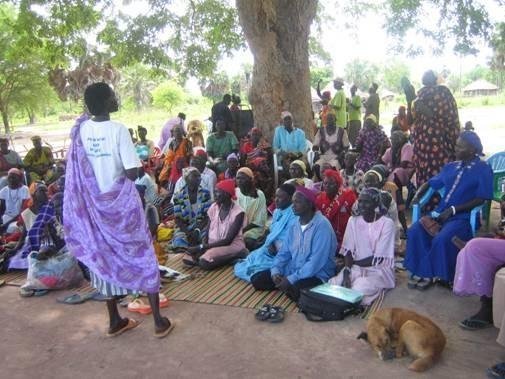
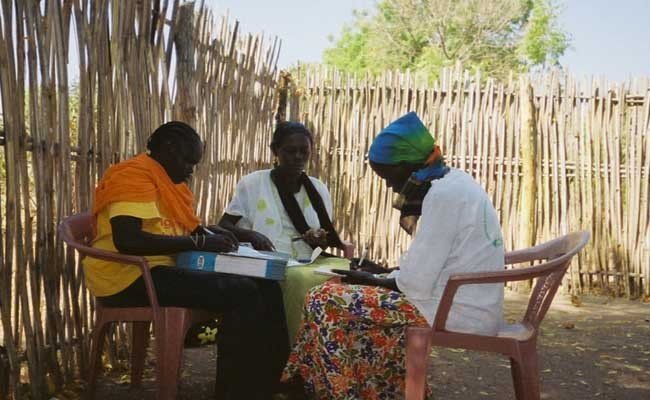
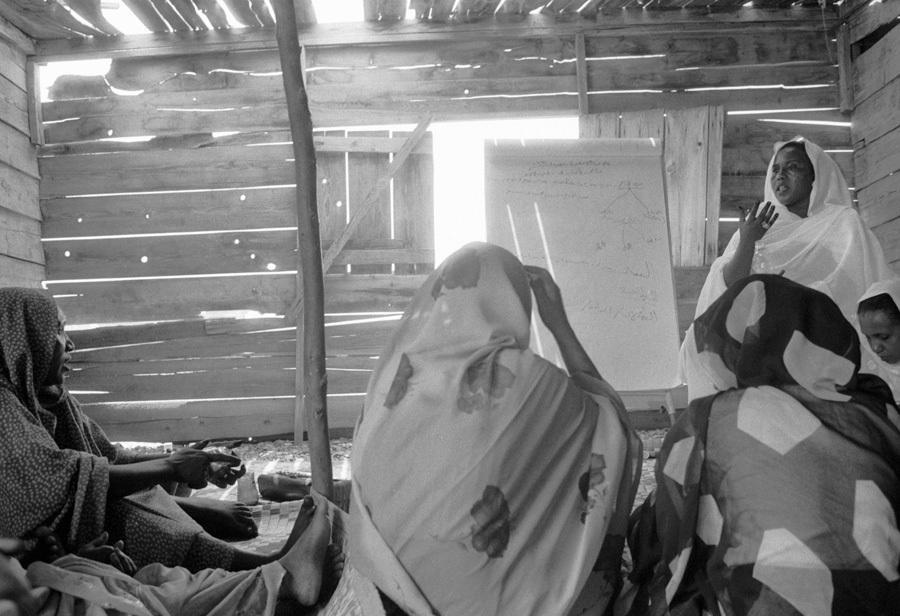
Through storytelling and workshops, we share knowledge with women about their worth and the importance of women’s roles and rights in society. The women form support groups to discuss issues such as the importance of education, voting rights, domestic violence and how to protect their health. Women from different religious or ethnic groups find common ground and often decide to pool resources to start businesses. Together, they actualize their rights and support one another. Sponsorship contributions also support a woman’s year-long participation in the Renewing Women’s Life Skills (ReneWLS) Program that provides her with rights awareness, leadership education and vocational and technical skills training.
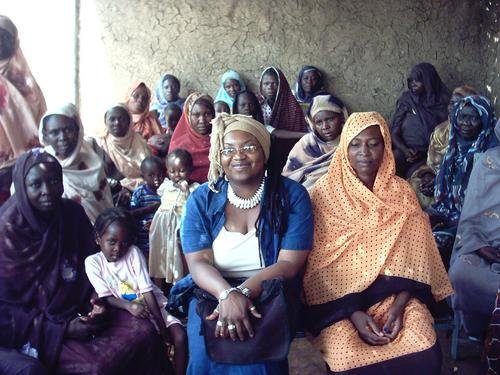
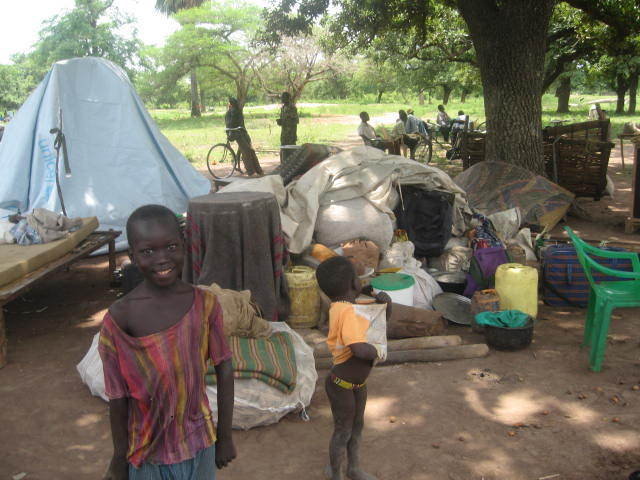
Throughout her year in the program, she meets regularly with a group of approximately 20 women for rights awareness training sessions based on Women for Women International’s training manual, A Woman’s World. These meetings create a support network for women who may have lost everything during war and violence. Relying on her network becomes critical to a woman regaining control of her life after war.
By Women for Women International | Project sponsor
Project reports on GlobalGiving are posted directly to globalgiving.org by Project Leaders as they are completed, generally every 3-4 months. To protect the integrity of these documents, GlobalGiving does not alter them; therefore you may find some language or formatting issues.
If you donate to this project or have donated to this project, you can receive an email when this project posts a report. You can also subscribe for reports without donating.