Project Report
| Oct 3, 2019
July to September 2019 Quarterly report
By Samson Namwoyo | Project Leader
Summary
The report the project progress for the quarter ending 30TH September 2019 with financial support from stakeholders and donors on the GlobalGiving platform. We did not receive any funding from our donors and did not mobilize and realize funds from the organization savings and the community at large that hindered the implementation of project activities as planned.
The following were done in the quarter:-
We did not implement any activity in the quarter due to no money for implementation of project activities
Challenges
- Limited Funds to implement project activities.
- High rate of Girl Children school dropout.
- Poverty among care givers and guardians.
Recommendations
KADO submits a request to all development partners to extend their helping hand to the project to facilitate the implementation of this project in order to retain these Orphan Girls in School.
![Share on Twitter]()
![Share on Facebook]()
Jun 20, 2019
March to June 2019 Quarterly report
By Samson Namwoyo | Project Leader
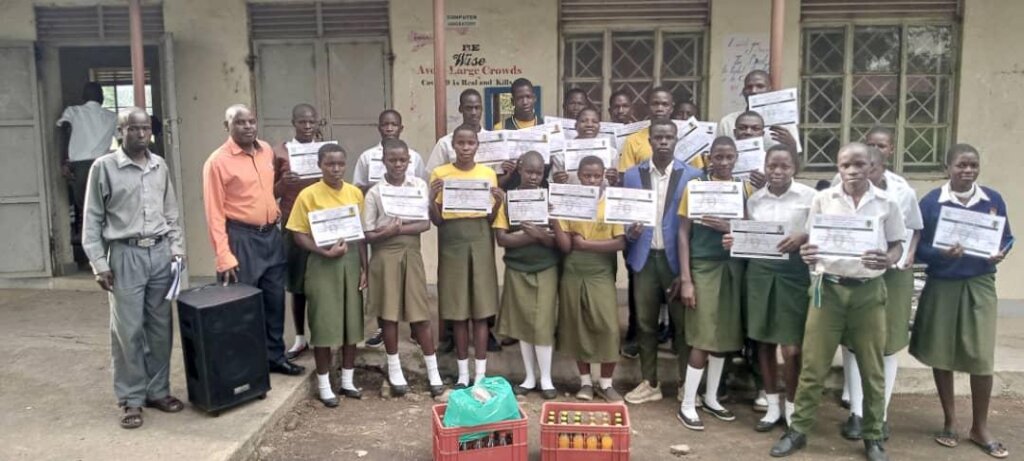
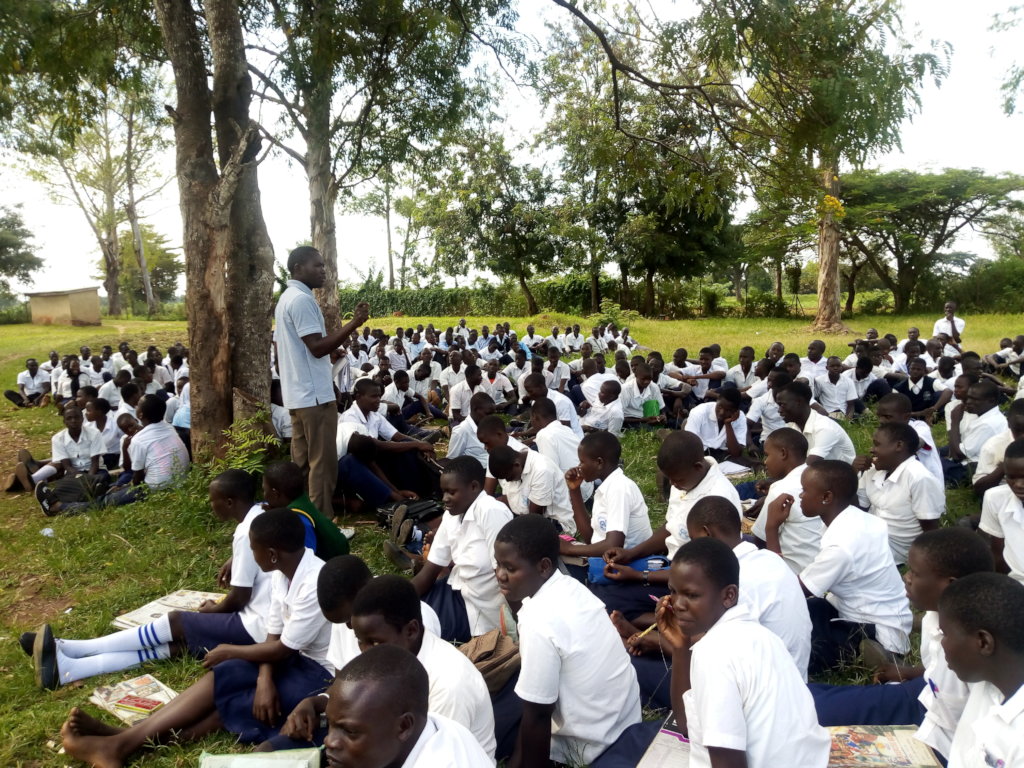
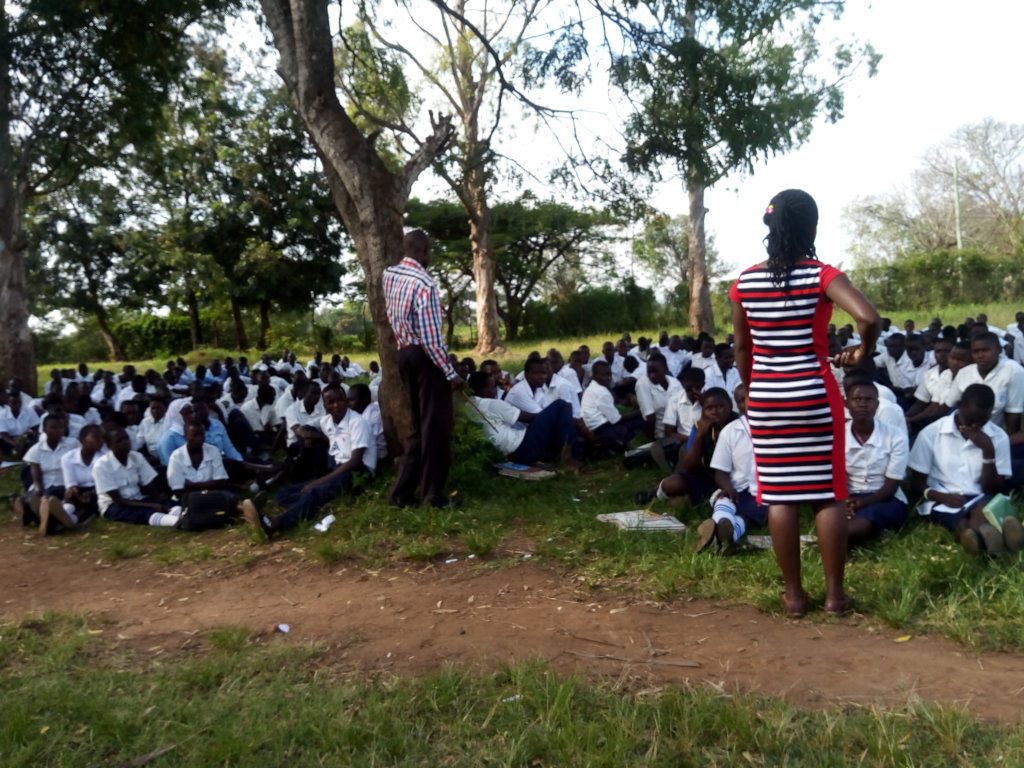
![Training on Menstrual Health Hygiene]()
Training on Menstrual Health Hygiene
Summary
This report shows the project progress for the quarter ending 30th June 2019 with financial support from stakeholders and GlobalGiving platform. We did not receive any funding from our donors, however, we were able to mobilize and realize some funds from the organization savings and the community at large that enabled us to implement activities as planned.
The following were done in the quarter:-
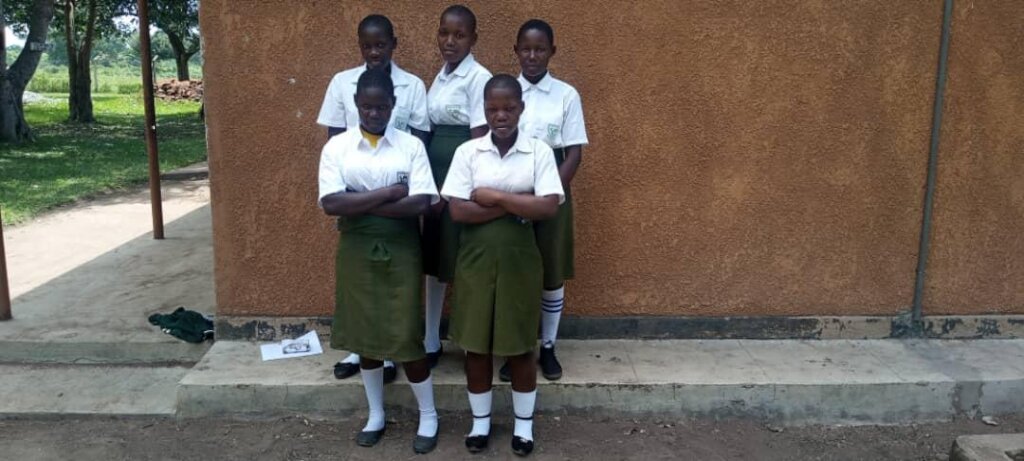
- Mobilized and trained 30 Orphan Girl Children in Menstrual Health Hygiene practices at Ngoma Secondary School.
- Trained 20 Orphan Girl Children in making reusable sanitary pads at Iki-Iki Secondary School.
- Trained 25 Orphan Girl Children in Children’s rights and obligations at Kachomo Primary School.
- Facilitated 4 visits during support supervision, monitoring and evaluation to schools where our beneficiaries are located.
Challenges
- Limited Funds to implement project activities.
- High rate of Girl Children school dropout.
- Poverty among care givers and guardians.
Recommendations
KADO submits a request to all development partners to extend their helping hand to the project to facilitate the implementation of this project in order to retain these Orphan
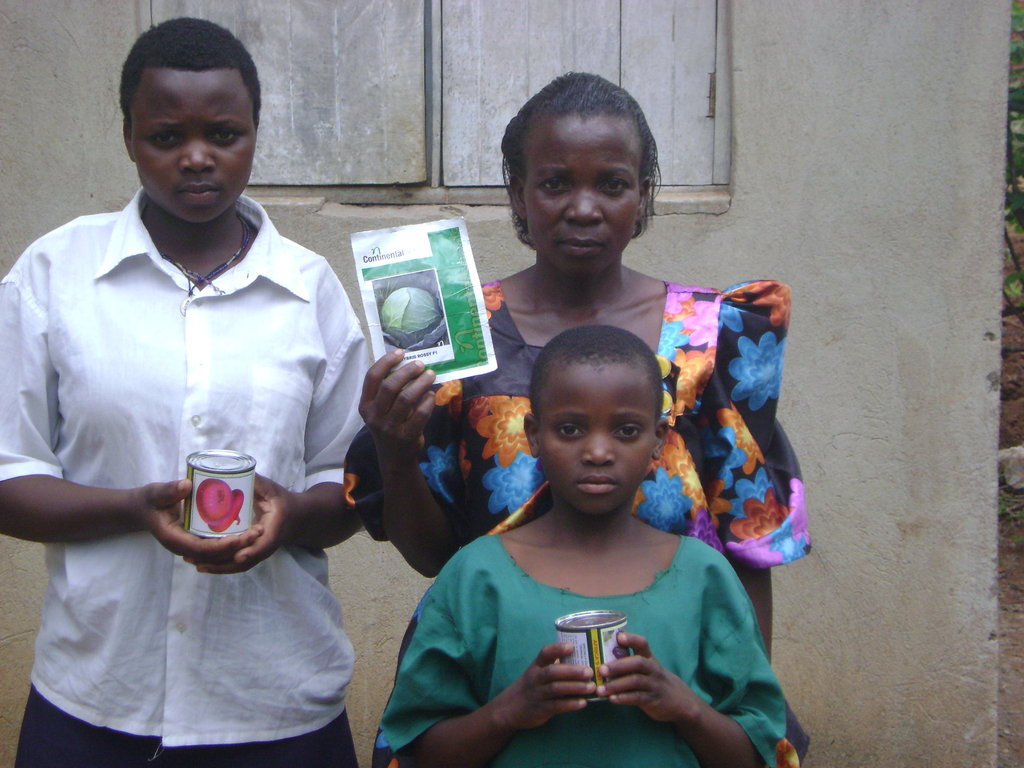
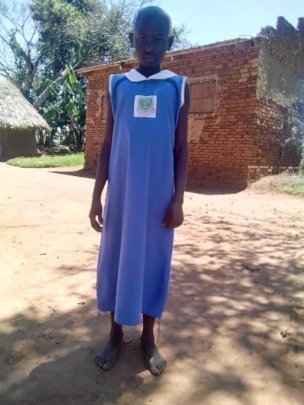
![One Beneficiary]()
One Beneficiary
![Share on Twitter]()
![Share on Facebook]()
Mar 22, 2019
December 2018 to March 2019 quarterly report
By Samson Namwoyo | Project Leader
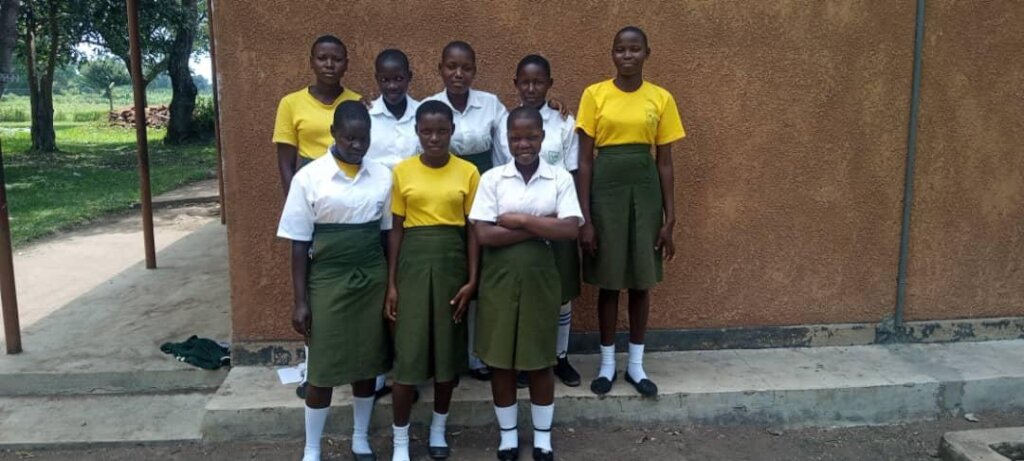
![Sensitizing young people on ASRHR]()
Sensitizing young people on ASRHR
Summary
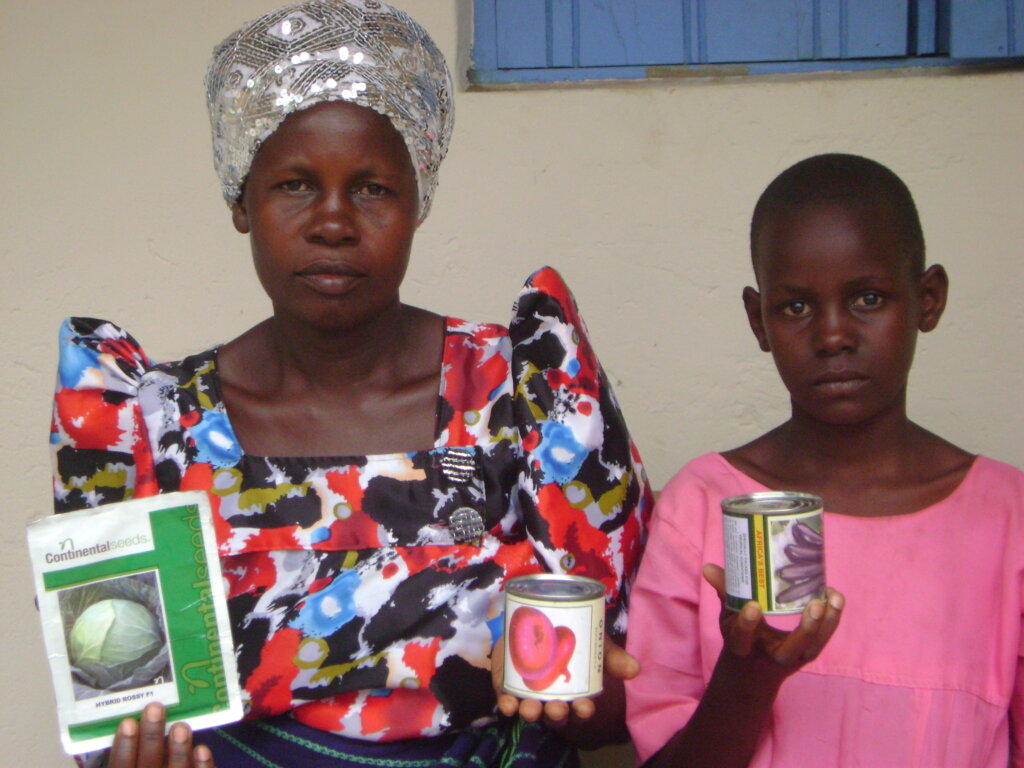
Girl Children of 10 - 24 years in Uganda dropout of school due to failure to manage menstrual health hygiene and lack of support like adequate food and school items. As such engage in child marriage, prostitution and are exposed to HIV/AIDS. In Uganda, particularly in Budaka and Kibuku district dropout of orphaned girl children in schools is extremely high despite the existing Universal Primary and Secondary Education in Budaka and Kibuku district. Caregivers lack adequate capacity to provide necessary support like scholastic materials and other basic needs of girl children. The project establishes sustainable income generating projects to caregivers and trains Orphan Girl Children in Menstrual Health Hygiene practices. This is the January – March 2019 project quarterly report. The report captures the progress of the project for the quarter ending 31 March 2019 with financial support from GlobalGiving stakeholders and partners.
Current Status of the Project
The following were done in the last quarter:-
- Mobilized and trained 30 Orphan Girl Children in Menstrual Health Hygiene practices.
- Trained 30 Orphan Girl Children in making reusable sanitary pads.
- Provided 30 Orphan Girl Children with materials for making reusable sanitary pads.
Challenges
KADO is faced with limited funding to support Orphan Girl Children in Menstrual Health Hygiene practices and with materials for making reusable sanitary pads.
Recommendations
KADO recommends that funds be made available to organizations addressing issues Adolescents Sexual and Reproductive Health Rights (ASRHR) to improve the literacy levels of girls to enable them become self-reliant and have sustainable livelihood.
![Share on Twitter]()
![Share on Facebook]()