By Shadrack Mutembei | Project Leader
Executive Summary
Thanks to the generous support of GlobalGiving and its donors, Communities EverGreening Africa continues to make steady progress through the Riparian Restoration and Sustainable Livelihoods Project. During the second quarter of 2026, the project focused on helping communities apply the knowledge and skills they have gained, strengthen local ownership, and create sustainable income opportunities linked to environmental restoration.
Through continued mentoring of beekeepers, practical training for a new women's beekeeping group, and support for community tree nurseries supplying grafted fruit trees to local schools, the project is demonstrating that restoring degraded riparian landscapes can also improve household livelihoods. As communities gain confidence and take greater ownership of these activities, they are building healthier ecosystems while creating lasting economic opportunities for their families.
Farmers Building Stronger Apiaries
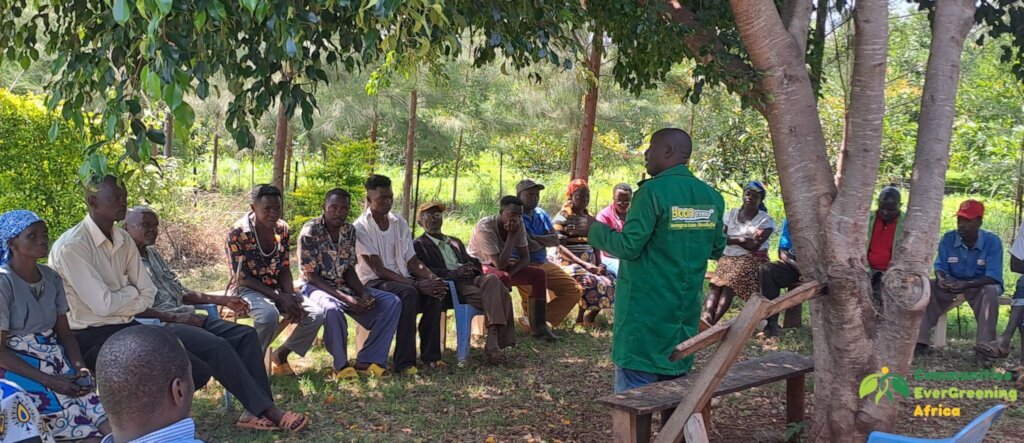
During this reporting period, the Riparian Restoration and Sustainable Livelihoods Project continued supporting participating beekeepers through regular farm visits, practical coaching, and technical mentoring. The emphasis was on helping existing and new participants strengthen hive management, improve colony health, and prepare for increased honey production.
Today, 20 farmers across Tharaka Nithi and Meru counties are actively managing 202 beehives, with many colonies now well established because of continuous technical support and hands-on guidance. Farmers are becoming increasingly confident in monitoring colony health, managing their apiaries, and applying good beekeeping practices independently.
As healthy bee colonies become established, they not only increase opportunities for future honey production but also enhance the pollination of indigenous trees, fruit trees, and food crops, strengthening both biodiversity and agricultural productivity across the landscape.
Empowering Women Through Beekeeping
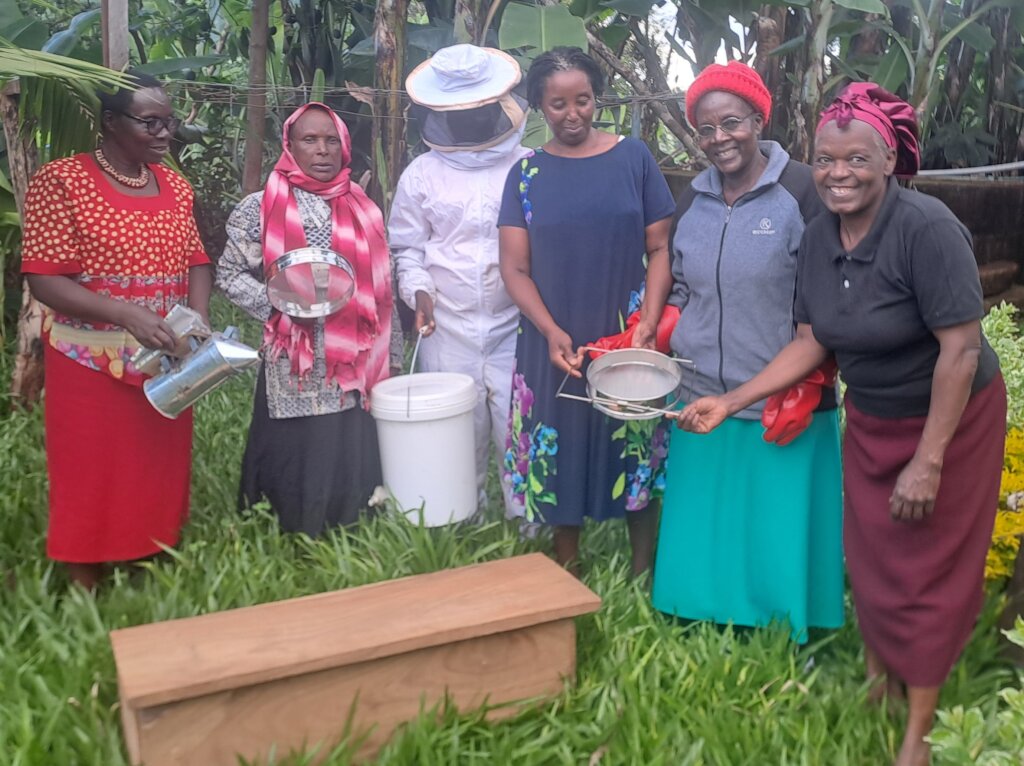
One of the highlights of the quarter was the successful training of a women's group comprising ten members in Tharaka Nithi County.
Through practical instruction in hive construction, apiary establishment, colony management, and honey harvesting, the women gained the knowledge and confidence needed to establish environmentally sustainable enterprises that can generate additional household income.
Even more encouraging is their commitment to sharing what they have learned. The group has expressed its intention to mentor other women's groups within their community, creating a multiplier effect that will expand the benefits of beekeeping beyond the initial trainees. This peer-to-peer approach is strengthening local leadership while making climate-smart livelihoods more accessible to women and their families.
Community Tree Nurseries Growing into Sustainable Enterprises
The community tree nurseries supported through the Riparian Restoration and Sustainable Livelihoods Project continue to mature into sustainable local enterprises that support both environmental restoration and household livelihoods.
During this reporting period, the nurseries supplied grafted fruit trees that were planted in two partner schools. These trees will contribute to greener school environments while providing future opportunities for improved nutrition, environmental education, and practical learning for students.
Income generated from the sale of these trees is helping strengthen the sustainability of the nurseries, enabling them to continue producing high-quality indigenous and fruit tree seedlings for riparian restoration, agroforestry, and community planting initiatives.
Project reports on GlobalGiving are posted directly to globalgiving.org by Project Leaders as they are completed, generally every 3-4 months. To protect the integrity of these documents, GlobalGiving does not alter them; therefore you may find some language or formatting issues.
If you donate to this project or have donated to this project, you can receive an email when this project posts a report. You can also subscribe for reports without donating.



Support this important cause by creating a personalized fundraising page.
Start a Fundraiser