By Suchitra Naidu | Project Leader
As belief systems and traditional knowledge about forest conservation erodes and you are left to tackle with the fallout, it becomes important to explore the forests and listen to their secrets to get cues to restore and maintain its health and vitality.
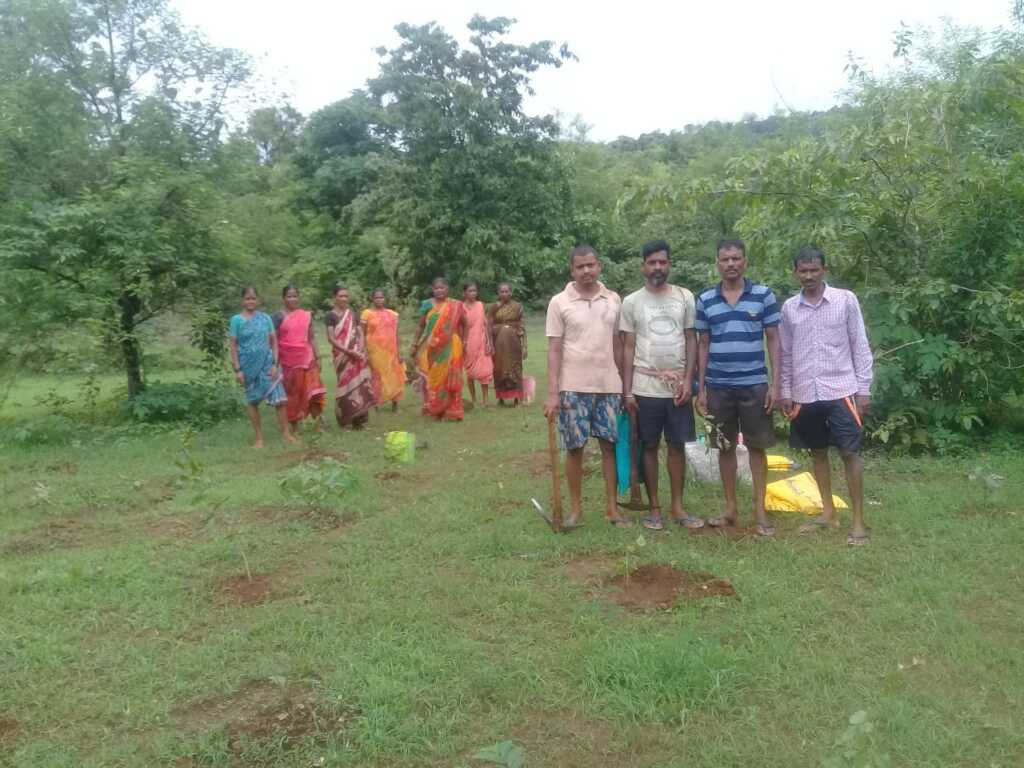
With another monsoon behind us, we duly planted another 4500 saplings of Karanj on 5 agroforestry plots. However, while one team was busy ploughing and planting, another was inside the forests, with keen observant eyes on the lookout for answers...
We have been fighting the problem of forest fires in Mangavli for a long time now. Despite drawing firelines and talking to the community about responsible use of forests, it still is a 'burning issue'. We needed to know why the fires spread so rapidly over a vast expanse. So we set out to explore the forests to seek answers from a fresh perspective. The composition of the forest showed a lot of Khair (Senegalia catechu), Teakwood (Tectona grandis), Aain (Terminalia elliptica), Kinjal (Terminalia paniculata) etc. It was evident that forest tracts were cleared to plant these specific species without taking into consideration the primary forest profile and the impact of phenomenon like climate change on the health of the forests. With an already increased trend of forest fires in summers, these species with inherrently high 'burn rates' facilitate the spread of fire and exacerbate the problem further.
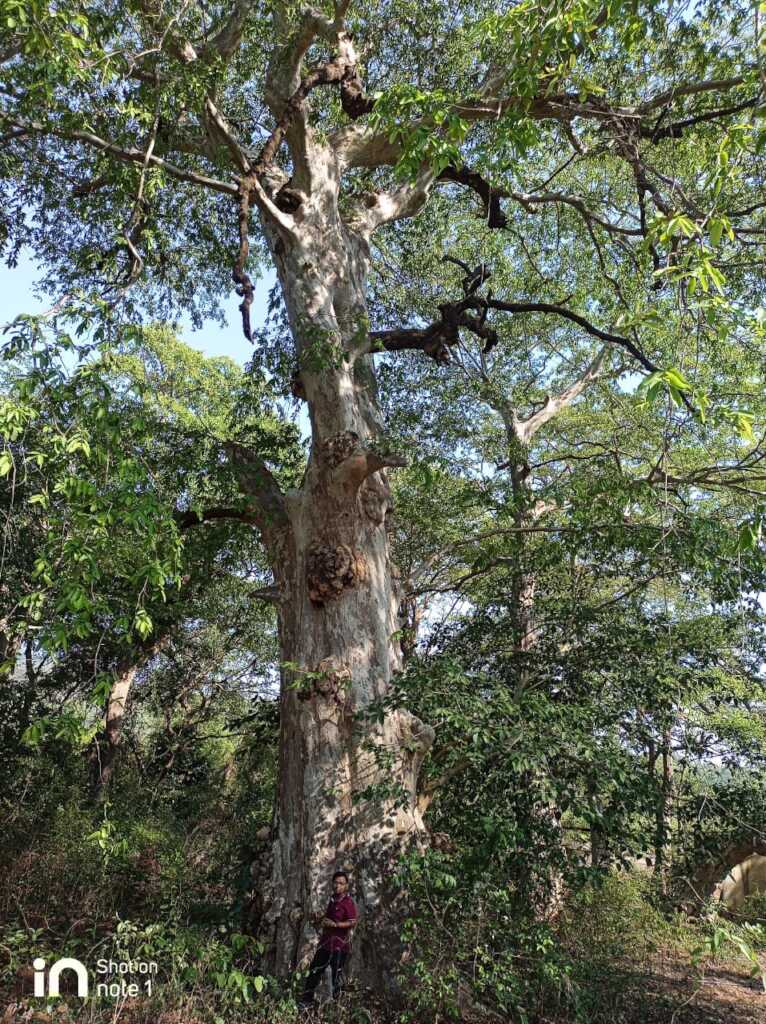
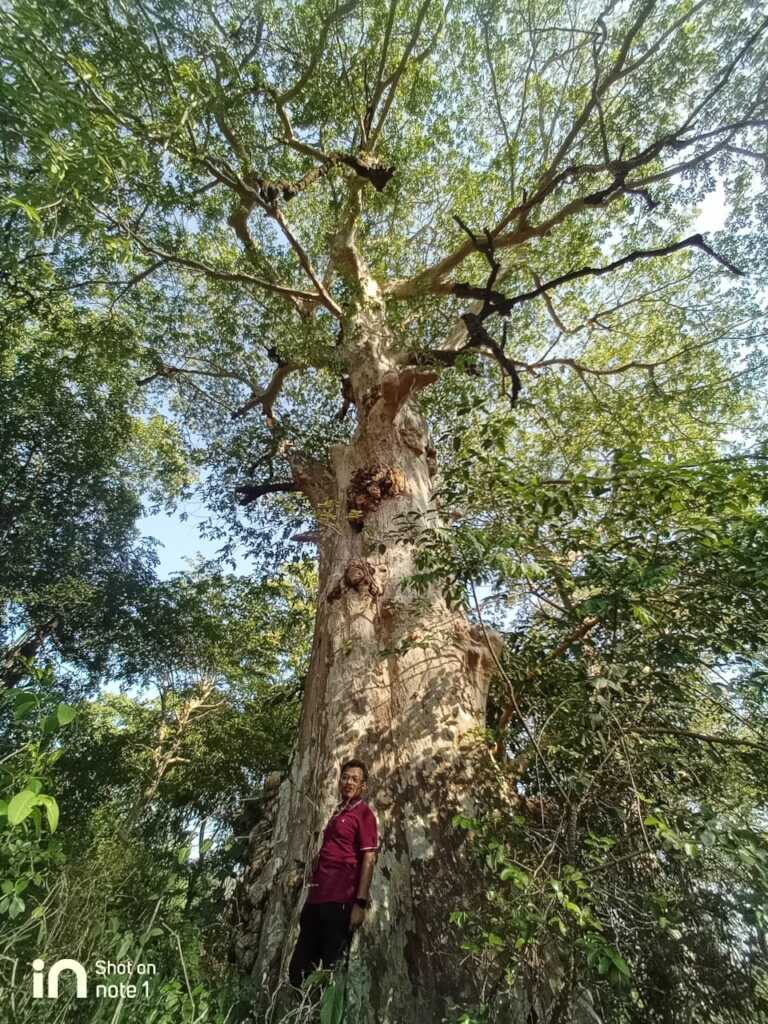
Alternately, our exploration of an old grove near Mangavli showed us a different tree composition! Old groves are considered the 'Key Biodiversity Area' since they give a glimplse into how the associated forest areas may have been in the past. This grove in village Het adjoining Mangavli greeted us with huge trees of Terminalia arjuna. Of the 12 odd giant Arjuna trees that we encountered, one of them had a girth of almost 8 meters! We also came across many individuals of Jabhul(Syzygium cumini), Amba (Mangifera indica), Fanas (Artocarpus heterophyllus) which are evergreen forest elements of Konkan. As expected with the presense of Arjuna trees, we also came across remnants of 2 water sources nearby which used to provide water to the village. Now, this water has been channelised through a well and still continues to feed and nourish the villagers.
Analysing these very different forest profiles so close to each other, we can say that years of deforestation has changed the forest profile in a way that links it to the current site-specific challenges that we are facing in our restoration work. It also reiterates the choice of Karanj tree for plantation owing to its high versatility index and because it can grow resiliently in challenging conditions and also restore the soil in the process.
Such explorations indicate that it is important to deep-dive into an issue to really understand the core of the problem. Only then can you link all the evidence together and present a complete understanding in front of the community. The process of reacquainting the community with their forests is not through stand-alone 'bumper-sticker' activities like plantation, but by drawing its linkages to the big picture for them!
Project reports on GlobalGiving are posted directly to globalgiving.org by Project Leaders as they are completed, generally every 3-4 months. To protect the integrity of these documents, GlobalGiving does not alter them; therefore you may find some language or formatting issues.
If you donate to this project or have donated to this project, you can receive an email when this project posts a report. You can also subscribe for reports without donating.


Support this important cause by creating a personalized fundraising page.
Start a Fundraiser