By Suchitra Naidu | Project Leader
Dear Supporter,
The past quarter has seen the second wave of COVID-19 grip India and we have gone back to a complete ban on travel and strict lockdowns. Even though we could not spend time on the field, one good thing is that we have been able to articulate the conservation challenge for Mangavli site and develop workable conservation strategy.
We decided that restoring the forest land by creating a community buffer of native tree species on the existing scrubland will generate ecological as well as social benefits in the long run.
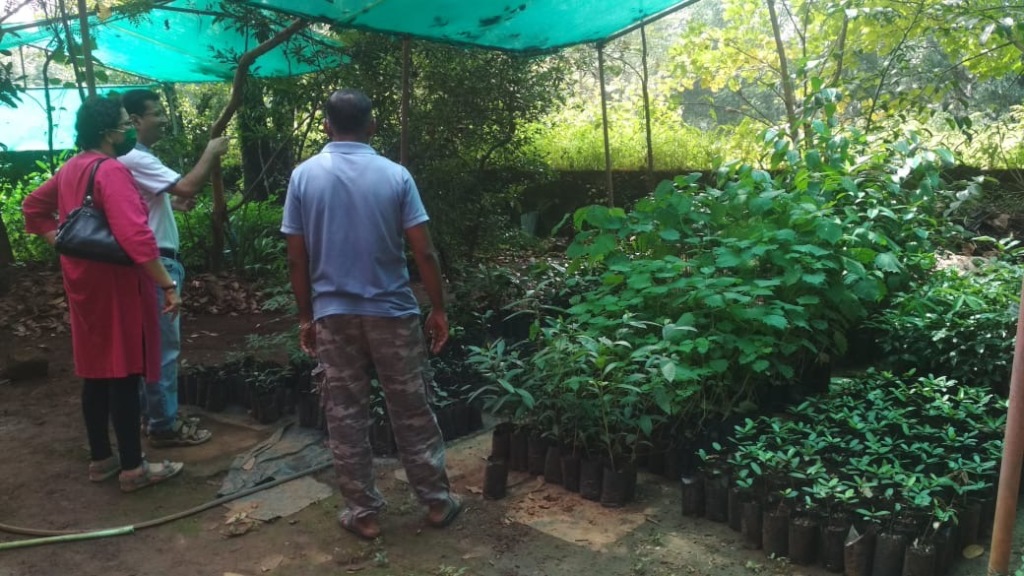
Thus we set up a nursery of native species at two sites one at our field station in Sadavali and other at the Mangavali- the place of our intervention. We have plans to plant at least 10000 saplings covering 25 acres of scrub land by the end of this year. The target of 25 acres though small will contribute to bringing back the past richness of the land on minimum 10% of total degraded area identified in this village.
The species for plantation have been very carefully selected - taking into consideration their role in the primary objective of this campaign - reducing the interaction between animals using these forests and the people dwelling around them.
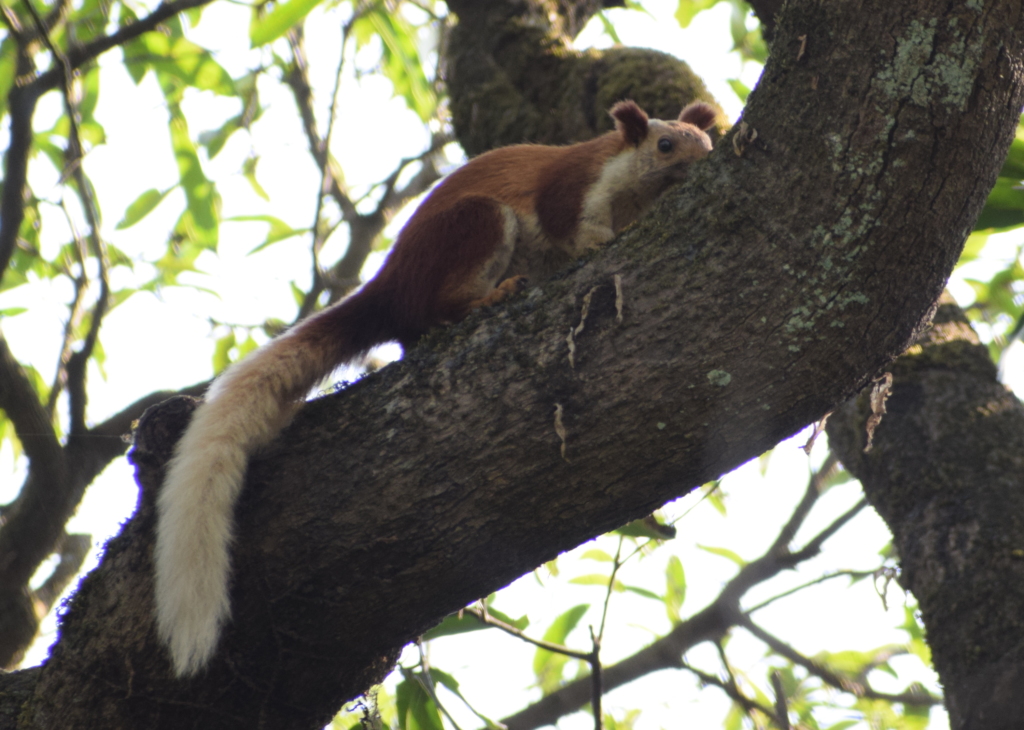
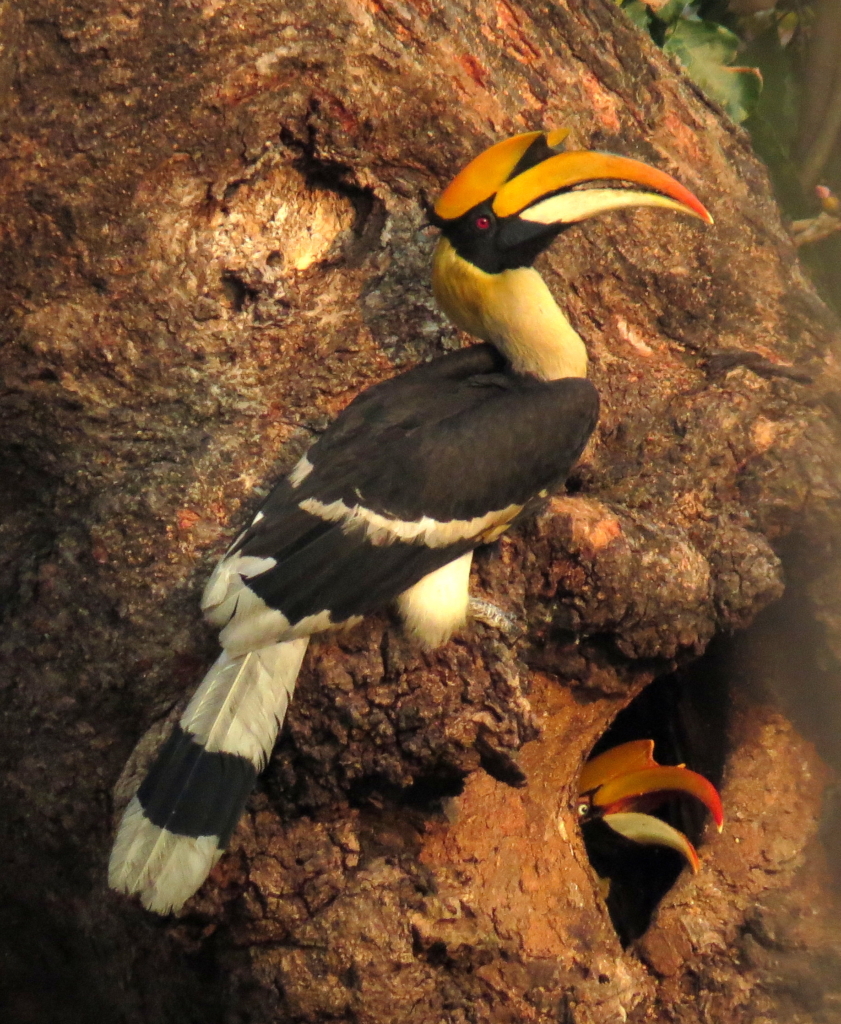
The effort here is to plant species which will form a huge canopy, thus creating a safe habitat for arboreal animals and birds - like the Shekru ( Ratufa indica) and the Great Hornbill - and reduce the need for them to come down in search of food and habitat. The tree species - Termialia bellerica (Beheda), Alstonia scolaris (Saptaparni), Mammea suriga (Surangi), Pongamia pinnata (Karanja), Sapindus mukorossi (Reetha), Pterocarpus marsupium (Beeja) and Gmelina arborea (Shivan) - all of which are canopy forming species and not under threat of browsing by herbivores, and have unique individual impact on the health of the forest in addition to providing economic benefits to local communities from collection and sale of fruits and seeds.
For example, Beeja and Karanja are nitrogen-fixing species which improves the quality of soil. Surangi and Saptaparni produce nectar rich flowers and are favourite among Honeybees and thus is important for preservation of one of the most important ecosystem services - pollination. Reetha, Beheda and Karanja are economically important species which can pave way for a symbiotic relationship between the forests and the forest-dependant communities in the future.
It is important to understand that at 25 acres of forest restoration every year, it will take more than a decade to convert the entire scrub land mapped by us into a canopy forest. Restoration is slow process as far as its ecological and economic impacts are concerned. Thus we are starting on a smaller scale in the first year and will analyse the response from the community and land.
I hope that our approach offers a critical perspective about the nature of the challenge in front of us and why we must make the slow ecological process of restoration economically attractive to the local communities. With an experience of over 20 years in restoration on our side, we are confident of bringing the necessary change in the landscape of Mangavli village!
Thank you and speak to you all soon again.
Suchitra
Project reports on GlobalGiving are posted directly to globalgiving.org by Project Leaders as they are completed, generally every 3-4 months. To protect the integrity of these documents, GlobalGiving does not alter them; therefore you may find some language or formatting issues.
If you donate to this project or have donated to this project, you can receive an email when this project posts a report. You can also subscribe for reports without donating.


Support this important cause by creating a personalized fundraising page.
Start a Fundraiser