By Yuliana Dimas | Project leader
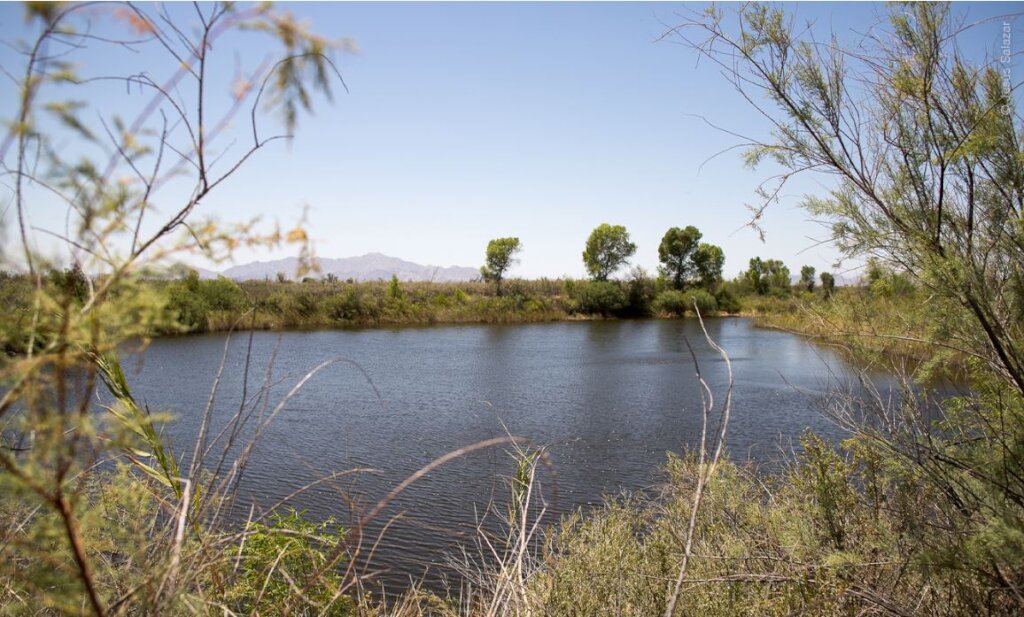
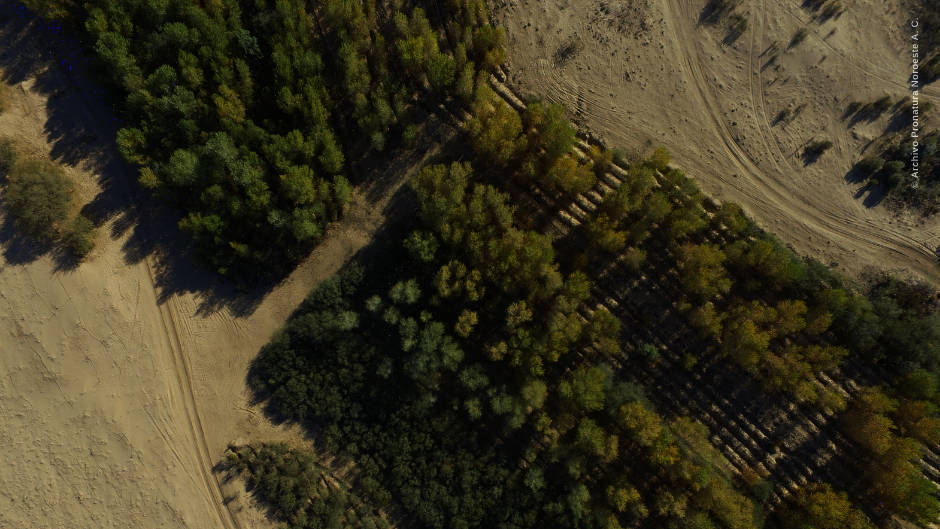
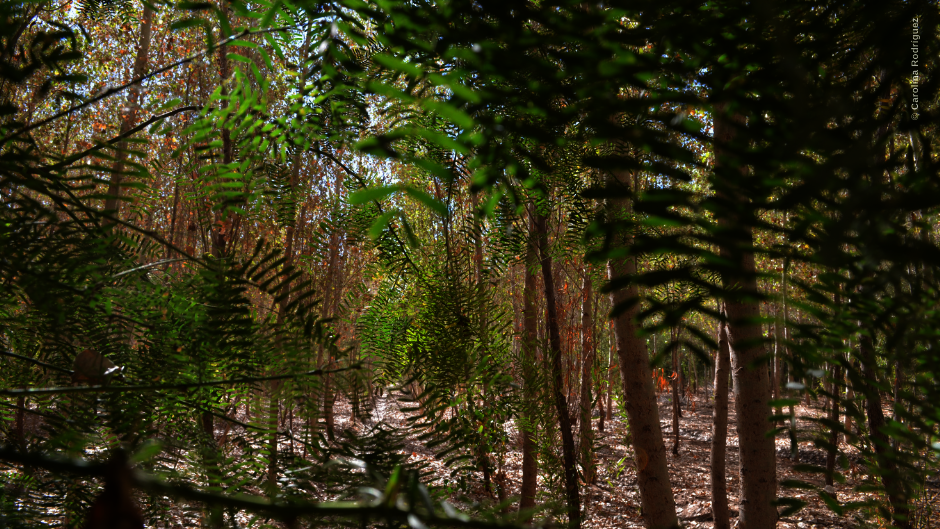
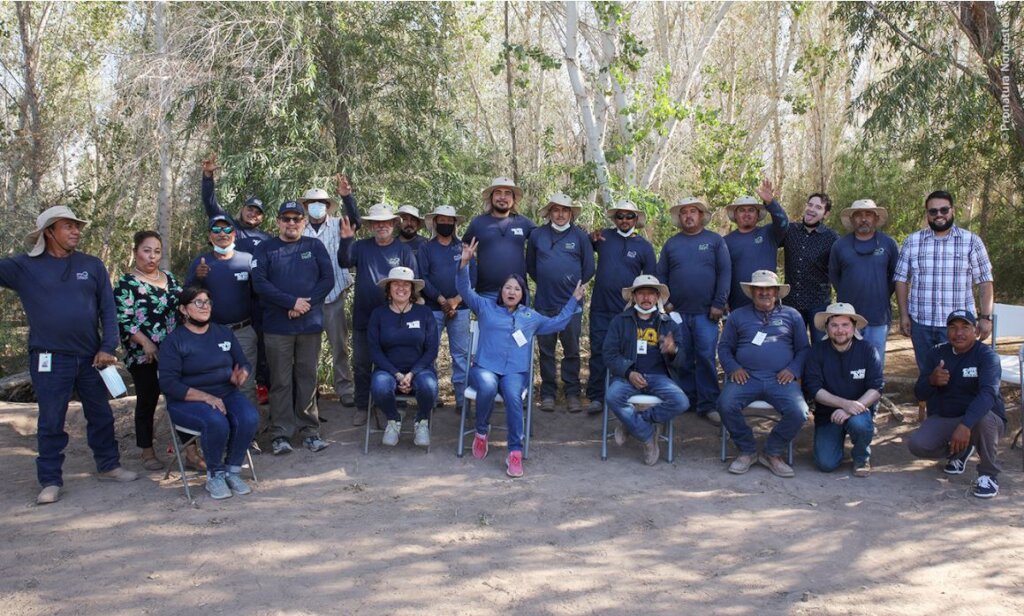
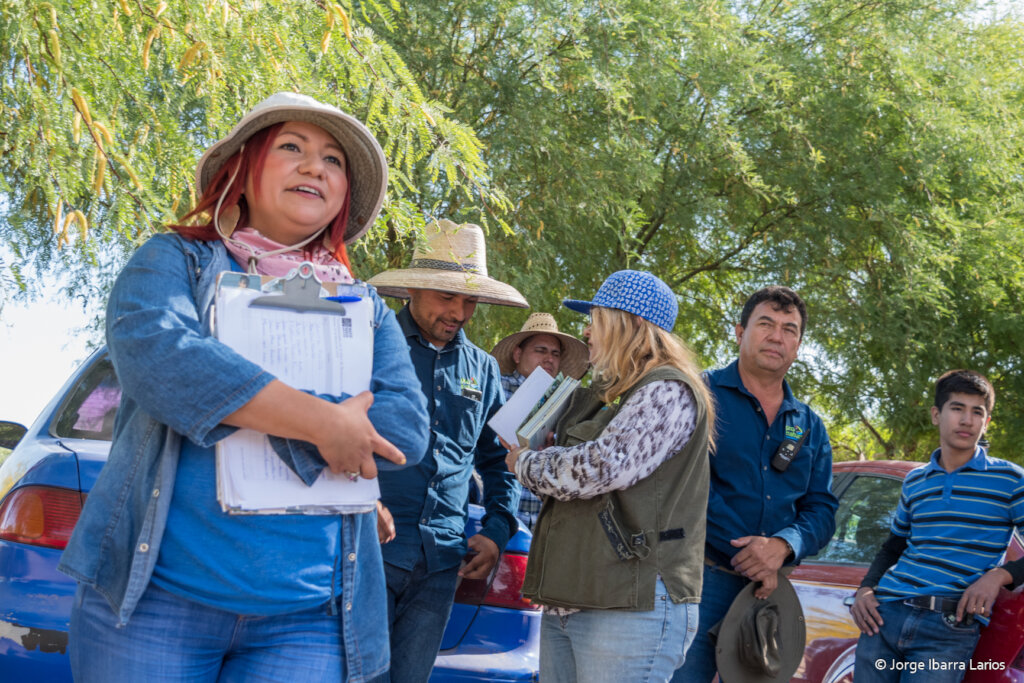
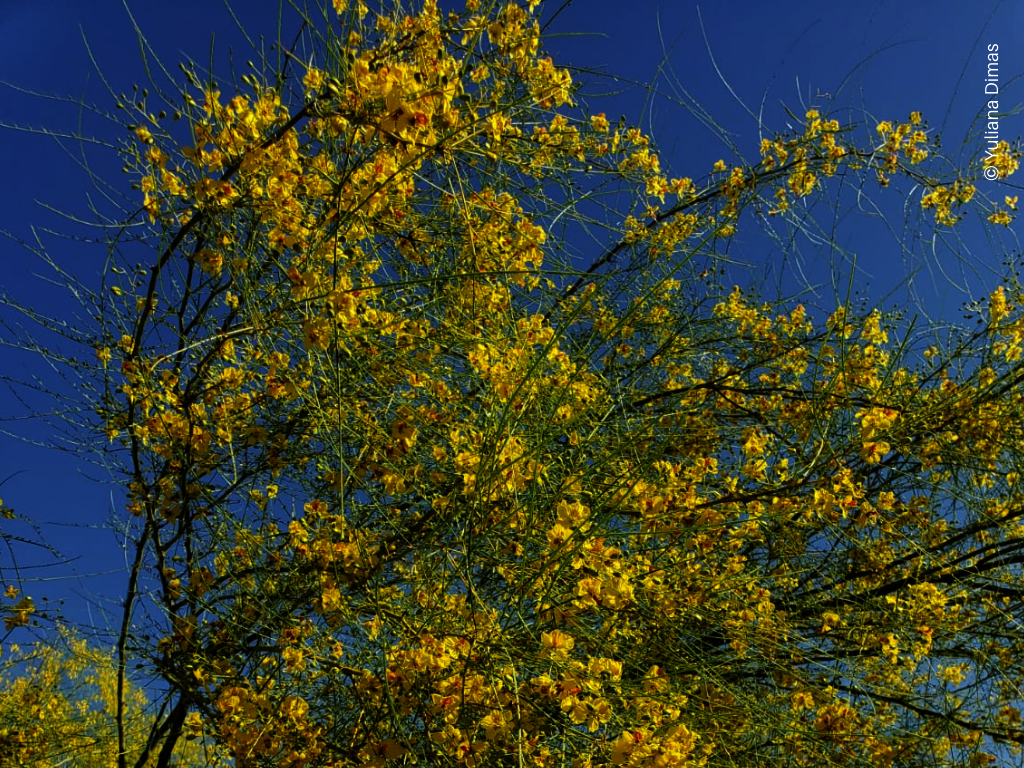
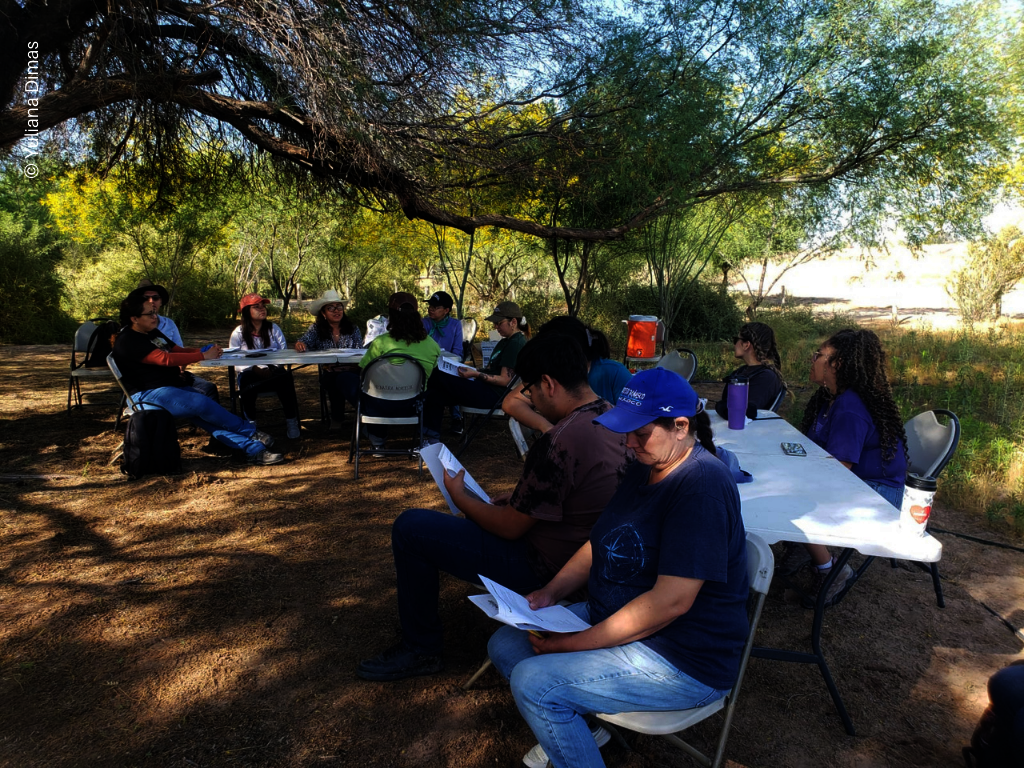
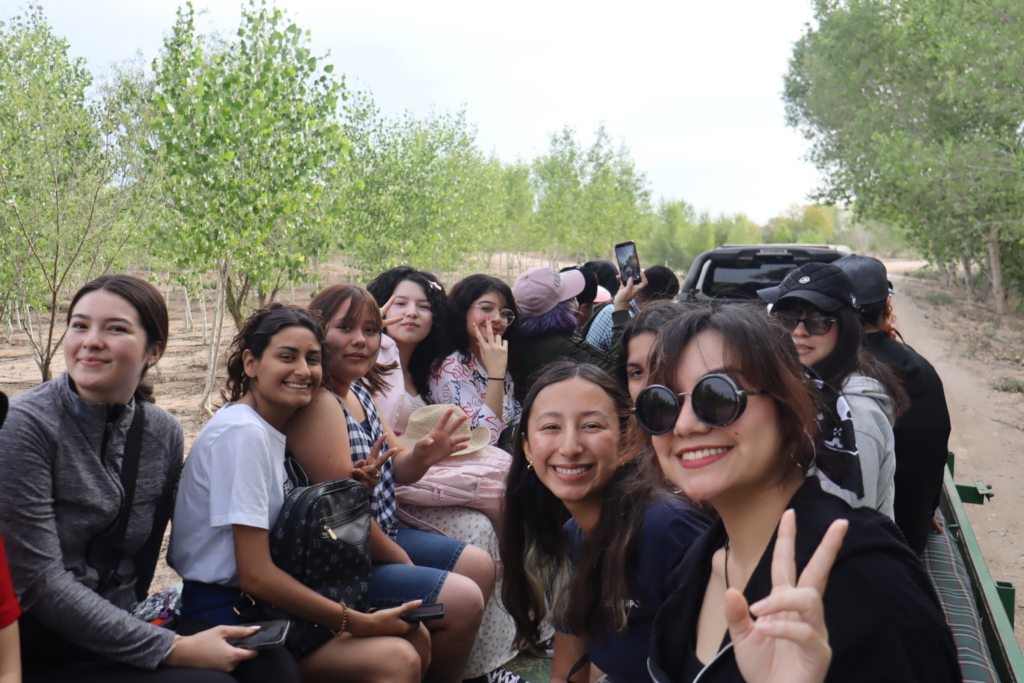
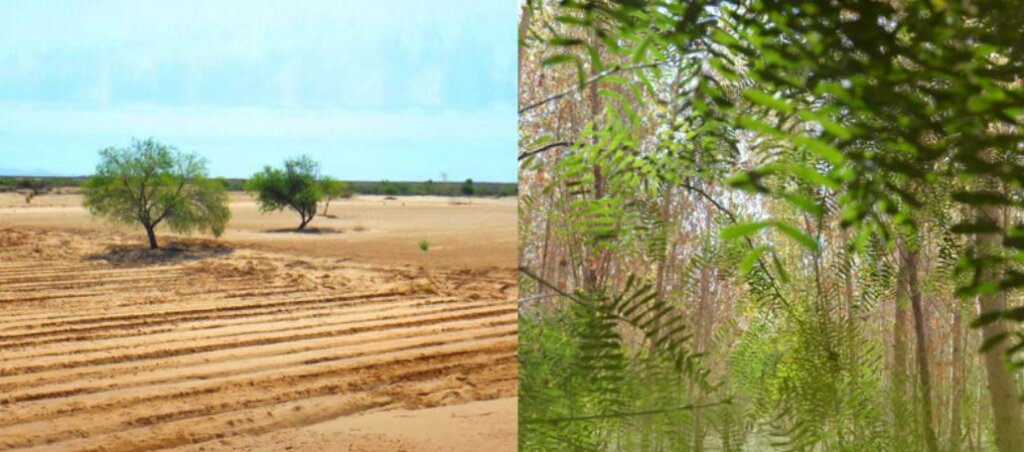
The Community Engagement team carried out field trips this spring and summer to priority sites in the Colorado River Delta. One of the spring visits was to the Chaussé Restoration Site, managed by our partners at Restauremos el Colorado. The project is located in the Mexicali Valley, in a forest area that is home to 62 hectares of native trees—cottonwoods, willows, mesquites, and palo verdes—along with native shrubs, beavers, bobcats, reptiles, insects, a great diversity of birds, and a stretch of the Colorado River with permanent water.
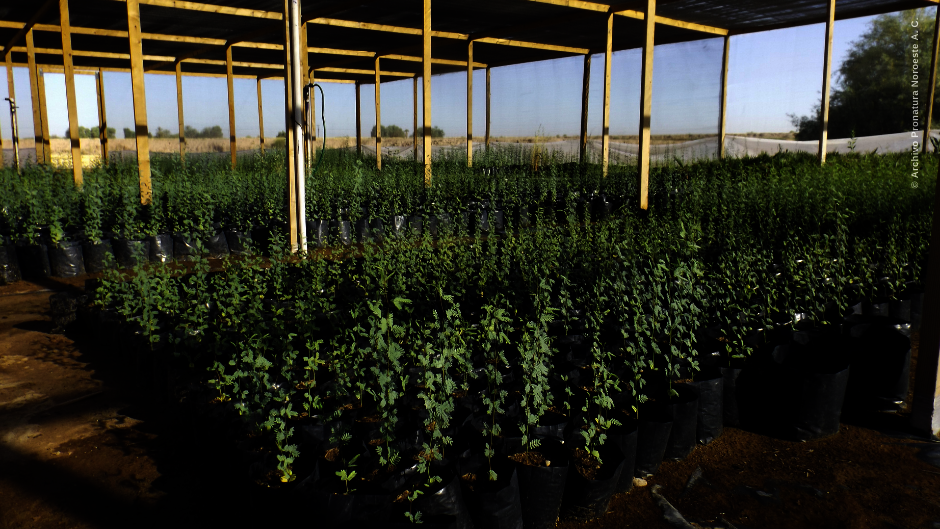
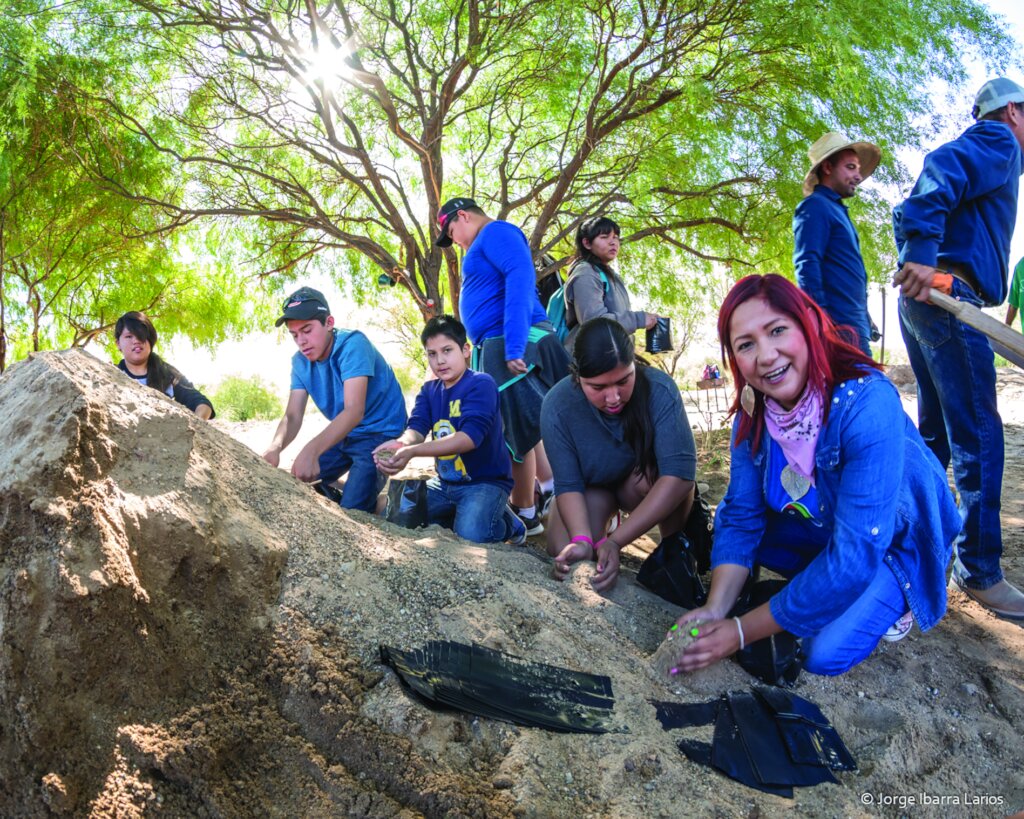
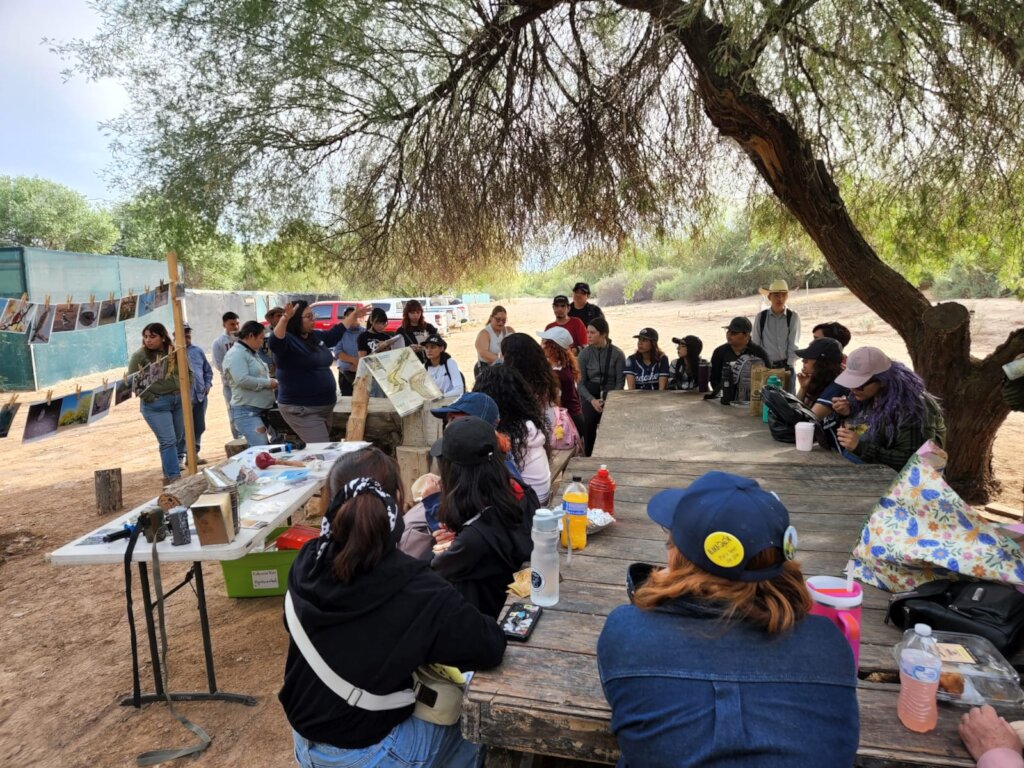
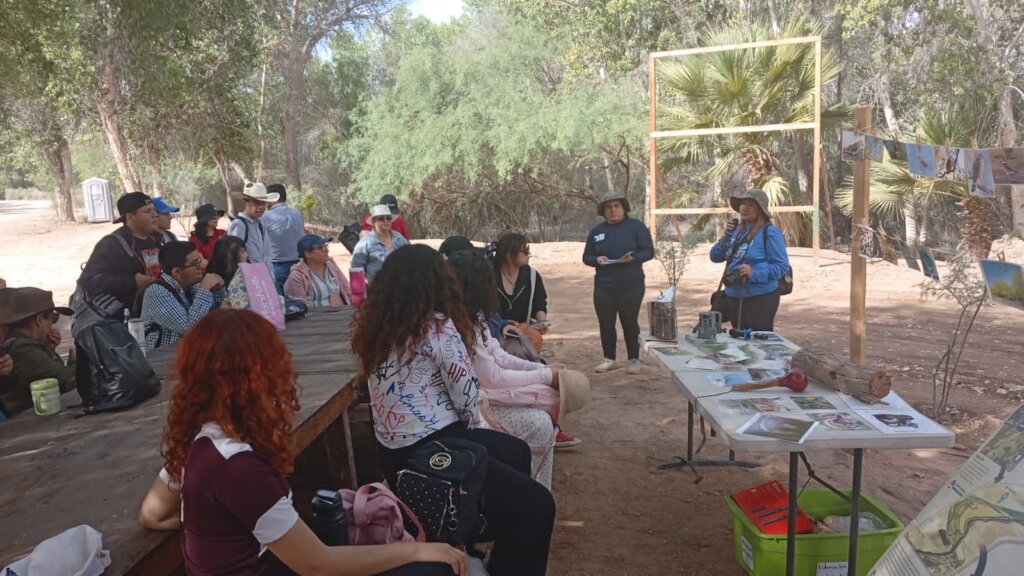
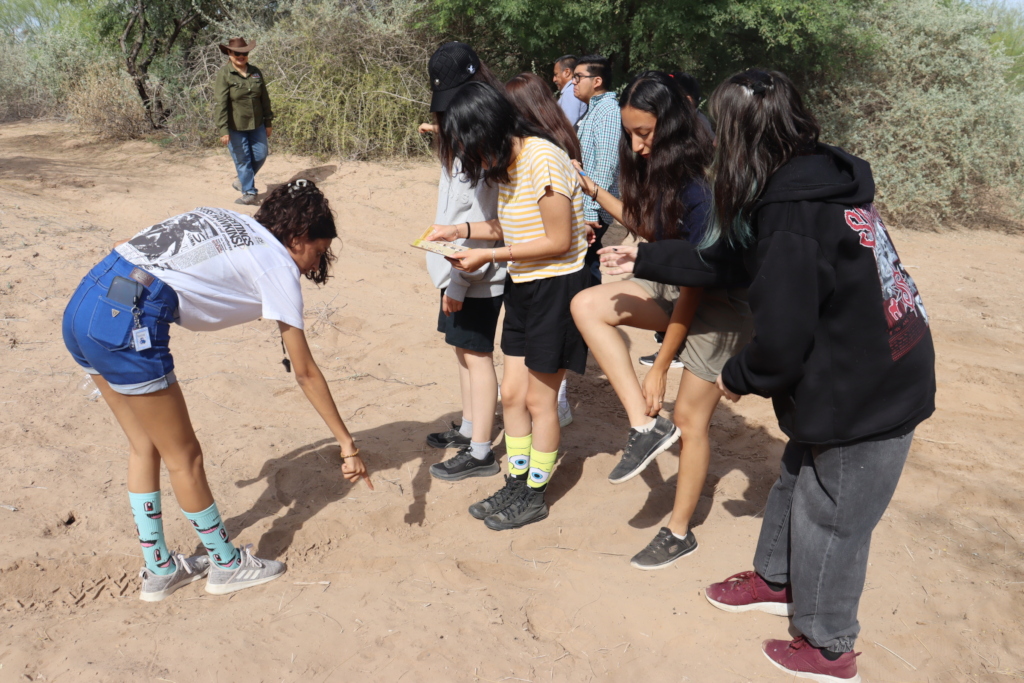
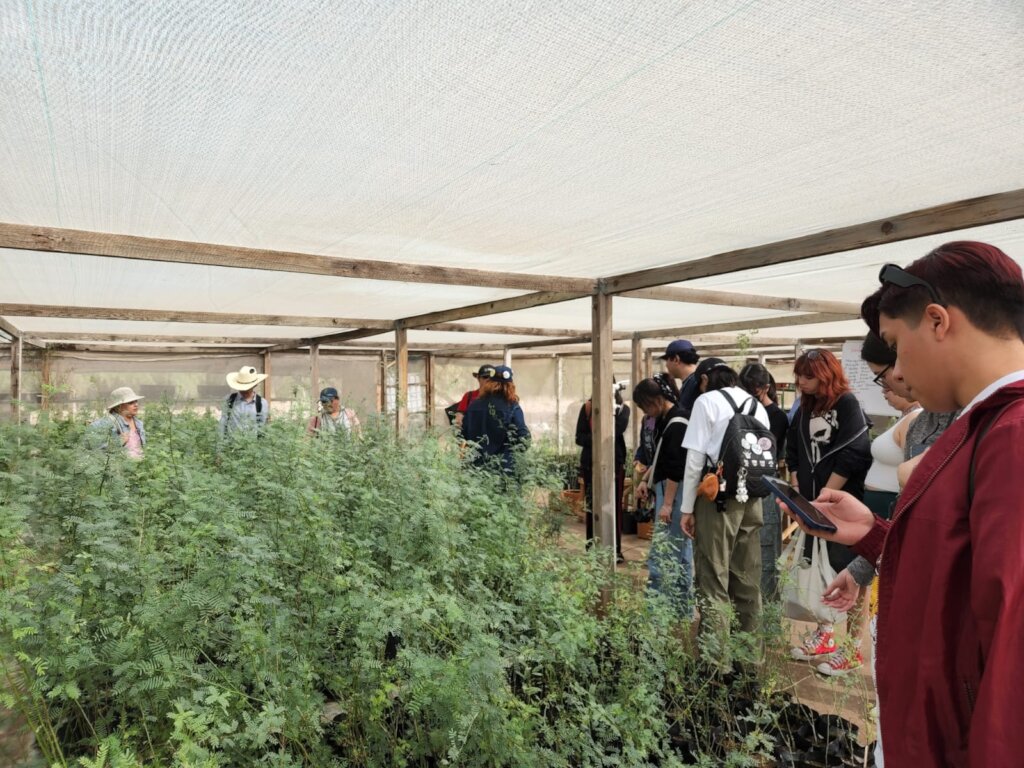
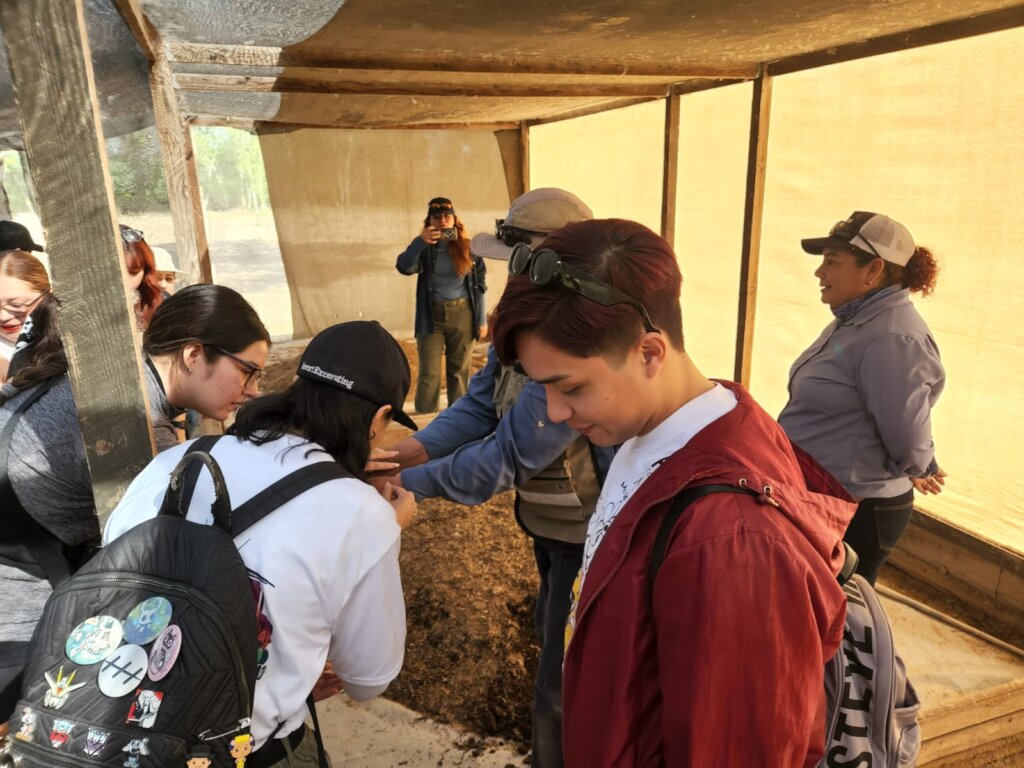
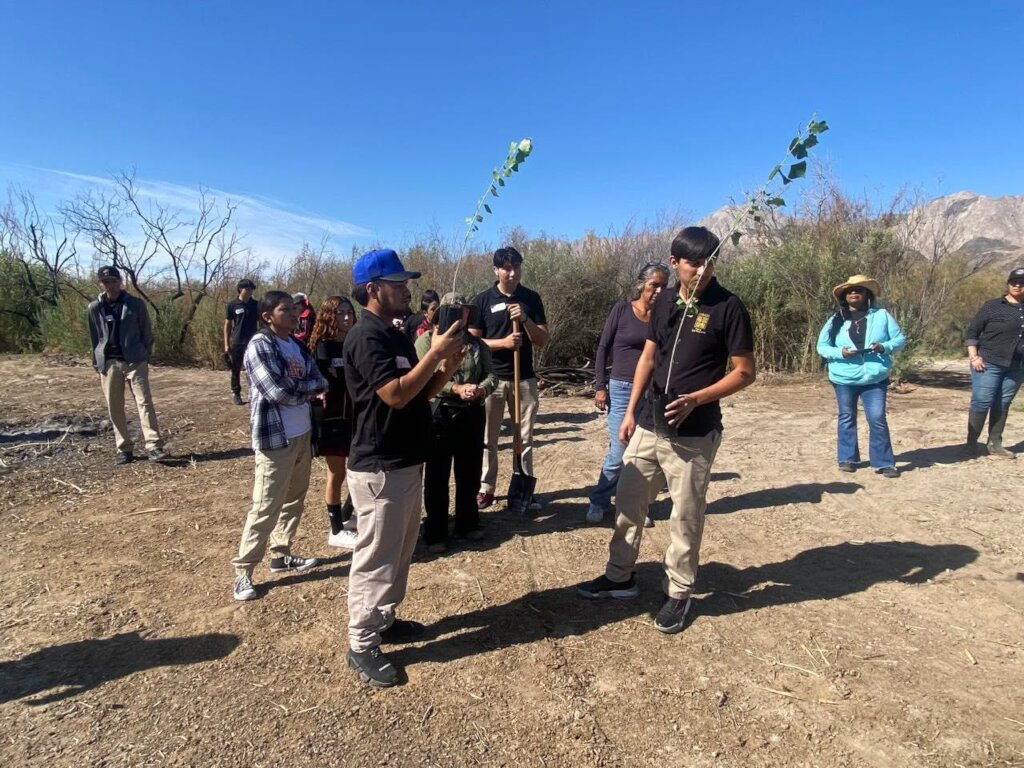
The university student group is enrolled in the Bachelor's Degree in English Teaching at the State University of Sonora. During their visit to the Chaussé Restoration Site, they learned about the Colorado River restoration initiative, the importance of native plants, and how to identify signs of wildlife tracks. They also visited the nurseries to learn to identify trees from the Sonoran Desert and the riparian habitat of the Colorado River, and learned about the importance of vermicomposting, a biological method for reusing the organic material generated from tree pruning. These activities foster knowledge and protection of our natural and restored spaces, promote appreciation of wetlands and forests among new generations, and raise awareness about their care.
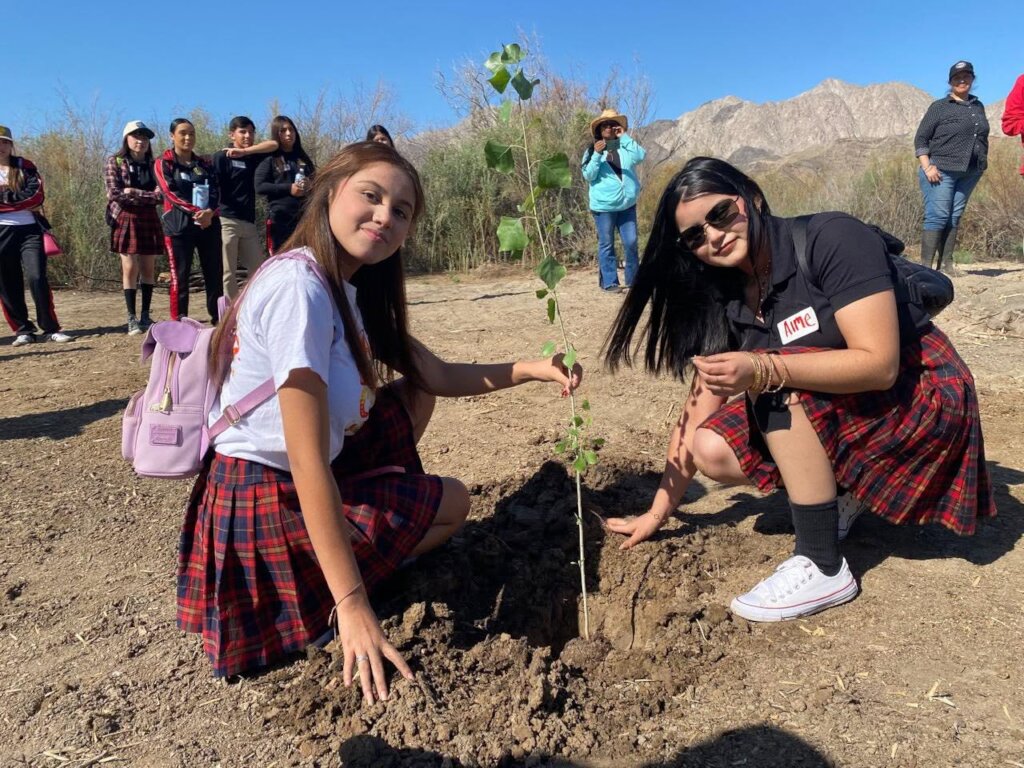
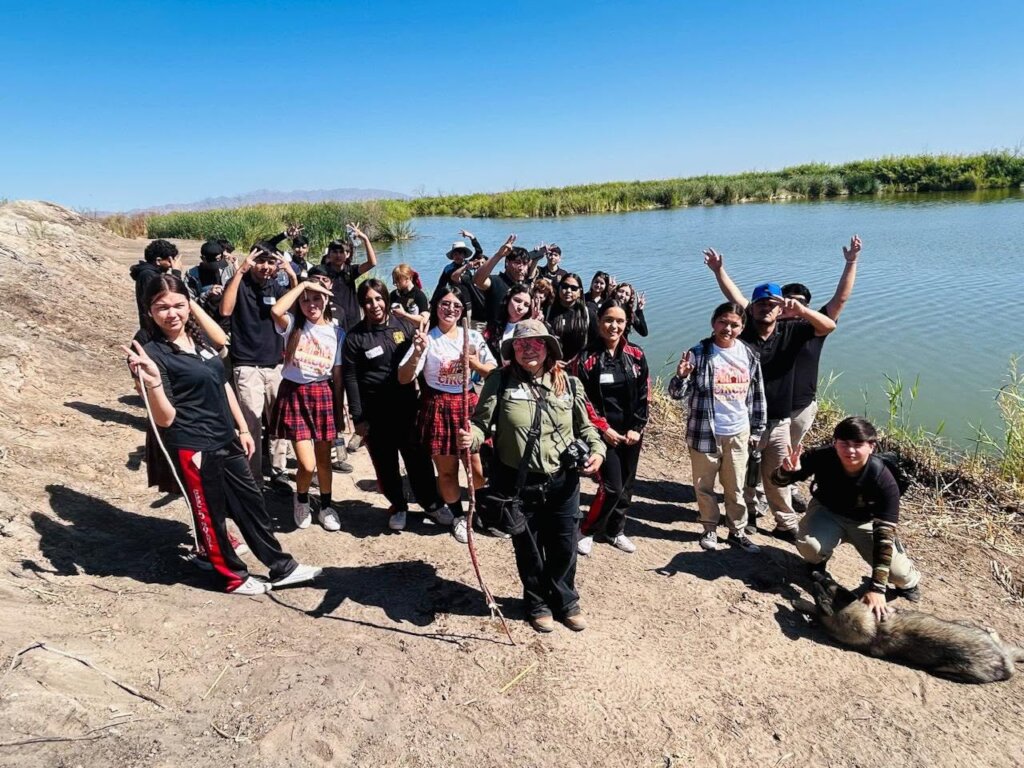
The team also conducted a field visit to the Hardy River, the only navigable river in Baja California and one of great importance to the Cucapá Indigenous community. El Mayor Cucapá is located at kilometer 56 of the Mexicali–San Felipe Highway, in the municipality of Mexicali. The activity was carried out with a school group from the Colegio de Bachilleres del Estado de Baja California, Ejido Nayarit Campus, located in the Mexicali Valley. During the visit, students had the opportunity to meet members of the Cucapá Indigenous community who work on cleanup activities along the Hardy River. They learned about the fishing carried out on the river and about the main challenges the community faces daily, such as the fishing crisis. Students also had the chance to reforest with cottonwoods—a species once abundant along the riverbank—and took a walk to meet another of the community's work groups.
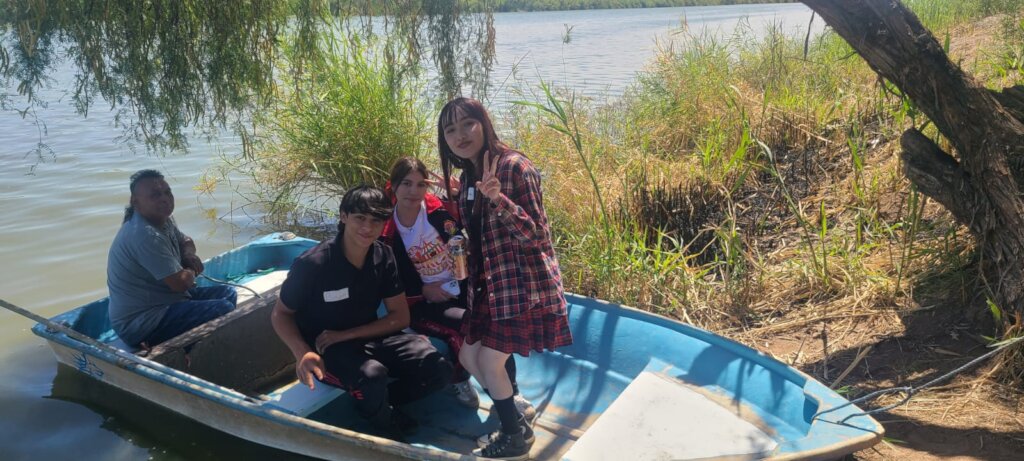
In an area known as Las Palapas, a traditionally important site, students boarded a boat operated by a community fisher to navigate the Hardy River. They observed birds such as pelicans, cormorants, moorhens, and coots.
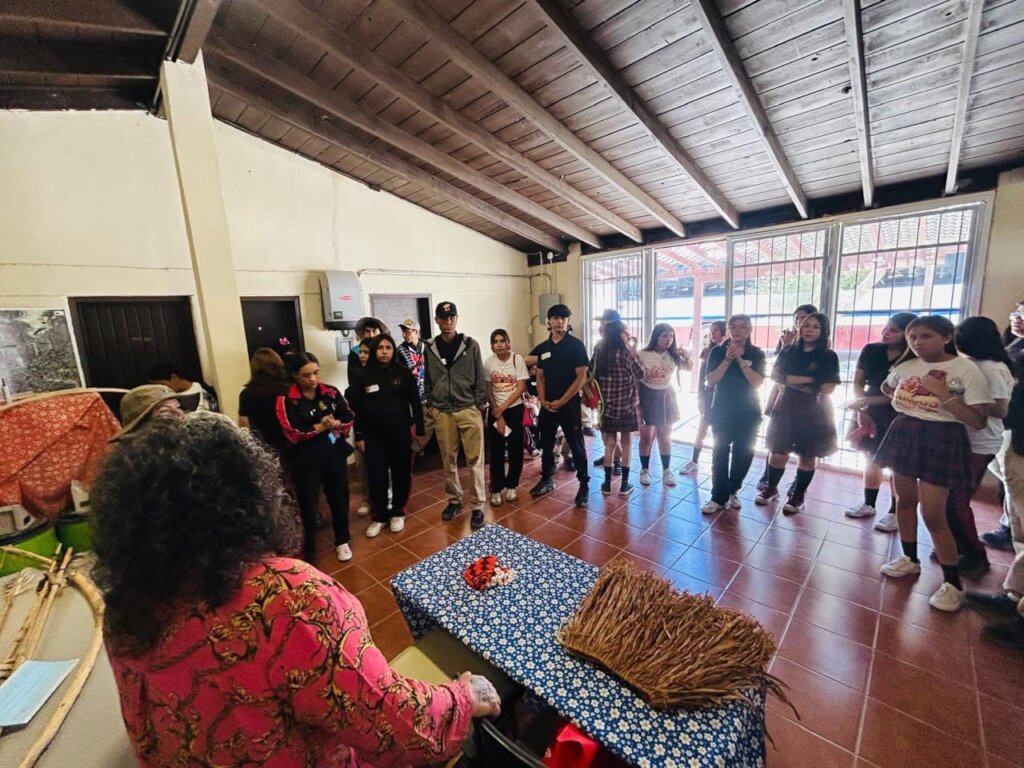
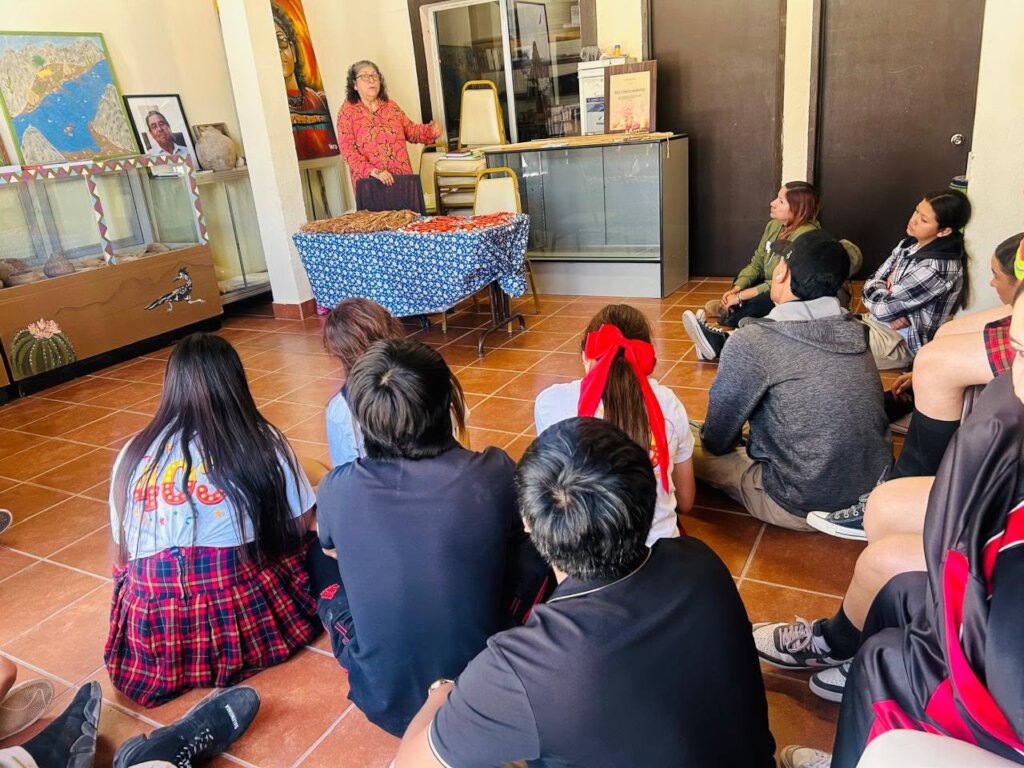
The visit concluded at the Cucapá Juan García Aldama Community Museum, where their community host explained the origins of the Cucapá people prior to the construction of the dams on the Colorado River, and the importance of the river to their culture and livelihood, fishing being one of their main activities. She also spoke about the natural surroundings—the Cucapá Mountain Range and Sierra El Mayor—some wildlife species considered sacred by the community, and the challenges they face in sustaining their livelihoods. These activities promote awareness of the Hardy River and of the Indigenous people who depend entirely on the environmental services it provides.
Project reports on GlobalGiving are posted directly to globalgiving.org by Project Leaders as they are completed, generally every 3-4 months. To protect the integrity of these documents, GlobalGiving does not alter them; therefore you may find some language or formatting issues.
If you donate to this project or have donated to this project, you can receive an email when this project posts a report. You can also subscribe for reports without donating.



Support this important cause by creating a personalized fundraising page.
Start a Fundraiser