By Moses Ziro | Project Coordinator
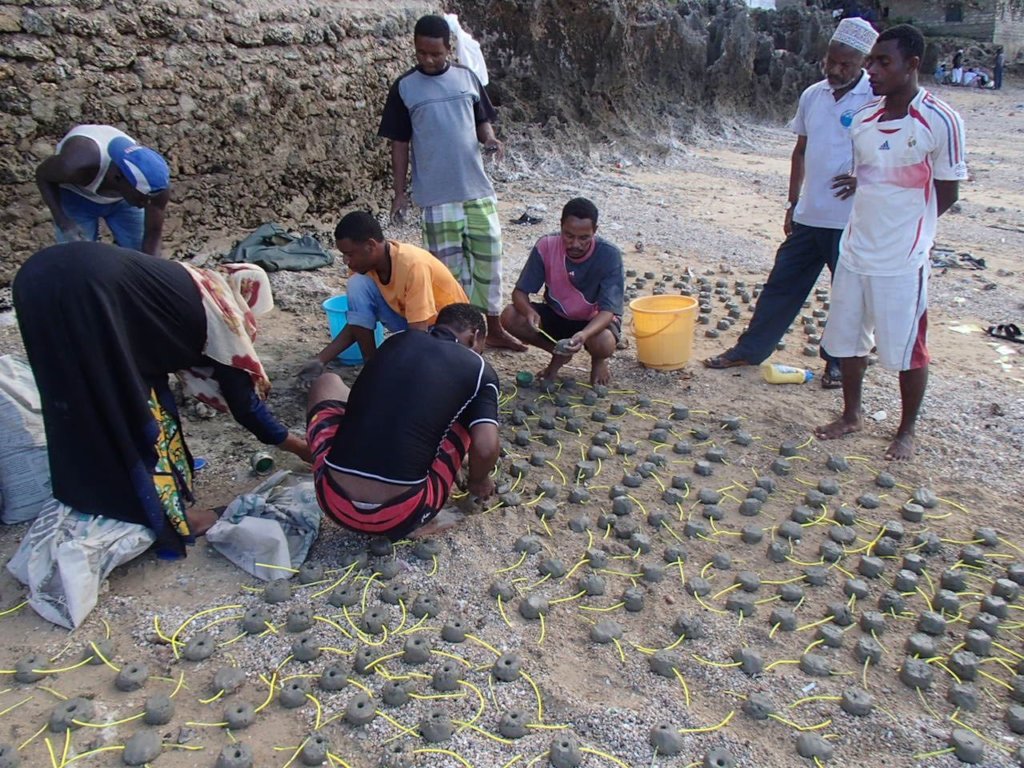
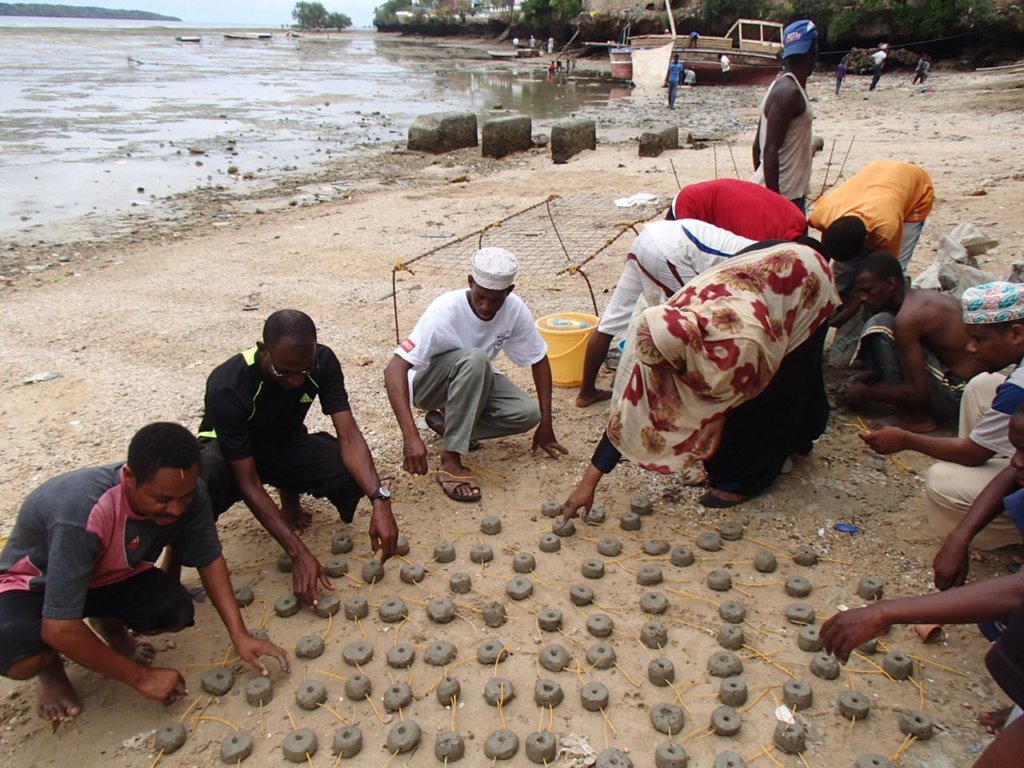
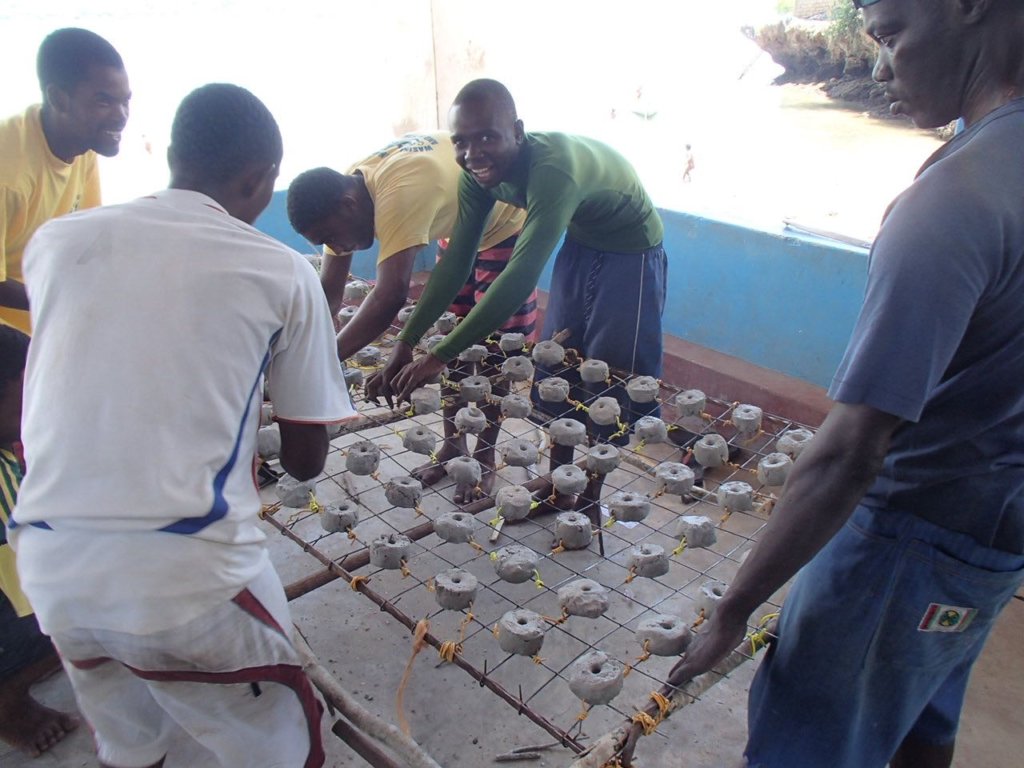
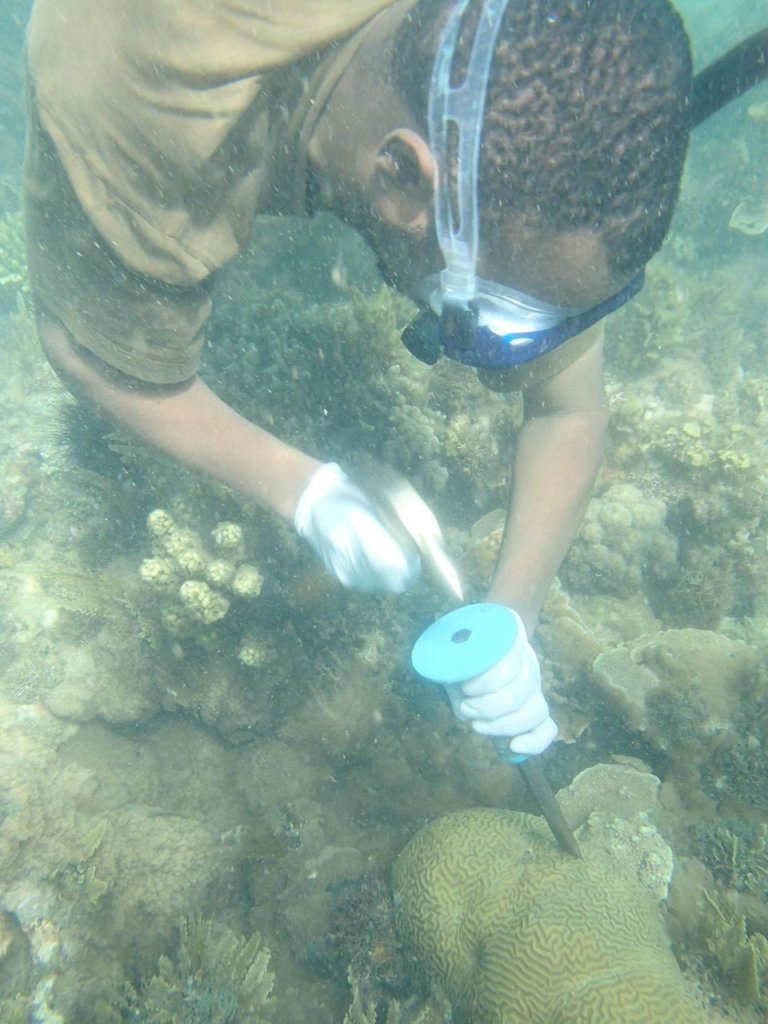
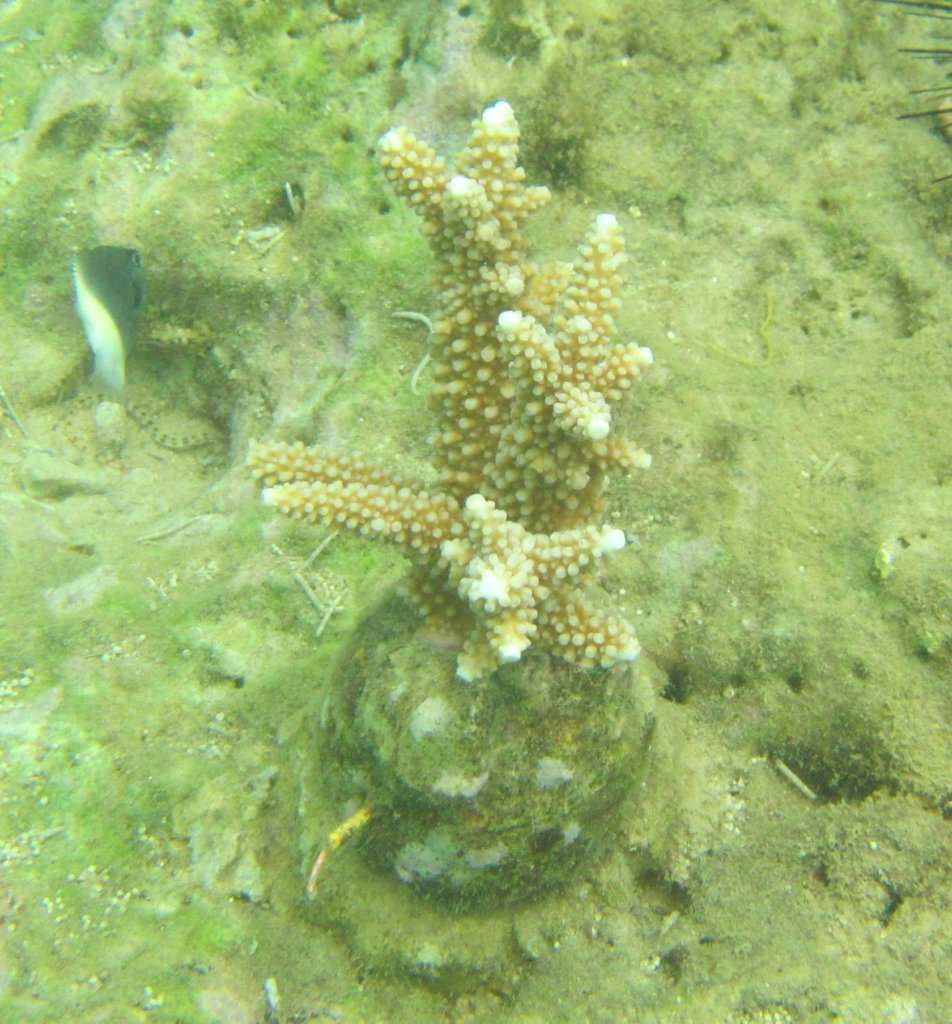
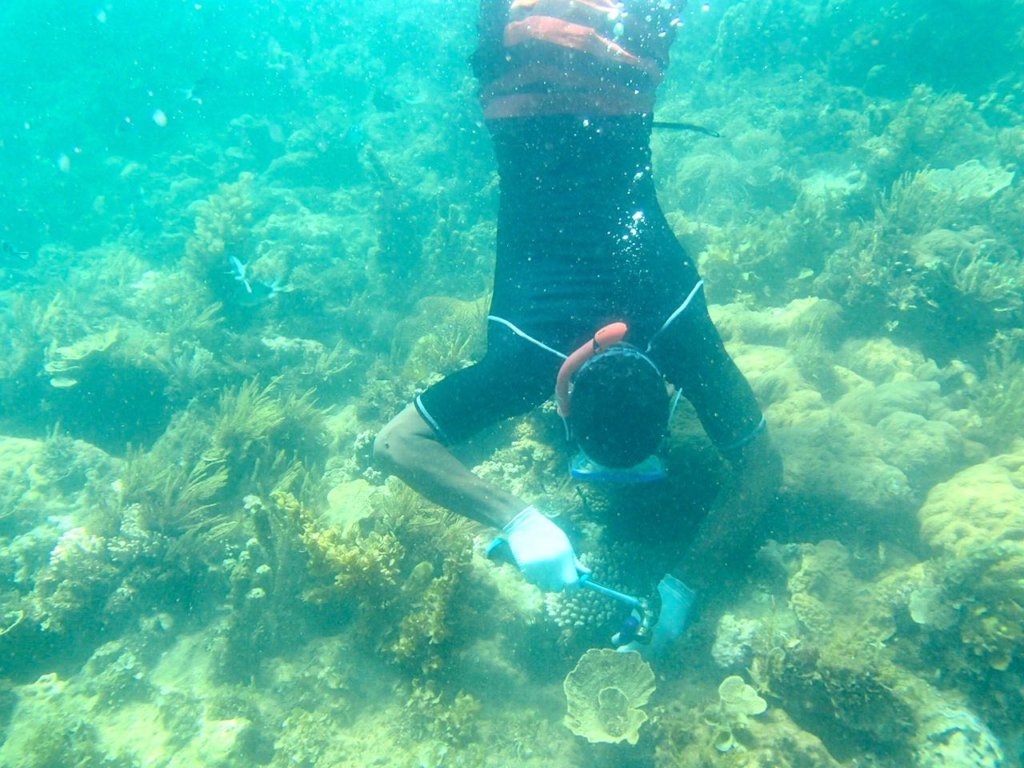
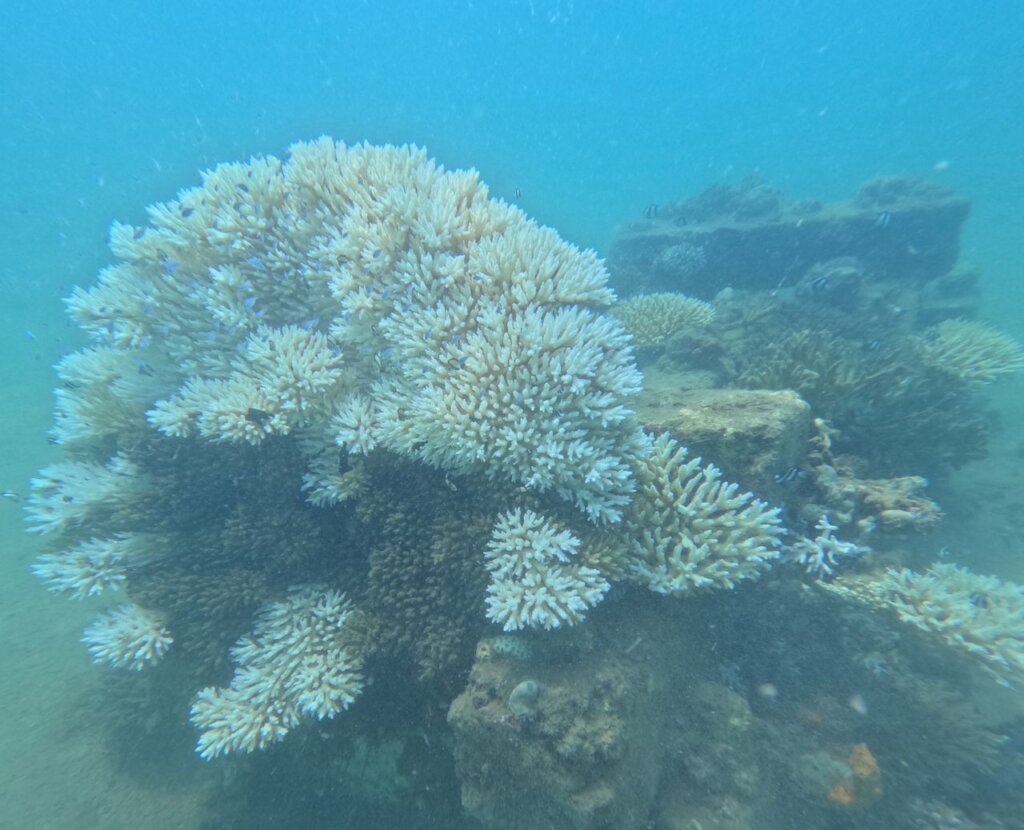
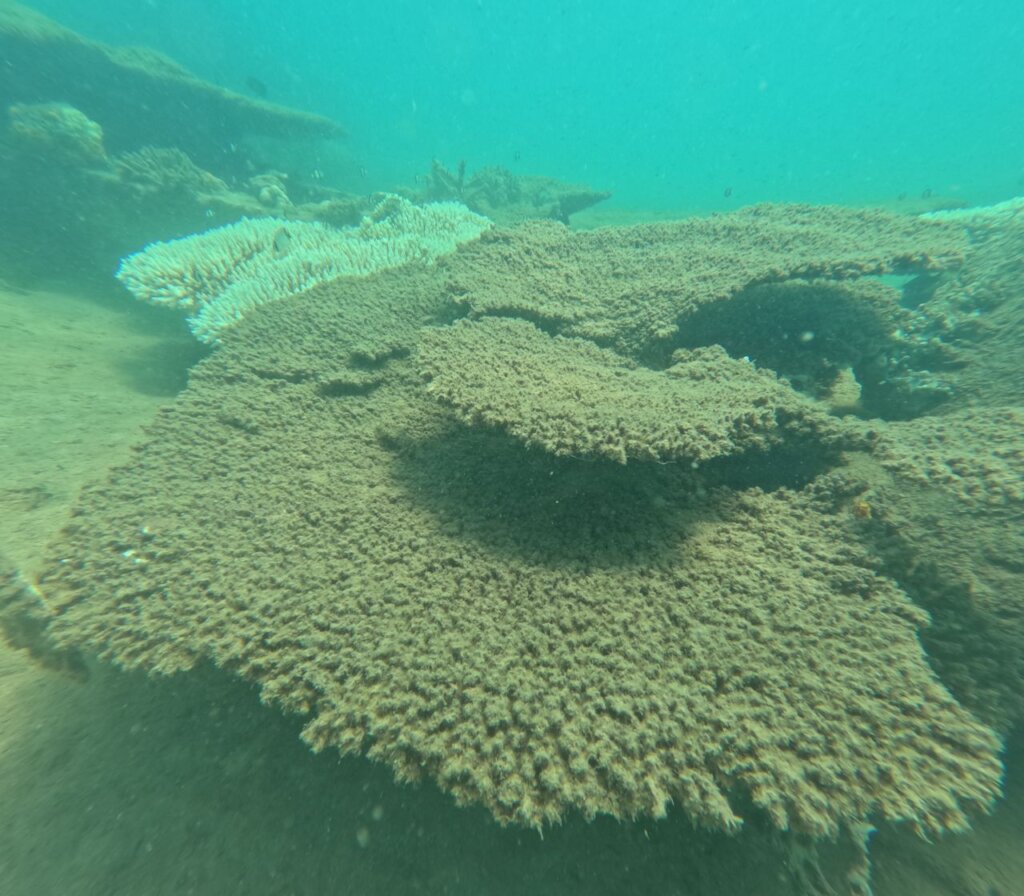
The first and seconbd quarter of 2024 saw the rise of coral bleaching cases reported along the coast of Kenya. Periodic patrols of the Wasini Community Marine Conservation Area in early February 2024 revealed that corals were increasingly dying and by late June 2024, only two of the corals that we planted in 2023 and 2024 had survived.
Consultations with the Kenya Marine and Fisheries Reseach Institute (KMFRI), Mombasa Office, concluded that the plague of coral bleach was attributed to the rise in sea temperature above 25 degrees centigrade. The community had ruled out pollution and development activities as contributors to the plague in Wasini as the corals are found in an area protected by the Wasini Beach Management Unit.
There were notable impacts of the coral bleaching plague including loss of fish and reduced visitor traffic interested in viewing the corals and in snorkling.
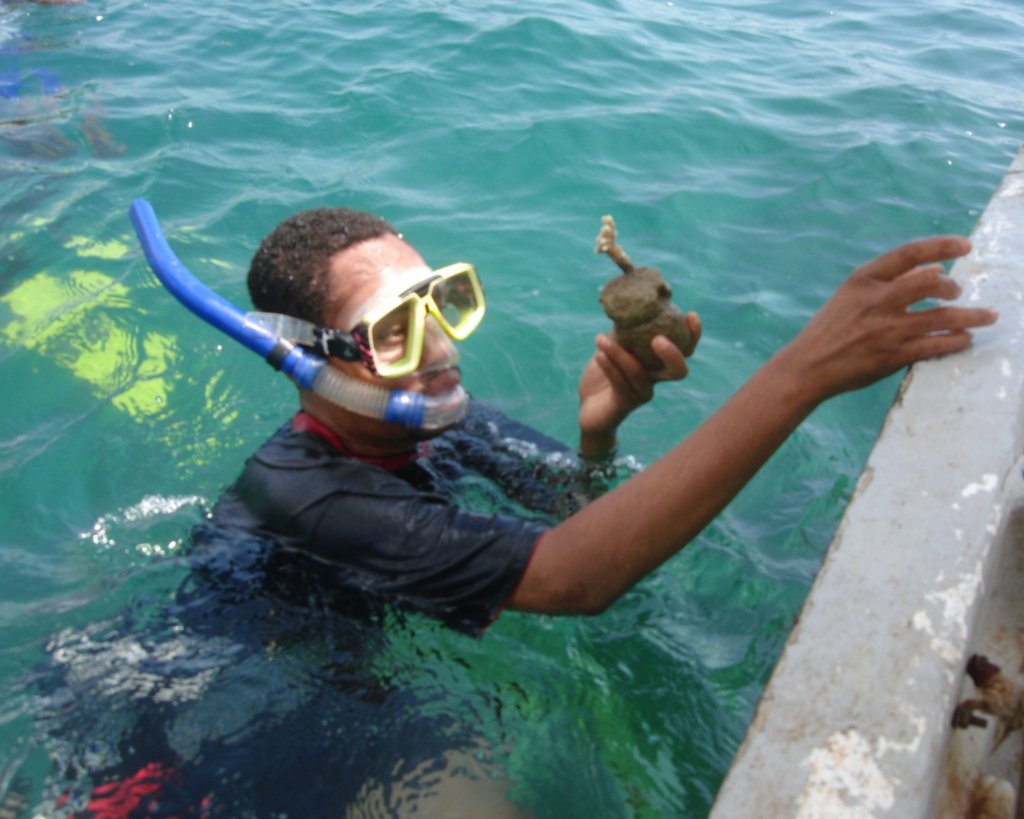
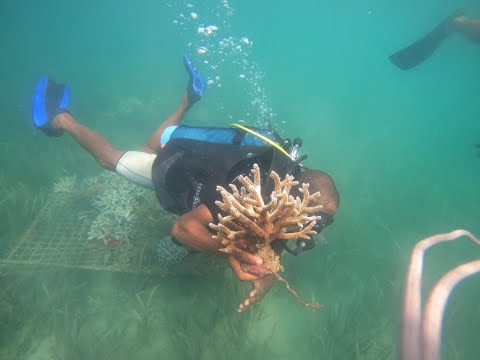
Following the devastation caused by coral bleaching,KMFRI, in the second quarter of 2024, advised that the coral tranplant activity be stopped to allow for monitoring of the plague. However, by third week of June 2024, there were signs of a few corals recovering from the plague. This new development was reported to KMFRI who gave the community the go ahead to revive the coral transplant programme.
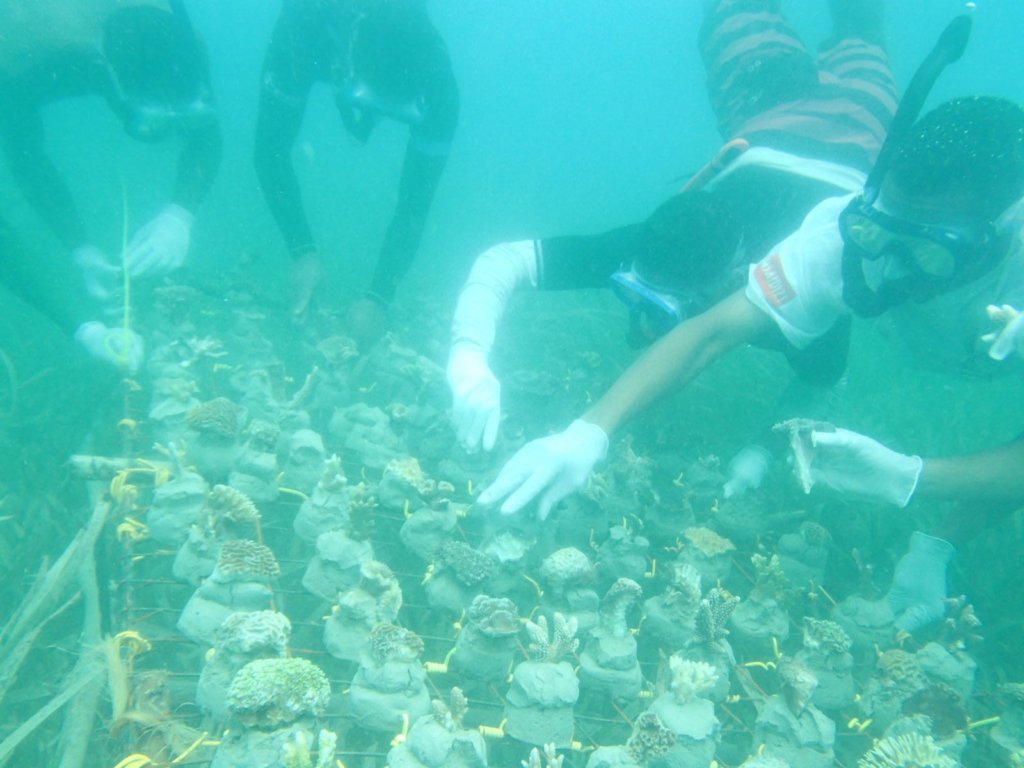
A quick assessment of the corals at our coral garden in the last week of June 2024 indicated that the coral blocks and the nursery bed were still intact. The community then cleaned the nursery bed in readiness for establishing a new crop of corals.
Any assistance towards reviving the coral garden will be highly apreciated.
Links:
Project reports on GlobalGiving are posted directly to globalgiving.org by Project Leaders as they are completed, generally every 3-4 months. To protect the integrity of these documents, GlobalGiving does not alter them; therefore you may find some language or formatting issues.
If you donate to this project or have donated to this project, you can receive an email when this project posts a report. You can also subscribe for reports without donating.


Support this important cause by creating a personalized fundraising page.
Start a Fundraiser