By Moses Ziro | Project Coordinator
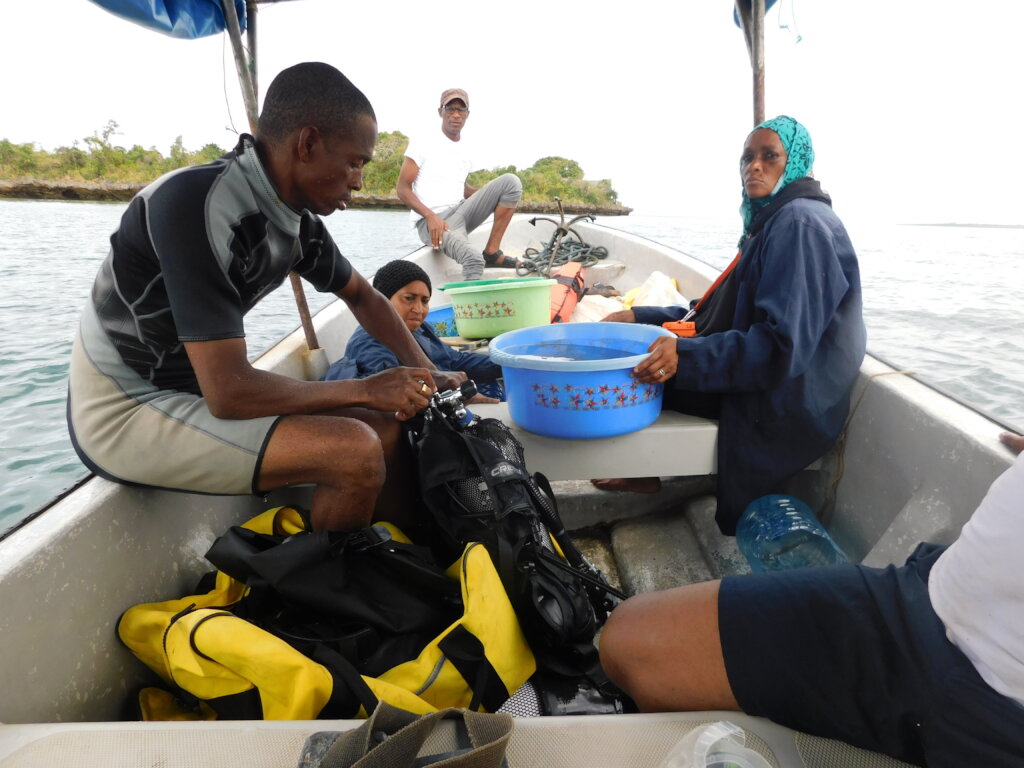
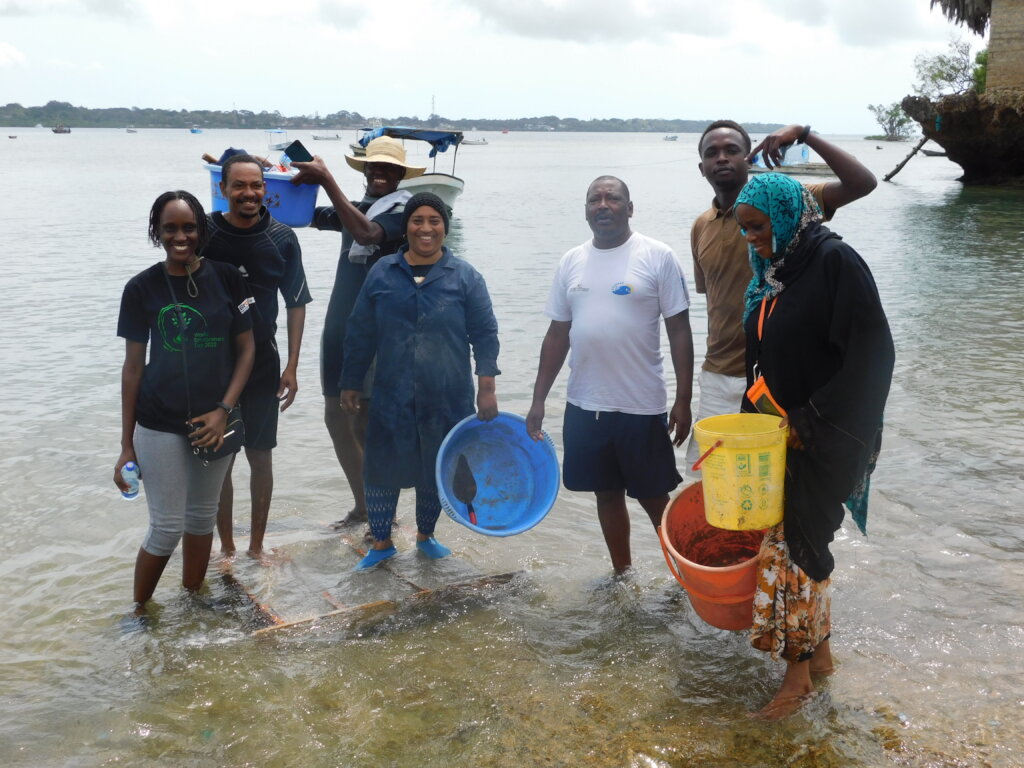
The Wasini Coral Monitoring Mission was undertaken on 7th and 8th September 2023. A team constitutiing four members was estabished to undertake the mission. The team was composed of a marine ecologist, diver, a monitoring and evaluation expert and a community mobilization specialist.
Day 1: The team began their mission by visiting the State Department of Fisheris and the Warden, Kenya Wildife Service (Kisite and Mpunguti Marine Reserve) at Shimoni to inform them of our mission and to gather any relevant information regarding the fisheries activities within the Shimoni channel. They two offices noted that the fishery resource had improved significantly to support fishing and tourusm activities.
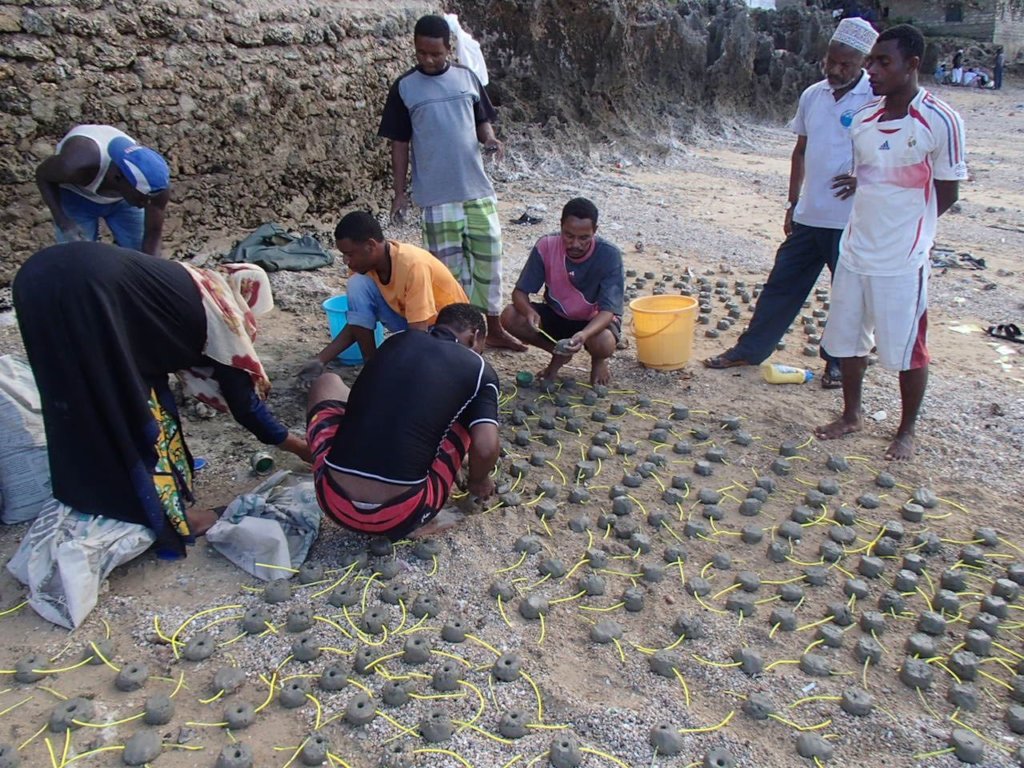
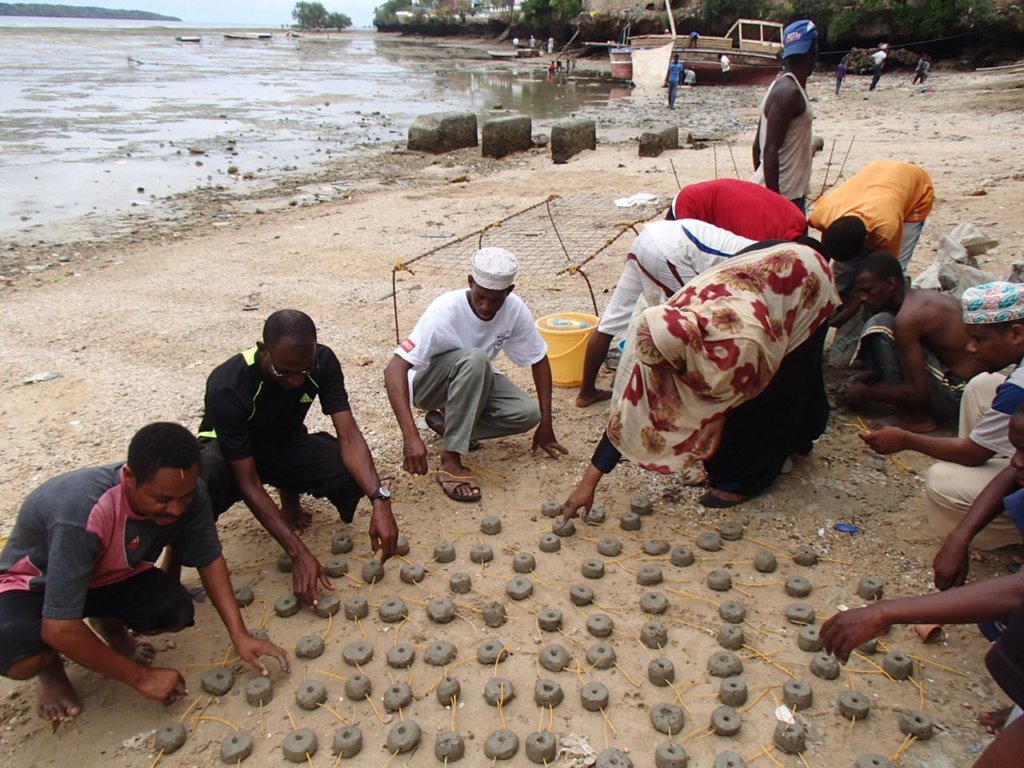
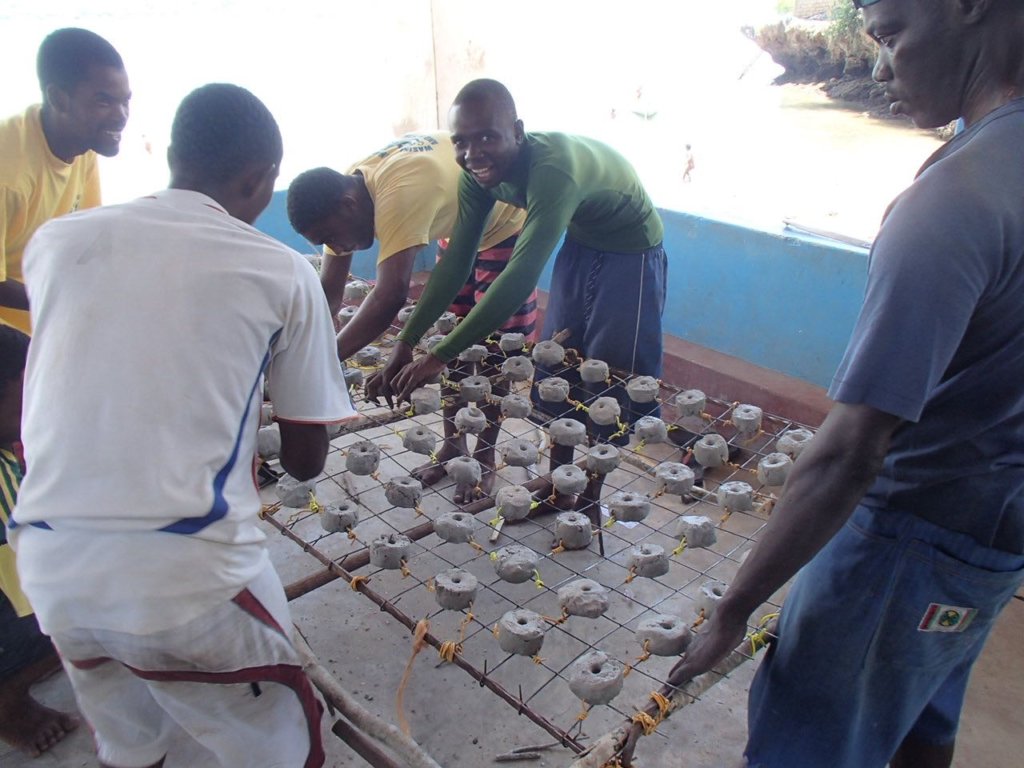
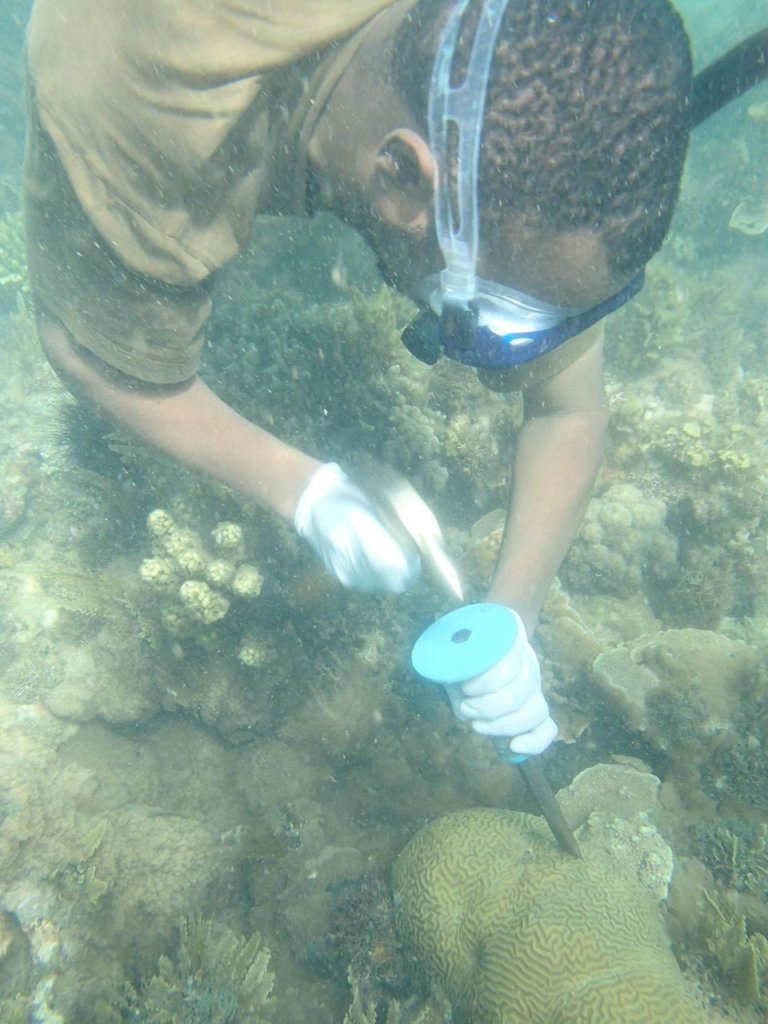
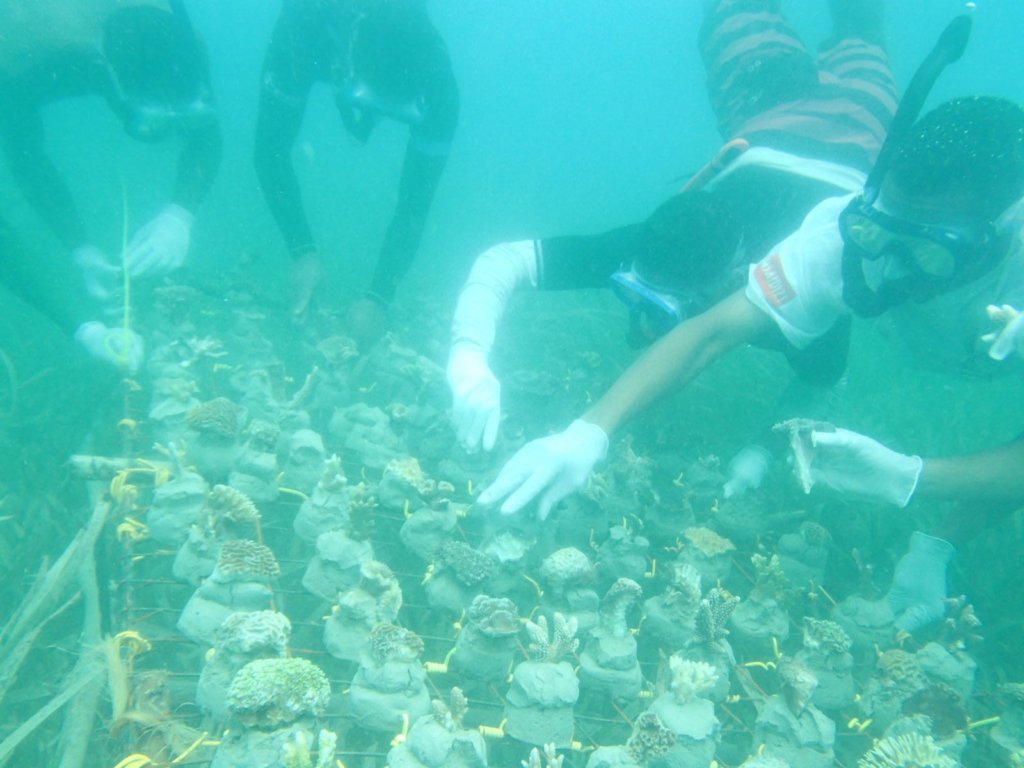
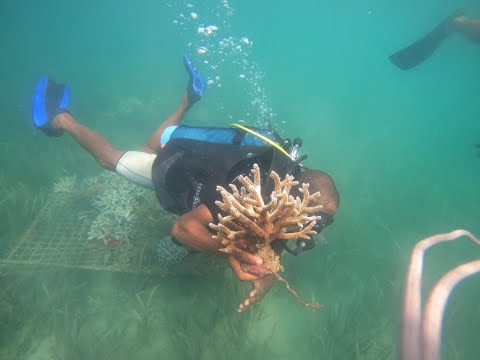
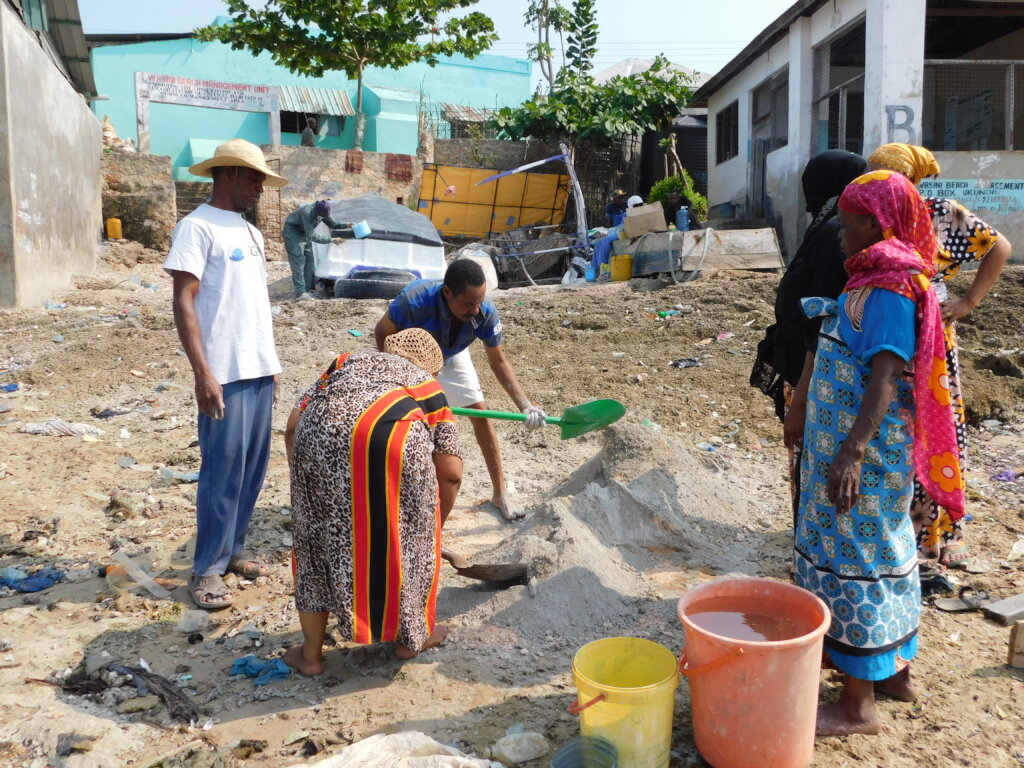
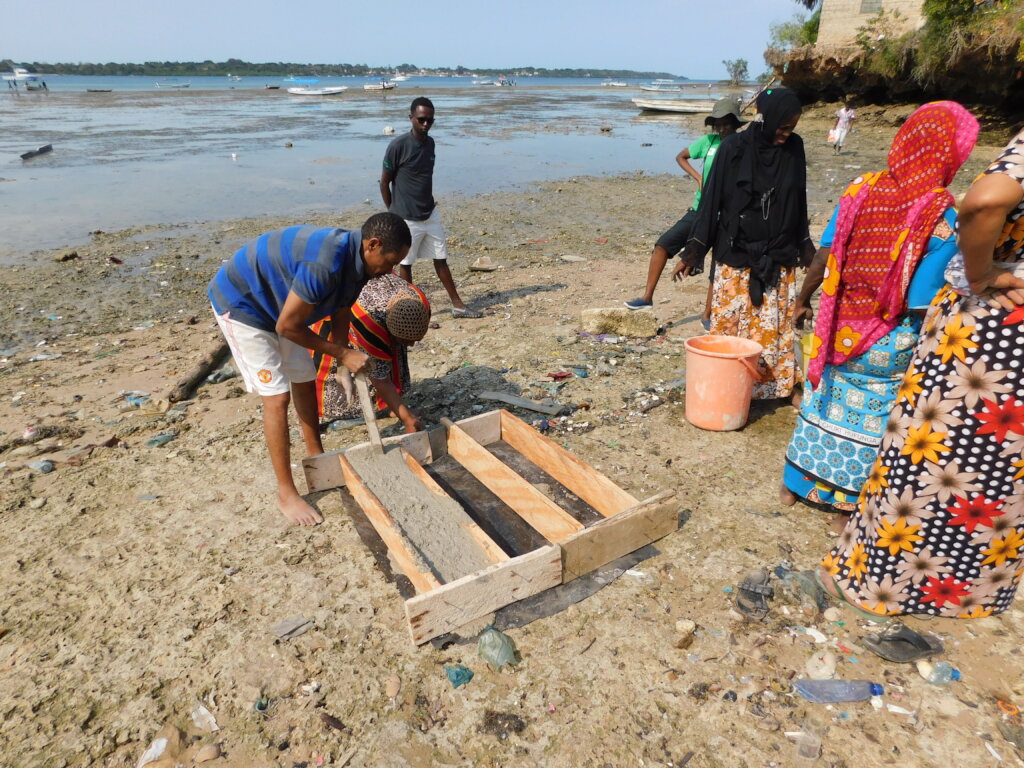
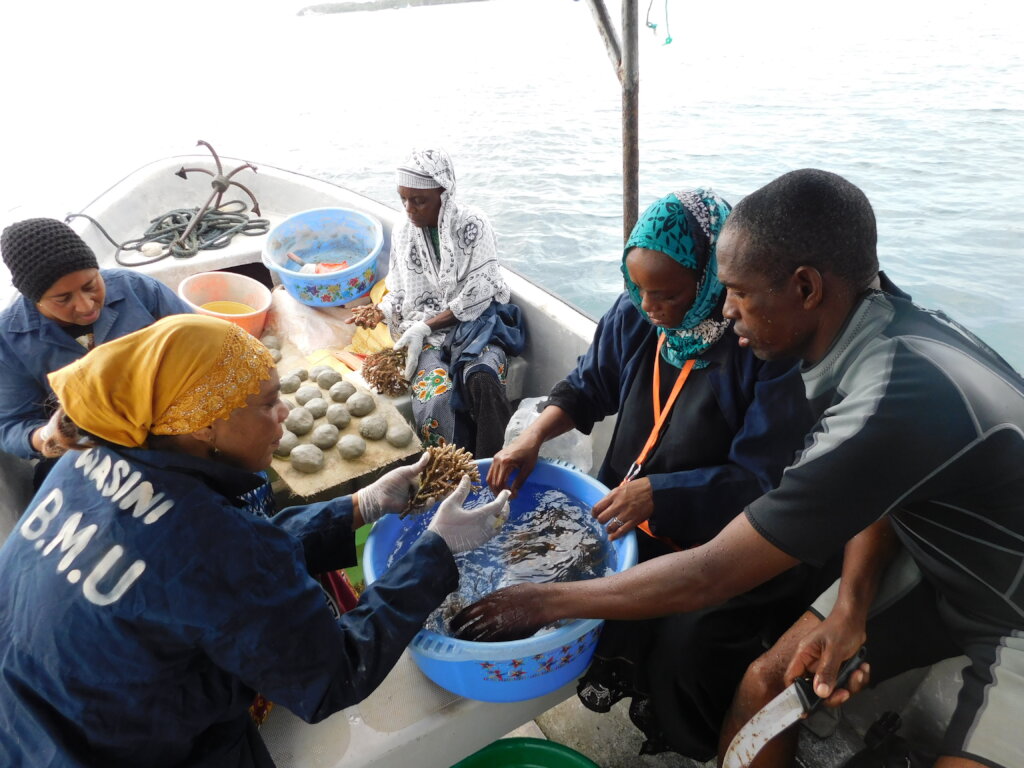
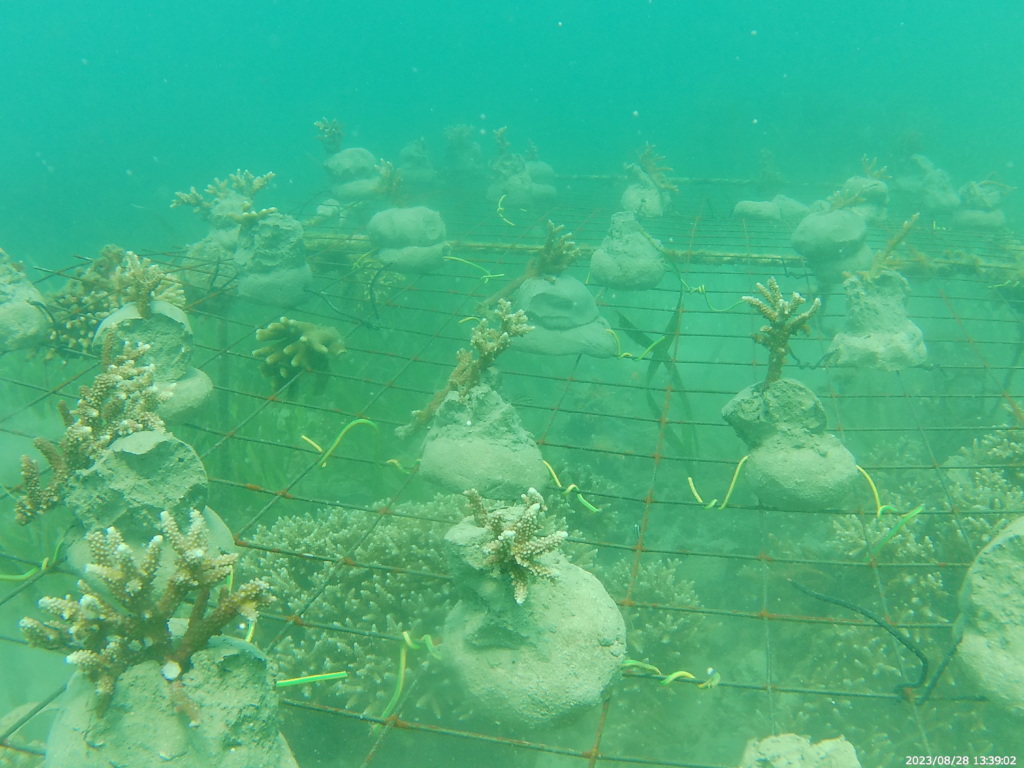
After the meetings, the team proceeded to meet the Wasini Coral Transplant Committee, led by the Chair of the Wasini Beach Managent Unit (BMU). During the meeting with the committee, which was attended by three men and four women, the the team were taken through the process of coral transplant which includes community sensitization, identifying suitable sites for harvesting corals for nursery establishment, identifying suitable areas for rehabiltation, building of coral blocks, setting of the nursery bed under water, harvesting of coral cuttings for nursery establishment, preparation of disks, populating the nursery bed, transplanting and monitoring of the progress of growth of the corals.
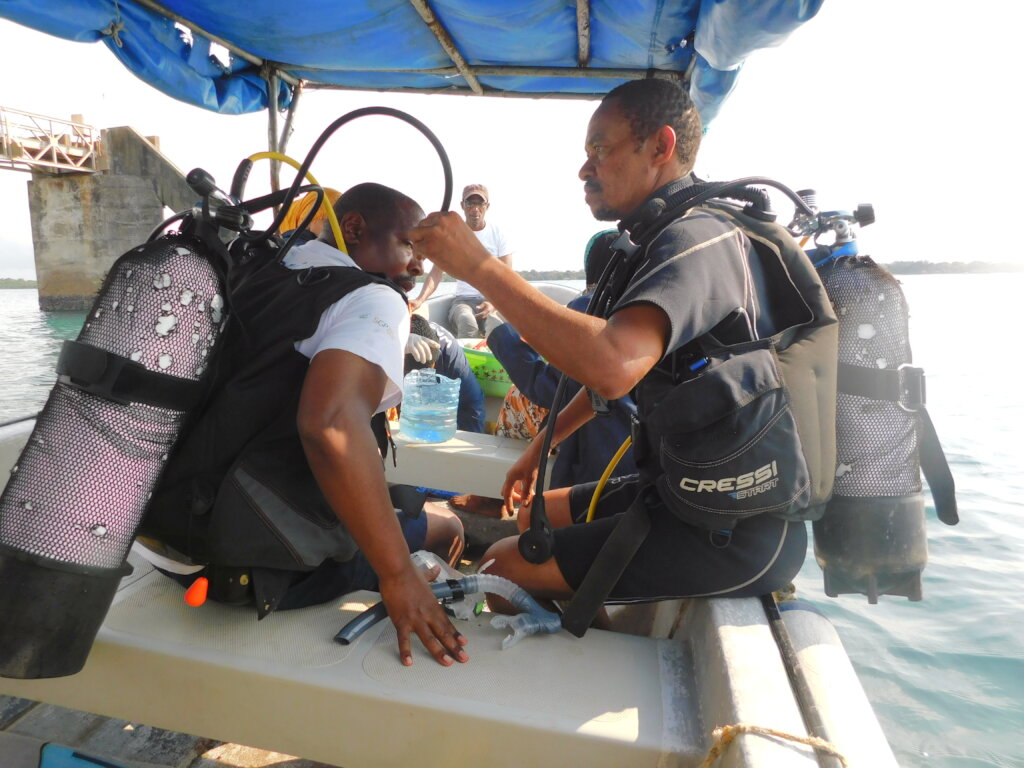
The team was also updated on the progress in the past year and the challenges the committee faces in undertaking the coral transplant project. They informed the team that had built 12 coral blocks, set up a nursery, and done transplanting of the mature corals. The activities were not devoid of challenges which included the lack of diving equipment, inconsistent funding to undertake monitoring for the first 4months after coral transplant, and climate variations which affect the survival rate of the tranplanted corals.
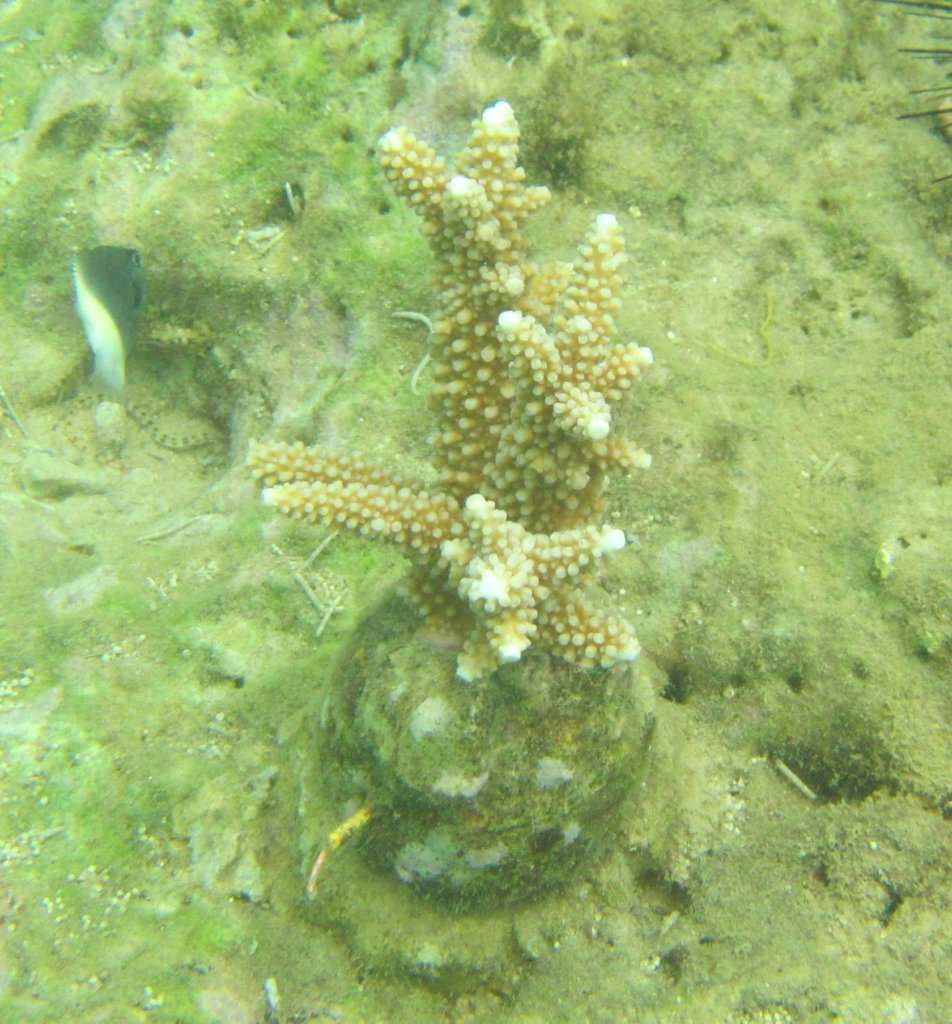
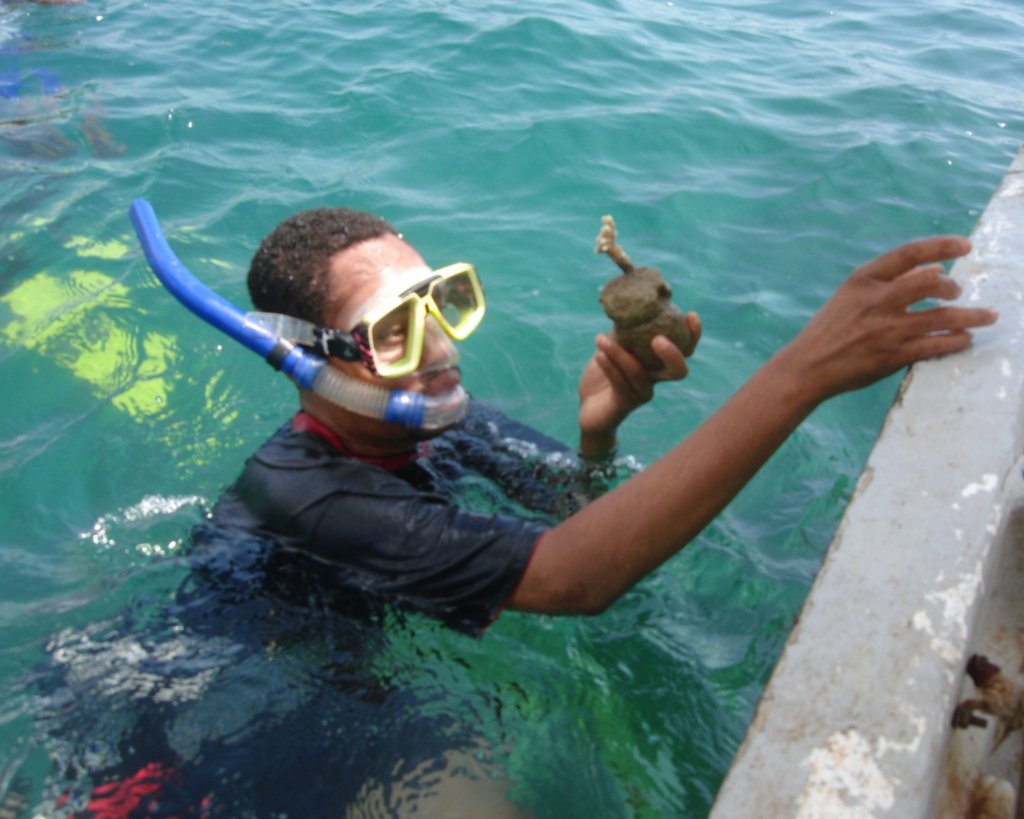
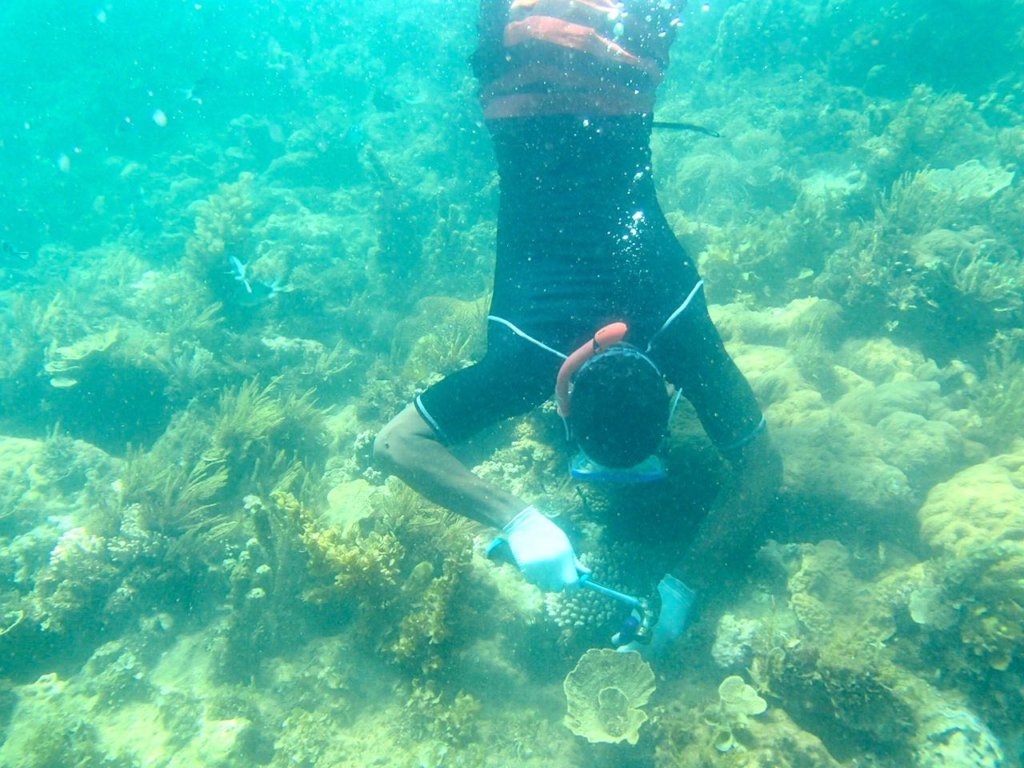
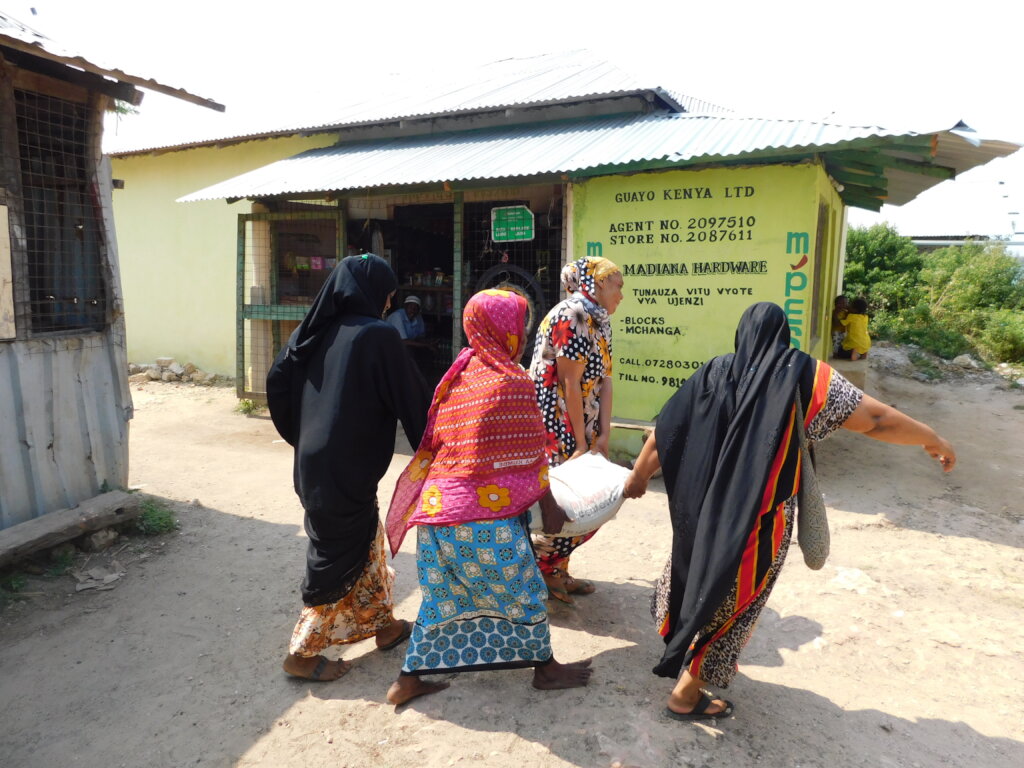
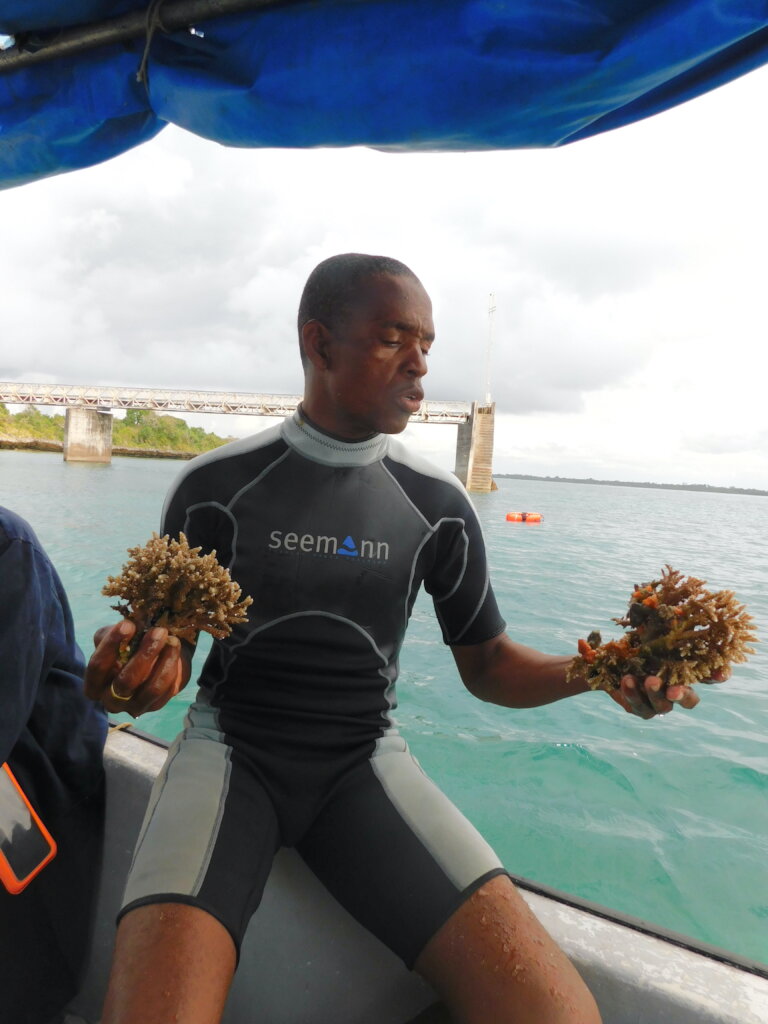
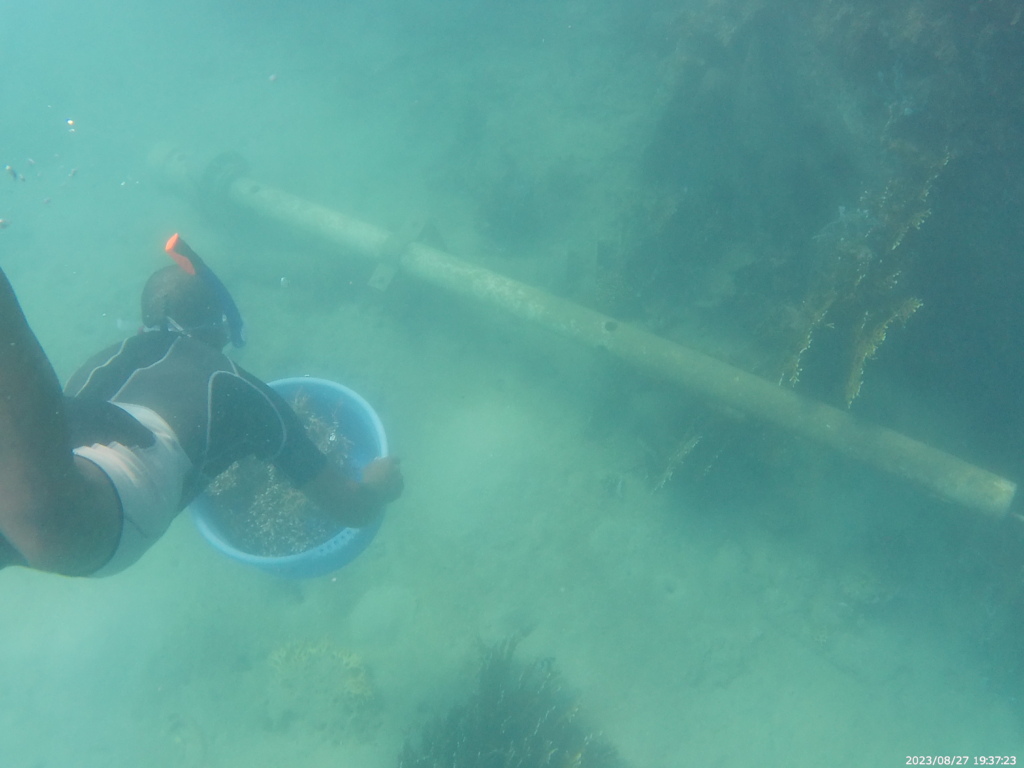
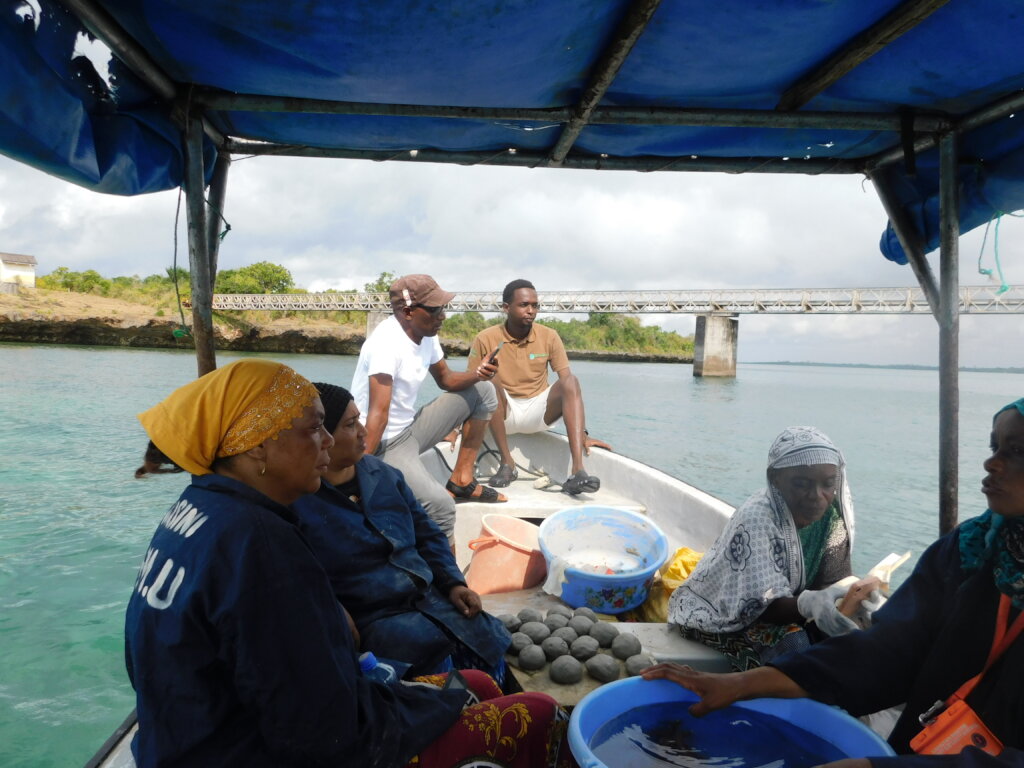
After the meeting, the team and the community members prepared three coral blocks for anchoring the coral disks when transplanting the corals, harvested coral materials for establishing in the nursery, and monitoring of previously set nurseries to determine if it would be used to establish new corals. From the observations made, the previously coral nursery bed required replacement of the mesh wire to place the disks and plant young corals. The coral survival rate was observed to be over 85 while the fish population had increased in areas where coral restoration had been done. Women were actively engaged in coral restoration where they assisted in building coral blocks, making disks, preparation of the corals to be planted, and supporting the diving team.
Recommendations
Links:
Project reports on GlobalGiving are posted directly to globalgiving.org by Project Leaders as they are completed, generally every 3-4 months. To protect the integrity of these documents, GlobalGiving does not alter them; therefore you may find some language or formatting issues.
If you donate to this project or have donated to this project, you can receive an email when this project posts a report. You can also subscribe for reports without donating.


Support this important cause by creating a personalized fundraising page.
Start a Fundraiser