By Rubicelia Cayetano Pesado | Project Leader
In March federal authorities in Mexico declared COVID-19 maximum alert, this pandemic nowdays affect all the world. This situation affected our community work, because community authorities organized for to close access to many communities and don’t let pass to people outside the community. For the confinement, there has been a significant increase in family violence and femicides in Mexico (10 women die daily from femicide)
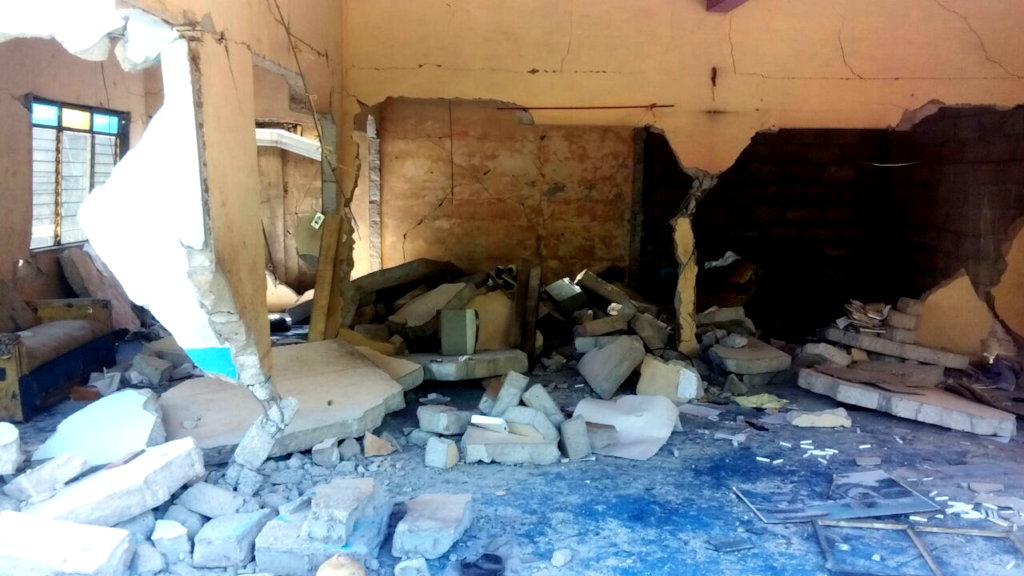
Faced with the health contingency due to COVID 19 that we are experiencing throughout the country, we have had to carry out prevention actions, not leaving aside the issue of rebuilding the community of Río Pachiñé:
1.- Right to information
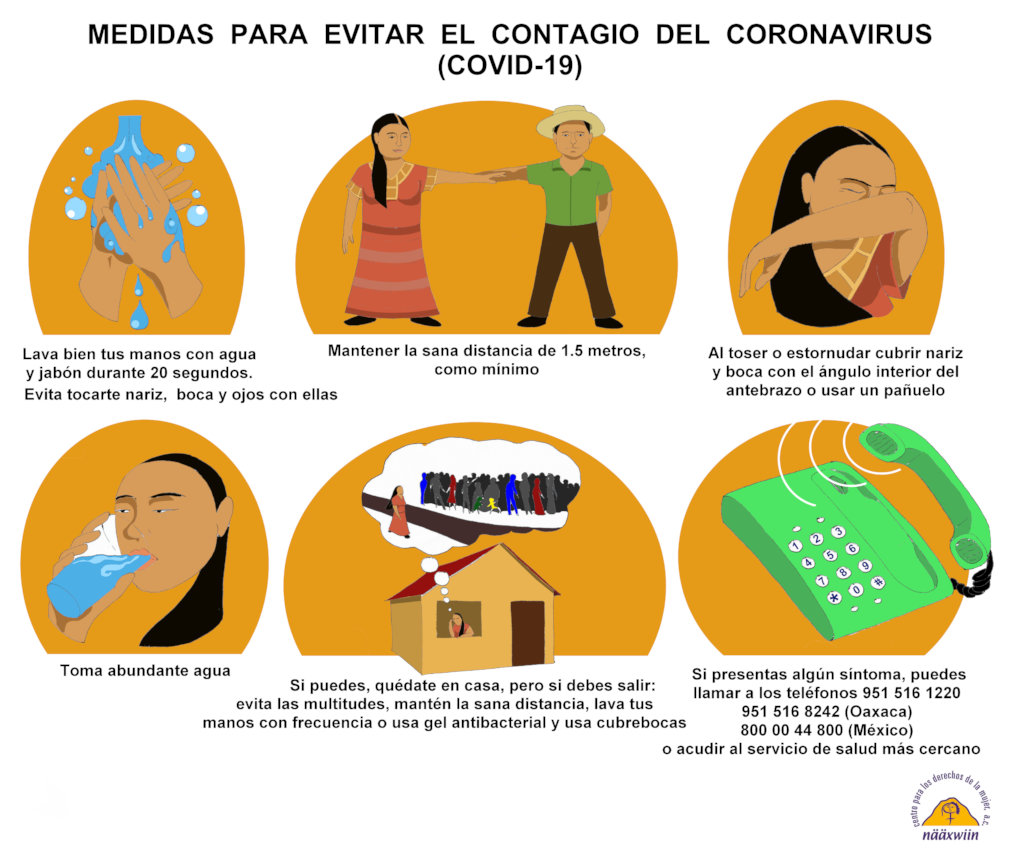
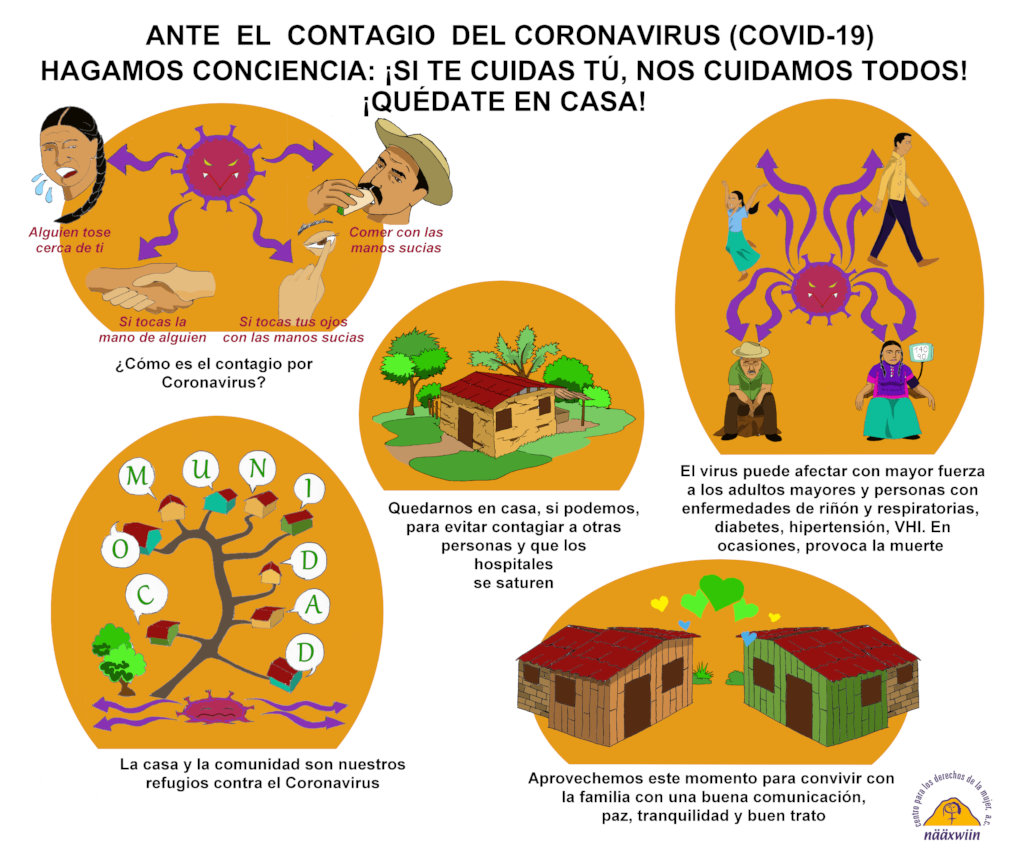
For us is important that our communities have right to information in mixe indigenous language, so that they can take care of and prevent the contagion of Covid-19 and the prevention of family violence. For that reason we are doing informative campaigns through motorcycle taxis with loudspeakers, where we transmit audios with information about COVID 19 in mixe language; also, we have made cartels, videos (that we diffuse for Whatsapp and Facebook https://www.facebook.com/295301543840571/videos/228763278371688) and radio capsules that we transmit in local radio.
2.-Psycho-emotional care.
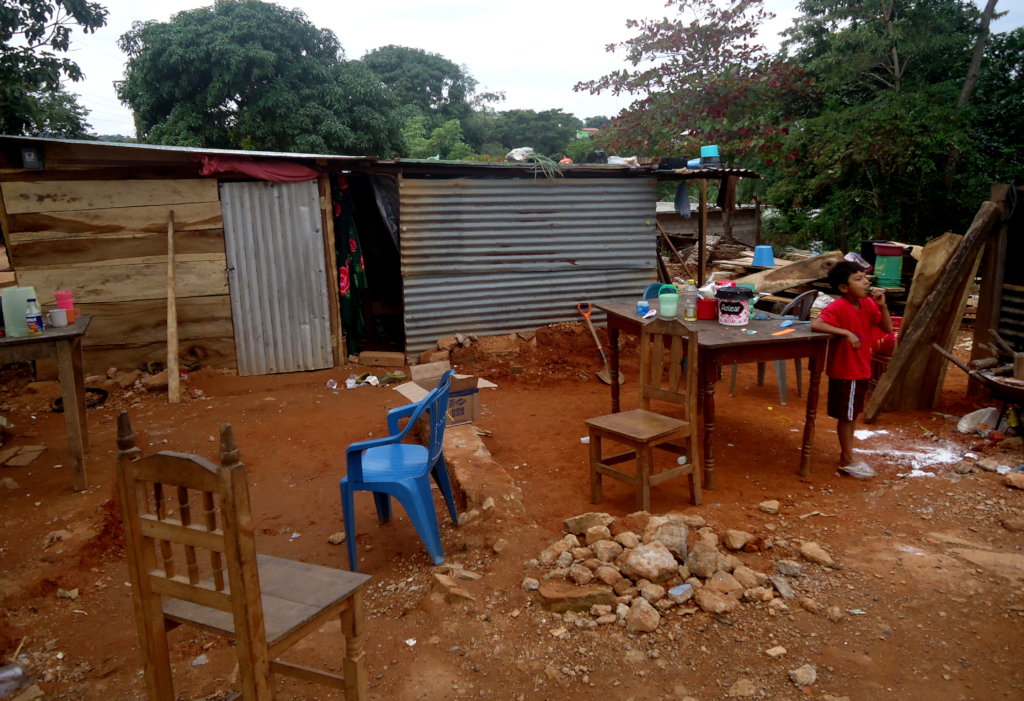
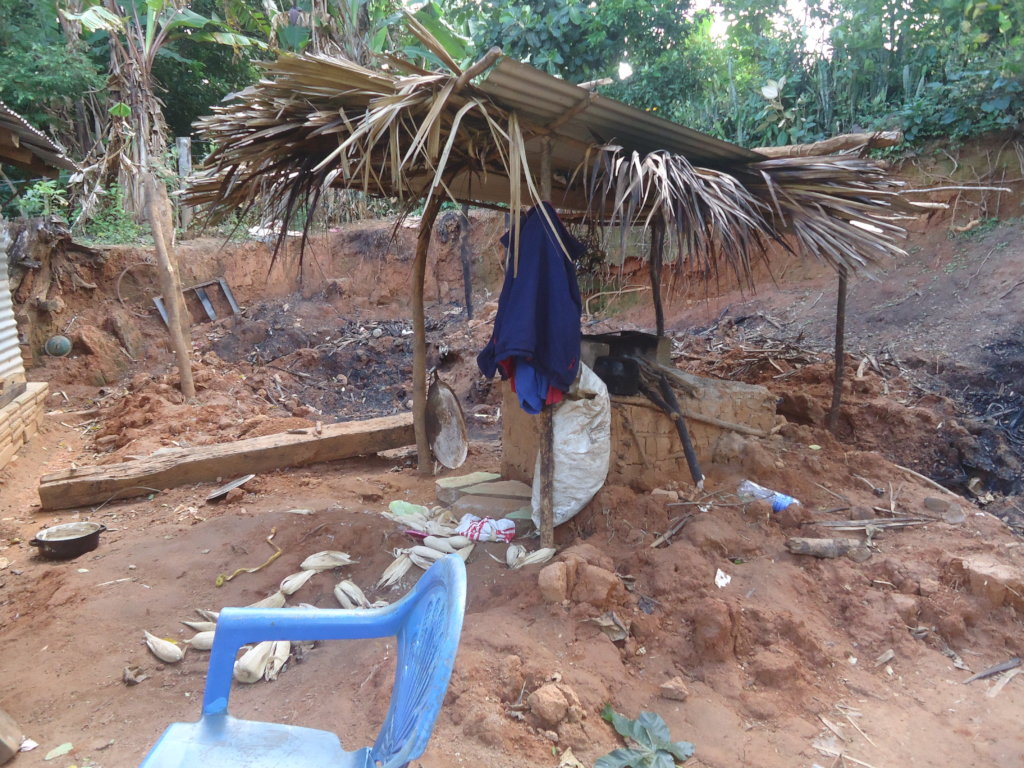
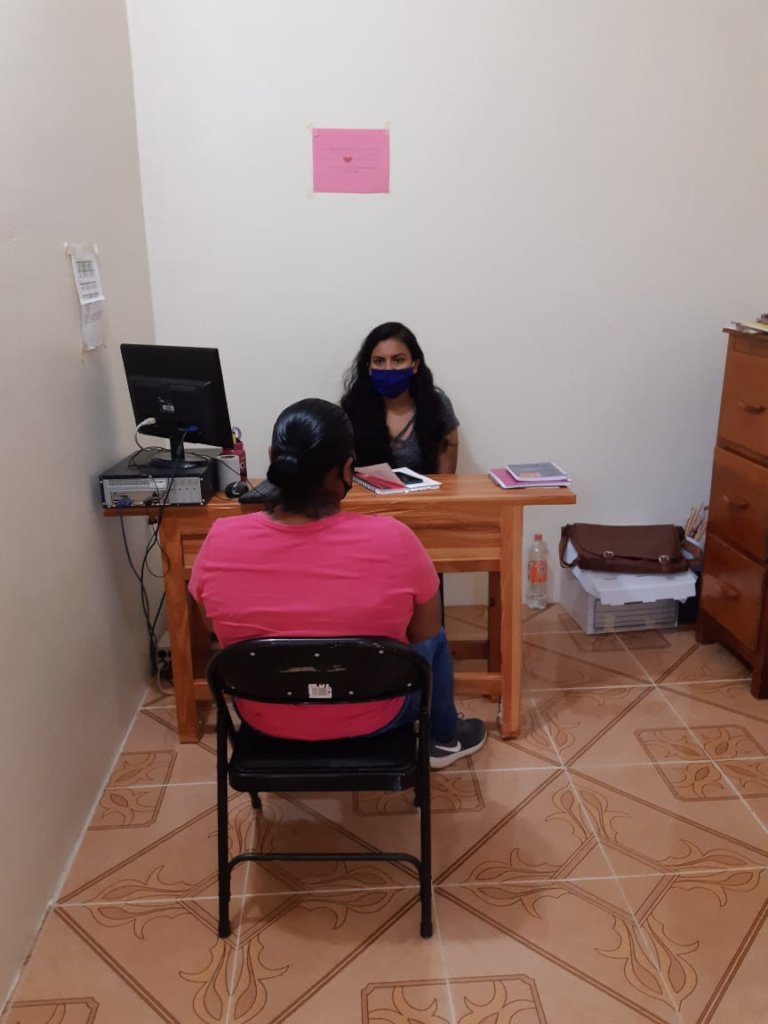
In colonia Juan, Río Pachiñé was necessary to recur to psychological therapies because many families are affected yet for the ground situation that generate instability in their lives and, also the problem and anguish was sharpened with social and economic consequences of COVID-19. Many families feel fear, anxiety and some have lived family violence.
In our region the violence against women is a very serious problem, only in this sanitary contingency we was attended 68 women victims of violence from different municipalities.
3.- Management with the authorities
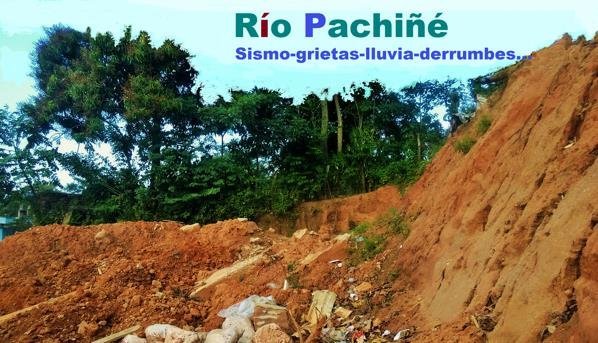
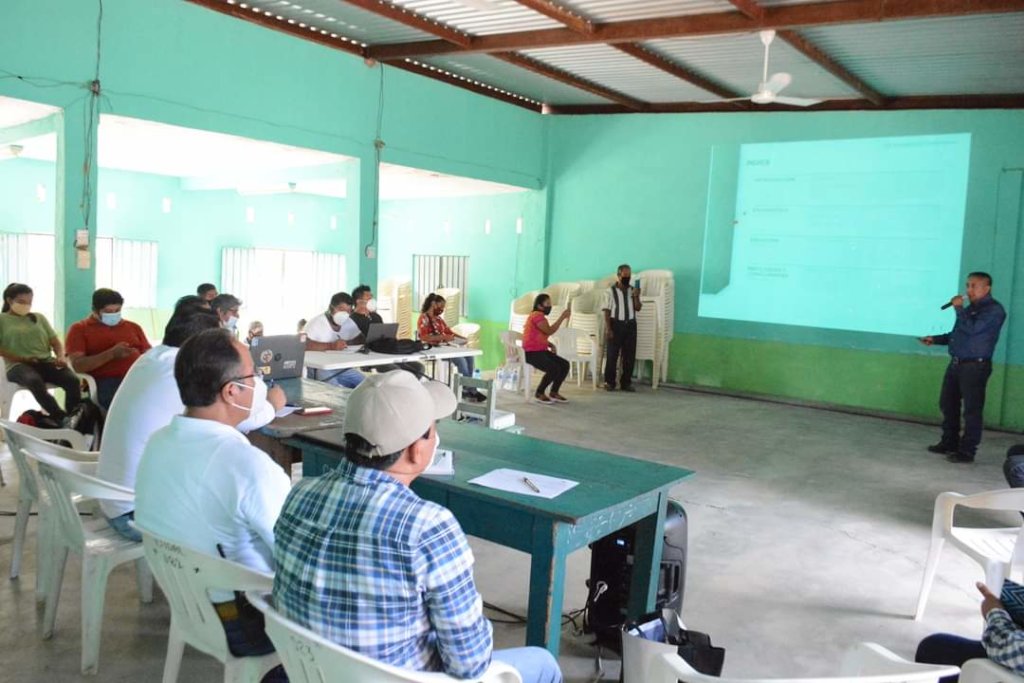
The Reconstruction Committee has played a very important function in the community: they promoted three ground studies that were useful for request the intervention of Secretaría de Desarrollo Agrario, Territorial y Urbano (SEDATU) for to definethe community situation. The SEDATU answer was to do a fourth ground study that confirmed that the ground in colonia Juan is not suitable for habitation, unless it is rehabilitated with retaining walls and new houses are built according to certain guidelines.
The Reconstruction Committee in coordination with Nääxwiin and a geologist of Universidad de la Tierra in Guerrero, we have managed to convene the three levels of government (municipal, state and national) for the official delivery of the fourth study carried out by SEDATU in the community. Also, has been requested that SEDATU do in the community a consult with the persons affected for the ground problem, so that they have information about the situation of the ground and thus decide whether who to stay on the same place or prefer to be relocated.
4.-Economic recovery
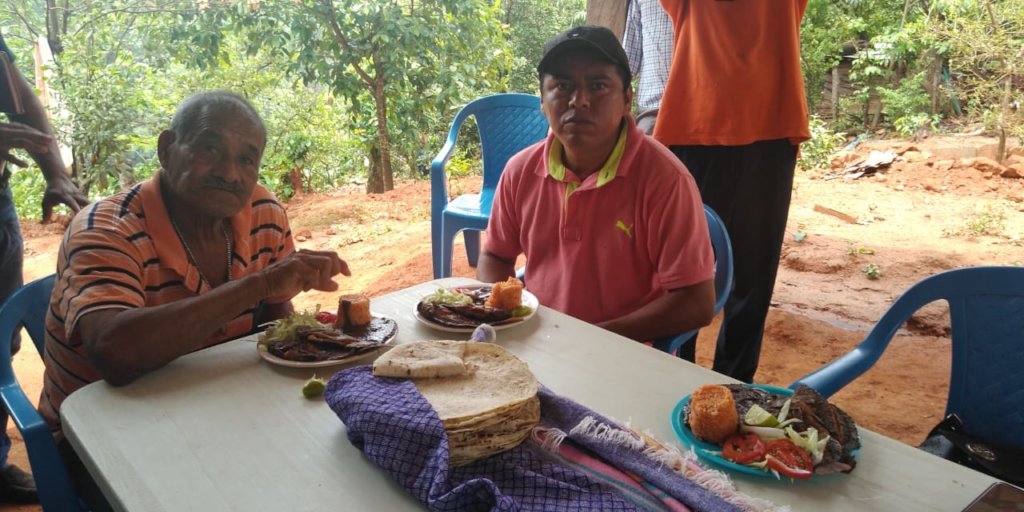
After six month working in the tilapa farming, has been achieved harvest the first mojarras for self-consumption. Only a part was sold to supplement the food of the 12 families that experienced this first exercise. For now, they stopped the second round of tilapia rearing, as they are now busy deciding what will happen about their stay in Colonia Juan.
Links:
Project reports on GlobalGiving are posted directly to globalgiving.org by Project Leaders as they are completed, generally every 3-4 months. To protect the integrity of these documents, GlobalGiving does not alter them; therefore you may find some language or formatting issues.
If you donate to this project or have donated to this project, you can receive an email when this project posts a report. You can also subscribe for reports without donating.