By Mohamud Hassan Ali | Project Leader
Dear Esteemed Donors and Supporters,
Warm greetings from the Humanitarian Relief and Development Council (HRDC).
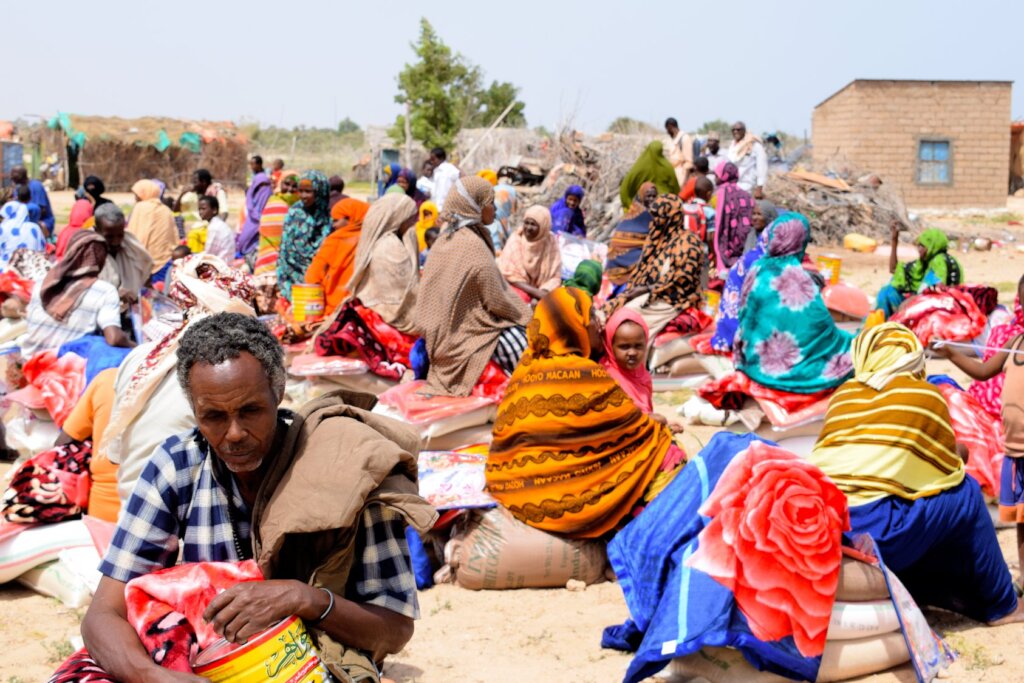
We are pleased to share our latest progress update on the “Response Food and Drought Crisis in Somalia” project. Since our previous report in May 2026, the humanitarian situation has remained extremely challenging, particularly for drought-affected and displaced communities in Puntland.
With the continued support of GlobalGiving donors, HRDC has remained committed to reaching vulnerable families with humanitarian assistance while strengthening community-based response and resilience.
1. Humanitarian Situation
Somalia continues to experience the combined effects of drought, food insecurity, displacement, conflict, and limited humanitarian resources.
In Puntland and other affected areas, many vulnerable households continue to face:
• Limited access to safe and reliable water.
• Reduced household food availability.
• Loss of livestock and other livelihood assets.
• Displacement from rural areas toward towns and settlements.
• Increased pressure on already limited basic services.
• Greater vulnerability among children, women, older people, and households with limited income.
The continued deterioration of livelihoods means that many families require not only immediate humanitarian assistance but also longer-term support to rebuild their resilience.
2. HRDC Response and Progress
Food Assistance
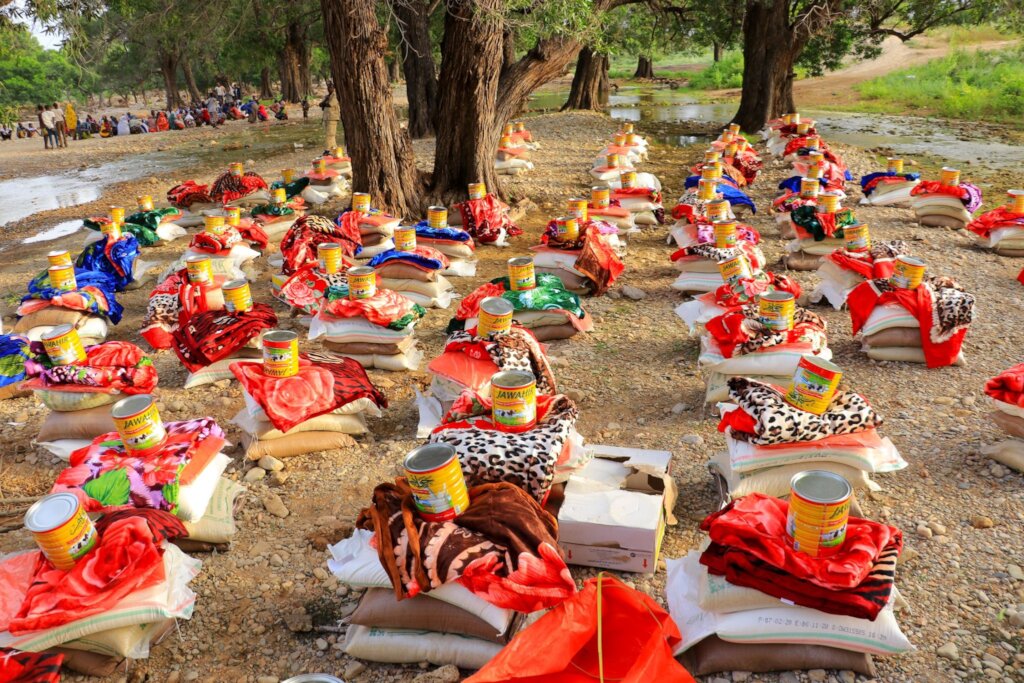
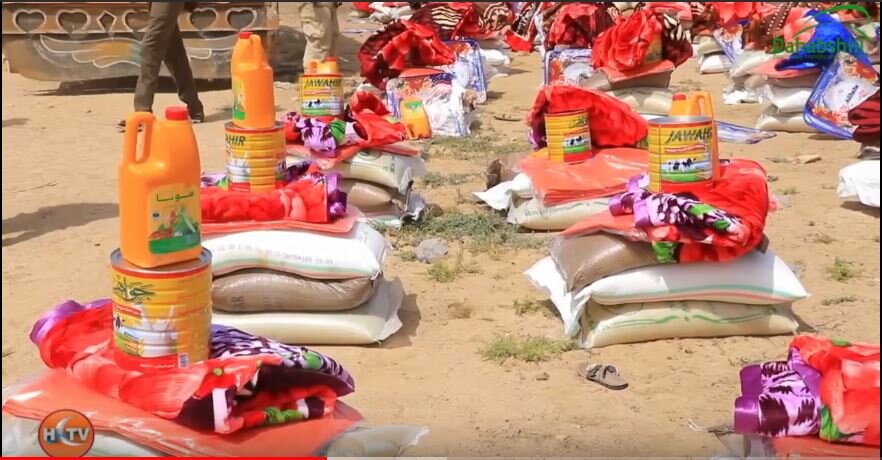
HRDC continued prioritizing vulnerable drought-affected households for food assistance and emergency support.
Our response has focused particularly on households experiencing severe food shortages and those whose livelihoods have been affected by drought and displacement.
Through community-level coordination, HRDC has continued identifying priority needs and directing available resources toward households facing the greatest vulnerability.
Support to Displaced Communities
The continued movement of drought-affected families from rural areas has increased pressure on communities and settlements receiving displaced households.
HRDC has continued engaging with affected communities and local stakeholders to understand emerging needs and identify practical opportunities for assistance.
Particular attention has been given to households that have lost livestock, income sources, or access to basic services because of drought.
Nutrition and Vulnerable Groups.
Children and women remain among the groups most exposed to the consequences of food insecurity.
HRDC continues to prioritize:
• Children at heightened risk of malnutrition.
• Pregnant and lactating women.
• Female-headed households.
• Displaced families.
• Households with limited livelihood opportunities.
Where possible, HRDC links vulnerable households with available community and humanitarian services.
3. Community Participation and Accountability
HRDC continues to work through community engagement mechanisms to promote fair and transparent assistance.
Local leaders and community representatives are engaged in identifying vulnerable households and understanding priority needs.
We also encourage communities to provide feedback regarding:
• Selection of beneficiaries.
• Distribution processes.
• Emerging humanitarian needs.
• Gaps in available assistance.
This community-based approach helps HRDC ensure that limited resources are directed toward those facing the greatest challenges.
4. Emerging Priority: From Emergency Relief to Resilience.
One important lesson from the current crisis is that emergency food assistance alone cannot resolve the underlying vulnerability of drought-affected communities.
Families who have lost livestock, income, homes, or access to basic services require opportunities to recover and rebuild.
HRDC is therefore increasingly exploring approaches that connect immediate humanitarian assistance with longer-term resilience, including:
• Education access for displaced children.
• Livelihood recovery.
• Community-based resilience activities.
• Access to basic services.
• Support for vulnerable women and children.
This approach aims to help communities move gradually from repeated emergency dependence toward greater self-reliance.
5. Challenges
The humanitarian operating environment remains difficult.
Key challenges include:
Funding constraints: Humanitarian needs continue to exceed available resources.
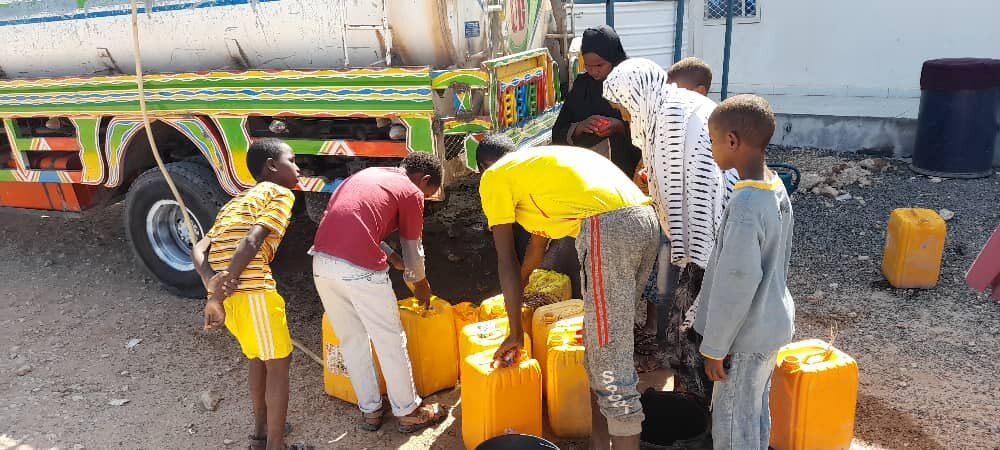
Water scarcity: Drought continues to affect water availability for households and livestock.
Displacement: New displacement increases demand for food, water, shelter, education, and other services.
Livelihood losses: Pastoral and other rural livelihoods remain highly vulnerable.
Access: Remote communities are often difficult and expensive to reach.
These challenges make continued donor support particularly important.
6. Looking Ahead
During the next reporting period, HRDC will continue to prioritize:
• Emergency food assistance for highly vulnerable households.
• Support for drought-affected and displaced communities.
• Identification and referral of vulnerable children and women.
• Community engagement and accountability.
• Water and basic-service needs where resources permit.
• Resilience and livelihood opportunities where conditions allow.
• Education opportunities for children living in drought-displaced communities.
HRDC is particularly interested in developing interventions that combine humanitarian assistance with longer-term community resilience.
7. A Story of Hope
For families displaced by drought, the crisis is not only about the food they need today. It is also about what happens to their children tomorrow.
Many displaced families have moved from rural areas after losing livestock and livelihoods. Their children may arrive in settlements where they have access to neither stable education nor adequate basic services.
For HRDC, this highlights the importance of connecting humanitarian response with education and resilience.
Our vision is to help affected communities not only survive the current crisis, but gradually rebuild their ability to live with dignity and create better opportunities for their children.
8. Our Gratitude to GlobalGiving Donors.
On behalf of HRDC and the communities we serve, we extend our sincere appreciation to all GlobalGiving donors.
Your support enables a local Somali organization to respond directly to communities affected by drought, food insecurity and displacement.
Every contribution helps HRDC bring assistance closer to people who may otherwise remain underserved.
We remain committed to using donor support responsibly, transparently, and where the humanitarian need is greatest.
Thank You
Together, we can help vulnerable Somali families survive today's crisis while building a stronger and more resilient future.
With sincere appreciation,
HRDC Team
Project reports on GlobalGiving are posted directly to globalgiving.org by Project Leaders as they are completed, generally every 3-4 months. To protect the integrity of these documents, GlobalGiving does not alter them; therefore you may find some language or formatting issues.
If you donate to this project or have donated to this project, you can receive an email when this project posts a report. You can also subscribe for reports without donating.



Support this important cause by creating a personalized fundraising page.
Start a Fundraiser