By Joy Ojochogwu Etubi | Project Leader
Dear Donors,
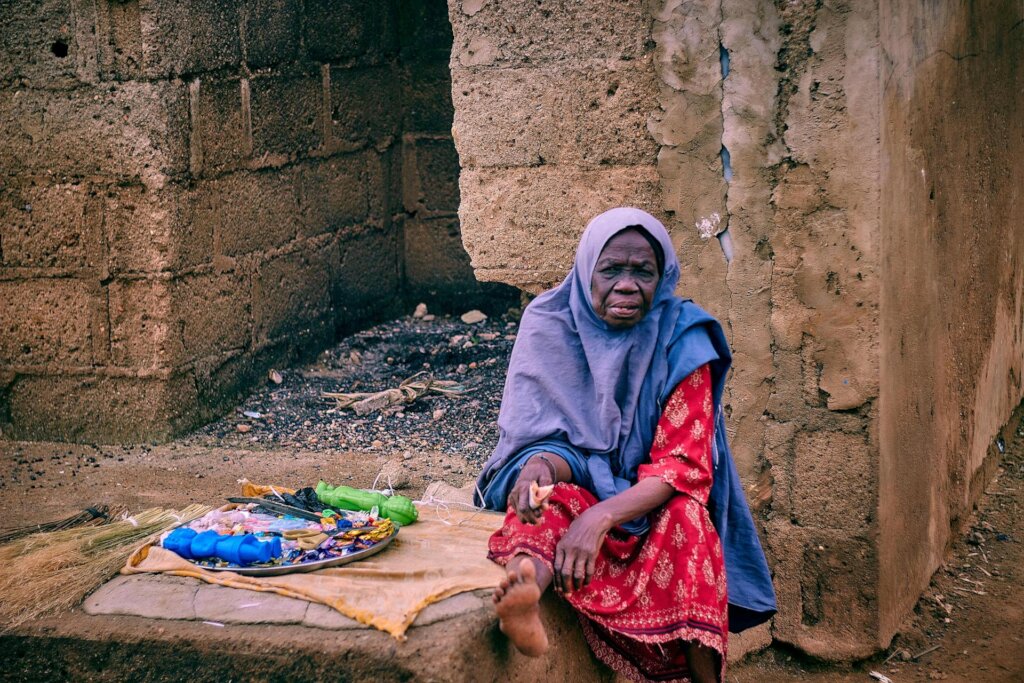
There comes a time in life when a woman who has spent decades caring for others should be able to rest and know that someone will care for her too.
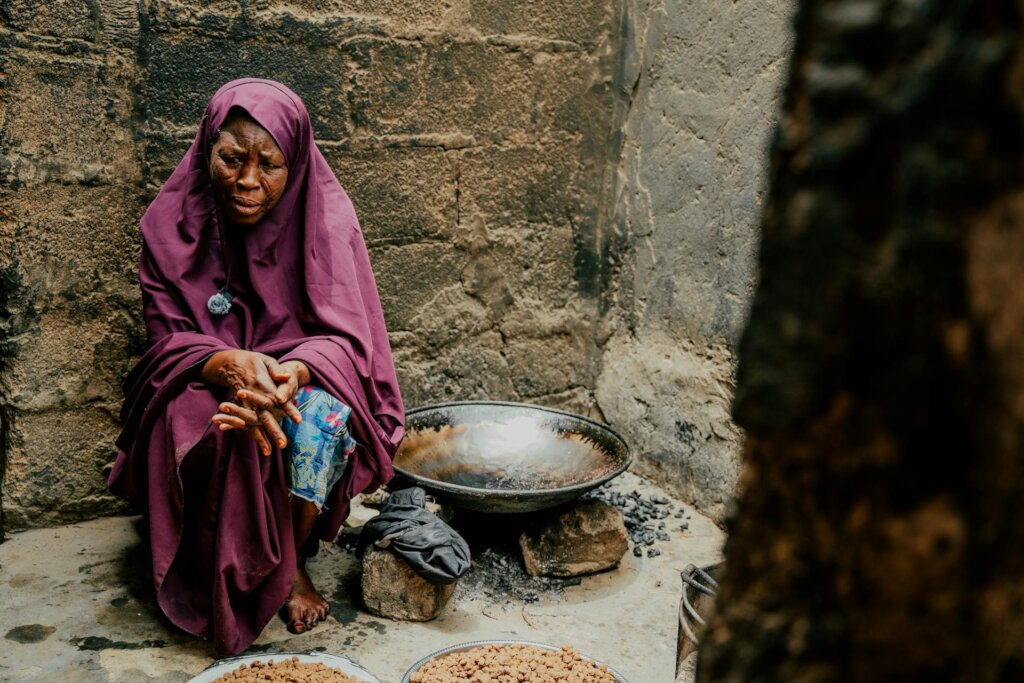
But for many elderly women in Nigeria, growing older has brought a different reality.
Some have lost their husbands. Some have no pension or regular income. Their children may want to help but are struggling to feed their own families. Others live alone and depend on whatever a neighbour, relative, or kind stranger can spare.
Then morning comes, and there is still the question:
“What will I eat today?”
Nigeria's rising cost of living has made that question harder for many families. The World Bank estimates that 63% of Nigerians were living below the national poverty line in 2025. It also reports that poor households can spend as much as 70% of their income on food.
For an elderly woman with no regular income, there may be very little money to begin with.
Hunger is only one part of her struggle.
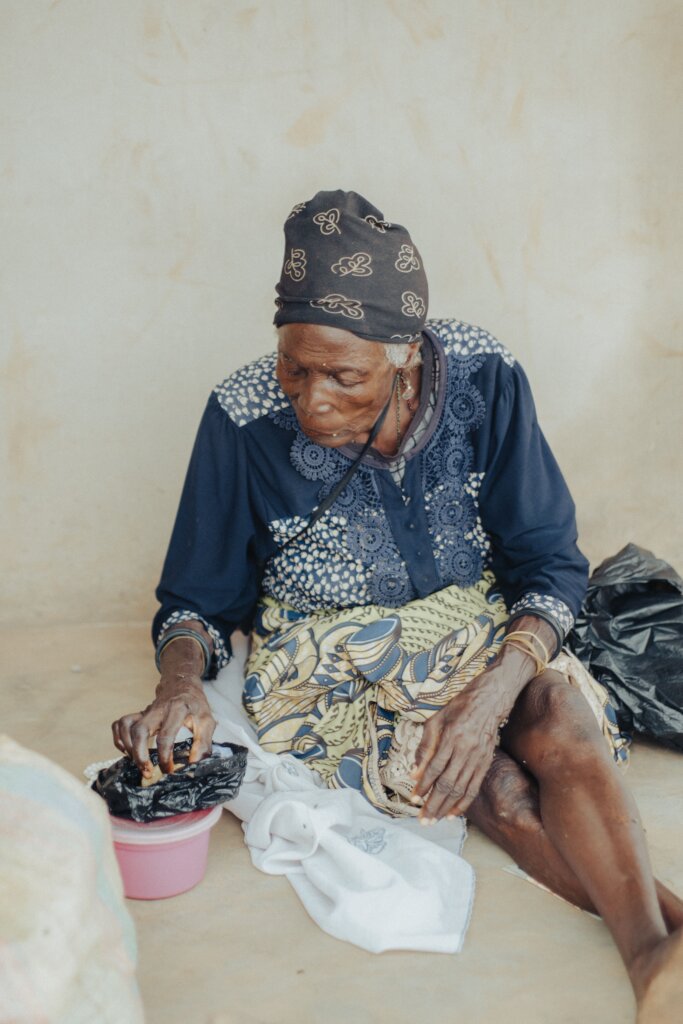
She may be living with hypertension, arthritis, diabetes, poor eyesight, or another age-related condition. When the little money she receives must pay for food, transportation, and medicine, something may have to be left behind.
Sometimes, it is the medicine.
Sometimes, it is the meal.
This project exists because elderly women should not have to spend the later years of their lives making choices like these.
Through your support, we plan to provide monthly food baskets, basic healthcare supplies, medical screenings, and livelihood materials to 500 elderly women.
For some women, support may mean having food in the house when there was little left to cook.
For another, it may mean getting her blood pressure checked and receiving basic medical care.
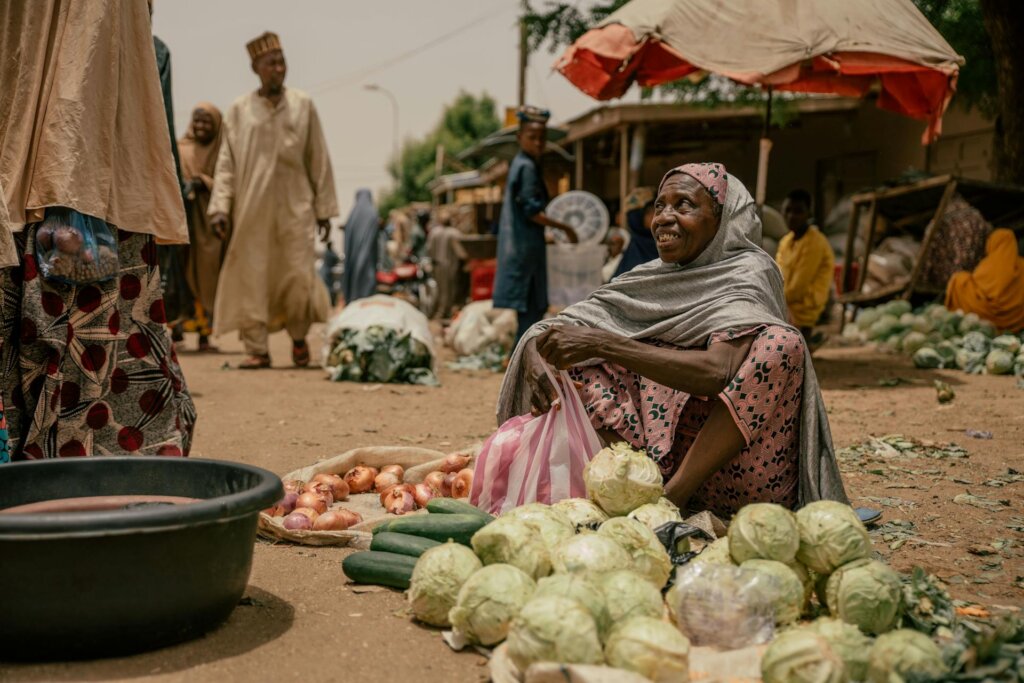
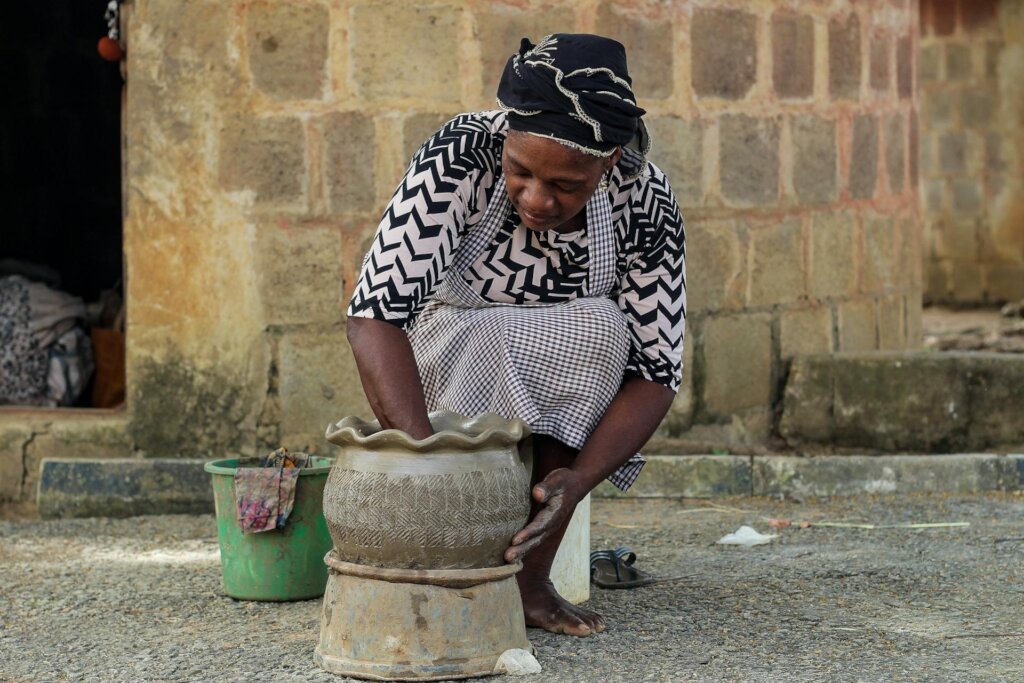
For those who are still physically able to work, a small livelihood pack for farming or petty trading may give them a way to earn some money for their daily needs.
The difficulties facing older women extend beyond Nigeria. The World Bank reports that older women in developing countries tend to face greater income insecurity, poorer health, and more unmet care needs than men. It also reports that only 41% of retired women in lower-middle-income countries receive a pension, compared with 55% of retired men.
Yet these women are not simply people waiting to receive help.
Many are mothers and grandmothers. Some still care for grandchildren. Some share whatever food they have with younger family members. Some spent much of their lives working, raising children, farming, trading, and caring for others.
Now they need someone to remember them.
To our donors, thank you. Your support means a great deal for a project like this because hunger does not happen only once. Food finishes. Medicine finishes. Another month comes.
Your continued support gives us a chance to return.
If this story speaks to you, please share the project with your family and friends. You can also start an individual fundraiser and invite others to help us reach more elderly women.
A woman who spent her life caring for others should not grow old wondering where her next meal will come from.
Thank you for remembering her.
With gratitude,
Ugbede-Ojo Dominic Kadiri
Project reports on GlobalGiving are posted directly to globalgiving.org by Project Leaders as they are completed, generally every 3-4 months. To protect the integrity of these documents, GlobalGiving does not alter them; therefore you may find some language or formatting issues.
If you donate to this project or have donated to this project, you can receive an email when this project posts a report. You can also subscribe for reports without donating.



Support this important cause by creating a personalized fundraising page.
Start a Fundraiser