By Audrey Lin | Project Manager
At the start of the year, we find ourselves at a new beginning, holding seeds that have yet to sprout.
These seeds may represent our dreams and our journey learning new skills, or the changes ahead in our lives. Although they may seem small or insignificant now and require time and patience to grow, the effort we invest today will determine how they bloom in the future.
Let’s return to the very beginning of this new year and plan together for the year opportunities it may bring.
1. A Financial Literacy Course for Everyone—Group Class for the Visually Impaired
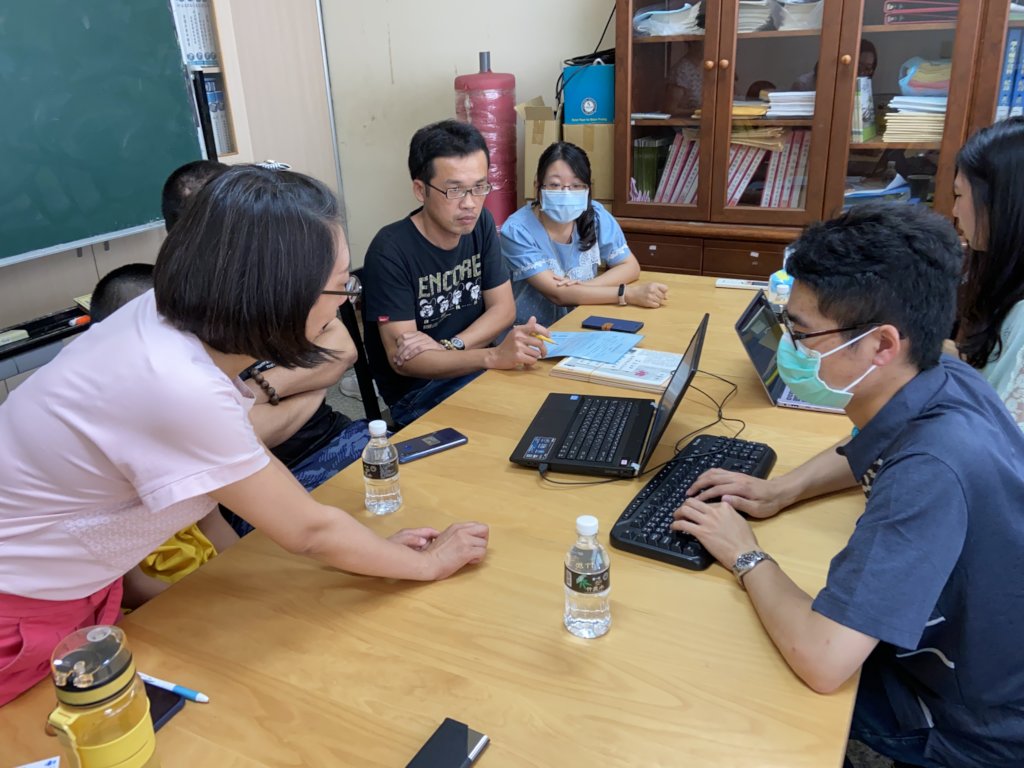
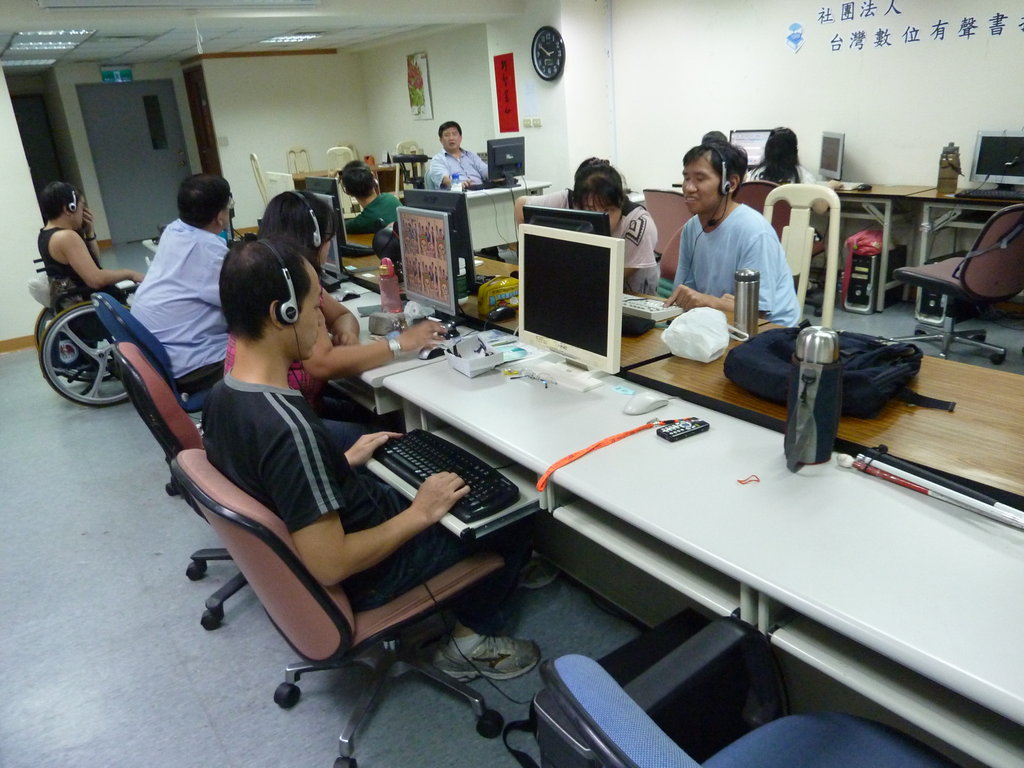
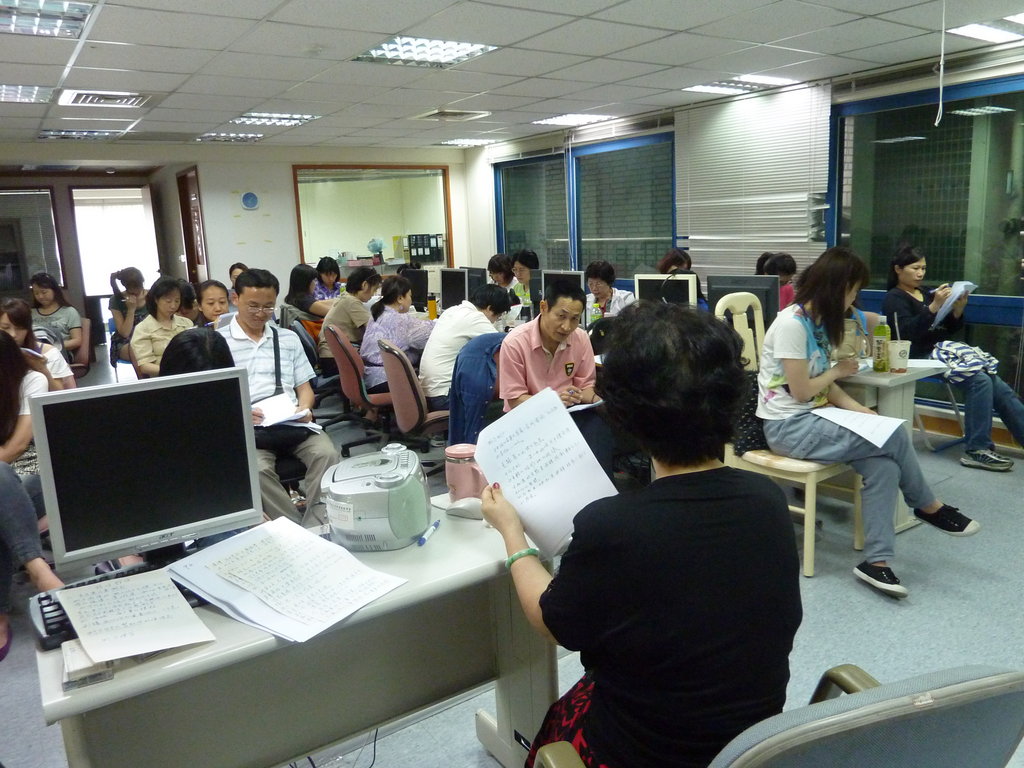
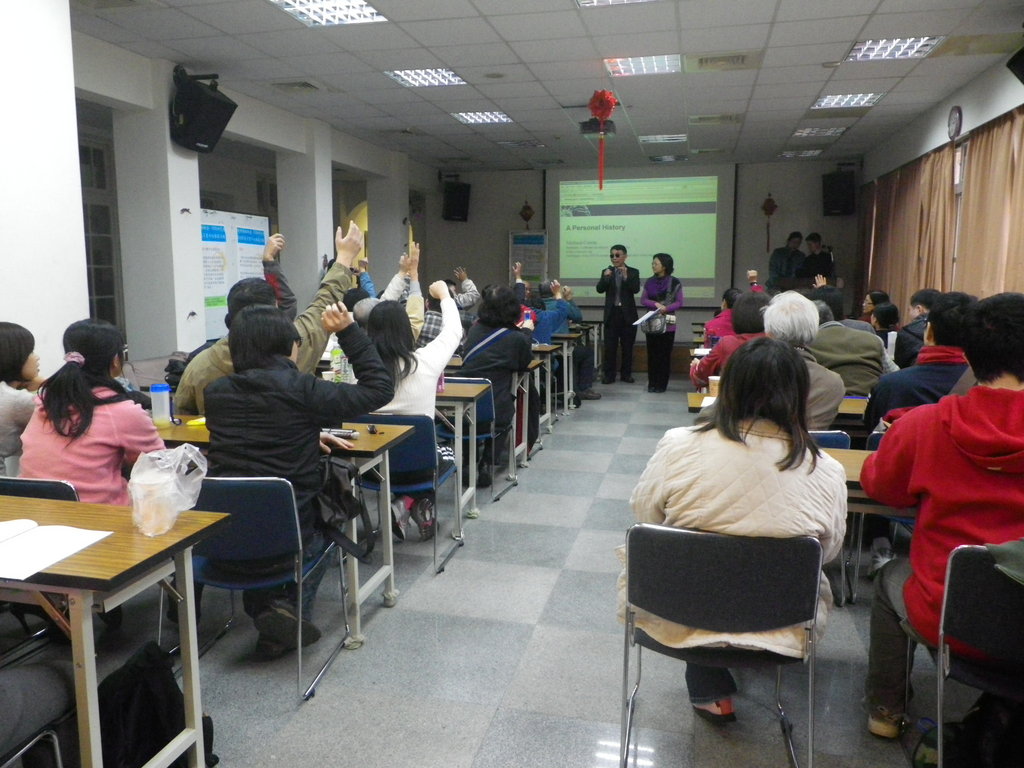
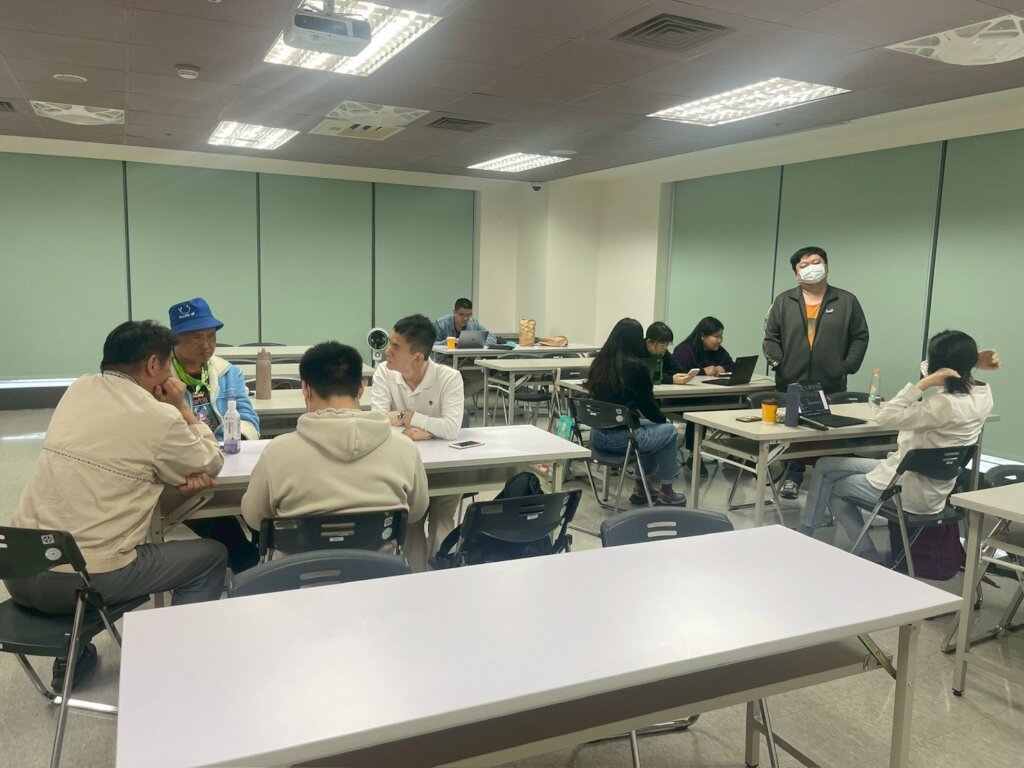
On March 28, TDTB hosted an introductory financial literacy class, inviting a visually impaired instructor with relevant expertise to lead the session. The instructor clearly explained key concepts such as budget planning, inflation resistance, compound interest, and the “Six Jars” savings method.
Participants also engaged in group discussions, conducted online research, and responded to the instructor’s questions on various topics. This activity helped them develop essential skills in financial research and organization. It also demonstrated that individuals with visual impairments are fully capable of achieving these goals.
2. Recap of the Visit by Visually Impaired Teachers from South Korea
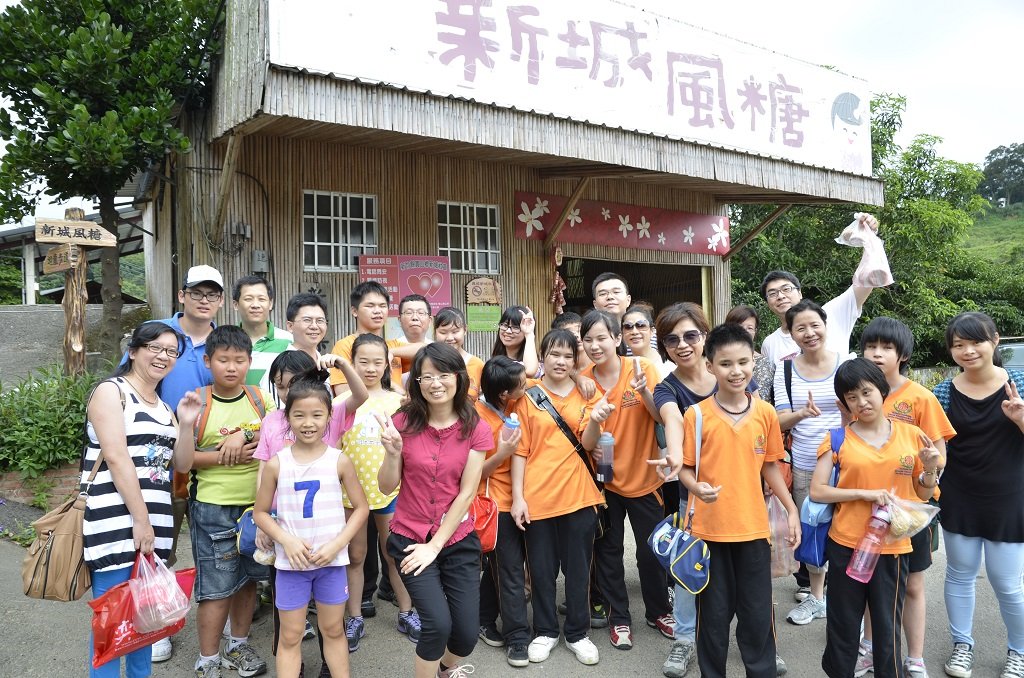
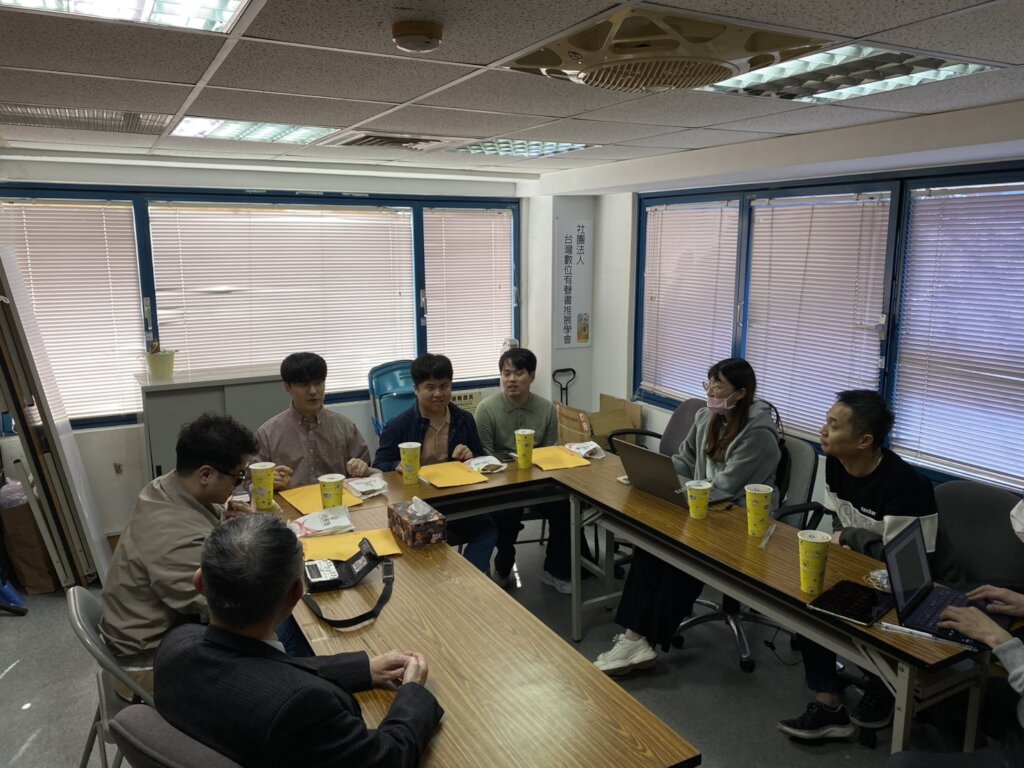
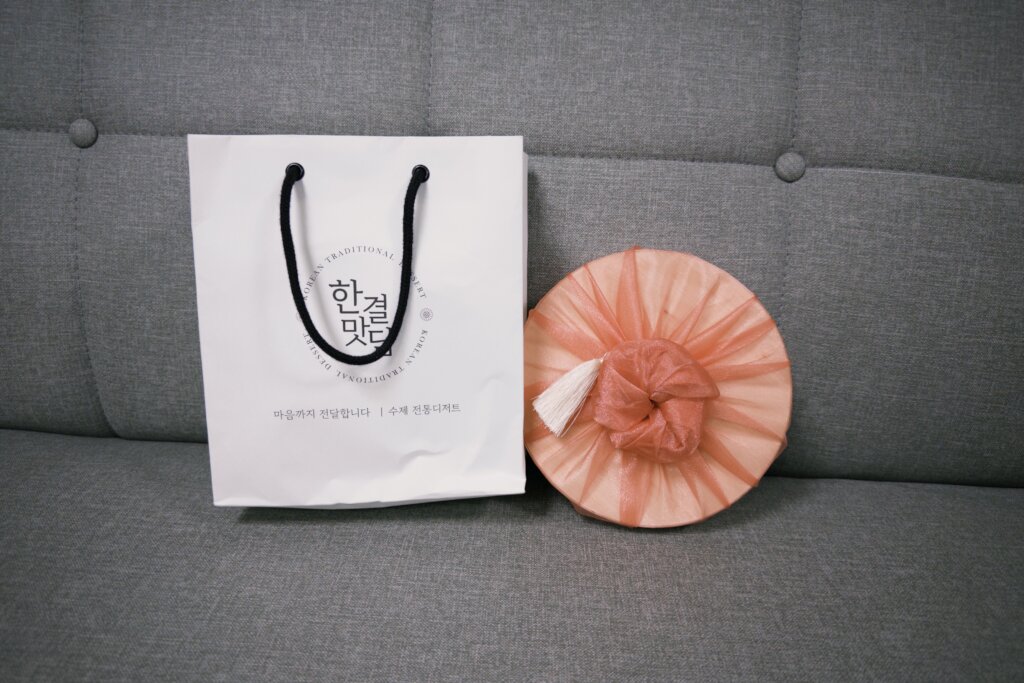
Last year, we received a letter from a visually impaired teacher in South Korea. In the letter, he wrote: “I am curious about what life, work, and access to information are like for visually impaired people in Taiwan. I would like to visit Taiwan with my friends.” On January 14, four totally blind teachers visited TDTB. Below is a reflection written by one of the Korean teachers, Mr. An, following the exchange:
I am Jeyeong An. I teach Korean at a middle school in South Korea and am totally blind. Four teachers, including myself, traveled to Taipei, Taiwan from January 13th to 16th. The purpose of this trip was to visit various organizations supporting the visually impaired in Taiwan and indirectly experience the lives of the visually impaired.
At 1:30 PM on January 14th, we visited the Taiwan Digital Talking Books Association (TDTB). We arrived just in time for our appointment, having left our accommodations late. We were starving, having missed lunch, but as we approached the conference room, a delicious aroma wafted through the air. Chicken cutlets and milk tea were placed on our desks. We thanked the staff for their attentiveness, even though it was past lunchtime, and began the meeting.
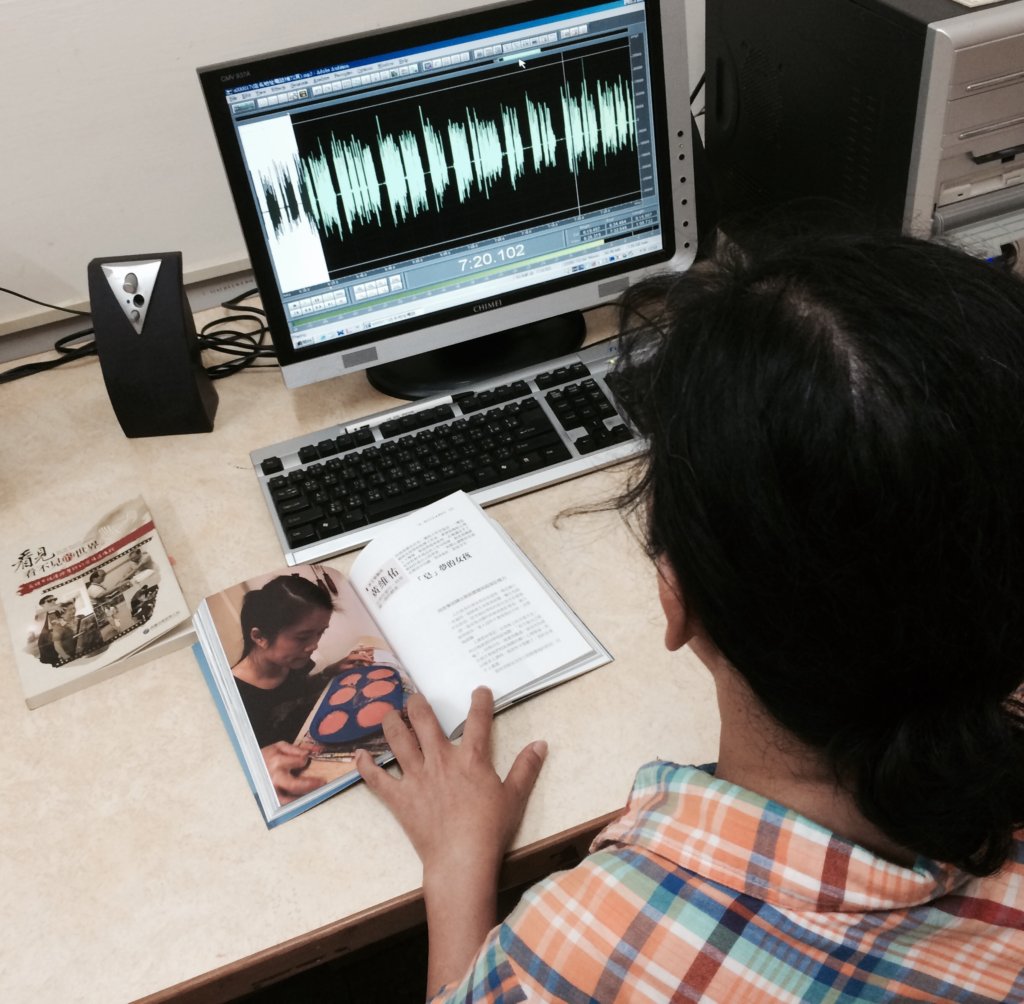
TDTB is an organization that produces books for the visually impaired. The Daisy format of the books was similar to that of South Korea. So, we discussed the experiences of visually impaired people in both countries regarding information accessibility. If a visually impaired person wants to read a book, they can apply to TDTB and have it produced. The digital accessibility engineers decide which books to produce as alternatives, and I heard they produce bestsellers, recent publications, and award-winning works. Since they don't produce learning materials, university students often rely on their own resources when they need books for their studies.
We also discussed NVDA. TDTB has an NVDA Certified Expert who provides screen reader training to the visually impaired in Taiwan. I believe this certification will be helpful in reviewing website accessibility and improving the accessibility of programs commonly used by visually impaired people. While screen readers are commonly used in Korea, it isn't internationally standardized, which reminded me of the difficulties I experienced when navigating foreign websites. I realized I needed to make an effort to avoid isolation.
I heard that TDTB, with limited government funding, relies on donations from individuals and companies, various revenue-generating businesses, and volunteers to support its operations. Furthermore, the use of AI has reportedly streamlined the book production process by reducing the time it takes to convert text to speech. Whether in Taiwan or South Korea, the lives of visually impaired people are clearly improving. While there are still many shortcomings, I was reassured by the fact that information accessibility is improving in the right direction. I resolved to do my best to bridge the information gap caused by vision in this rapidly changing world.
3. Annual Course Activity Plan
This year, we divided our annual programs into three seasonal themes. Each season is designed to guide participants from exploring their curiosity, to focusing on the present moment, and finally to caring for their emotional and physical well-being.
(1) First season: Dawn Lab (March–May)
During this season, each course becomes a small experiment in the “Dawn Lab.” Participants are encouraged to explore new experiences with curiosity, taking their first steps into unfamiliar ideas and possibilities.
(2) Second season: Ember Works (June–August)
After exploring new possibilities, it is time to deepen our learning and develop practical skills. In “Ember Works,” participants continuously practice, create, and collaborate, gradually turning new experiences into lasting abilities.
(3) Third season: Long Day of the Body (September–November)
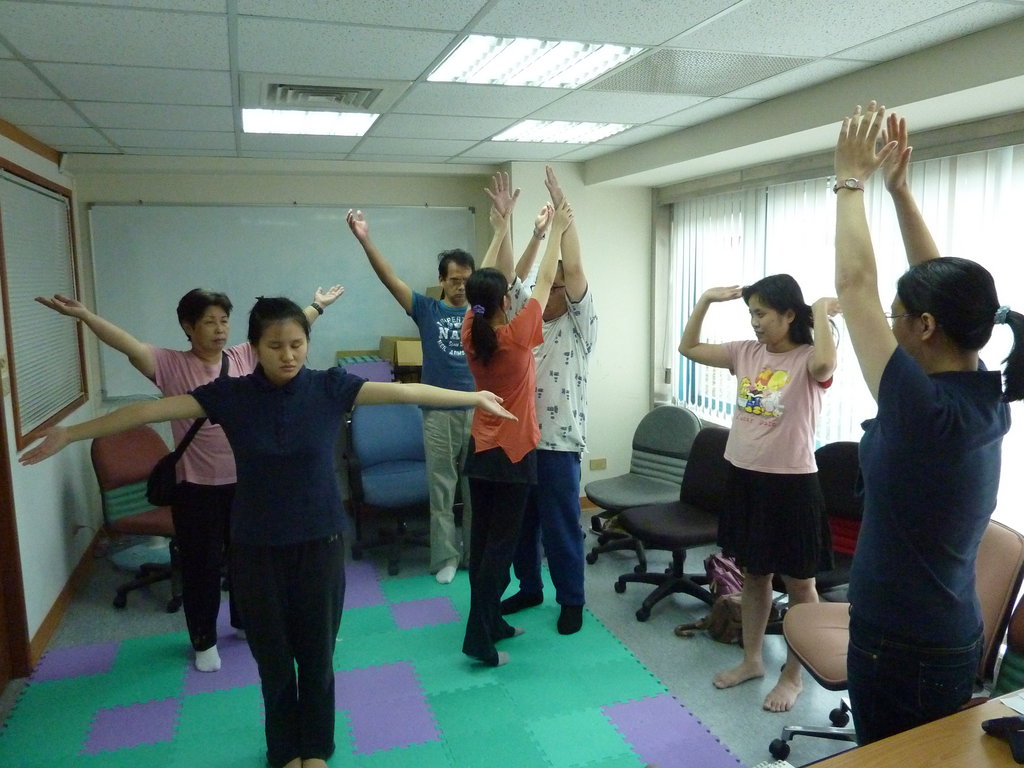
As autumn arrives and the pace of the year begins to slow, we shift our focus back to our bodies and emotional well-being. We call this season “Long Day of the Body.” It is a time to reflect on the year’s journey while reconnecting with the growth, experiences, and inner strength we have built along the way.
4. Ru’s Learning Journey with Digital Tools—One-on-One Digital Literacy Education
While listening to TDTB’s podcast “Hack the Dark,” I realized that many visually impaired individuals had overcome obstacles and started new chapters in their lives. Their stories convinced me that I, too, could move forward with courage inspired by the podcast.
When I first started learning, I felt very nervous. It was hard for me to trust unfamiliar people at first until I came to TDTB.
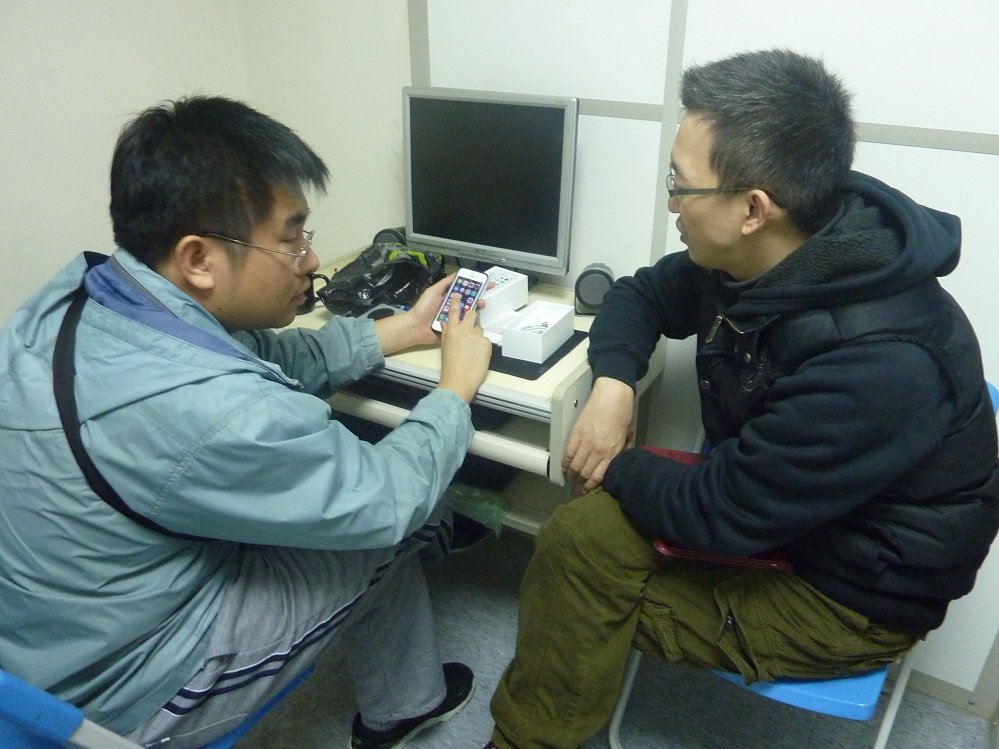
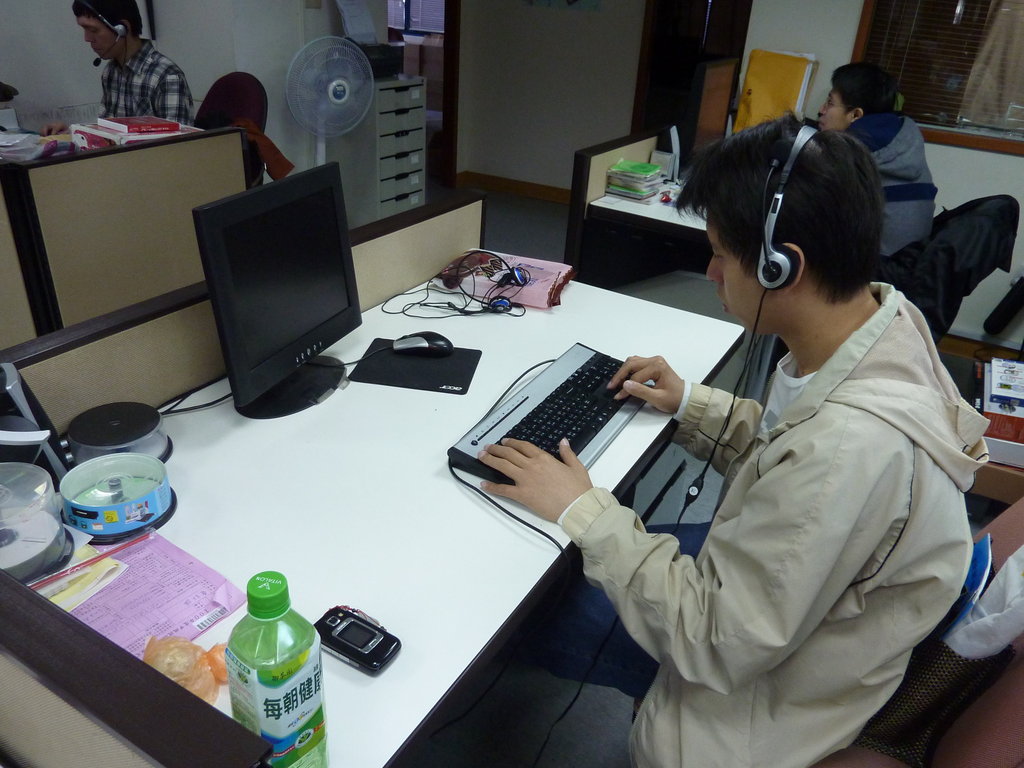
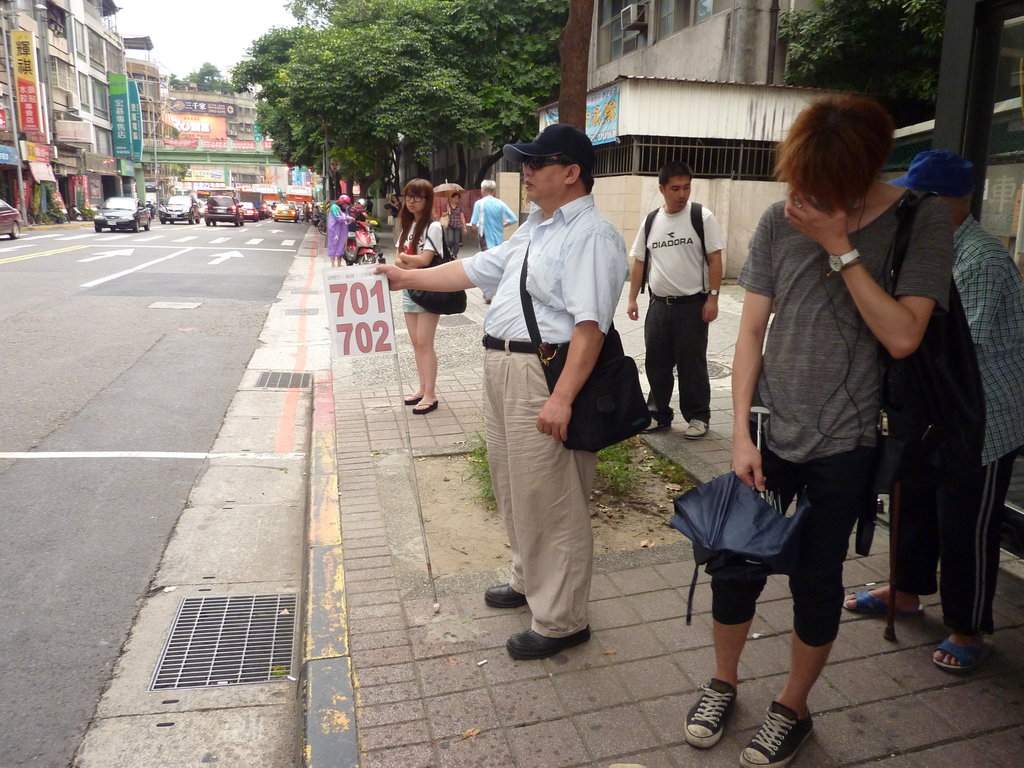
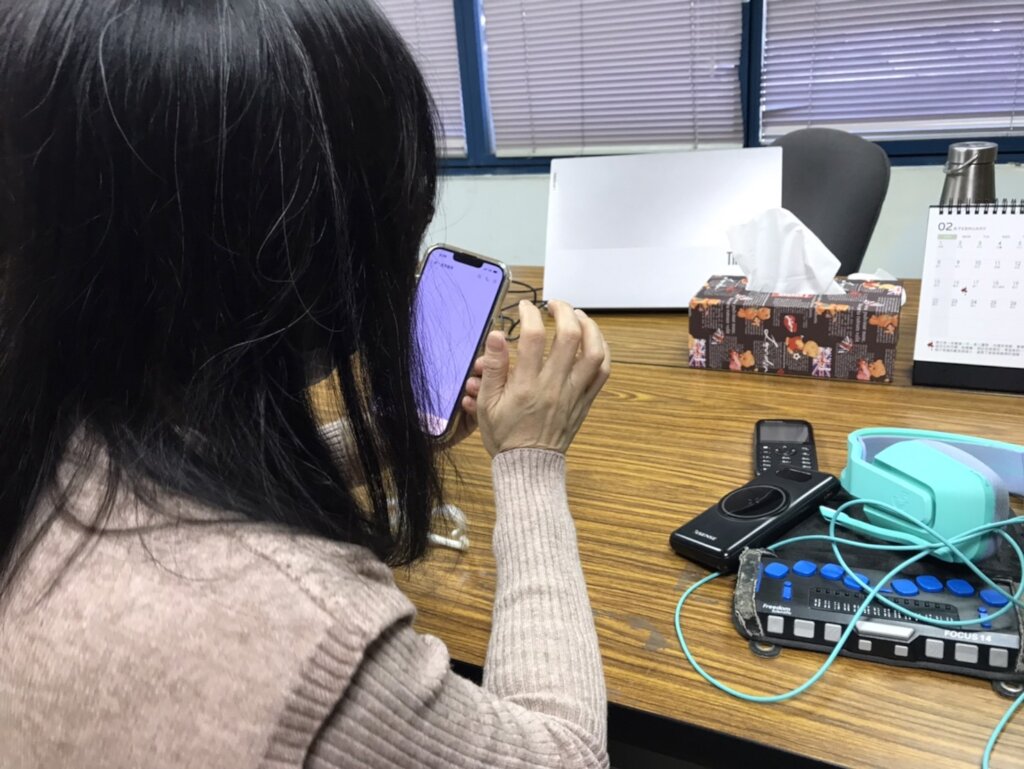
A visually impaired teacher taught me how to use a cellphone. Through this, I realized that I could still stay in touch with my friends, check bus schedules, and plan trips in my calendar, even after losing my vision.
The way I use technology now is very different from before. I have to rely on listening to operate digital tools, and it feels like learning a completely new language.
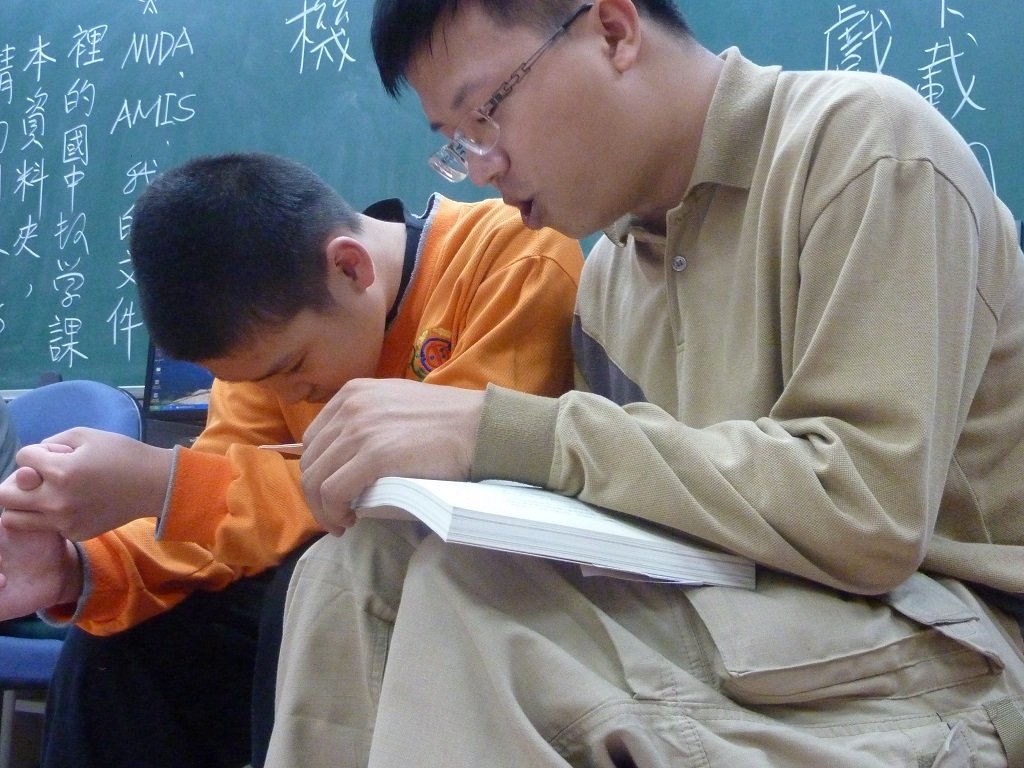
My teacher once told me, “I spent a great deal of time learning these skills, and I had to keep practicing until I could apply them in my daily life. Once I truly understood how to use these tools, I realized that this was a meaningful and valuable learning journey.”
One of the most memorable things my teacher taught me was how to order food delivery using my phone. When I successfully placed my first order and finally received my meal, I felt incredibly happy.
In the past, I depended on my family for almost everything. But now, I can search train schedules, listen to music on YouTube, and even use AI tools to help me organize my daily life. Step by step, I am becoming more confident in navigating life independently.
Links:
Project reports on GlobalGiving are posted directly to globalgiving.org by Project Leaders as they are completed, generally every 3-4 months. To protect the integrity of these documents, GlobalGiving does not alter them; therefore you may find some language or formatting issues.
If you donate to this project or have donated to this project, you can receive an email when this project posts a report. You can also subscribe for reports without donating.



Support this important cause by creating a personalized fundraising page.
Start a Fundraiser