By Agatha Musiimenta | Project coordinator
BEYOND THE BARRIERS; The struggles of children with walking Disabilities in Rural
Areas of Uganda.
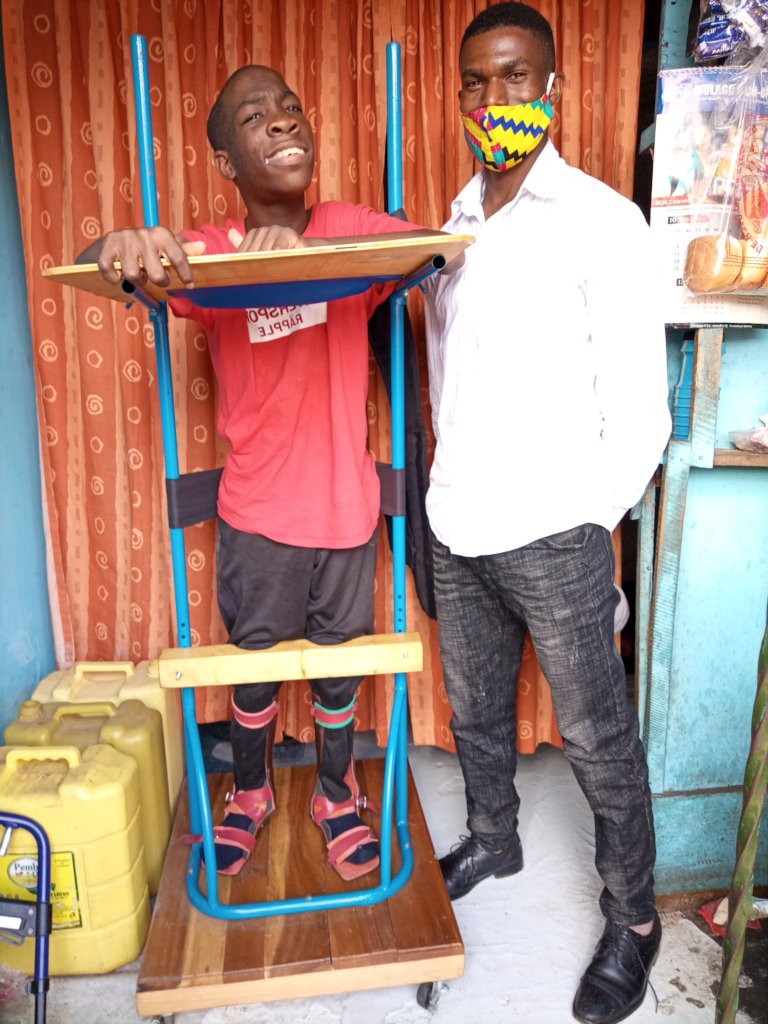
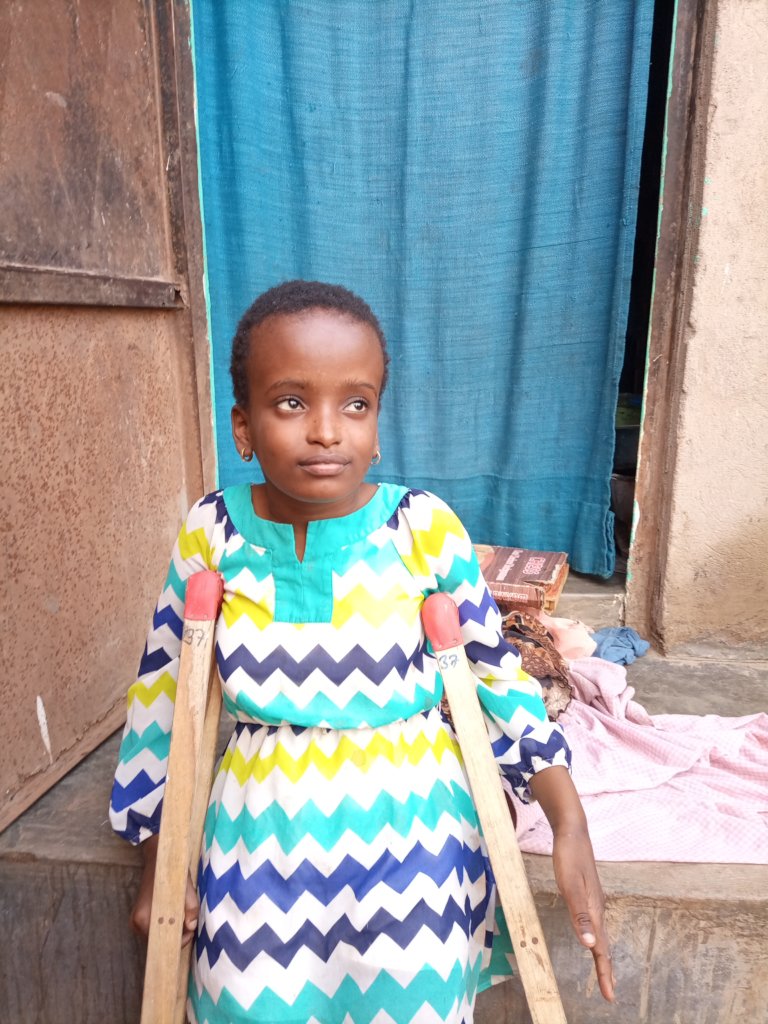
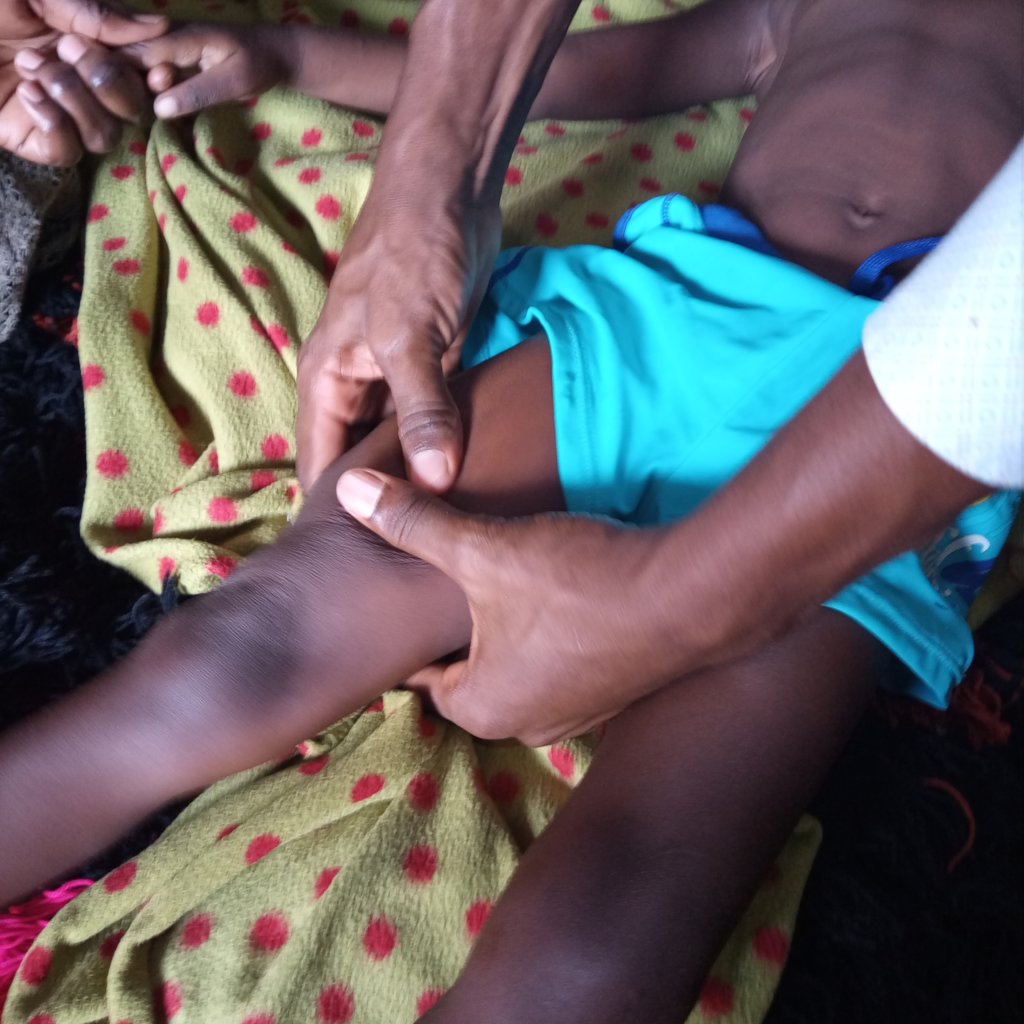
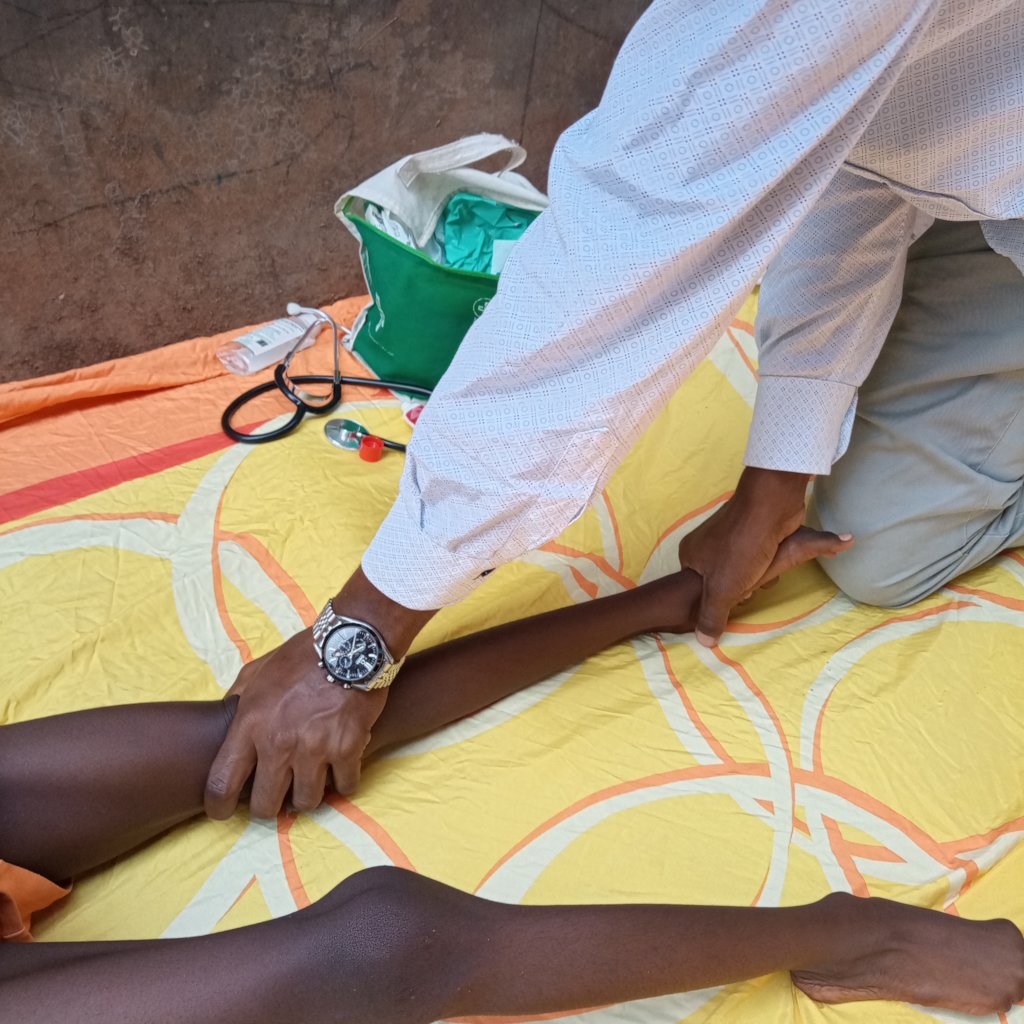
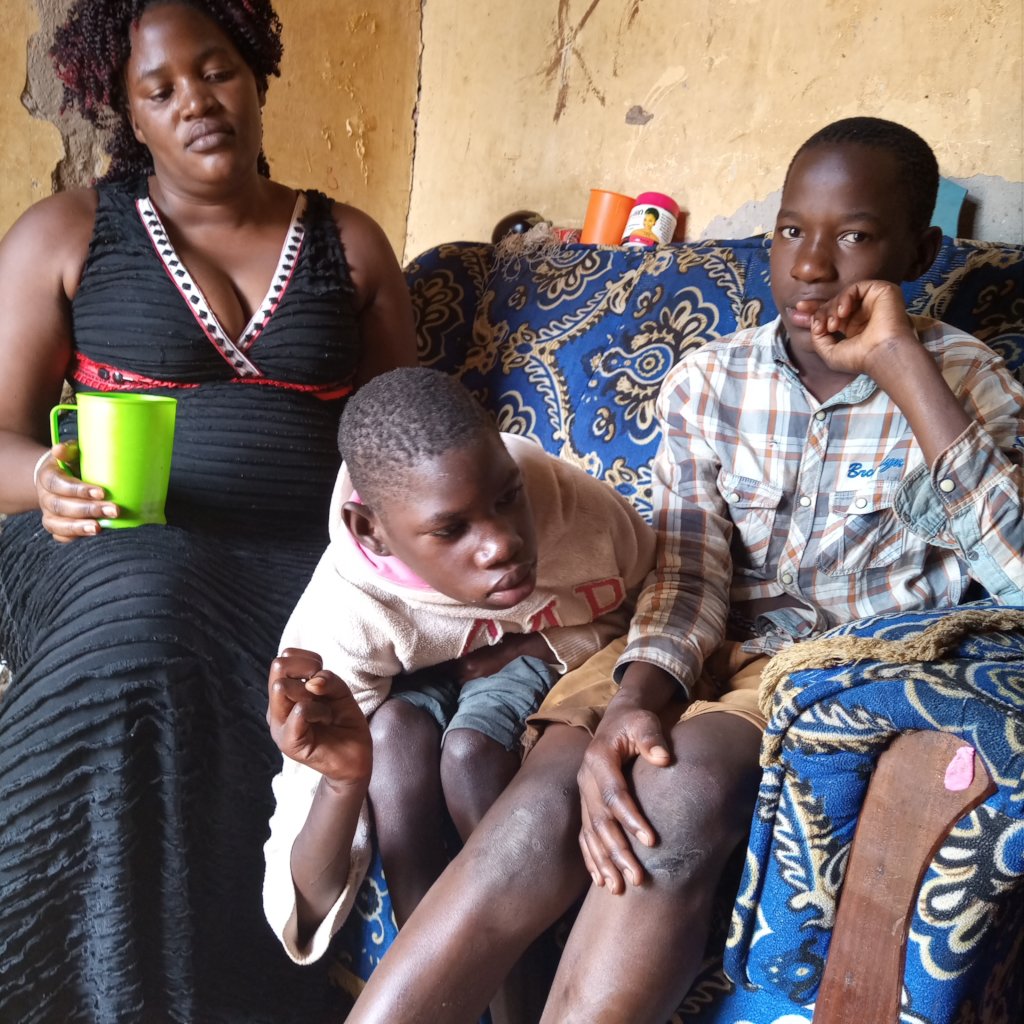
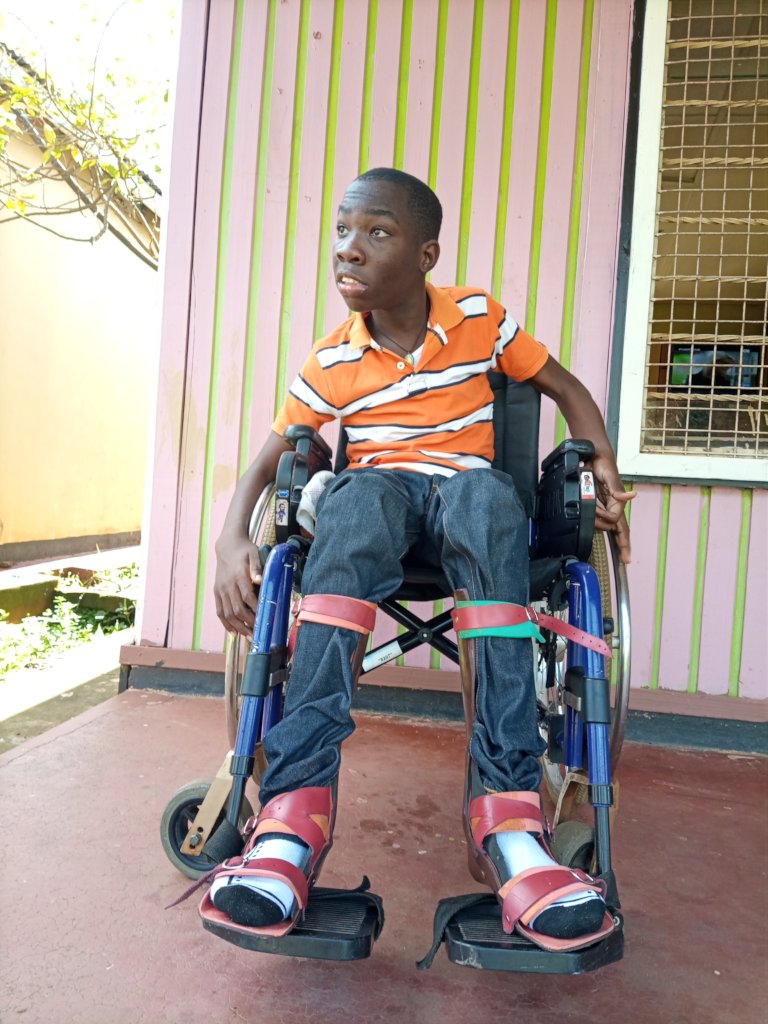
In Bunyangabu District, Edith lives with her mother, who tells her story of struggle. Edith has a
walking disability and finds it hard to move along rough village paths. Her mother explains how
difficult it is to care for her, especially when she cannot go to school or access support easily. Edith’s
experience reflects the challenges many children with disabilities face in rural areas. However, there
are other disabilities like; visual impairment, hearing impairment, speech and language disabilities,
intellectual disabilities, developmental disabilities and multiple disabilities. Edith cannot do any
simple activities such as going to school, visiting a health centre, or joining friends at play without
support. In Uganda, while about 8-9% of children live with disabilities, and 2-4 % have walking
challenges especially in rural areas where roads, schools, and health services are not easily
accessible.
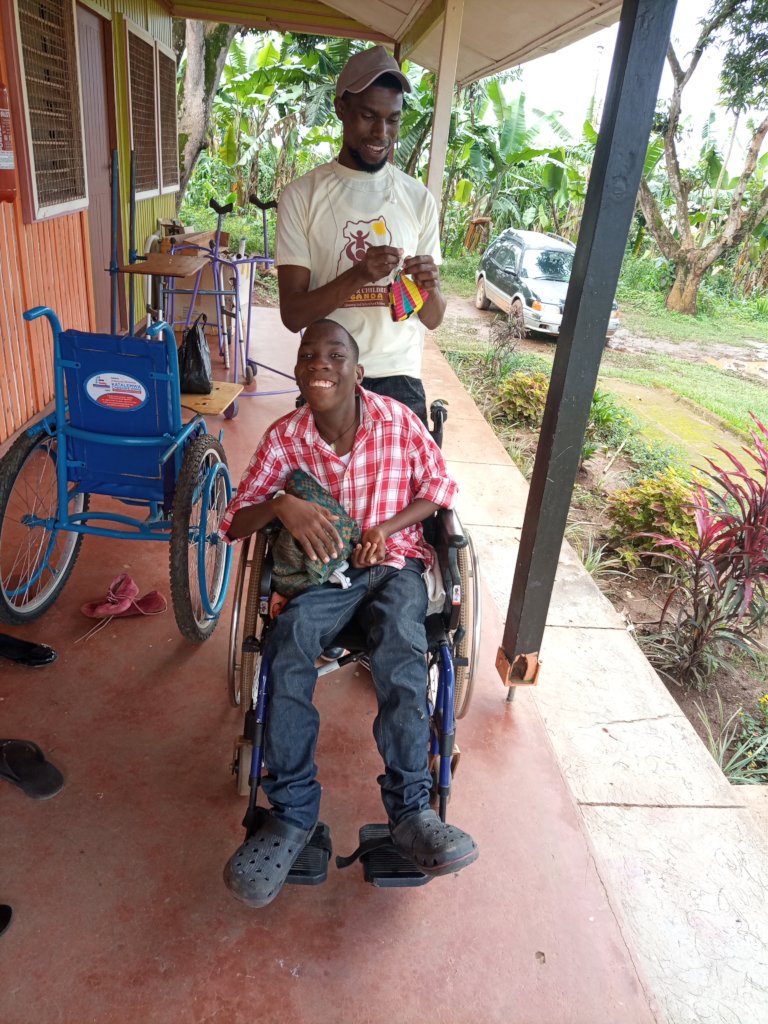
One of the biggest challenges faced by children with walking disabilities in rural areas is poor
accessibility. Roads are often rough, muddy and unsafe, making movement very difficult for children
who use crutches, wheelchairs, or have limited mobility. Schools are located far from home with a
distance of 3-5Km, forcing children to walk long distances that they cannot manage. As a result, 50%
of the children with walking disabilities stay at home and miss out on their education and also limits
them to their chances of building their future. Even when they attend school, many buildings lack
ramps, accessible toilets and supportive learning environments.
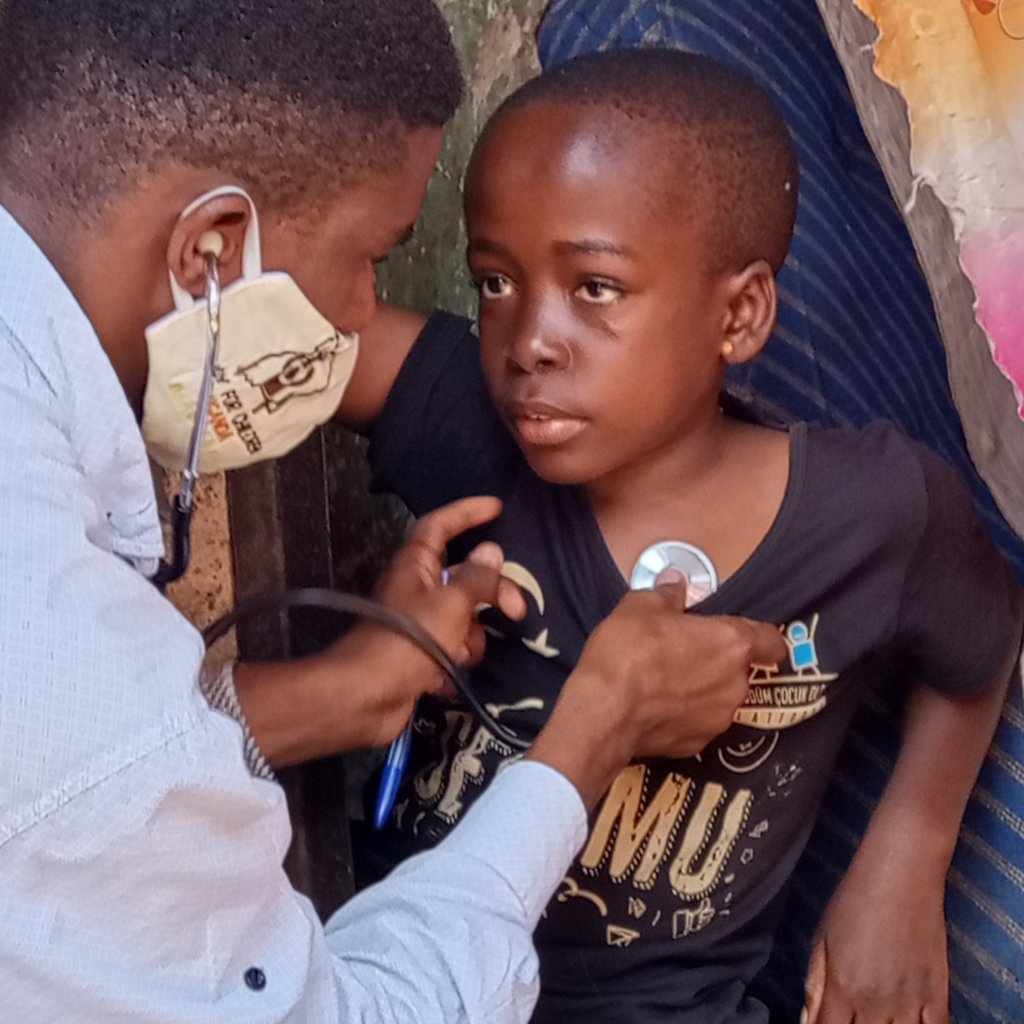
Health care services are for children with walking disabilities are very expensive especially those
living in rural areas. These services include; Physiotherapy services, Regular check-ups, medical
specialists and provision of assistive devices such as wheelchairs, crutches and braces are usually
found in towns far away from villages. However 50% of families in Uganda cannot afford transport
or treatment costs, leaving children without proper medical care and support.
In addition to physical challenges, these children often experience social isolation and
discrimination. Some communities still hold negative beliefs about walking disabilities as they are
caused by curses, punishments or bad luck. Others think that children with walking disabilities are
not capable of learning, working or contributing to the society.
Despite these difficulties, Joy for children Uganda has supported children living with disabilities
through education support, community awareness, psychosocial care and advocacy for inclusion and
equal rights. So communities, schools, government, organisations, families must work together to
create an inclusive environment where every child feels valued and respected. Building accessible
schools, improving health services.
Children with disabilities deserve love, education, protection, and the chance to achieve their
dreams just like any other child. With support from families, government, schools, communities and
organisations these children with walking disabilities can overcome barriers and achieve their
dreams.
Project reports on GlobalGiving are posted directly to globalgiving.org by Project Leaders as they are completed, generally every 3-4 months. To protect the integrity of these documents, GlobalGiving does not alter them; therefore you may find some language or formatting issues.
If you donate to this project or have donated to this project, you can receive an email when this project posts a report. You can also subscribe for reports without donating.



Support this important cause by creating a personalized fundraising page.
Start a Fundraiser