By Emile Dawisha | Development Director
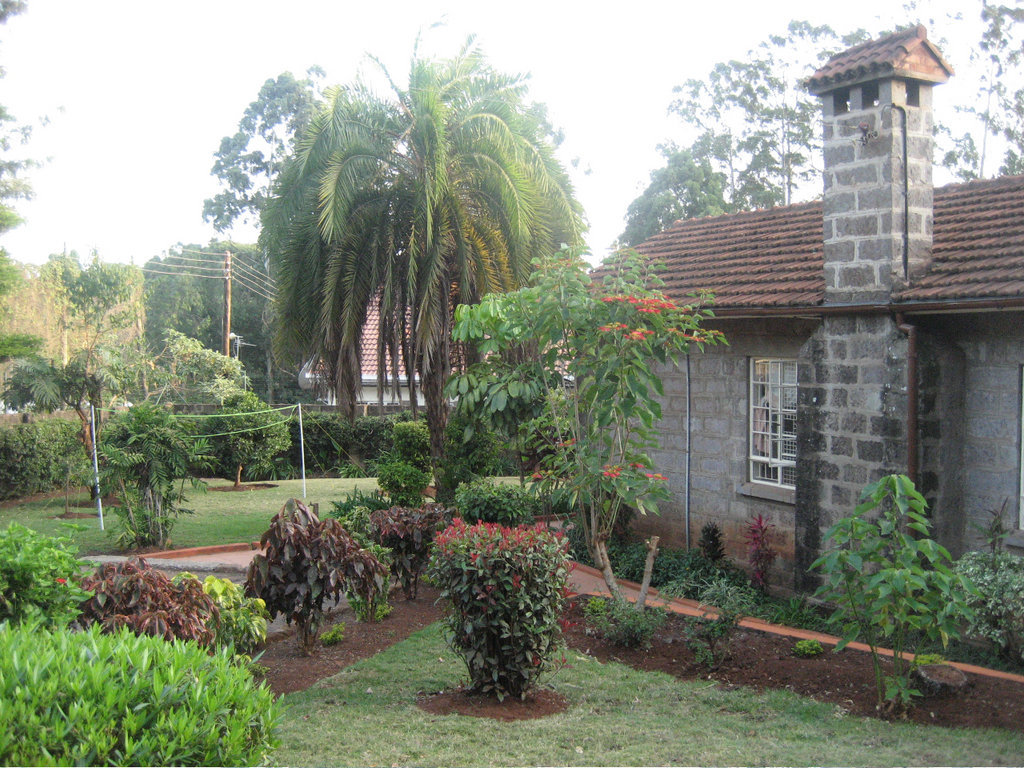
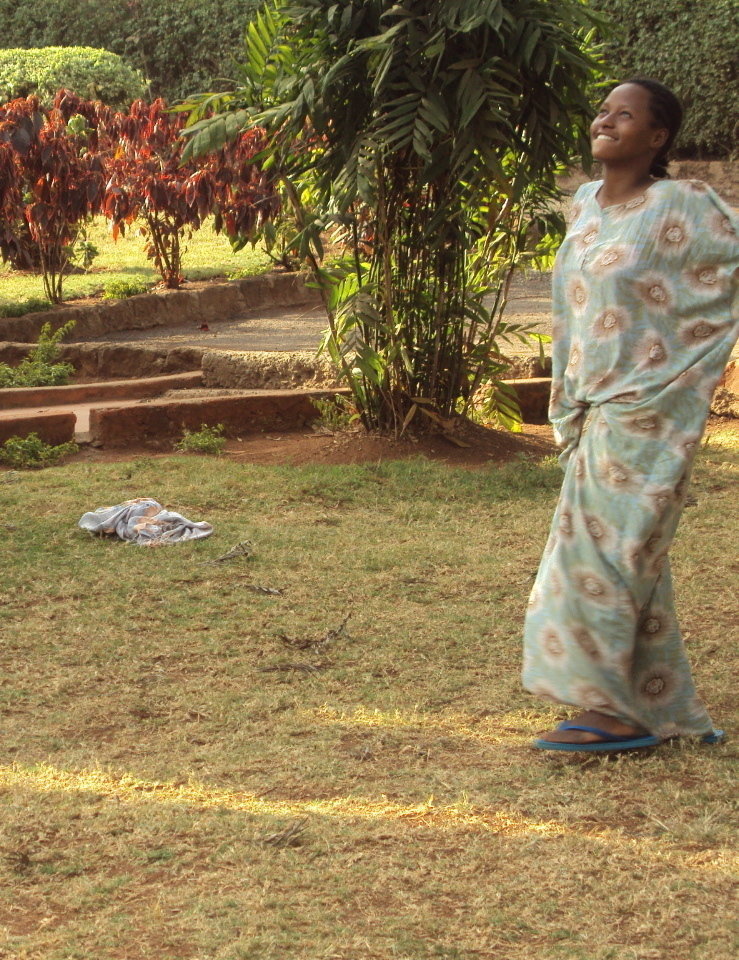
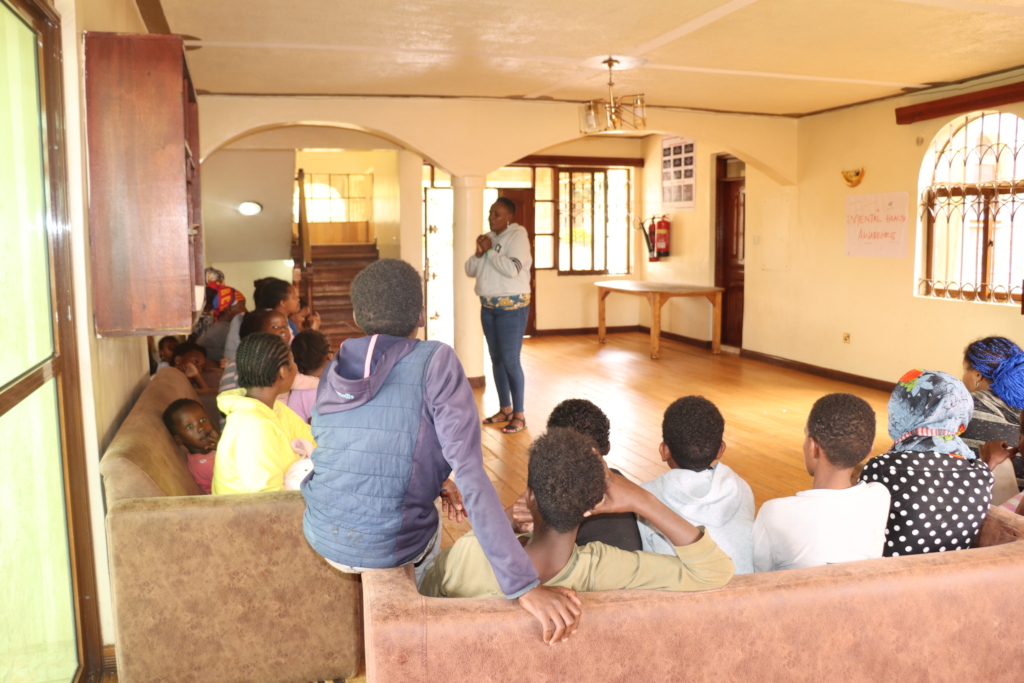
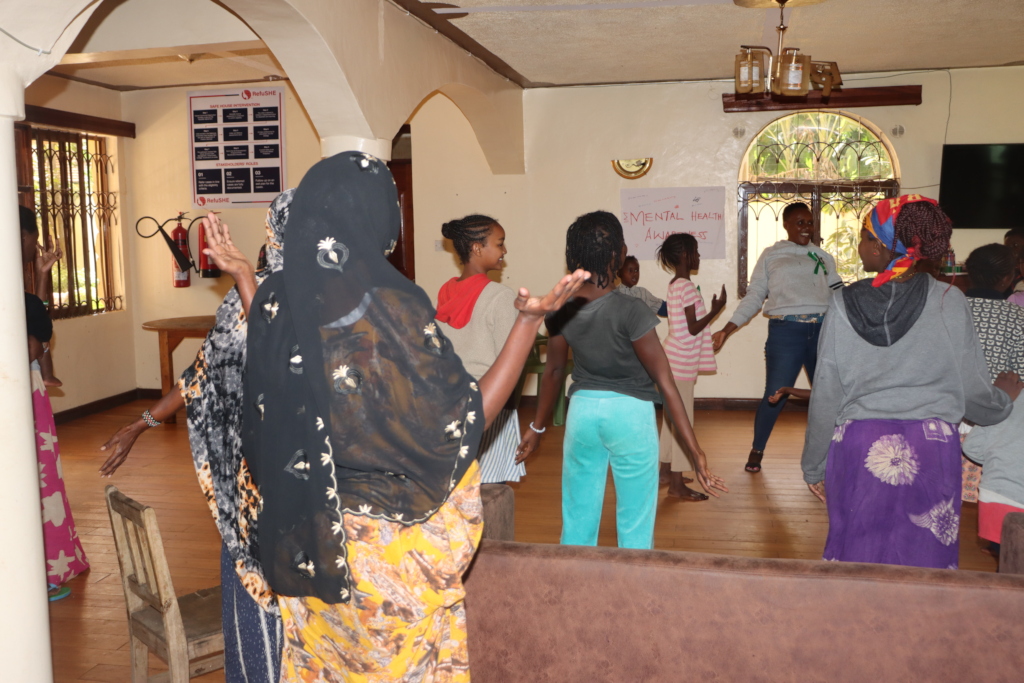
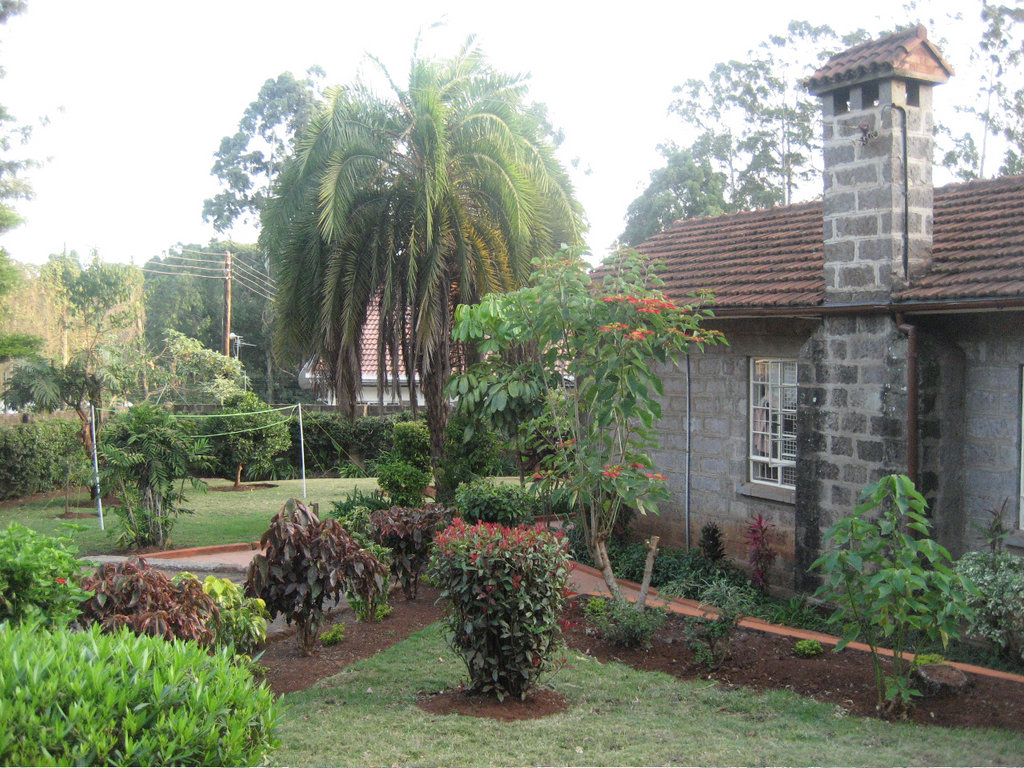
The Safe House provided 82 at-risk women, girls and children with safe shelter and psycho-social support during Year 4. During this period, the team provided comprehensive services ensuring that each resident received personalized care through structured case plans that addressed their unique protection, psychosocial, legal, medical, skills development, pedagogy and reintegration needs. On entry, all 82 residents underwent medical assessment and continued to receive medical care as needed. Teenage mothers received prenatal and postnatal care resulting in the birth of 3 healthy babies and they continue to receive follow-up.
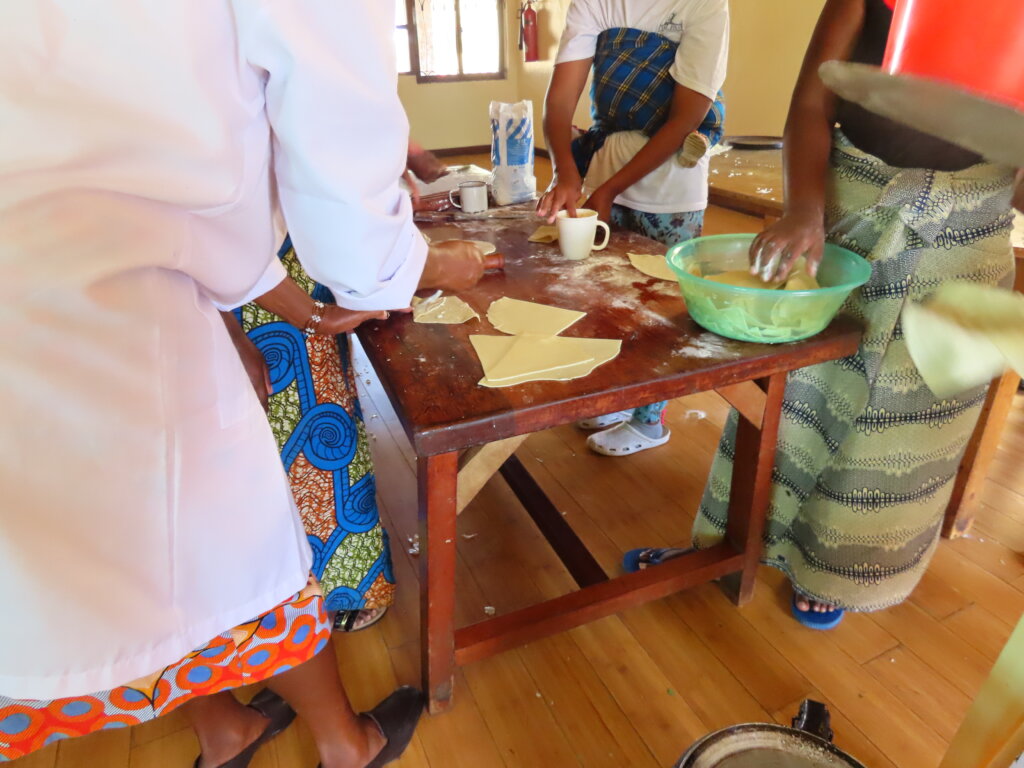
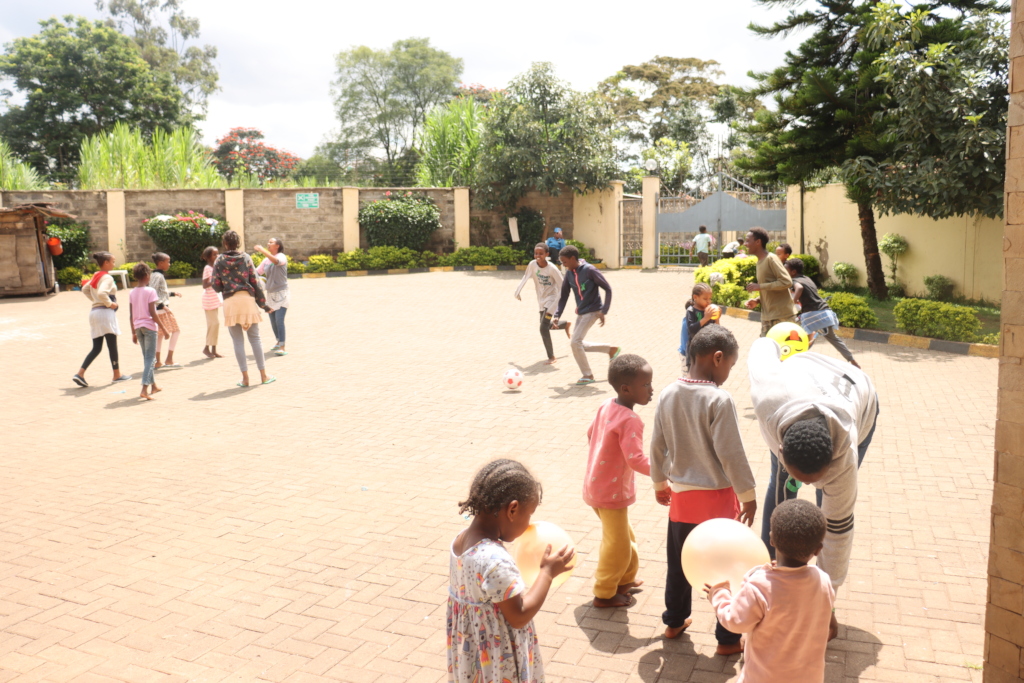
In Year 4, the Safe House program enrolled 8 children into public primary schools, while 2 residents enrolled into the Girl empowerment program information and communication technology (ICT) course and graduated in June 2025. All residents above the age of 10 engaged in cottage skills such as crocheting and cooking. They also attended functional literacy and numeracy classes. These interventions provided a continued sense of normalcy; support continued cognitive development and promote communication leading to successful community re-integration. Understanding that play is a natural way for children to process difficult experiences and express feelings they can’t put into words, and regain a sense of control, safehouse residents participated in 4 outdoor activities to theme parks and indoor gaming spaces to provide a safe, low-pressure environment for emotional release, reduced anxiety, and control hypervigilance.
The team conducted consistent case follow-ups, coordinated referrals, and ensured that 100% participants were linked to the most appropriate services. 16 residents were referred to the Department of Refugee Services (DRS) for registration and Refugee Status Determination interviews. These documents enabled the residents’ access to different services including opportunities for potential voluntary repatriation for 8 alleged victims of child trafficking from Ethiopia; the repatriation process is being facilitated by a multi-functional agency including the government of Kenya- DRS, Westlands children's department office and UNHCR. Through referrals from the embassy of Sweden in Nairobi, 2 residents were reunited with their families in Sweden.
Safety surveys conducted quarterly revealed that 100% residents felt safer compared to their state before enrollment into the program. Similarly, exit surveys conducted on former residents revealed that they continued to feel safe after exit into different care and living arrangements with 100% reporting to feel secure. To ensure successful reintegration post-exit, the project supported 18 residents and their households with transitional assistance and subsequent financial assistance and psychosocial support for a minimum of six months. These results and activities highlight the program’s effectiveness in the provision of rehabilitative safe shelter and effective re-integration.
Links:
Project reports on GlobalGiving are posted directly to globalgiving.org by Project Leaders as they are completed, generally every 3-4 months. To protect the integrity of these documents, GlobalGiving does not alter them; therefore you may find some language or formatting issues.
If you donate to this project or have donated to this project, you can receive an email when this project posts a report. You can also subscribe for reports without donating.



Support this important cause by creating a personalized fundraising page.
Start a Fundraiser