By Madeline Balser | Senior Manager of Development and Communications
Darsitu, an 18-year-old from Ethiopia, came to Kenya in 2015 with her mother and younger brother to escape the war in their home country. Life in Kenya was extremely difficult for the family—they didn’t know the language, had no friends or relatives, and no way to earn a living. They often relied on help from well-wishers to survive.
For a while, Darsitu’s mother found a job as a waiter, and the family lived in a small bedsitter in Eastleigh, Nairobi. Unfortunately, things took a turn for the worse when her mother became ill and could no longer afford rent. She left with Darsitu’s younger brother, who was just two years old at the time, leaving Darsitu with a friend. Sadly, her mother never returned.
From 2015 to 2018, Darsitu stayed with this friend, but over time, the friend felt she was becoming a burden and asked her to leave. Darsitu, who was in Class 8 then, was taken in by a kind neighbor. She lived with the neighbor until 2023, but as before, she eventually had to leave when the neighbor could no longer support her. By this time, Darsitu was in Form Three in secondary school.
Desperate to continue her education, Darsitu accepted help from a man who promised to pay her school fees. However, she later discovered his true intentions—he wanted to marry her. Fearing for her safety, she dropped out of school and sought help from the UNHCR protection office. In November 2023, she was referred to RefuSHE’s Safe House, as she was still too young to be sent to the Kakuma refugee camp.
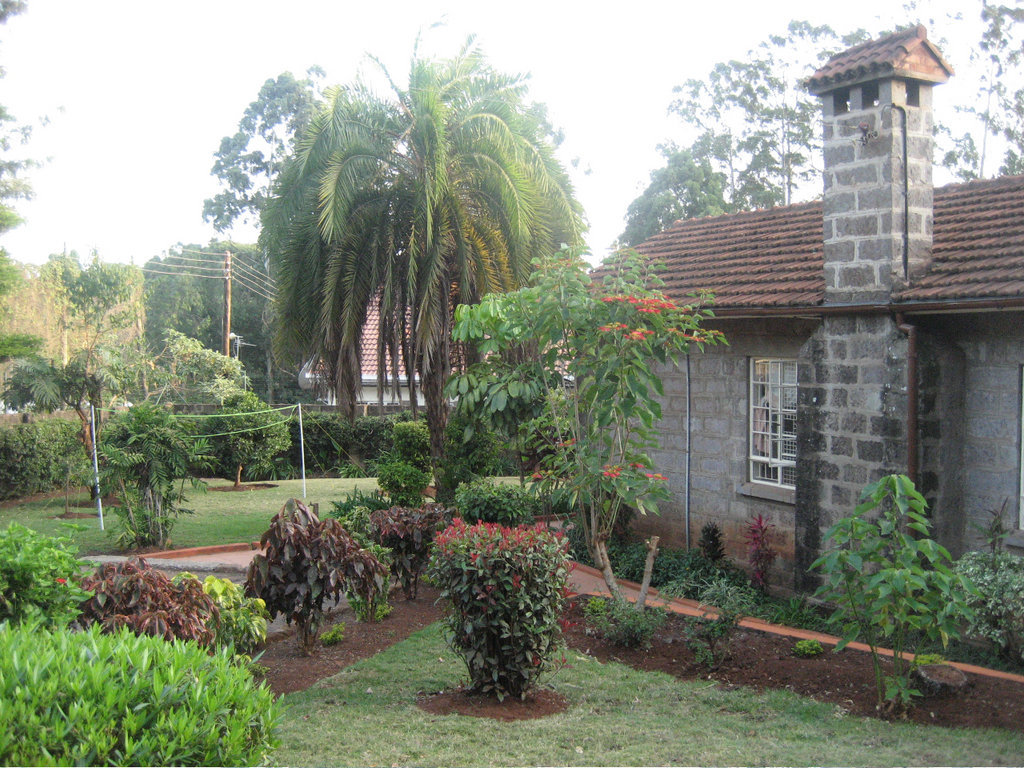
At the SafeHouse, Darsitu finally found a sense of security and belonging. “Here, you feel safe,” she shares. “You don’t have to think about what you’ll eat or wear. Everything is provided, and the staff treats us well. It feels like a second home.”
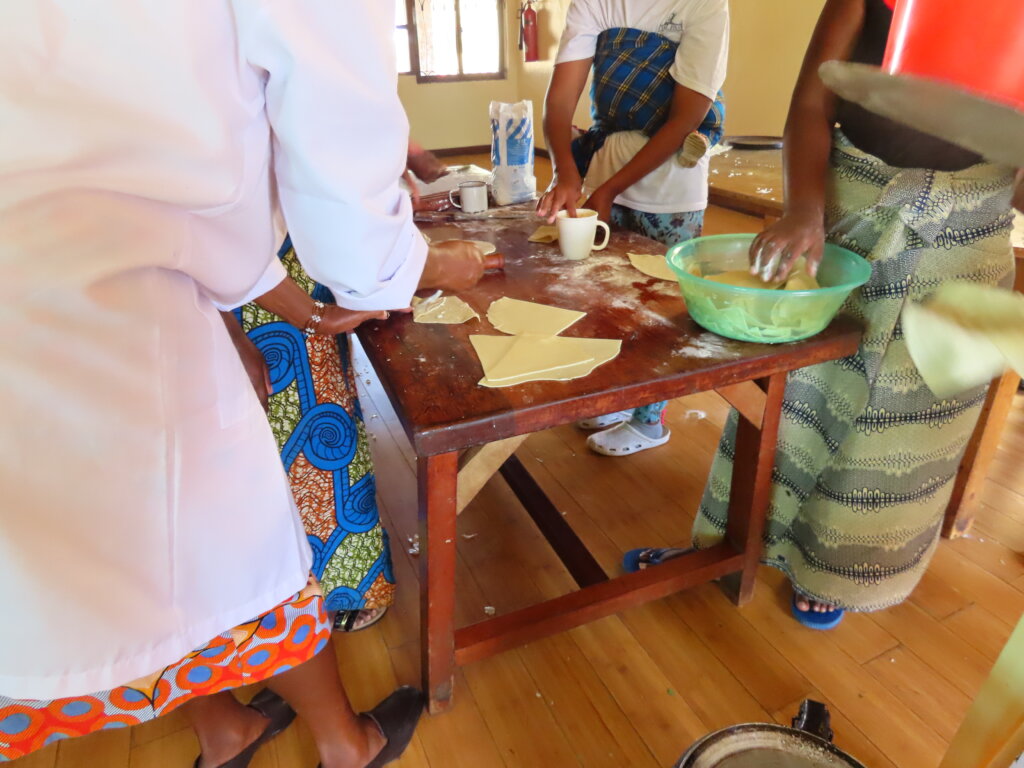
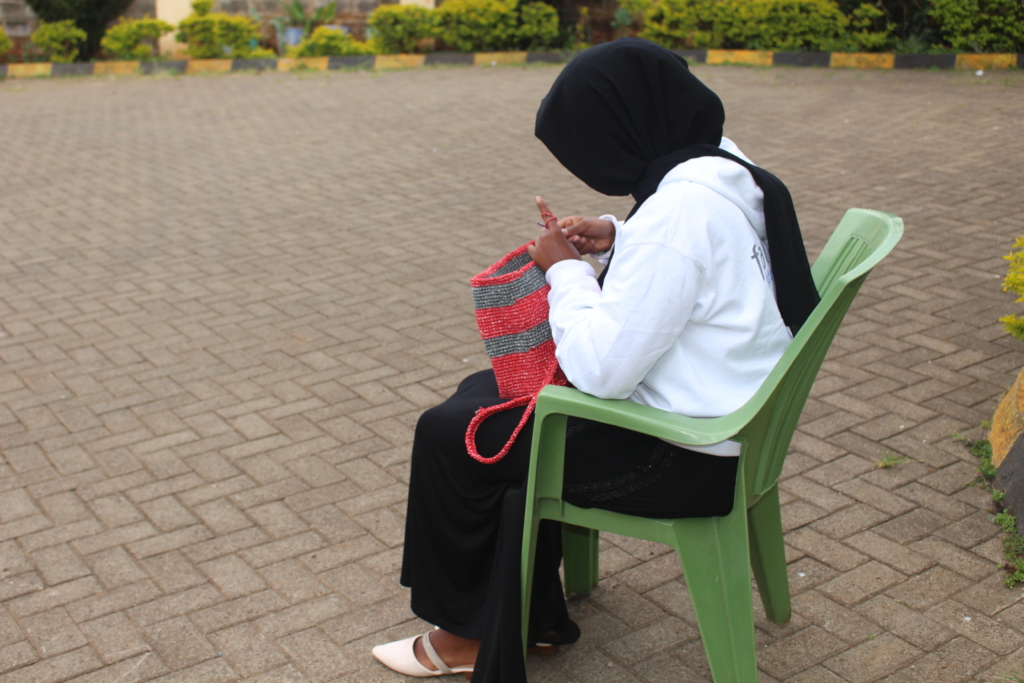
For Darsitu, the SafeHouse was more than just a place to stay—it was a space where she could rebuild her life. She gained valuable life skills, including counseling sessions that helped her heal from her past experiences. She also learned new skills like crocheting, which not only kept her occupied but also gave her a sense of achievement. Most importantly, she found a supportive community. “It was the first time being somewhere with people from different tribes and countries. Before, I only lived with people from my tribe. But here, everyone is happy and living together. It felt like home,” she says.
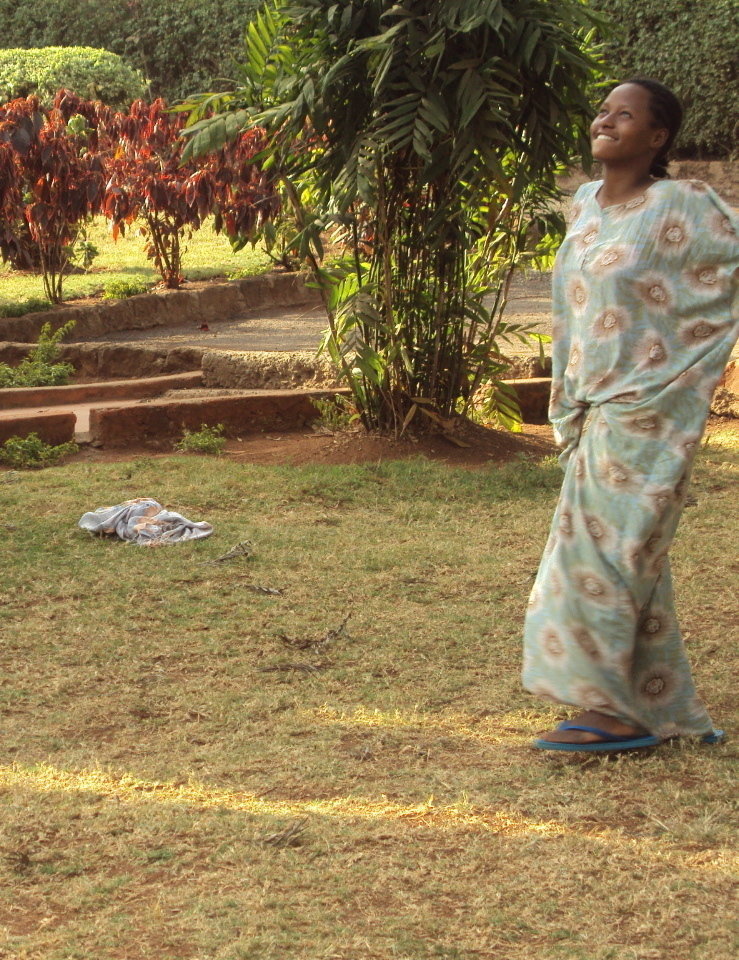
Her favorite activity at the Safe House was Zumba. “I love dancing. Zumba classes helped me enjoy myself and forget everything,” she says with a smile.
After spending a year at the SafeHouse, Darsitu is now ready to move on. She will be sharing a space with a former SafeHouse resident as she transitions back into the community. While leaving is bittersweet, she is hopeful about the future. “I feel so bad leaving, but also good at the same time. I’ve made so many friends from the Congo, Ethiopia, and South Sudan. They were sad when I told them I was leaving. But I’m excited to start afresh,” she says.
Darsitu plans to work as a translator, using her fluency in English, Swahili, and Oromo. Her dream is to become self-reliant and build a better future for herself. The skills, counseling, and sense of community she gained at the Safe House have given her a strong foundation to achieve her dreams.
Links:
Project reports on GlobalGiving are posted directly to globalgiving.org by Project Leaders as they are completed, generally every 3-4 months. To protect the integrity of these documents, GlobalGiving does not alter them; therefore you may find some language or formatting issues.
If you donate to this project or have donated to this project, you can receive an email when this project posts a report. You can also subscribe for reports without donating.



Support this important cause by creating a personalized fundraising page.
Start a Fundraiser