By Georgia Beasley | Project Leader
Hey all,
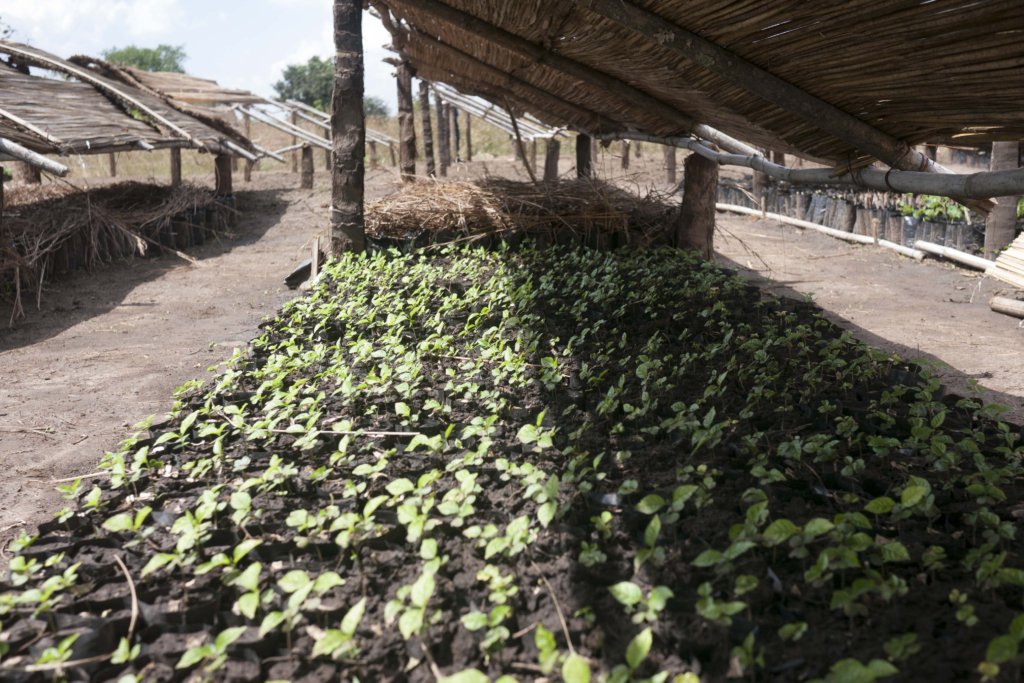
It’s been a few months since our last project report. You might recall that in our most recent report, we were busy producing thousands of native tree seedlings in our tree nurseries in Northern Uganda. Since then, a lot has happened. Let me tell you about it.
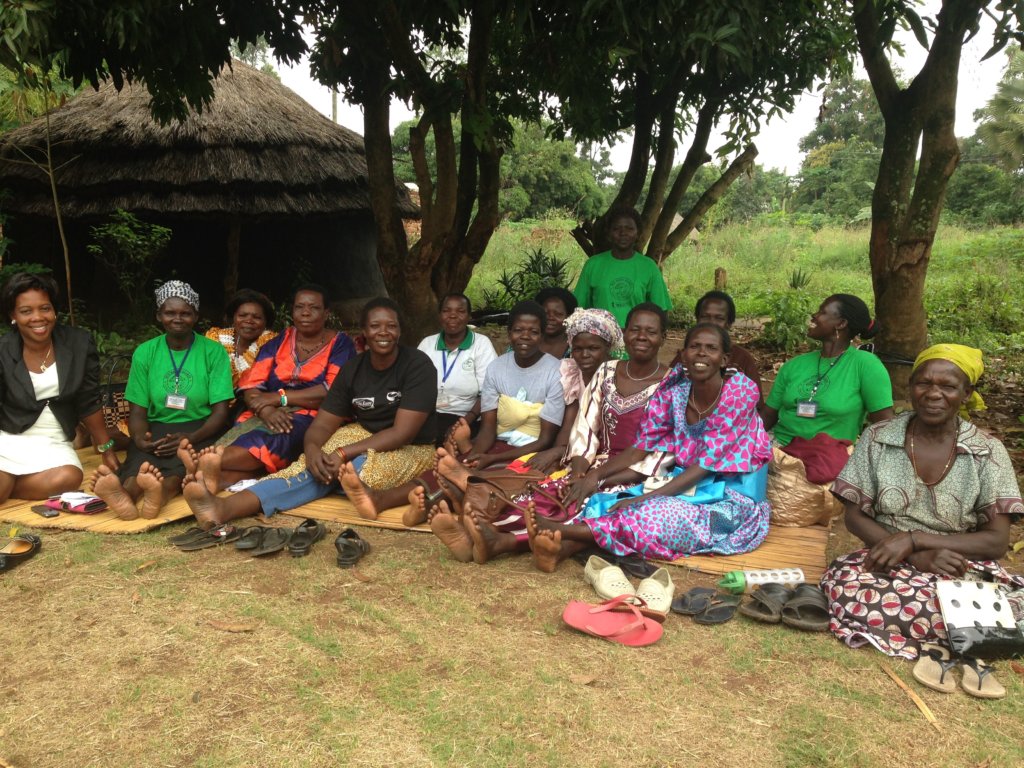
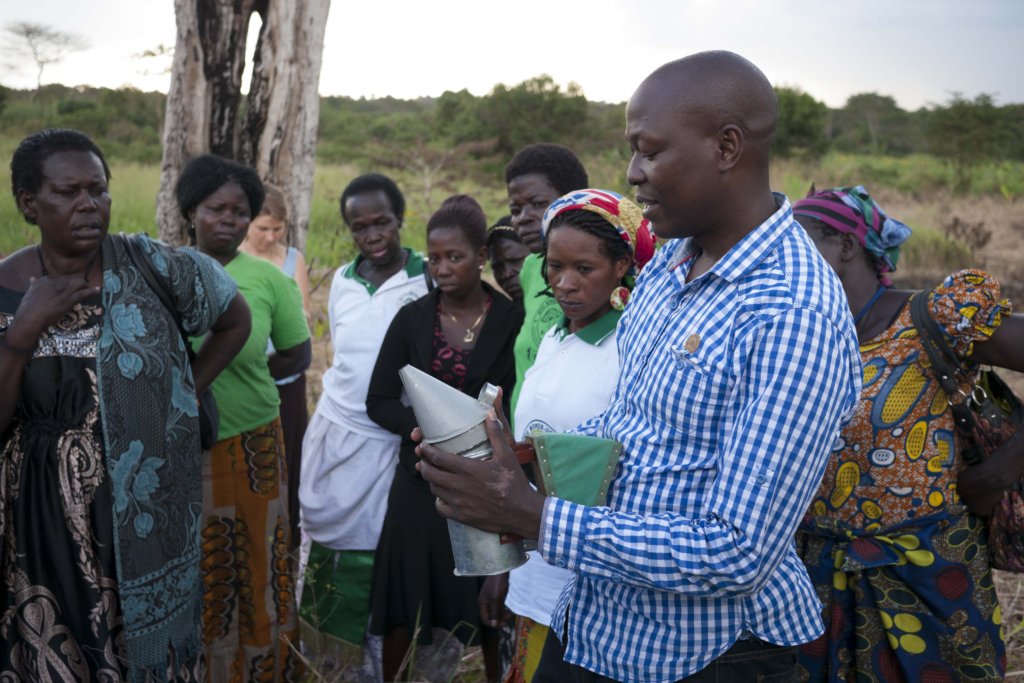
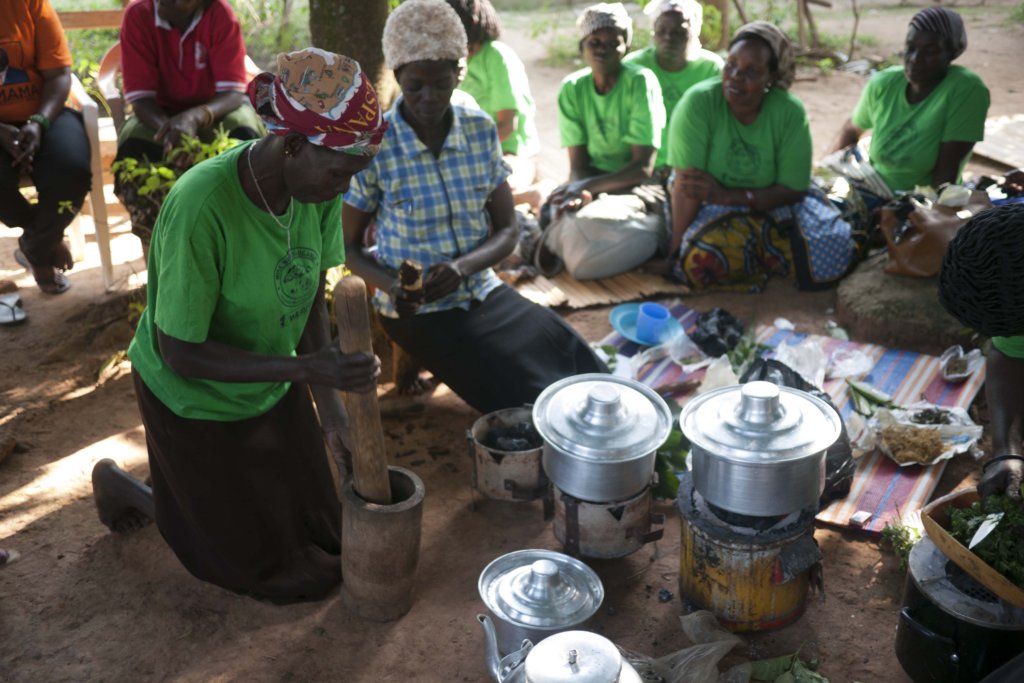
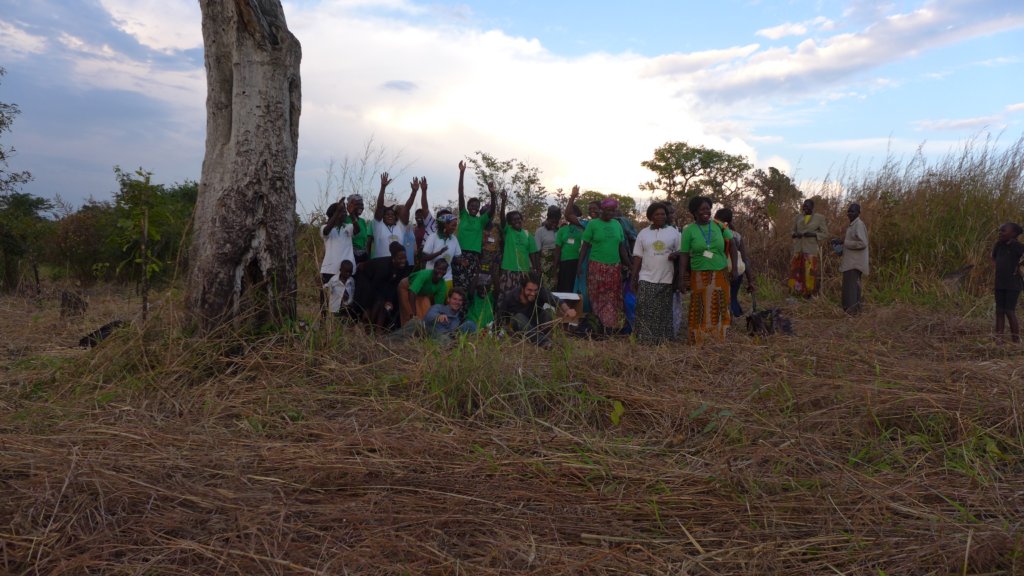
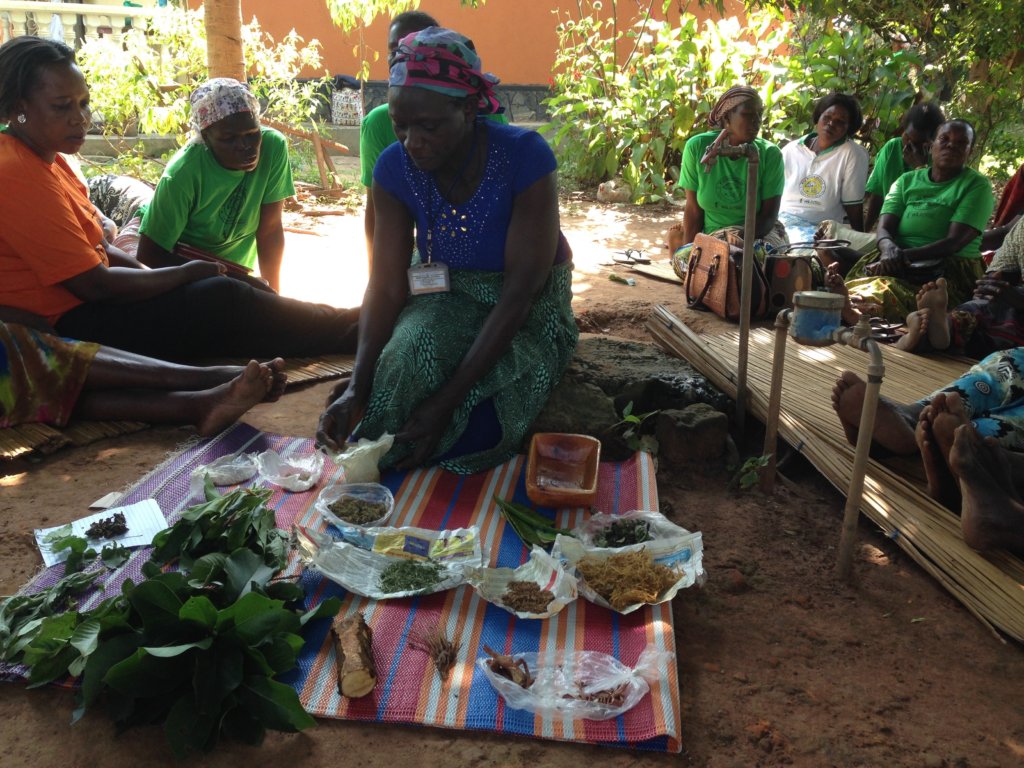
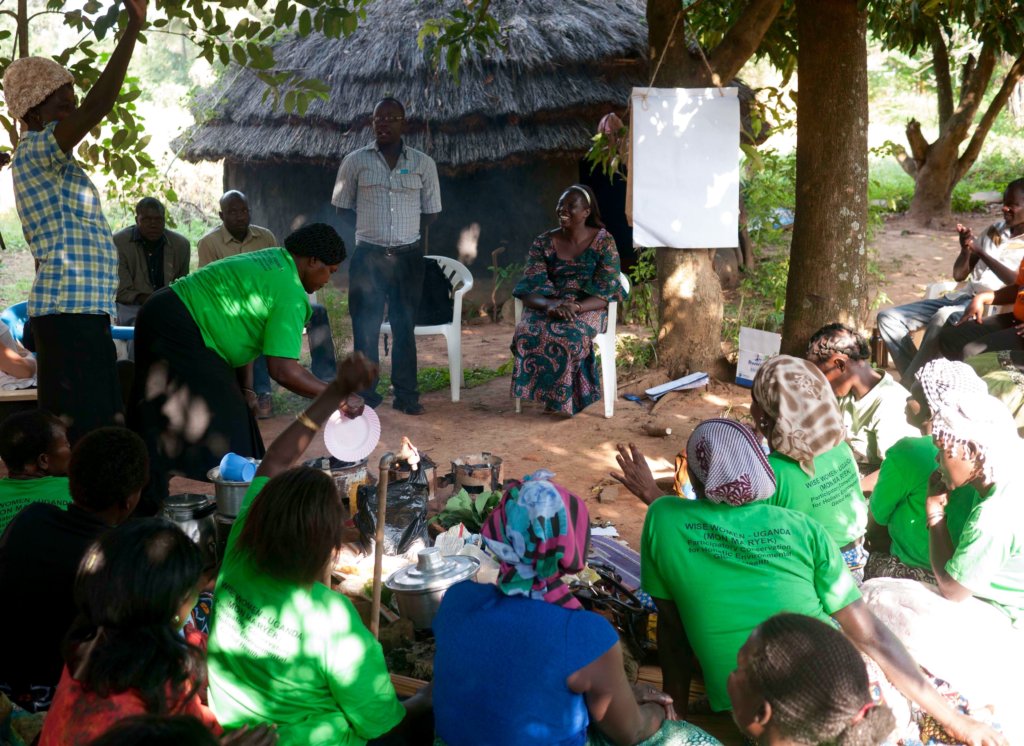
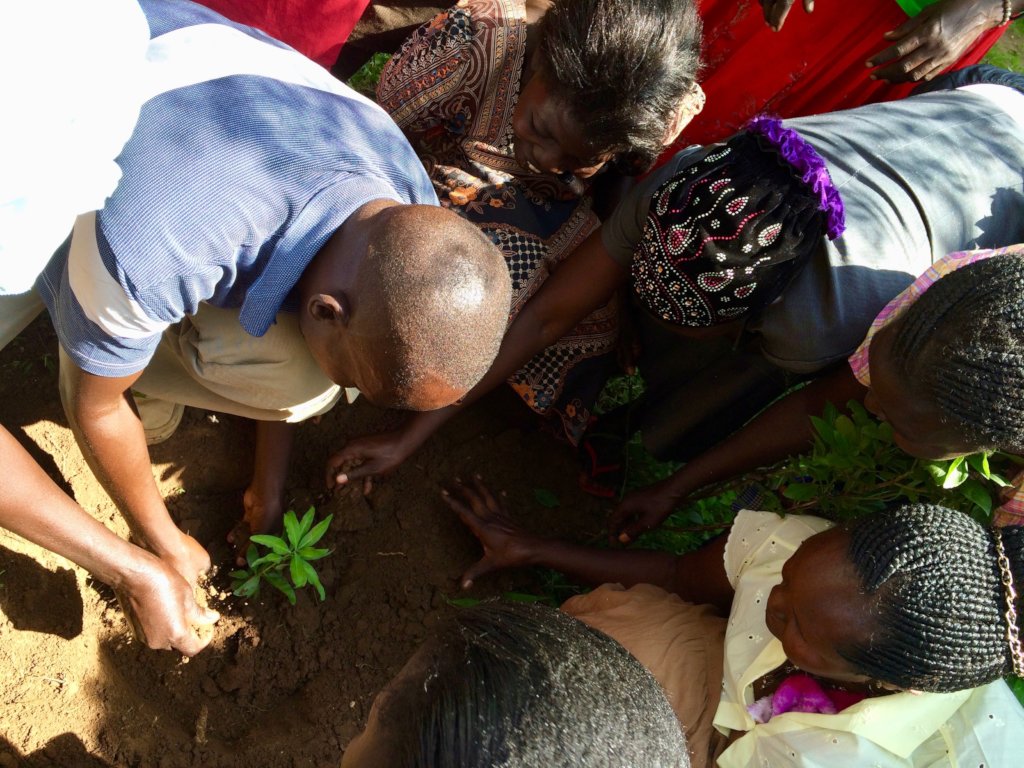
In April, the rains arrived to Uganda, which means our field staff was busy visiting villages, conducting Climate Change Resiliency Trainings with small-scale farmers. The arrival of the rains in April also meant that it was time to get our native tree seedlings out to those that need them most: small-scale farmers fighting climate change. Over the course of the months of April and May, our team conducted 18 trainings in 9 villages in Bungatira Sub-county, a small area in Northern Uganda a little outside of Gulu. In these 9 villages, we are working closely with 400 farmers to train them in the importance of native trees to protect their soil fertility and how these native trees can protect them and their families in the face of growing climate uncertainty.
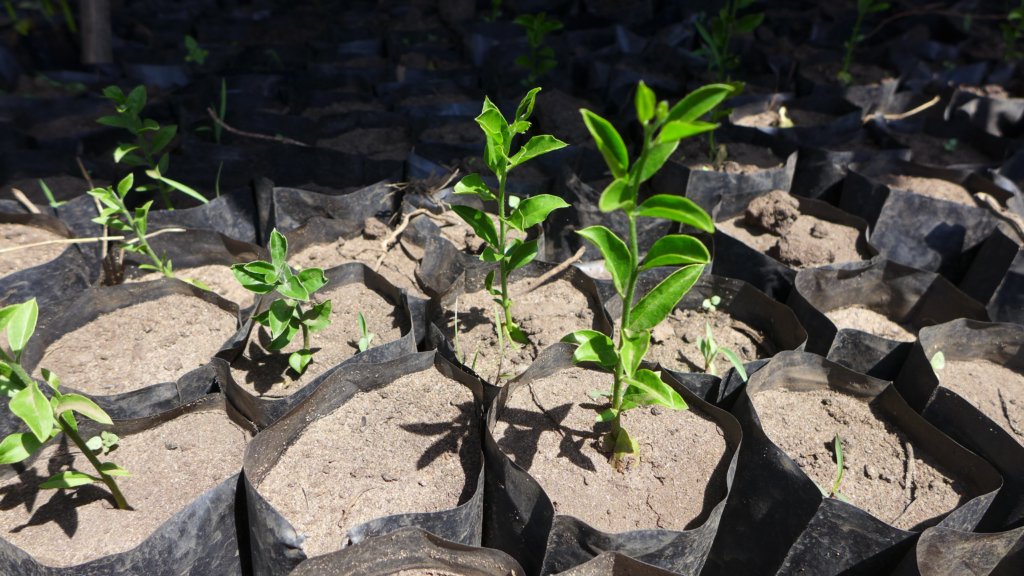
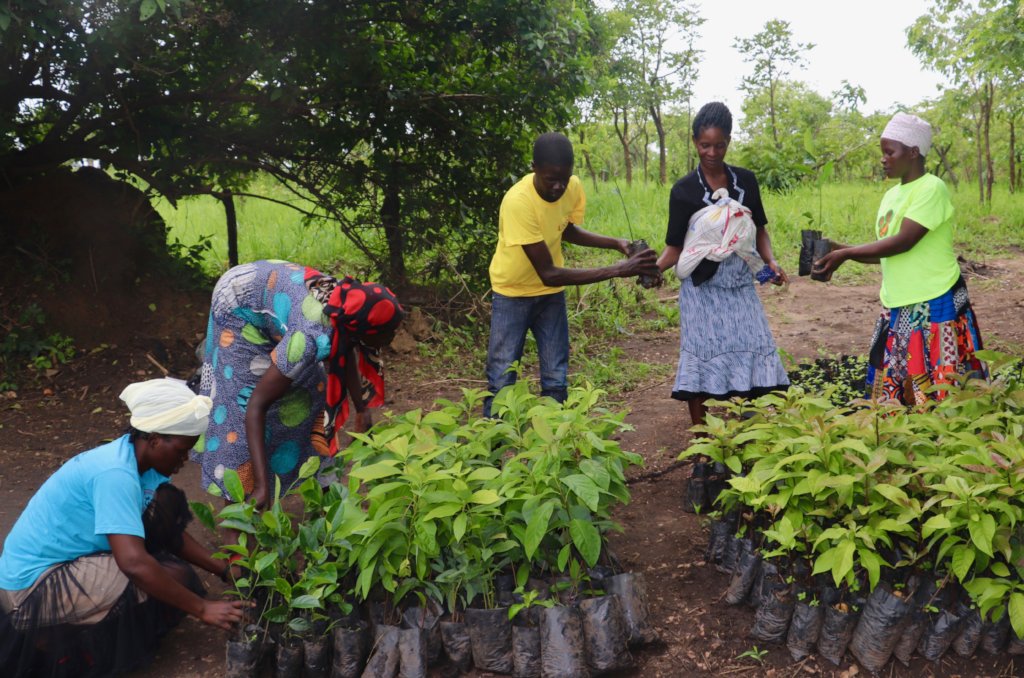
Over the course of these trainings, our dedicated team on the ground distributed 5,000 seedlings to the farmers with whom we are working. These seedlings are as varied as the croplands the farmers we work with tend to: from fast-growing timber species like African Mahogany to fruit trees like avocado and jackfruit to trees with potent medicinal properties like prunus africana, we are diversifying landscapes in ways that will provide tangible benefits to the people planting them.
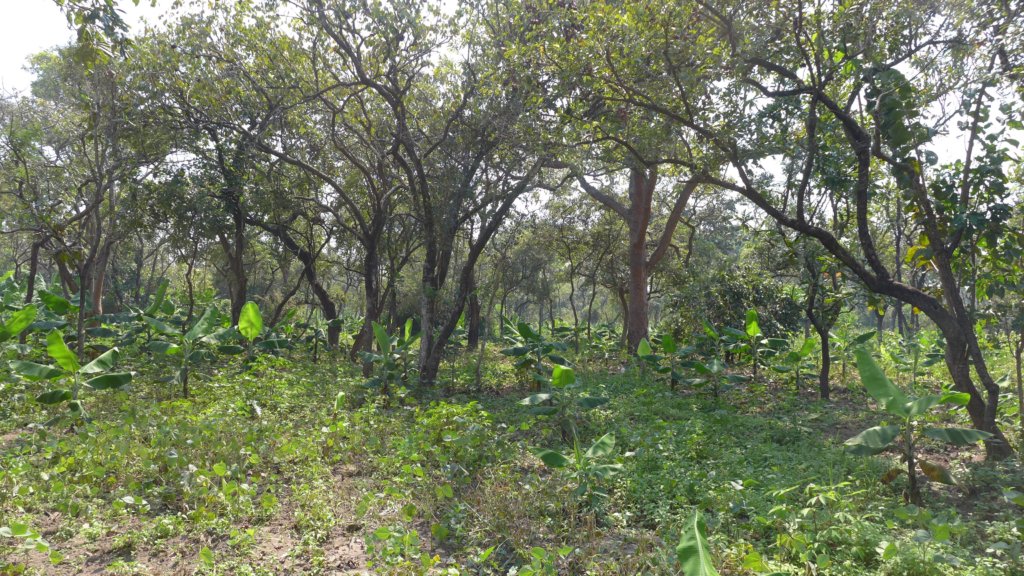
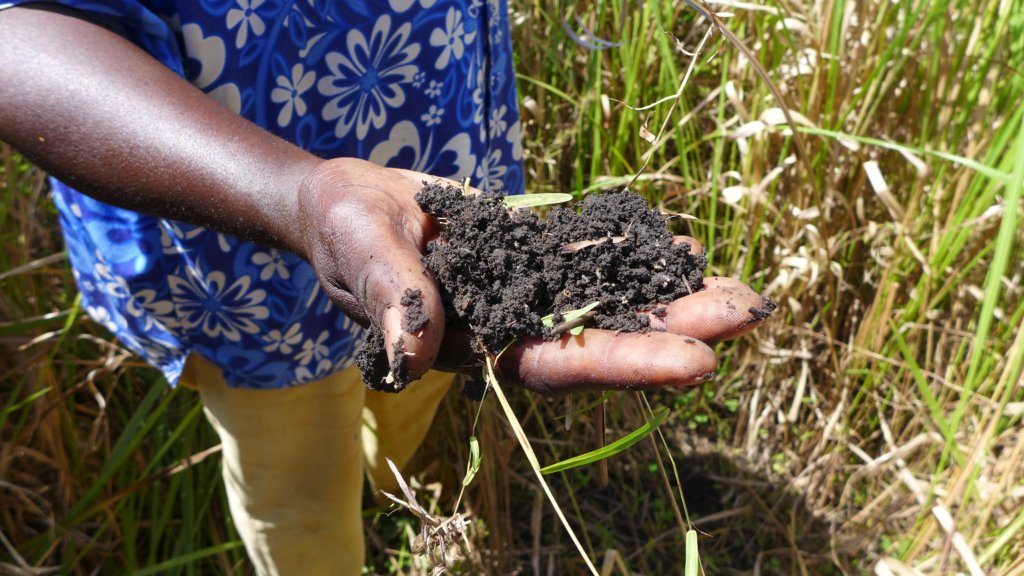
And this is our ultimate goal. How can we better landscapes while also bettering the lives of the people that tend to those landscapes? Through planting useful tree species with small-scale farmers, we’re able to make soils healthier and landscapes greener, while also providing families with a greater variety of fruits, medicines, and increased access to important things like firewood.
But that’s not all. Aside from the 400 farmers we are working with directly, our nursery workers are busy producing seedlings for other organizations in the region that are doing similarly important work with farmers. In May, we got an additional 13,000 seedlings into the hands of 800+ farmers through formal partnerships with like-minded organizations. By using the networks and capacity with like-minded folks, we’re able to scale our impact and reach more farmers, more families, and more landscapes.
As we ring in the beginning of July, marking our half-way point of 2018, we continue with the same momentum. Rains take a pause in June in Uganda, but return in July. Our team just did their first distribution of the second rainy season three days ago, getting 999 seedlings out to thirty new farmers in Lagwiny village. For the next few weeks, working in rhythm with the rainy season, our team will be getting more seedlings to farmers across northern Uganda. Their ability to conduct this work is in thanks to people like you–people who believe in the importance of forests, the necessity to combat climate change, and the hope that it is still possible to make a change. So, thank you. I hope you continue to support this work, and know that you are making a difference because of it.
Project reports on GlobalGiving are posted directly to globalgiving.org by Project Leaders as they are completed, generally every 3-4 months. To protect the integrity of these documents, GlobalGiving does not alter them; therefore you may find some language or formatting issues.
If you donate to this project or have donated to this project, you can receive an email when this project posts a report. You can also subscribe for reports without donating.