By Georgia Beasley | Project Leader
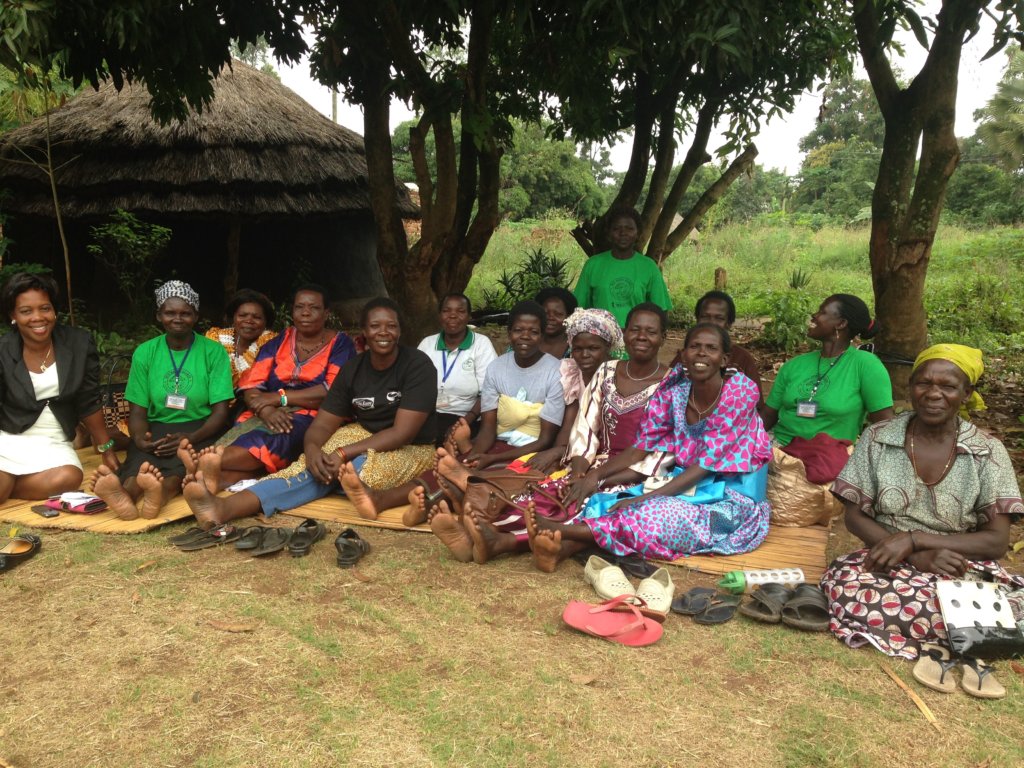
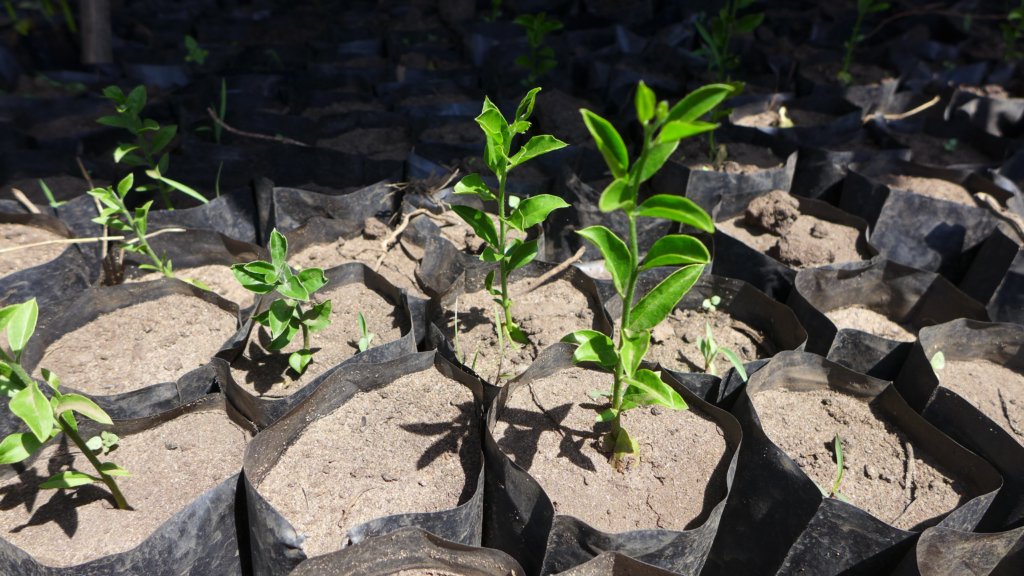
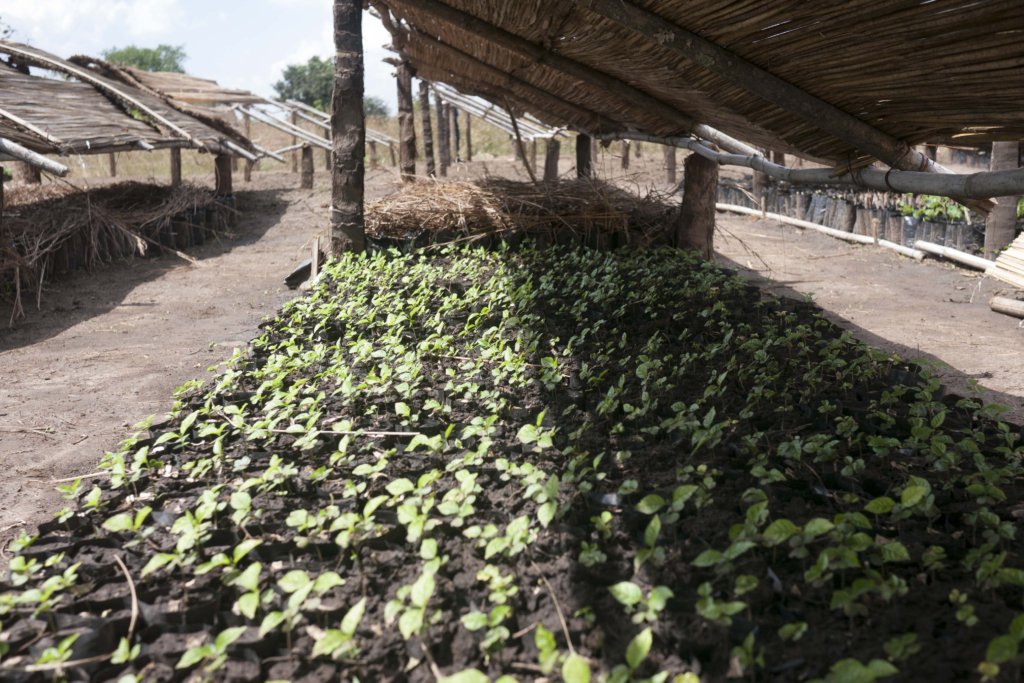
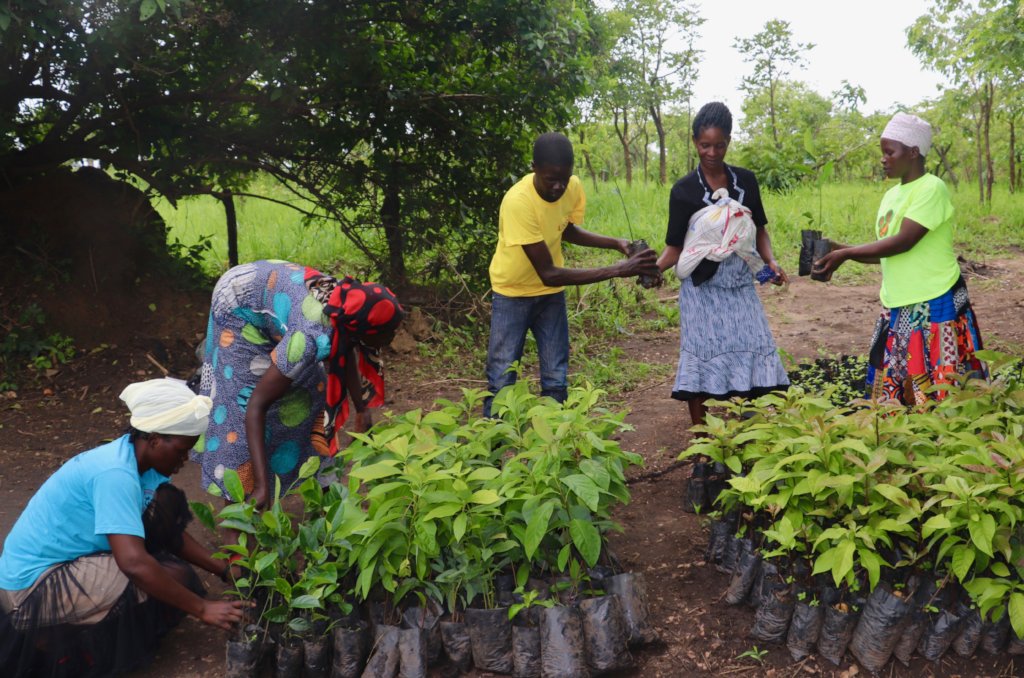
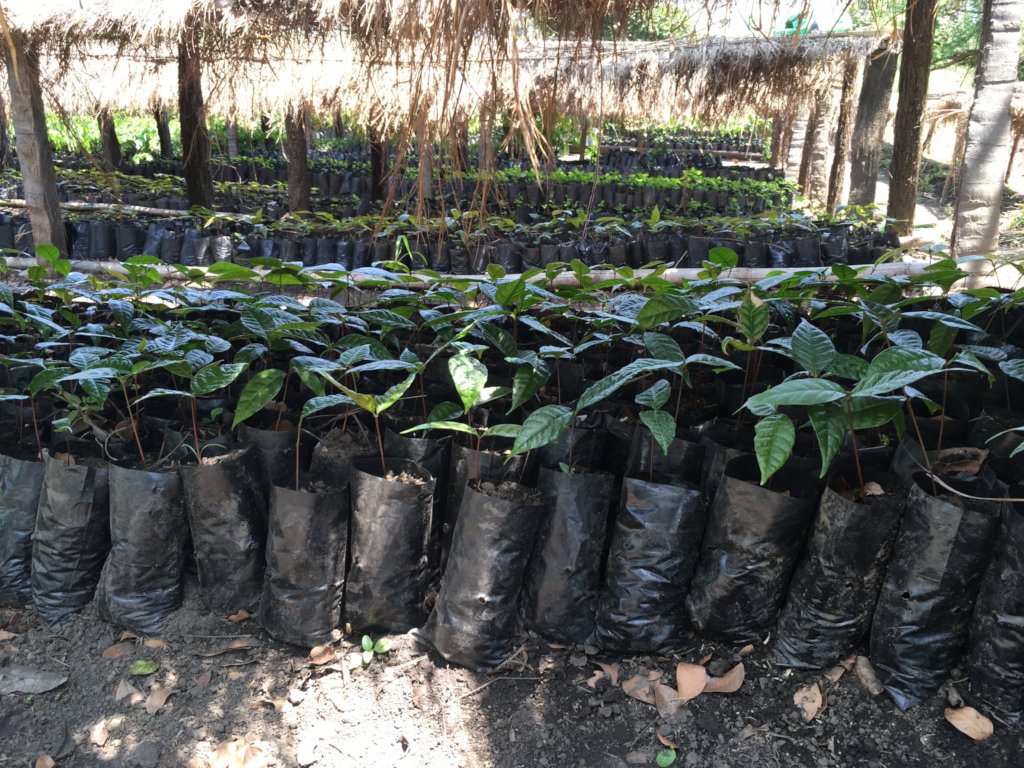
Over in Gulu, Uganda, our Native Seeds Project team has been hard at work these past few months. Let me give you a little context: in Northern Uganda, the dry season begins in December and normally lasts until the end of March. During this time, many trees are producing their seeds, making it the perfect opportunity to collect those seeds, dry them at the garden site, and plant them in the nursery. That’s what our team has been doing, day in and day out. With the help of an extensive network of farmers, elders, and other nature-loving folks across villages in the region, our team has been collecting hard to find seeds of trees that are rapidly disappearing. The fruits of their labor? There are currently nearly 30,000 seedlings planted in our tree nursery, and 20,000 more seeds ready to be planted in the coming months.
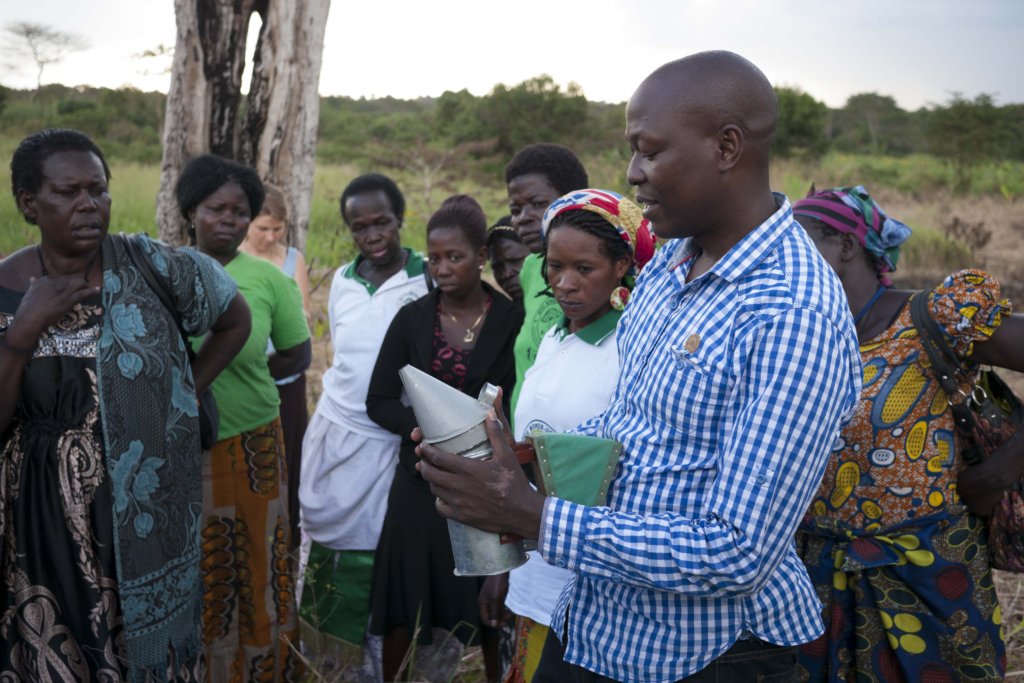
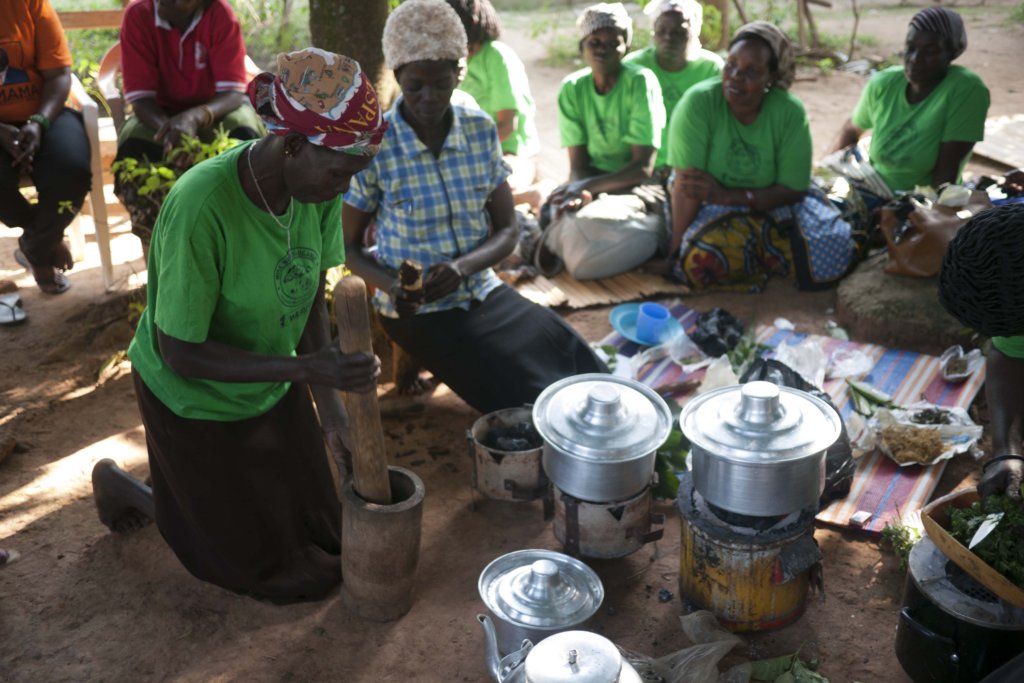
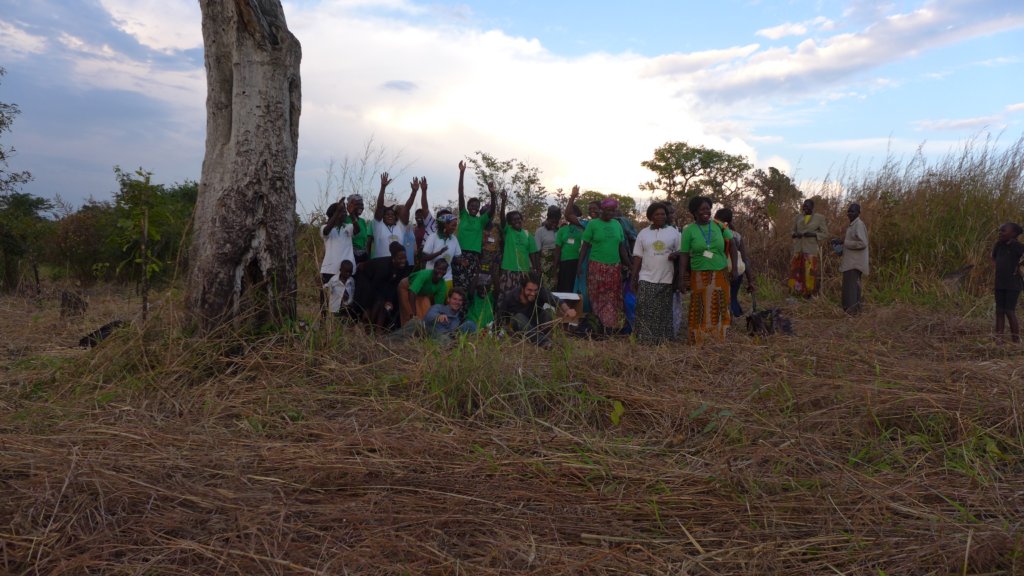
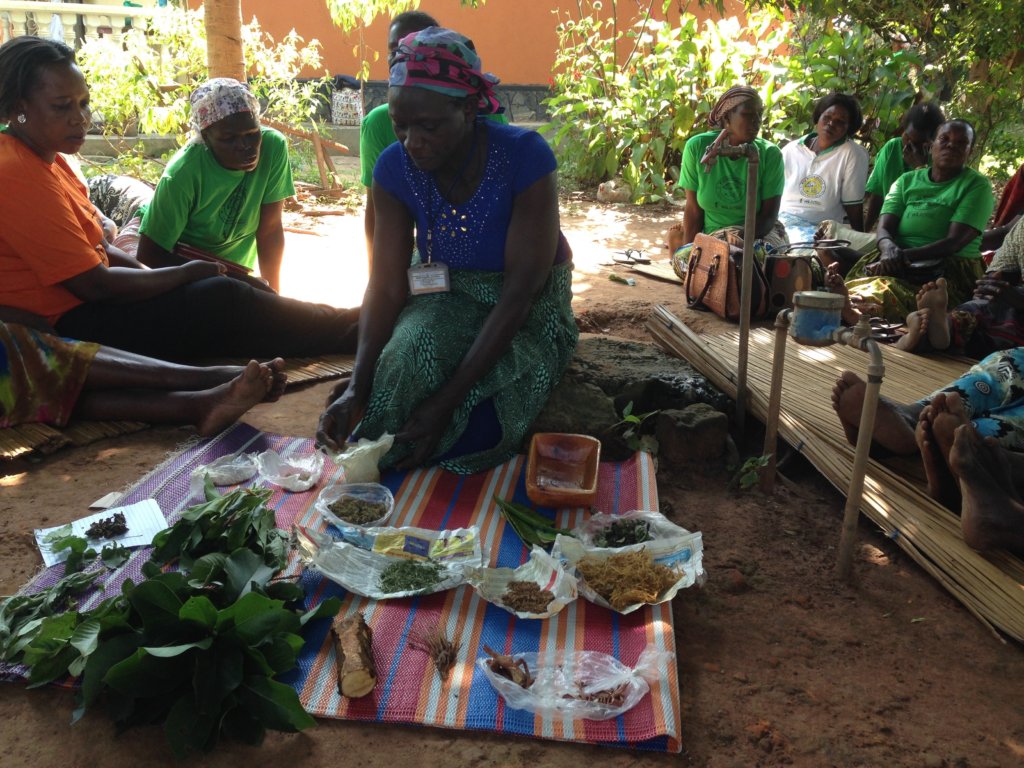
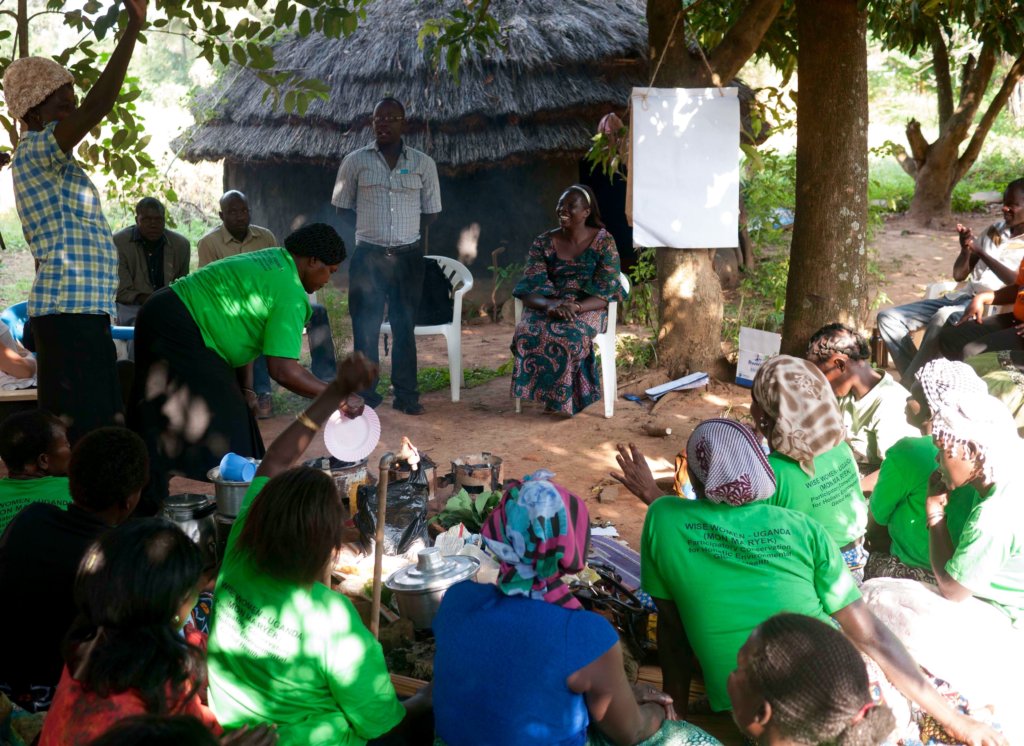
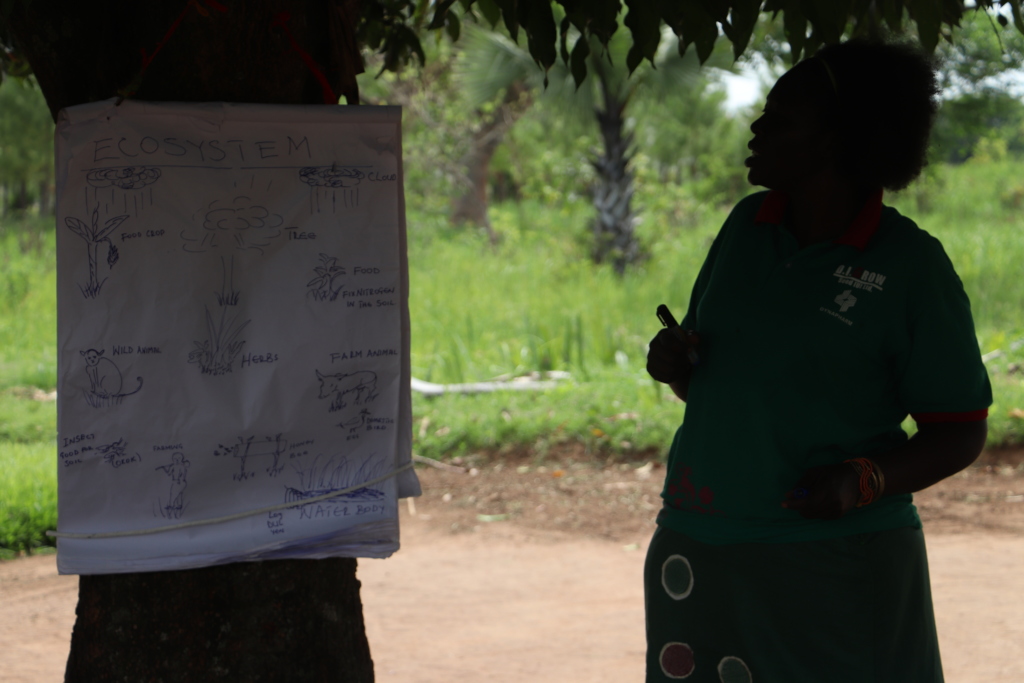
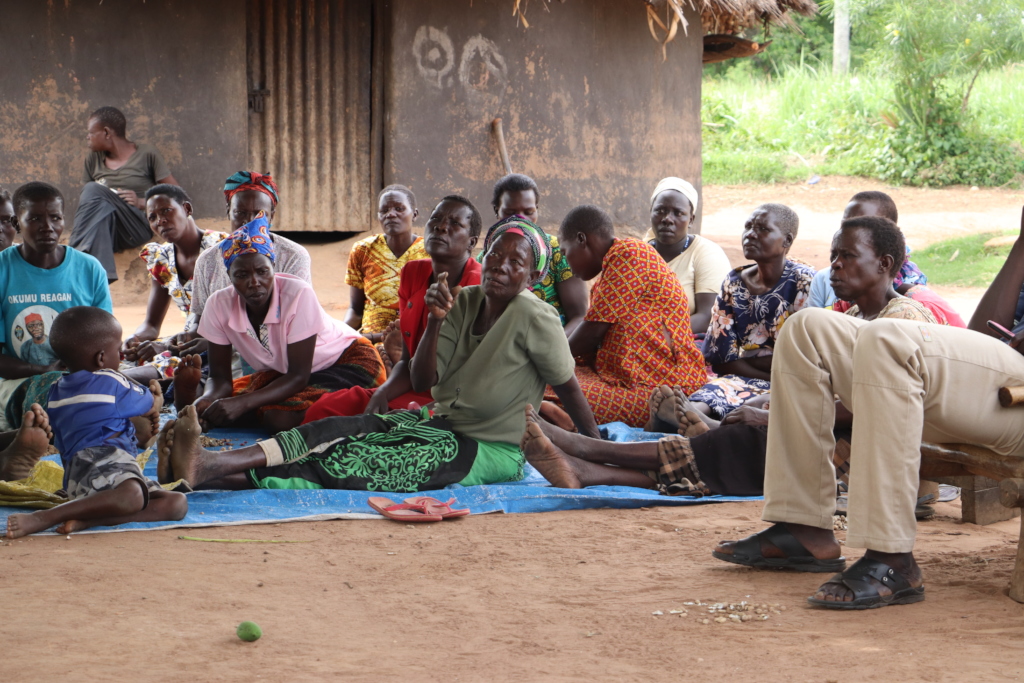
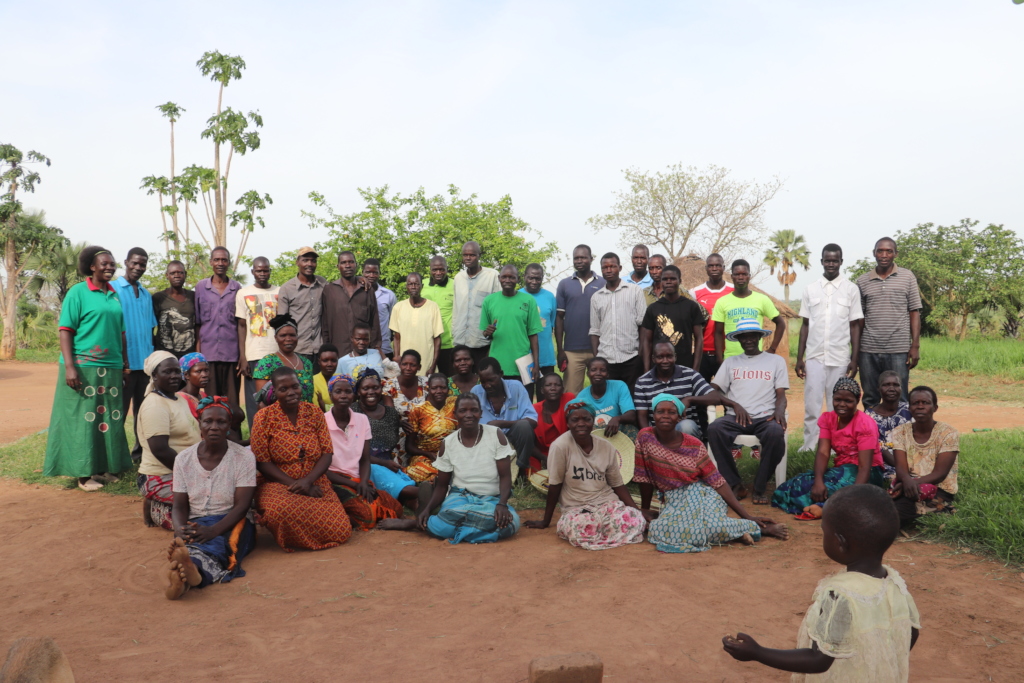
As these thousands of seeds grow into healthy seedlings ready for planting, our outreach team has been visiting villages throughout Bungatira sub-county, talking with them about the ways they can take climate change action into their own hands. We call these visits our “Climate Change Resiliency Trainings,” whereby our team covers topics ranging from ecosystem functions to how planting native trees can restore soil hydrology and protect crops from erratic weather patterns.
The result: farmers validated in their suspicions that there is a correlation between the rapid destruction of their forests and rains coming early, late, or not at all.
It is in these trainings that we begin to realize that climate change is just as much a matter of human rights as it is a matter of environmental well-being. While an abnormally warm winter intermittent with intense snow fall may just seem baffling in the US, overall it does not affect our day to day lives. Yet when the rains come late, as they did last year in Uganda, it is much more than just baffling: it is matter of a farmer being able to have a healthy harvest to put food on his or her table for the family. It is a matter of food security. It is a matter of whether you eat three meals a day or just one.
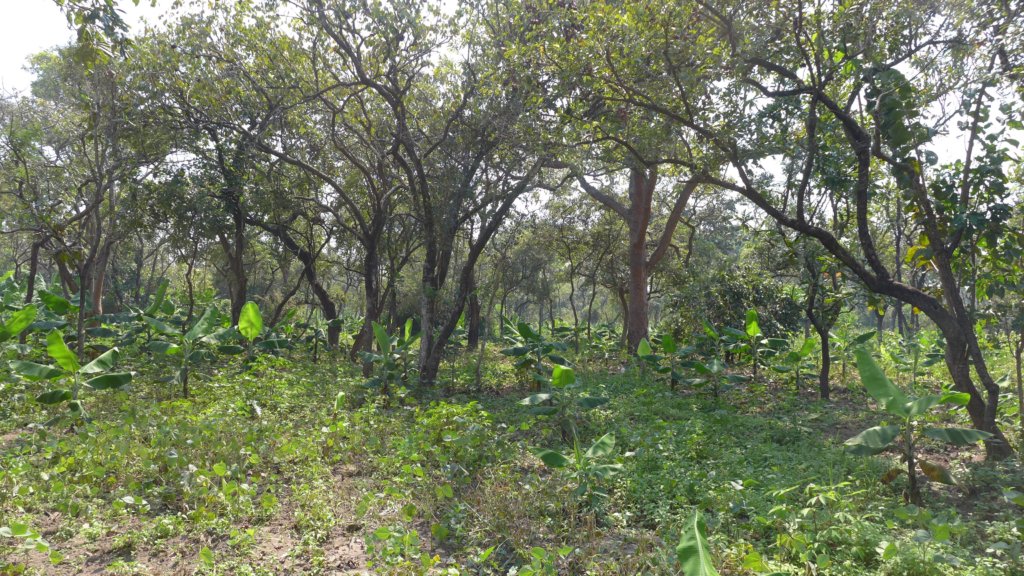
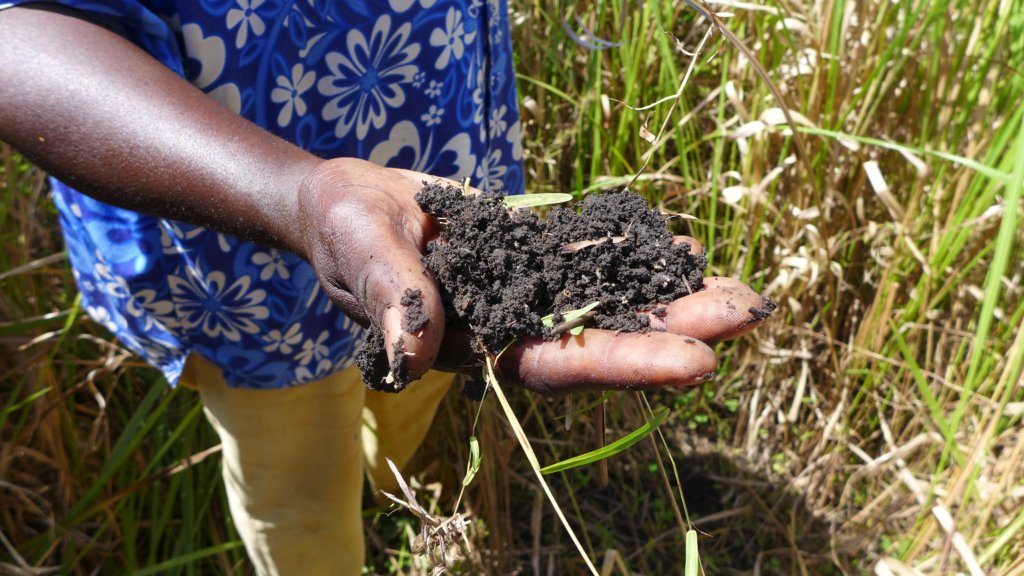
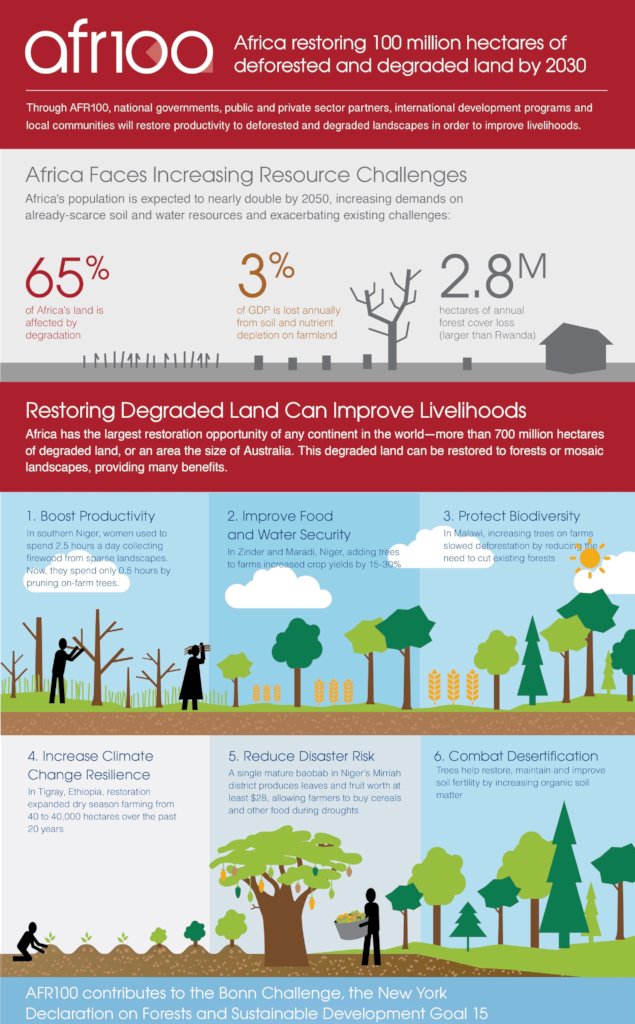
This is why equipping farmers with the ability to bring back their native trees is so important. Study after study shows that ample trees in a farmers’ landscape; 1) improves food and water security, 2) protects local biodiversity, 3) increases climate change resilience by expanding dry season farming, 4) combats desertification by improving soil fertility, and 5) reduces disaster risk, when adding fruit-bearing trees to a landscape.
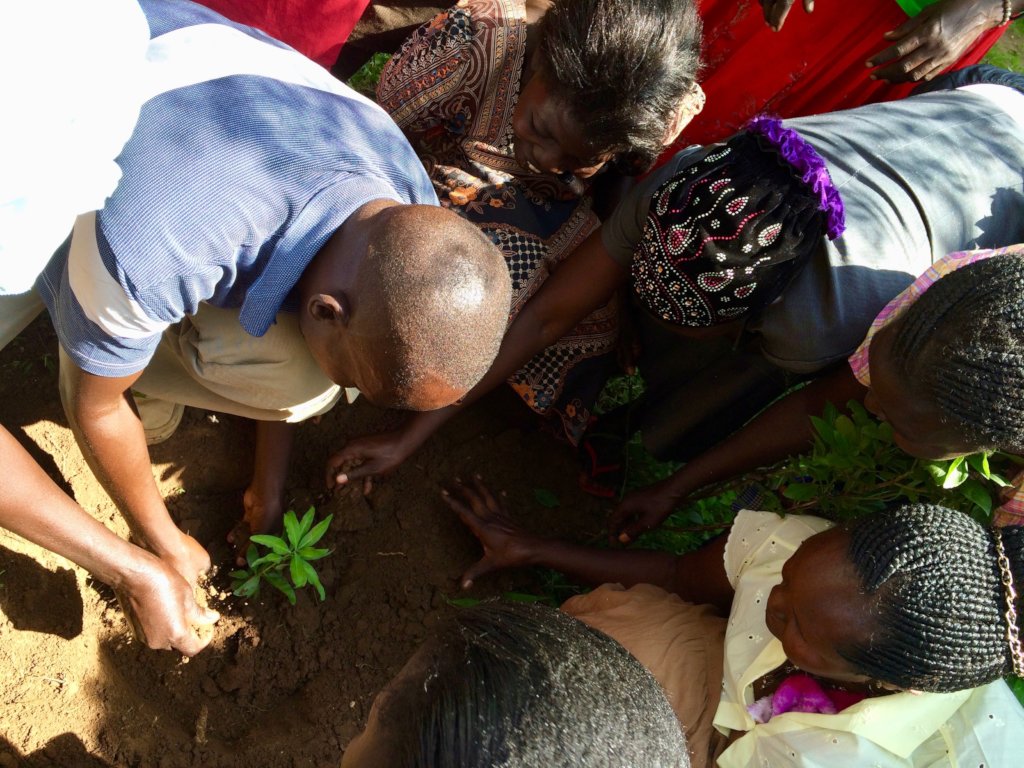
As the rains come this April to Northern Uganda, we will begin distributing a vast mosaic of tree species to the farmers we work with. We will accompany them through the process over the next year of caring for these seedlings, ensuring that their roots grow firmly in the ground, so that these trees can provide the above services to farmers croplands.
We are appreciative of you for being on this journey with us. And for the farmers in Northern Uganda, please, take a moment to share this important work with a loved one, and let’s grow this project together.
Project reports on GlobalGiving are posted directly to globalgiving.org by Project Leaders as they are completed, generally every 3-4 months. To protect the integrity of these documents, GlobalGiving does not alter them; therefore you may find some language or formatting issues.
If you donate to this project or have donated to this project, you can receive an email when this project posts a report. You can also subscribe for reports without donating.