By James Patton | Executive Vice President, Colombia Field Director
Peace Beyond Havana: Reconciling Colombia's past with a new future.
James Patton – 28 Sept 2015
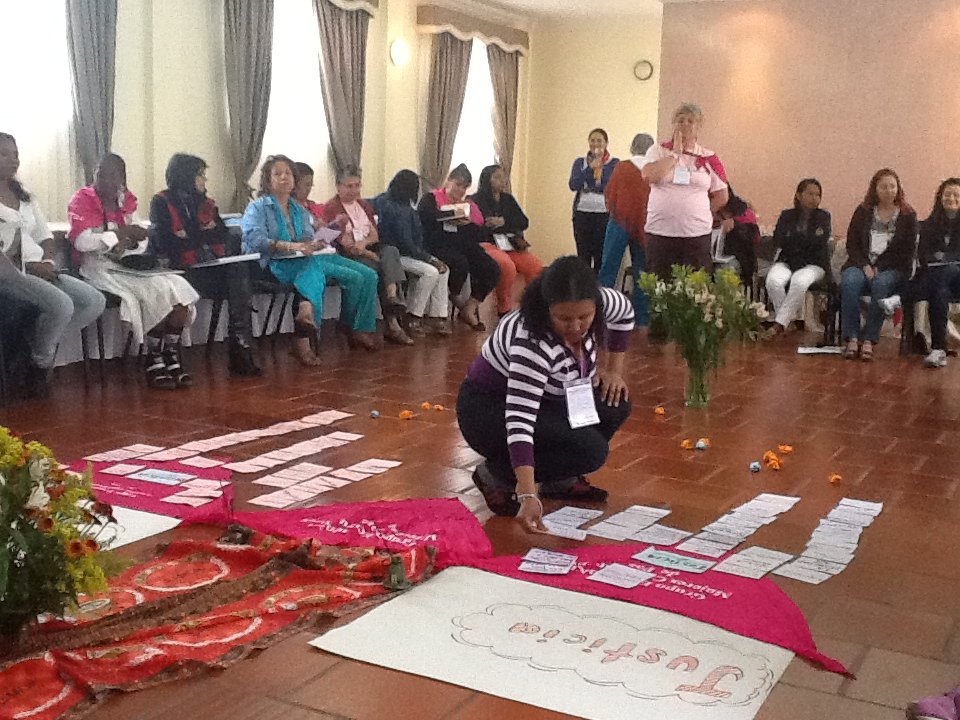
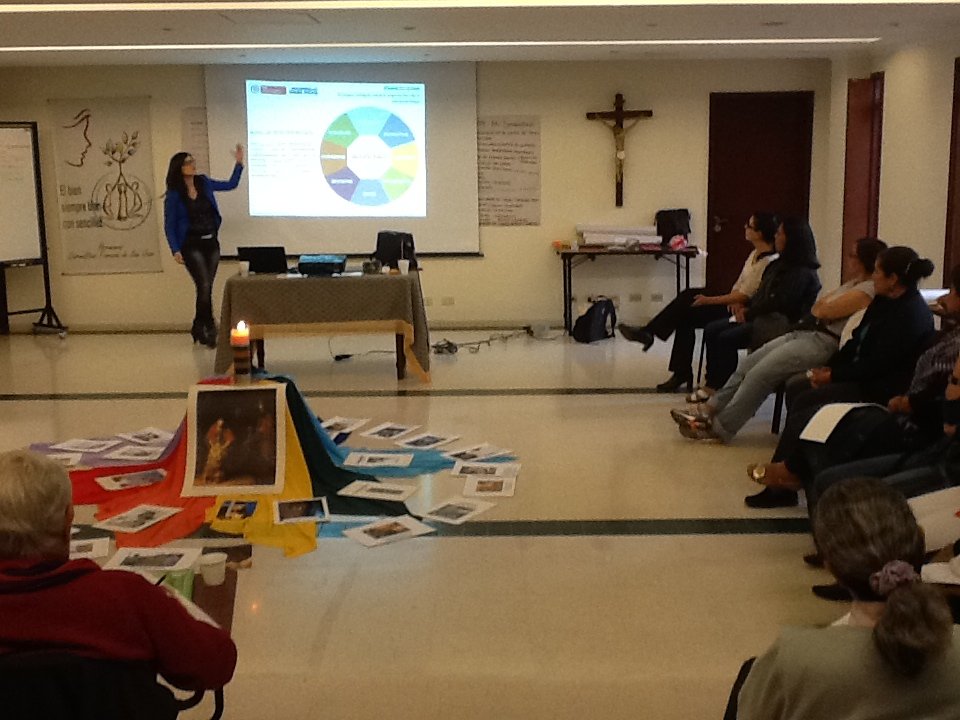
The faces of the martyrs are laid out on the floor in the morning, in concentric circles around a two-foot tall candle. These are friends and colleagues who were killed in pursuit of peace in Colombia. Some photos are grainy shots, probably from 20 years earlier, clearly the only available picture of the person, taken from the wall of a poor country farmhouse. The woman in the picture stands with a formal, stoic pose, as was the custom, the happiest of the rural poor always swallowing their smile for a camera. Others are color reproductions of smiling young women turned toward the camera, completely unaware of their impending fate. These women will watch us for the next three days, a reminder.
Five years ago, when I first left Colombia, a possible peace deal between the major rebel group, the FARC, and the government would have been unimaginable. I was recently asked by a popular journalist about “the people’s impatience with the peace process and their increasing desire to return to armed violence.” How quickly we lose our patience and perspective. A famous Mennonite peacemaker cautions us that building peace will take at least as long as war took. If that’s true, depending on how you measure the violence, Colombia will need six decades or a century – or if you ask the native people, 400 years – to heal. In fact, those who work in the communities do not refer to the Havana negotiations as a peace process, but rather a demobilization process. In Havana, two armed groups are setting conditions for the cessation of violence; peace must be built afterwards in the communities.
Now that it seems a breakthrough has been reached, a truly historic moment in the longest running violent conflict in the hemisphere, the real work begins. And that work will require the efforts of every Colombian. Many in the major cities, who have been spared the grotesque daily bloodshed that has migrated primarily to smaller cities, towns and rural areas, are cynical about negotiations, which they see through a politically tinted lens. Few seem to reflect on what they themselves can and must do on a daily basis to advance peace. That attitude must change if Colombia will turn from a path of cyclical violence, where one justification replaces another, toward a stable and durable peace. Colombia’s long history of conflict has not only created a culture of permissiveness with respect to violence, it has created a culture of resignation, where individuals largely look out for their own interests because they have lost confidence in the community as a whole. Colombia must regain a sense of the common good, shared values, and collective responsibility for building a different future.
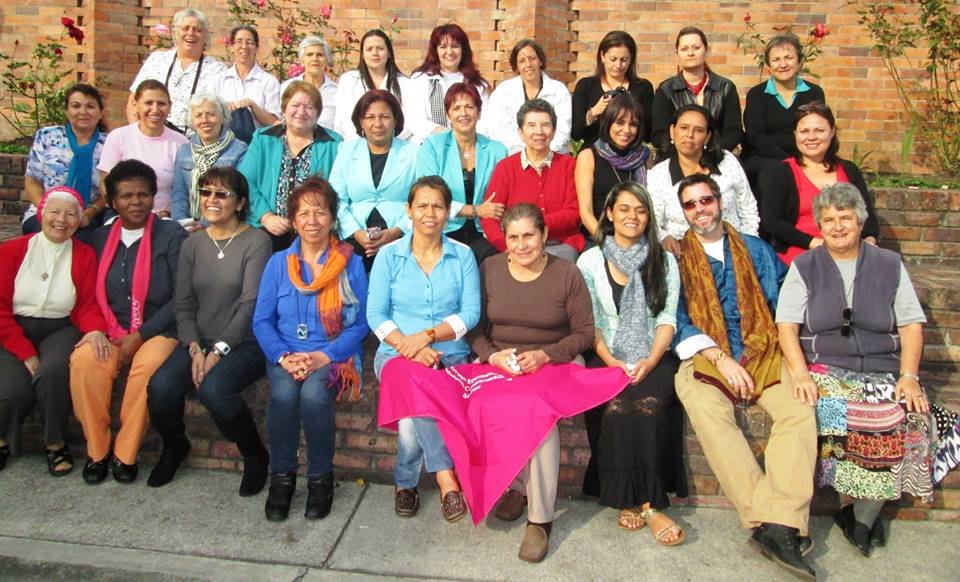
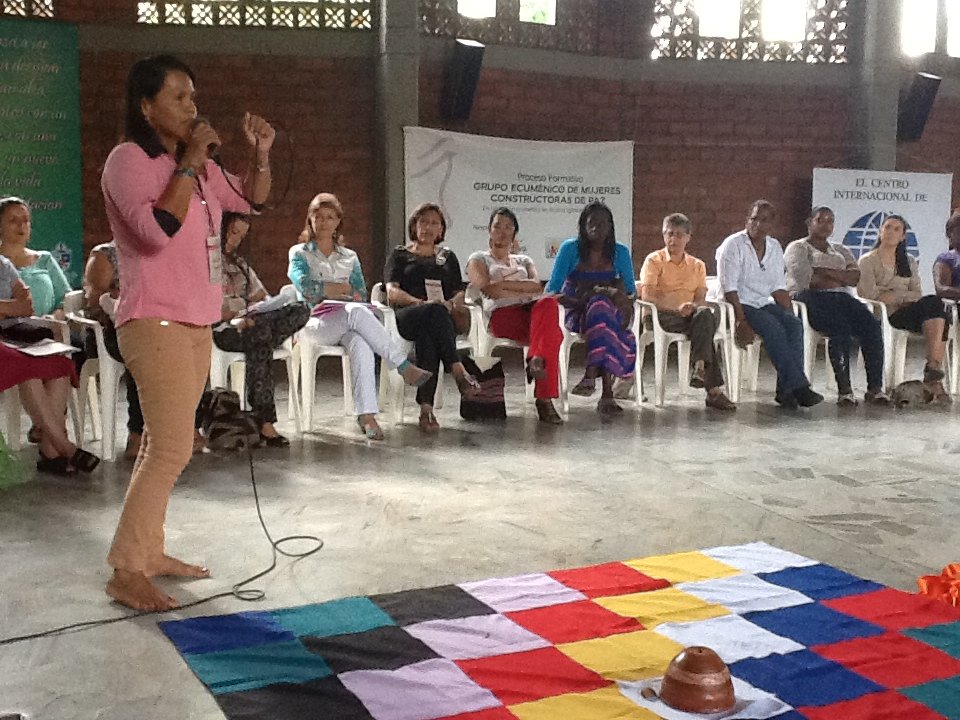
At the end of our three-day training, where 50 women victims of violence are gaining the skills to serve as reconcilers between former armed actors and communities impacted by the conflict, a diminutive woman stands – I will call her Magdalena. She is a Catholic nun who entered the convent when her husband was killed, along with one of her sons. Another son has not been heard from in decades; he is also presumed dead. The children were excellent students, budding musicians and soccer players, and had no relationship with any armed group. But as is so common in a war that claims to have the good of the people as its justification, the town was caught in the ebb and flow of self-interested and thinly veiled narco-trafficking posing as political warfare.
Having found some internal peace in her time in a religious community, and with the women’s group we work with, Magdalena smiles and reads a poem about the power of women to heal one another, like a broken clay vase being held together by many hands. Then she looks down at the martyrs faces, giving a quiet chuckle and a sigh, and says “now I will go home, where three young men knocked on my door before I came to this workshop, and said ‘you really don’t get it, we’ve warned you twice, if you don’t stop doing this peace work, we will kill you.’” “I imagine,” she continued, “that I should be afraid when they stop threatening me, since they won’t tell me if they really wish to kill me.” When I am asked by the wealthy and powerful, the politically influenced, about the impatience of the Colombian people and the imperfection of justice that the demobilization negotiations imply, I think of Magdalena. What peace is wholly just; what conflict is wholly just? But how many more, those who simply wish for the quiet contentment of nights without fear, must be killed to prove a political point? Tell Magdelena of your impatience, tell the martyrs. The power of the unseen working to bring peace, not the vociferous filling newspapers and airwaves with their doubts and opinions, these are Colombia’s heroes. And the rest of us would do well to heed them.
Project reports on GlobalGiving are posted directly to globalgiving.org by Project Leaders as they are completed, generally every 3-4 months. To protect the integrity of these documents, GlobalGiving does not alter them; therefore you may find some language or formatting issues.
If you donate to this project or have donated to this project, you can receive an email when this project posts a report. You can also subscribe for reports without donating.