By Rajiv Vora | Project Leader
Kashmiri Youth Leaders Meet to Read Gandhi’s Root Text
DIALOGUES ON RADICALIZATION AND NONVIOLENCE
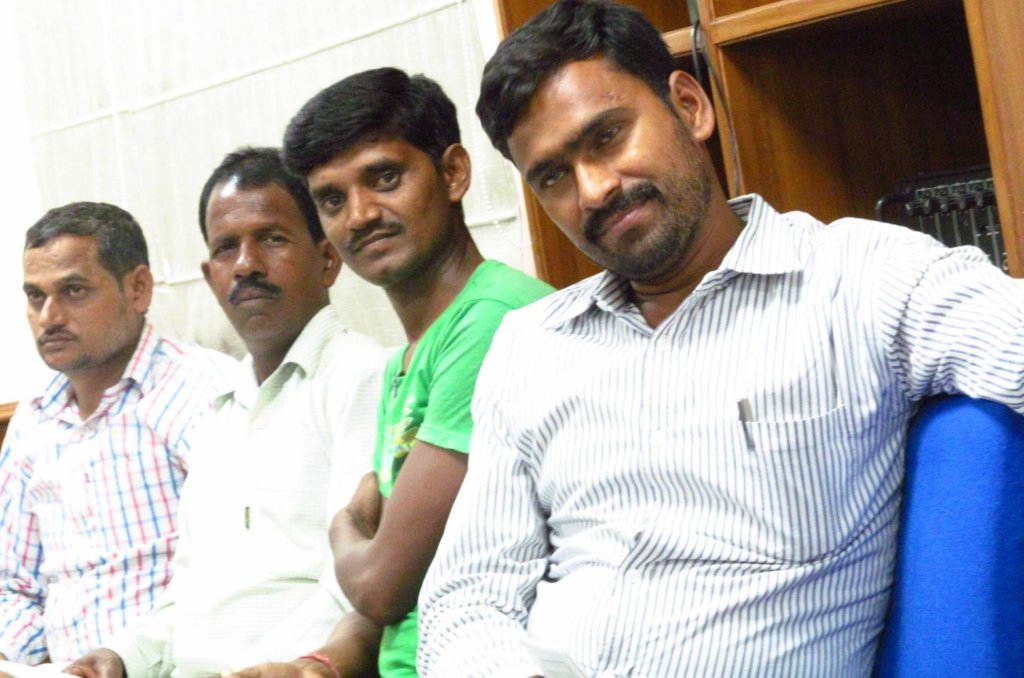
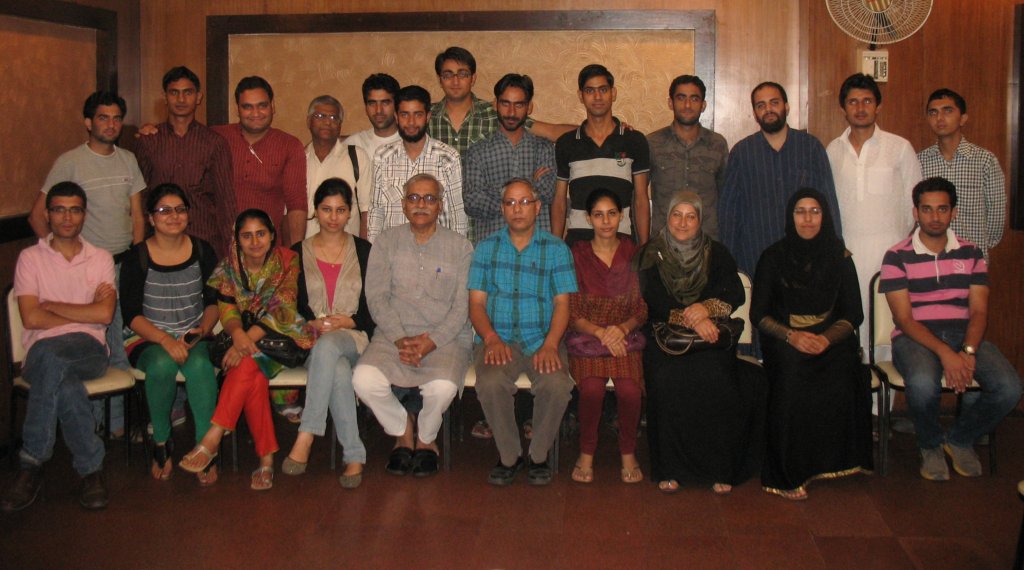
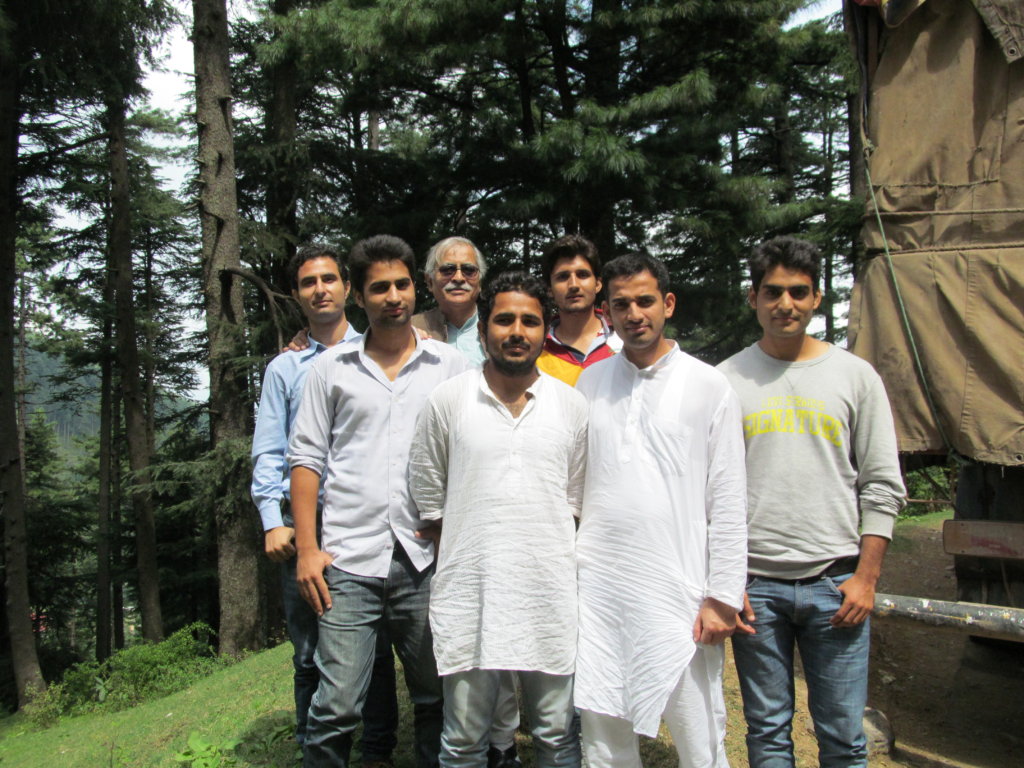
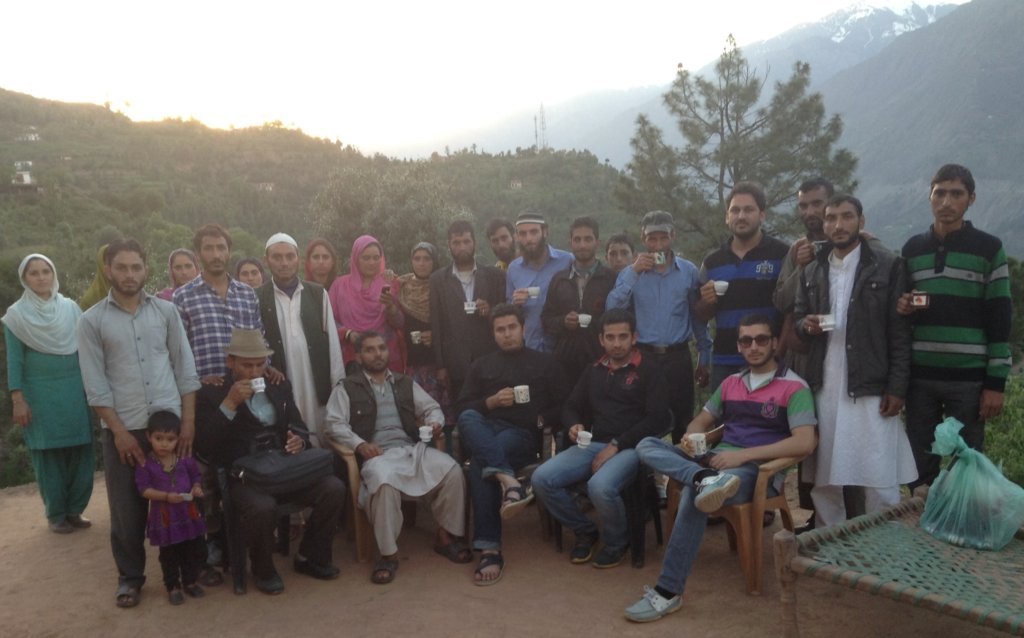
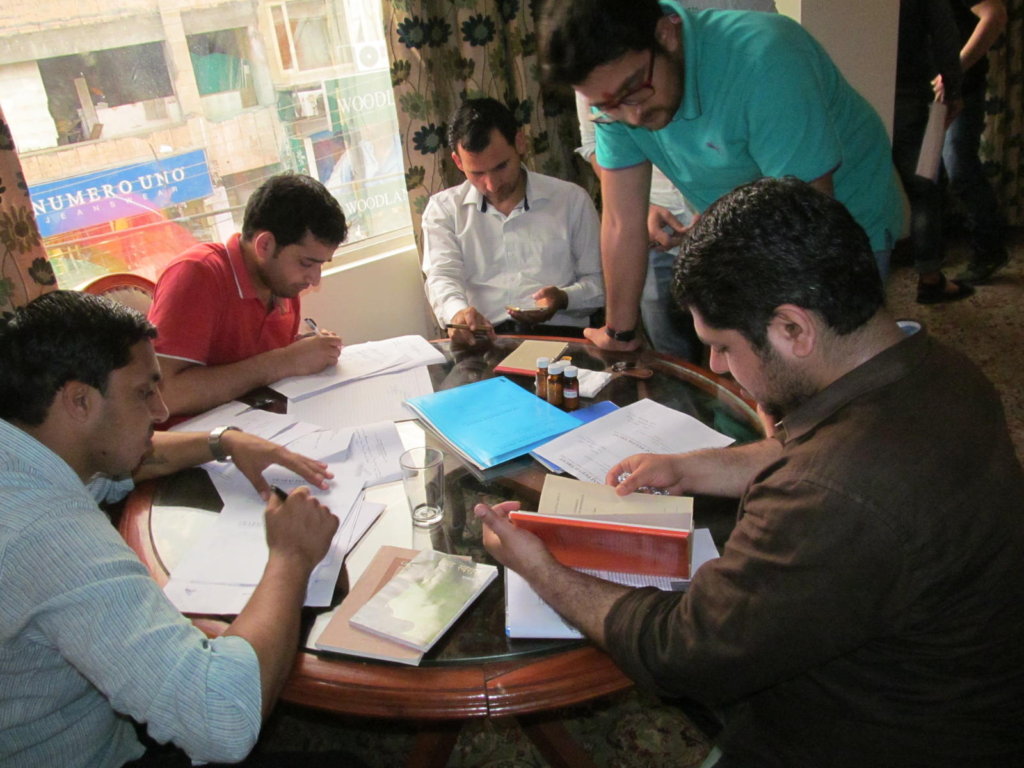
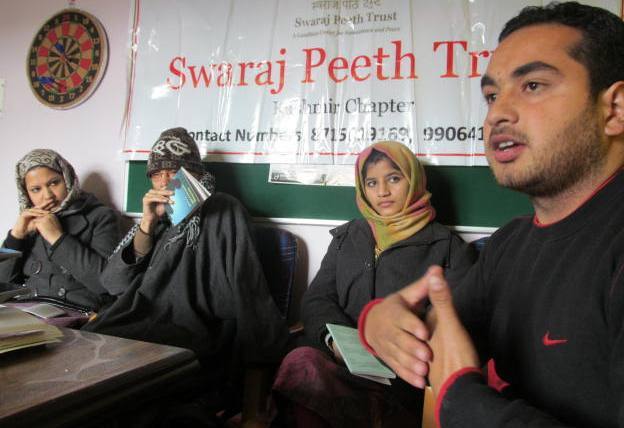
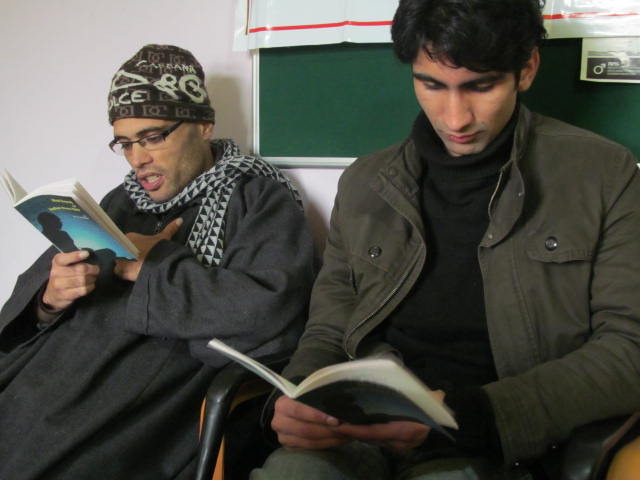
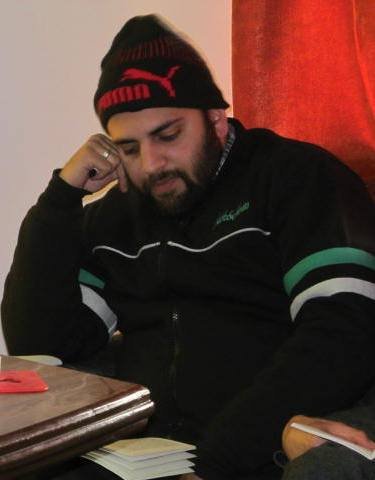
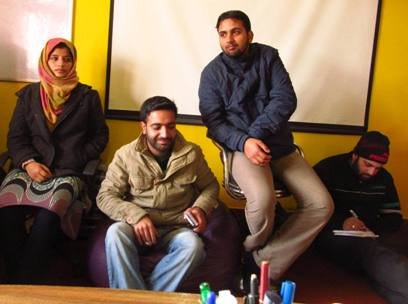
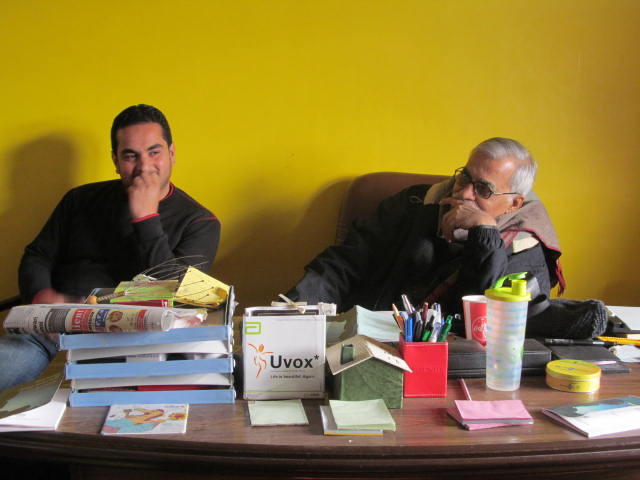
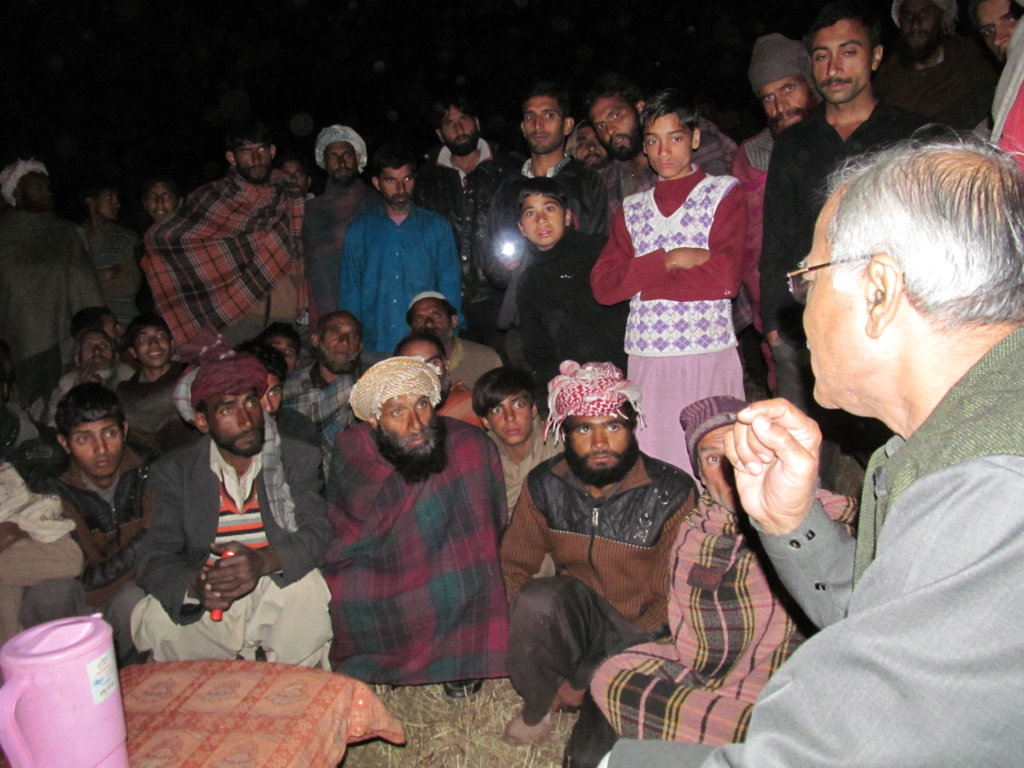
A four-day Hind Swaraj reading and dialogue by Chairman of Swaraj Peeth Trust,Rajiv from 17th to 20th December, with 13 (including 7 women) selected youth leaders - activist, scholars, writers, journalists was first ever full-scale discourse in Kashmir Valley on Gandhi’s total philosophy of ‘Swaraj’, Self-Rule or nonviolence coextensive with all the departments of life. For Swaraj Peeth it was 23rd. For Kashmir the importance of initiating dialogue on Nonviolence through Gandhi’s root-text, Hind Swaraj, by a group of youths leaders is self evident.
Let us understand briefly what is Hind Swaraj; and, what is Swaraj:
What is Hind Swaraj: Gandhi’s wrote Hind Swaraj, his manifesto, in 1909 as he unfurled the epic freedom struggle The book is in a form of dialogue with the radicalized Indians whom Gandhi called the “School of Violence”. Through dialoging on the fundamental civilizational nature and meaning of Freedom in terms of Swaraj or Self-Rule, he laid the rationale and ground for nonviolence. Firing the imagination of Indian masses by introducing Swaraj as the ideal Gandhi transformed the entire scene into an epic nonviolent movement of self-regeneration. Our work is based on the philosophy of Hind Swaraj, meaning nonviolence in all the departments of life.
What is Swaraj: “The word Swaraj is a sacred word, a Vedic word, meaning self-rule and self-restraint, and not freedom from all restraint which ‘independence’ often means.”-M K Gandhi
“Freedom as Swaraj is something more than mere translation of the English word ‘freedom’ or ‘independence’. It is an ancient classical word which meant precisely sovereignty, self-control, and self-rule. It refers more to self-discipline rather than uncontrolled anarchy. Ultimate freedom is the state of enlightenment without any bondage of karma and klesha (deeds and mental defaults). Seeds of bondage are reversible and eradicable. To achieve such freedom, a person needs conducive social and geographical environment within which the person’s mind can flower in goodness and experience the awakening of the unconditional intelligence. That requires a conducive inner and outer state where the person’s basic potential could be developed in its natural form.“ - Prof. Samdhong Rinpoche in "Tibet: A Future Vision", Page 8; Published by Tibetan Parliamentary and Policy Research Center, Delhi, 1996.
But for the trust we have gained, dialogues conducted and the initiative taken by two of Swaraj Peeth Srinagra chapter's leading members such uncommon, totally new dialogues of a fundamental nature could not have taken place in Kashmir.This will be followed up by a three day dialogue titled “Jammu & Kashmir: Quest for a Nonviolent Future” in Delhi in the first week of April, with combined participation of activist youth leaders from both Kashmir and Jammu. It will be fist of its kind even in Delhi by youths from the conflict torn Kashmir..
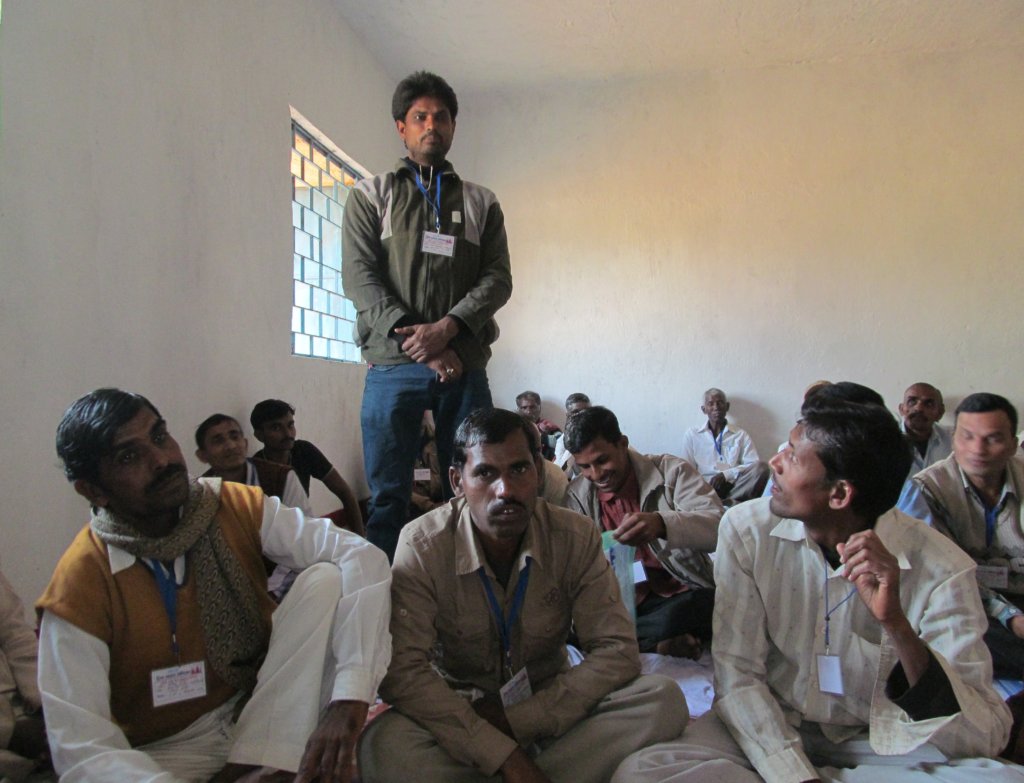
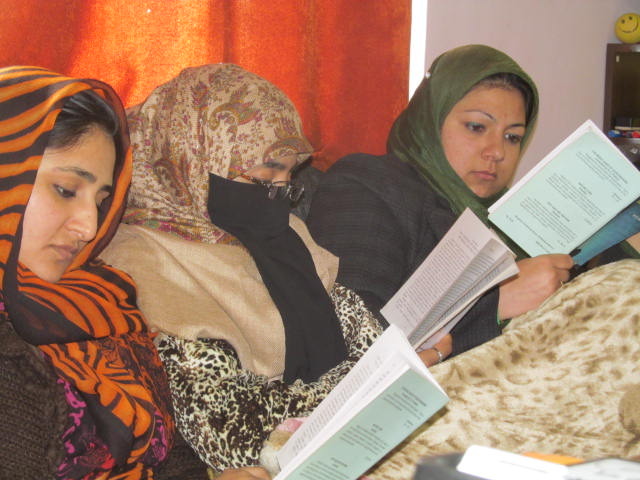
Gandhi’s Hind Swaraj was animatedly discussed in what was described as a four day long marathon reading session. Every one read Hind Swaraj turn by turn, Rajiv offered interpretation, the group would discuss, draw parallels from Islamic tradition and from Kashmir’s life and experience as well as from Indian national experiences and international scene, including happenings in West Asia and in many an Islamic nations.. Hind Swaraj for them became a window to view their own life and Islamic faith in the light of contemporary events and modern changes; aware and unaware responses and resistance from tradition bound societies to these changes; Gandhi’s struggle for a comprehensive nonviolent way of life ; the state of morality, true religiosity and spirituality (as Gandhi defines it).Talking of the idea of progress and change, I mentioned Franz Kafka’s 'Metamorphoses'. To my shear amazement half of them had read it, even youngest among them Badar, a college Students union leader had read it. He came to ‘test’ this event, but sat through all sessions, took away a copy of Hind Swaraj to keep as a prized possession! The Hind Swaraj and Nonviolence discourse generated so much interest that the group decided to start from Jan 30th (Gandhi’s martyrdom day)regular reading of Gandhi’s Autobiography “ My Experiments with Truth”
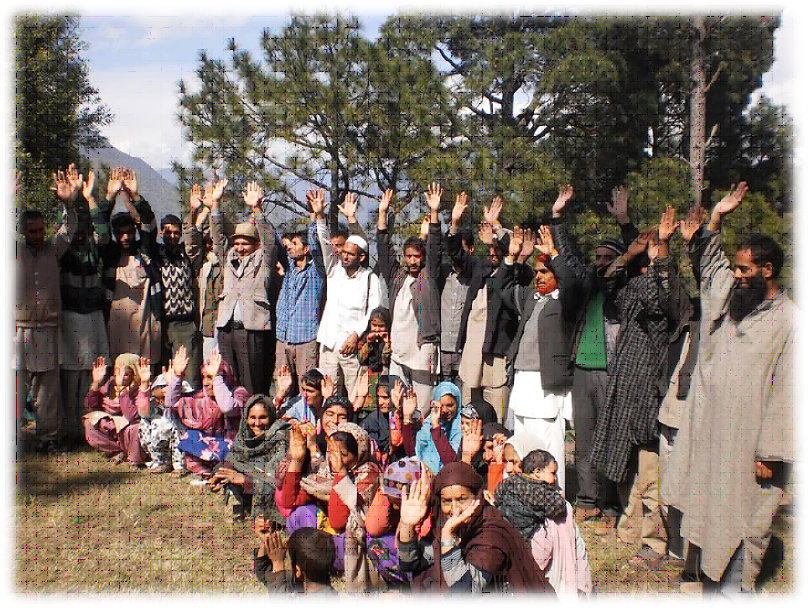
Members of this group have wide contacts with activist, youth, intellectuals and ideologues. They have decided to steadily expand the group and the dialogue, combined with constructive socially useful action. The two documents recently published by Swaraj Peeth will be of much use and much in demand they thought.
Rameez, a senior independent jurnalist called it “a mind boggling experience and positive, lifetime experience especially for me as a child of conflict” and Hind Swaraj “ the pragmatic treasure for India and civilized world forever as it teaches us self-reliance with interdependence as a trait of being human, truth as final duty and readyness to sacrifice for truth and self-awakening. Gandhi wants us to have ultimate trust on our creator and search for truth. Hind Swaraj teaches us to respect our roots, local cultures, be humane, rise against injustice without animosity…” Miss Saima writes “With a deep insight into what the basic purpose of the group is, the participants were overwhelmed and asked many questions by relating the broader themes of the workshop with their everyday experiences in Kashmir. Gandhi inspires self-introspection. We could understand Gandhian thought and his life as the testimony of non-violence; freedom as self- awakening and spiritual upliftment; and , finally, its relevance to conflict torn Kashmir.”
“The participants debated the courage, intellect and wit of the Kashmiri people. There was a serious and sincere discussion about how the voices of the Kashmiri people have been crushed by the multiple forces working in Kashmir. Since the group constituted active and aware youth, there was also discussion about the issues that concerns the youth of Kashmir, which included their missing spiritual strength, missing platform for expressing their real aspirations and the missing collective moral movement and strength that is mandatory for the collective development of any people, much more for the people of Kashmiri.”
Project reports on GlobalGiving are posted directly to globalgiving.org by Project Leaders as they are completed, generally every 3-4 months. To protect the integrity of these documents, GlobalGiving does not alter them; therefore you may find some language or formatting issues.
If you donate to this project or have donated to this project, you can receive an email when this project posts a report. You can also subscribe for reports without donating.