By Lisa Lyons | US Director
Early last week, three of ETC's staff members were in the Dolakha District, going from village to village and assessing the situation (including the condition of the schools), to determine how ETC can most effectively help the quake victims. They had managed to catch a ride on a passing Jeep and were on their way to visit the next village on their itinerary when the second major earthquake struck on May 12th. One staff member reported as follows:
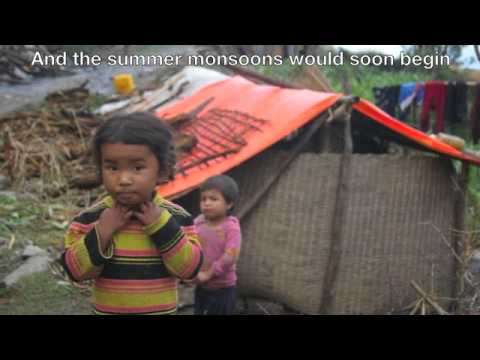
"Suddenly, we heard a huge hiss sound and saw vibration of trees along the sides of the road. We all became...horrified as the quake struck...and [we] jumped from the jeep to the road. We could not walk for around half an hour because of severe pain [in] our legs. After this we saw dust everywhere produced due to several landslides and damage of houses....There is no [longer] any house having roof and wall. "
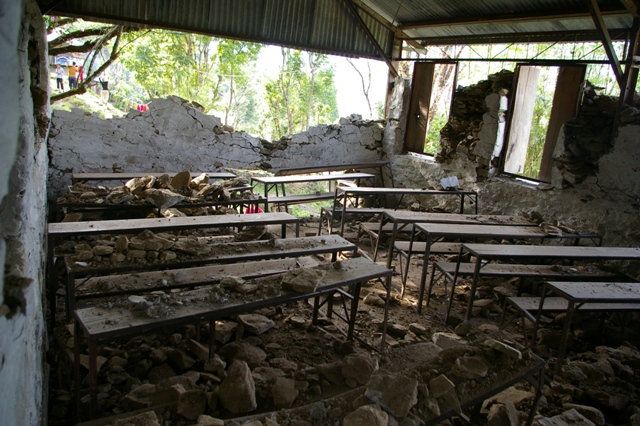
The schools in rural Nepal have fared as badly as the homes. Unsurprisingly, the oldest and least structurally sound have been the most badly damaged, whereas the relatively new buildings and some that had been improved are not as badly damaged. Sadly, many of the schools I visited just three months ago were among the hardest hit. These were schools at which ETC had planned to make significant improvements over the next few years.
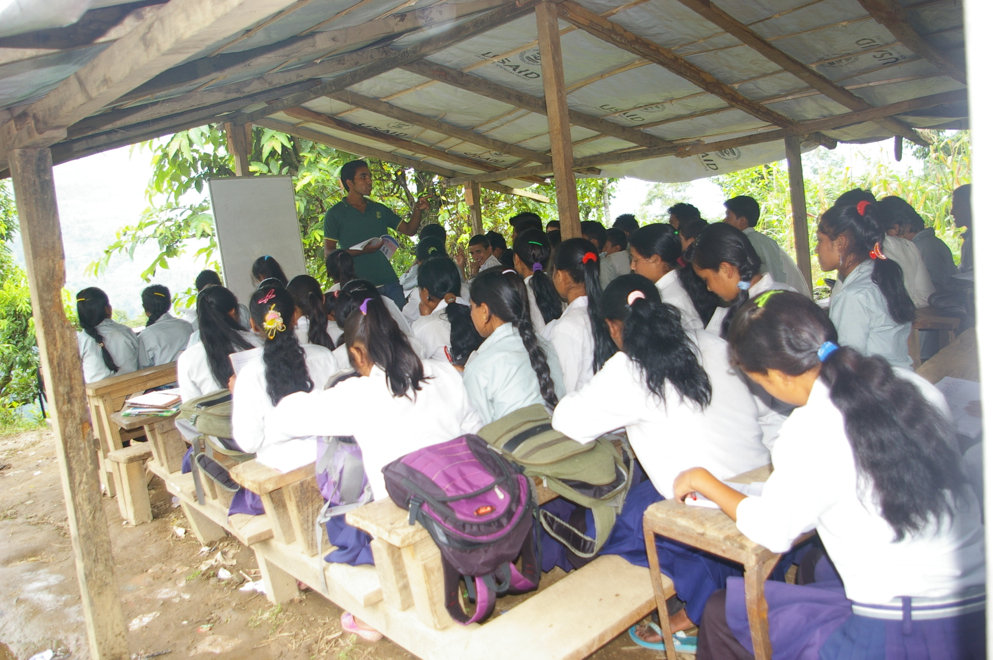
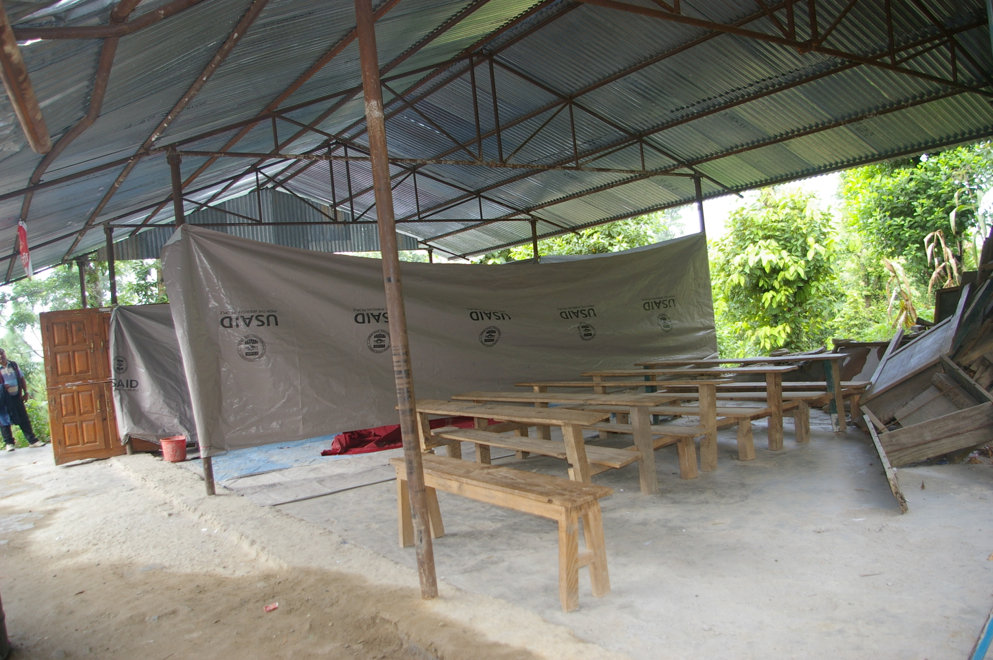
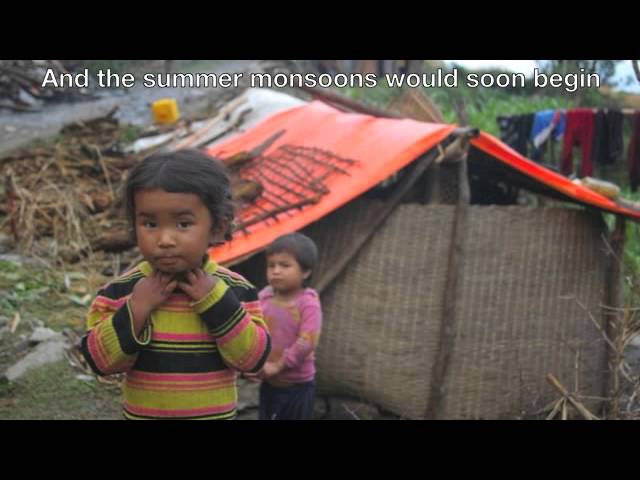
All children need and deserve safe places to learn. Some of their schools will probably be beyond repair and will need, in effect, to be reconstructed from the ground up. Others may be easier to repair more quickly. In many cases, temporary school shelters will be needed to help children get back to as close to a normal life as possible.
In the aftermath of this second quake (which, according to many, was technically an aftershock - of magnitude 7.3!), ETC is committed to finding the best way to help Nepali children resume their interrupted educations. Your support of our work is very important and greatly appreciated.
Please visit our website to see the latest photo essay about the condition of several schools in Dolakha District.
Links:
Project reports on GlobalGiving are posted directly to globalgiving.org by Project Leaders as they are completed, generally every 3-4 months. To protect the integrity of these documents, GlobalGiving does not alter them; therefore you may find some language or formatting issues.
If you donate to this project or have donated to this project, you can receive an email when this project posts a report. You can also subscribe for reports without donating.