![Students enjoying after-school sports]()
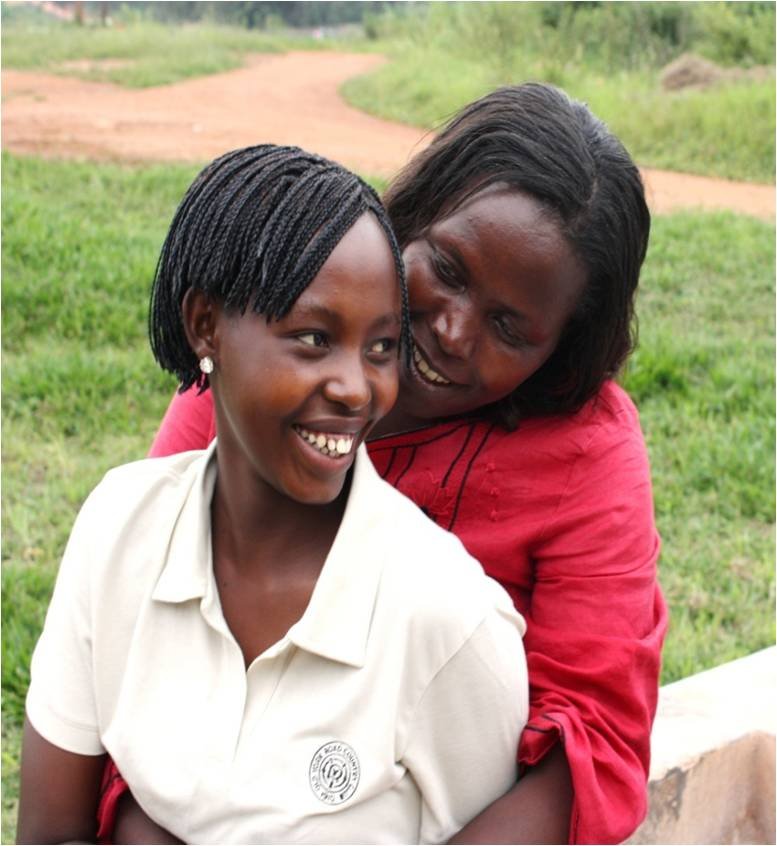
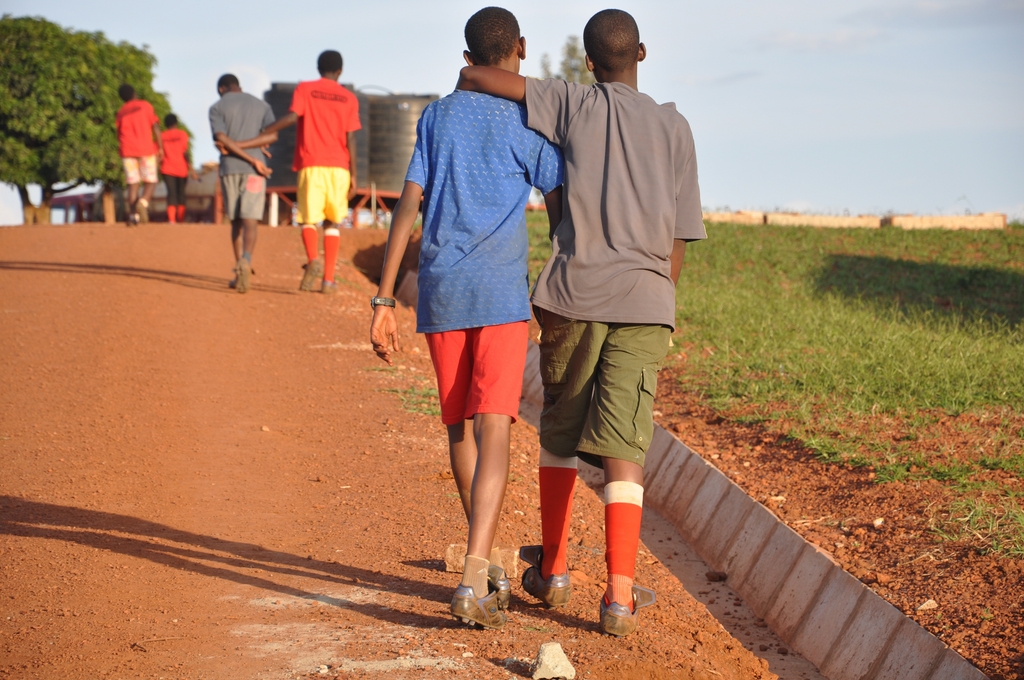
Students enjoying after-school sports
Agahozo-Shalom Today, in the Rwandan Context
The Agahozo-Shalom Youth Village was created as a direct response to the aftermath of the 1994 Genocide. Central to its implementation, was the creation of a future cadre of Rwandans who valued life universal, understood the importance of community service, and committed themselves to ideals of
justice and human rights protection, so as to prevent Genocide from ever happening again.
Agahozo-Shalom would also introduce new paradigms in child care and educational methodologies, acting as a
model “sustainable development project”. To this end, the Agahozo-Shalom team studied the Rwandan
culture and history, the government’s policies on Education, as well as its Vision 2020 plan as pertains to education, poverty reduction, and overall development. Then programs were developed incorporating these guidelines and adding proven global innovative systems and techniques.
The physical site of the Village -two hills overlooking a beautiful lake- was chosen to illustrate the village’s philosophy of inspiring young people to “see far” and dream a better and beautiful world. The school is situated far from the houses to exemplify a regular rhythm of life, where the home life is separate from the school -kids wake up, eat breakfast, and then walk 10 minutes to school, like from a normal suburbia family rather than an
educational institution. The school also sits on the higher hill, to highlight
the importance of applying informed judgment and free thinking in every
decision we make in life, once more aiming at a holistic development,
which is in line with Rwanda’s goals for its citizens.
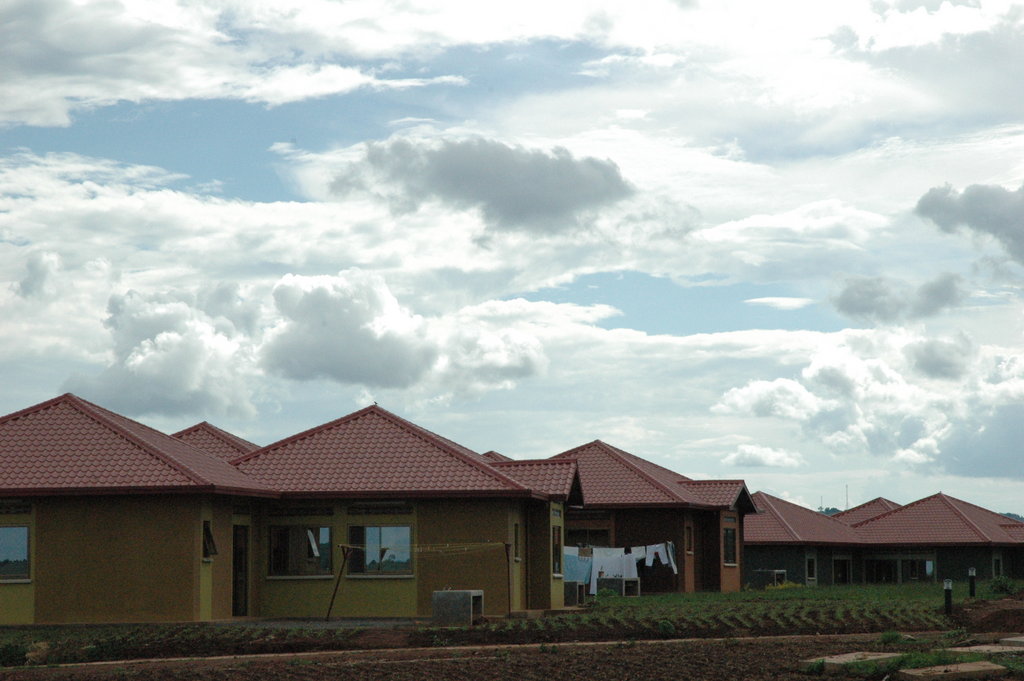
Currently, the constructed village includes residential housing in a group-home model, a fully-functional
high school with science and computer laboratories, a learning center, an arts center, a health and wellness center, sports fields, a dining hall and community center, and a sustainable agricultural farm.
Visitors’ housing is also being built, to host the many groups and individuals who will come to Agahozo-Shalom for volunteer experiences, exchange programs and professional seminars. Construction is environmentally friendly, and the Village is energy-conscious, continuing to explore the best alternative energy methods for future use. Turning 145 acres of wild land into a structured, safe and functioning youth village is not an easy task, but slowly, the landscape is taking shape, and soon the newly planted trees will begin flowering.
With regards to the educational programs, the high school “catch up year” started with the Rwandan
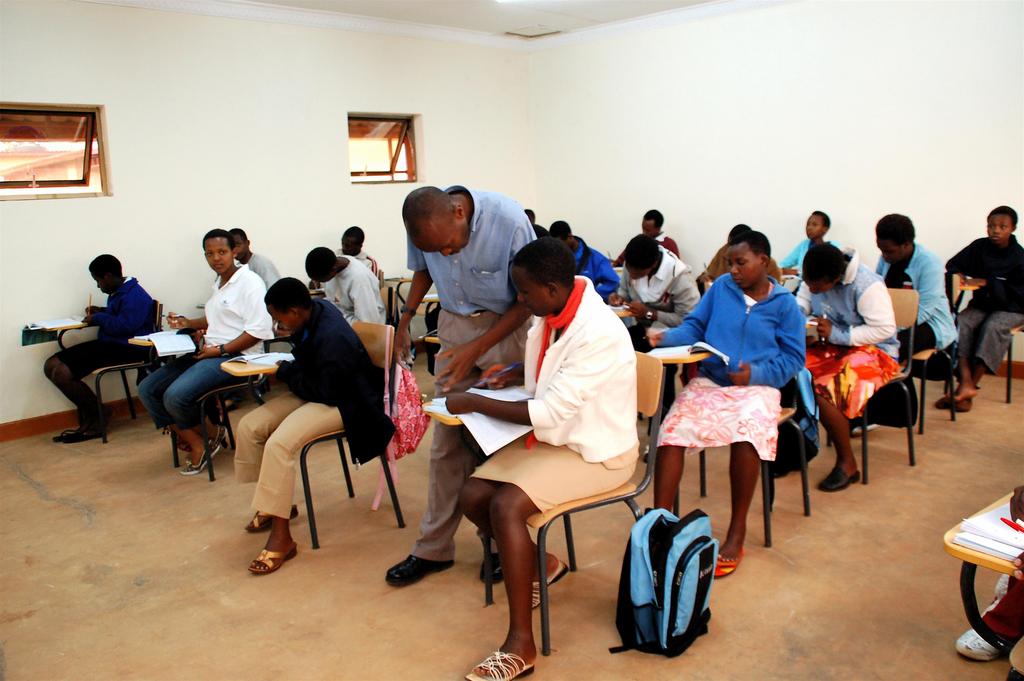
academic year in January 2009. Agahozo-Shalom’s tailor-made, full-scale high school curriculum recognizes the philosophy of developing the students both cognitively and socially, and also ensures its pedagogy is appropriate and in line with the Rwandan context. Schooling is geared towards university while also supporting students who choose to pursue vocational tracks, which include IT, agro-forestry and organic farming.
The curriculum at the school focuses on class participation; it encourages student’s investigation and inquiry, while sharpening the cognitive skills needed for the thinking to take place. At home, emphasis is on participation, team work and community involvement as a means for sustainable development and lasting peace. The main goal is to expand their willingness, skills, and capacity to
become contributing members of society.
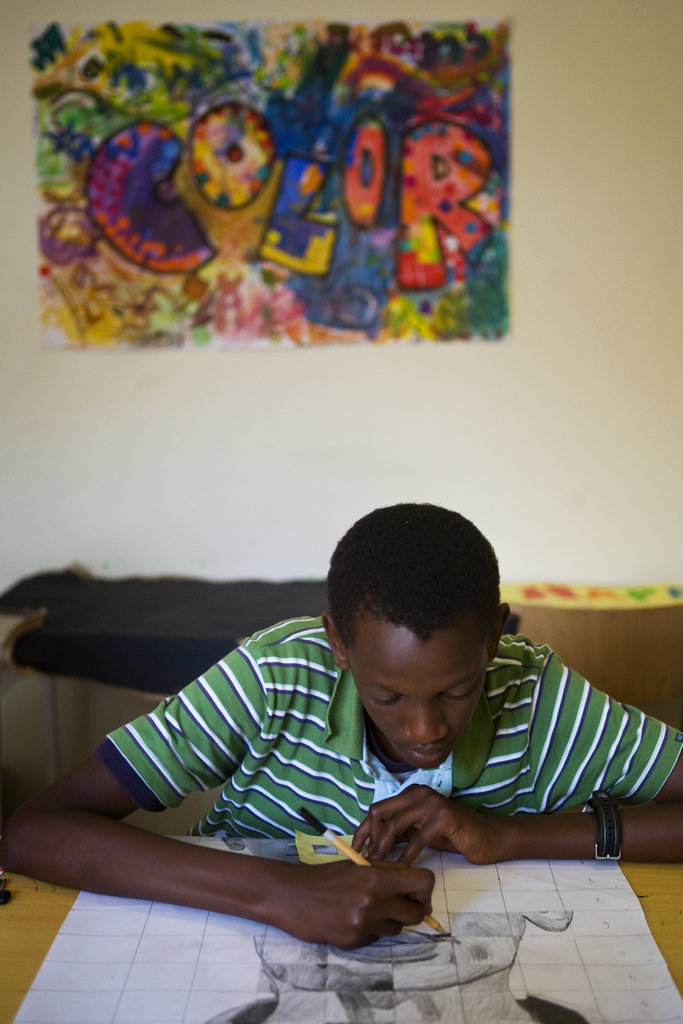
Several after school activities are available for kids to choose from, including art, music, karate,
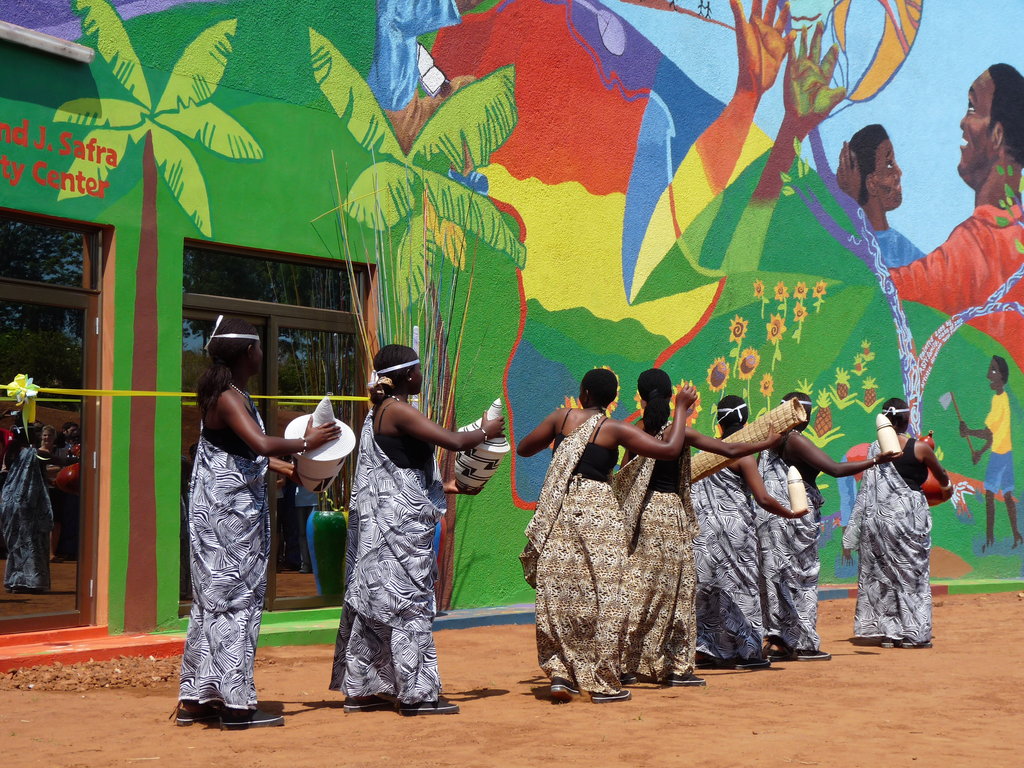
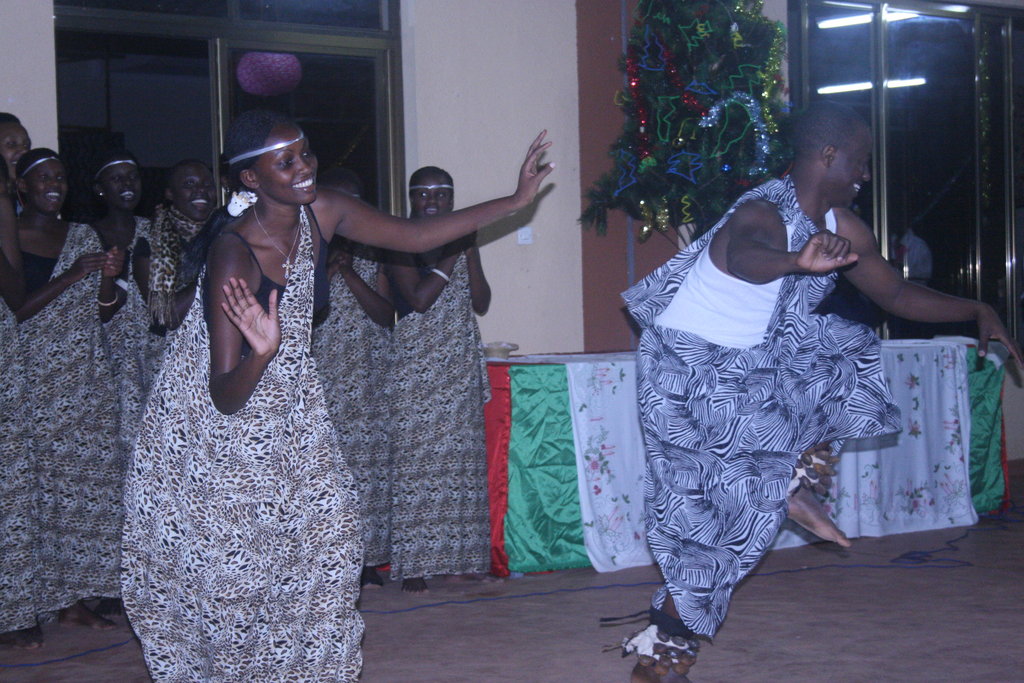
volleyball, basketball, soccer, basket making, cooking, a formal Itorero (traditional Rwandan singing
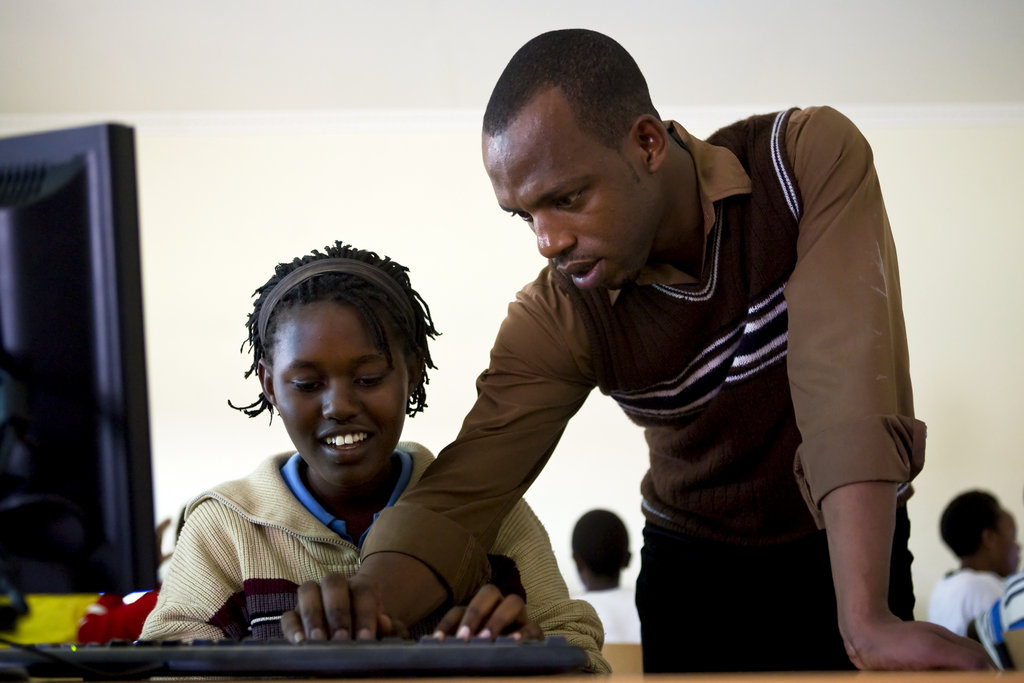
group), and more. The Learning Center and the Art and Music Center
provide opportunities for the students to do homework, read a book in the
library, and learn to use computers, play an instrument, or draw. The
students are also very engaged in developing the farm, where they work
every Saturday and some also work there voluntarily during their free time.
Currently, the organic vegetable garden is being prepared and students have already planted several types of fruit trees. The farm brings a tangible sense of achievement, new agricultural skills, and also contributes towards the sustainability of the Village.
Enabling the students to feel supported and gain self-confidence by becoming part of a family unit is a key component of Agahozo-Shalom. So each day ends with "family time”, when the house members come together to talk, share, and gradually build relationships, and each week ends with a “village time” -Friday night- where various “Clubs” share their thoughts/activities with the entire village. Saturday night is a “movie night”. (Religion is accommodated as necessary, with kids attending their respective services on Friday, Saturday or Sunday depending on whether they want to and are Muslims, Seventh
day Adventists, or ‘Sunday’ Christians).
Who are The Youth at Agahozo-Shalom Youth Village:
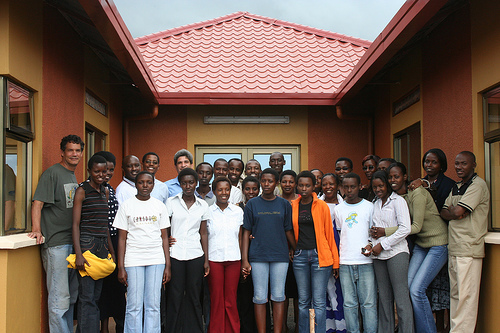
Agahozo-Shalom’s newest residents are 125 teenage orphans, between the ages of 16 and 18 years old.
Roughly 60% are girls and 40% boys; all were infants or toddlers at the time of the Genocide. They were recruited equally from all 30 districts of Rwanda for a total of 120; the remaining 5 spots were filled by staff’s dependents who met the eligibility criteria. The
youth live in groups of 15 or 16 per house -all boys or all girls, with
one housemother sharing the home with them, and a dedicated counselor ‘big brother/sister’ for each group. In addition to these caretakers, the kids are surrounded by other adults and potential role models in different administrative positions, as well as at the school. In total, 60 Rwandan and 2 expatriate staff as well as 8 Israeli and US volunteers are there to educate and take care of the
children who now call Agahozo-Shalom their home.
Over the course of the last three months, the children have gotten acquainted with Agahozo-Shalom’s
educational philosophy and are starting to practice it in their daily lives, using words like “mediation” or “see far” in private conversations, and taking initiatives for community betterment.
When, in December, founder Anne Heyman welcomed them with the promise to always be there no matter what, from the looks on their faces, they must have wondered about the authenticity of that statement. They
were told that once part of the Agahozo-Shalom family, they will always be family, that they should now
stop worrying about survival and begin to dream big for themselves, their communities, and their country. They might have wondered how they would contribute to a better world -never mind why - but they didn’t; they asked to hear more about the Tikkun Olam (mending the world) concept, and it
seems are already putting it in action.
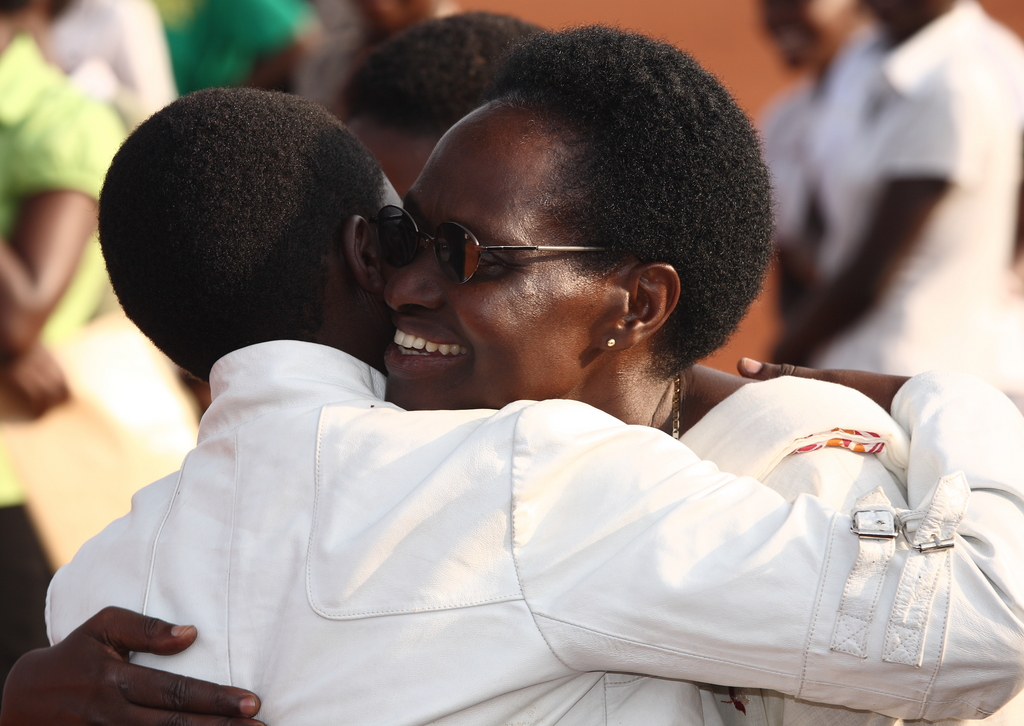
They have embraced the housemothers and counselors -whom they call mom or big sister/brother, they look after their surroundings and houses, perform community service, go to school and ask to know
more, farm their vegetable garden, offer to cook for their chef “uncle”, and sing and dance and paint
and read.
The Agahozo-Shalom kids are representatives of the resilience, willingness and capacity to rise again for Rwanda!
Agahozo-Shalom’s philosophy in Action:
Agahozo-Shalom’s primary goal is to provide a supportive family life to the youth, adequate mental and
physical healthcare, as well as a quality high school education with the opportunity to develop vocational skills as well. The intent is to provide a foundation which will enable them to take ownership of their lives and responsibility for their future families and communities. In a very short
time the children have understood that they are being provided with tools for them to use at will; they have welcomed the challenge and appreciate the trust. Last week, after only 3 months of living in the village, they started spring vacation, and many were eager to go visit their previous neighbors and/or guardians and tell them about Agahozo-Shalom. In no time Jean-Pierre, Agahozo-Shalom’s head of Informal Education, was receiving phone calls from astonished guardians: “they have changed in the
way they think about life, their logic of things, and everything -what are you teaching them, and what is your secret?”
We believe the secret is permanence -a real home- and ‘parental’ support such as one would get from a
biological parent. The Agahozo-Shalom kids know that they now have a permanent home in which to
feel loved, championed, and encouraged to explore. They are learning that the healing of the self is
enhanced by the healing of others, and that personal success is linked to community realization. They
are beginning to understand that they are being given tools to develop their physical, intellectual, and artistic abilities, and there is an expectation that they will use them in the service of their communities.
Agahozo-Shalom is not a charity, an orphanage or a boarding school, but a support system where the children can develop their own aptitudes. It’s a blessing that in less than three months, they are anxious
to visit their previous homes and share this core belief in everyone’s ability to impact the world for the better.
Summary of Major Accomplishments January-March 2009:
• Happy New Year celebration with 125 kids!
• January 12th, nearly a month after the village is fully operational; the “Liquidnet Family High School”
is in session for the academic catch up year.
• The individualized Learning Assessment is carried out; cognitive measurements reveal a high
functi
![Some of our young people]()
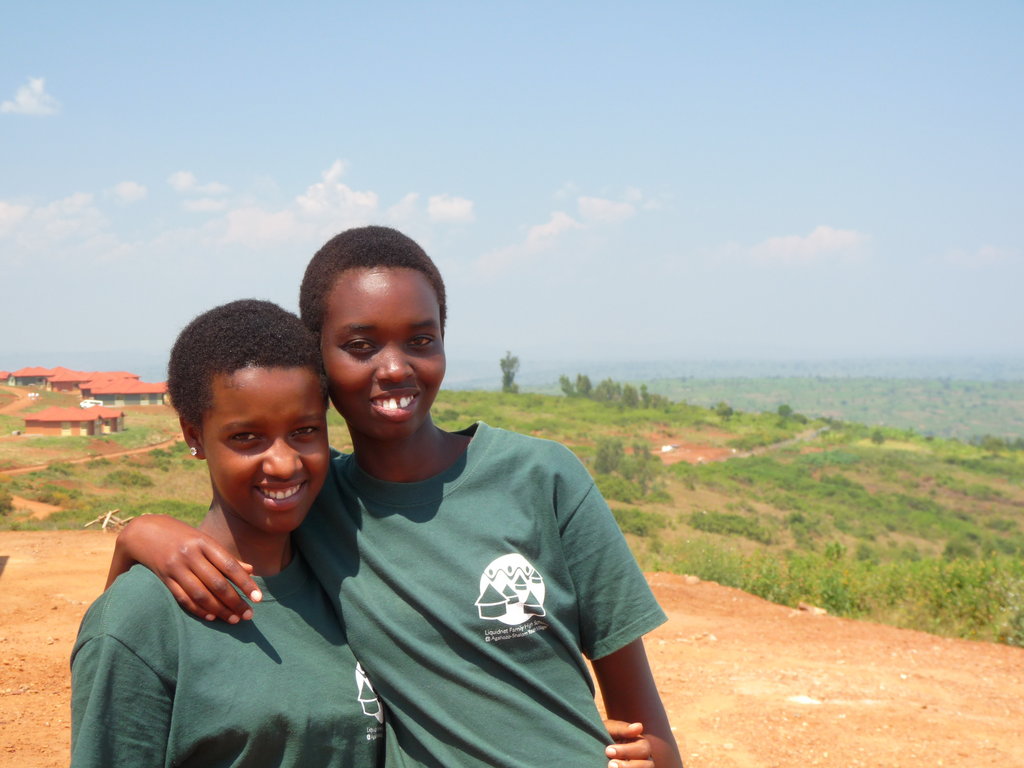
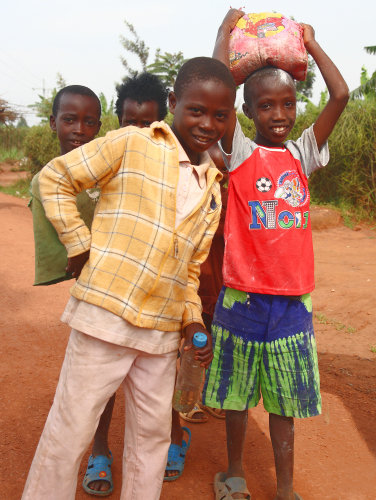
Some of our young people
![Our young people in class]()
Our young people in class
![Share on Twitter]()
![Share on Facebook]()