By Silvana Veinberg | Executive Director
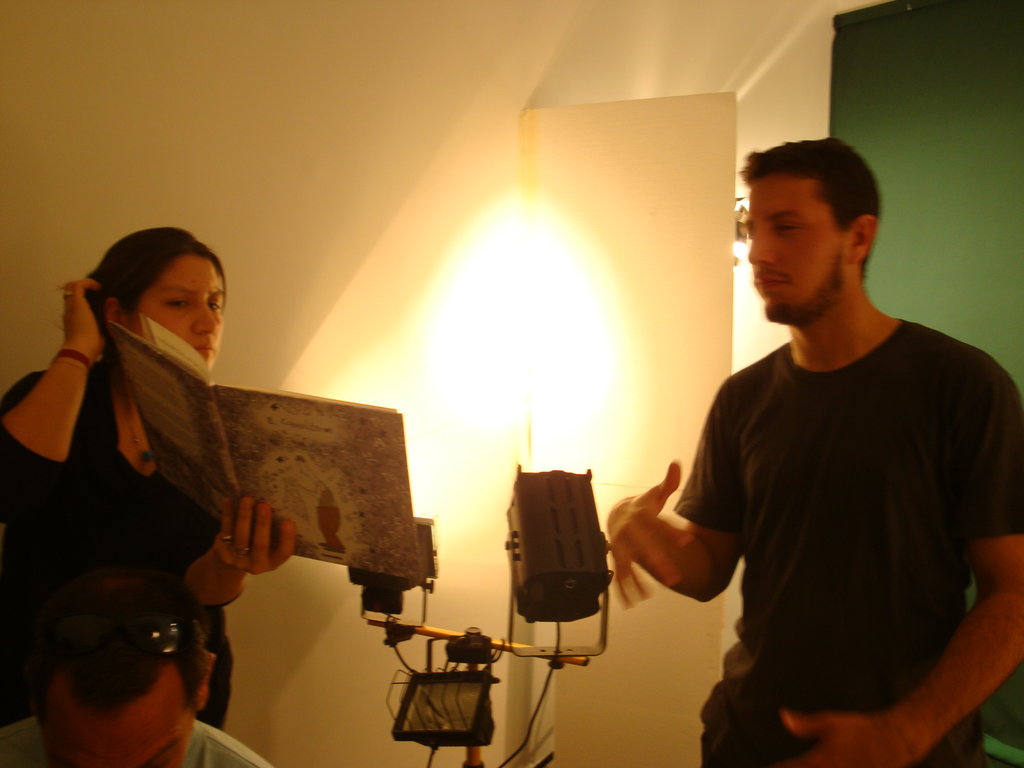
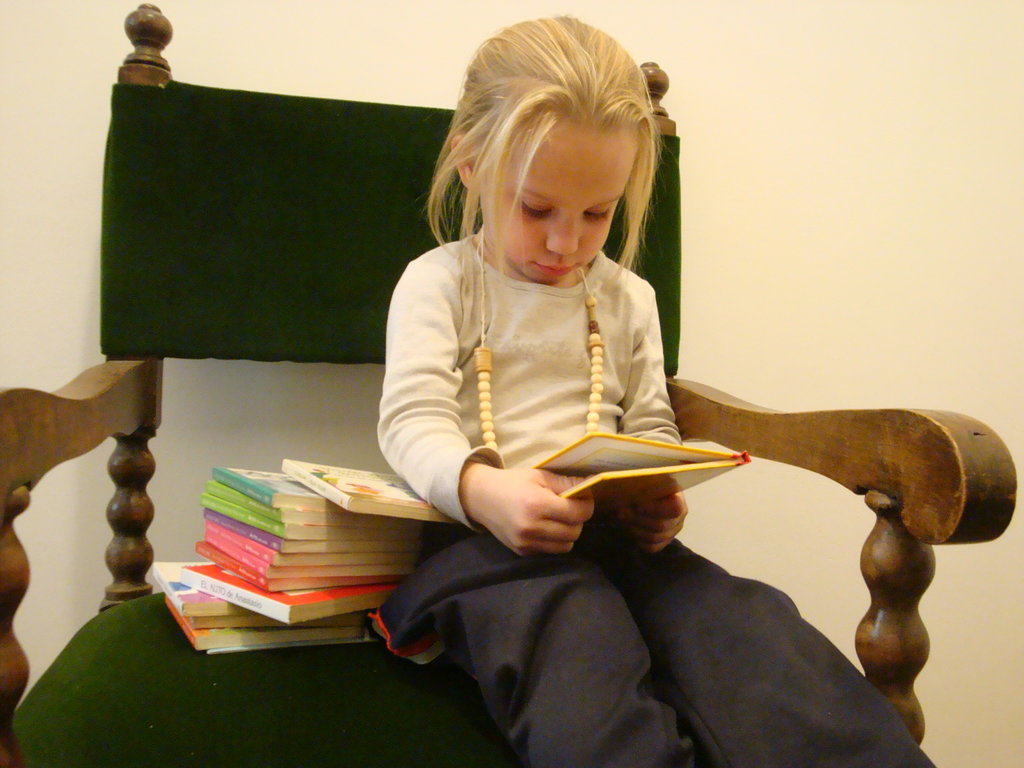
Videolibros.org is being renewed so that more and more deaf children can access children’s stories.
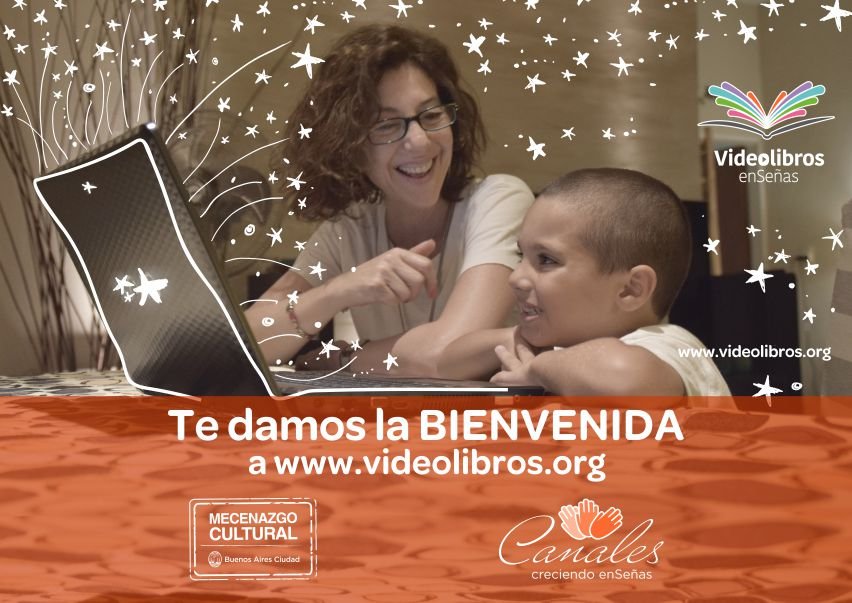
Come and visit us!
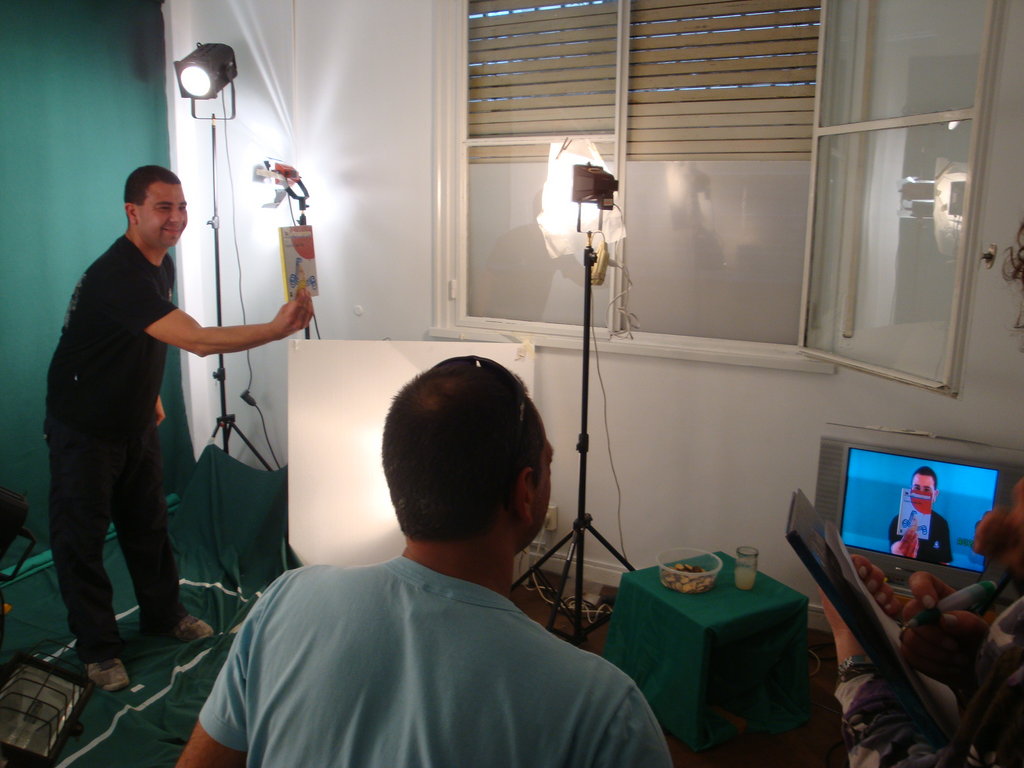
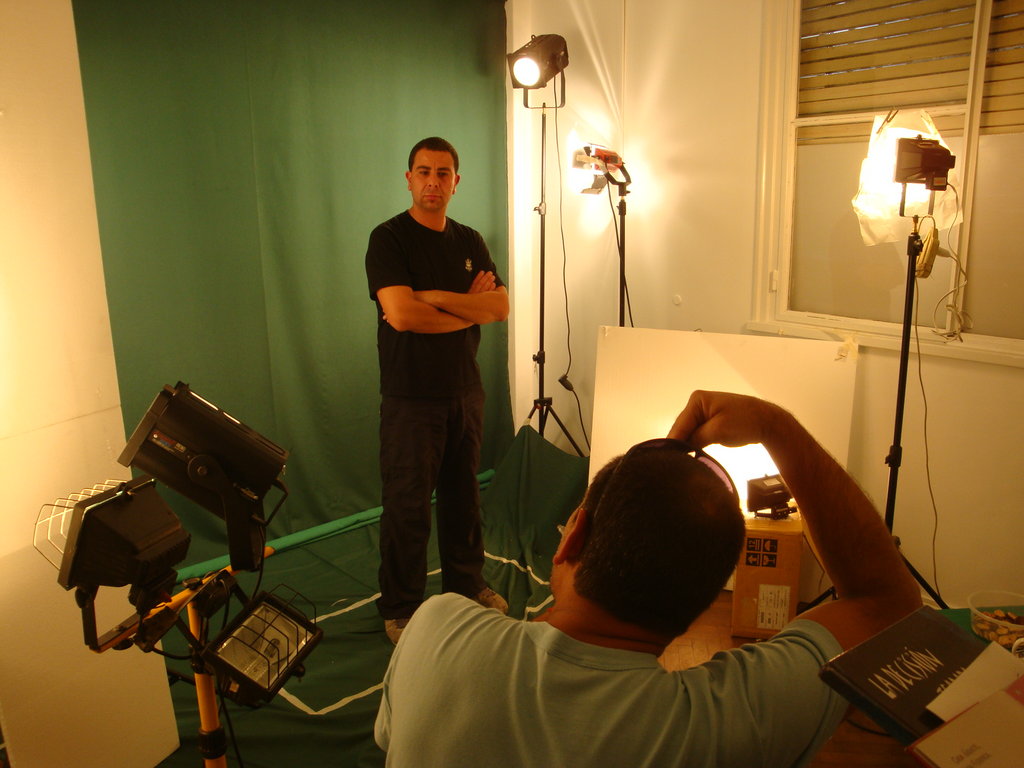
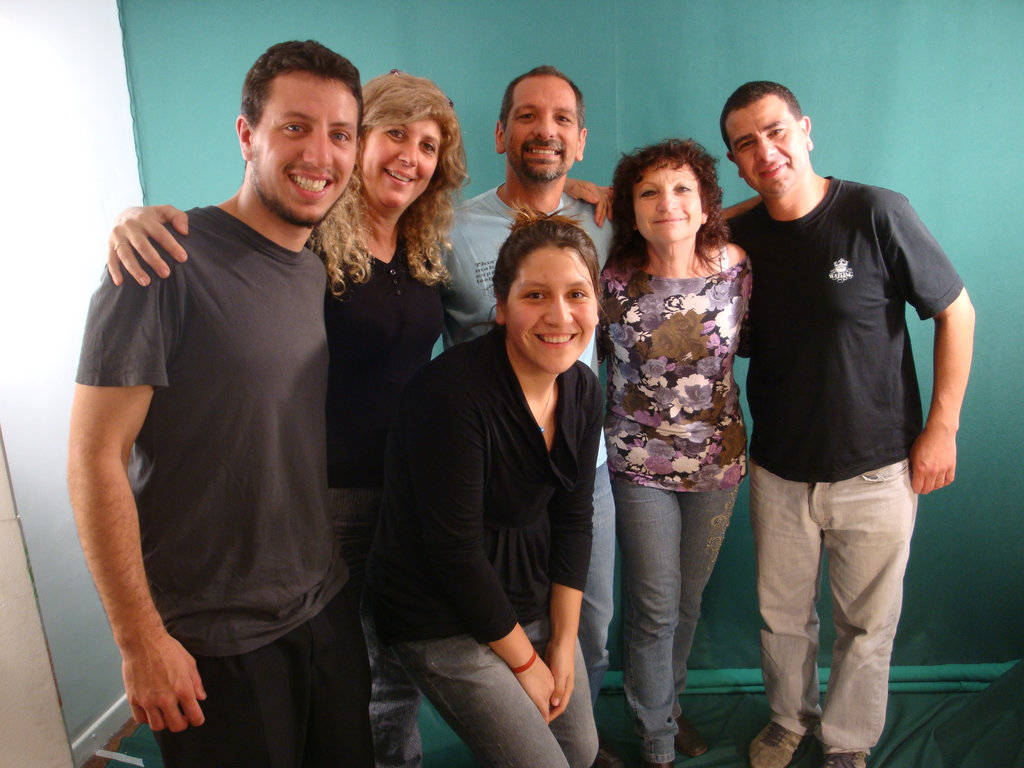
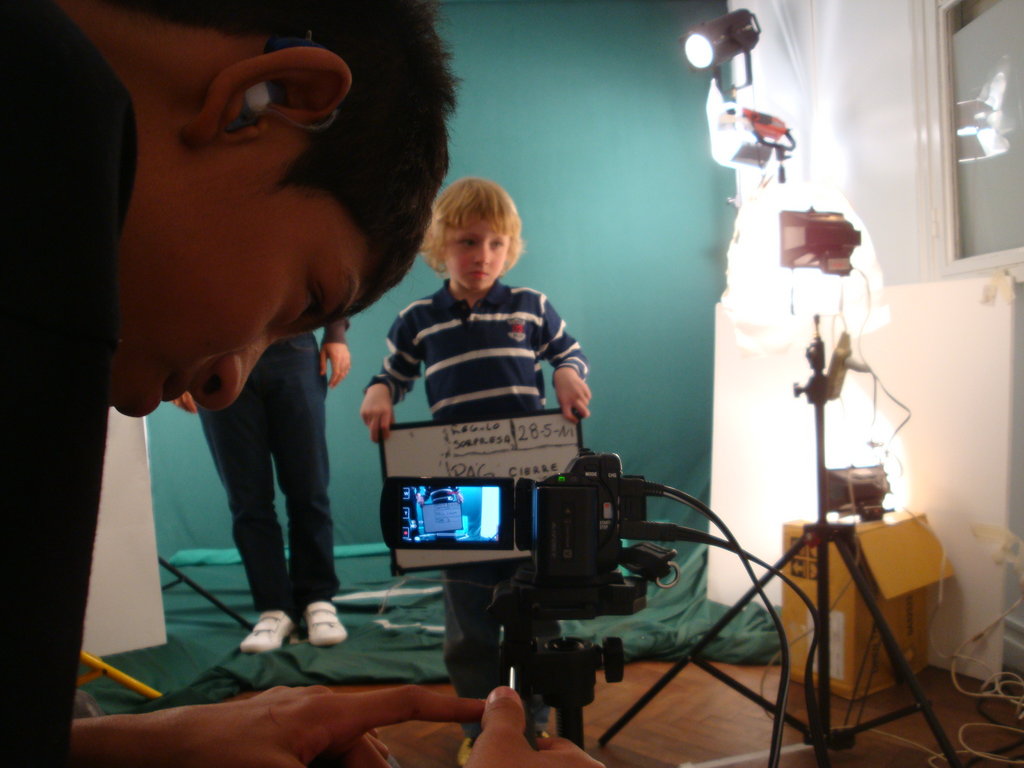
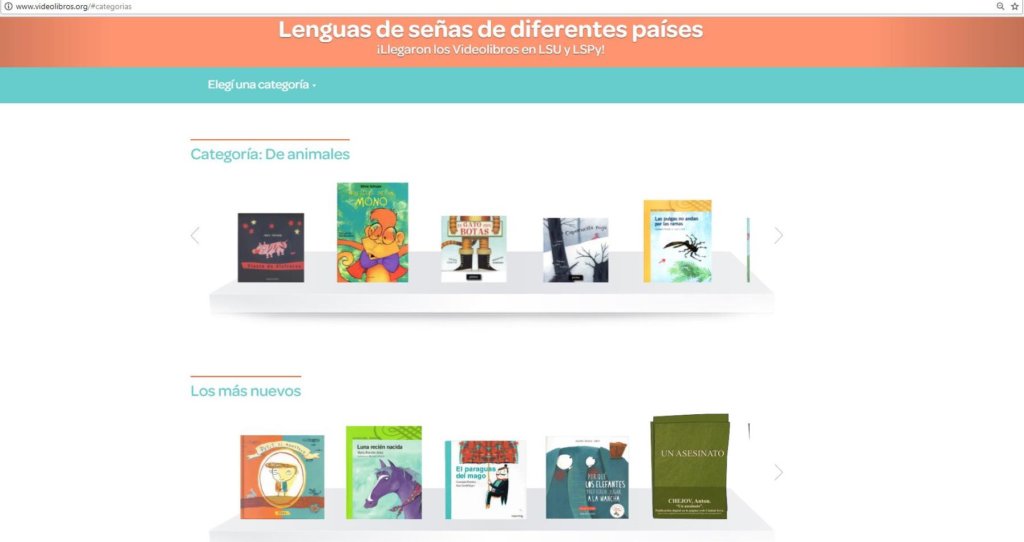
In this new stage, Videobooks seeks to welcome children and youngsters from more countries by including books read in different Sign Languages more titles in Argentine Sign Language and above all, a more personalized experience. These three goals have been achieved by a change of image and the design of a new platform that has been elaborated by the team of deaf and hearing working together in Canales Asociación Civil.
The new webpage is much easier to use and it lets users participate by rating the stories. It includes the possibility for users to select a book through categories in order for readers to concentrate on the topic they prefer, and it also offers some activities that are recommended for children after reading. Access is totally free and open to those registered at www.videolibros.org.
Registered users now can collaborate with the platform as their tastes, opinions and the way they make use of the Videobooks will influence the expansion of the project, which means that they are somehow participating in the future design of this videolibrary. They can also easily share the stories on social networks and invite others to participate.
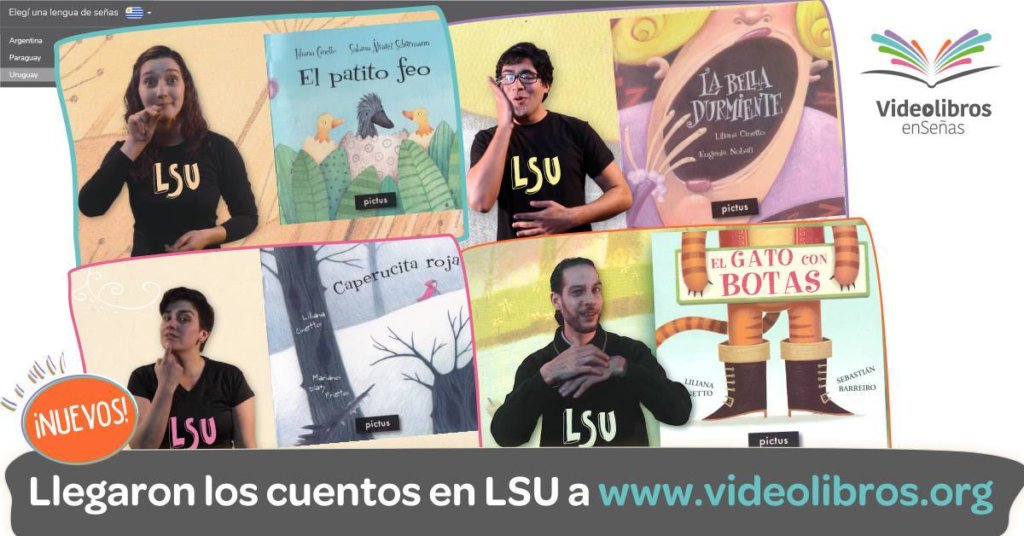
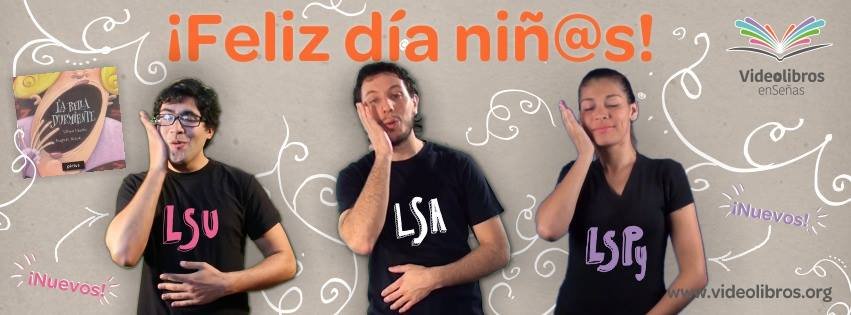
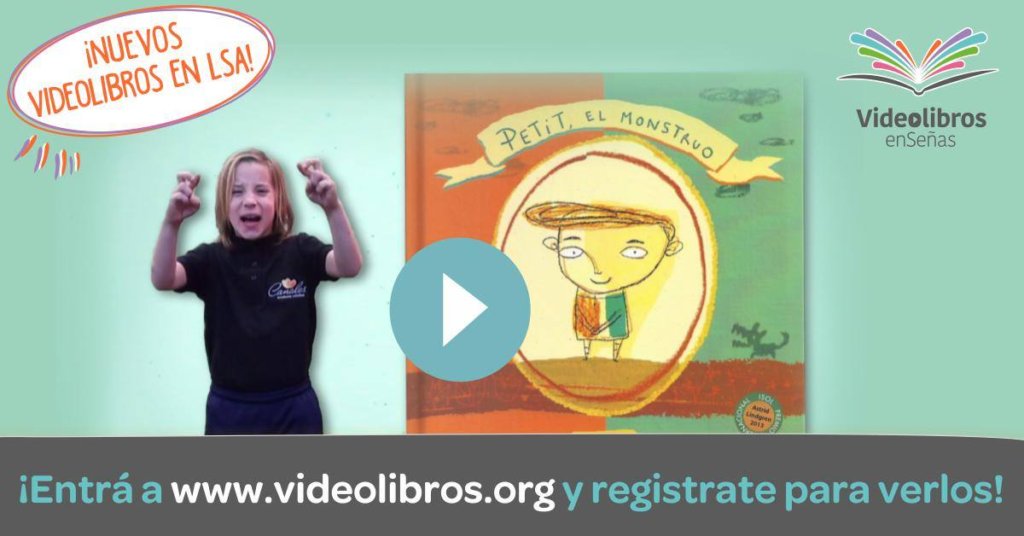
In addition, other Sign Languages have joined the library: 10 books in LSPy (Paraguayan Sign Language) and 4 in LSU (Uruguayan Sign Language) as well as 10 new books in LSA. In this way, deaf children of Paraguay, Uruguay and Argentina will be able to access literature, compare the different sign languages and share the stories with hearing people, since the Videobooks have voice-over in Spanish.
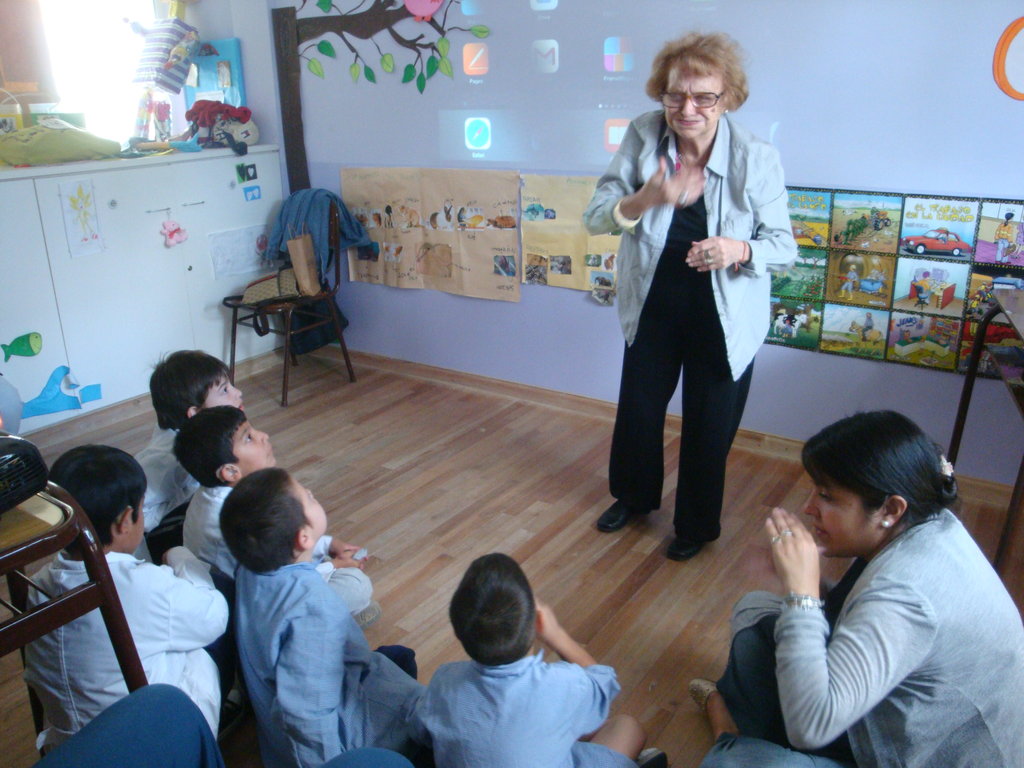
The Videobooks’ project was declared to be of cultural interest by the Government of the City of Buenos Aires (Article 12 - Annex of Decree No. 886/07), acquiring a new impulse that it also made possible to carry out an impact evaluation of the sign language stories in the educational environment, and a communication campaign in Argentina.
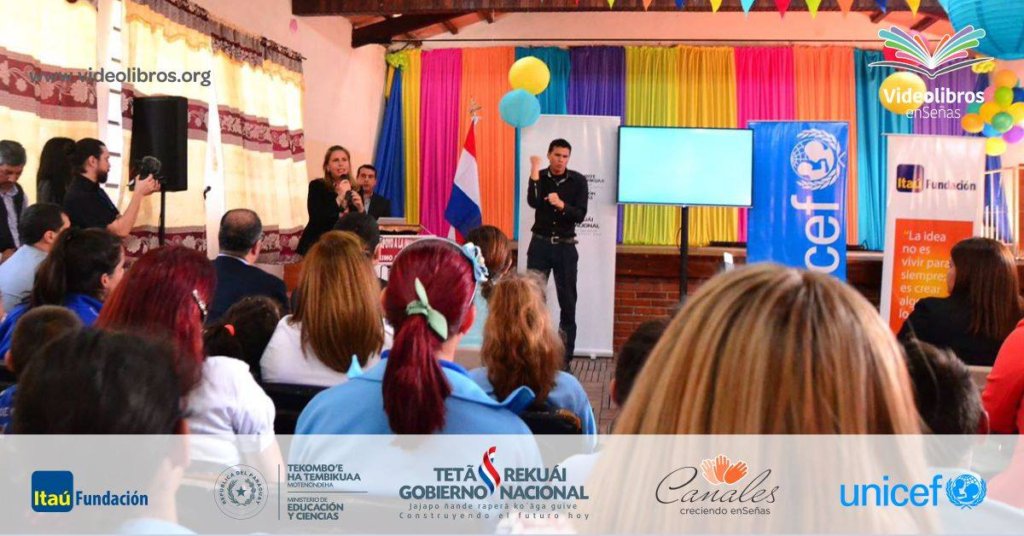
To develop and produce the Videobooks in LSPy, the Videobooks creators worked together with a team of deaf people and interpreters of LSPY- Spanish, well versed in the language and the deaf culture in that country.
In the case of Uruguay, the Canales team also joined a team of deaf and hearing people from that country, who participated in a multi-day training workshop on how to develop accessible materials.
Videobooks plans to continue incorporating books into its videolibrary to fulfill the right of deaf children to access literature in an accessible language.
Why is this project important?
What si Videobooks?
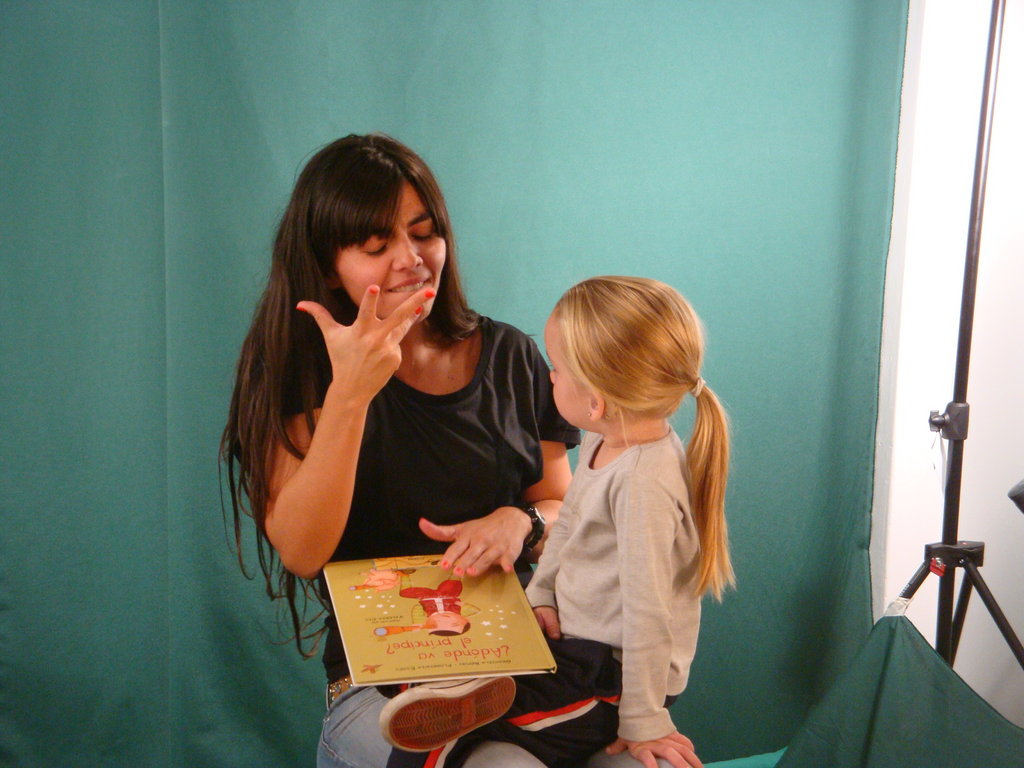
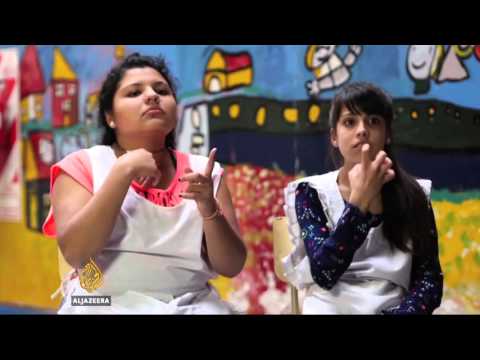
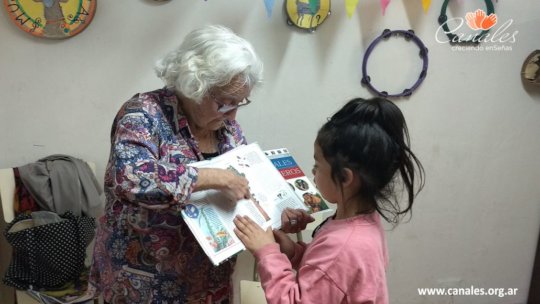
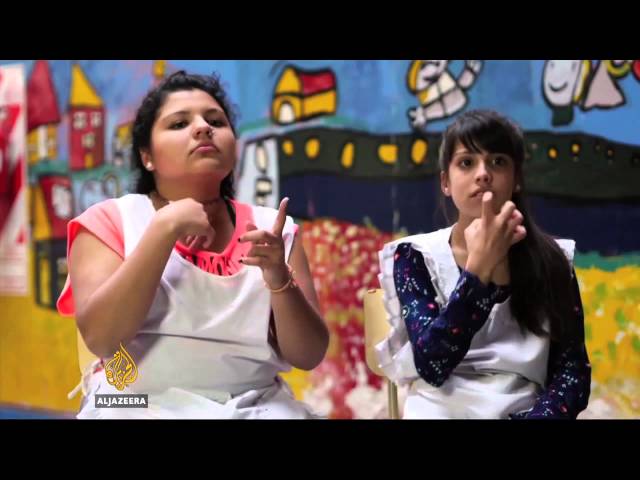
www.videolibros.org is a free and open Internet site where deaf children find books read by deaf people in sign language, their natural language. In this way, children are not excluded from access to literature and from the pleasure of reading. The videobooks have voice-over in Spanish so that we can all share the same readings.
Important figures:
o In Argentina there are approximately 950,000 deaf people of whom
95,000 are under 20 years old (2010 Census).
o In Uruguay there are 25,771 deaf people (according to the 2011 INE Census.)
o Paraguay’s Deaf Center estimates that there are between 30,000 and 70,000 deaf people in the country. The country does not keep official numbers on this.
Links:
Project reports on GlobalGiving are posted directly to globalgiving.org by Project Leaders as they are completed, generally every 3-4 months. To protect the integrity of these documents, GlobalGiving does not alter them; therefore you may find some language or formatting issues.
If you donate to this project or have donated to this project, you can receive an email when this project posts a report. You can also subscribe for reports without donating.