Project Report
| May 21, 2022
Re-enforcing COVID-19 risk communication in Uganda
By Dr. Gorrette Nalwadda | Managing Director
Project summary
Key results
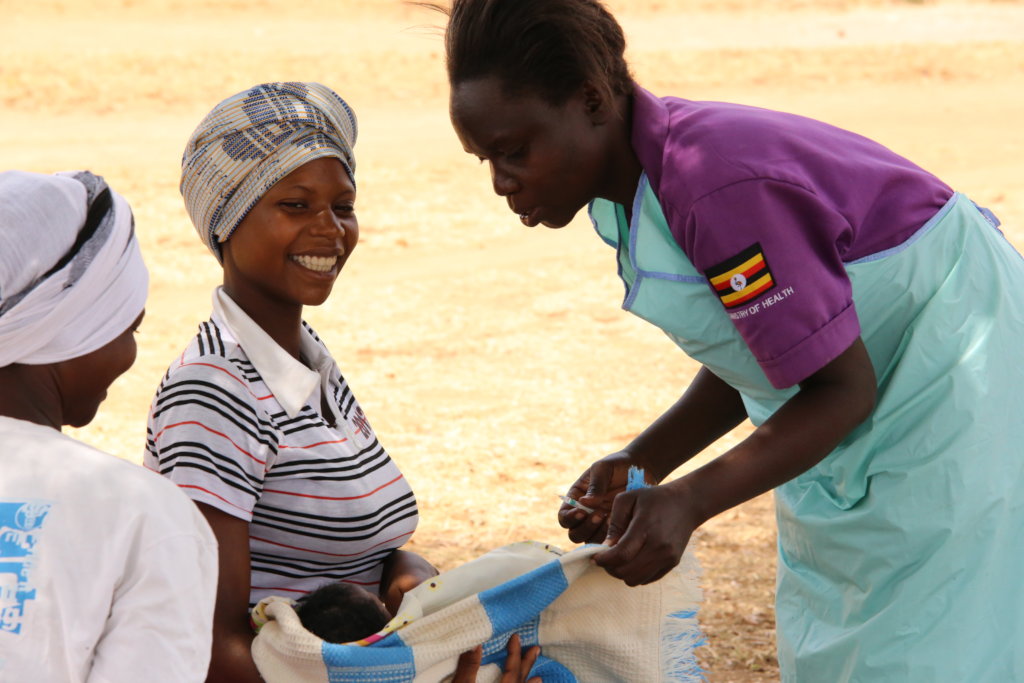
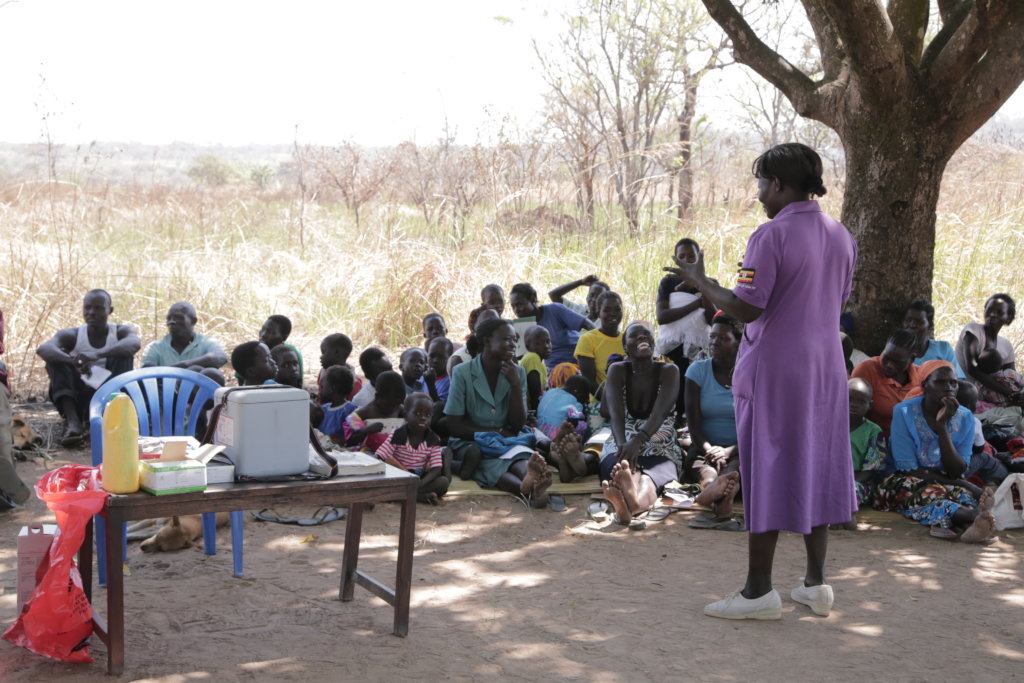
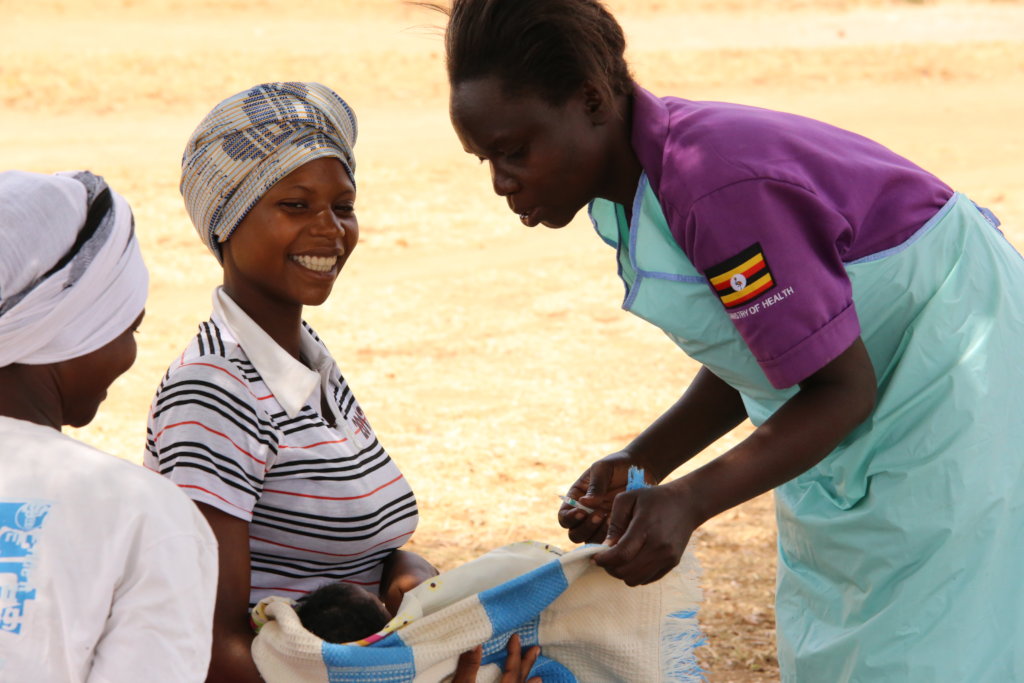
Designed scripts and short video footage for education, communication and research purposes with emphasis on RCCE in rural and urban healthcare settings, including:
1. REINFORCING VACCINE SAFETY COMMUNICATION AND INFORMATION FOR
COVID 19
- The purpose of this video is to demonstrate approaches to improving vaccine safety communications and information flow for COVID 19
2. EMERGING PERCEPTION OF RISK FOR COVID 19
- The purpose of this video is the describe emerging perception of risk for COVID 19 in low income settings
3. REFLECTIONS ON SUSTAINABLE APPROACHES FOR RISK COMMUNICATION FOR HIGHLY INFECTIOUS DISEASES
- The purpose of this video is to illustrate reflections on sustainable strategies for risk communication in low income settings
4. ENHANCING RISK COMMUNICATION AND COMMUNITY ENGAGEMENT DURING HEALTH EMERGENCIES
- The purpose of this video is to describe approaches to enhancing risk communication and community engagement during health emergencies.
The video narratives are voiced over and subtitled in English. We work as a team of public health specialists, policymakers, medical practitioners, ethnographers, graphic designers, Information communication technology and videographers. The videos are available at https://www.youtube.com/playlist?list=PLNQ8nJxkp2CwKq8HZCeOxJCsSOyaap73M
Implications
- Vaccine safety communication could empower people to make evidence informed choices about COVID 19 vaccination.
- Negative claims are inevitable, but the level and scale of response should factor inresources and opportunity cost and potential impact of the claim.
- Maintaining credibility transparency and honesty will provide the best results for vaccine communication safety and information flow in the long run.
- Risk perception is a crucial driver of behaviors, and there is growing evidence that people’s risk perception of COVID-19 infection is declining. Mitigation of COVID-19 risks requires that COVID-19 vaccines are made available and widely accepted.
- Highly infectious disease risk patterns like COVID-19 evolve, this calls for a new risk communication strategies to manage both the uncertainty and the long-term risks.
- Effective risk communication and community engagement approaches have the potential to eliminate outbreaks, lead to increased trust, social cohesion and reduction of negative impacts
Next steps
Continue with next round of croud funding to secure resources to:
- Finalize the web portal to make available video, for non-restricted use
- Utilize the videos to strengthen capacity of mid-level health care providers (HCP) to provide quality lifesaving services and information; These videos will be used to expand people-centred and community-led approaches e.g. home based care, mobile van service to increase trust and social cohesion, and ultimately contribute to COVID-19 vaccine safety communication and infomation flow.
- Engage policy makers in the development and utilization of short videos for face-face or remote training, and community engagement and for sound development of policies and programs. Expert validation meeting will be conducted to provide practical views on how RCCE can be improved.
- Build public-private institutional capacity partnership for implementation research, interdisciplinary exchange, and knowledge translation.
Links:
![Share on Twitter]()
![Share on Facebook]()