By Dr. Gorrette Nalwadda | Managing Director
Project summary
Developed a detailed protocol/proposal on "Re-enforcing COVID-19 risk communication on rural and urban health care settings in Uganda" and submited to the Ethics committe and MOH
Background: There is an unprecedented need to elevate the role risk communication and community engagement (RCCE) plays in breaking the chains of transmission and mitigating the impact of the pandemic. Healthcare systems are experiencing
unprecedented challenges in delivering care.
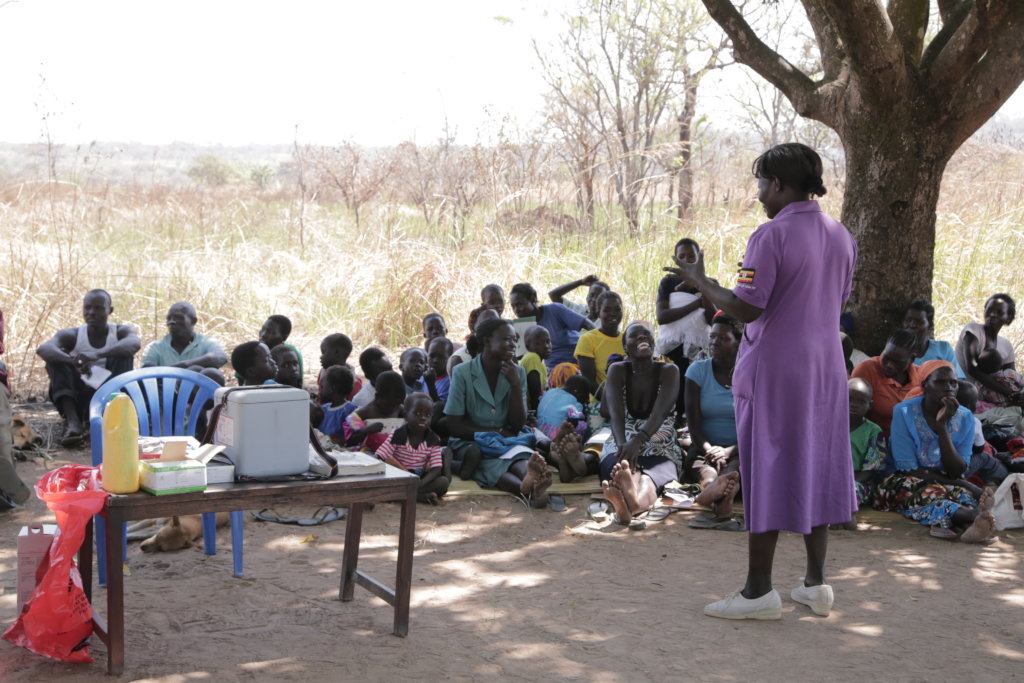
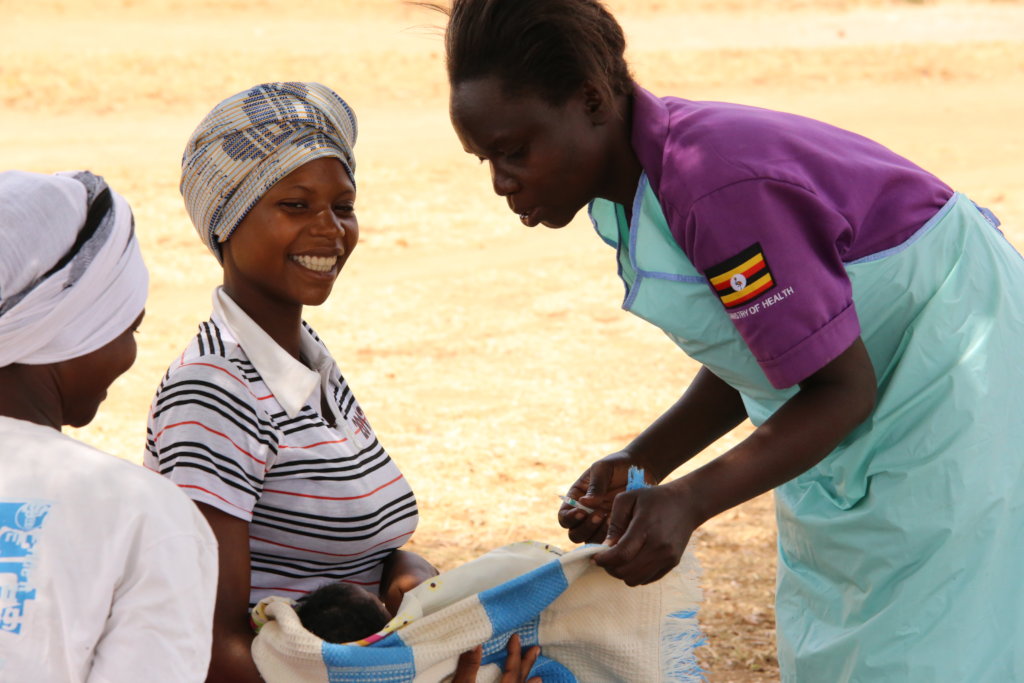
The detailed objectives of the project specifically include:1) Design short video footage for education, communication and research purposes with emphasis on RCCE in rural and urban healthcare settings, based on video footage previously collected in 10 facilities in four districts of Uganda; 2) Design and develop a web portal to make available video, for non-restricted use 3)Strengthen capacity of mid-level health care providers (HCP) to provide quality lifesaving services and information; 4) Engage policy makers in the development and utilization of short videos for face-face or remote training, and community engagement and for sound development of policies and programs. 5) Build public-private institutional capacity partnership for implementation research, interdisciplinary exchange, and knowledge translation.
The video footage, field notes, and photographs are further analyzed, formatted into short formats for education, communication, advocacy and research. We have designing the scripts and drafting videos is ongoing. These videos once completed will be used to expand people-centred and community-led approaches e.g. door-door visits, home based care, mobile van service to increase trust and social cohesion, and ultimately contribute to a reduction in the negative impacts of COVID-19.
We have also drafted a web portal to disseminate easy to understand integrated health response 3-5 minute short videos for face-face/on-line learning, social/broadcast media to facilitate risk mitigation, prevention, psychosocial support & tele-therapy. To address information crisis, topics focussing on risk target women, caregivers, frontline health care providers & elderly not reached with information. The fast videos in this project will be posted on the portal for global health use and timeliness of the research uptake into policy and practice. We work as a team of public health specialists, policymakers, medical practitioners, ethnographers, graphic
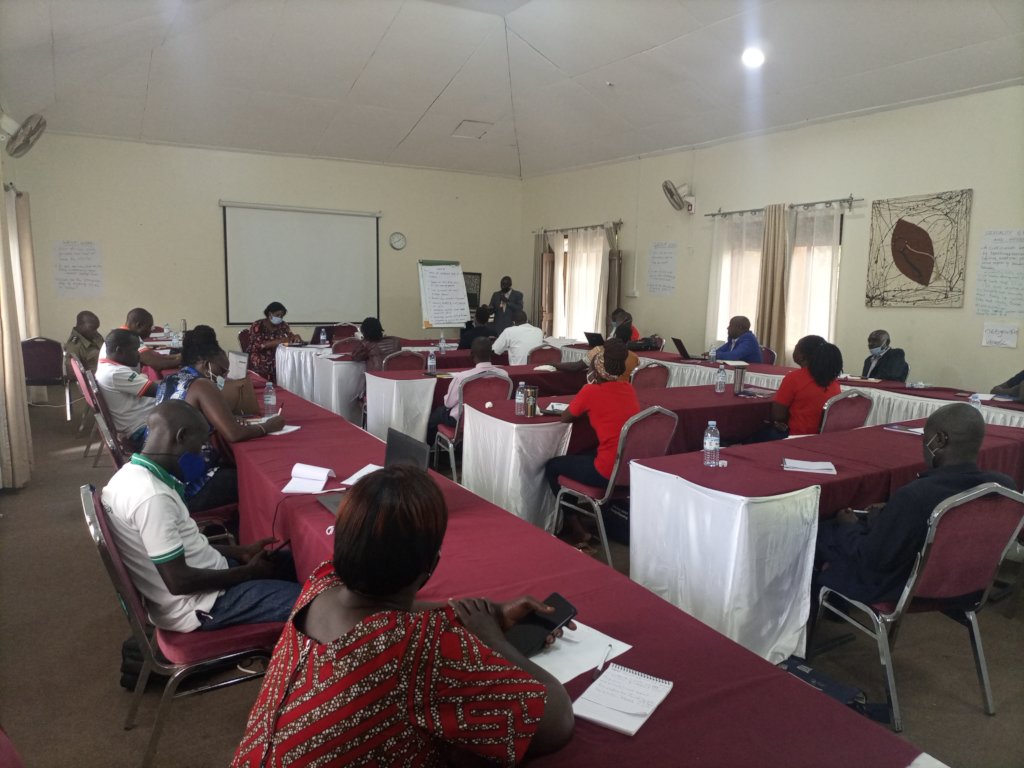
designers, Information communication technology and videographers. Work artefacts have been photographed or copied to strengthen the COVID-19 component. Expert validation meeting will be conducted to provide practical views on how RCCE can be improved.Validation meeting with stakeholders from different line ministries and institutions, implementing partners, district health teams, civil society, private sector, development partners will be done to integrate the to enrich the materials with voices of the different actors.
Our approach leverages technology and digital solution to improve skilling of the community and health work force teams. Qualitative literature review and informant interviews with multi stakeholders will be conducted remotely. The entire project is expected to take roughly 12 months. Qualitative data will be analyzed using content analysis.
Implication: Our approach harness use of technology to protect healthcare providers on the front lines in delivering lifesaving patients care and information. Videos increase value and quality of in- and out of class experience, is more engaging to reinforce the ability of HCPs to collaborate/interact directly with communities enable instructors to record and store content, ensures better use of scarce resources.
Links:
Project reports on GlobalGiving are posted directly to globalgiving.org by Project Leaders as they are completed, generally every 3-4 months. To protect the integrity of these documents, GlobalGiving does not alter them; therefore you may find some language or formatting issues.
If you donate to this project or have donated to this project, you can receive an email when this project posts a report. You can also subscribe for reports without donating.