Project Report
| Nov 5, 2012
November Update
![Solid Works stress analysis on prototype design]()
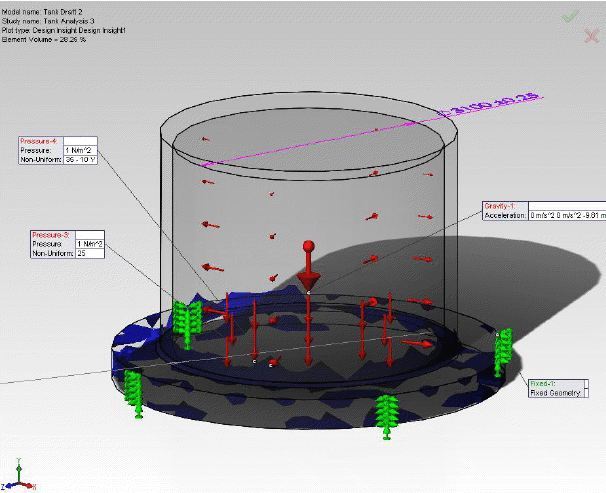
Solid Works stress analysis on prototype design
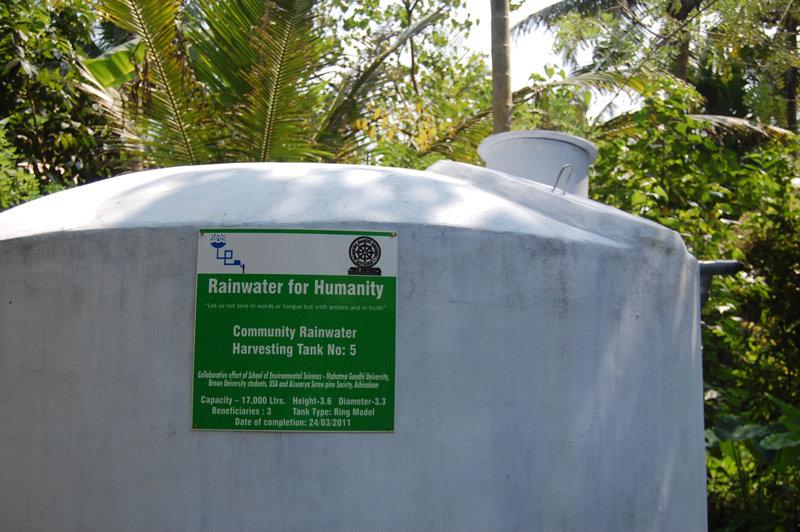
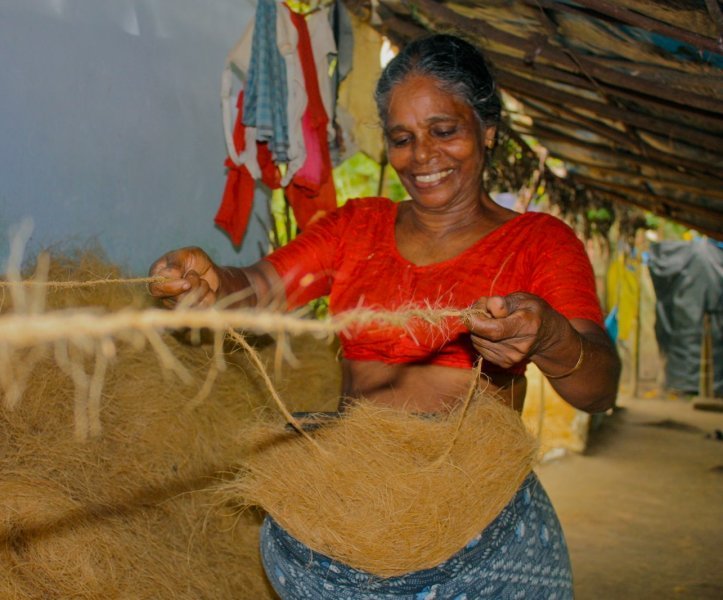
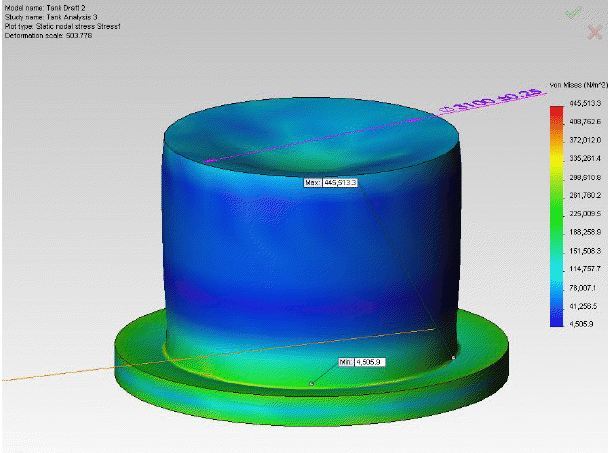
One of our student members conducted research with Brown University about the viability of alternative tank construction materials over the summer. The results were great news for R4H -- incorporating coconut fiber into the cement mixture used in our rainwater harvesting tanks has been shown to be just as strong as the traditional mixture, but with a 40% projected material cost savings! Additionally, the coconut fiber is sourced locally, and as a result is more environmentally friendly than other possible materials.
This cost savings is crucial in expanding Rainwater for Humanity under an economically sustainable model. We are excited to be in the prototyping process; currently construction is moving forward on our first coconut fiber cement mixture tank!
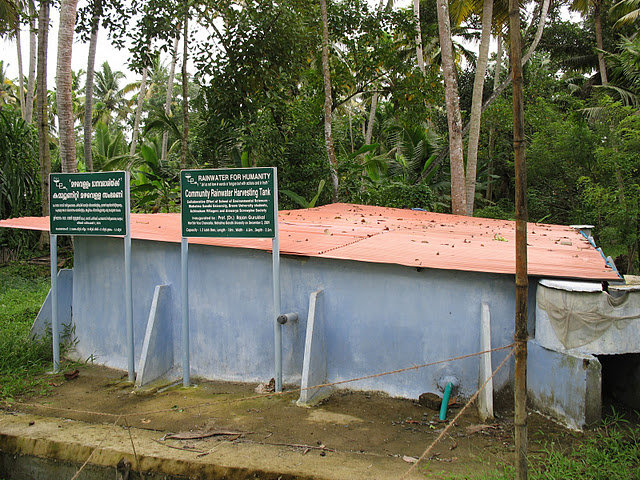
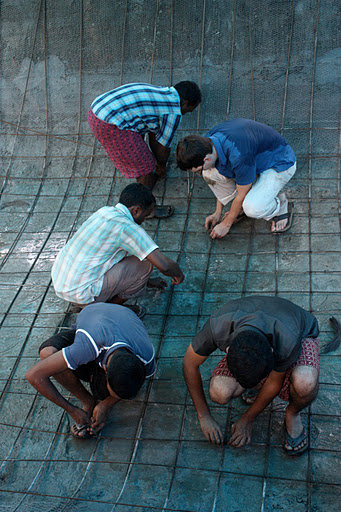
In an attempt to match soil conditions and familiarize Thankachen, the local mason, with the new coconut fiber cement mixture, Rainwater for Humanity will construct the prototype tank on site in Achinakom. We are pleased to have hired Ms. Arathi Babu, a local engineer, to aid with the prototyping process and to assess and document the progress of the prototype tank. Construction of the tank will be monitored closely to document any cracking, dilation, or larger structural issues. Furthermore, water quality tests will be conducted through the rainy seasons, to monitor any possible leaching effects.
With this prototyping process underway in India, the Brown University team has begun formulating a business plan that leverages the new cost-effective coconut fiber cement mixture in our tank design to scale Rainwater for Humanity’s reach in Kuttanad.
![Solid Works stress analysis on prototype design]()
Solid Works stress analysis on prototype design
![Share on Twitter]()
![Share on Facebook]()