By Deborah Torrington | Marketing Manager
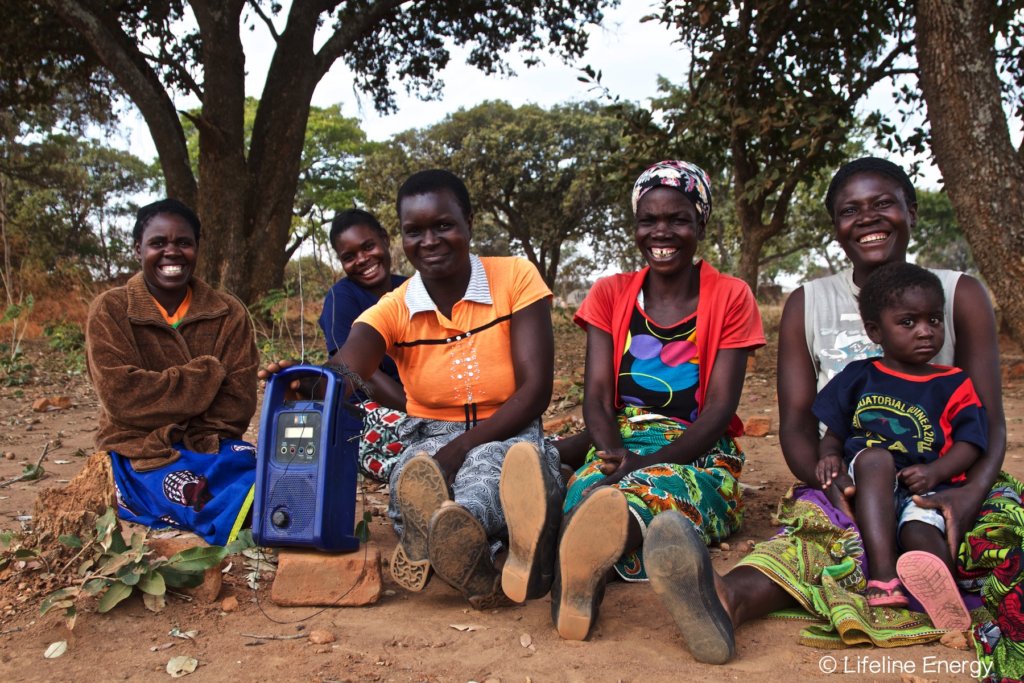
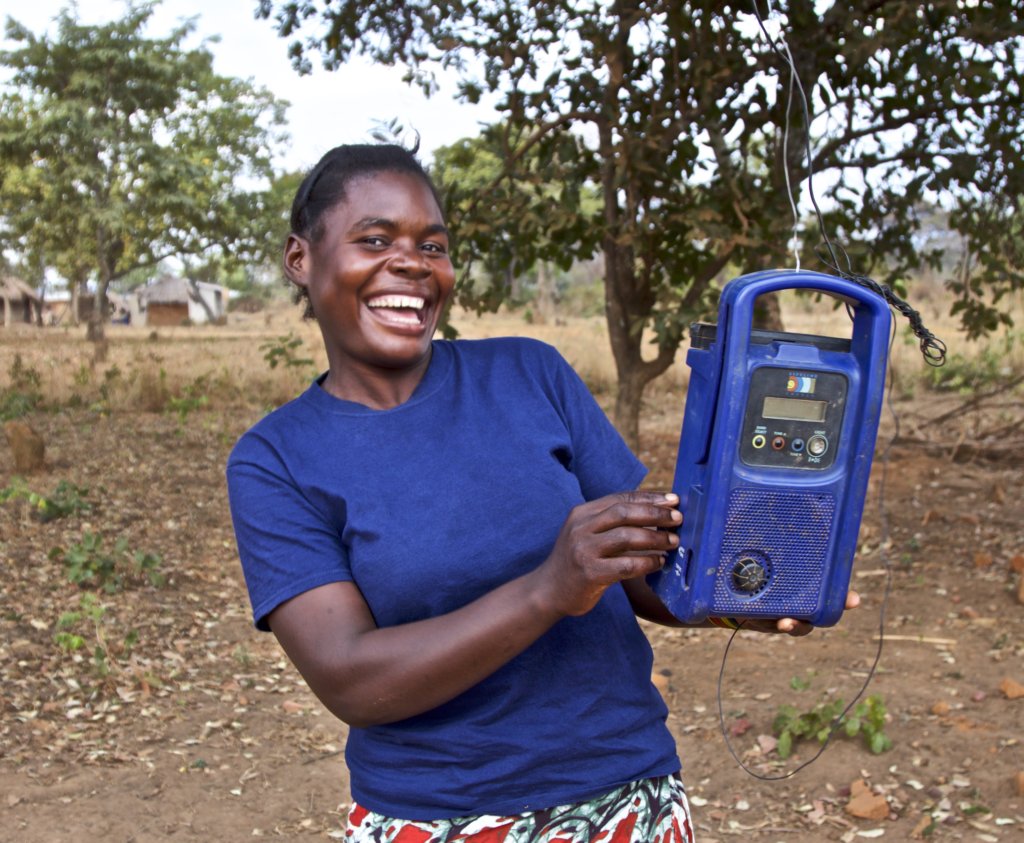
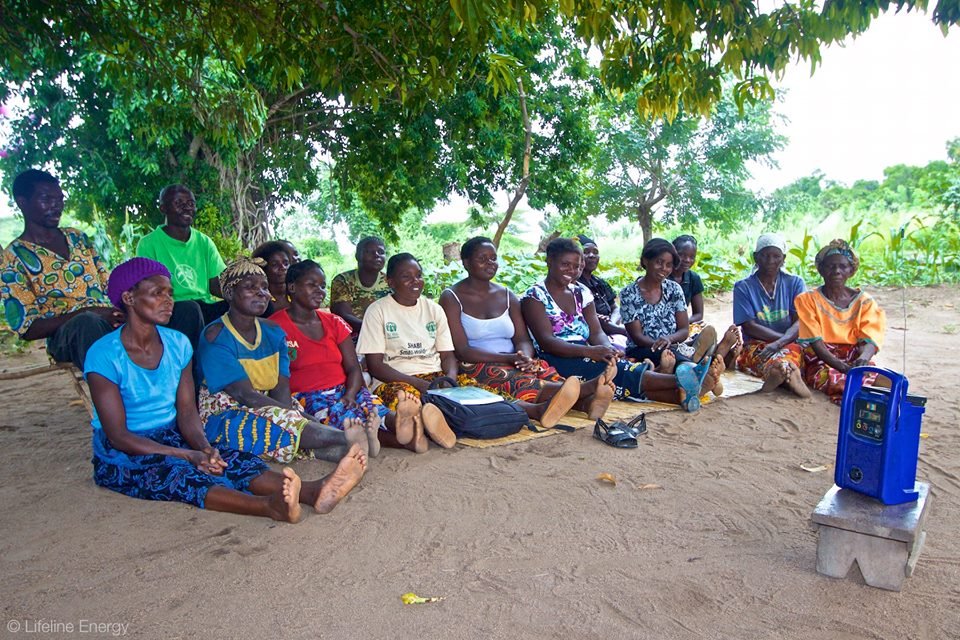
Last week we again met our Zambian partner Community Markets for Conservation (COMACO), and a number of farming listening groups. COMACO’s local popular radio program, Farm Talk, forms an integral part of educating farmers to farm sustainably and conserve the precious environment in which they live. These farmers, who are mostly women, have used our radios for more than three years. We were delighted to see how important the radios are to the listening groups, which average 70% women. It’s not only hearing the radio programmes that the groups enjoy; it is also the way they’re able to listen together and discuss what they have heard. Only about 10% of the farmers we met had a radio at home and maybe 20% owned a mobile phone. Some had radio capability on their mobile phones, but all farmers wanted to listen as a group and not on their own.
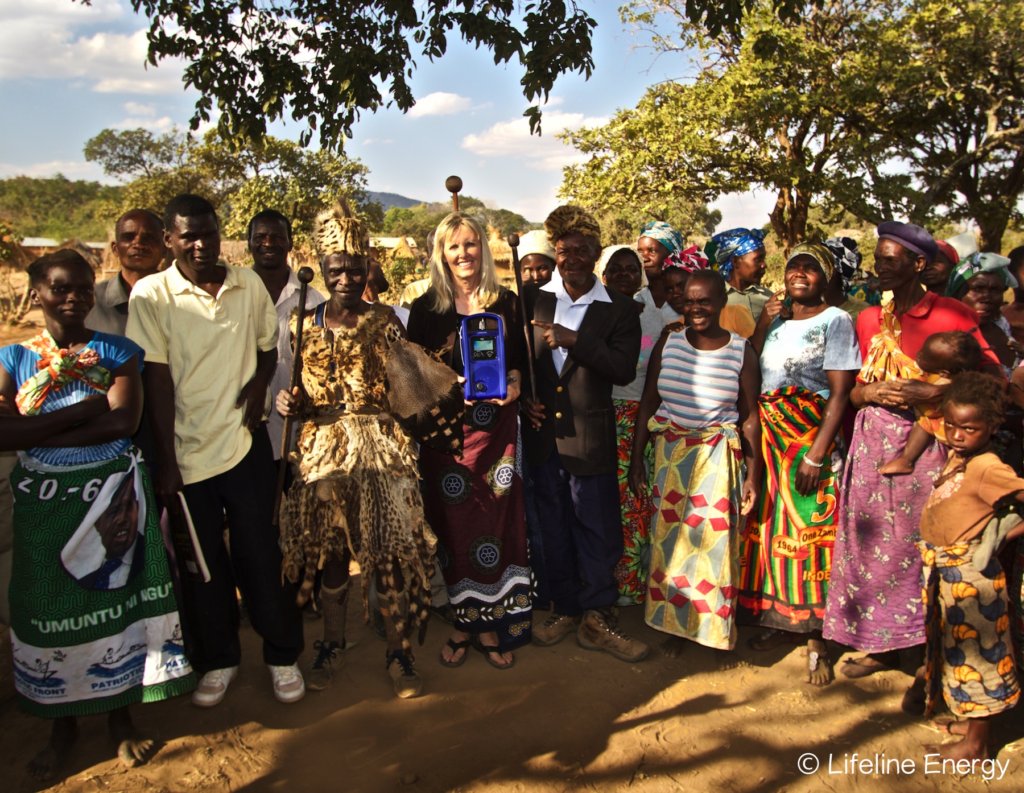
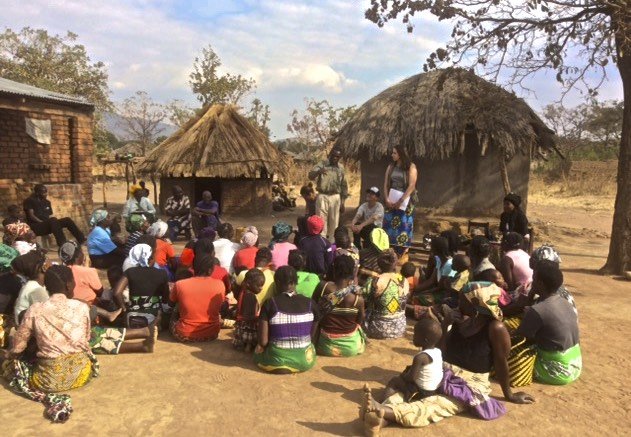
In one village, not far from the border with Malawi, it seemed as though the entire village turned out to meet us, including the village headman in his traditional dress!
We timed this visit around our American University of Paris intern and project coordinator, Elyse, who has been seconded to COMACO for a few months. She’s now with COMACO on a variety of assignments, including gathering and editing radio content, to develop an executive education program for lead farmers. Elyse is thoroughly enjoying working with the COMACO team and says, “I’m so impressed with both Zambia and COMACO. The farmers I have talked to all testify to how COMACO has changed their lives. A women’s group even created a dance about them. There is much spirit here! I’m proud to be a part of the Lifeline Energy-COMACO collaboration because together they are touching the lives of hundreds of thousands of people through information.”
Each time we visit Zambia, and spend time talking with rural women, we come away doubly inspired to support more listening groups. The majority of farmers are women and the Eastern Province of Zambia has the country’s highest illiteracy for women, along with the highest rate of teen pregnancy. Providing learning opportunities to listen to farming programs to help increase yields and thus incomes, reduce use of pesticides, conserve wildlife and their fragile environment makes the most enormous difference in the lives of these women. Your support helps us continue our work.
Project reports on GlobalGiving are posted directly to globalgiving.org by Project Leaders as they are completed, generally every 3-4 months. To protect the integrity of these documents, GlobalGiving does not alter them; therefore you may find some language or formatting issues.
If you donate to this project or have donated to this project, you can receive an email when this project posts a report. You can also subscribe for reports without donating.