


GlobalGiving homepage  Donate to Projects  magnifying glass
Find a vetted, verified project that you want to make a donation to:
Top Themes
Education
Gender Equality
Racial Justice
Climate Action
Food Security
Physical Health
Top Locations
United States
India
Kenya
Nepal
Pakistan
Mexico
Top Funded Projects
Newest Projects
Projects Closest to Goal
Staff Favorites
Most Effective
Site Visit Verified
Top Ranked Projects
Browse All Projects
Disaster Response Projects

Ways to Give Donate in Honor Redeem a Gift Card Project of the Month Club
My Dashboard
About Nonprofits Companies Disasters Blog Gift CardGifts Cards Apply to Join
giving cart Loading...
magnifying glass Donate to ProjectsAboutNonprofitsCompaniesDisastersBlogGift CardGifts
 Climate Action  Zambia Project #23299

Farm Talk Radio Educates Farmers in Zambia

by Lifeline Energy Vetted since 2008
Farm Talk Radio Educates Farmers in Zambia
Story
Reports
Photos Share

Project Report | Feb 25, 2020
From Farm Talk Radio to Peanut Butter in Stores

By Kristine Pearson | CEO and Project Leader for Farm Talk

COMACO Farm Talk Farmer Cooperative

We realised that one of the things we’ve spoken little about when it comes to Farm Talk and our radios is how farmers are growing crops not just for themselves and their families, but also for commercial sale. Using the principles of sustainable agriculture, farmers produce a surplus to sell for profit. We’d like to share with you how the COMACO process works.

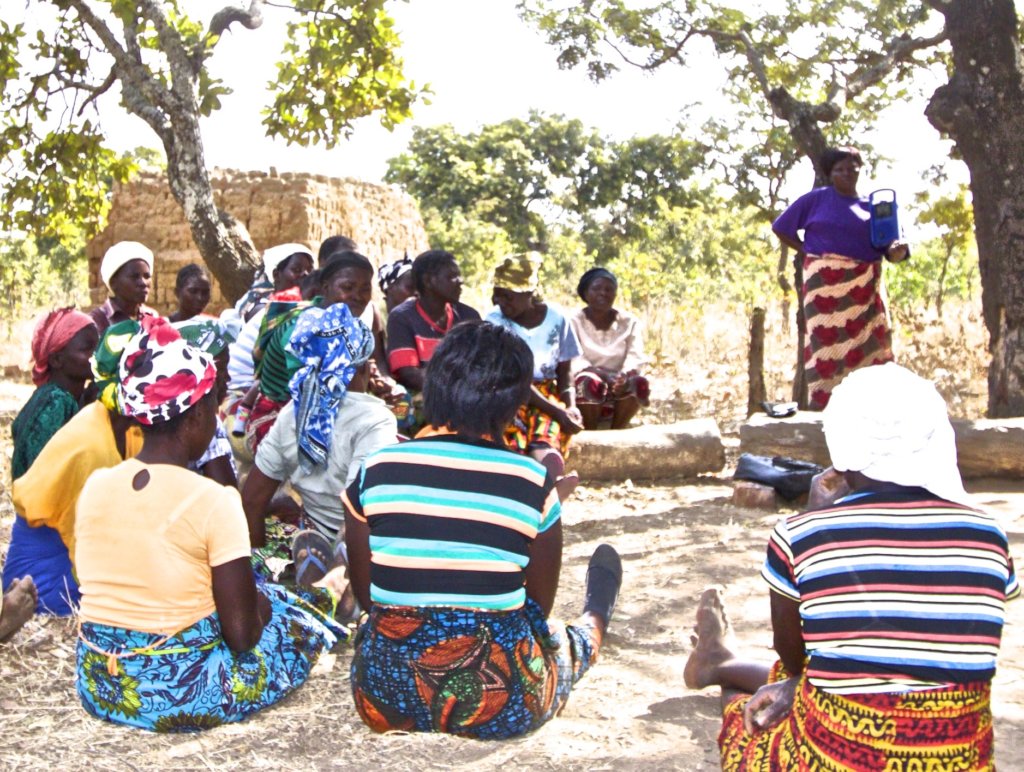
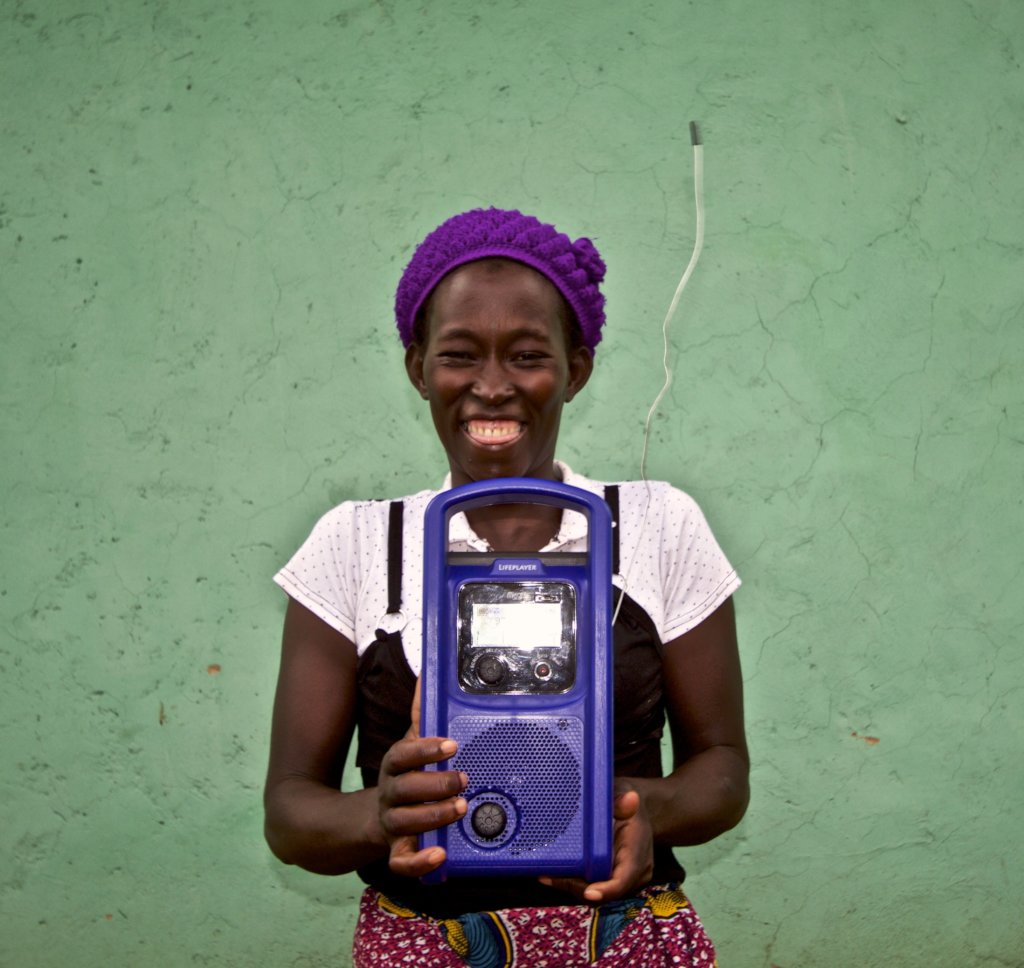
Farmers cooperatives all across the Luangwa Valley in Eastern Zambia listen to Farm Talk on our Prime radios or Lifeplayer MP3s.  They learn how to grow various crops using conservation farming methods.  The collectives sell their pesticide-free crops at a premium price, such as peanuts to COMACO buyers, for example.

The peanuts, or ground nuts as they are called locally, are taken in large bags to the peanut butter processing located behind COMACO offices in Chipata (known as Fort Jameson during British colonial times).  COMACO’s peanut processing plant is the largest in Zambia. 

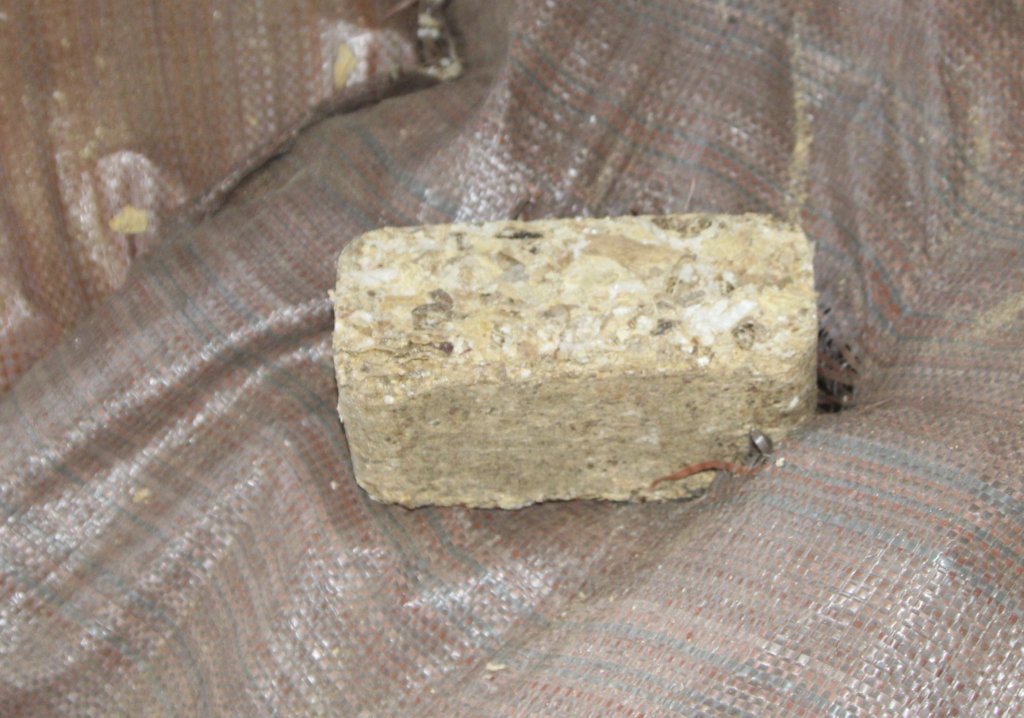
The peanuts are then sorted and shelled by groups of women, who also listen to our Prime radio while working.  The shells are then pressed into briquettes which are used for cooking by a pressing machine.  The briquettes are then sold to locals. This helps to curb deforestation. Zambia has one of the world’s highest rates of deforestation. 

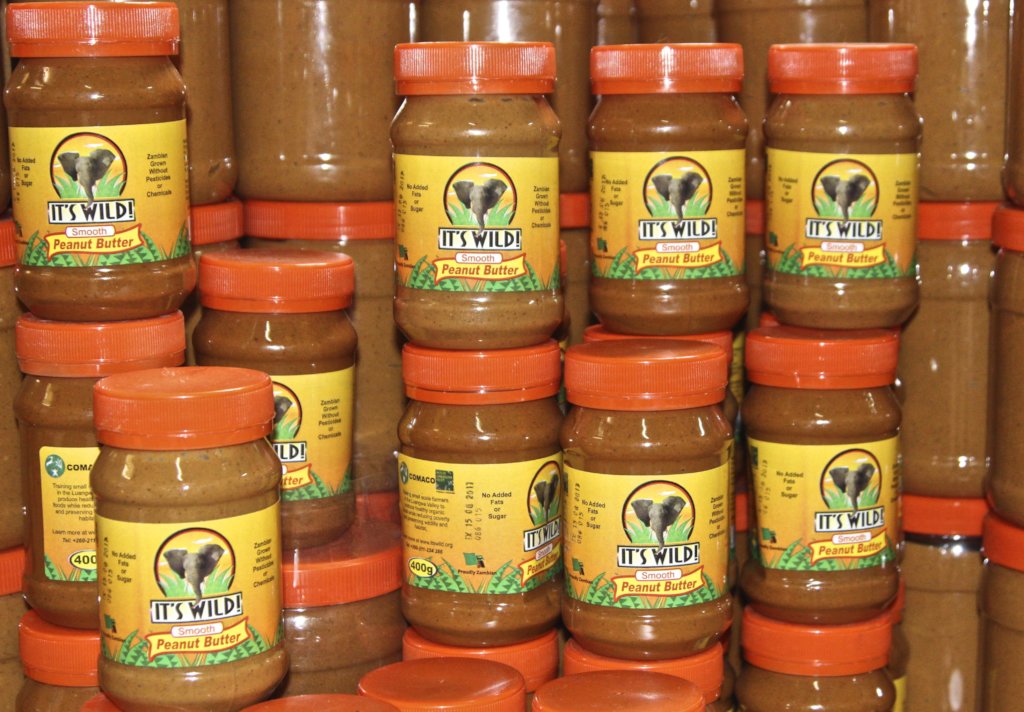
The peanuts are then processed in sanitary conditions into delicious, organic peanut butter free of colourants and preservative and put into jars for sale across Zambia under the It’s Wild brand.  It’s Wild premium peanut butter is then sold in major grocery stores across Zambia.  Given its superb quality, export markets are opening up as well. COMACO produces thousands of jars per month.

CEO and founder, Dr Dale Lewis, said that the COMACO business model unlocks the potential of small-scale farmers.  “The model is workable for both skilled and unskilled farmers. Farmers are exposed to lessons about preserving soils, forest and growing the right crops.”  This approach enables farmers to increase yields to sell any excess for a profit.

 ifeline Energy has been working with COMACO for nearly 10 years to provide access to vital farming information on the weekly Farm Talk programme.  You can be rest assured that your donation to this great project pays dividends in many ways. We’re immensely grateful for your continued support.

Brick made from peanut shells
It's Wild Peanut Butter Jars
Share on Twitter Share on Facebook
 
Permalink

Nov 27, 2019
COMACO and Fram Talk developing women in innovative ways

By Karen Vollaire | Communications manager

COMACO woman farmer and radio cooperative leader

One of the many reasons we love working with COMACO is their commitment to developing women – as farmers, but also as cooperative leaders. Today, slightly more than half of all farmer cooperatives in the COMACO network are women. Given the strong patriarchy that exists in Eastern Zambia, this would have been unthinkable even ten years ago.

COMACO field staff learned early on that when women are included in farmer trainings, those households do better. Cooperative leaders are also listener group leaders who use our Prime radios and Lifeplayer MP3 units. This means that women receive equal access to the same conservation farming practices that men receive through weekly Farm Talk broadcasts. And now, half of the listener group leaders, who facilitate discussions amongst cooperative leader are women.

The Eastern Province and in the Luangwa Valley have been plagued by food shortages and high rates of malnutrition amongst among women and children for decades. Numerous studies prove that malnourishment not only stunts growth, but also limits brain development, school performance and decreases earning potential later in life.

Women weren’t getting enough of the right foods and as a result, children were stunted. According to the National Food and Nutrition Commission, up to 40% of children in the Eastern Province were stunted. These were some of the highest rates in Africa.

How COMACO addressed malnutrition Initially, COMACO staff provided vegetable seeds to women in cooperatives and held small trainings in organic gardening. In no time, women were growing a variety of foods that greatly increased the nutrition of their households and enabled them to sell the surplus. As women began to contribute substantial income to their households, they started taking on more responsibility for larger crops as well.

In addition, COMACO’s energy-efficient cookstoves, with fuel harvested from the fast growing Gliricidia trees that are central to conservation farming. This greatly reduced the burden on women who used to walk hours to collect firewood each day.

Further, COMACO is now running 182 village women’s savings and loans groups teaching small-business skills and supporting women in their entrepreneurial ventures. And to help them, business content is loaded onto our Lifeplayer MP3 units enabling women to listen when convenient for them. As a result of these integrated efforts, the women and children of COMACO families are half as likely to be underweight than their non-COMACO neighbours.

Please help us to continue to support COMACO’s amazing efforts for women and children – at scale – in Eastern Zambia. COMACO is expanding and our Lifeplayer units and Prime radios are needed as much as ever!

Share on Twitter Share on Facebook
 
Permalink

Aug 30, 2019
An Interim Report

By Karen Vollaire | Communications Manager

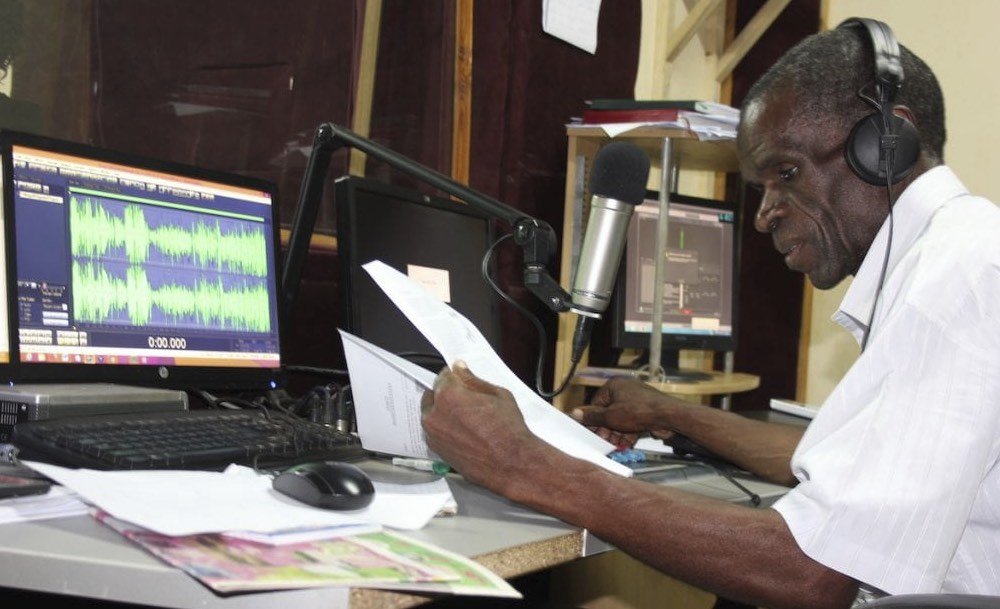
Filius Jere producer and broadcaster of Farm Talk

Dear supporters, 

We'd like to share with you a story about conservation, Farm Talk and our radios written by COMACO. 

COMACO’s Farm Talk gives conservation a boost

Broadcast three times a week from three different radio stations in local languages every month of the year, COMACO Farm Talk reaches families across much of Luangwa Valley.  Small-scale farmers share stories about how they are learning to care for the land and the resources they live with.  

Through the radio and reaching over 800,000 people, they explain how farming with a special tree called glircida increases yields without expensive chemicals or the need to clear forests in search of fertile soils.  They describe a special stove that requires only twigs for cooking, saving trees and protecting mothers and children from inhaling toxic smoke.  

Others explain how raising bees are earning them extra money and others talk about wild mushrooms that are giving them new market opportunities through COMACO. Again, and again, their message is clear: nature is the solution if we can only learn to live with it, and above all, not destroy it.

COMACO is rich with stories about people who believe in conservation, and Farm Talk gives them the chance to share their knowledge. Our own Filius Jere pioneered COMACO Farm Talk to build this discussion over the airwaves.  With a small team of dedicated radio producers, Filius has helped to make COMACO a household name and perhaps the real “Green Revolution” for Zambia.

In the words of Filius Jere:

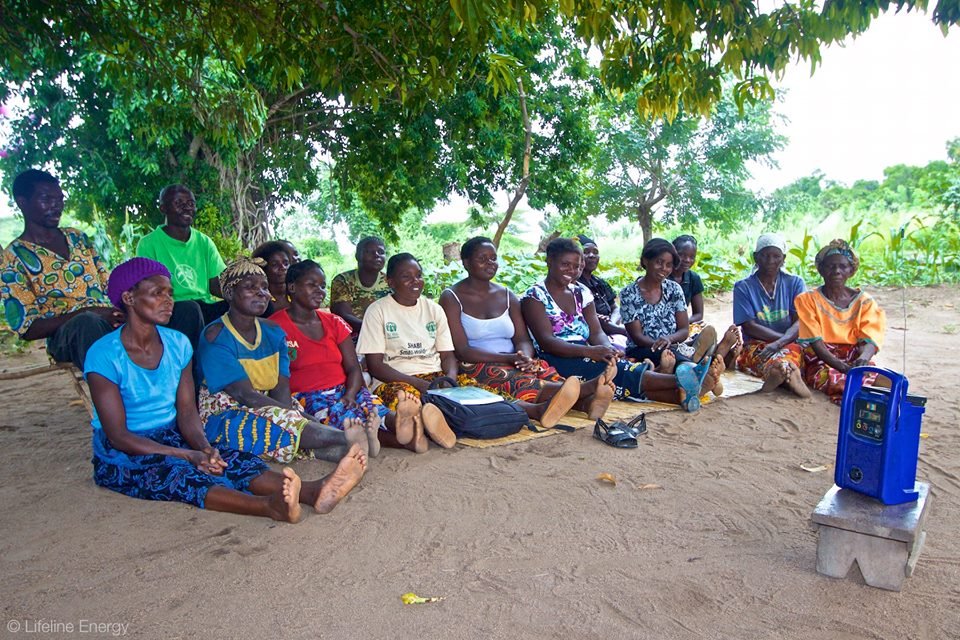
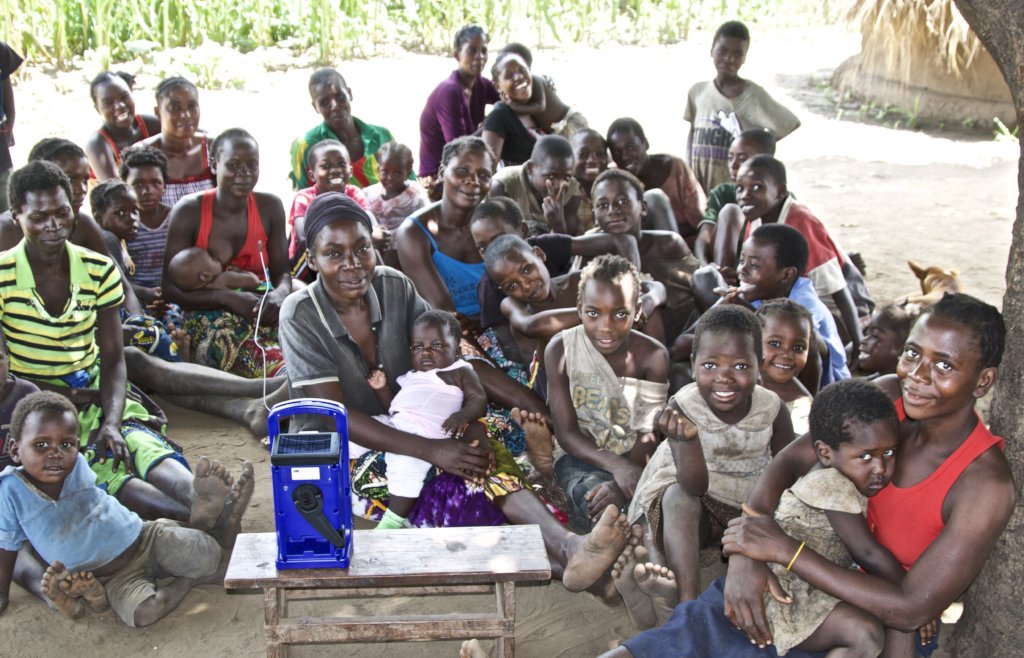
“Farm Talk reaches into the homes in the evening or beneath a mango tree during the day when farmer groups gather to tune to Farm Talk with one of COMACO’s 20,000 radios from Lifeline From the programs we air, they’re learning how to avoid past mistakes that have cost them their soils, forests, and wildlife.  Farm Talk gives them the skills and the confidence to bring back what they have lost.  Nature is now our life and our future.”

Our need to supply Prime radios and Lifeplayer MP3 units is continuous.  As COMACO grows, so does Lifeline and its need for more of our products increases.  We are deeply grateful that you continue to support this hugely worthwhile project.

Thank you!


Share on Twitter Share on Facebook
 
Permalink
‹ 1 2 3 4 5 6 7 ›

About Project Reports

Project reports on GlobalGiving are posted directly to globalgiving.org by Project Leaders as they are completed, generally every 3-4 months. To protect the integrity of these documents, GlobalGiving does not alter them; therefore you may find some language or formatting issues.

If you donate to this project or have donated to this project, you can receive an email when this project posts a report. You can also subscribe for reports without donating.
Sign up for updates


Organization Information

Lifeline Energy

Location: Cape Town, South Africa - South Africa
Website: http:/​/​www.lifelineenergy.org
Lifeline Energy
Kristine Pearson
Project Leader:
Kristine Pearson
Cape Town , South Africa

Funded Project!

Combined with other sources of funding, this project raised enough money to fund the outlined activities and is no longer accepting donations.
  You last donated to this project on  

Still want to help?

Find another project in Zambia or in Climate Action that needs your help.
Find a Project

Learn more about GlobalGiving

Teenage Science Students
Vetting +
Due Diligence

Snorkeler
Our
Impact

Woman Holding a Gift Card
Give
Gift Cards

Young Girl with a Bicycle
GlobalGiving
Guarantee

Get incredible stories, promotions, and matching offers in your inbox

Donate https://www.globalgiving.org/dy/cart/view/gg.html?cmd=addItem&projid=23299&rf=microdata&frequency=ONCE&amount=25
Please Note
GlobalGiving
GlobalGiving makes it easy and safe for you to give to local projects anywhere in the world, while providing nonprofits with the tools, training, and support they need to thrive.
Help Center
facebook
instagram
linkedin

Donors toggle arrow

Ways to Give
Philanthropic Gifts
Professional Advisors
Start a Fundraiser

Nonprofits toggle arrow

Start an Application
Why Join?
Handbook
Pricing & Fees

Companies toggle arrow

Our Services
Our Partners
Corporate Gift Cards
GlobalGiving Atlas

About Us toggle arrow

How It Works
Jobs
FAQs
Contact Us

Learn Library toggle arrow

Nonprofit Resources
Corporate Giving Resources
Donor Resources
Success Stories

Washington Post
CNN
NPR
New York Times
Charity Navigator Four Star Charity
Candid - Guidestar Platinum Participant
BBB Accredited Charity
SSL- and PCI-Verified Secure Site
© Copyright 2000-2025 GlobalGiving, a 501(c)(3) organization (EIN: 30‑0108263)
Registered Charity in England and Wales # 1122823
1 Thomas Circle NW, Suite 800, Washington, DC 20005, USA   Questions?  Contact Us
 ·  Privacy ·  Cookies ·  Terms ·  Pricing ·  API ·  Data
WARNING: Javascript is currently disabled or is not available in your browser. GlobalGiving makes extensive use of Javascript and will not function properly with Javascript disabled. Please enable Javascript and refresh this page.



